

 English
 Français
 Español
 Português
 عربى
عربى











 Knowledge
Active vs. passive telecom electronic equipment: Main functional differences.
Modern communication networks depend on a broad range of telecommunication products that enable information transmission, exchange, monitoring, and network management. As digital transformation accelerates across industries, communication infrastructure continues to expand from traditional voice networks to fiber-optic broadband, cloud connectivity, railway communications, industrial networking, and smart city deployments. Within this ecosystem, telecom electronic equipment can generally be divided into two major categories: active equipment and passive equipment.
Understanding the functional differences between active and passive devices is essential for network planners, telecommunications operators, internet service providers, and enterprise users. Active devices require electrical power to process, amplify, switch, monitor, or control signals, while passive devices provide physical transmission paths, protection, connectivity, and distribution functions without signal processing. Both categories are indispensable for reliable communication infrastructure.
As communication networks become increasingly complex, organizations seek high-quality solutions that comply with international manufacturing and quality standards. Many network operators prioritize ISO9001 ISO14001 telecom equipment because standardized production processes improve reliability, consistency, environmental responsibility, and long-term operational performance. This article explores the major differences between active and passive telecom equipment, examines several important product categories, and discusses how integrated communication solutions support modern network construction.
Understanding Active and Passive Telecommunications Infrastructure
Before examining individual product categories, it is important to establish a clear distinction between active and passive telecommunications infrastructure. Active equipment includes devices that consume electrical power and perform functions such as signal conversion, switching, transmission control, routing, monitoring, and network management. Examples include transmission units, network switches, power systems, monitoring platforms, and communication control devices.
Passive equipment, by contrast, does not modify electronic signals through powered processing. Instead, passive devices provide the physical framework that allows signals to travel across communication networks. Typical examples include fiber distribution frames, optical connectors, communication cabinets, cable management systems, and passive optical components.
The relationship between these two categories is highly complementary. Active devices cannot function efficiently without well-designed passive infrastructure, while passive systems alone cannot provide intelligent network services. Therefore, successful network deployment requires balanced integration of both equipment types throughout the communication lifecycle.
| Comparison Item | Active Equipment | Passive Equipment |
| Power Requirement | Requires electrical power | No electrical power required |
| Signal Processing | Processes and controls signals | Provides transmission pathways |
| Maintenance Complexity | Higher | Lower |
| Network Intelligence | High | Minimal |
| Typical Examples | Monitoring systems, transmission devices, power systems | Cabinets, optical components, distribution frames |
Communication Electronic Equipment: The Active Core of Modern Networks
Communication electronic equipment represents one of the most important categories of active telecommunications infrastructure. These systems perform critical operational tasks including signal transmission, network management, traffic control, equipment monitoring, and service delivery. Because communication networks must handle increasing volumes of data traffic, active devices play a central role in maintaining service quality and operational efficiency.
Network operators depend heavily on telecom electronic equipment to support broadband access, enterprise networking, railway communications, and metropolitan network deployments. These devices enable communication signals to be transmitted over long distances while maintaining reliability and performance standards. In many cases, they also support remote diagnostics, alarm management, and centralized monitoring functions.
An important advantage of active equipment is its adaptability. Modern systems can be configured to accommodate changing network requirements, future capacity expansion, and evolving service demands. Through software configuration and intelligent control functions, operators can optimize network resources without extensive physical reconstruction.
Wanma Technology Co., Ltd. has extensive experience in developing communication electronic equipment for diverse communication environments. Its solutions are deployed across Ethernet networks, optical communication networks, national high-speed railway systems, urban rail transit projects, and central equipment rooms. Through integrated engineering capabilities, the company supports both standard and customized deployment requirements.
- Signal transmission and network management support
- Remote monitoring and fault diagnosis capabilities
- Flexible deployment for various communication scenarios
- Scalable architecture for future network growth
- Integration with broader communication infrastructure systems
Organizations often prioritize ISO9001 ISO14001 telecom equipment within this category because operational reliability directly affects network uptime and service continuity. Standardized manufacturing and environmental management practices contribute to consistent product quality across large-scale deployments.
Communication Cabinets: The Protective Foundation of Passive Infrastructure
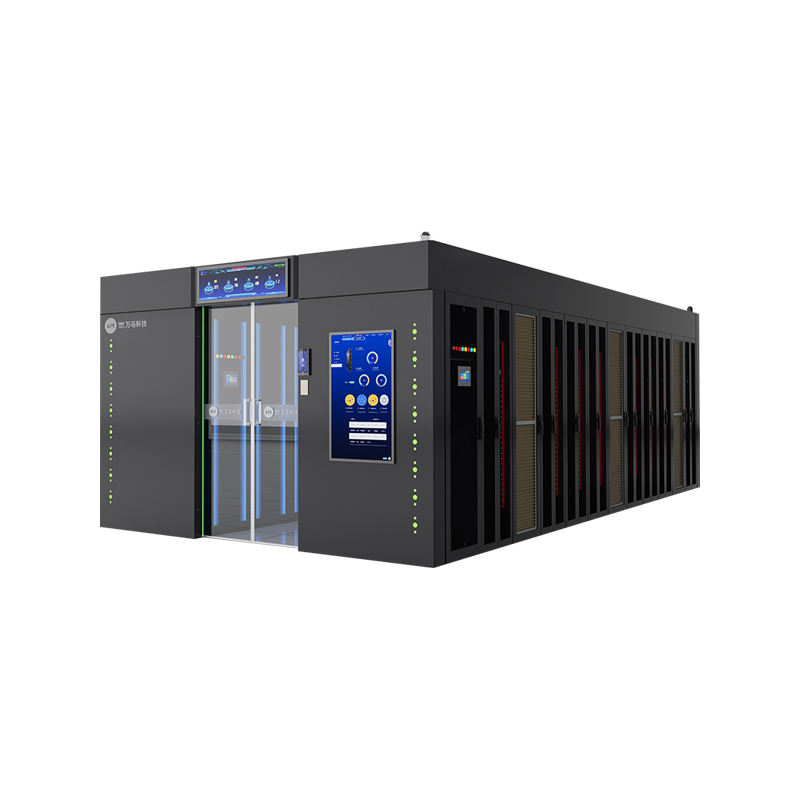
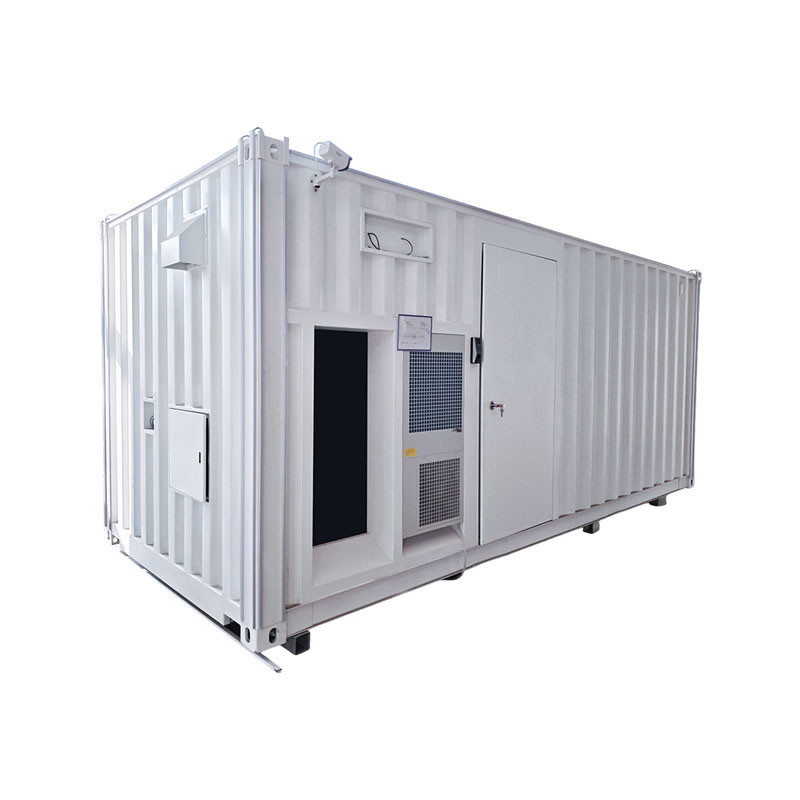
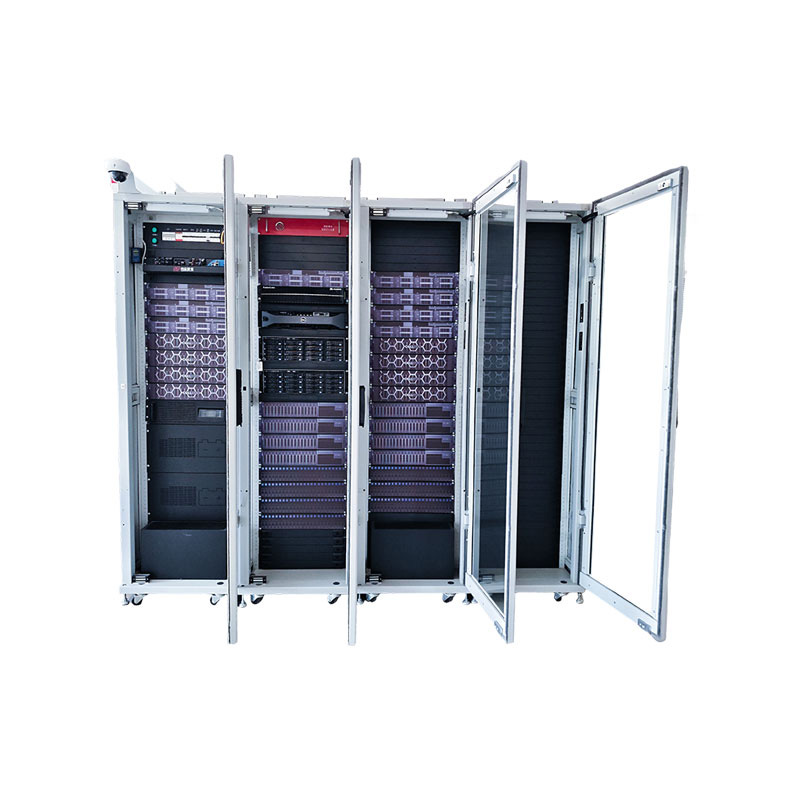
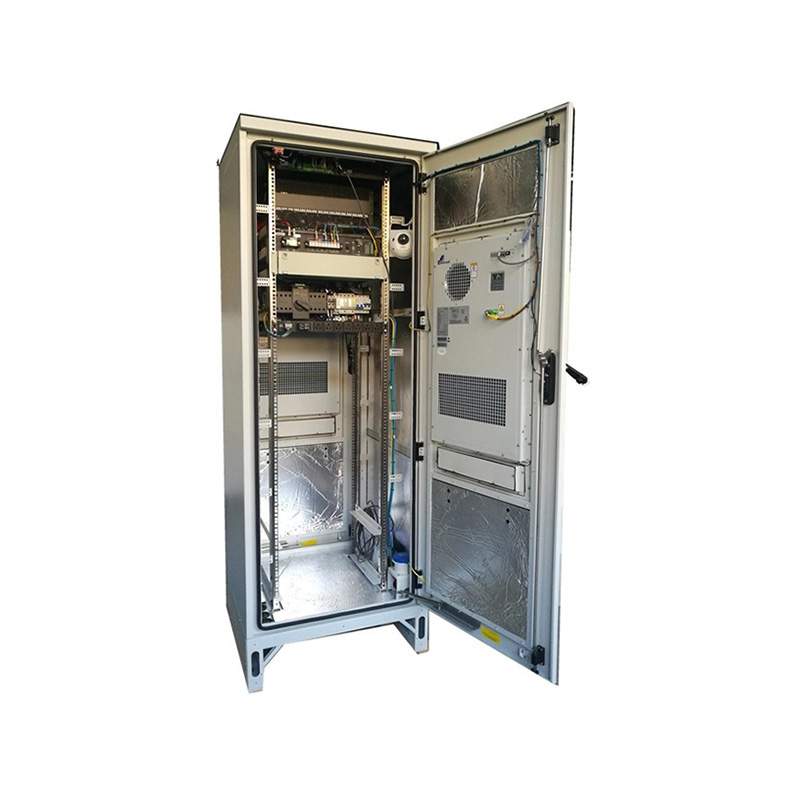
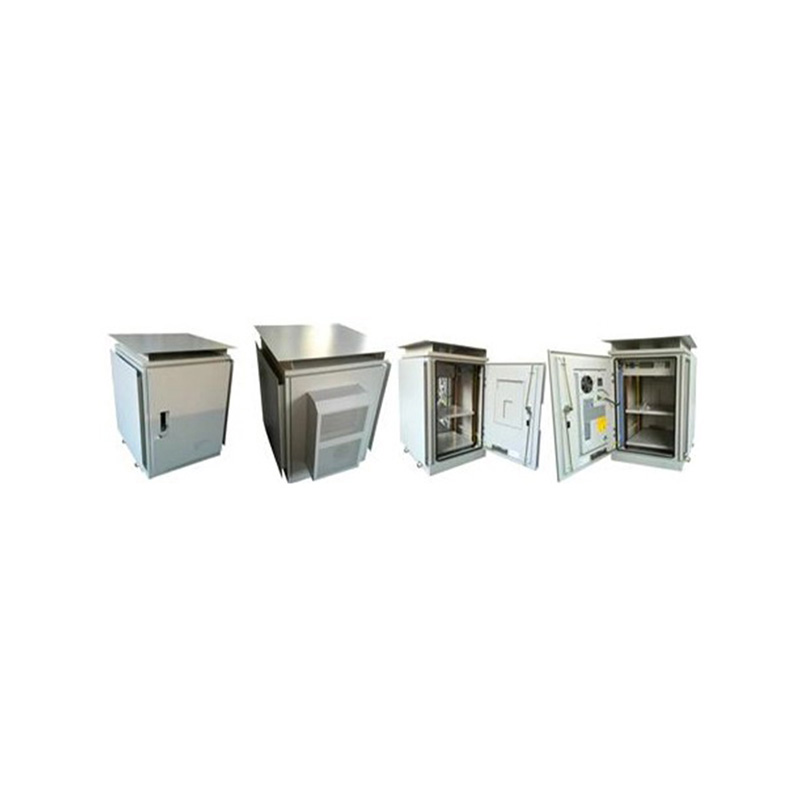
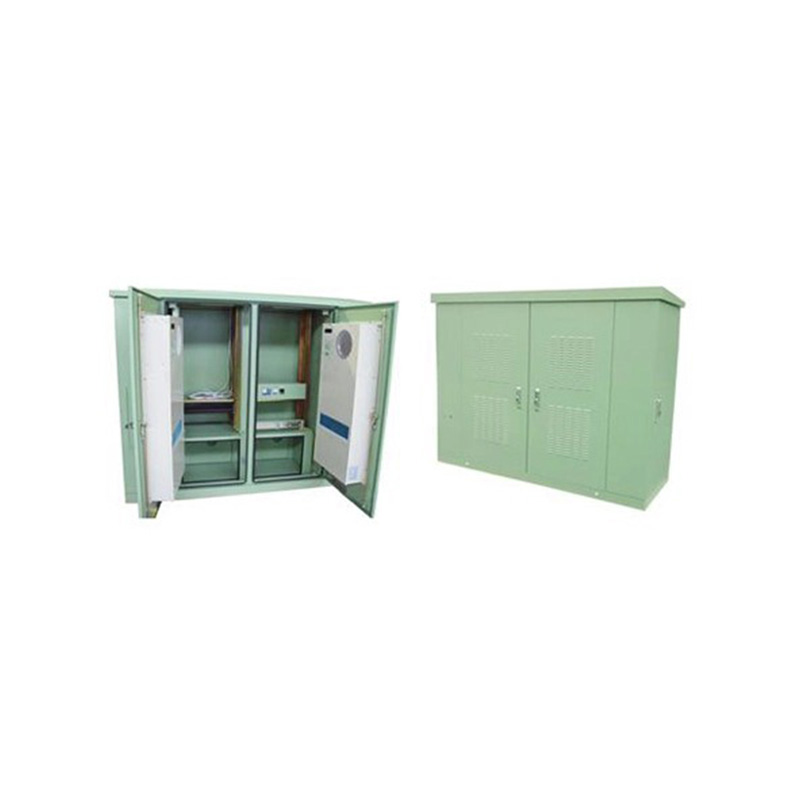
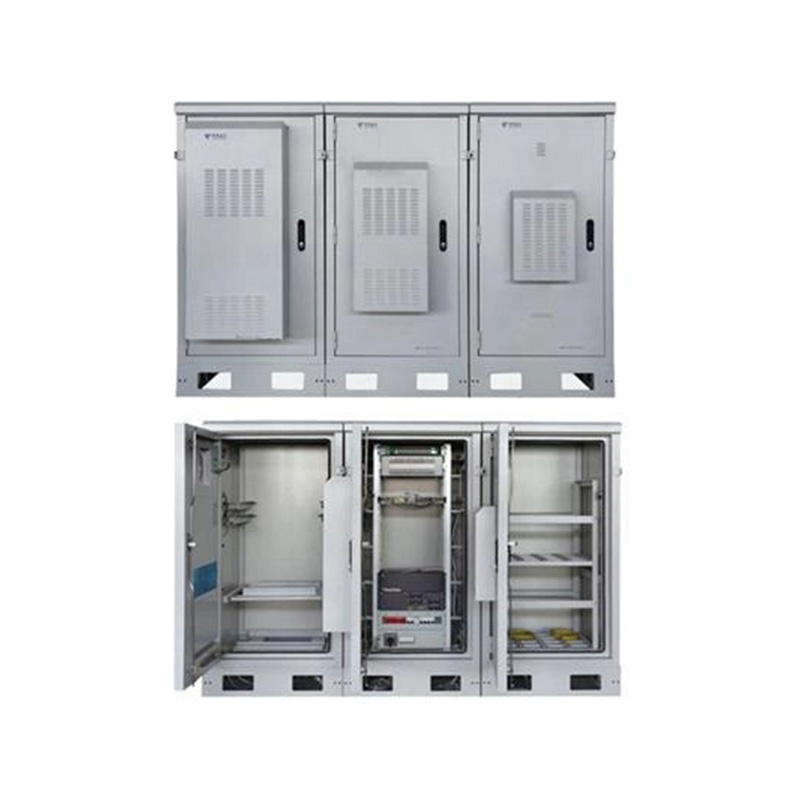
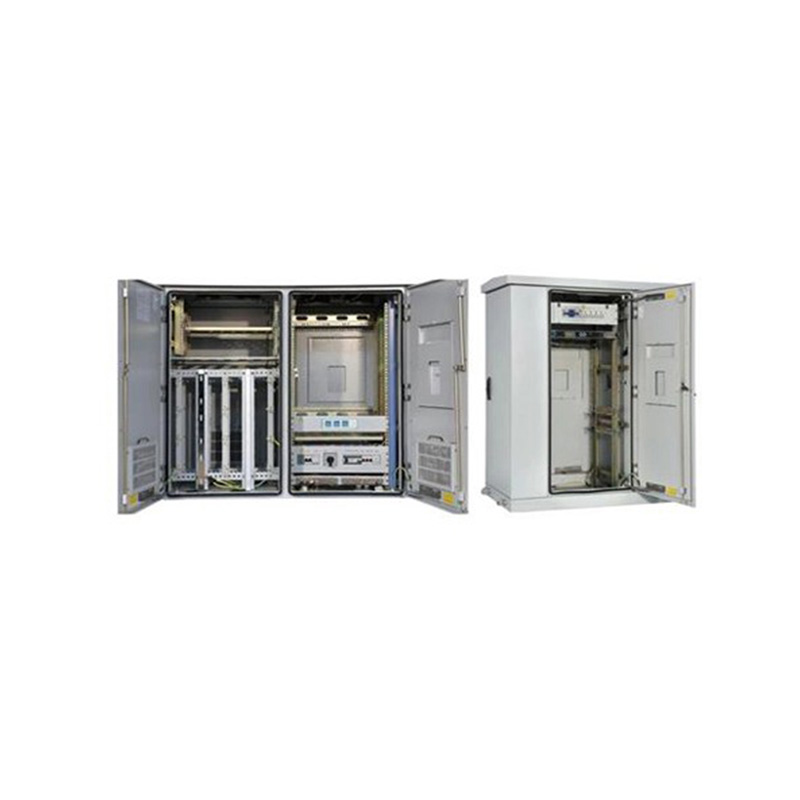
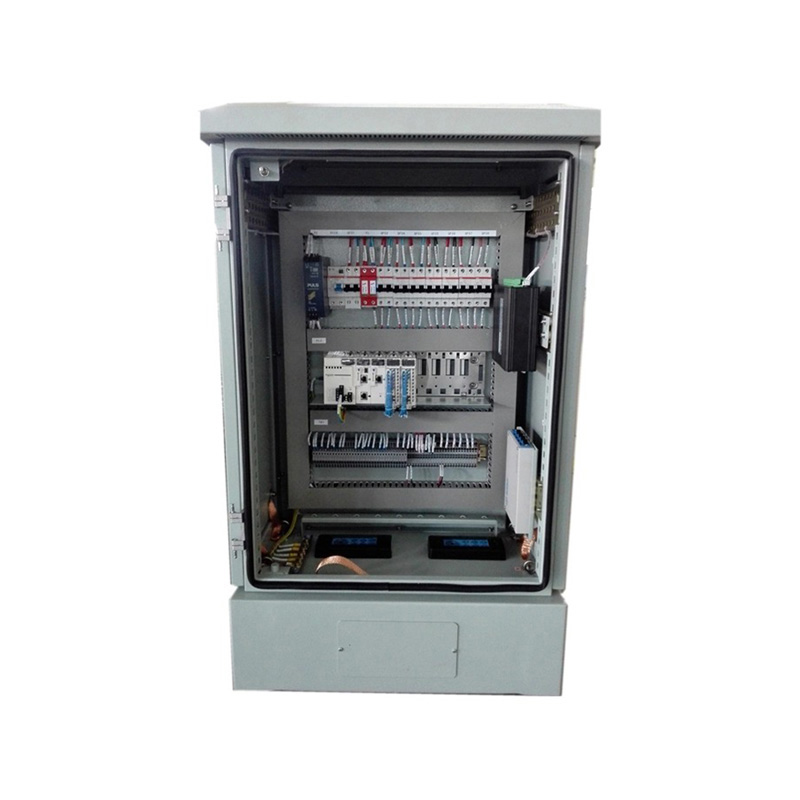
Communication cabinets belong primarily to the passive infrastructure category and serve as protective enclosures for active communication devices. Although cabinets do not process communication signals directly, they provide a secure operating environment that protects equipment from environmental conditions, unauthorized access, physical damage, and cable management challenges.
Modern communication cabinets are designed to accommodate increasingly sophisticated telecommunications infrastructure. They support equipment organization, airflow management, power distribution arrangements, cable routing, and maintenance accessibility. Effective cabinet design significantly influences operational efficiency, maintenance convenience, and long-term equipment reliability.
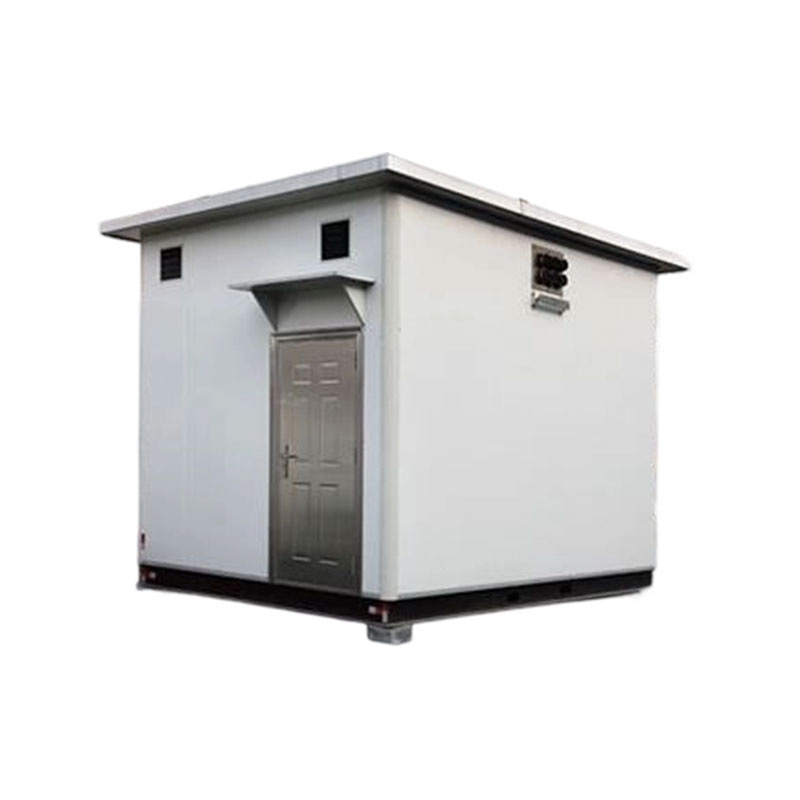
Within large communication networks, cabinets are commonly installed in equipment rooms, outdoor base stations, transportation systems, industrial facilities, and enterprise data communication environments. Their role extends beyond simple physical protection by contributing to infrastructure standardization and operational organization.
Wanma Technology Co., Ltd. specializes in various communication cabinet solutions designed to meet different deployment requirements. Through customized structural design capabilities, the company provides configurations based on site conditions, climatic factors, power availability, and future expansion needs. This flexibility allows communication operators to optimize infrastructure utilization while maintaining long-term scalability.
Many communication projects combine cabinets with telecom electronic equipment to create integrated network nodes capable of supporting transmission, monitoring, and power management functions. The cabinet serves as the physical platform, while active devices deliver network intelligence and service capabilities.
Key Benefits of Communication Cabinets
- Provide environmental protection for sensitive equipment.
- Improve cable organization and maintenance efficiency.
- Support standardized infrastructure deployment.
- Enable future equipment expansion.
- Enhance operational safety and security.
Passive Optical Components: Enabling Efficient Signal Distribution
Passive optical components form another major category of passive telecommunications infrastructure. These products support optical signal transmission, distribution, connection, and routing without requiring electrical power. They are essential building blocks in fiber-optic communication networks and are widely used in broadband access networks, enterprise communications, transportation systems, and large-scale network backbones.
Unlike active transmission equipment that processes signals electronically, passive optical components preserve signal pathways while minimizing complexity. Their design emphasizes stability, durability, and long service life. Because they contain no powered electronic circuitry, passive optical components generally require less maintenance than active systems.
Typical applications include optical distribution systems, fiber interconnection points, network expansion projects, and structured communication infrastructures. These components play a critical role in ensuring that optical signals can travel efficiently between different sections of a communication network.
The widespread adoption of fiber-based communication technologies has significantly increased demand for high-quality passive optical products. Organizations increasingly seek ISO9001 ISO14001 telecom equipment in this category because quality consistency directly influences network stability and installation efficiency.
As a supplier of communication electronic equipment and passive optical components, Wanma Technology Co., Ltd. supports integrated fiber network construction projects. Its capabilities extend from network planning and engineering implementation to technical support and maintenance services, helping customers establish reliable communication infrastructures throughout the project lifecycle.
Typical Applications of Passive Optical Components
- Fiber-optic broadband networks
- Urban rail transit communication systems
- Enterprise communication infrastructure
- Central equipment rooms
- Long-distance optical transmission networks
Integrated Network Solutions: Combining Active and Passive Equipment
The most successful communication projects do not treat active and passive equipment as isolated elements. Instead, modern network architecture integrates both categories into a unified infrastructure framework. Communication cabinets house active devices, passive optical components connect network segments, and communication electronic equipment delivers intelligent network functionality.
This integrated approach improves deployment efficiency, simplifies maintenance procedures, and supports long-term scalability. Network operators benefit from coordinated design strategies that consider power requirements, environmental conditions, cable management, equipment accessibility, and future service expansion.
A complete project often begins with network planning and architecture design. Following design approval, implementation proceeds through equipment selection, infrastructure construction, system integration, testing, commissioning, and ongoing technical support. Organizations that provide comprehensive services can help reduce project complexity while improving deployment consistency.
To support these objectives, Wanma Technology Co., Ltd. offers solution design, product selection, structural customization, system integration, technical guidance, training services, and operational support. These capabilities allow customers to deploy communication infrastructure that aligns with site-specific requirements while maintaining operational reliability.
Whether supporting telecommunications operators, internet service providers, transportation systems, or enterprise networks, integrated deployment strategies maximize the value of both passive infrastructure and telecom electronic equipment. The result is a communication environment capable of supporting growing digital connectivity demands.
The Importance of International Standards in Telecommunications Equipment
Quality assurance remains one of the most important considerations when selecting telecommunications infrastructure. Communication networks often operate continuously for many years, making reliability and consistency critical evaluation criteria. Internationally recognized quality and environmental management systems help manufacturers establish repeatable production processes and maintain stable product performance.
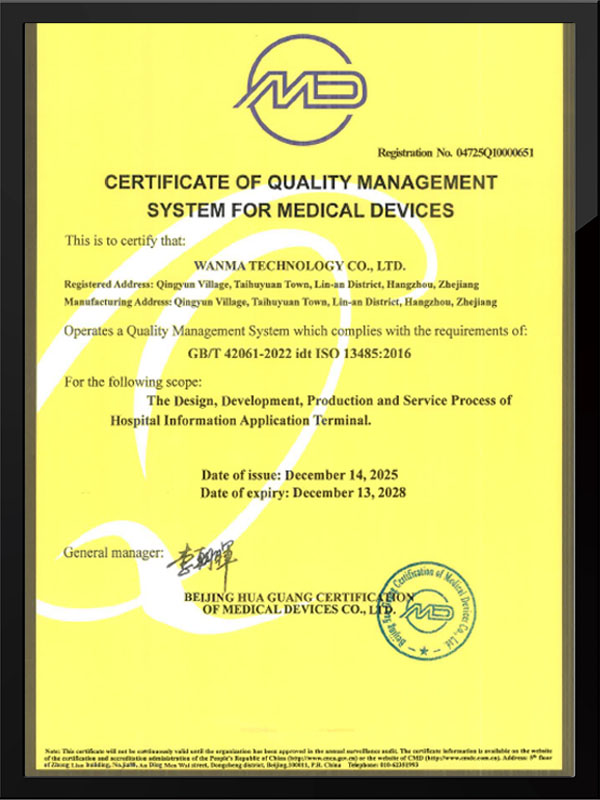
For this reason, many organizations actively specify ISO9001 ISO14001 telecom equipment during procurement and project planning stages. These standards provide confidence that manufacturing processes follow structured quality control procedures and environmental management practices. Such compliance becomes especially valuable in large-scale communication projects where equipment consistency is essential.
Network operators also benefit from suppliers capable of providing engineering support, deployment services, customization options, and technical consultation. Combining standardized manufacturing with practical implementation expertise helps ensure that communication systems achieve expected performance objectives throughout their operational lifecycle.
For example, organizations implementing telecom electronic equipment and ISO9001 ISO14001 telecom equipment within the same project framework often experience improved consistency between design expectations and field deployment outcomes.
Conclusion
Active and passive telecommunications equipment serve fundamentally different but highly complementary roles within modern communication networks. Active equipment provides signal processing, network intelligence, monitoring, and operational control, while passive infrastructure supplies the physical pathways, protection, and connectivity necessary for efficient network operation.
Communication electronic equipment, communication cabinets, and passive optical components each contribute unique value to network architecture. Understanding their functional distinctions allows organizations to make informed infrastructure decisions while supporting long-term operational goals.
As communication technologies continue evolving, demand for reliable telecom electronic equipment and high-quality ISO9001 ISO14001 telecom equipment will remain strong. Organizations that combine quality products, engineering expertise, and integrated deployment capabilities will be well positioned to support the next generation of digital connectivity.
Frequently Asked Questions
Q1: What is the primary difference between active and passive telecom equipment?
Active equipment requires electrical power and performs signal processing, monitoring, or control functions. Passive equipment does not require power and mainly provides physical connectivity, protection, or signal distribution pathways.
Q2: Why are communication cabinets considered important in telecommunications networks?
Communication cabinets protect network devices, improve cable management, support maintenance activities, and create standardized infrastructure environments that enhance long-term operational reliability.
Q3: What advantages does ISO9001 ISO14001 telecom equipment provide?
Such equipment is produced under structured quality management and environmental management systems, helping improve manufacturing consistency, reliability, and compliance with project requirements.
Q4: How do passive optical components support communication networks?
Passive optical components enable efficient fiber-optic signal distribution, interconnection, and routing without requiring electrical power, making them essential elements of modern optical communication infrastructure.
Q5: What services can support successful telecommunications deployment projects?
Comprehensive services typically include network planning, solution design, equipment selection, system integration, engineering implementation, commissioning, technical training, and long-term operational support.