

 English
 Français
 Español
 Português
 عربى
عربى




 Knowledge
How Does a Containerized Data Center Improve IT Infrastructure Flexibility?
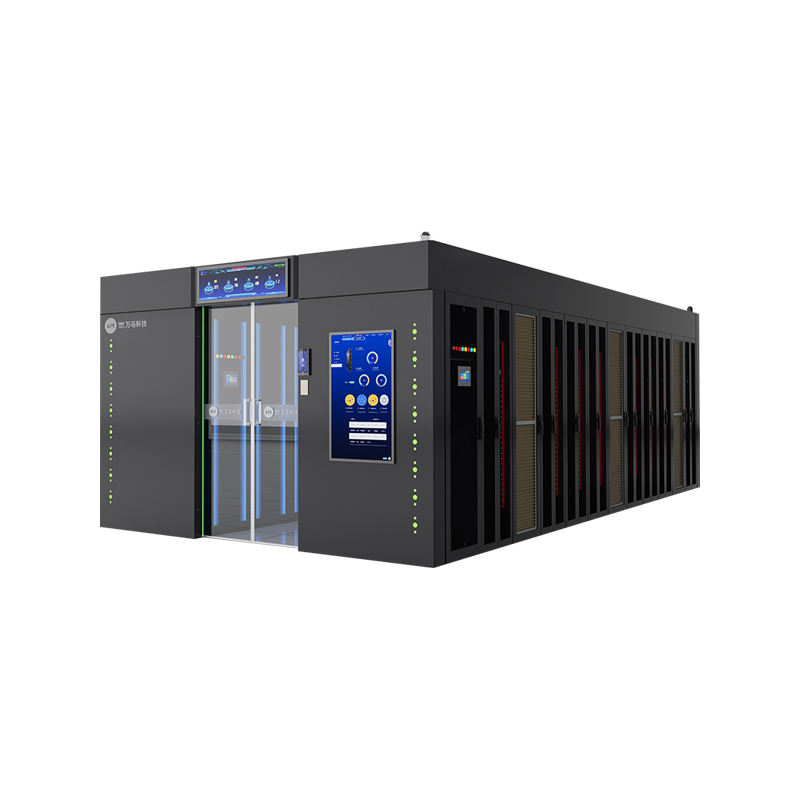
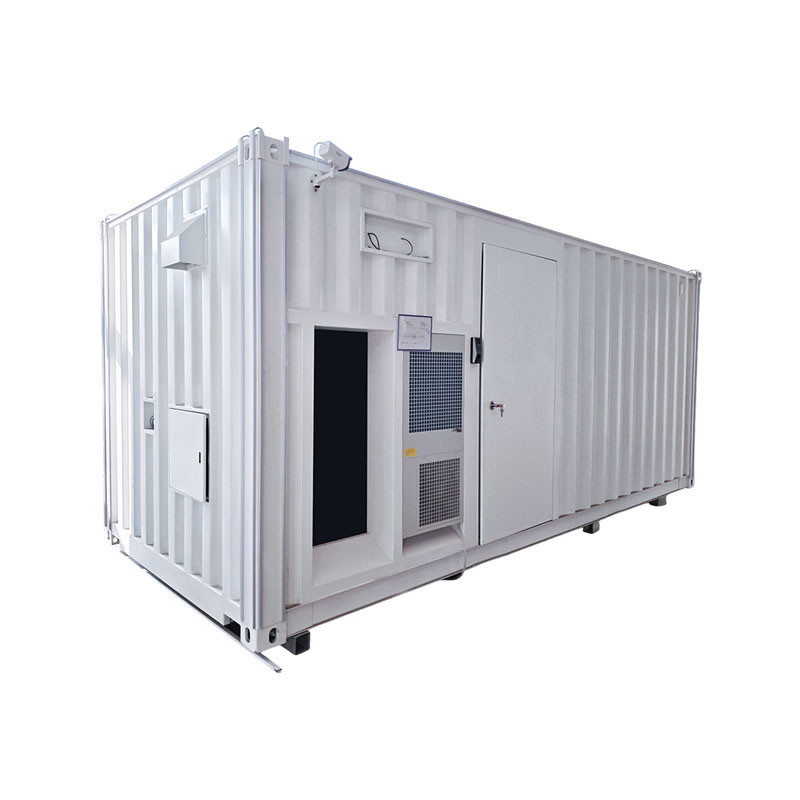
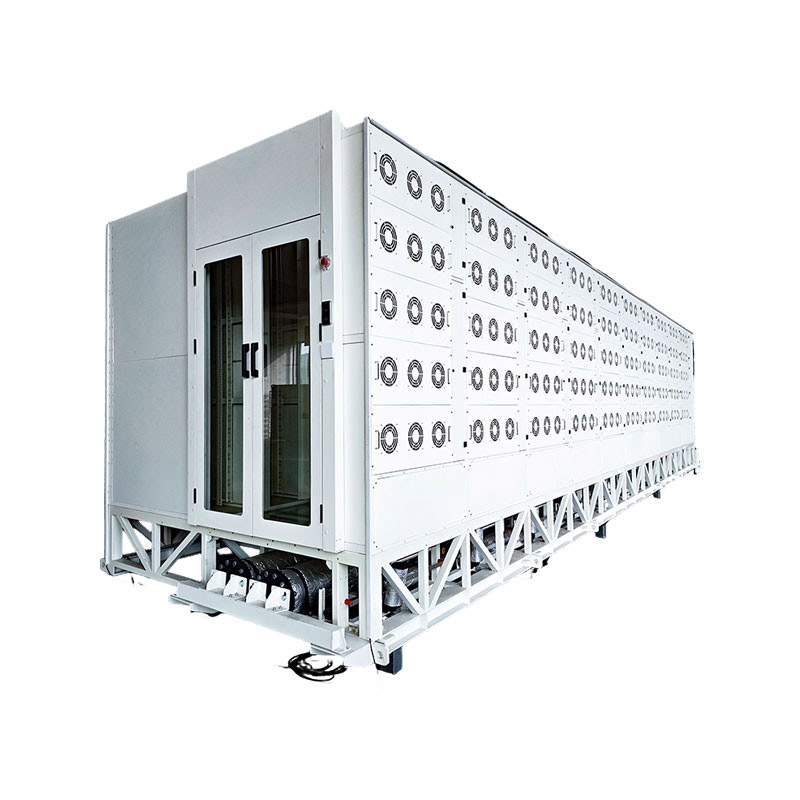
A containerized data center 20ft 40ft solution has emerged as a transformative approach to IT infrastructure deployment. By integrating computing, cooling, power distribution, and monitoring systems into standardized shipping containers, organizations can achieve highly flexible, rapidly deployable, and easily scalable data center environments. This model is particularly valuable for edge computing, temporary deployments, disaster recovery, and distributed network expansion.
Unlike traditional brick-and-mortar data centers, containerized systems emphasize modularity and mobility. The ability to deploy a fully functional IT environment in a 20ft or 40ft containerized data center significantly reduces construction complexity while enhancing operational agility. This flexibility is reshaping how enterprises design and expand their digital infrastructure.
Core Concept of Containerized Data Centers
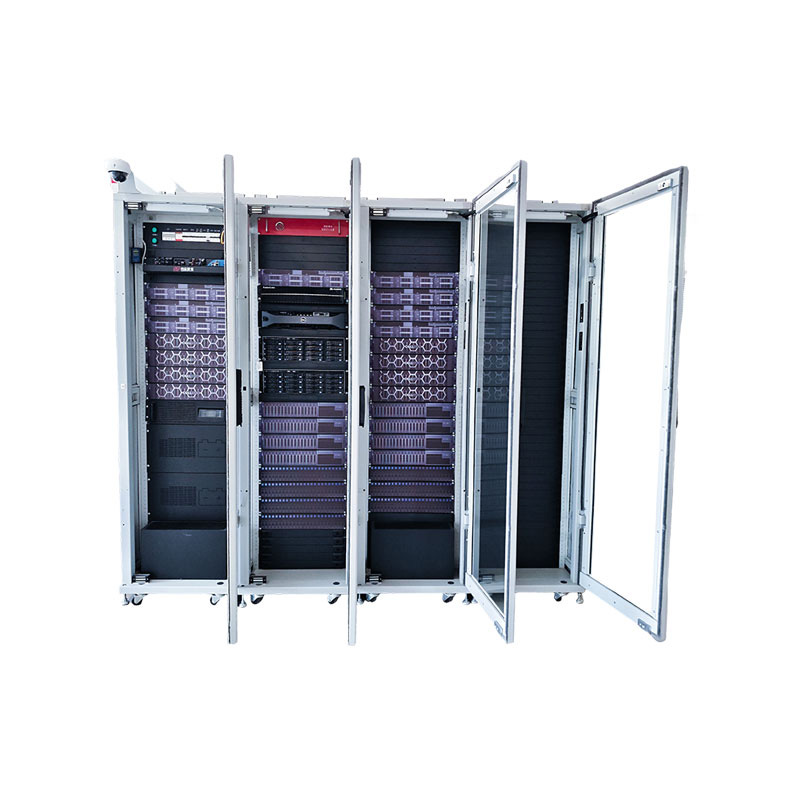
A containerized data center is a self-contained modular unit that integrates all essential infrastructure components, including:
- Server racks and IT hardware space
- Cooling systems (air or liquid cooling)
- Power supply and distribution systems
- Fire suppression and environmental monitoring
- Network connectivity modules
The system is designed to function independently or as part of a larger distributed architecture. The containerized data center 20ft 40ft configuration allows organizations to select capacity based on workload requirements and deployment scenarios.
Key Advantages in Infrastructure Flexibility
Rapid Deployment Capability
Traditional data centers require months or years of construction. In contrast, containerized systems are pre-engineered and factory-tested, enabling plug-and-play deployment.
Modular Scalability
Organizations can scale infrastructure horizontally by adding additional 20ft or 40ft units rather than redesigning entire facilities.
Mobility and Relocation
Container-based structures can be transported via standard logistics systems, making them ideal for temporary or geographically shifting workloads.
Reduced Infrastructure Complexity
Power, cooling, and networking are pre-integrated, reducing dependency on on-site engineering work.
Technical Structure Overview
| System Component | Function Description | Typical Configuration in 20ft/40ft Units |
|---|---|---|
| IT Server Zone | Hosts computing equipment and storage systems | Modular rack-mounted servers |
| Cooling System | Maintains thermal stability | In-row cooling or rear-door heat exchange |
| Power Distribution | Ensures stable and redundant power supply | UPS, PDU, and battery integration |
| Monitoring System | Tracks temperature, humidity, and security | Intelligent IoT-based sensors |
| Network Module | Provides connectivity to external networks | Fiber optic and Ethernet interfaces |
This modular architecture ensures that a containerized data center 20ft 40ft can be deployed in diverse environments with minimal customization.
Application Scenarios
Containerized data centers are widely used across multiple IT-driven industries:
- Edge computing for low-latency applications
- Telecom network expansion and remote base stations
- Emergency and disaster recovery infrastructure
- Temporary high-performance computing environments
- Smart city and transportation systems
- Industrial IoT and distributed monitoring platforms
Their adaptability makes them suitable for both urban and remote deployments where traditional infrastructure is impractical.
Material and Structural Design Considerations
| Design Aspect | Material/Technology Used | Functional Benefit |
|---|---|---|
| Enclosure Structure | Reinforced steel container frame | High durability and transport safety |
| Thermal Insulation | Composite insulation panels | Energy efficiency and temperature control |
| Anti-corrosion Layer | Industrial-grade coating materials | Long-term outdoor environmental resistance |
| Cable Management | Modular routing channels | Simplified maintenance and scalability |
The robust structural design ensures long-term stability and environmental adaptability for both 20ft and 40ft containerized data center configurations.
Role in Modern IT Infrastructure Strategy
The shift toward distributed computing has increased demand for flexible infrastructure. Containerized systems support:
- Hybrid cloud architectures
- Edge-to-core computing integration
- Rapid expansion of digital services
- Decentralized data processing models
By enabling infrastructure replication through modular units, enterprises can maintain consistency across multiple locations while improving deployment efficiency.
Industrial Solutions and System Integration
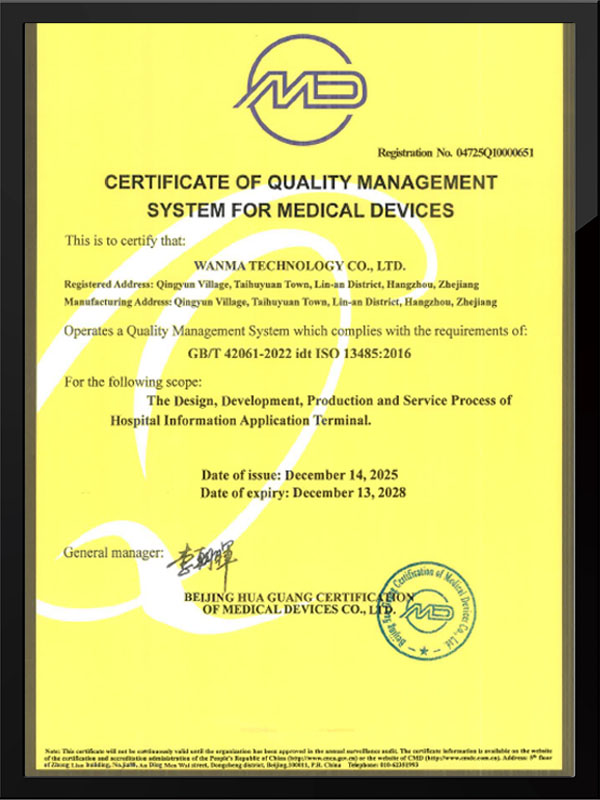
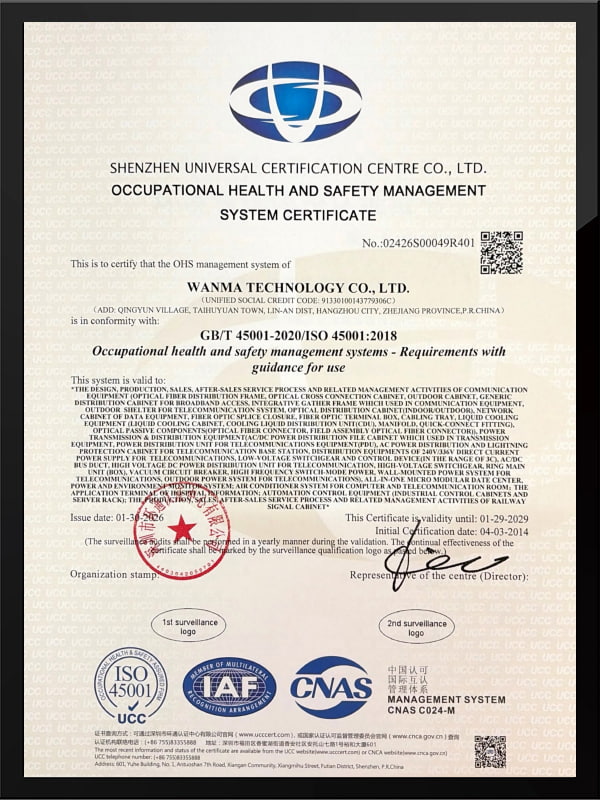
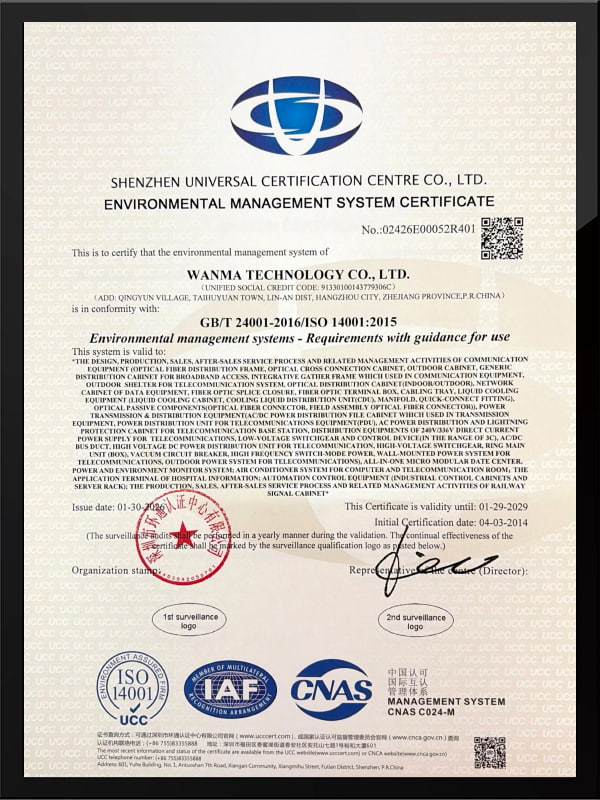
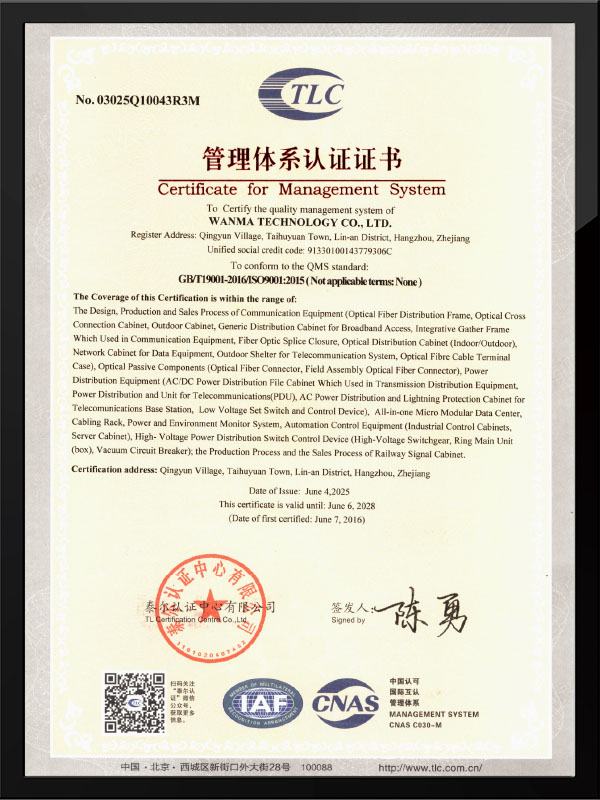
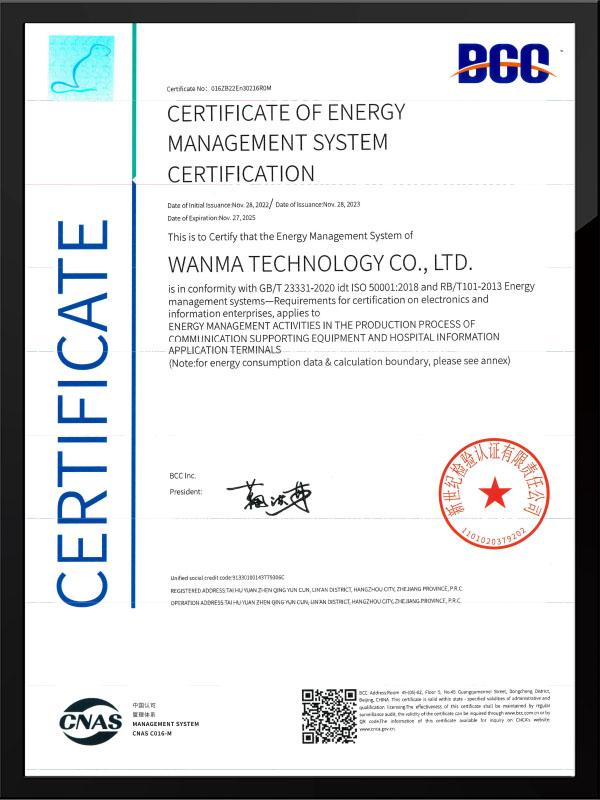
In the field of communication infrastructure, Wanma Technology Co., Ltd. plays a role in supporting integrated system development for communication environments. The company specializes in communication cabinets, electronic equipment, and passive optical components, which are widely used in Ethernet networks, optical communication systems, and transportation communication infrastructures.
Its expertise in integrated solutions aligns with the needs of containerized deployment models, where communication cabinets, power systems, and optical modules must work together efficiently within compact, controlled environments.
FAQ
1. What is a containerized data center?
A containerized data center is a modular IT facility integrated into a standardized container, combining computing, power, cooling, and networking systems.
2. What is the difference between 20ft and 40ft containerized data centers?
A 20ft unit is typically used for compact or edge deployments, while a 40ft unit provides higher capacity and supports larger workloads.
3. Why are containerized data centers more flexible than traditional ones?
They are pre-built, modular, and transportable, allowing rapid deployment, easy scaling, and relocation without major infrastructure changes.
4. Where are containerized data centers commonly used?
They are widely used in telecom networks, edge computing, disaster recovery, industrial IoT, and remote infrastructure environments.
5. How do they support modern IT infrastructure strategies?
They enable distributed computing, hybrid cloud integration, and scalable edge deployment, improving overall IT agility and resilience.