

 English
 Français
 Español
 Português
 عربى
عربى




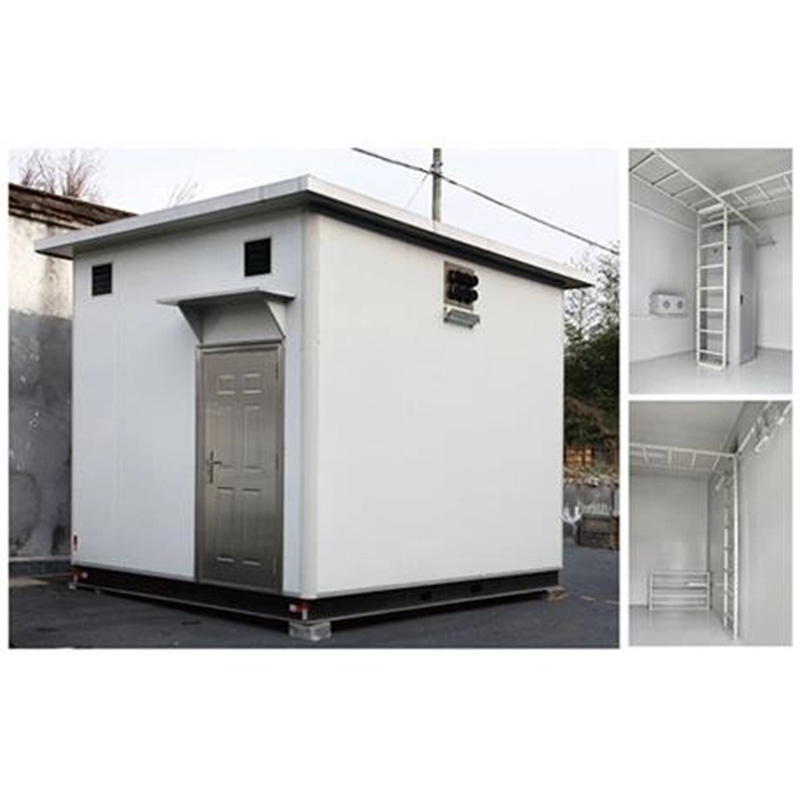
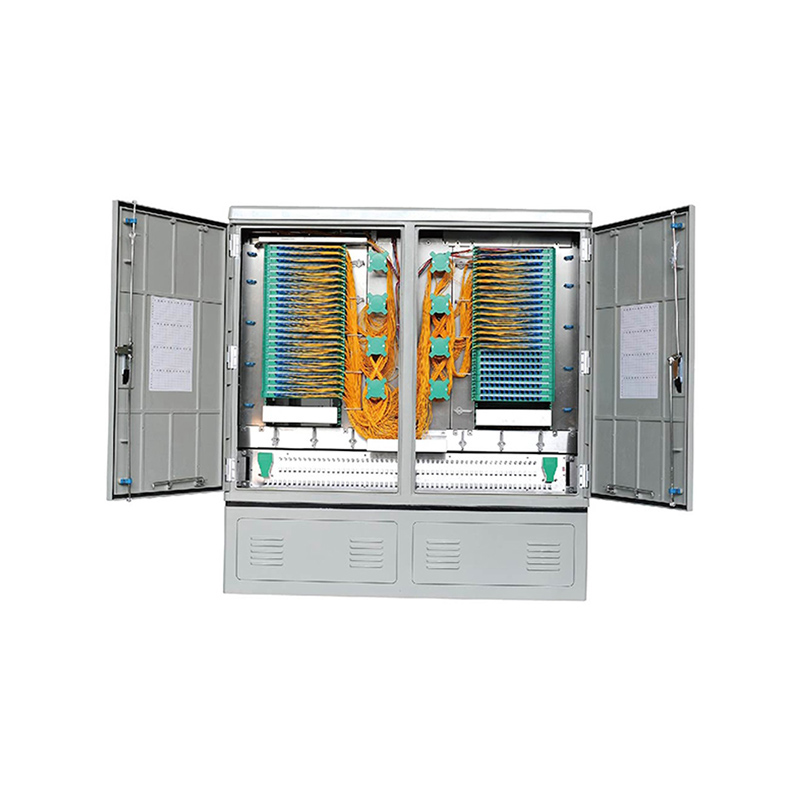
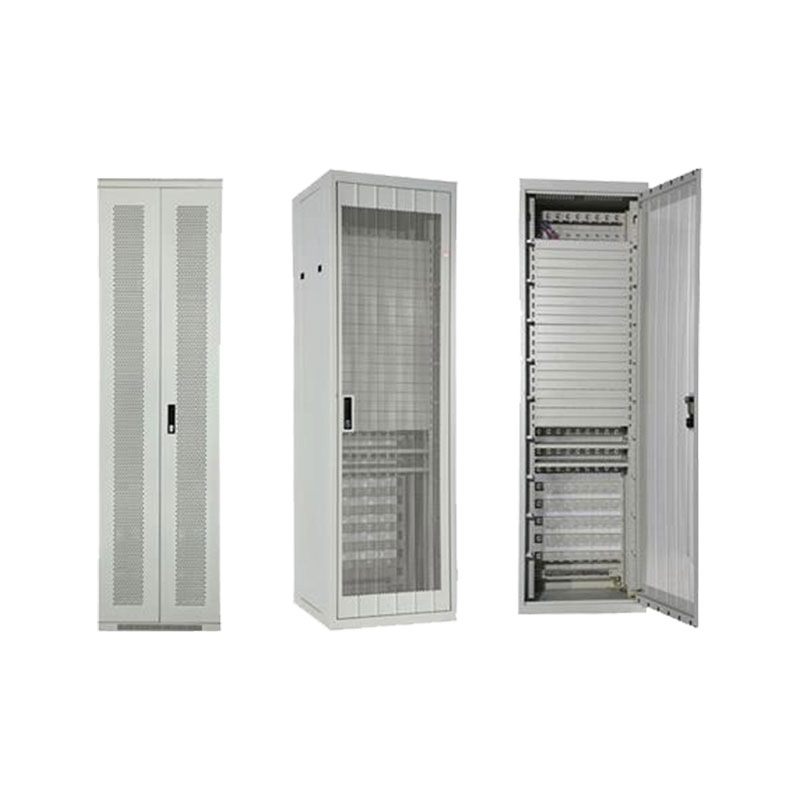
Application:It is used in generic cabling system for computer network and other projects and is mainly used to install the server, display, UPS and other 19-inch equipments and equipments in other siz...
See DetailsWhat Is Ethernet Optical Network Railway Transit Equipment and Why Is It Important for Smart Railways?
Content
- 1 Conclusion: Ethernet Optical Networks Are the Backbone of Smart Railway Transit
- 2 What Is Ethernet Optical Network Railway Transit Equipment?
- 3 Why Is Ethernet Optical Network Equipment Critical for Smart Railways?
- 4 Key Performance Requirements for Railway Optical Networks
- 5 How Ethernet Optical Network Equipment Enables Smart Railway Applications
- 6 What to Look for in Ethernet Optical Network Railway Transit Equipment
- 7 Frequently Asked Questions
- 7.1 What is the difference between Ethernet optical network equipment and traditional railway communication equipment?
- 7.2 Can existing copper-based railway networks be upgraded to optical?
- 7.3 How does optical network equipment ensure railway safety?
- 7.4 What bandwidth does a modern railway optical network require?
- 7.5 Is Ethernet optical network equipment compatible with existing railway protocols?
- 8 Optical Network Architecture for Railway Transit: A Simplified View
- 9 Conclusion: The Strategic Imperative of Optical Networks for Railway Transit
Conclusion: Ethernet Optical Networks Are the Backbone of Smart Railway Transit
Ethernet optical network railway transit equipment is the foundational communication infrastructure that enables smart railway operations. It consists of industrial-grade optical networking devices—including railway Ethernet switches, optical transceivers, media converters, and optical transport platforms—that transmit data over fiber optic cables to support mission-critical railway applications such as signaling, CCTV surveillance, passenger information systems, and train control.
This equipment is indispensable for smart railways because it delivers the ultra-high reliability, deterministic low latency, and massive bandwidth that modern rail networks demand. Without it, railways cannot achieve the digital transformation required for safer, more efficient, and passenger-centric operations. Optical networks in railway transit can achieve 99.999% reliability through hierarchical protection mechanisms, support single-wavelength rates of 10G/100G/200G with up to 120 wavelengths per fiber, and require up to 70% less cabling and 40% less power than traditional copper-based networks.
What Is Ethernet Optical Network Railway Transit Equipment?
Ethernet optical network railway transit equipment refers to the specialized hardware and systems that enable Ethernet-based data communication over optical fiber within railway environments. Unlike commercial-grade networking equipment, these devices are purpose-built to withstand the conditions of railway operations—including temperature fluctuations, vibration, shock, dust, moisture, and electromagnetic interference.
These systems typically operate on an all-optical network architecture that integrates multiple service types—including PCM, SDH, OTN, and Ethernet—onto a unified platform. Using Time Division Multiplexing (TDM) and Wavelength Division Multiplexing (WDM) technologies, the network ensures physical isolation between different services, guaranteeing zero crosstalk and security.
Core Equipment Categories
Ethernet optical network railway transit equipment encompasses several distinct product categories, each serving a specific function within the network architecture:
- Railway Ethernet Switches – Managed switches compliant with EN50155 and EN45545-2 standards, designed for onboard train operator networks and backbone connectivity. These devices connect all Ethernet-based onboard applications and provide PoE++ support delivering up to 90W per port.
- Optical Transport Network (OTN) Platforms – Multi-service optical transport platforms that centrally aggregate PCM, SDH, OTN, and Ethernet services. These platforms support 96 to 120 wavelengths for large-capacity transmission.
- Optical Line Terminals (OLTs) and Optical Network Units (ONUs) – Hardened optical distribution devices capable of supporting speeds up to 25Gb/s, deployed in station and trackside environments.
- Fiber Optic Media Converters – Devices that convert between electrical Ethernet signals and optical signals, enabling seamless integration of legacy copper-based equipment into fiber networks.
- Optical Transceivers and Assemblies – Fiber optic components including SFP modules, connectors, and cable assemblies that form the physical layer of the optical network.
Why Is Ethernet Optical Network Equipment Critical for Smart Railways?
Smart railways represent a fundamental shift from traditional rail operations to data-driven, automated, and passenger-centric systems. This transformation places demands on the underlying communication infrastructure. Ethernet optical network equipment addresses these demands through three core capabilities: reliability, deterministic low latency, and virtually unlimited bandwidth scalability.
1. Unmatched Reliability for Mission-Critical Operations
Railway signaling, train control, and SCADA systems cannot tolerate network failures. Ethernet optical networks achieve 99.999% reliability through hierarchical protection at the board, device, network, and service levels, combined with ASON protection against multiple fiber cuts. Time slot and wavelength isolation ensure security and zero crosstalk between different service types.
2. Deterministic Low Latency for Real-Time Control
Smart railway applications—particularly train control and signaling—require predictable, jitter-free latency. Multi-plane static cross-connections and direct wavelength transmission enable stable, deterministic low latency for production and train control signals. Single-fiber bidirectional transmission of IEEE 1588v2 clock synchronization signals eliminates the need for delay compensation.
3. Massive Bandwidth for Data-Intensive Applications
Modern railway operations generate enormous data volumes. High-definition video surveillance, passenger Wi-Fi, digital advertising, and IoT sensor networks require bandwidth far beyond what copper infrastructure can provide. Optical networks support single-wavelength rates of 10G/100G/200G with 80 to 120 wavelengths per fiber, delivering total capacities from 800G to 24T per fiber. Centrally storing and analyzing video between stations alone requires 15–20 Gbit/s of bandwidth.
4. Physical Security and Service Isolation
Railway networks must carry both operational (signaling, train control) and non-operational (passenger Wi-Fi, advertising) traffic on the same infrastructure without compromising safety. Hard pipes physically isolate railway production network services, security video backhaul, advertising video, and office services—ensuring zero crosstalk and blocking between critical and non-critical systems. TDM technology combined with L1 AES256 encryption ensures secure signal transmission.
5. Operational Efficiency and Sustainability
Beyond performance, optical networks deliver tangible operational benefits. Compared to traditional copper-based LAN infrastructure, optical networks require up to 70% less cabling and approximately 40% less power. This translates to lower installation costs, reduced maintenance overhead, and improved environmental sustainability—critical considerations for transit authorities operating under budget and regulatory constraints.
Key Performance Requirements for Railway Optical Networks
Ethernet optical network equipment for railway transit must meet stringent performance criteria that distinguish it from commercial or industrial networking equipment. The following table summarizes the critical requirements:
How Ethernet Optical Network Equipment Enables Smart Railway Applications
The value of ethernet optical network railway transit equipment is understood through the applications it enables. Each smart railway capability depends on the underlying optical infrastructure:
Passenger Information and Entertainment Systems
Real-time arrival announcements, platform display screens, and onboard Wi-Fi require high-bandwidth, low-latency connectivity. 94% of passengers now use devices while commuting on rail networks, making reliable onboard connectivity a competitive differentiator for transit operators. Optical backbones deliver the bandwidth needed for streaming media, dynamic route updates, and interactive passenger services.
Video Surveillance and Security
Modern railway systems deploy hundreds of high-definition CCTV cameras across stations, platforms, and trains. Fiber optic infrastructure requires up to 70% less cabling than copper alternatives, making large-scale camera deployments practical and cost-effective.
Train Control and Signaling
The future railway mobile communication system (FRMCS) evolution brings new challenges to railway communication networks, requiring higher throughput, higher reliability, lower latency, and more connection capabilities. Ethernet-passive optical network (E-PON) technology has been developed specifically for railway signaling systems, securing the safety, availability, and environmental resistance required for mission-critical operations.
Predictive Maintenance and IoT
IoT sensors monitor tracks, switches, rolling stock components, and power systems in real time. The integration of IoT devices has led to an evolution of rail networks, enabling predictive maintenance, energy optimization, and emergency response capabilities. Optical networks provide the reliable, high-bandwidth connectivity required to transmit sensor data from thousands of distributed points.
What to Look for in Ethernet Optical Network Railway Transit Equipment
Selecting the right equipment for railway optical network deployment requires careful evaluation across multiple dimensions. Transit authorities and system integrators should prioritize the following criteria:
Standards Compliance
Equipment must meet railway-specific standards including EN50155 (electronic equipment used on rolling stock), EN45545-2 (fire safety), and EN50121 (electromagnetic compatibility). These certifications ensure the equipment can survive the harsh environmental conditions of railway operations.
Multi-Service Convergence Capability
The network should support multiple service types—PCM, SDH, OTN, and Ethernet—on a single platform. MS-OTN platforms enable centralized service access with physical isolation through different cross-connect planes, eliminating the need for separate overlay networks for each service type.
Scalability and Future-Proofing
Bandwidth demands will only increase. Equipment should support smooth evolution from 10G to 100G to 400G as network requirements grow. Optical LAN solutions with future-proof OLTs capable of supporting 25Gb/s speeds ensure the network can accommodate tomorrow's applications.
Intelligent Operations and Maintenance
Complex optical networks require sophisticated management tools. Dedicated latency maps enable end-to-end manageable, controllable, and visualized latency. Intelligent visualization tools and proactive O&M ensure high network performance and rapid fault isolation.
Environmental Hardening
Railway equipment must operate reliably in conditions. Look for fanless designs with high shock and vibration resistance, M12 connectors for secure, vibration-proof connections, and wide operating temperature ranges suitable for both onboard and trackside deployment.
Frequently Asked Questions
What is the difference between Ethernet optical network equipment and traditional railway communication equipment?
Traditional railway communication relied on copper cables and TDM-based protocols with limited bandwidth. Ethernet optical equipment uses fiber optics to deliver vastly higher bandwidth, lower latency, and greater reliability while supporting IP-based services that enable smart railway applications.
Can existing copper-based railway networks be upgraded to optical?
Yes. Media converters and hybrid solutions enable gradual migration from copper to fiber. However, greenfield deployments and major upgrades increasingly specify all-optical infrastructure due to its performance, lower total cost of ownership, and reduced cabling requirements.
How does optical network equipment ensure railway safety?
Through physical isolation of critical and non-critical services using TDM and WDM technologies, hierarchical protection mechanisms achieving 99.999% reliability, and L1 AES256 encryption for secure signal transmission. These features ensure that signaling and train control traffic remain unaffected by other network activities.
What bandwidth does a modern railway optical network require?
Requirements vary by application. Video surveillance between stations requires 15–20 Gbit/s. Core optical networks support 10G/100G/200G per wavelength with total capacities up to 24T per fiber, providing ample headroom for future growth.
Is Ethernet optical network equipment compatible with existing railway protocols?
Yes. Modern optical platforms support multiple service types including PCM, SDH, OTN, and Ethernet on a single network. This ensures compatibility with legacy systems while enabling migration to IP-based services.
Optical Network Architecture for Railway Transit: A Simplified View
The following diagram illustrates the typical three-layer architecture of an ethernet optical network for railway transit:
┌─────────────────────────────────────────────────────────────────┐
│ OPERATIONS CONTROL CENTER (OCC) │
│ ┌─────────────────────────────────────────────────────────┐ │
│ │ Core OTN Platform (MS-OTN) – 10G/100G/200G wavelengths │ │
│ └─────────────────────────────────────────────────────────┘ │
└──────────────────────────────┬──────────────────────────────────┘
│
════════════════════╪════════════════════
│ Optical Backbone Ring (80–120 wavelengths) │
════════════════════╪════════════════════
│
┌────────────┬─────────────┼─────────────┬────────────┐
│ │ │ │ │
┌─┴─┐ ┌─┴─┐ ┌─┴─┐ ┌─┴─┐ ┌─┴─┐
│ │ │ │ │ │ │ │ │ │
│ S │ │ S │ │ S │ │ S │ │ S │
│ T │ │ T │ │ T │ │ T │ │ T │
│ A │ │ A │ │ A │ │ A │ │ A │
│ T │ │ T │ │ T │ │ T │ │ T │
│ I │ │ I │ │ I │ │ I │ │ I │
│ O │ │ O │ │ O │ │ O │ │ O │
│ N │ │ N │ │ N │ │ N │ │ N │
│ │ │ │ │ │ │ │ │ │
└─┬─┘ └─┬─┘ └─┬─┘ └─┬─┘ └─┬─┘
│ │ │ │ │
▼ ▼ ▼ ▼ ▼
┌──────────────────────────────────────────────────────────────┐
│ ONBOARD & TRACKSIDE EQUIPMENT │
│ • Railway Ethernet Switches (EN50155) │
│ • Hardened ONUs (up to 25Gb/s) │
│ • Fiber Media Converters │
│ • Cameras | Sensors | Displays | Access Points │
└──────────────────────────────────────────────────────────────┘
│ OPERATIONS CONTROL CENTER (OCC) │
│ ┌─────────────────────────────────────────────────────────┐ │
│ │ Core OTN Platform (MS-OTN) – 10G/100G/200G wavelengths │ │
│ └─────────────────────────────────────────────────────────┘ │
└──────────────────────────────┬──────────────────────────────────┘
│
════════════════════╪════════════════════
│ Optical Backbone Ring (80–120 wavelengths) │
════════════════════╪════════════════════
│
┌────────────┬─────────────┼─────────────┬────────────┐
│ │ │ │ │
┌─┴─┐ ┌─┴─┐ ┌─┴─┐ ┌─┴─┐ ┌─┴─┐
│ │ │ │ │ │ │ │ │ │
│ S │ │ S │ │ S │ │ S │ │ S │
│ T │ │ T │ │ T │ │ T │ │ T │
│ A │ │ A │ │ A │ │ A │ │ A │
│ T │ │ T │ │ T │ │ T │ │ T │
│ I │ │ I │ │ I │ │ I │ │ I │
│ O │ │ O │ │ O │ │ O │ │ O │
│ N │ │ N │ │ N │ │ N │ │ N │
│ │ │ │ │ │ │ │ │ │
└─┬─┘ └─┬─┘ └─┬─┘ └─┬─┘ └─┬─┘
│ │ │ │ │
▼ ▼ ▼ ▼ ▼
┌──────────────────────────────────────────────────────────────┐
│ ONBOARD & TRACKSIDE EQUIPMENT │
│ • Railway Ethernet Switches (EN50155) │
│ • Hardened ONUs (up to 25Gb/s) │
│ • Fiber Media Converters │
│ • Cameras | Sensors | Displays | Access Points │
└──────────────────────────────────────────────────────────────┘
The architecture enables centralized management at the OCC while distributing intelligence to stations and onboard systems. Physical isolation between services is maintained throughout the network.
Conclusion: The Strategic Imperative of Optical Networks for Railway Transit
Ethernet optical network railway transit equipment is not merely a technology upgrade—it is a strategic enabler of the smart railway vision. With 99.999% reliability, deterministic sub-millisecond latency, and terabit-scale bandwidth capacity, optical networks provide the foundation for safer, more efficient, and more passenger-centric rail operations.
Transit authorities and system integrators must prioritize standards-compliant, future-proof optical equipment that supports multi-service convergence, intelligent O&M, and seamless scalability. As railways worldwide undergo digital transformation, the choice of optical network infrastructure will increasingly determine operational success, passenger satisfaction, and long-term competitiveness.
The transition to ethernet optical networks is already underway across global transit networks. Smart railways are built on optical foundations, and the equipment that comprises these networks is the critical differentiator between legacy operations and the future of rail transit.
PREV:How Does 5G FTTH Network Modernization Infrastructure Accelerate Digital Transformation?
NEXT:Why Are Smart Medical Workstation Carts Becoming the Standard in Modern Hospitals?
NEXT:Why Are Smart Medical Workstation Carts Becoming the Standard in Modern Hospitals?
Interested in cooperation or have questions?
Related products
-
-
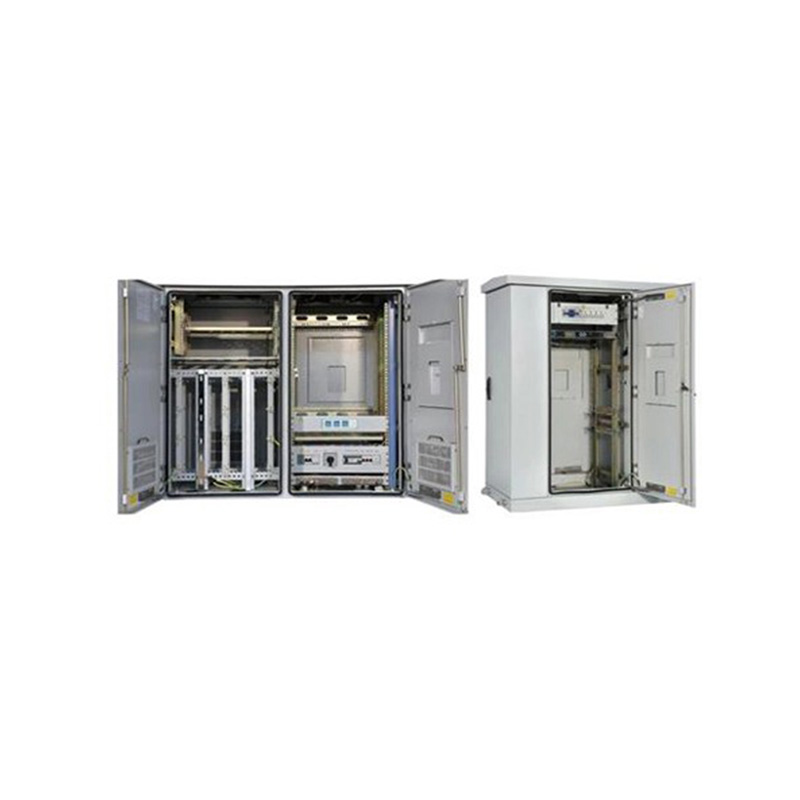
Application:It is used for the fixed network and broadband access, providing physical working environment and security system for the workstation in wired network. Features:•The cabinet is composed of...
See Details -
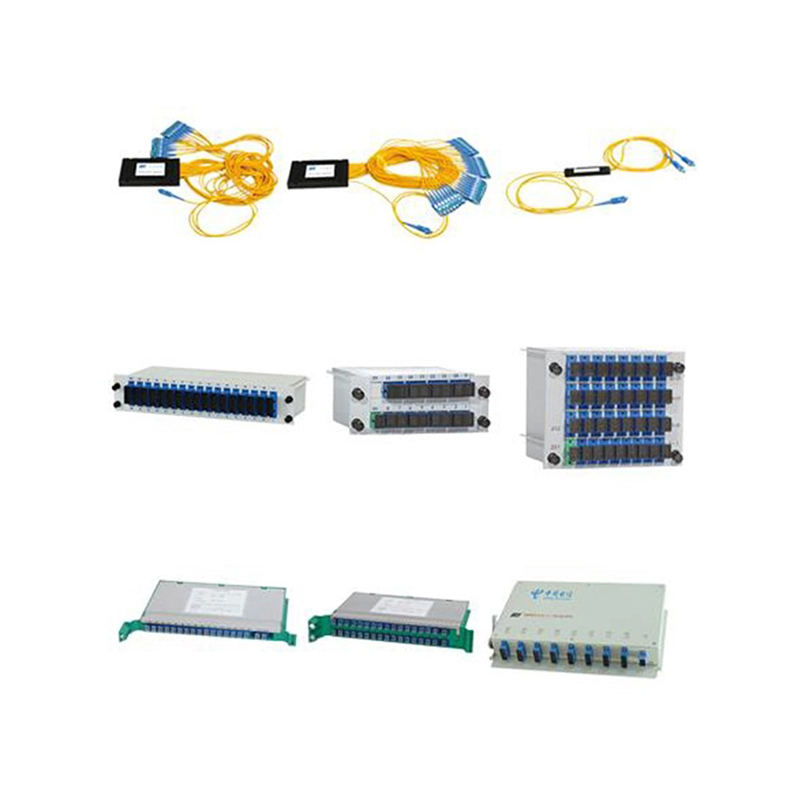
Application:It is used to split one optical signal to multiple output ports. The splitters can be divided into the micro type splitter, the box type splitter, the tray type splitter, and the frame typ...
See Details -

Product Definition:The Smart Recycling system is an advanced management solution for hospital operating rooms and clean zones, designed for the collection of surgical gowns, shoe covers, and work unif...
See Details
Ready to Get started ? Contact Us Now !

Product.
Contact Details.
-
 +86 13958188250
-
 +86 13958188250
-
 [email protected]
- Wanma Industrial Park Taihu Yuan Town Lin'an District Hangzhou City China.
QR Code

Copyright © Wanma Technology Co., Ltd. All Rights Reserved.
Privacy
Custom Ethernet Optical Network Railway Transit Equipments Suppliers
