

 English
 Français
 Español
 Português
 عربى
عربى







 Knowledge
How Can an Intelligent Dispensing System Improve Inventory Management in Hospitals?
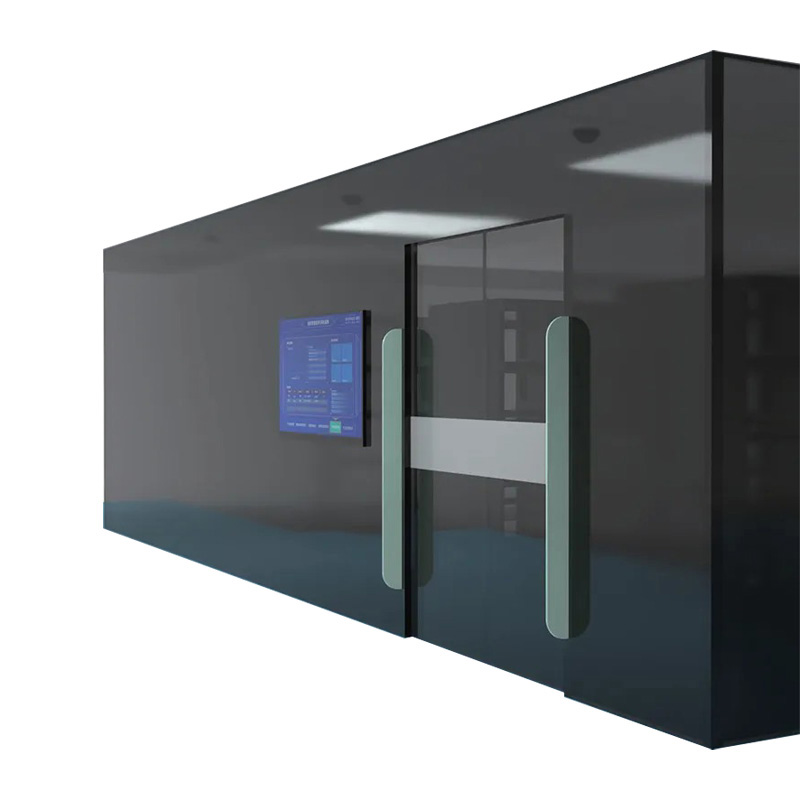
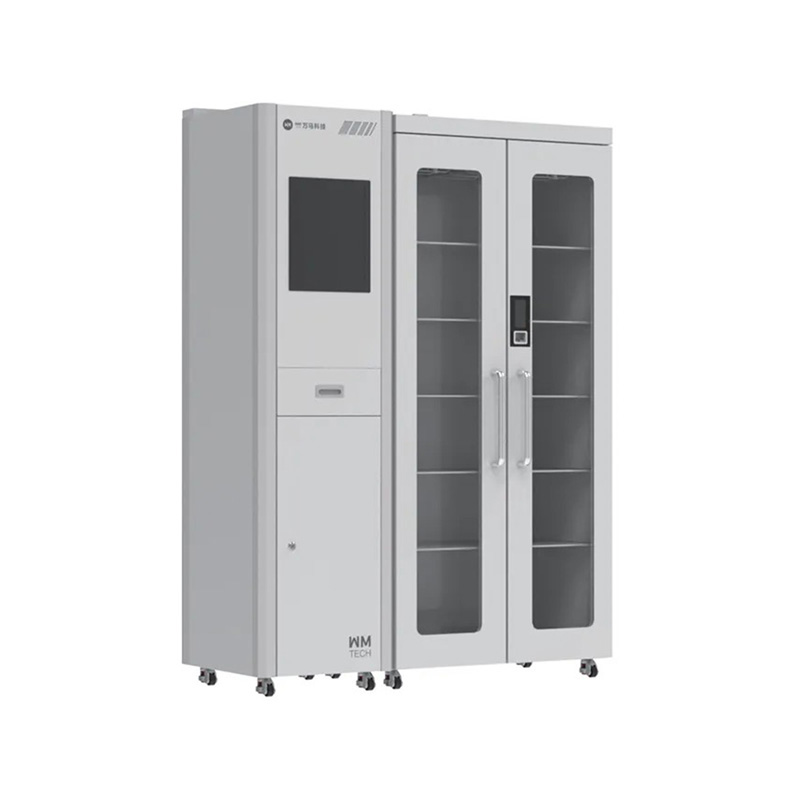
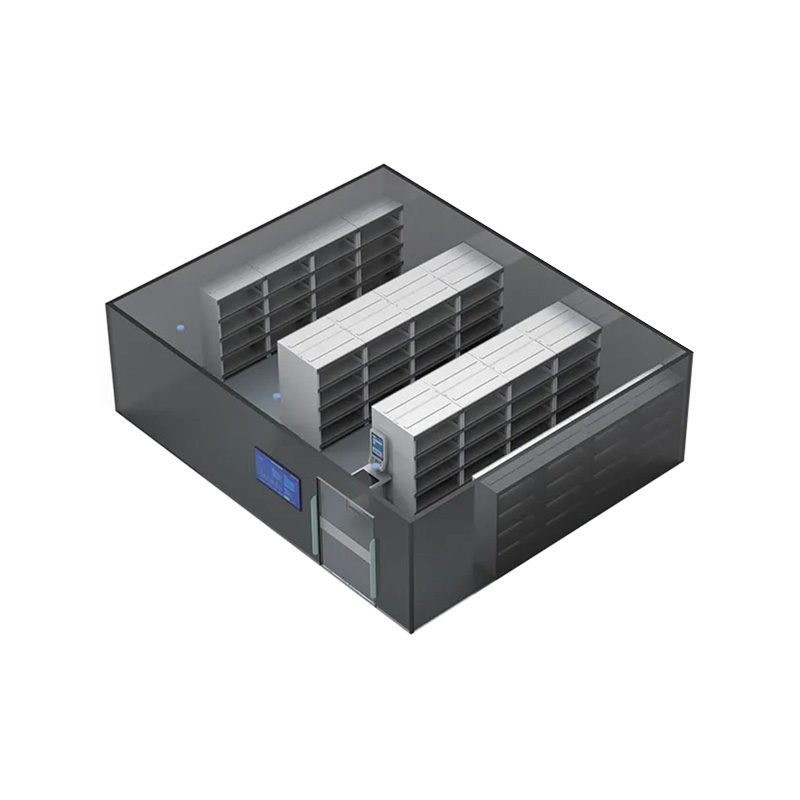
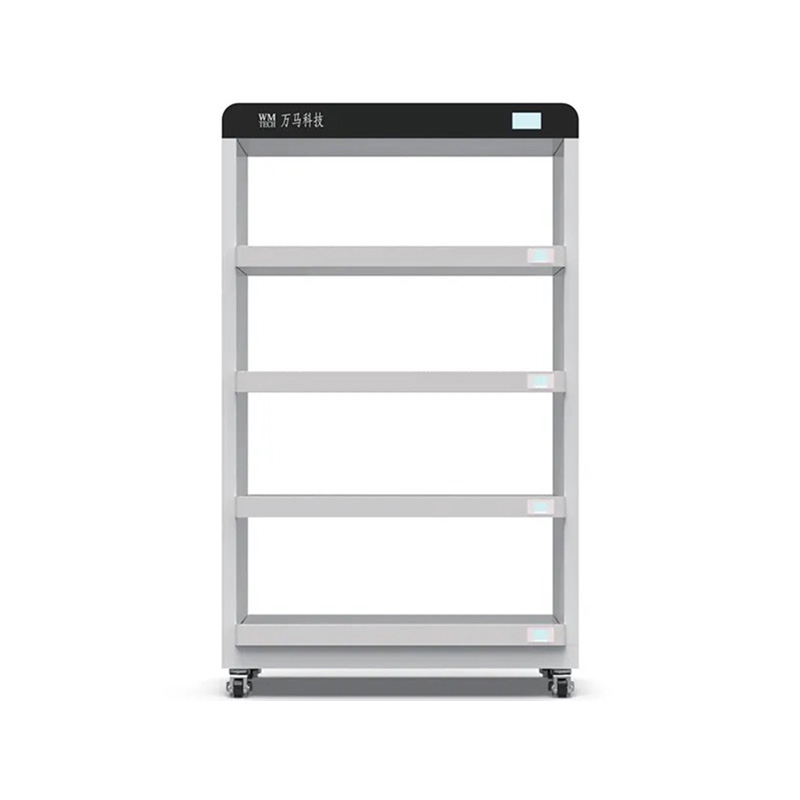
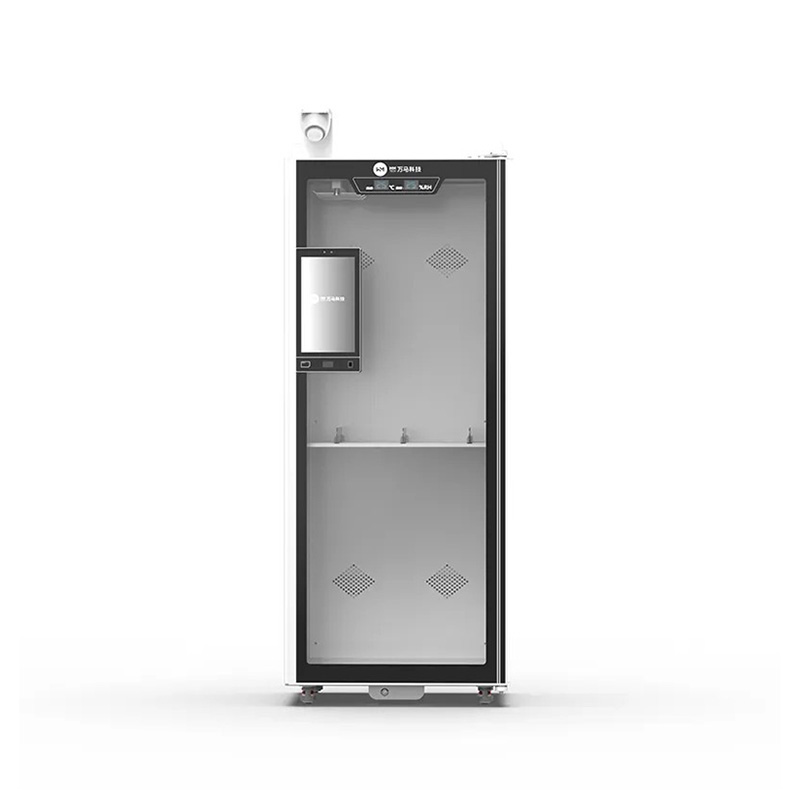
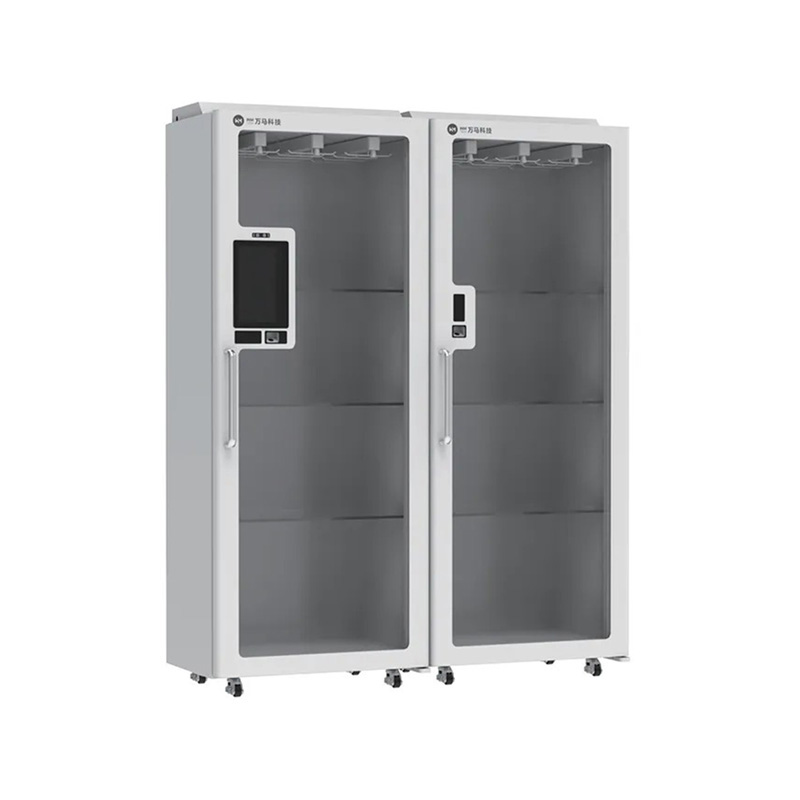
An intelligent dispensing system for medical consumables integrates advanced technologies, including RFID, barcode scanning, and automated tracking, to streamline the distribution of medical supplies. Unlike traditional storage methods, these systems offer precise control over stock levels, real-time visibility, and enhanced accountability, reducing the risks of overstocking or stockouts.
Key Features of Intelligent Dispensing Systems
The core functions of intelligent dispensing systems focus on enhancing accuracy, security, and operational efficiency. The following table outlines essential features:
| Feature | Function | Benefit |
|---|---|---|
| Automated Inventory Tracking | Monitors real-time stock levels | Prevents shortages and overstocking |
| User Authentication | Access control via ID cards or biometrics | Ensures only authorized personnel can retrieve consumables |
| Usage Analytics | Records consumption patterns | Facilitates demand forecasting and procurement planning |
| Alerts & Notifications | Sends low-stock or expiry alerts | Reduces wastage and ensures timely replenishment |
| Integration Capability | Connects with hospital ERP and HIS systems | Enhances data centralization and operational coordination |
These features collectively improve hospital supply chain visibility, enabling staff to allocate resources efficiently and respond swiftly to urgent demands.
Material and Structural Considerations
Intelligent dispensing systems must be robust and reliable to function effectively in demanding hospital environments. Below is a comparison of common materials and their suitability:
| Component | Material | Advantages | Considerations |
|---|---|---|---|
| Cabinet Body | Powder-coated steel | High durability, resistant to corrosion | Heavier, requires careful installation |
| Storage Drawers | ABS plastic | Lightweight, easy to clean | Limited impact resistance compared to metal |
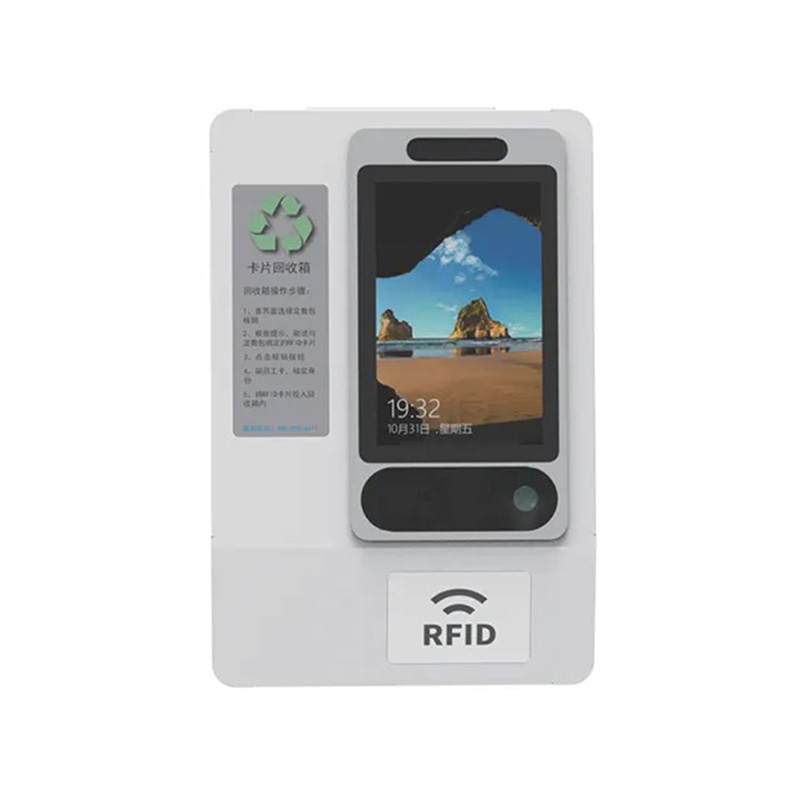
| RFID Tags | PET or PVC | Flexible, reliable for tracking | Must withstand disinfectants and frequent handling |
| Touch Interface | Tempered glass | Scratch-resistant, responsive | Requires regular cleaning for hygiene |
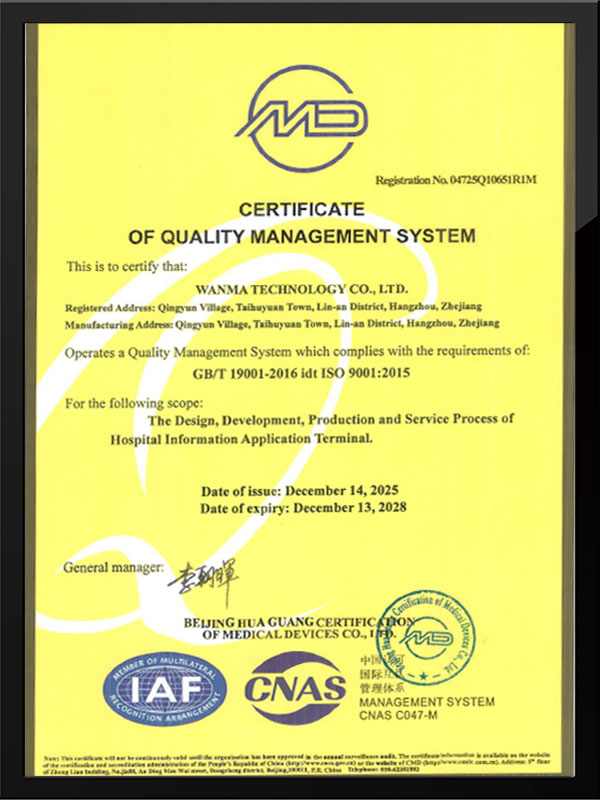
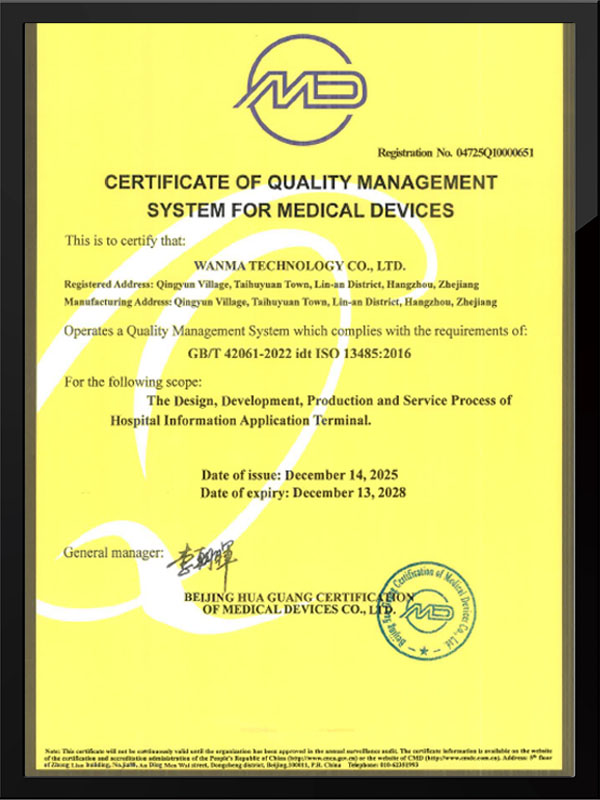
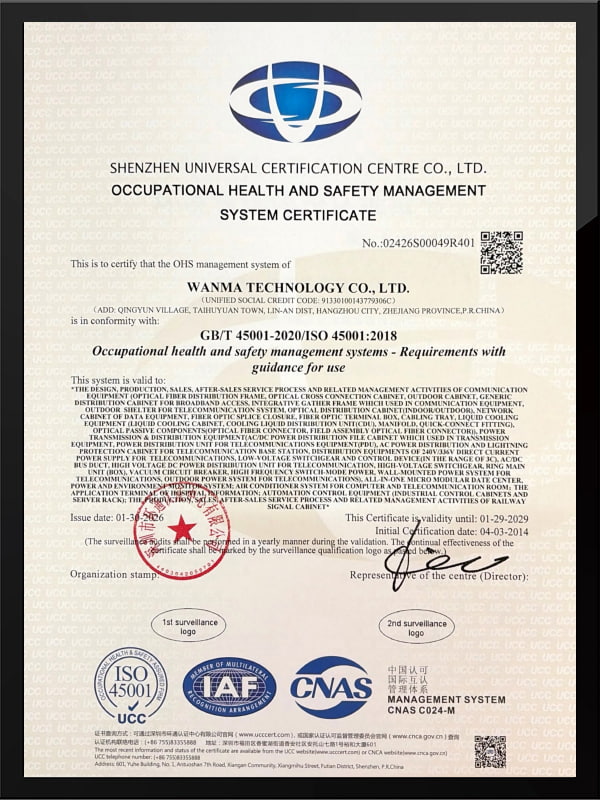
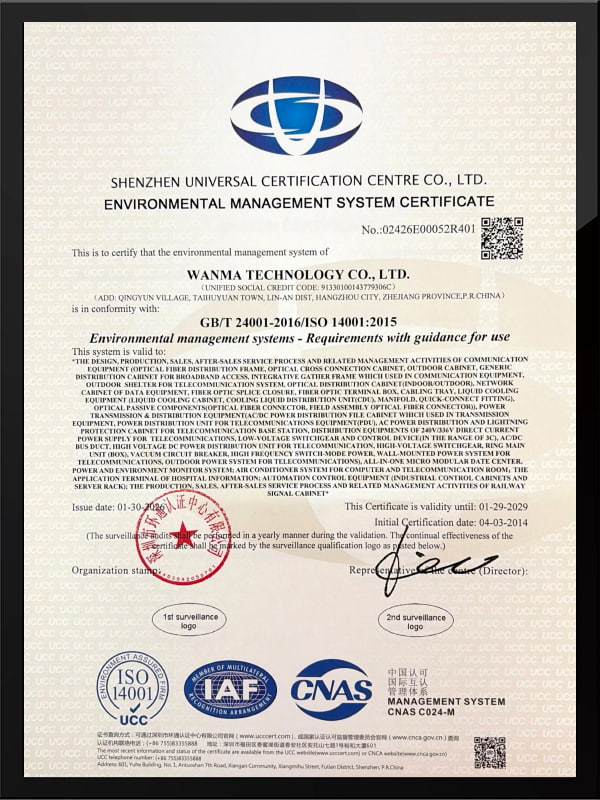
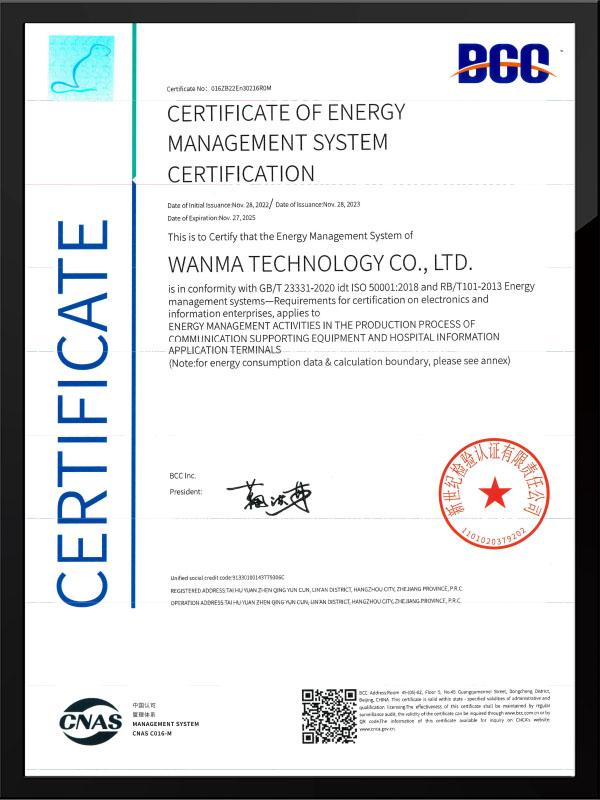
Wanma Technology Co., Ltd. focuses on technological innovation to ensure that materials and system designs meet stringent hospital standards. With over 20 years of manufacturing experience, Wanma consistently delivers high-quality, reliable solutions that support intelligent manufacturing and automated processes in healthcare environments.
Advantages for Hospital Inventory Management
- Enhanced Accuracy: Intelligent systems drastically reduce human errors in stock management by automating tracking and dispensing processes.
- Operational Efficiency: By centralizing inventory data, hospital staff can quickly locate and retrieve medical consumables, minimizing delays in patient care.
- Cost Optimization: Automated alerts and usage analytics allow hospitals to reduce unnecessary inventory, optimizing procurement costs.
- Improved Compliance: Access control and detailed usage logs facilitate regulatory compliance and auditing requirements.
- Scalability: Systems can expand modularly to accommodate increasing demand or new medical consumables without overhauling existing infrastructure.
In addition to these benefits, integration with hospital IT systems ensures that data from intelligent dispensing systems can support broader digital health initiatives. Wanma Technology Co., Ltd.’s commitment to technological innovation and integrated solutions exemplifies how manufacturers can provide not only equipment but also optimized operational workflows.
Implementation Considerations
Deploying an intelligent dispensing system requires careful planning:
- Site Assessment: Evaluate hospital layout and workflow to determine optimal cabinet locations.
- Customization: Tailor system features to specific consumables, user roles, and operational policies.
- Training: Ensure staff are proficient in using the system and interpreting data analytics.
- Maintenance & Support: Regular maintenance and software updates guarantee system reliability.
Through structured deployment and ongoing support, hospitals can maximize return on investment and enhance overall operational efficiency.
Integration with Broader Hospital Operations
An intelligent dispensing system is not a standalone tool; it forms part of an interconnected ecosystem. Integration with ERP, HIS, and procurement systems allows for:
- Centralized Monitoring: Consolidating inventory data across departments.
- Automated Reordering: Triggering procurement based on predictive analytics.
- Data-driven Decision Making: Informing budgeting and operational strategies with accurate consumption data.
FAQ
Q1: Can an intelligent dispensing system track expiry dates of medical consumables?
Yes. Most systems incorporate automated expiry tracking and provide alerts, reducing waste and ensuring patient safety.
Q2: How does RFID enhance the functionality of dispensing systems?
RFID enables real-time stock monitoring, secure access, and accurate usage logging, improving efficiency and traceability.
Q3: Are these systems compatible with existing hospital IT infrastructure?
Yes. Intelligent dispensing systems are designed to integrate with hospital ERP and HIS platforms for seamless data management.
Q4: What types of consumables can be managed with such systems?
Medical consumables including syringes, gloves, masks, and small medical devices can be efficiently tracked and dispensed.
Q5: What are the maintenance requirements for these systems?
Routine cleaning, periodic software updates, and preventive hardware inspections ensure reliability and longevity.