How Do Intelligent (Connected) Medical Devices Compare With Legacy Medical Equipment?
Healthcare institutions are undergoing a major transformation driven by digital connectivity, automation, and real-time data management. Traditional medical systems that once operated independently are now being replaced or upgraded with connected platforms capable of communication, monitoring, and intelligent coordination. As hospitals pursue greater efficiency, patient safety, and operational visibility, the comparison between legacy systems and modern connected technologies has become increasingly important. In this context, intelligent hospital medical equipment has emerged as a central component of modern healthcare infrastructure.
Legacy medical equipment typically refers to standalone systems that perform a single function without extensive networking capability. These systems may still provide reliable clinical performance, but they often lack interoperability, remote diagnostics, centralized monitoring, and automated reporting functions. By contrast, modern connected systems combine sensors, communication modules, cloud-based platforms, and data integration technologies to support coordinated healthcare operations. Hospitals increasingly recognize that intelligent hospital medical equipment can reduce workflow inefficiencies, improve clinical decision-making, and support long-term digital transformation goals.
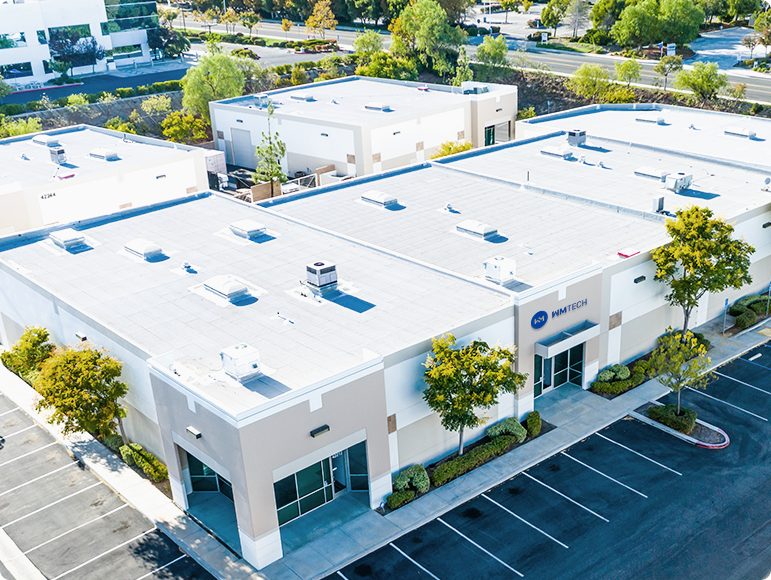
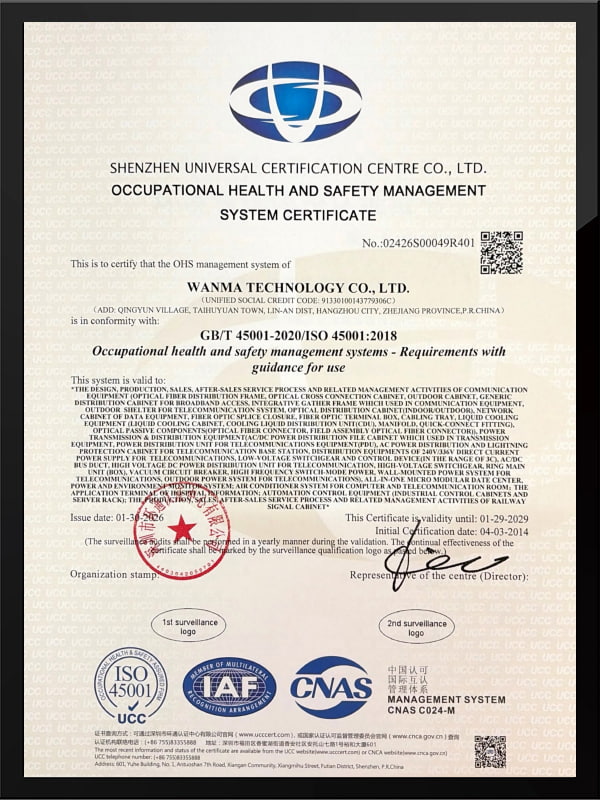
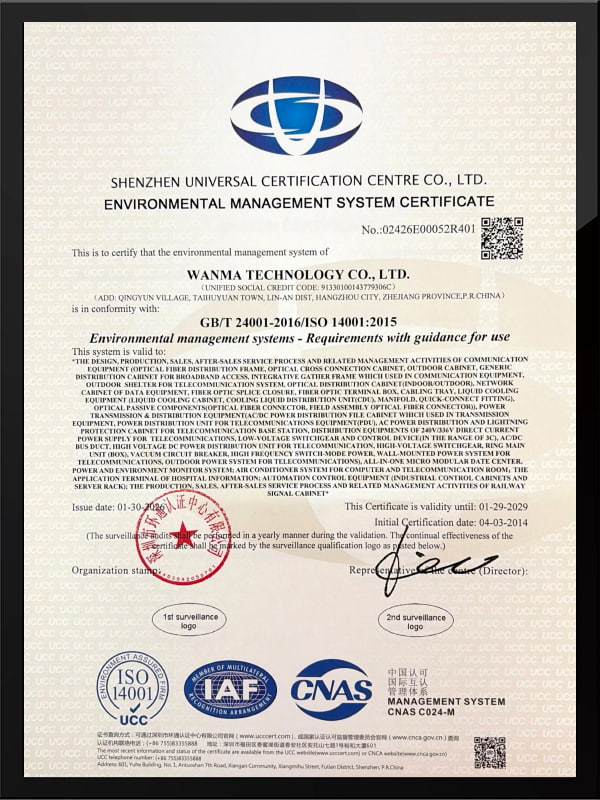
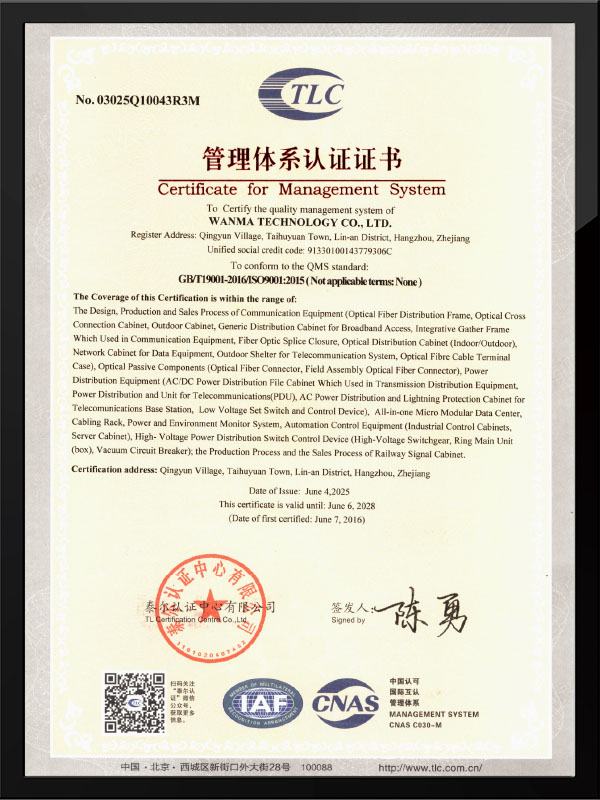
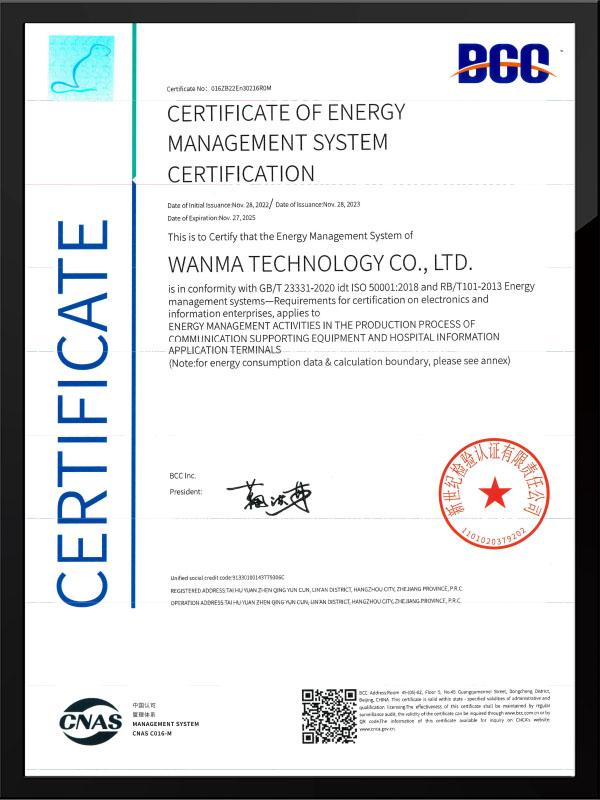
The development of connected healthcare systems also depends heavily on communication infrastructure. Reliable network cabinets, electronic communication systems, monitoring platforms, and optical communication support are essential for ensuring uninterrupted data transmission across hospital environments. In this regard, Wanma Technology Co., Ltd. was established in 1997, specialising in various communication cabinets, communication electronic equipment, and passive optical components. Its products are widely deployed in Ethernet networks, optical communication systems, and centralized equipment rooms, which are all critical components in the operation of connected medical environments.
Understanding the Core Differences Between Connected and Legacy Systems
The distinction between connected medical systems and legacy equipment goes far beyond appearance or software capability. The primary difference lies in the ability to exchange information across departments, devices, and operational systems. Legacy systems often function independently and require manual intervention for data collection, storage, and reporting. This approach can create delays, duplication of work, and fragmented patient records.
Modern connected systems operate within integrated hospital ecosystems. Devices can communicate with central monitoring stations, electronic record systems, maintenance platforms, and remote clinical teams. This level of interoperability allows healthcare providers to respond more quickly to patient conditions while also improving equipment utilization rates.
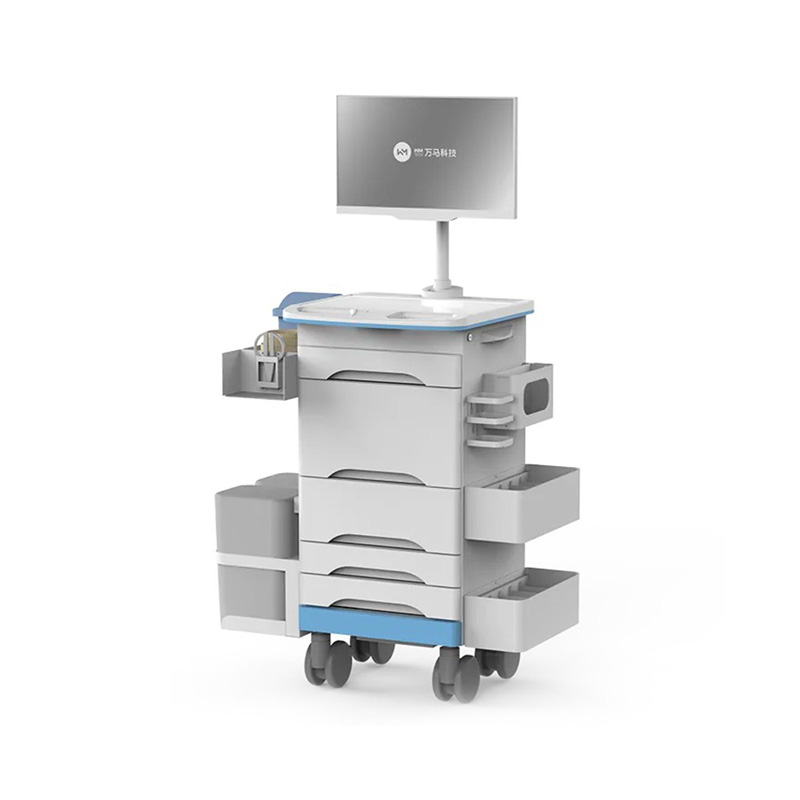
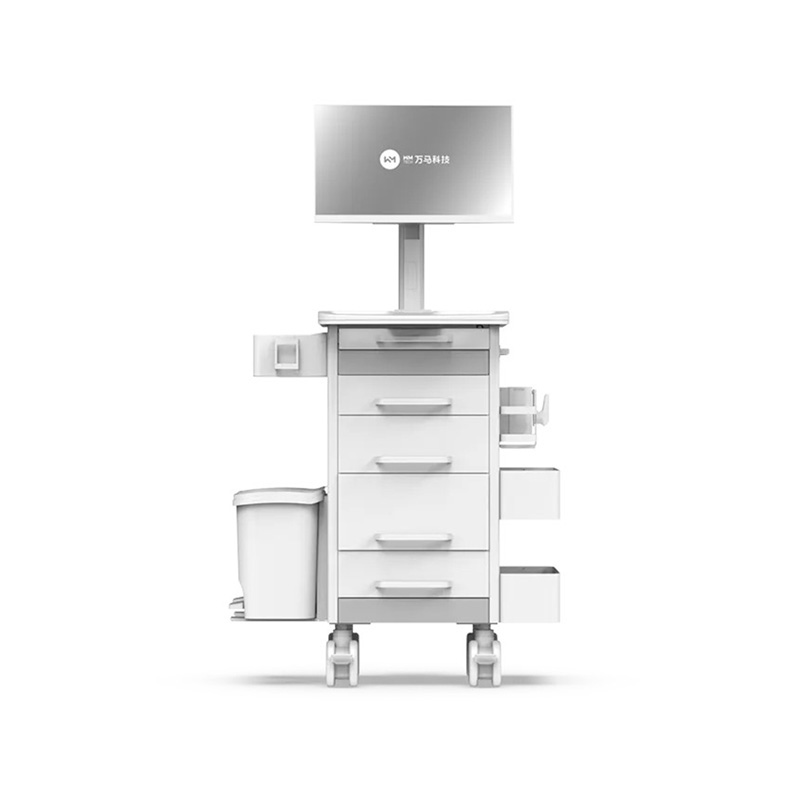
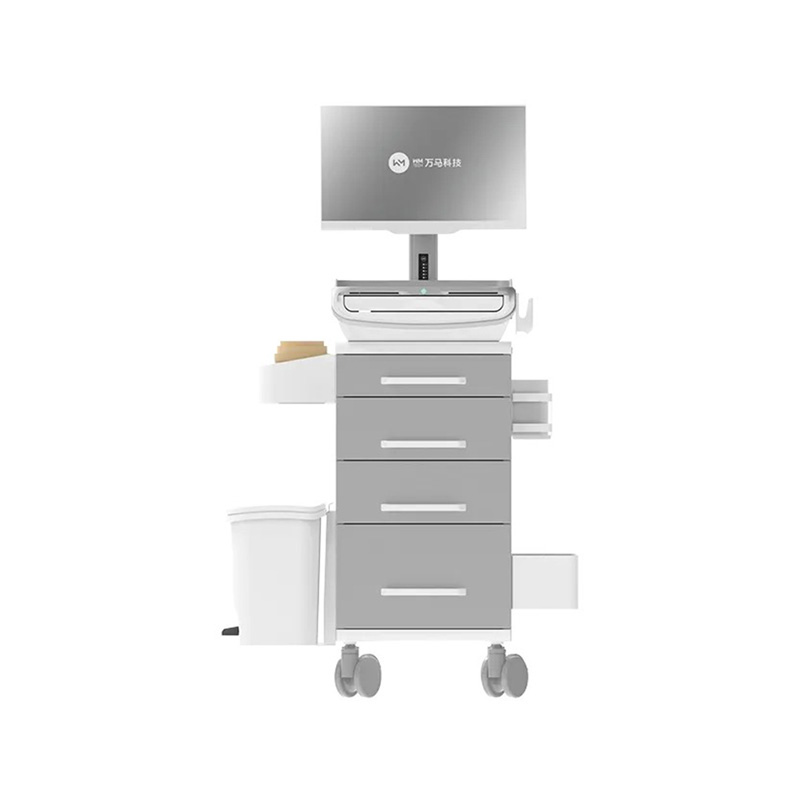
For example, a connected patient monitoring device can automatically transmit vital sign information to nursing stations and digital patient records without manual data entry. This reduces the possibility of transcription errors while improving efficiency. Such capabilities are now commonly associated with intelligent hospital medical equipment, particularly in intensive care environments and high-volume clinical facilities.
| Feature | Legacy Equipment | Connected Medical Devices |
| Data Sharing | Limited or manual | Automated and real-time |
| Remote Monitoring | Rarely available | Integrated functionality |
| Maintenance Alerts | Manual inspection required | Predictive notifications |
| Scalability | Limited expansion capability | Flexible network integration |
| Clinical Workflow Support | Partially isolated | Highly coordinated |
The healthcare industry increasingly values centralized visibility. Administrators seek systems that provide operational transparency, while clinical teams require timely access to accurate information. Consequently, connected technologies are gradually replacing outdated, isolated systems across many healthcare facilities.
The Role of Connectivity in Modern Healthcare Operations
Connectivity has become one of the defining characteristics of modern medical infrastructure. Hospitals today operate as highly complex environments where data movement is as important as clinical equipment performance. Medical devices no longer function as isolated units; instead, they form part of an interconnected ecosystem involving servers, communication cabinets, wireless systems, cloud platforms, and operational software.
Connected systems improve workflow coordination by enabling seamless communication between departments. Emergency rooms, laboratories, imaging departments, pharmacies, and intensive care units can all access synchronized information more efficiently. This minimizes delays and reduces the administrative burden placed on healthcare personnel.
Reliable network infrastructure is essential to support this transition. Wanma Technology Co., Ltd. provides communication cabinets, passive optical components, and integrated communication equipment that support stable network deployment across complex operational environments. Such infrastructure contributes to the secure operation of connected healthcare systems by ensuring dependable signal transmission, equipment organization, and scalable integration capabilities.
Key Connectivity Advantages in Modern Hospitals
- Real-time patient monitoring improves response times during emergencies.
- Centralized data access reduces duplicate record handling.
- Automated maintenance alerts help minimize equipment downtime.
- Remote technical diagnostics support faster issue resolution.
- Integrated communication systems improve coordination between departments.
In many hospitals, connected medical devices also support operational analytics. Equipment utilization rates, maintenance schedules, and environmental monitoring can all be tracked automatically. This level of oversight helps healthcare organizations allocate resources more effectively and reduce unnecessary operational costs.
Healthcare facilities with large-scale digital infrastructure requirements often depend on specialized communication engineering support. Wanma Technology Co., Ltd. also provides engineering design, deployment services, optical communication network construction, and system integration support. These services contribute to the broader ecosystem necessary for advanced connected healthcare environments.
Patient Safety and Clinical Accuracy in Connected Systems
Patient safety remains one of the strongest arguments in favor of connected healthcare technologies. Manual workflows associated with legacy systems can introduce delays, documentation errors, and fragmented communication. Connected systems help reduce these risks by automating information exchange and improving monitoring continuity.
One major advantage of intelligent hospital medical equipment is its ability to generate alerts based on predefined operational conditions. Devices can immediately notify clinical staff if abnormal readings are detected, reducing the time required for intervention. In critical care environments, even small improvements in response speed may significantly influence patient outcomes.
Connected systems also improve medication management and procedural coordination. Information can be synchronized across departments to ensure that healthcare professionals access consistent patient records. This reduces the risk of communication gaps during treatment planning.
| Clinical Area | Legacy Workflow Challenges | Connected System Benefits |
| Patient Monitoring | Manual observation intervals | Continuous real-time monitoring |
| Medical Records | Fragmented documentation | Centralized digital access |
| Equipment Maintenance | Reactive servicing | Predictive maintenance alerts |
| Department Coordination | Communication delays | Integrated information exchange |
Another important factor is data traceability. Connected systems automatically record operational activity, maintenance logs, and device performance history. These records support quality assurance initiatives and help healthcare institutions maintain compliance with internal operational standards.
Infrastructure Challenges When Transitioning From Legacy Systems
Although connected healthcare technologies provide substantial advantages, the transition from legacy systems presents significant challenges. Many hospitals operate with mixed infrastructure environments where older systems must continue functioning alongside modern platforms. Achieving interoperability between these systems often requires careful planning and technical customization.
One challenge involves communication architecture. Legacy devices may not support modern networking standards, requiring additional gateways or interface systems. Hospitals must also upgrade cabling systems, network cabinets, power distribution systems, and environmental monitoring infrastructure to support larger data loads.
The operational reliability of connected environments depends heavily on stable communication systems. This is why infrastructure providers remain important contributors to healthcare modernization projects. Wanma Technology Co., Ltd. offers integrated communication solutions covering network planning, deployment, system integration, and technical support. These capabilities are relevant for institutions seeking to establish dependable digital infrastructure for connected healthcare operations.
Common Transition Challenges
- Compatibility limitations between old and new systems.
- Increased cybersecurity requirements.
- Need for staff training and operational adaptation.
- Higher initial infrastructure investment.
- Complex integration across departments.
- Data migration and storage management concerns.
Cybersecurity is another major concern. Connected medical systems process sensitive operational and patient-related information. Hospitals must therefore establish secure communication channels, access controls, and monitoring systems to protect infrastructure integrity. Legacy systems often lack modern cybersecurity protections, making them more vulnerable in interconnected environments.
Despite these challenges, many healthcare institutions continue moving toward connected systems because long-term operational benefits outweigh the initial implementation complexity.
The Future Direction of Intelligent Healthcare Equipment
The future of healthcare infrastructure will likely involve even deeper integration between communication systems, automation technologies, remote diagnostics, and centralized operational platforms. Hospitals are increasingly adopting digital management models designed to improve efficiency, scalability, and service quality.
As healthcare facilities expand their digital ecosystems, the role of intelligent hospital medical equipment will continue to grow. Devices will increasingly support predictive operational analysis, centralized maintenance scheduling, and coordinated patient management systems. This evolution reflects a broader transition from isolated hardware toward fully integrated operational environments.
Infrastructure scalability will also become more important. Healthcare organizations require flexible communication systems capable of supporting future expansion without major redesign. This includes modular communication cabinets, optical communication components, monitoring systems, and energy integration solutions.
Wanma Technology Co., Ltd. supports this direction through communication infrastructure development, fibre optic network engineering, energy system integration, and operational technical support. The company provides customised system integration services designed around site conditions, power capacity, climate requirements, and future expansion planning. Such infrastructure capabilities align closely with the growing demands of connected healthcare facilities.
Modern hospitals are also placing greater emphasis on operational resilience. Connected environments require uninterrupted communication capabilities, reliable power systems, and stable monitoring infrastructure. Integrated technical support services therefore, become increasingly valuable in maintaining continuous healthcare operations.
As digital transformation continues, healthcare institutions are expected to prioritize solutions that combine reliability, interoperability, scalability, and centralized visibility. In this environment, intelligent hospital medical equipment will likely remain a central element of long-term healthcare modernization strategies.
Conclusion
The comparison between connected medical devices and legacy healthcare equipment reflects a broader shift in hospital operations. Traditional systems may still perform essential clinical functions, but they often lack the integration, automation, and operational transparency required in modern healthcare environments.
Connected systems provide significant advantages through real-time communication, centralized monitoring, predictive maintenance, and improved workflow coordination. These capabilities support higher operational efficiency while also enhancing patient safety and clinical responsiveness.
At the same time, successful implementation depends heavily on robust communication infrastructure, scalable network architecture, and reliable technical support. As healthcare facilities continue modernizing their operations, the demand for integrated systems and dependable communication solutions will continue increasing. Consequently, intelligent hospital medical equipment is expected to play an increasingly important role in shaping the future of healthcare delivery.
FAQ
Q1: What is the main difference between connected medical devices and legacy medical equipment?
Connected medical devices can communicate with hospital networks, centralized monitoring systems, and digital platforms, while legacy equipment generally operates independently with limited data-sharing capability.
Q2: Why is connectivity important in modern hospitals?
Connectivity improves workflow coordination, enables real-time monitoring, supports centralized data management, and helps healthcare teams respond more efficiently to patient needs.
Q3: What are the infrastructure requirements for connected healthcare systems?
Connected healthcare systems require stable communication networks, reliable power systems, communication cabinets, optical communication components, and secure monitoring platforms.
Q4: Can legacy medical equipment still be used in modern hospitals?
Yes. Many hospitals continue using legacy systems alongside newer connected technologies. However, integration challenges may require additional interface systems or infrastructure upgrades.
Q5: How does intelligent equipment improve patient safety?
Connected systems provide continuous monitoring, automated alerts, centralized records, and faster communication between departments, helping reduce delays and operational errors.
Q6: What role does communication infrastructure play in connected healthcare?
Communication infrastructure supports data transmission, equipment coordination, centralized monitoring, and operational reliability. Without stable communication systems, connected healthcare environments cannot function effectively.
English
Français
Español
Português
عربى

Knowledge