

 English
 Français
 Español
 Português
 عربى
عربى







 Knowledge
How Does a Medical Cart with Electric Lifting Table Enable Efficient Bedside Order Management?
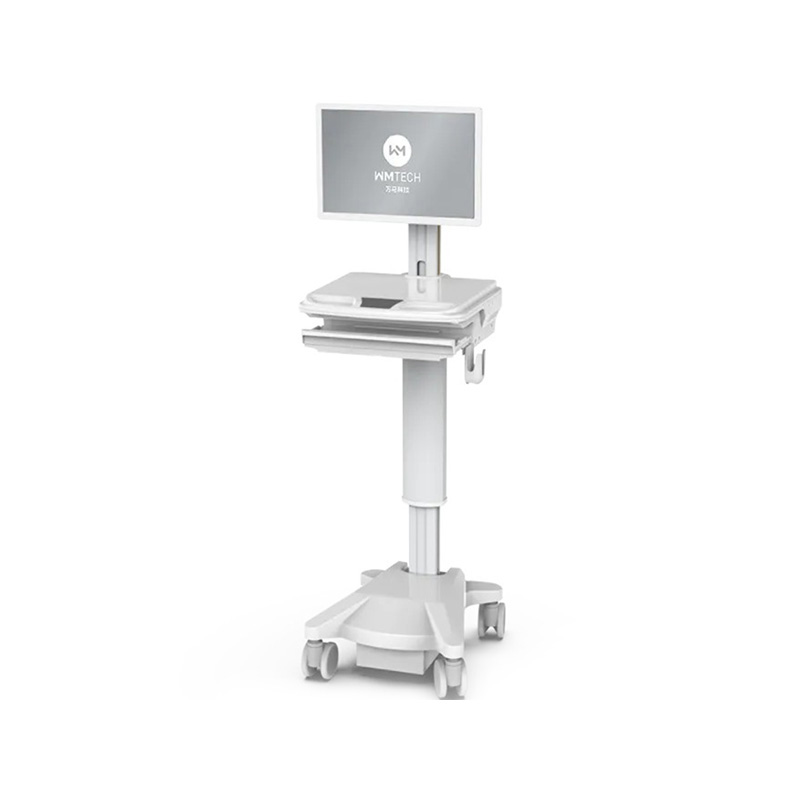
In the context of rapidly advancing hospital informatization and intelligent healthcare systems, clinical equipment is evolving from single-function tools into multi-task integrated platforms. Among these innovations, the medical cart with electric lifting table order management bedside system has become an essential component in smart ward construction. It not only improves nursing efficiency but also directly enhances patient experience and workflow continuity. So how exactly does this type of equipment transform hospital operations?
From Traditional Nursing to Smart Bedside Care: The Changing Role of Medical Carts
In traditional nursing workflows, nurses repeatedly travel between the nurse station and patient rooms to verify medical orders, update records, and prepare materials. This process is time-consuming and prone to information delays.
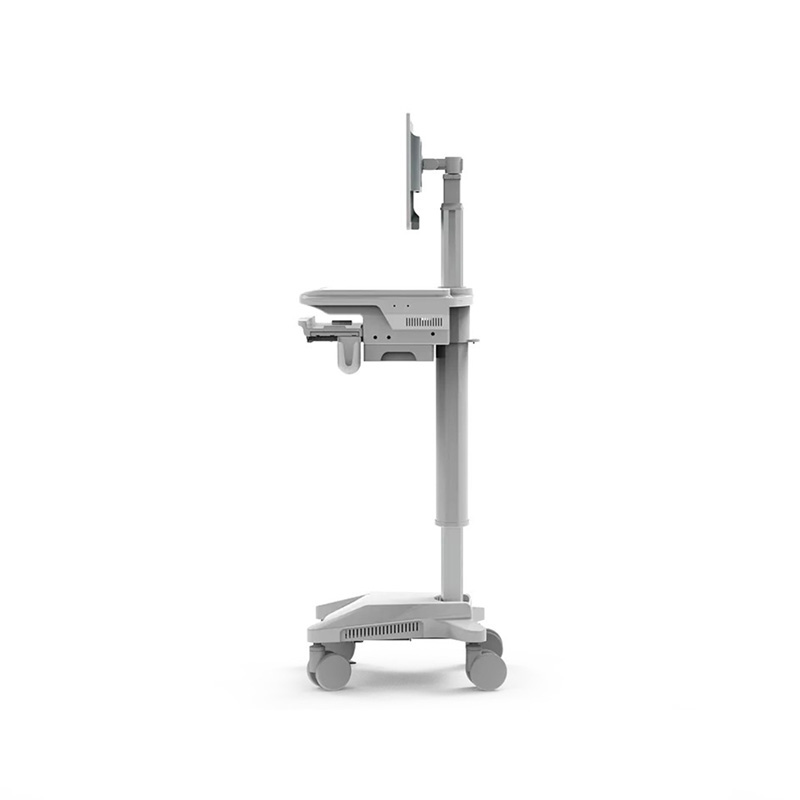
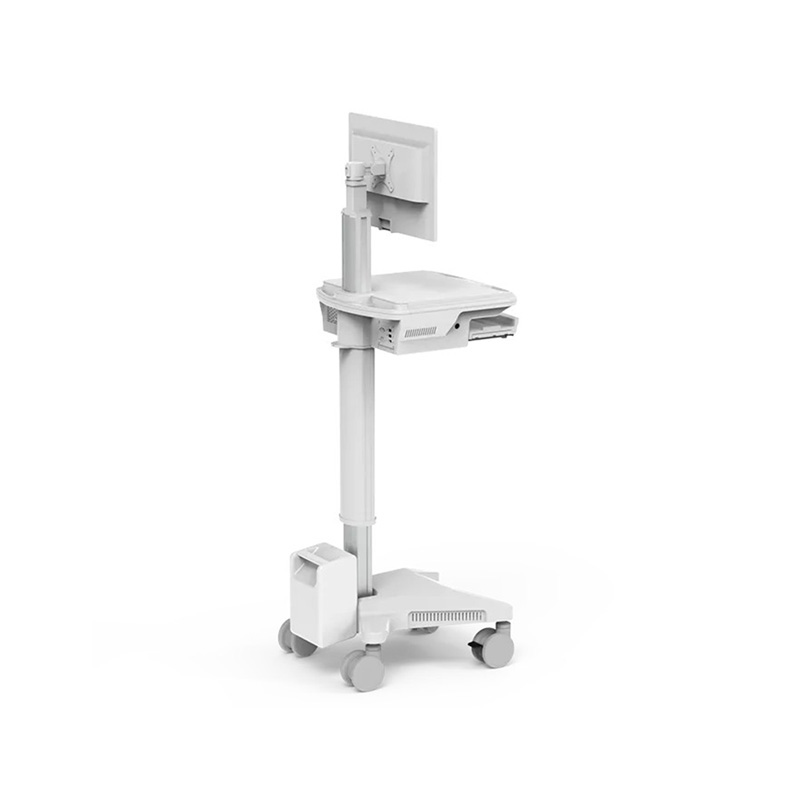
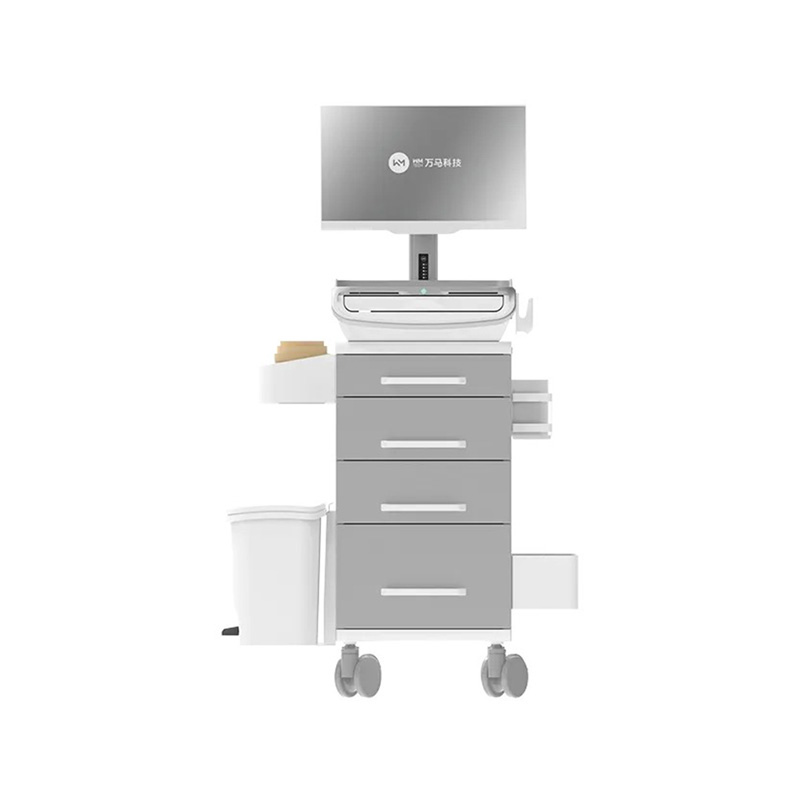
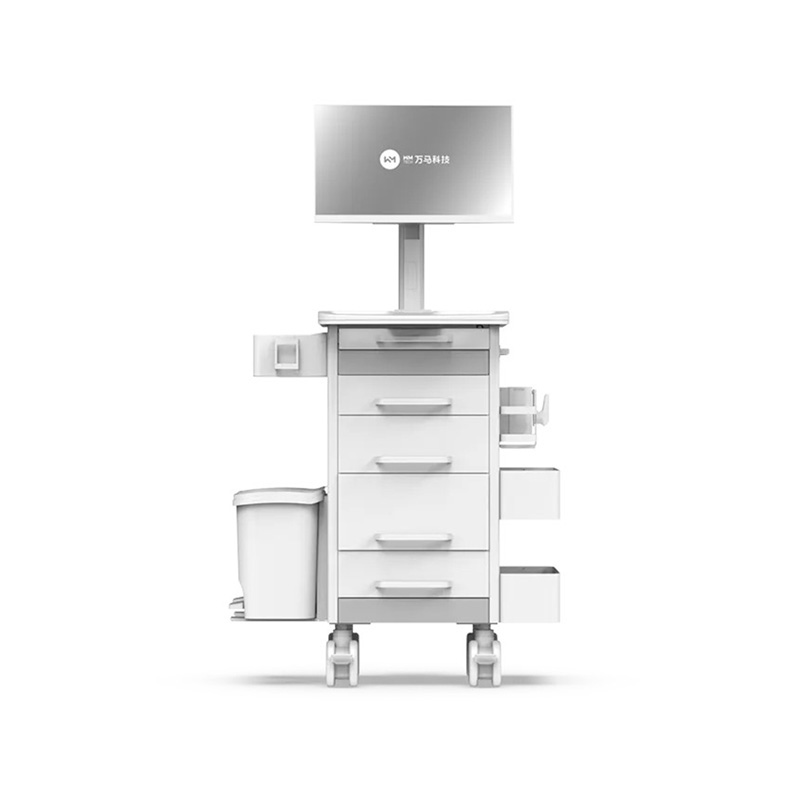
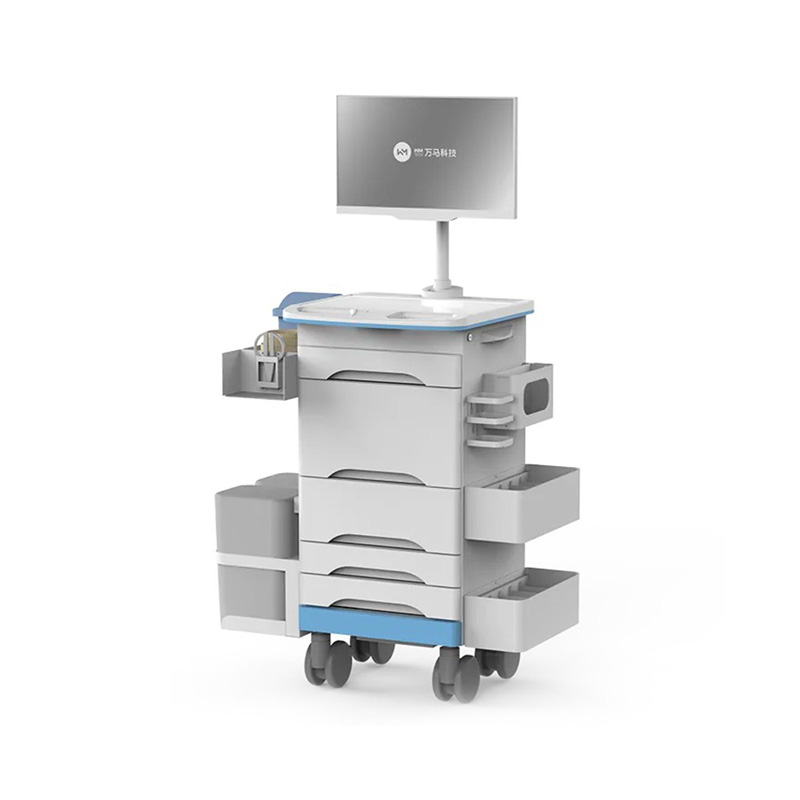
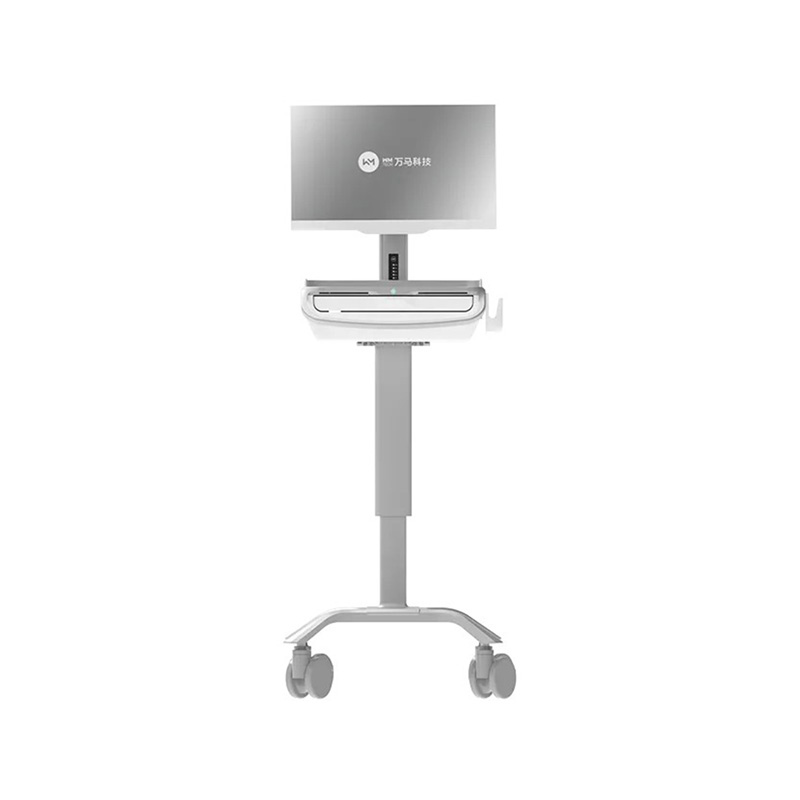
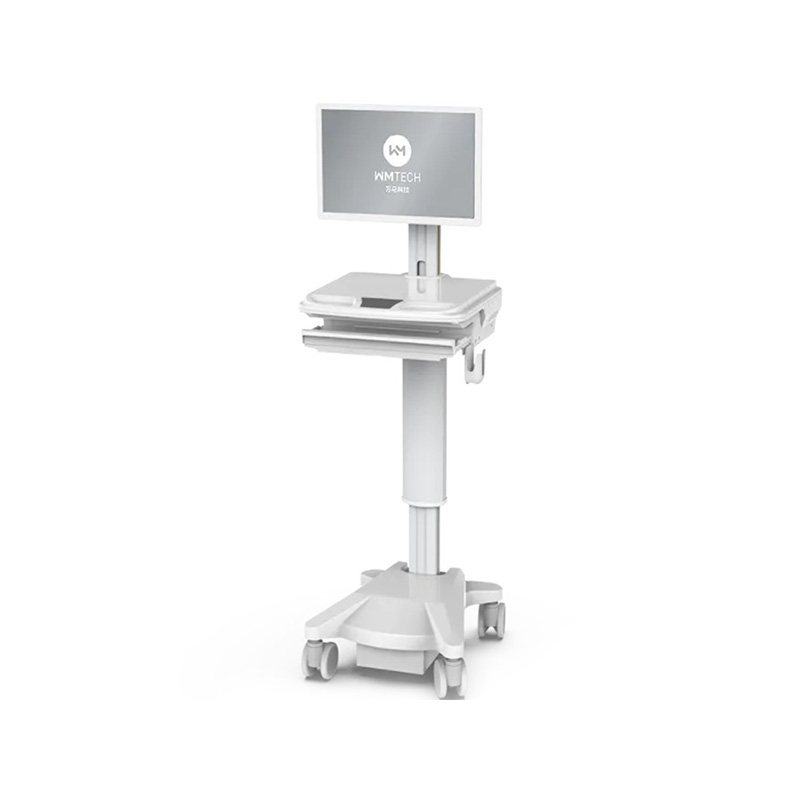
With the integration of digital healthcare systems, medical carts have evolved into mobile workstations. Equipped with electric lifting tables, they are no longer simple transport tools but comprehensive platforms integrating computer terminals, barcode scanning, medication management, and order processing systems.
In bedside order management scenarios, healthcare staff can complete order confirmation and documentation directly at the patient’s bedside, significantly reducing intermediate steps and improving real-time responsiveness.
How Electric Lifting Design Improves Bedside Operation Experience
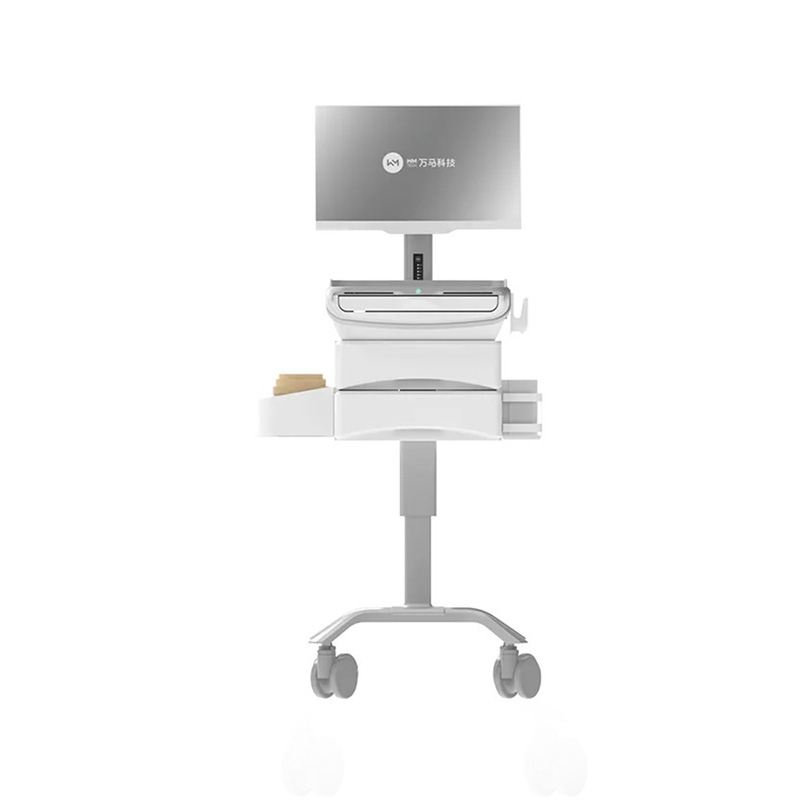
Ergonomic design plays a crucial role in medical environments. The introduction of electric lifting tables allows the medical cart with electric lifting table order management bedside system to adapt to different clinical needs.
Healthcare professionals can adjust the working height according to their posture, whether standing during rounds or sitting for documentation. This flexibility reduces physical strain caused by prolonged operation and helps prevent occupational injuries.
In emergency scenarios, the fast adjustment function enables quick adaptation to different working angles, improving response efficiency and clinical workflow speed.
Core Value of Bedside Order Management Systems
Bedside order management is not just digitized documentation. It represents a closed-loop system covering medical order reception, execution, feedback, and confirmation. In this system, the medical cart serves as a critical carrier.
By connecting with Hospital Information Systems (HIS) or Electronic Medical Records (EMR), nurses can access real-time medical orders on the cart terminal and immediately record execution results after completion.
This real-time interaction reduces information latency and minimizes manual transcription errors. For hospital management teams, it also provides clearer data tracking pathways for quality control and process optimization.
Manufacturing and Technical Strength of Wanma Technology Co., Ltd.
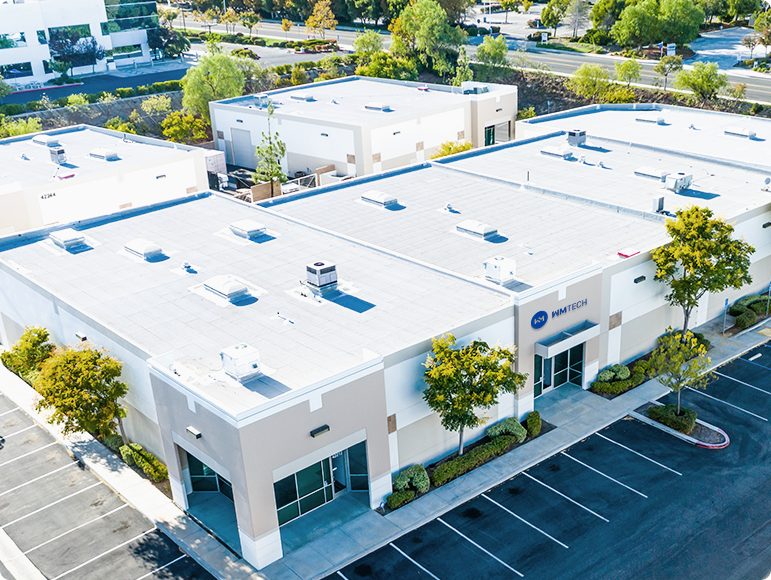
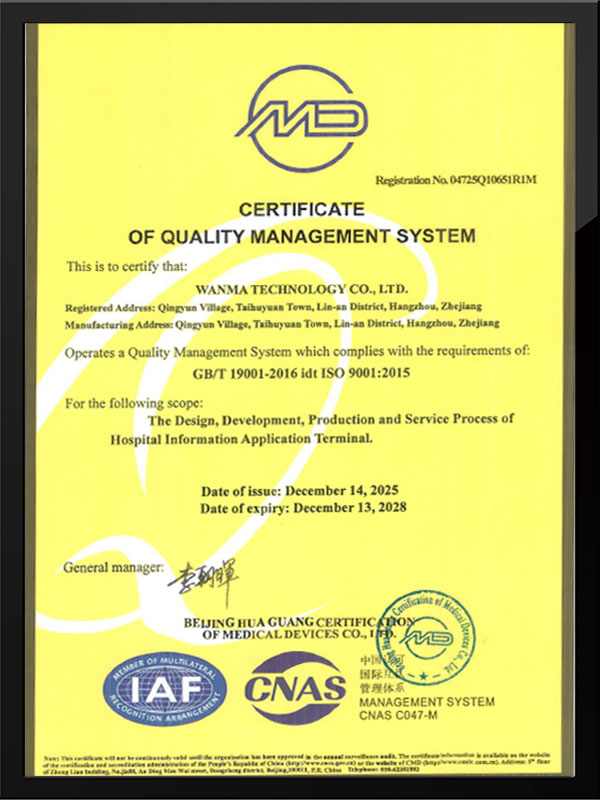
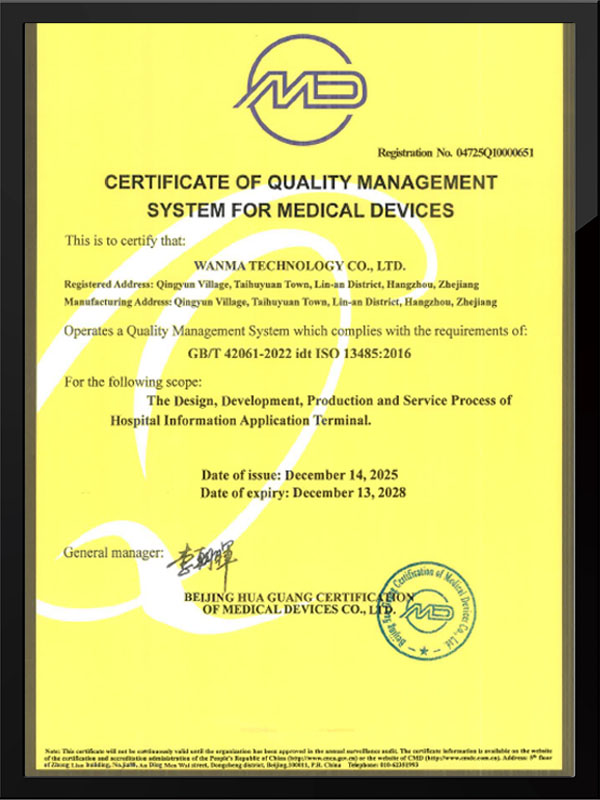
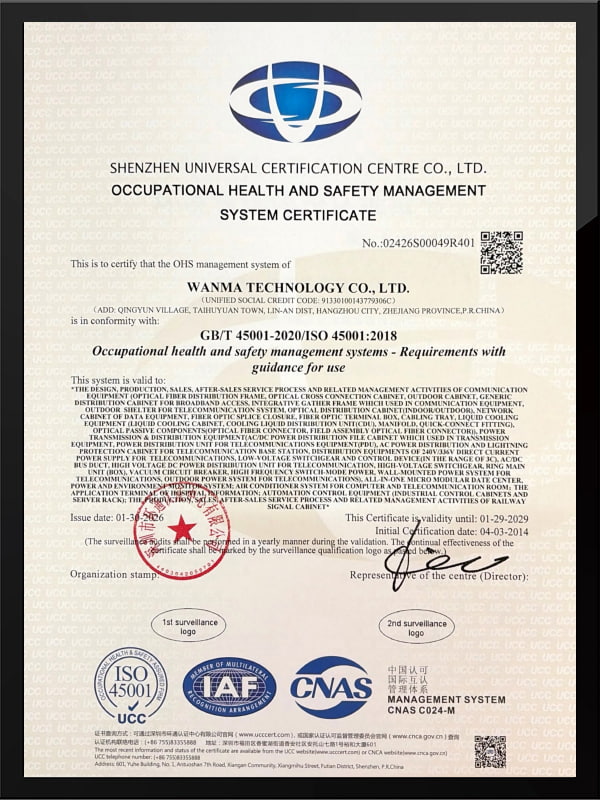
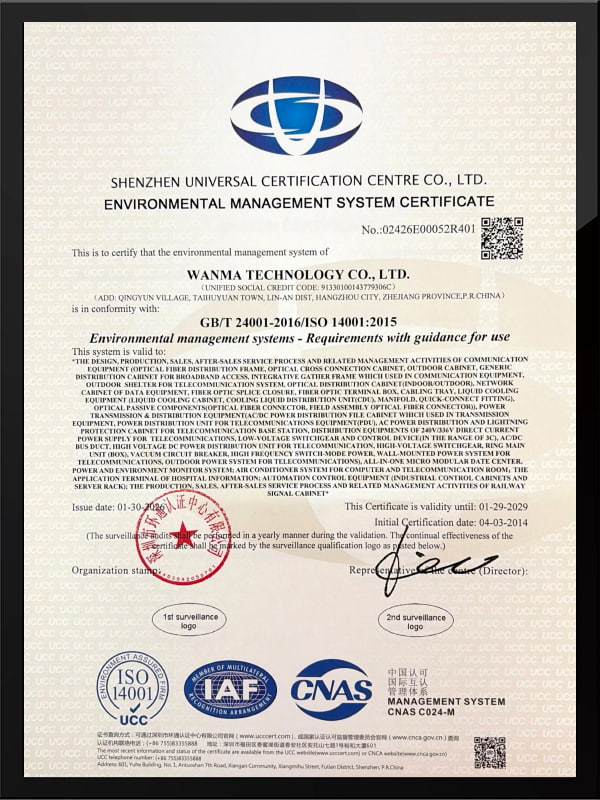
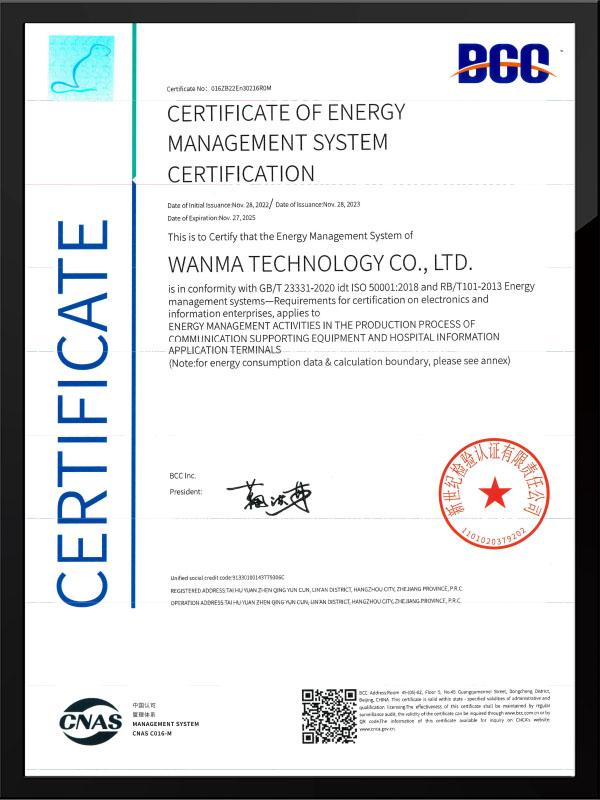
Wanma Technology Co., Ltd. provides strong technical and manufacturing support in this field. Established in 1997, the company specializes in communication cabinets, communication electronic equipment, and passive optical components.
As a leading China-based supplier and OEM/ODM factory of medical cart with electric lifting table order management bedside systems, Wanma Technology Co., Ltd. has developed strong capabilities in precision manufacturing and complex system integration.
The company’s products are widely used in Ethernet networks, optical communication networks, central equipment rooms, high-speed rail systems, and urban rail transit systems. This cross-industry application experience ensures high reliability, stable data transmission, and industrial-grade performance.
In medical scenarios, these strengths translate into stable operation, strong system compatibility, and long-term load endurance for healthcare equipment solutions.
System Integration Trends in Smart Wards
As hospital digital transformation continues, the boundaries of standalone devices are gradually disappearing. Medical carts are becoming mobile nodes within broader healthcare information systems.
In future smart wards, these systems will integrate with wireless networks, IoT sensors, and intelligent medication cabinets to achieve deeper data collaboration. Patient vital signs can be synchronized directly to the cart terminal, enabling real-time clinical decision-making at the bedside.
This system-level integration is a key driver of efficiency improvement in modern healthcare environments.
Future Development: From Equipment to Platform
The evolution of the medical cart with electric lifting table order management bedside system is moving from standalone equipment toward platform-based solutions. Future medical carts may integrate telemedicine, AI-assisted diagnosis, and intelligent drug dispensing functions.
In this transformation, hardware stability and system scalability will become core competitive advantages. Companies like Wanma Technology Co., Ltd., with strong communication equipment manufacturing backgrounds, are well-positioned to play a continued role in this development.
FAQ
What are the main application scenarios of medical carts with electric lifting tables?
They are mainly used in smart wards, intensive care units, emergency departments, and other clinical environments requiring bedside order processing.
What is the biggest advantage of bedside order management systems?
The main advantage is real-time medical order execution with closed-loop management, reducing delays and improving safety and efficiency.
Does the electric lifting function affect system stability?
No. In well-designed systems, it enhances ergonomic flexibility without compromising structural or operational stability.
What advantages does Wanma Technology Co., Ltd. have in this field?
The company has long-term expertise in communication equipment manufacturing and provides OEM/ODM customization, ensuring high reliability and strong system integration capabilities.