

 English
 Français
 Español
 Português
 عربى
عربى



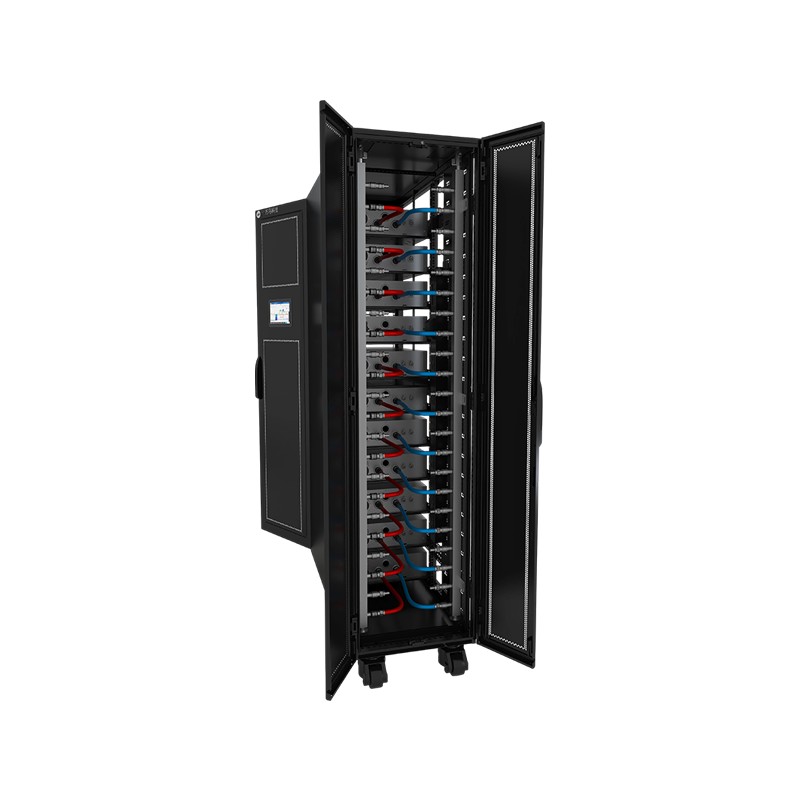
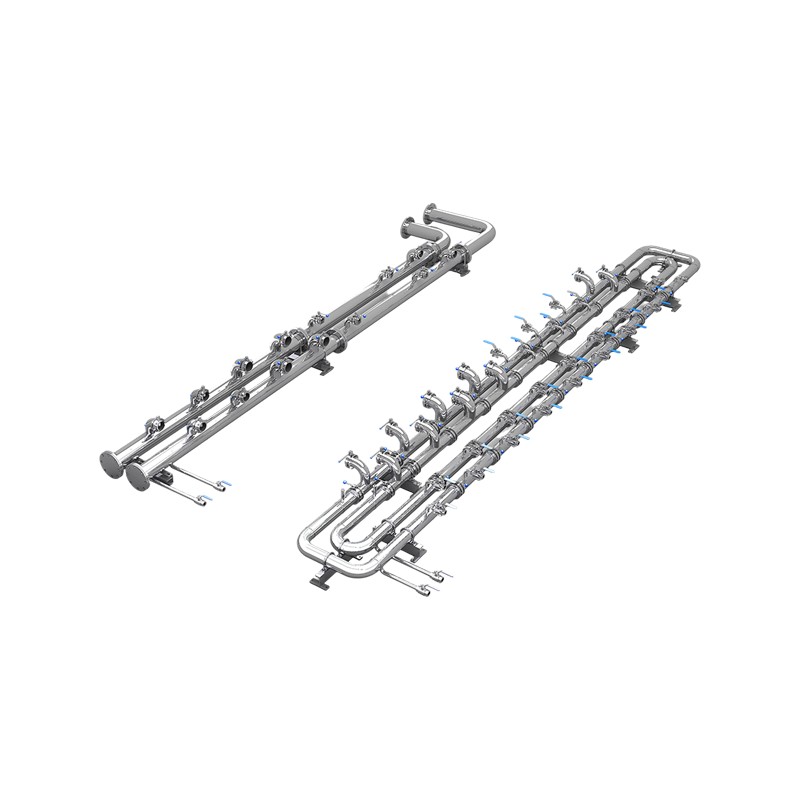
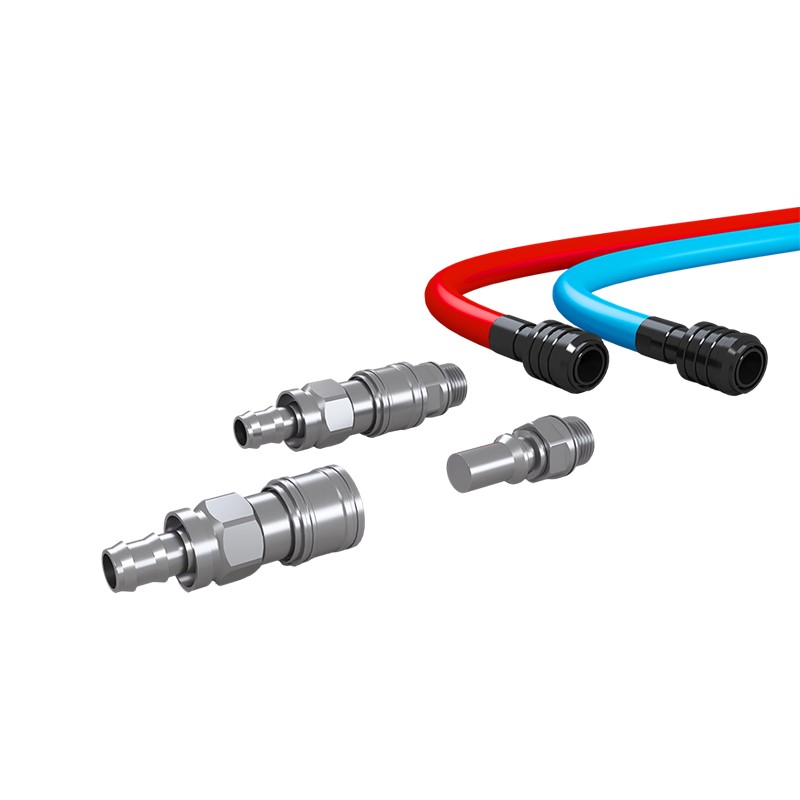

Product OverviewWM-LCR Liquid-Cooled Server Cabinet is a dedicated data center cabinet system that uses liquid as the cooling medium. Through circulating coolant, it efficiently transfers heat generat...
See DetailsHow Liquid-Cooled Server Cabinets Are Reshaping Data Center Infrastructure for AI Workloads
Content
- 1 Why Air Cooling Is No Longer Sufficient for Modern Data Centers
- 2 Understanding Liquid Cooling Technology: Three Primary Approaches
- 3 Critical Deployment Considerations Beyond Power Specifications
- 4 Comparative Overview of Liquid Cooling Solutions
- 5 Industry Trends Shaping Liquid Cooling Adoption
- 6 Strategic Selection Framework for Your Organization
- 7 Frequently Asked Questions About Liquid-Cooled Server Cabinets
- 7.0.1 Q1: What happens if a liquid-cooled server cabinet develops a leak?
- 7.0.2 Q2: Can I retrofit liquid cooling into an existing air-cooled data center?
- 7.0.3 Q3: How much does liquid cooling add to the cost of a server cabinet?
- 7.0.4 Q4: What cooling fluid should I choose?
- 7.0.5 Q5: Can liquid cooling work in data centers outside of climate-controlled facilities?
- 7.0.6 Q6: What is the typical lifespan of a liquid-cooled cabinet before replacement?
- 7.0.7 Q7: How does liquid cooling perform in applications beyond high-performance compute?
Why Air Cooling Is No Longer Sufficient for Modern Data Centers
The fundamental physics of air cooling has reached its practical limit. Traditional wind-cooled server cabinets operate at maximum capacity between 8 to 10 kilowatts per rack, a threshold established decades ago when processor power consumption remained relatively modest. Today, that assumption has shattered.
Modern accelerators and processors consume dramatically more power in the same form factor. High-performance compute chips now draw 700 watts, 1200 watts, or even higher per unit. When you populate a single cabinet with multiple such components, you quickly exceed the thermal dissipation capacity of forced air. The result is thermal throttling, reduced performance, or complete system failure if cooling cannot keep pace.
This power density explosion is not a temporary spike. It reflects the structural demands of artificial intelligence workloads, where matrix multiplication and neural network inference require sustained, high-power compute resources. A single cabinet may now house processors and accelerators consuming 50, 75, or 100 times the thermal load of equipment from fifteen years ago.
Air cooling cannot scale to meet this demand. Convection has physical limits. Fans operating at maximum speed generate noise, consume power themselves, and still fall short. The transition from air cooling to liquid cooling is therefore not a preference or an optimization—it is a necessity for any organization deploying modern compute infrastructure at scale.
Understanding Liquid Cooling Technology: Three Primary Approaches
Direct-to-Chip Cooling: Balance Between Performance and Compatibility
Direct-to-chip cooling, also known as cold plate cooling, involves routing liquid directly to cold plates mounted on individual processors or accelerators. The liquid absorbs heat at the source, before that heat can propagate throughout the cabinet or facility.
This approach supports between 20 and 50 kilowatts per rack, making it suitable for clusters of high-performance compute nodes without requiring complete system redesign. Existing cabinet infrastructure can often accommodate direct-to-chip systems with the addition of a coolant distribution unit, or CDU. The CDU circulates liquid, maintains temperature setpoints, and in some designs includes redundancy to prevent cooling loss.
The advantages are significant: improved power efficiency in the cabinet, lower ambient temperature requirements, and moderate retrofit compatibility with existing data center designs. The disadvantages include the need for compatible server designs, potential leakage risks at connection points, and the operational complexity of monitoring and maintaining liquid systems.
Immersion Cooling: Maximum Density at the Cost of Infrastructure Changes
Immersion cooling submerges computing hardware completely in thermally conductive liquid. This liquid bathes all components—processors, memory, power delivery circuits, and interconnect devices—simultaneously. Heat transfer efficiency is dramatically higher than direct-to-chip systems because liquid contacts significantly more surface area.
Immersion systems support 50 to 120 kilowatts per rack, or more. For organizations deploying AI clusters with extremely high compute density, immersion cooling enables configurations that would be thermally impossible with air or direct-to-chip approaches.
However, immersion cooling requires substantial infrastructure investment. Cabinets weigh approximately 4000 kilograms when filled with liquid, compared to 600 to 800 kilograms for air-cooled systems. Data center floors must be evaluated for load capacity. Server hardware must be specifically designed or selected for immersion compatibility—standard commercial off-the-shelf components will be damaged. The facility must have containment systems to manage spillage and disposal of specialized cooling fluids.
Two-Phase Cooling: The Frontier of Extreme Performance
Two-phase cooling leverages the phase transition between liquid and vapor to transport heat at exceptionally high efficiency. When liquid boils under controlled conditions, it carries away latent heat through evaporation. The vapor rises, condenses back to liquid in a cooler region, and the cycle repeats.
Two-phase systems can support 100 kilowatts per rack or higher, making them ideal for processors and accelerators consuming 3000 watts or more. These systems represent the frontier of cooling technology and are actively deployed in next-generation compute platforms.
The trade-off is complexity and cost. Two-phase systems require specialized design, precise manufacturing tolerances, and sophisticated control systems to maintain stable operation. Coolant fluids are typically more expensive than direct-to-chip options. Deployment requires deep technical expertise and careful integration with facility infrastructure.
Critical Deployment Considerations Beyond Power Specifications
Structural and Facility Requirements
Cooling performance specifications tell only part of the story. Before committing to a liquid-cooled server cabinet deployment, assess your facility's physical constraints.
Direct-to-chip cabinets typically weigh 1000 to 1300 kilograms, roughly 30 to 50 percent heavier than traditional air-cooled equipment. This weight increase is manageable in most modern data centers, but raised floor tiles, cable trays, and structural supports must be verified to handle the additional load.
Immersion systems are dramatically heavier. A cabinet filled with 4000 kilograms of cooling fluid cannot be placed casually. Structural engineering is required to ensure floor load ratings are not exceeded. In some cases, reinforced floor areas or concrete pads must be installed. Room layout may need revision to accommodate non-standard cabinet placement.
Space planning must also account for liquid supply and return lines, drain systems, and access for maintenance. Direct-to-chip systems require CDU placement nearby—either integrated into the cabinet or positioned adjacent for quick-disconnect fittings. Immersion systems may require dedicated containment sumps and pumping infrastructure.
Delivery and Installation Models
Liquid cooling systems can be delivered in multiple configurations, each with different implications for project timeline and on-site installation effort.
Fully Integrated Delivery: The cabinet arrives completely assembled, with all cooling components installed and tested in the factory. Servers or accelerators may be pre-installed as well. On-site work is minimal: connect power, connect to facility cooling water (if required), verify systems, and bring online. Timeline advantage is significant, typically days rather than weeks. Transportation challenges arise because the complete assembly is large and heavy, requiring careful logistics planning and specialized handling equipment at the destination.
Modular Delivery: The cabinet arrives in multiple components. The structural frame, cooling manifolds, and liquid containment are separate from compute modules. On-site integration is more extensive but permits smaller, more manageable shipments. Timeline is longer, but logistics burden is reduced and on-site customization is easier.
Cabinet-Only Delivery: You receive the cooled cabinet frame without integrated compute equipment. You install servers, accelerators, and cooling components yourself. Maximum flexibility but requires the most on-site engineering effort and project duration.
Select the delivery model based on your organization's technical expertise, facility access constraints, and project timeline requirements.
Operational Resilience and Leak Management
Liquid cooling introduces new operational risks compared to air systems. The primary concern is coolant leakage. Even small leaks can damage expensive computing equipment, interrupt service, and create safety hazards.
Mitigation strategies include:
- Dry-break quick-disconnect fittings that prevent coolant spillage when lines are disconnected for maintenance
- Integrated leak detection systems that monitor for moisture and alert operators before significant damage occurs
- Redundant cooling pathways so that a single component failure does not cause total cooling loss
- Secondary containment trays beneath cabinets to capture any coolant spill and prevent floor damage
- Regular maintenance schedules for inspection of connections, hoses, and seals
Choose systems and components designed with redundancy. A single cooling failure should not be catastrophic. Opt for suppliers who provide robust leak detection and who have demonstrated reliability through deployed installations at scale.
Energy Efficiency and Facility Power Usage Effectiveness
One of the primary benefits of liquid cooling is energy efficiency. Liquid carries heat much more effectively than air, reducing the work required from facility cooling systems. Power Usage Effectiveness, or PUE, measures the ratio of total facility power to compute power. A lower PUE means more efficient energy use.
Traditional air-cooled data centers typically operate at PUE of 1.5 to 2.0, meaning that for every watt of compute power, the facility uses 0.5 to 1.0 additional watt for cooling, lighting, and infrastructure. Direct-to-chip liquid cooling improves this to PUE of 1.2 to 1.35. Immersion cooling can achieve PUE of 1.08 to 1.15. The difference is substantial: cooling infrastructure costs are lower, electricity bills are lower, and carbon emissions per unit of compute are reduced.
In regions with strict efficiency standards—such as data center policies requiring PUE no higher than 1.25—liquid cooling is not merely advantageous, it is mandatory for new deployments.
Comparative Overview of Liquid Cooling Solutions
| Cooling Type | Power per Rack | Cabinet Weight | Primary Use Case | Key Limitation |
|---|---|---|---|---|
| Direct-to-Chip | 20-50 kW | 1000-1300 kg | AI clusters, GPU workloads | Requires compatible server design |
| Immersion | 50-120 kW | ~4000 kg | Ultra-high density compute | Requires floor reinforcement, hardware customization |
| Two-Phase | 100+ kW | 1500-2000 kg | Next-gen accelerators >3000W | High cost, system complexity |
Industry Trends Shaping Liquid Cooling Adoption
From Thermal Solution to Structural Platform
Liquid cooling was initially treated as a peripheral thermal optimization. Today, leading-edge system designs place liquid cooling infrastructure at the core of the platform architecture. This shift reflects the reality that power density and thermal management are no longer secondary considerations—they are primary design drivers.
The most advanced compute platforms now eliminate fans entirely at the cabinet level, routing all cooling through liquid pathways. Ambient inlet air temperatures can be substantially higher when liquid cooling is primary, reducing the cooling load on facility infrastructure and permitting deployment in warm climates where traditional data centers are impractical.
Modularization and Factory Pre-Integration
Early liquid cooling deployments required substantial on-site engineering to assemble, test, and integrate cooling systems. Current industry practice emphasizes factory pre-integration. Complete cooling loops, including manifolds, pumps, leak detection, and sensors, are assembled and tested before shipment. On-site installation effort drops dramatically—technicians connect pre-fabricated modules rather than building systems from components.
This modularization also enables faster deployment scaling. A facility can receive multiple pre-integrated cabinets on a predictable schedule, each arriving ready to power up. Project execution timelines compress from months to weeks.
Water Consumption and Environmental Sustainability
Liquid cooling systems that use water face scrutiny in water-scarce regions. Two-phase cooling systems that operate without external water consumption—using specialized refrigerants in closed loops—are gaining attention from organizations and investors focused on environmental impact.
Market developments in waterless two-phase cooling have attracted significant capital investment. As these systems mature and costs decline, expect adoption to accelerate in regions where water availability is constrained or where environmental regulations penalize water consumption.
Market Expansion and Competitive Landscape
The global market for liquid cooling systems in data centers was valued in the tens of billions of dollars as of 2024 and is expanding at double-digit annual growth rates. This expansion is driven by:
- Massive capital investments in AI infrastructure globally
- Increasing average power density in new data center deployments
- Regulatory pressure to reduce data center energy consumption
- Competitive differentiation for cloud providers and AI service companies
As the market grows, more suppliers are entering with specialized offerings. Organizations deploying liquid cooling now have genuine choices, not just acceptance of a single dominant design. Evaluation of competing solutions against your specific requirements is therefore essential.
Strategic Selection Framework for Your Organization
Step One: Define Your Power Density Requirements
Begin with an honest assessment of your compute workload. What is the power consumption per server or accelerator? How many such units must fit in a single cabinet? Multiply to determine the total power your cabinet must support.
If your requirement is 25 kilowatts per rack, direct-to-chip cooling is likely sufficient and cost-effective. If your requirement is 75 kilowatts, you likely need immersion or two-phase cooling. Be realistic about future growth—if your current requirement is 30 kilowatts but you anticipate expansion to 60 kilowatts within two years, select cooling technology that can scale rather than requiring replacement.
Step Two: Assess Your Facility Infrastructure
Verify the structural capacity of your data center floor to support the weight of your chosen cooling solution. For direct-to-chip systems, this is usually straightforward. For immersion systems, hire a structural engineer if necessary to confirm load capacity.
Evaluate available space for cooling distribution infrastructure. Can you accommodate CDU equipment adjacent to cabinets? Do you have suitable drain and containment systems? Are facility utility connections (water, power, condensate) located conveniently?
Assess your facility's ambient cooling capacity. Direct-to-chip systems still require facility-level cooling, though at reduced load compared to air cooling. Immersion systems that route all heat to external chillers require robust facility cooling infrastructure. If your facility cooling is already at maximum capacity, liquid cooling cannot solve your problems without facility upgrades.
Step Three: Evaluate Operational Readiness
Liquid cooling systems require competent operational support. Your team must be trained in:
- Scheduled maintenance of cooling loops and components
- Leak detection and response procedures
- Coolant replenishment and fluid quality monitoring
- Thermal telemetry interpretation and alerting
If your operations team has no experience with liquid systems, plan for training and gradual ramp-up. Consider engaging suppliers who offer managed services or on-site support during the initial deployment phase.
Step Four: Select Suppliers Based on Proven Deployment Records
Verify that potential suppliers have successfully deployed their solutions at scale. Request references from organizations with similar workloads and facility characteristics. Visit deployed installations if possible. Understand the reliability metrics and failure rates documented in production environments.
Look for suppliers who invest in redundancy, leak detection, and fail-safe design. Prioritize those with transparent technical documentation and clear support models. The lowest-cost solution is not always the best choice if reliability is compromised.
Step Five: Plan for Integration and Validation
Develop a detailed project plan covering procurement, installation, testing, and operational handoff. Allocate time for factory acceptance testing and on-site commissioning. Verify that cooling performance meets specifications under realistic operating conditions before transitioning to production workloads.
Frequently Asked Questions About Liquid-Cooled Server Cabinets
Q1: What happens if a liquid-cooled server cabinet develops a leak?
Modern designs include multiple safeguards. Leak detection systems identify coolant moisture at the earliest stage, typically long before visible spillage occurs. Alerts trigger automatic responses: some systems reduce power to affected equipment, others trigger alarms for immediate operator response. Secondary containment trays beneath cabinets capture any fluid that escapes before it can reach sensitive infrastructure. The cabinet can be isolated and drained safely. Well-designed systems treat leaks as manageable events, not catastrophic failures. Nonetheless, proper maintenance and inspection protocols are essential to prevent leaks from occurring in the first place.
Q2: Can I retrofit liquid cooling into an existing air-cooled data center?
Yes, but with caveats. Direct-to-chip systems retrofit most easily if your existing servers support compatible cold plate attachment. You will need to add CDU infrastructure and verify floor load capacity. Immersion systems are more challenging—they require much heavier cabinets and substantial facility modifications. Evaluate your specific facility constraints carefully. In some cases, selective retrofit of high-density racks while maintaining air cooling elsewhere is a practical middle path.
Q3: How much does liquid cooling add to the cost of a server cabinet?
Direct-to-chip systems typically add 20 to 40 percent to cabinet cost compared to air cooling. Immersion systems are more expensive, adding 50 to 100 percent or more. However, total cost of ownership often favors liquid cooling when you account for reduced facility cooling costs, lower electrical consumption, and higher compute density. Calculate lifecycle costs over the expected life of your deployment, typically five to ten years.
Q4: What cooling fluid should I choose?
Common options include water, engineered glycol mixtures, and specialized refrigerants for two-phase systems. Water-based coolants are inexpensive and widely available but require corrosion inhibitors and biocide additives. Engineered fluids offer better thermal properties and lower corrosion risk but cost more. Two-phase systems use application-specific refrigerants. Consult with your equipment supplier regarding fluid compatibility and performance characteristics. Do not mix fluid types or assume interchangeability.
Q5: Can liquid cooling work in data centers outside of climate-controlled facilities?
Yes. Liquid cooling reduces facility cooling requirements dramatically. In mild climates, facility cooling may be almost eliminated—heat is simply rejected directly to outdoor air through radiators. In hot climates, facility cooling load is still reduced but remains necessary. Liquid cooling enables data center operations in locations where traditional air cooling would be impossible or prohibitively expensive.
Q6: What is the typical lifespan of a liquid-cooled cabinet before replacement?
Well-maintained direct-to-chip systems typically function reliably for ten years or more. Regular maintenance—hose inspection, fluid testing, pump verification—extends lifespan. Two-phase systems, being more complex, may require component replacement or system overhaul sooner. Plan for component replacement and upgrades as part of long-term operational budgeting. Do not treat liquid cooling equipment as install-and-forget infrastructure.
Q7: How does liquid cooling perform in applications beyond high-performance compute?
Liquid cooling is most cost-effective where power density is highest. Traditional enterprise servers and storage systems, with moderate power consumption, may not justify the additional complexity and cost of liquid cooling. Standard air cooling remains appropriate for many workload types. Reserve liquid cooling for high-performance compute, AI acceleration, and similar use cases where power density justifies the investment.
PREV:Why Liquid-Cooling Products Are Essential for Modern AI and Hyperscale Data Centers
NEXT:What Makes Prefabricated Piping for Liquid Cooling Secondary Side the Backbone of Reliable AI Data Centers?
NEXT:What Makes Prefabricated Piping for Liquid Cooling Secondary Side the Backbone of Reliable AI Data Centers?
Interested in cooperation or have questions?
Related products
-
-
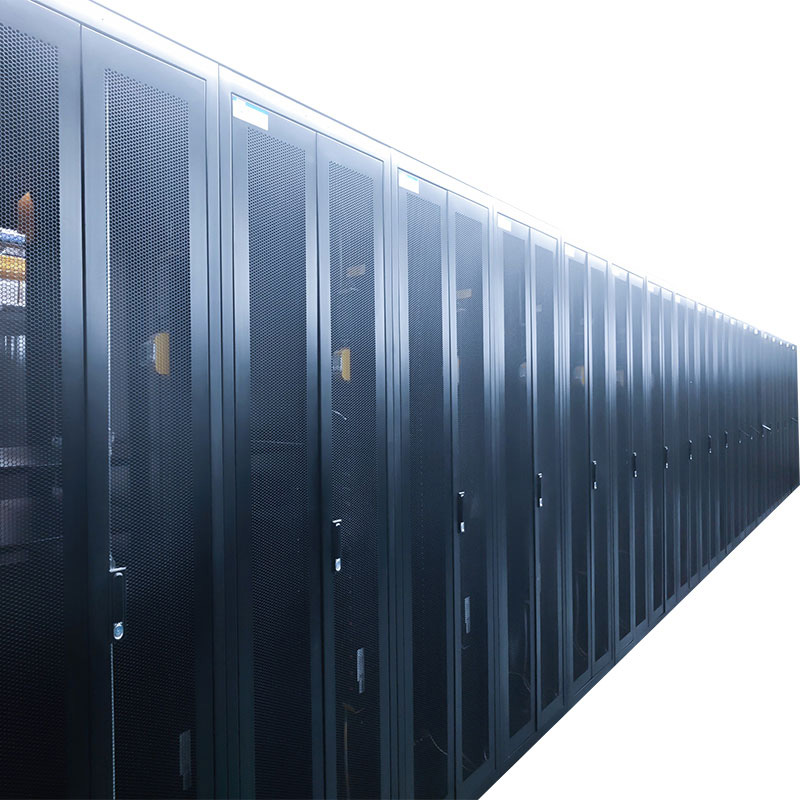
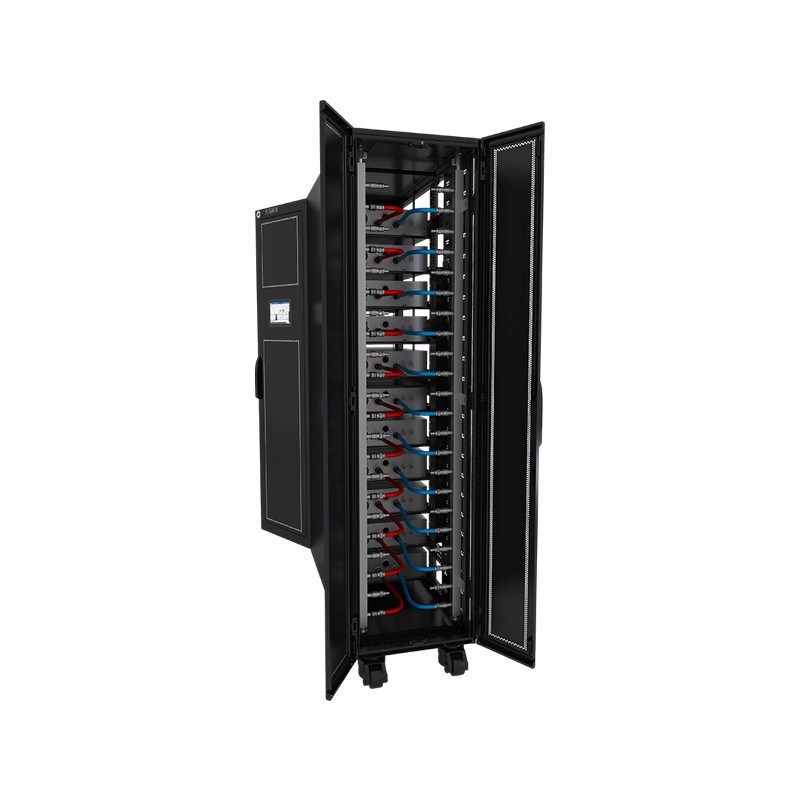
Application:It is used in internet data center equipment room to house server cabinets and provides them with required working environment. Features:•Modularization: Two cabinets combined sharing one ...
See Details -
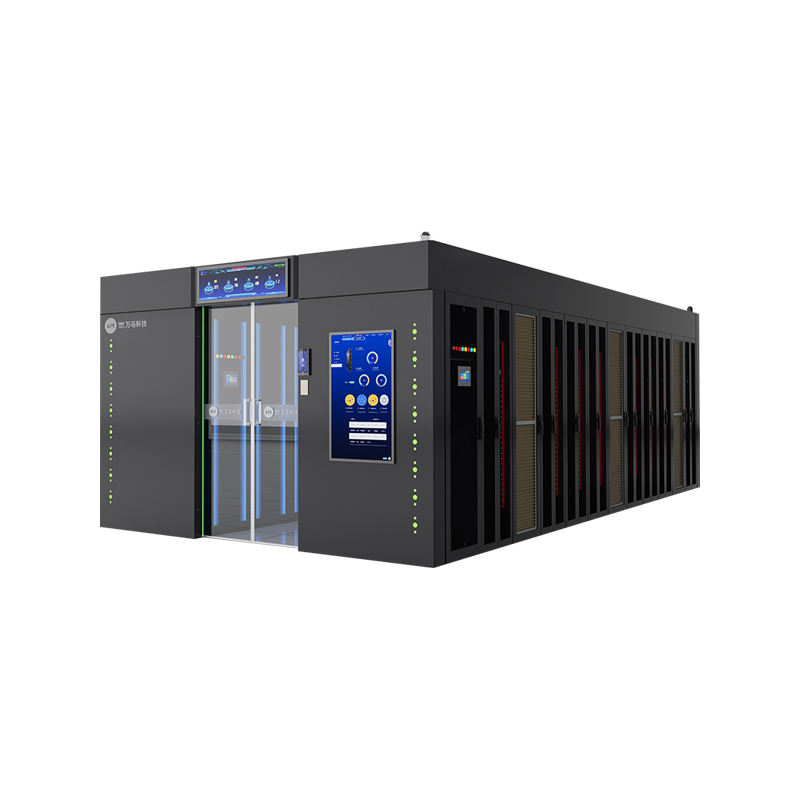
A micro-module data center (MMDC) is a new generation data center architecture that uses standardized modules as units, features prefabricated design, and allows for rapid deployment. It integrates t...
See Details -
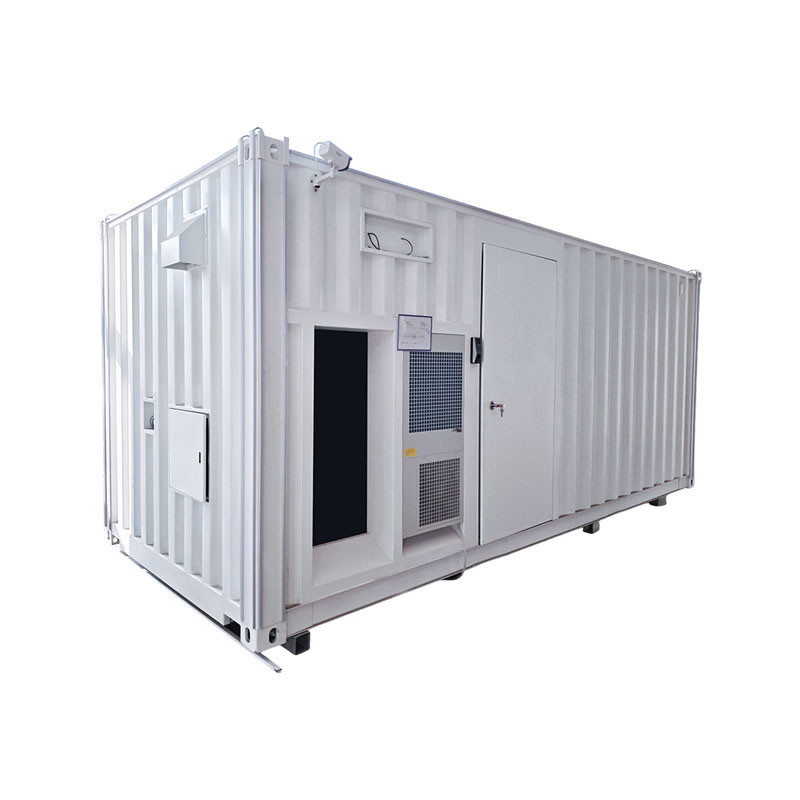
20-inch Containerized Data Center (CDC-20) is a compact and highly integrated modular data center solution built within a standard 20-foot ISO shipping container. It pre-integrates IT racks, power sup...
See Details
Ready to Get started ? Contact Us Now !

Product.
Contact Details.
-
 +86 13958188250
-
 +86 13958188250
-
 [email protected]
- Wanma Industrial Park Taihu Yuan Town Lin'an District Hangzhou City China.
QR Code

Copyright © Wanma Technology Co., Ltd. All Rights Reserved.
Privacy
Custom Ethernet Optical Network Railway Transit Equipments Suppliers
