

 English
 Français
 Español
 Português
 عربى





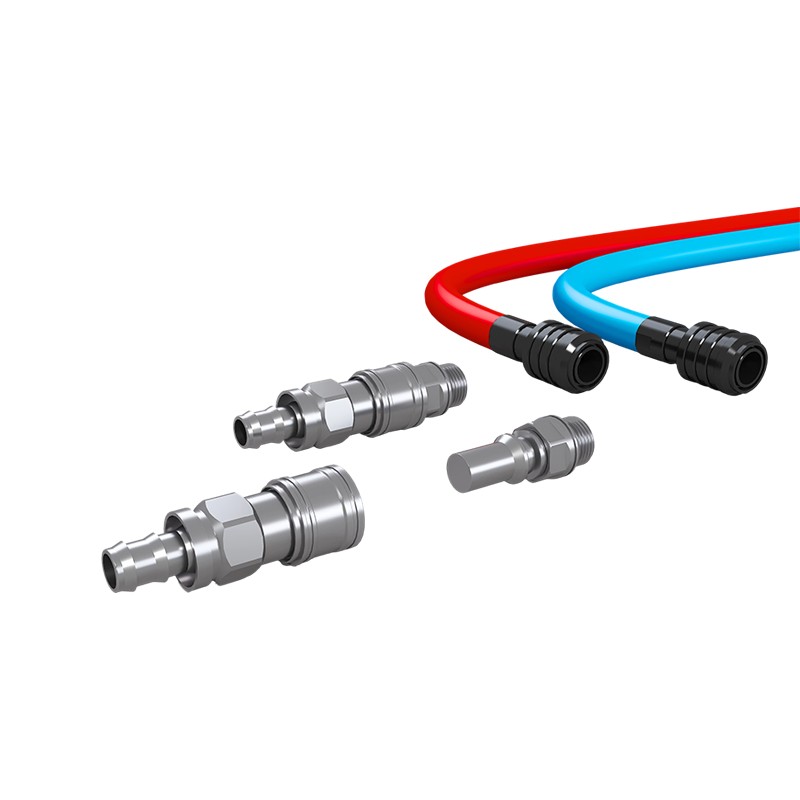
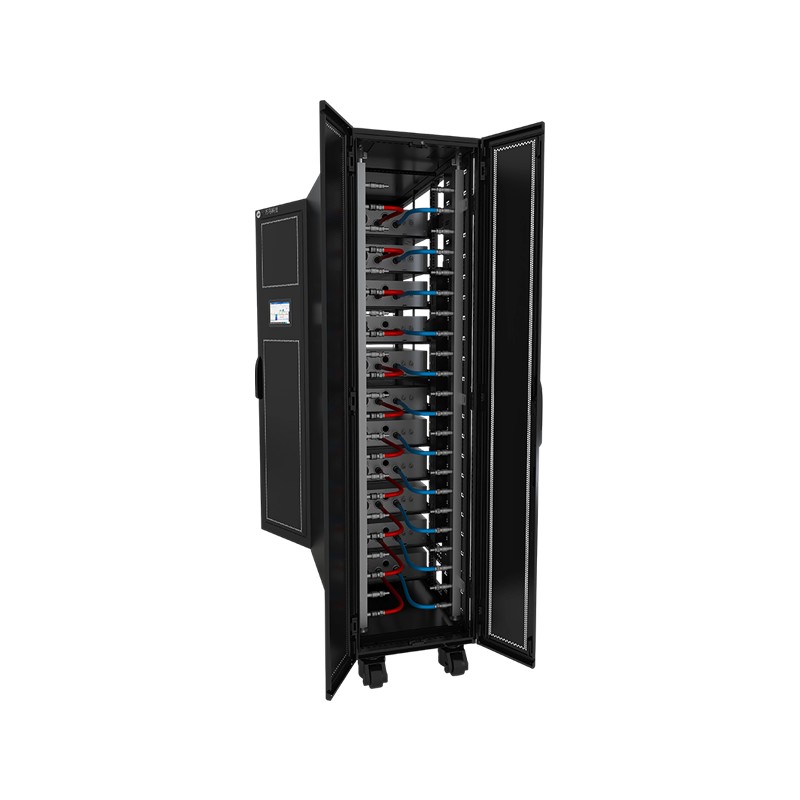
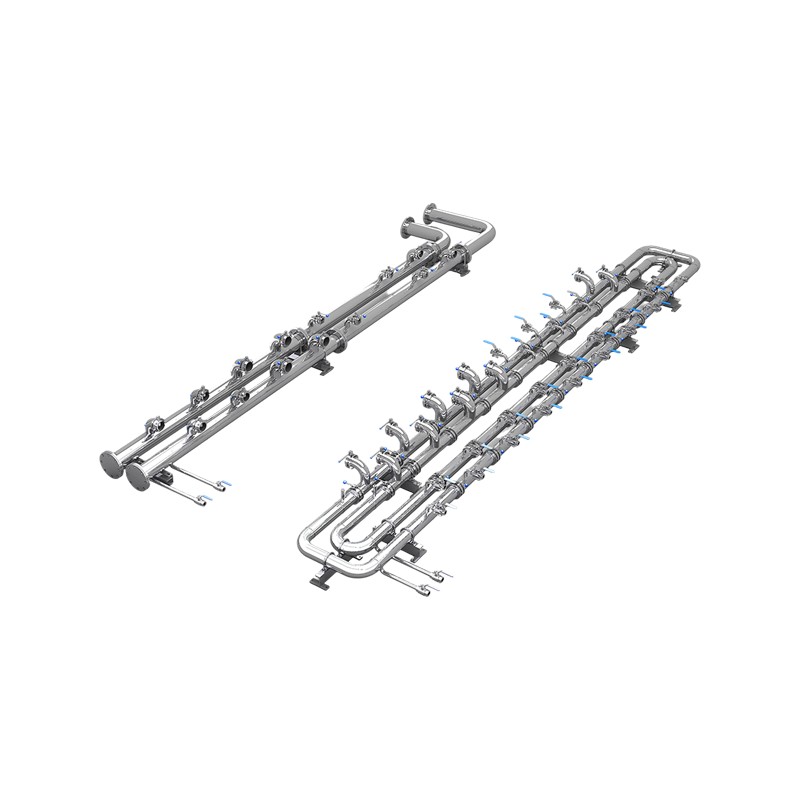
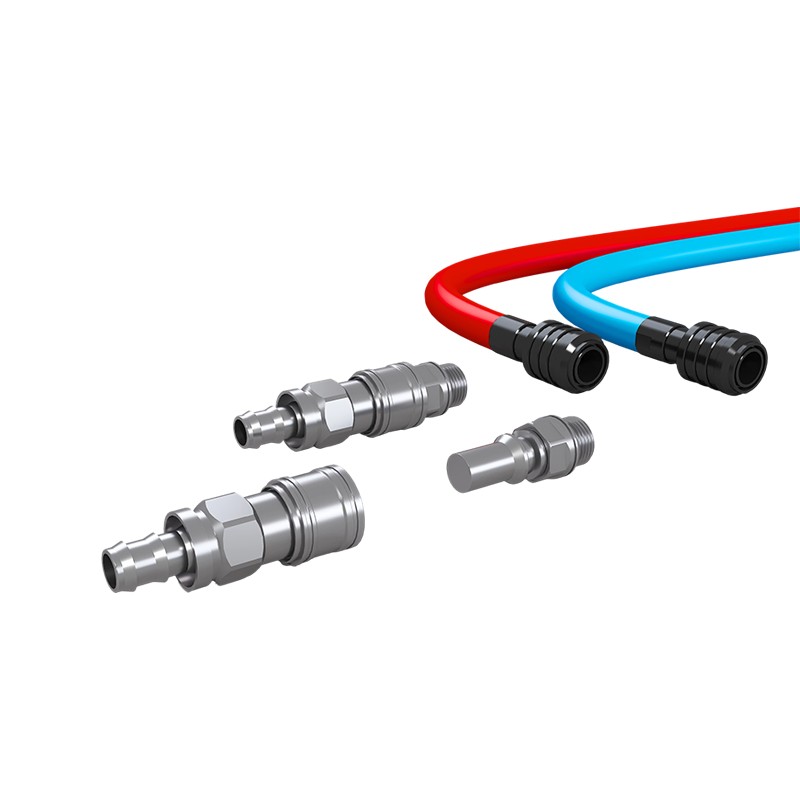
Product OverviewWM-UQD Liquid Cooling Quick Disconnect Coupling is a fluid connection component specifically designed for online maintenance of liquid cooling systems. Both the plug and socket are equ...
See DetailsHow to Select UQD Quick Coupler for AI Server Liquid Cooling
Content
- 1 Why the Smallest Fitting in the Loop Carries the Largest Risk
- 2 Why UQD Became the Default, and Why Default Is Not Enough
- 3 Selection Criteria That Actually Decide Reliability
- 4 Common Selection Mistakes That Produce Leaks and Downtime
- 5 Frequently Asked Questions
- 5.0.1 Q1: Is UQD compatible with standard hydraulic quick couplers and hoses?
- 5.0.2 Q2: What is the typical lead time and minimum order quantity for OCP-aligned UQD couplers?
- 5.0.3 Q3: Can couplers and hoses be supplied as a pre-assembled or matched kit?
- 5.0.4 Q4: Are intermateability verification reports available against major UQD designs?
- 6 Conclusion: Specify the Loop, Not the Part
Why the Smallest Fitting in the Loop Carries the Largest Risk
In an AI server liquid cooling loop, quick couplers and hoses are the least visible components and the least forgiving. A single weeping seal or an undersized bore can take an entire GPU rack offline, and the failure often appears only after thermal cycling has done its work. The UQD (Universal Quick Disconnect) interface, originally driven by server OEM requirements and now folded into OCP guidance, has become the default branch-level connector for cold plate loops. It is a flat-face, double-shutoff design: both halves seal independently when disconnected, spillage is minimal, and one-hand tool-free insertion is possible.
That standardization is useful, but it has created a misleading shorthand. A label reading "OCP compliant" describes an interface envelope and a design intent, not a guaranteed level of material compatibility, flow performance, or cycle life. Two couplers that mate perfectly can still differ in valve body alloy, seal compound, flow coefficient, latch durability, and hose-end geometry. Procurement teams that treat compliance as the finish line rather than the starting line are the ones most likely to discover the gap during a maintenance window.
This guide is written for thermal engineers and sourcing teams who need selection criteria they can paste into a supplier questionnaire. It moves from coolant chemistry to ratings that matter inside a rack, then to hose-end matching and second-source verification, and closes with the mistakes that most often produce drips and downtime.
Why UQD Became the Default, and Why Default Is Not Enough
The UQD form factor won adoption because it solved a specific operational problem: service technicians need to break a liquid connection inside a dense rack without draining the loop or reaching for tools. The flat-face valve pair closes on both sides at disconnect, so the exposed surfaces carry only a film of coolant rather than a free-flowing stream. That property, more than any single dimensional standard, is what made UQD suitable for cold plate branches where a drip could land on live electronics.
The OCP ecosystem has pushed further toward multivendor interchangeability. An industry intermateability effort has coordinated shared designs and accumulated test coverage across hundreds of sample pairs and well over a thousand mating cycles. That work is valuable, but it also surfaced the kind of detail that datasheets rarely advertise: latch and pull-ring return behavior can degrade with repeated cycling, and some units required manual intervention after roughly 300 insertions. For a server expected to see hundreds of service events over its life, that is a selection variable, not a footnote.
The practical conclusion is that couplers and hoses should be specified as a pair, as a loop element rather than as separate line items on a purchase order. The coupler sets the sealing interface and the flow path; the hose sets the mechanical load path and the chemical exposure. Selecting one without the other leaves the reliability question half answered.
Selection Criteria That Actually Decide Reliability
Step 1: Begin With the Coolant, Not the Coupler
Coolant chemistry constrains material choice more than any other input, and it is the criterion most often reduced to a one-line answer. Water-based fluids, whether deionized water or a glycol blend, generally call for a stainless valve body in the 316L family and EPDM sealing elements. If a 304 alloy is used instead, chloride and conductivity limits must be controlled tightly, because the margin for stress corrosion cracking narrows quickly. Glycol tolerance also varies between EPDM formulations, so a generic "EPDM" statement is not sufficient evidence.
Fluorinated fluids used in immersion and two-phase systems impose a different set of requirements. Wetted 316L parts should be pickled and passivated, with particular attention to weld zones. Hose liners should move to PTFE or PFA, and seals should be selected from the FFKM family rather than standard EPDM. The procurement consequence is straightforward: request written confirmation of the valve body alloy grade and the seal compound designation, not a category-level description. A supplier that cannot name the compound is a supplier that has not qualified it.
Hose compatibility belongs in this step, not later. The liner sees the same fluid as the coupler, often at a thinner wall and with a larger exposed surface area. A coupler rated for a fluid paired with a hose liner that swells or extracts plasticizer will produce the same field failure as an incompatible seal, only at a different location.
Step 2: Verify the Ratings That Matter Inside an AI Rack
Datasheet ratings are necessary but not sufficient. The four values below are the ones that translate directly into rack-level behavior, and each should be confirmed in writing rather than inferred from a family brochure.
| Parameter | Typical UQD Value | Why It Matters in a Rack |
|---|---|---|
| Maximum working pressure | About 150 psi / 10.3 bar | Must absorb pump stop-start surge, not just steady-state head |
| Temperature range | 0 to 70 C common | Local hot zones can exceed the nominal envelope |
| Flow coefficient (CV) | Roughly 0.30 to 4.09 across sizes | An undersized bore acts as a fixed throttle in the loop |
| Connection force | About 35 lbs at 100 psi for a mid-size body | Determines serviceability in high-density racks |
The CV spread deserves emphasis. The range across a single product family can exceed a factor of ten, which means a size chosen for packaging convenience rather than flow requirement can add meaningful pressure drop to every branch. In a loop with many parallel cold plates, that loss compounds. Connection force is the mirror-image concern: a coupler that is difficult to seat at pressure slows maintenance and encourages partial engagement, which is itself a leak pathway. Both values should be checked against the actual loop operating point, not against a catalog headline.
Step 3: Match the Hose End to the Coupler
The coupler-to-hose junction is where mechanical and chemical requirements meet, and it is the most common place for a specification to drift. UQD terminations are available in UNF threads, BSPP threads, and hose barb styles, among others. A barb end must match both the inner diameter and the wall thickness of the hose, and the clamp or crimp method must be specified. A threaded end requires confirmation of the gasket or O-ring specification and the thread sealing method.
The hose also constrains the coupler in ways that are easy to overlook. Water-based systems commonly use EPDM hose, while fluorinated systems require a PTFE liner. Bending radius is a mechanical input: a hose routed tighter than its minimum radius transfers a sustained side load into the coupler body, which can bias the flat-face seal and accelerate face wear. Overly stiff hose produces the same effect over a longer distance. The selection question is therefore not "which coupler" but "which coupler and hose assembly, at what routing, under what load."
A practical procurement move is to ask for a matched coupler-and-hose recommendation table or joint test data rather than a coupler unit price in isolation. Suppliers who assemble and test the pair can speak to insertion force with the hose attached, which is the number that matters to a technician working in a crowded rack.
Step 4: Intermateability and Second-Source Strategy
The OCP design intent is that UQD halves from different manufacturers should mate, which reduces single-supplier lock-in and protects spare-parts availability. The intent is sound, but the verification burden falls on the buyer. Intermateability test programs have coordinated shared designs and generated substantial cycle data, yet the results apply to specific configurations and revisions, not to every part bearing a similar model number.
Sourcing teams should ask a direct question during quotation: has this specific size and configuration been verified against the major OCP-aligned designs, and can the verification report or compatibility list be shared. A supplier with real test data will answer quickly. A supplier without it will answer with a compliance claim, which is a different thing. The same logic applies to the hose end, since an interchangeable coupler paired with a non-matching hose assembly still fails at the joint.
Common Selection Mistakes That Produce Leaks and Downtime
- Treating a compliance label as a material specification. Different EPDM formulations tolerate glycol differently. Ask for immersion test data or a written compatibility statement covering the specific compound.
- Mixing UQD and larger main-line connectors. UQD is intended for branch-level, hand-operated connections inside the rack. High-flow threaded connectors belong on rack drop and distribution main lines. Using a branch coupler on a main line creates a flow restriction that no amount of pump head recovers.
- Ignoring the stress path from hose to coupler. Stiff hose or a tight bend applies continuous side load to the seal face, which wears unevenly and eventually weeps.
- Not asking about cycle life and latch return. A server may see hundreds of insertions over its service life. Latch return failure is a known mode and should be a quoted performance figure, not a verbal assurance.
- Buying the coupler and the hose from separate decisions. The assembly is the unit of reliability, and it should be specified, tested, and quoted as one item.
Frequently Asked Questions
Q1: Is UQD compatible with standard hydraulic quick couplers and hoses?
No. UQD is a liquid-cooling-specific OCP-aligned interface with flat-face, drip-free valves and material specifications chosen for server coolants. Hydraulic couplers use different sealing geometry and materials and should not be substituted in an AI cooling loop, even where thread sizes appear to match.
Q2: What is the typical lead time and minimum order quantity for OCP-aligned UQD couplers?
Both vary by body size, termination style, and whether the order is for couplers alone or matched hose assemblies. The fastest path to an accurate answer is to share annual volume, port sizes, coolant type, and hose assembly requirements so that a consolidated quotation can be prepared.
Q3: Can couplers and hoses be supplied as a pre-assembled or matched kit?
Yes, and this is usually the better purchasing model. A matched kit fixes the hose-end specification, the clamp or crimp method, and the tested insertion force in one item, which removes the most common source of field mismatch between a coupler order and a hose order.
Q4: Are intermateability verification reports available against major UQD designs?
Verification documentation should be requested for the specific size and configuration being purchased, since interchangeability results apply to tested revisions rather than to every part carrying a similar model number. A supplier with qualified data can normally provide a compatibility list or test summary with the quotation.
Conclusion: Specify the Loop, Not the Part
The selection order that holds up in practice is coolant compatibility first, flow and pressure margin second, and interface and hose matching third. Reversing that order, for example by choosing a coupler for its footprint and then hunting for a compatible hose, is how apparently compliant bills of material end up producing drips in the field.
Selecting quick couplers and hoses for AI liquid cooling is a system decision. One wrong seal compound or one mismatched hose end can undo the reliability of an entire loop, and the failure will usually appear at the least convenient moment. The corrective action is procedural rather than exotic: require named materials, quoted ratings, and verification evidence before a purchase order is issued.
PREV:No previous
article
NEXT:How Prefabricated Piping for Liquid Cooling Secondary Side Eliminates Leaks and Cuts Deployment Time
NEXT:How Prefabricated Piping for Liquid Cooling Secondary Side Eliminates Leaks and Cuts Deployment Time
Interested in cooperation or have questions?
Related products
-
-
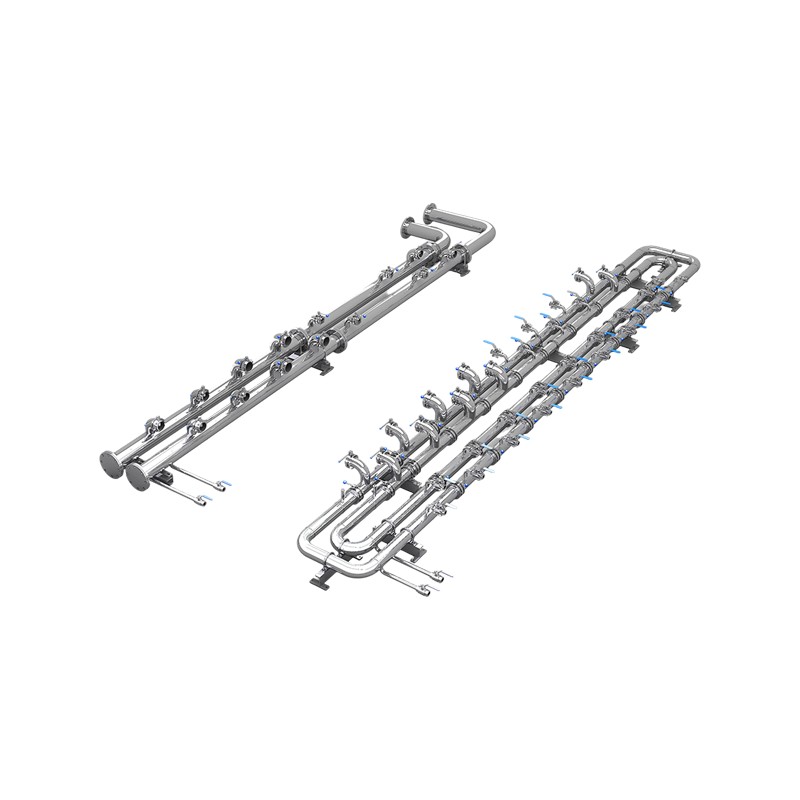
Product OverviewWM-SCL Secondary-Side Prefabricated Piping is a standardized coolant distribution system that connects the CDU to liquid-cooled server cabinets. The piping is prefabricated and quality...
See Details -
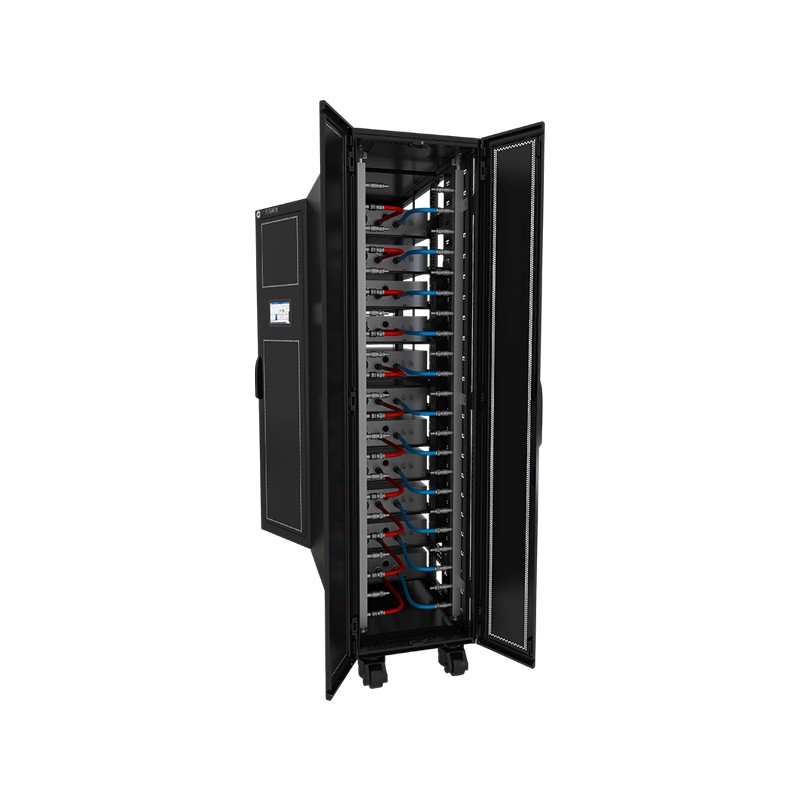
Product OverviewWM-LCR Liquid-Cooled Server Cabinet is a dedicated data center cabinet system that uses liquid as the cooling medium. Through circulating coolant, it efficiently transfers heat generat...
See Details -
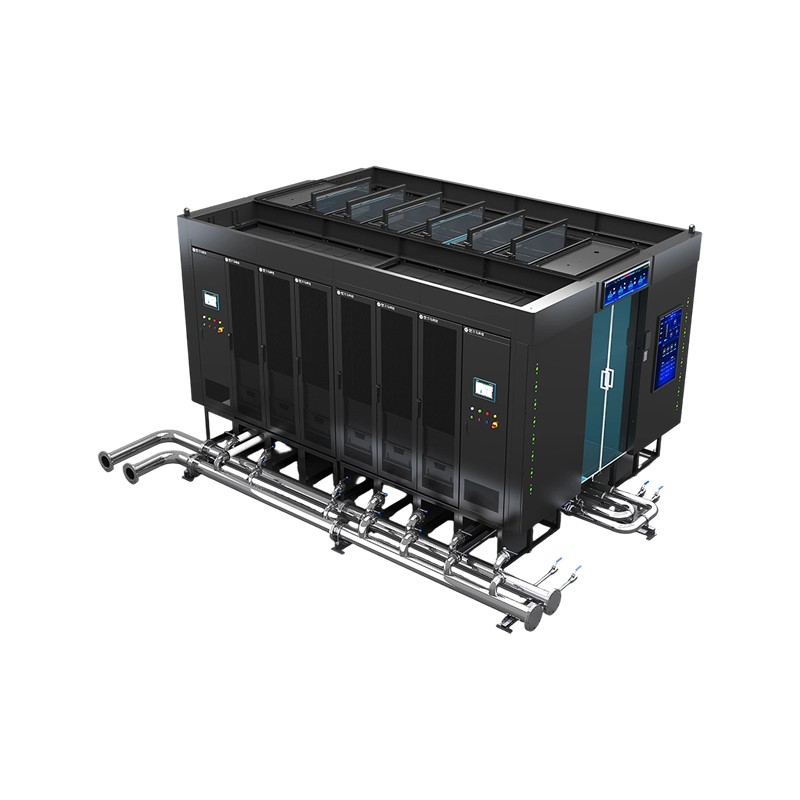
Product OverviewWM-HCM Air-Liquid Hybrid Micro-Module is an integrated data center solution designed for ultra-high-density computing applications. It adopts a dual-row, back-to-back layout and integr...
See Details
Ready to Get started ? Contact Us Now !

Product.
Contact Details.
-
 +86 13958188250
-
 +86 13958188250
-
 [email protected]
-
 AUDIT Email:[email protected]
- Wanma Industrial Park Taihu Yuan Town Lin'an District Hangzhou City China.
QR Code

Copyright © Wanma Technology Co., Ltd. All Rights Reserved.
Privacy
Custom Ethernet Optical Network Railway Transit Equipments Suppliers
