

 English
 Français
 Español
 Português
 عربى
عربى





 Knowledge
What Functions Does a Hospital Nursing Cart Typically Include in Clinical Environments?
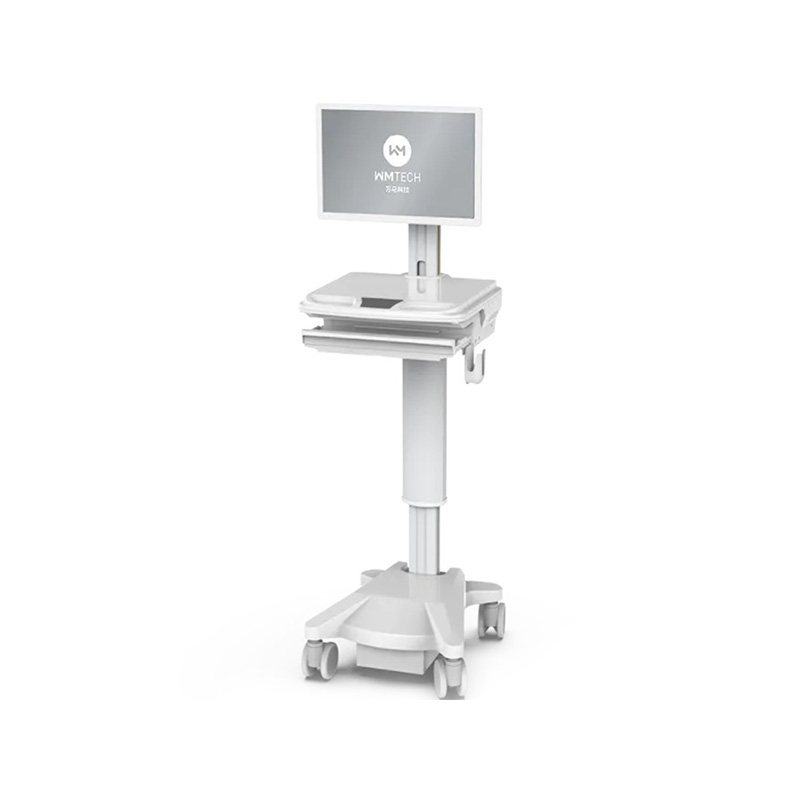
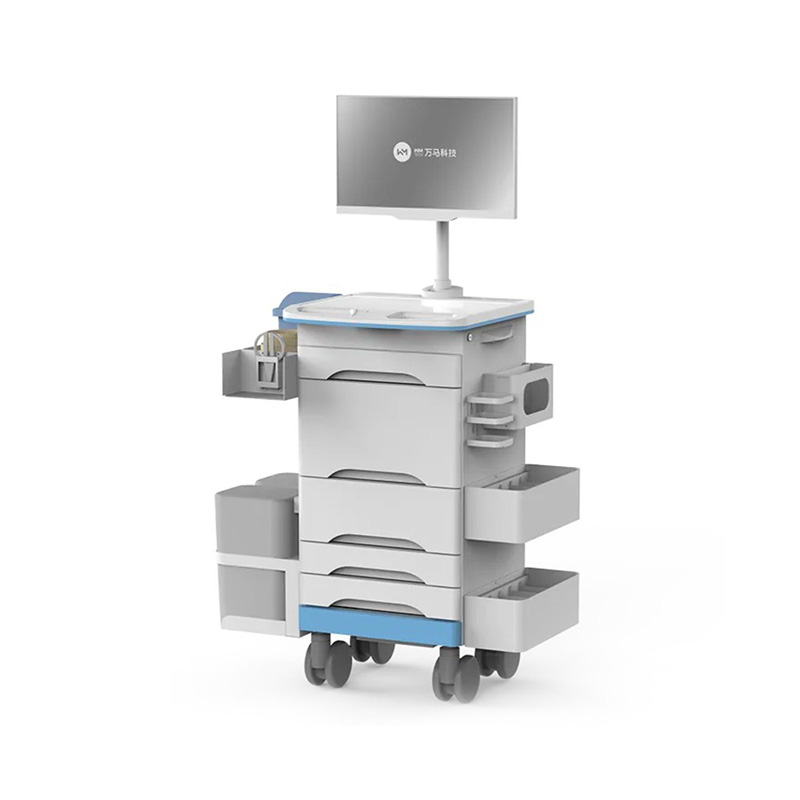
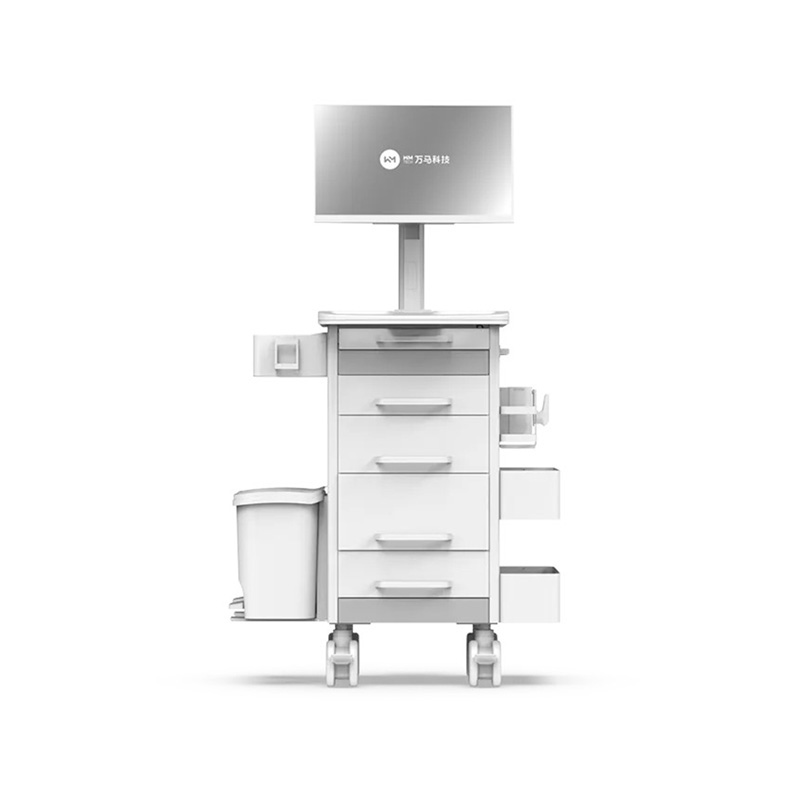
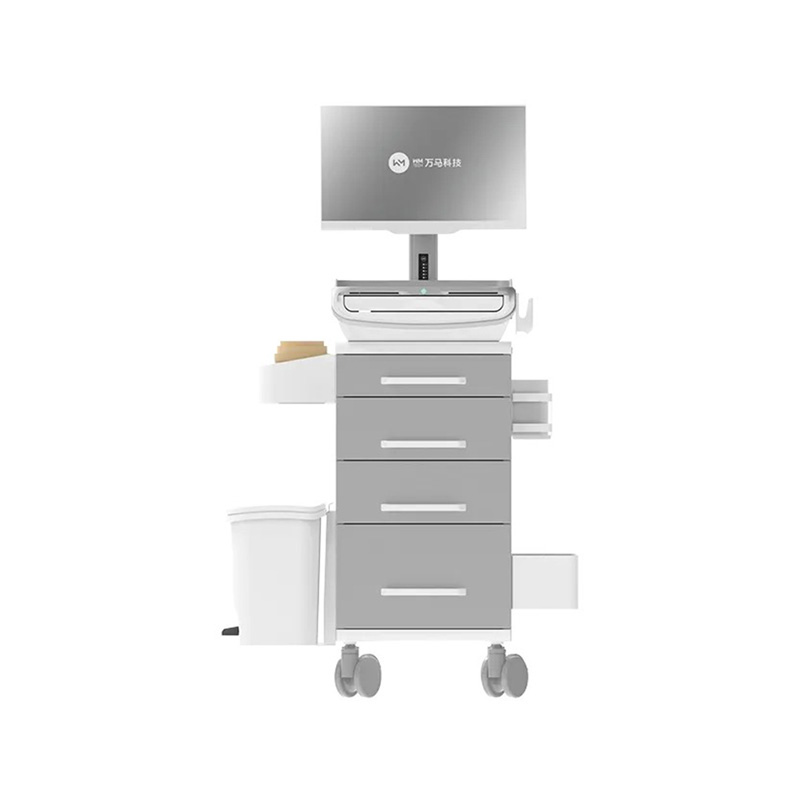
How can a hospital nursing cart, including smart medical cart mobile clinical workstations, optimize workflow efficiency, improve patient care, and ensure safe storage of medical supplies in modern healthcare facilities? In contemporary clinical environments, hospital nursing carts have evolved beyond simple storage units to multifunctional platforms that integrate mobility, accessibility, and technological support. These carts serve as essential tools for nurses and healthcare professionals, enabling them to perform a range of clinical tasks efficiently while maintaining high standards of hygiene and patient safety.
Core Functions of Hospital Nursing Carts
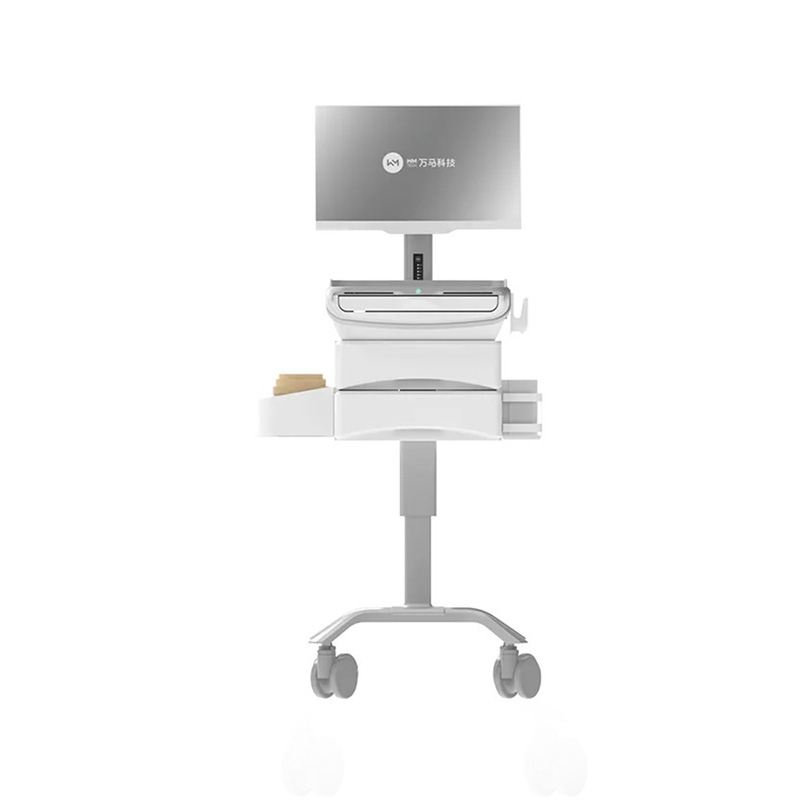
Hospital nursing carts are designed to support diverse clinical needs, from routine patient care to specialized procedures. Their functionality generally spans several key areas: medication management, patient monitoring, documentation, and emergency readiness. Advanced models, such as smart medical cart mobile clinical workstations, also incorporate digital interfaces and connectivity features, allowing real-time access to electronic health records and clinical databases.
| Function Area | Description | Typical Components |
|---|---|---|
| Medication Management | Safely stores and organizes pharmaceuticals for individual patients or departments | Lockable drawers, RFID tracking, medication bins |
| Patient Monitoring | Facilitates bedside monitoring and recording of vital signs | Integrated tablet or laptop mount, vital sign devices, data ports |
| Clinical Documentation | Supports accurate, timely recording of patient information | Pull-out workstation surface, document trays, keyboard/mouse holder |
| Emergency Preparedness | Provides immediate access to emergency equipment and supplies | Crash cart compartments, defibrillator storage, oxygen cylinder mount |
Material Considerations
The selection of materials directly impacts the durability, hygiene, and maneuverability of hospital nursing carts. Common materials include stainless steel, aluminum alloys, and high-performance polymers. Each material presents specific advantages and trade-offs:
| Material | Advantages | Clinical Implications |
|---|---|---|
| Stainless Steel | High strength, corrosion-resistant, easy to sanitize | Ideal for high-humidity or infection-prone areas |
| Aluminum Alloy | Lightweight, corrosion-resistant | Facilitates mobility, suitable for mobile workstations |
| High-performance Polymer | Resistant to impact and chemical exposure | Reduces noise, prevents scratches on clinical floors |
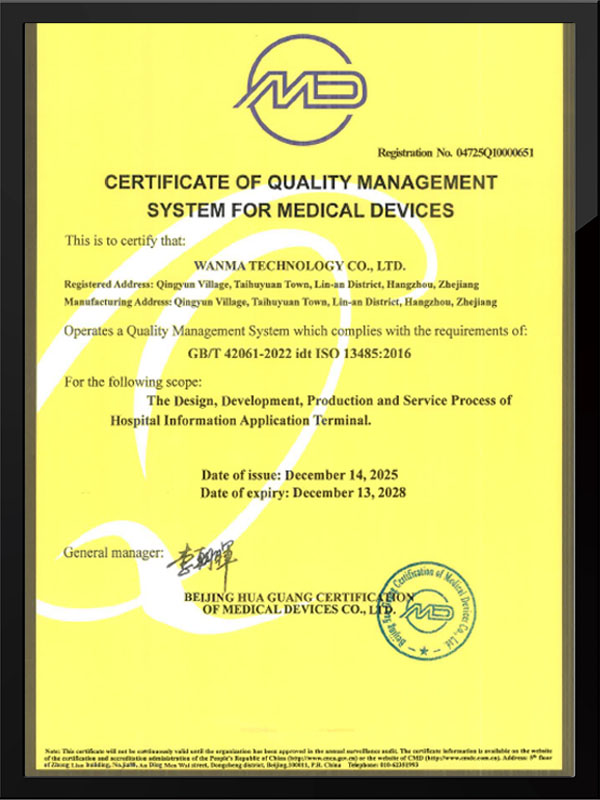
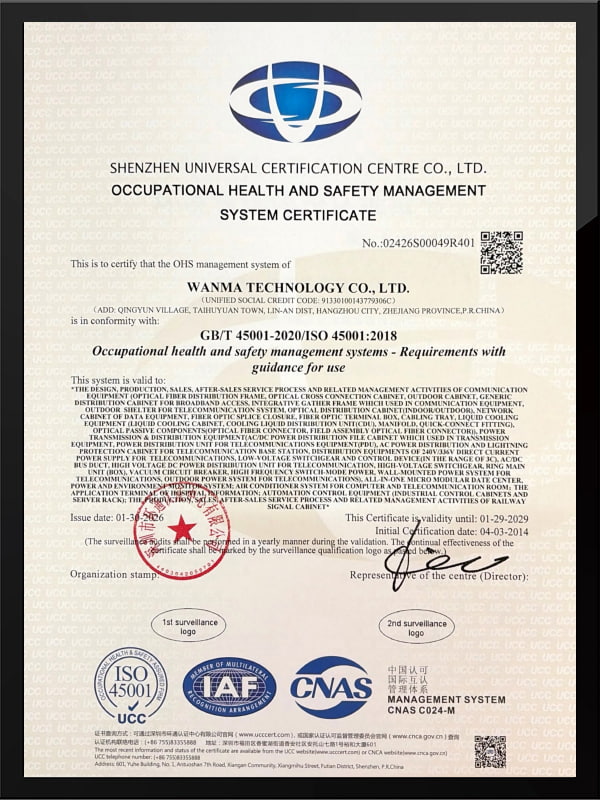
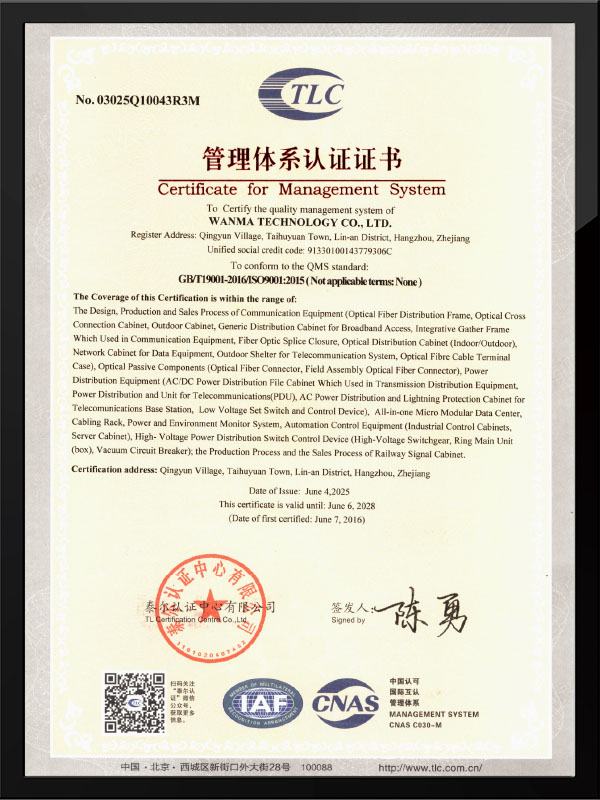
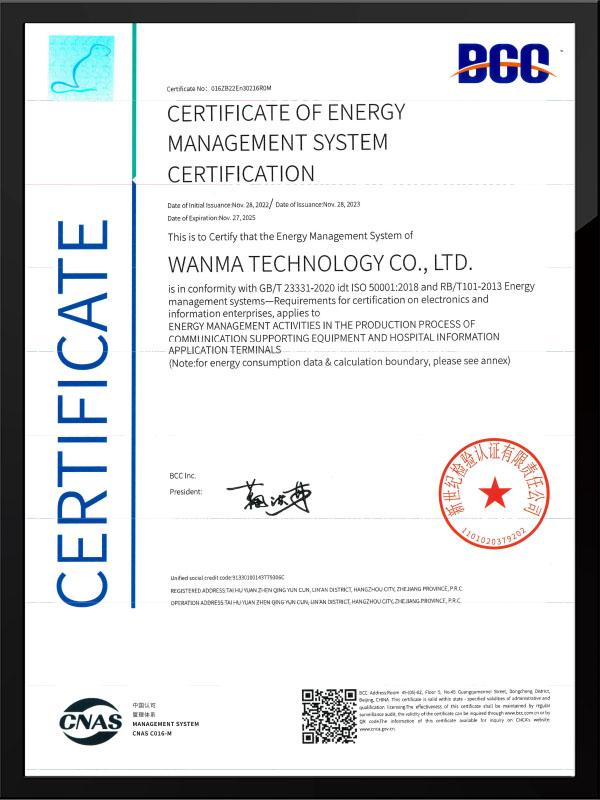
Wanma Technology Co., Ltd. applies its expertise in precision manufacturing and automated processing to produce hospital nursing carts with superior structural integrity. Leveraging automated laser processing centres and CNC machinery, Wanma ensures each unit maintains consistent quality, reliable mobility, and optimized ergonomics for clinical staff.
Smart Medical Cart Mobile Clinical Workstations
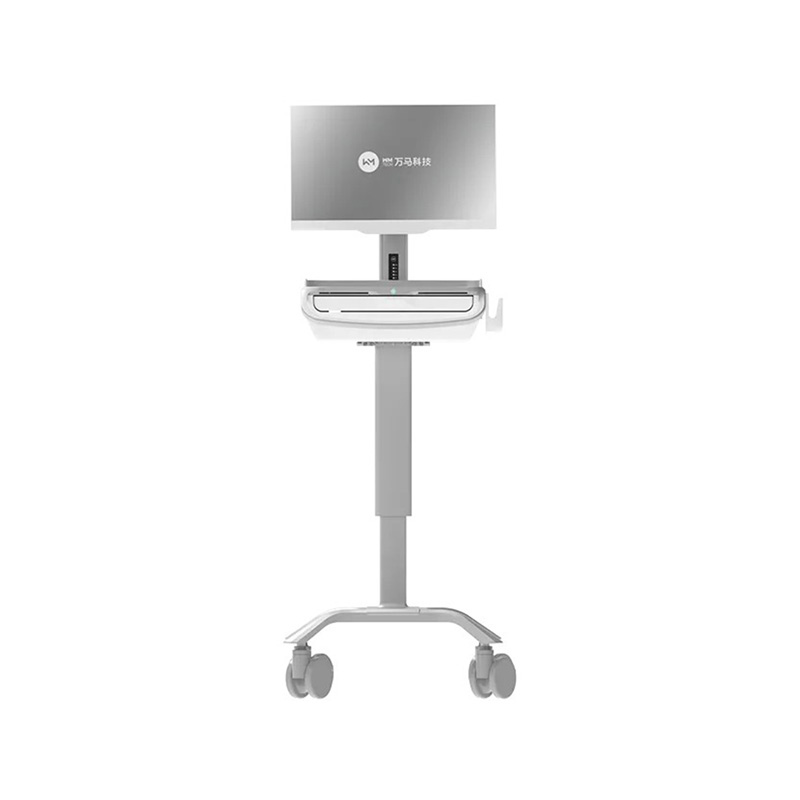
The integration of smart technology has redefined the hospital nursing cart. Smart medical cart mobile clinical workstations offer connectivity, automated inventory management, and electronic documentation, enhancing clinical decision-making. Features include:
- Secure access via biometric or RFID authentication
- Real-time medication tracking and alerts
- Wireless network integration for electronic health records
- Battery-powered operation for continuous mobility
By adopting these advanced carts, healthcare facilities can reduce manual errors, streamline clinical workflows, and improve patient outcomes.
Applications in Clinical Environments
Hospital nursing carts are deployed across multiple clinical settings, including general wards, intensive care units, emergency rooms, and outpatient clinics. Their adaptability allows customization for specialized tasks, such as chemotherapy preparation, anesthesia support, or pediatric care.
| Clinical Area | Typical Configuration | Key Benefit |
|---|---|---|
| ICU | Multi-compartment drawers, integrated monitoring devices | Rapid access to critical supplies and patient data |
| ER | Crash cart setup, compact storage | Immediate response in emergencies |
| General Ward | Standard drawers, workstation surface | Efficient routine care and documentation |
| Outpatient Clinic | Mobile workstation, lightweight construction | Easy transport between treatment areas |
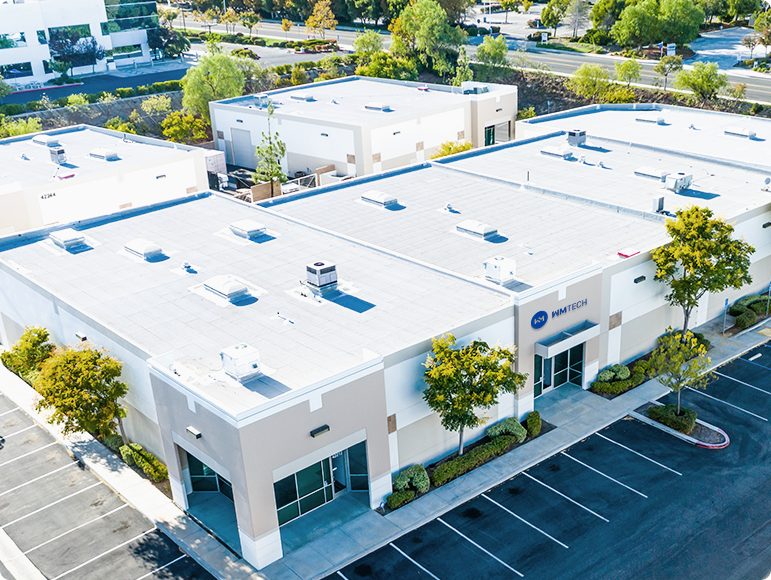
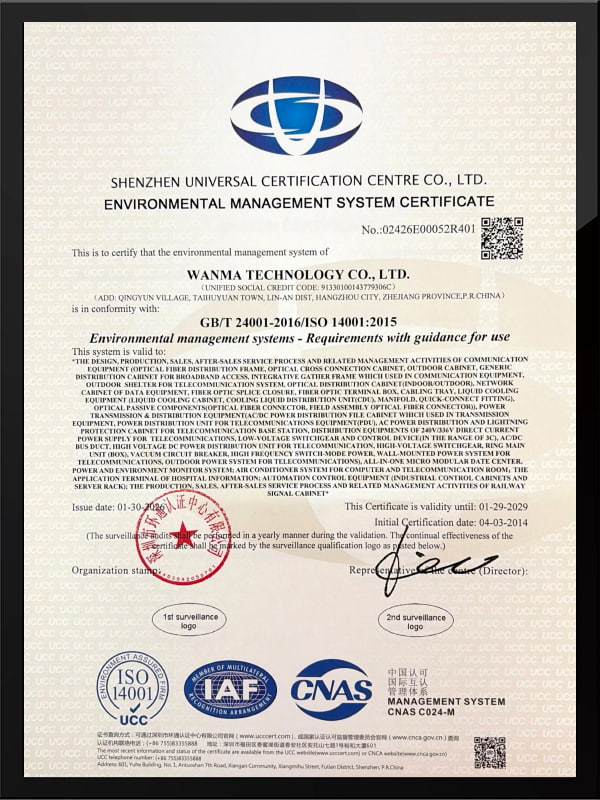
Wanma Technology Co., Ltd.’s standardised production base ensures scalable manufacturing to meet various healthcare demands. With advanced electrostatic spraying lines and environmental controls, each hospital nursing cart achieves consistent hygienic standards and aesthetic finish suitable for modern clinical environments.
Benefits of Optimized Nursing Cart Design
- Efficiency: Reduces time spent searching for supplies or equipment
- Safety: Minimizes risk of cross-contamination and medication errors
- Mobility: Enhances staff flexibility in dynamic clinical settings
- Integration: Supports digital health systems for seamless workflow
FAQ
Q1: What distinguishes a smart medical cart mobile clinical workstation from a standard hospital nursing cart?
A: Smart medical carts integrate electronic systems for real-time data access, inventory tracking, and workflow management, enhancing efficiency and safety compared to standard carts.
Q2: How do materials affect the performance of hospital nursing carts?
A: Materials determine durability, weight, hygiene, and resistance to chemicals, impacting both mobility and infection control in clinical environments.
Q3: Can hospital nursing carts be customized for specific departments?
A: Yes, configurations can be tailored with specialized drawers, equipment mounts, and digital interfaces to suit ICU, ER, or outpatient needs.
Q4: How is maintenance handled for smart nursing carts?
A: Regular cleaning, battery checks, and software updates ensure optimal performance, longevity, and safety compliance.
Q5: Are hospital nursing carts compatible with electronic health records (EHR) systems?
A: Smart mobile clinical workstations are designed to integrate with EHR systems, enabling secure access and real-time documentation at the point of care.