

 English
 Français
 Español
 Português
 عربى
عربى




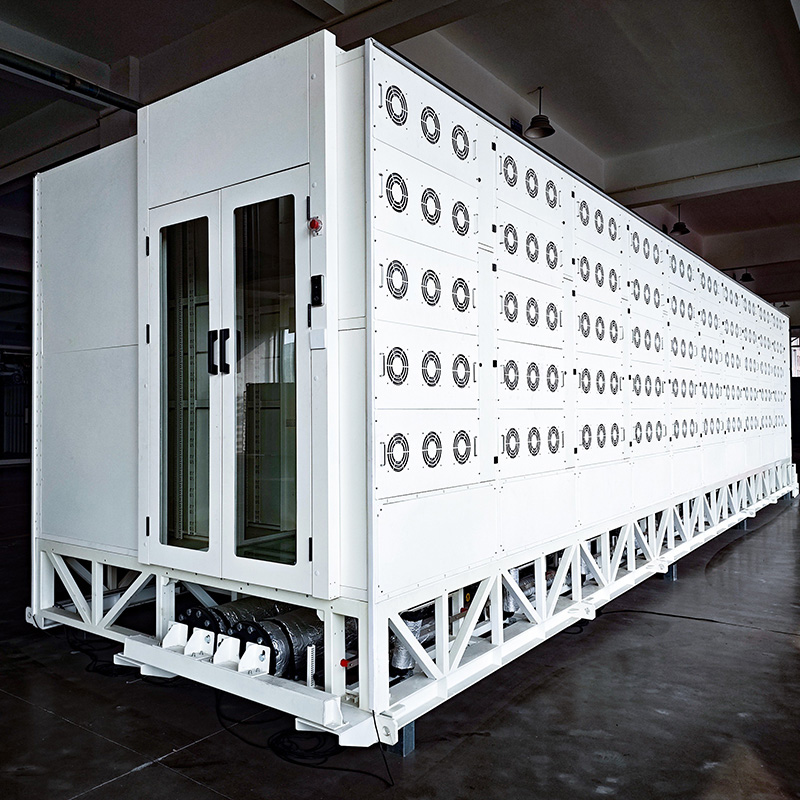
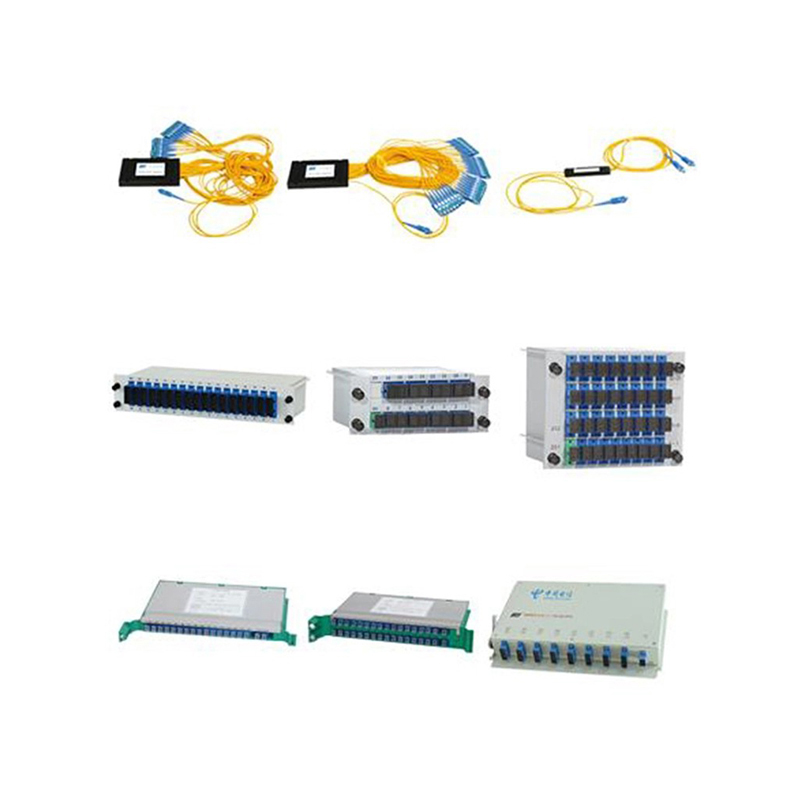
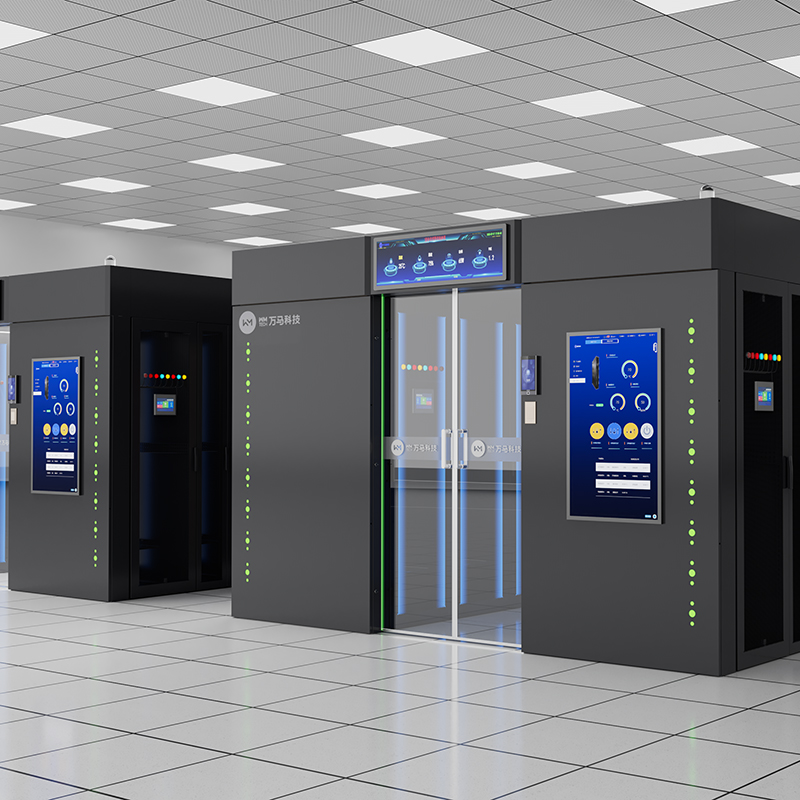
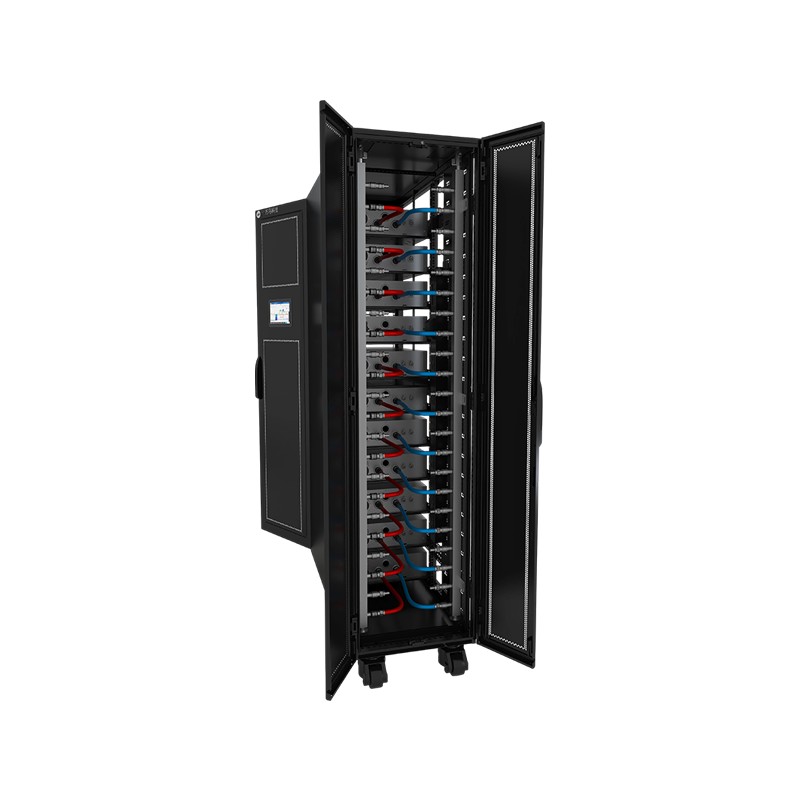
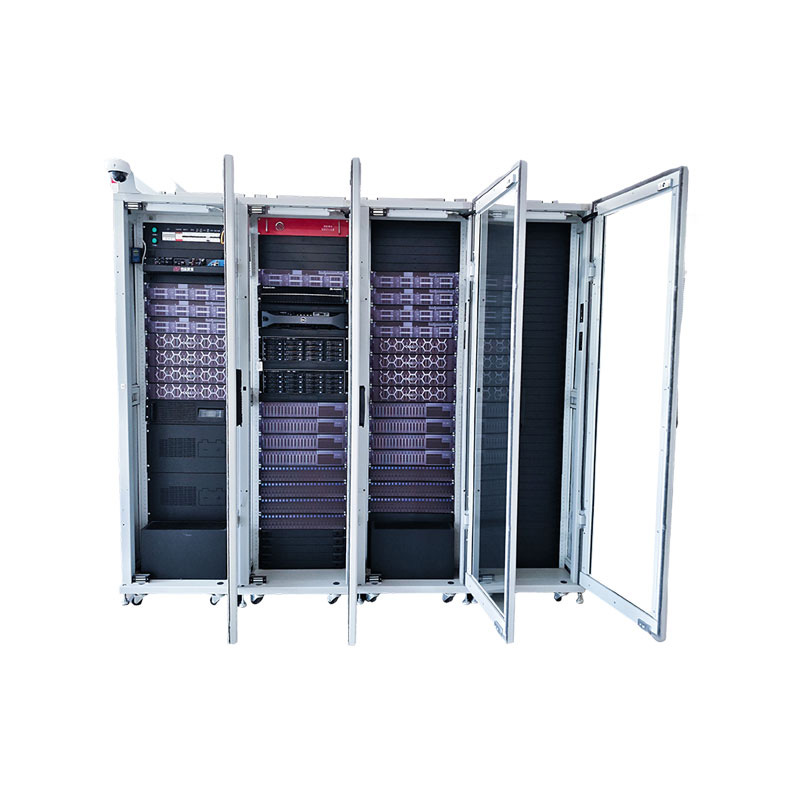
Widely used by China Telecom, China Unicom, China Netcom, China Mobile, Radio and Television, State Grid and Intelligent Residential District, our products is popular in America, Italy, Germany, Egypt...
See DetailsWhat Components Are Needed for 5G FTTH Network Modernization Infrastructure?
Content
- 1 Understanding 5G FTTH Network Modernization Infrastructure
- 2 Core Infrastructure Components
- 3 Fiber Distribution and Access Infrastructure
- 4 Active Network Equipment and Control Systems
- 5 Modernization Deployment Strategies
- 6 Redundancy and Reliability Considerations
- 7 Performance Metrics and Service Quality Standards
- 8 Future-Proofing and Technology Roadmap
- 9 Frequently Asked Questions
- 9.0.1 Q1: What are the primary differences between GPON, XGS-PON, and 50G-PON technologies?
- 9.0.2 Q2: How does fiber distribution architecture impact deployment costs?
- 9.0.3 Q3: What redundancy mechanisms protect FTTH infrastructure from failures?
- 9.0.4 Q4: How should operators plan for technology transitions during modernization?
- 9.0.5 Q5: What role does network management infrastructure play in modern FTTH deployments?
- 9.0.6 Q6: How do environmental factors influence component selection and installation methods?
Understanding 5G FTTH Network Modernization Infrastructure
The convergence of 5G and fiber-to-the-home (FTTH) technology represents a fundamental shift in how telecommunications networks deliver connectivity. As demand for bandwidth-intensive applications continues to surge, service providers face critical decisions about infrastructure investment and modernization strategies. A comprehensive understanding of the components required for 5G FTTH network modernization infrastructure is essential for planning successful deployments.
Modern telecommunications infrastructure must support diverse user requirements, from ultra-reliable low-latency communications to enhanced mobile broadband experiences. The integration of 5G capabilities with existing and new FTTH deployments creates synergies that enable carriers to maximize their return on investment while future-proofing their networks against emerging demands.
Core Infrastructure Components
Optical Fiber Distribution Systems
The foundation of any FTTH infrastructure rests on the optical fiber distribution network. Modern deployments require multiple fiber types optimized for different roles within the network hierarchy. Single-mode fiber dominates long-haul and metropolitan connections, while specialized fibers handle specific environmental conditions and performance requirements.
Distribution systems must accommodate thousands of individual fiber strands while maintaining accessibility for maintenance and future upgrades. Underground conduit systems, aerial routes, and in-building installations each present unique challenges that influence component selection and installation methodologies. Proper fiber management at scale prevents service interruptions and reduces operational costs significantly.
PON Technology and Protocol Variants
Passive Optical Networks (PON) form the backbone of FTTH access networks. The evolution from GPON to XGS-PON and emerging 50G-PON technologies demonstrates the progression toward higher speeds and greater efficiency. Each protocol generation offers distinct advantages in terms of bandwidth capacity, latency characteristics, and cost structures.
GPON systems, widely deployed over the past decade, deliver up to 2.5 Gbps downstream and 1.2 Gbps upstream. XGS-PON advances this to 10 Gbps downstream and upstream, enabling simultaneous delivery of multiple high-bandwidth services. Next-generation 50G-PON technologies promise even greater capacity, accommodating future growth without requiring complete infrastructure replacement.
Optical Line Terminal and Network Termination
The Optical Line Terminal (OLT) serves as the central hub connecting the operator's core network to the distributed PON architecture. These sophisticated systems manage signal aggregation, quality of service enforcement, and subscriber provisioning across hundreds or thousands of optical network terminals (ONTs) at customer premises.
Modern OLT implementations support redundancy and failover mechanisms ensuring continuous service availability. Multi-wavelength support enables hybrid PON architectures where different PON types coexist on shared fiber infrastructure, protecting existing investments while enabling gradual technology upgrades.
Fiber Distribution and Access Infrastructure
Telecom Cabinets and Housing Solutions
Outdoor and indoor telecom cabinets provide protected environments for active and passive network components. These structures must withstand environmental stresses while remaining accessible for technicians performing maintenance and upgrades. Cabinet design influences cooling efficiency, fiber management quality, and overall network reliability.
Modern cabinet solutions integrate power distribution, environmental monitoring, and cable management systems. Climate control systems maintain optimal operating temperatures for sensitive optical components, particularly important in regions experiencing temperature extremes. Battery backup systems ensure continued operation during power disruptions, critical for emergency communication requirements.
Splitters and Passive Optical Components
Passive optical splitters distribute signals from the OLT to multiple users without requiring power or active management. These devices achieve specific splitting ratios optimized for different network densities and coverage areas. Quality optical components minimize signal loss and maintain the tight optical budgets required for reliable long-distance transmission.
Beyond basic splitters, the complete passive component suite includes wavelength division multiplexers, fusion splices, connectors, and optical amplifiers. Each component selection impacts overall system performance, cost, and maintenance requirements. Standardization of connector types and optical interface specifications reduces inventory complexity and accelerates field deployment.
Fiber Management and Connectivity Hardware
Effective fiber management systems organize thousands of individual fiber strands within distributed network nodes. Cable trays, ducts, and patch panels provide orderly pathways supporting future growth and emergency repairs. Proper labeling and documentation systems enable rapid fault isolation and efficient service restoration.
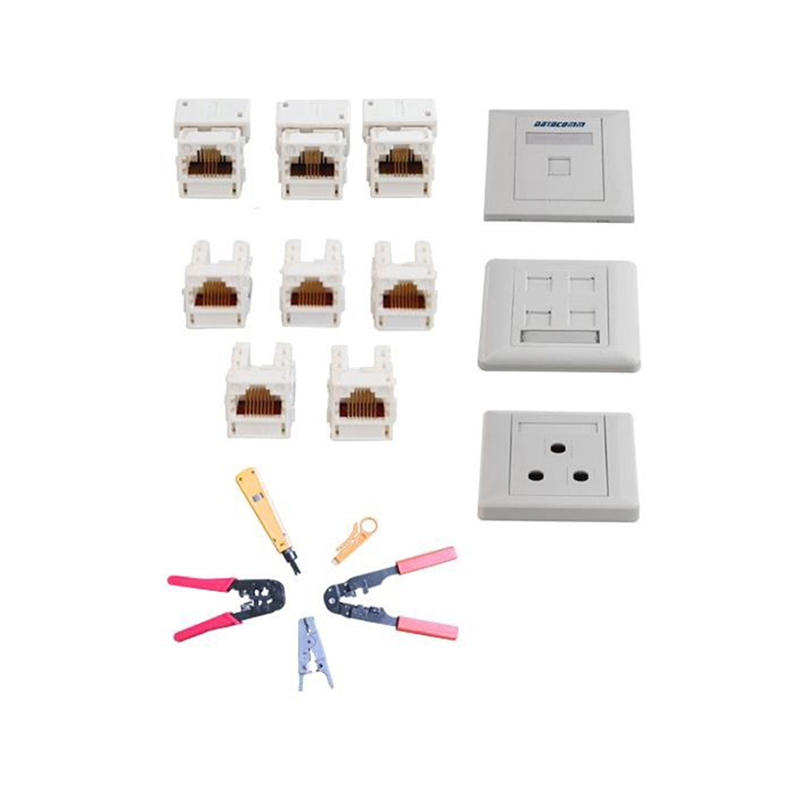
Optical patch cords, adapters, and termination hardware must meet strict performance specifications to avoid signal degradation. Environmental sealing prevents moisture ingress and contamination that could compromise optical interfaces. Field termination kits enable rapid deployment in challenging environments where pre-terminated solutions prove impractical.
Active Network Equipment and Control Systems
Optical Network Terminals and Gateway Devices
Optical Network Terminals (ONTs) represent the customer-facing endpoint of the FTTH infrastructure. These devices convert optical signals into electrical signals suitable for home networking equipment. Integrated routers, Wi-Fi access points, and gateway functionality consolidate multiple devices into single units, reducing complexity and supporting faster installations.
Modern ONTs support advanced features including Quality of Service enforcement, video delivery optimization, and network diagnostics. Remote management capabilities enable service providers to troubleshoot connectivity issues and provision new services without requiring field visits. Firmware updates delivered over the network infrastructure ensure security posture remains current against emerging threats.
5G Integration Points and Backhaul Solutions
Successful 5G deployment requires dense fiber backhaul connecting base stations to core network facilities. FTTH infrastructure provides the ideal foundation for this backhaul topology, offering the required bandwidth and latency characteristics. Integrated fiber backhaul and fixed-line access networks maximize resource utilization and reduce overall infrastructure costs.
Specialized equipment manages the transition between optical transport and wireless technologies. Edge computing nodes, co-located with wireless base stations, process data locally reducing latency and bandwidth consumption. Network slicing capabilities enable isolation of different service types across shared physical infrastructure, supporting distinct quality of service requirements.
Network Management and Operations Support Systems
Centralized management platforms provide unified visibility and control across distributed FTTH and 5G infrastructure. Real-time performance monitoring identifies issues before they impact customer experience. Automated provisioning systems accelerate service delivery, reducing time-to-revenue and improving operational efficiency.
These systems track fiber utilization, component health, and environmental conditions across thousands of distribution points. Predictive analytics identify equipment approaching end-of-life, enabling proactive replacement before failures occur. Integration with billing systems ensures accurate usage tracking and service delivery confirmation.
Modernization Deployment Strategies
Phased Upgrade Approaches
Most networks undergo modernization through phased approaches rather than complete replacement. Legacy infrastructure continues serving existing customers while new high-capacity systems expand to underserved areas. This strategy balances capital expenditure with revenue generation, ensuring sustainable business models during transformation periods.
- Targeted densification of existing FTTH areas reaching higher split ratios
- Technology upgrades from GPON to XGS-PON on shared fiber paths
- Integration of wireless and fixed-line infrastructure for convergent services
- Expansion into new territories leveraging optimized cost structures
- Hybrid fiber-wireless solutions for areas where fiber economics prove challenging
Cost Optimization Through Component Selection
Strategic component selection significantly impacts total cost of ownership. Choosing appropriate fiber types, splitter configurations, and equipment specifications prevents over-provisioning while ensuring adequate capacity. Volume purchasing of standard components reduces unit costs without sacrificing quality or performance standards.
| Component Category | Typical Lifespan | Maintenance Requirements |
|---|---|---|
| Optical Fiber | 25-40 years | Minimal, occasional repairs |
| Passive Components | 15-25 years | Seal replacement, cleaning |
| OLT Equipment | 7-10 years | Software updates, component upgrades |
| ONT Devices | 5-7 years | Firmware updates, troubleshooting |
Redundancy and Reliability Considerations
Network Resilience Architecture
Modern FTTH deployments incorporate redundancy at multiple network levels ensuring service continuity despite component failures. Dual fiber routes provide alternative paths for traffic when primary routes experience disruption. Mesh topologies at distribution layers offer traffic engineering flexibility and improved fault tolerance compared to simple ring or tree architectures.
Optical amplifiers and regeneration equipment extend reach in long-distance applications, enabling larger serving areas without requiring intermediate active equipment. Strategic placement of these devices creates resilient network segments recovering from signal degradation over extended fiber spans.
Environmental and Physical Protection
Fiber infrastructure faces diverse environmental threats ranging from construction damage to weather-related incidents. Underground conduit systems protect fiber from accidental disruption while complicating maintenance access. Aerial deployment offers easier access but requires robust structures withstanding wind loads and temperature variations.
Equipment cabinets must provide adequate environmental protection preventing corrosion, moisture ingress, and temperature extremes from compromising components. Proper grounding systems protect against lightning strikes and electrical transients. Regular inspection and preventive maintenance programs identify degradation before failures occur.
Performance Metrics and Service Quality Standards
Bandwidth and Latency Requirements
FTTH infrastructure must deliver specified bandwidth commitments to customers while maintaining latency within strict bounds. Different service types impose distinct requirements: video streaming prioritizes throughput while gaming and real-time communication emphasize low latency. Quality of Service mechanisms ensure appropriate resource allocation across competing demands.
Optical budgeting calculations determine maximum feasible distances and split ratios for reliable signal transmission. These engineering constraints guide fiber routing decisions and component specifications. Network capacity planning ensures infrastructure maintains performance as subscriber counts and per-user bandwidth consumption increase over time.
Availability and Mean Time to Repair
Service level agreements typically specify minimum availability percentages and maximum acceptable downtime windows. Achieving 99.9% availability requires redundant systems and rapid fault detection mechanisms. Mean Time to Repair (MTTR) directly impacts revenue impact from service disruptions, justifying investment in sophisticated diagnostics and spare component inventory.
- Establish baseline performance metrics before modernization begins
- Deploy monitoring systems tracking real-time performance across all infrastructure layers
- Define escalation procedures and response time commitments for different fault severities
- Conduct regular testing of redundancy systems ensuring failover mechanisms function correctly
- Maintain detailed documentation of network topology and component specifications
- Implement change management procedures preventing accidental degradation during maintenance
Future-Proofing and Technology Roadmap
Scalability and Bandwidth Growth
Infrastructure modernization investments must accommodate anticipated growth trajectories extending five to ten years beyond initial deployment. Oversizing initial capacity proves more cost-effective than cramped designs requiring frequent upgrades. Modular approaches allow incremental capacity additions without wholesale replacement.
Emerging technologies like 50G-PON promise dramatic capacity increases on existing fiber routes. Selecting infrastructure components compatible with next-generation technologies enables smooth transitions without stranded assets. Dark fiber inventory provides expansion headroom for future services not yet conceived.
Integration with Emerging Technologies
Edge computing nodes increasingly co-locate with network infrastructure providing low-latency compute services. FTTH infrastructure designed with sufficient capacity and flexibility accommodates these new use cases. Network programmability through software-defined networking principles enables rapid service innovation responding to market demands.
Artificial intelligence and machine learning systems leverage network telemetry to optimize performance and predict failures. These capabilities require robust data collection infrastructure and processing capacity. Planning for analytics infrastructure alongside physical network components ensures capabilities evolve in parallel.
Frequently Asked Questions
Q1: What are the primary differences between GPON, XGS-PON, and 50G-PON technologies?
GPON delivers up to 2.5 Gbps downstream and 1.2 Gbps upstream bandwidth supporting legacy deployments from the past two decades. XGS-PON advances this to 10 Gbps symmetrical speeds, enabling multiple simultaneous high-definition video streams and emerging bandwidth-intensive applications. 50G-PON represents the next evolution offering up to 50 Gbps capacity on shared fibers, accommodating explosive growth in data consumption. Selection depends on subscriber density, service requirements, and economic considerations balancing upfront capital costs against long-term revenue potential.
Q2: How does fiber distribution architecture impact deployment costs?
Fiber routing decisions significantly influence total deployment expenses. Underground conduit requires extensive civil work but offers superior protection from external damage. Aerial deployment proves faster and cheaper initially but imposes maintenance burdens and visibility restrictions in some environments. Split ratios determine how many customers share each fiber strand affecting upstream capacity but reducing per-customer fiber costs. Optimal solutions balance these competing factors based on local geography, regulatory requirements, and market conditions.
Q3: What redundancy mechanisms protect FTTH infrastructure from failures?
Dual fiber routes provide primary and backup transmission paths enabling traffic rerouting during disruptions. Mesh architectures at distribution layers offer multiple interconnection options improving resilience compared to linear topologies. Equipment redundancy through dual OLTs and automated failover minimizes service interruption duration. Regular testing of backup systems ensures mechanisms function correctly when needed. Diverse routing avoiding common failure points prevents correlated outages affecting large customer populations.
Q4: How should operators plan for technology transitions during modernization?
Comprehensive technology roadmaps extending five to ten years guide infrastructure investments enabling smooth transitions between generations. Selecting components compatible with emerging protocols allows upgrades leveraging existing fiber investments. Phased deployment approaches balance capital expenditure against revenue generation avoiding premature network replacement. Regular assessment of technology trajectories identifies inflection points where cost-benefit calculations shift toward new solutions. Maintaining equipment manufacturer relationships provides visibility into roadmap direction informing procurement decisions.
Q5: What role does network management infrastructure play in modern FTTH deployments?
Centralized management platforms provide unified visibility across distributed network nodes enabling rapid problem identification and resolution. Real-time performance monitoring identifies capacity constraints before customer impacts occur. Automated provisioning accelerates service delivery reducing time-to-revenue. Predictive analytics leverage performance data to anticipate failures enabling proactive maintenance. Integration with billing systems ensures accurate usage tracking and service delivery confirmation supporting operational efficiency and customer satisfaction.
Q6: How do environmental factors influence component selection and installation methods?
Extreme temperature ranges, high humidity, and salt spray environments require specialized protective measures. Equipment cabinets need enhanced sealing and climate control preventing corrosion and component degradation. Fiber types must withstand temperature cycling and vibration stresses common in specific deployments. Installation methodologies account for seasonal constraints in cold climates and weather windows in tropical regions. Regular environmental monitoring and maintenance programs address degradation before failures impact service quality.
PREV:How Hospital Linen Management Systems Optimize Medical Textile Operations
NEXT:How Smart Medical Carts and Mobile Clinical Workstations Transform Hospital Bedside Care
NEXT:How Smart Medical Carts and Mobile Clinical Workstations Transform Hospital Bedside Care
Interested in cooperation or have questions?
Related products
-
-
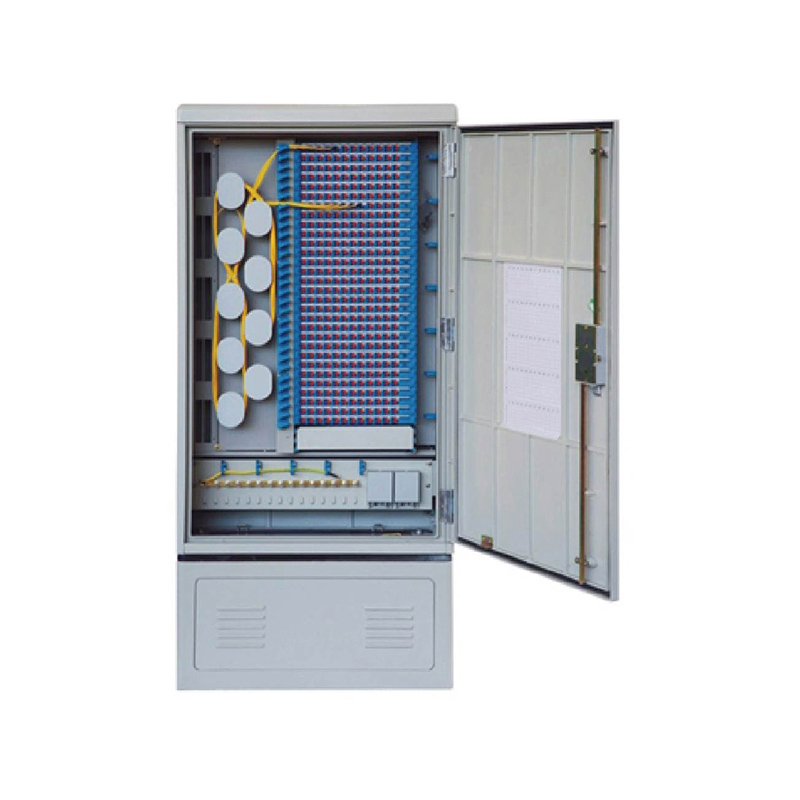
Product Overview The ODC series SMC Optical Fiber Cross Connection Cabinet is used for optical cable connection, distribution and management in outdoor fiber networks. The cabinet adopts an SMC enclos...
See Details -
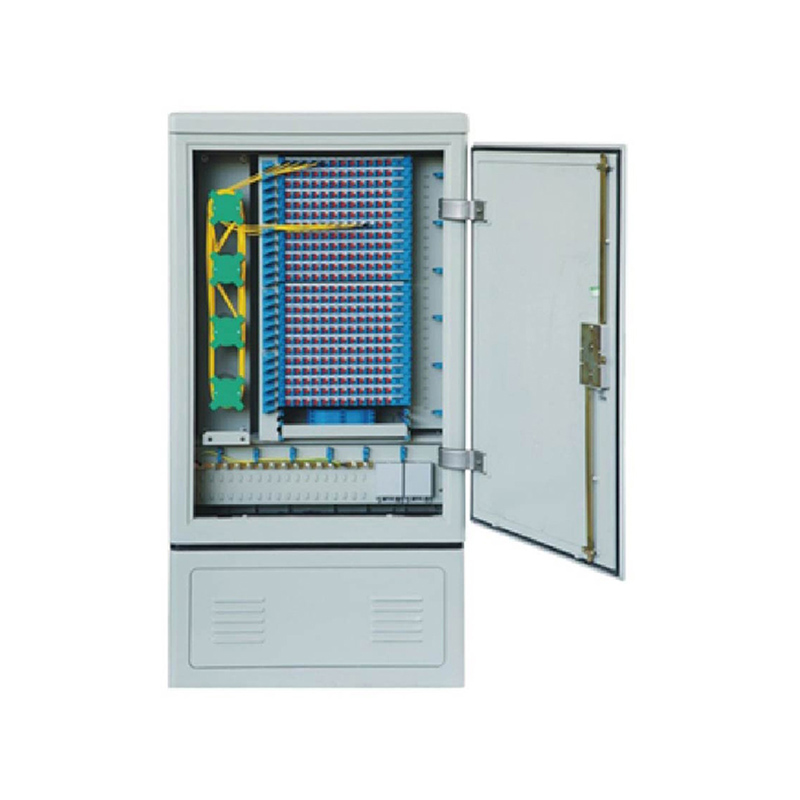
Product Overview The ODC-576B and ODC-576C SMC Optical Fiber Cross Connection Cabinets are used for outdoor optical cable connection, distribution and management. Both models support a capacity of 576...
See Details -
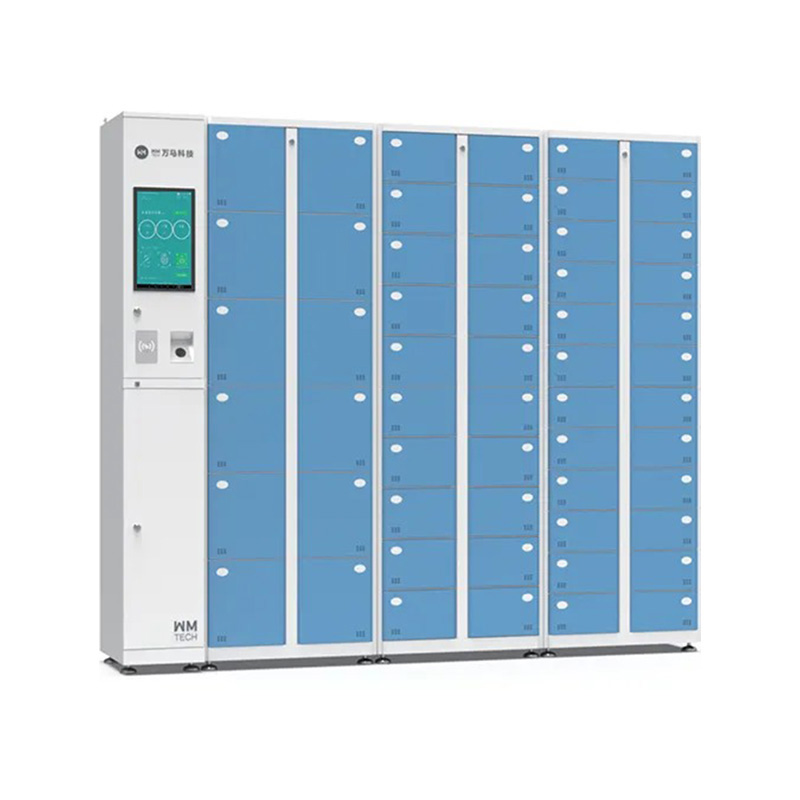
Product Definition:The Intelligent Geng Shoe Box is an advanced storage and management solution for hospitals, operating rooms, and clean zones. It enables automated issuance and collection of shoes a...
See Details
Ready to Get started ? Contact Us Now !

Product.
Contact Details.
-
 +86 13958188250
-
 +86 13958188250
-
 [email protected]
- Wanma Industrial Park Taihu Yuan Town Lin'an District Hangzhou City China.
QR Code

Copyright © Wanma Technology Co., Ltd. All Rights Reserved.
Privacy
Custom Ethernet Optical Network Railway Transit Equipments Suppliers
