

 English
 Français
 Español
 Português
 عربى
عربى




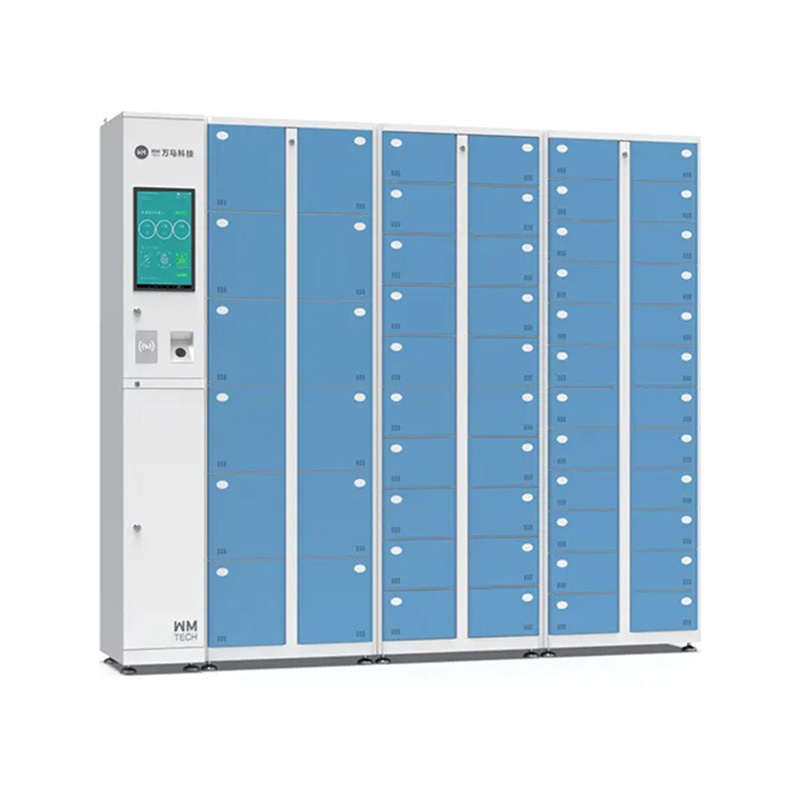
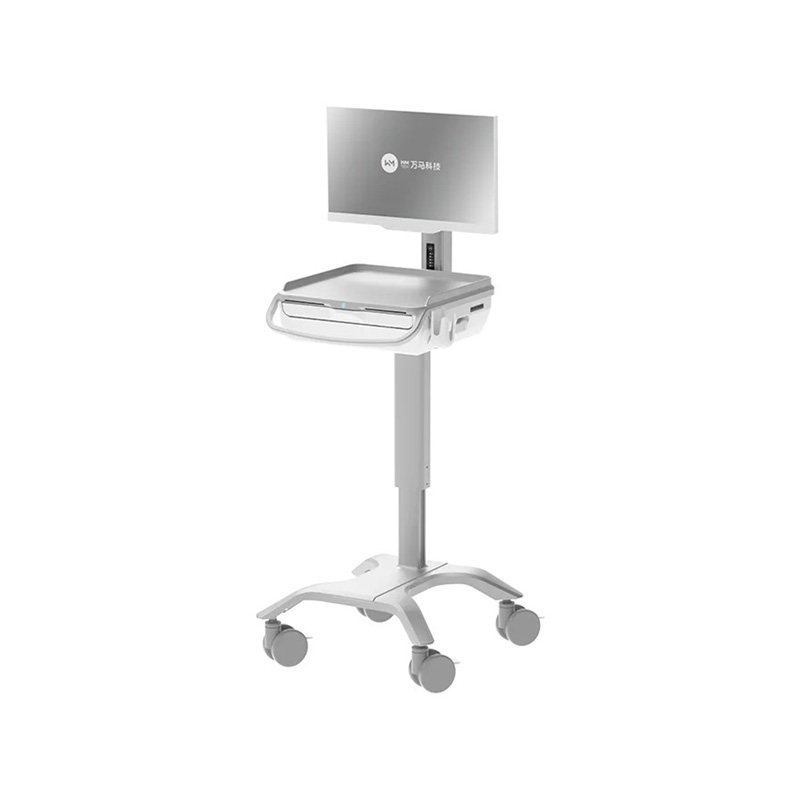
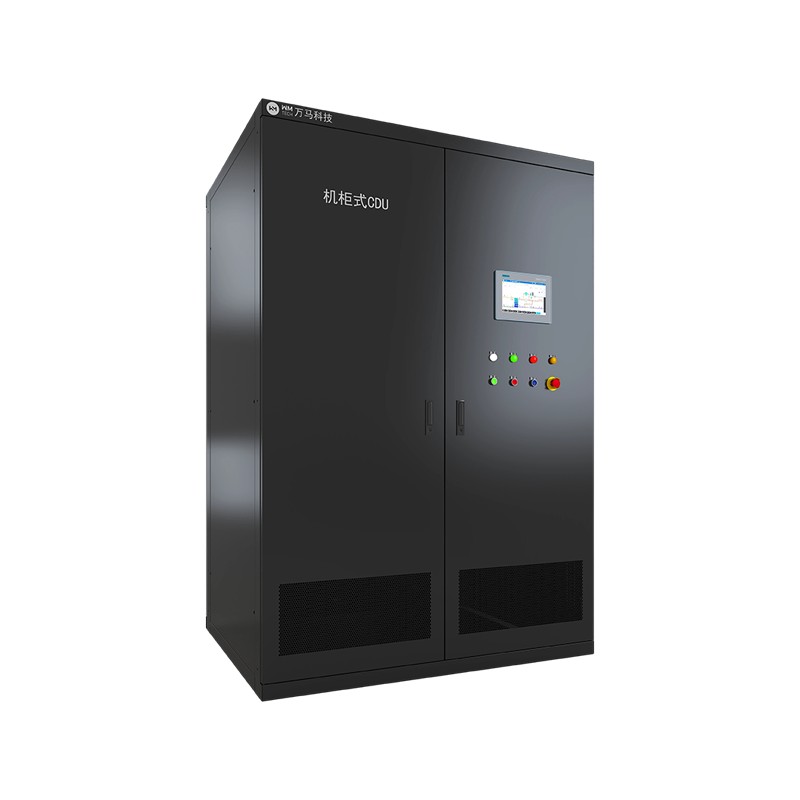
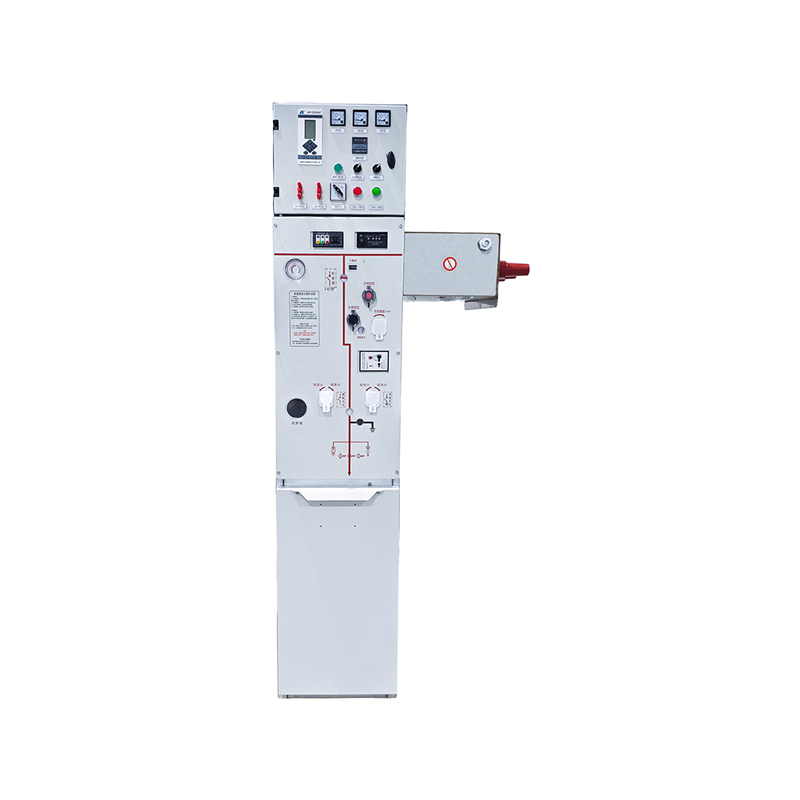
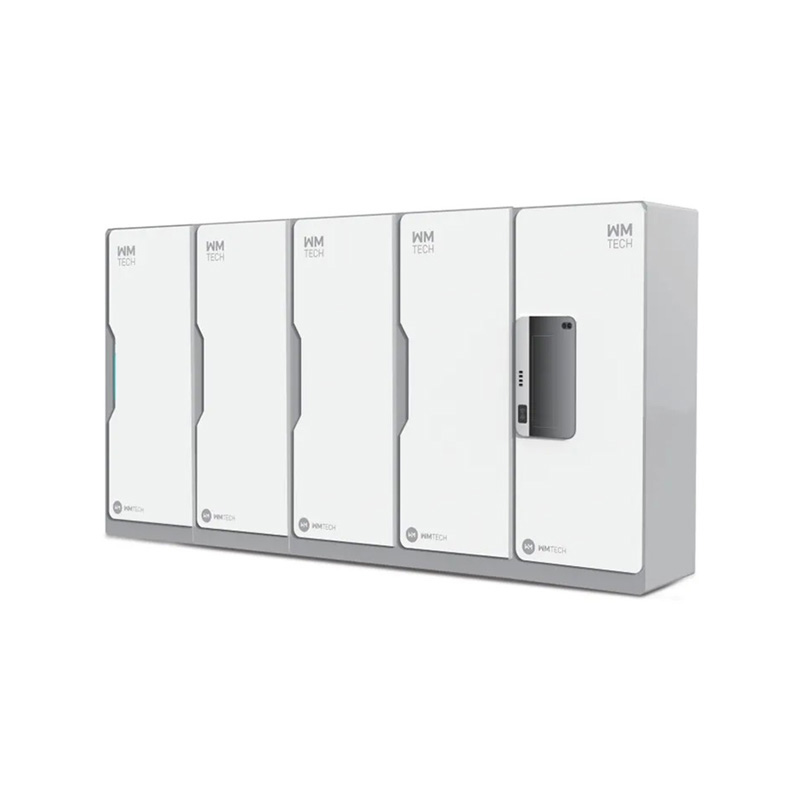
Product DefinitionThe WMYC-D2-30 Medical Cart is an intelligent mobile medical workstation integrating informatization and clinical assistance functions. It supports medical order management, patient ...
See DetailsHow Hospital Linen Management Systems Optimize Medical Textile Operations
Content
- 1 Understanding Hospital Linen Management Systems
- 2 Core Functions of Linen Management Systems
- 3 RFID Linen Management Technology
- 4 Key Benefits of Hospital Linen Management Systems
- 5 Implementing a Medical Textile Management System
- 6 Typical Linen Management Workflow
- 7 Common Implementation Challenges and Solutions
- 8 Emerging Trends in Medical Textile Management
- 9 Selecting the Right Hospital Linen Tracking System
- 10 Return on Investment Analysis
- 11 Best Practices for Optimal System Performance
- 12 Frequently Asked Questions
- 12.0.1 Q1: How much does a hospital linen management system cost?
- 12.0.2 Q2: How long does implementation typically take?
- 12.0.3 Q3: Can the system work with our existing external laundry service?
- 12.0.4 Q4: What happens if the system experiences downtime?
- 12.0.5 Q5: How does the system handle different linen types with varying requirements?
- 12.0.6 Q6: What training is required for staff to use the system?
- 12.0.7 Q7: How does RFID technology impact linen lifespan?
- 12.0.8 Q8: Can the system generate compliance reports for infection control audits?
- 12.0.9 Q9: How secure is patient data in cloud-based linen management systems?
- 12.0.10 Q10: What is the expected lifespan of RFID tags on linens?
Understanding Hospital Linen Management Systems
Medical facilities handle thousands of linens daily—bed sheets, towels, surgical drapes, and uniforms. Managing this volume efficiently is critical for patient safety, cost control, and operational continuity. A medical fabric linen intelligent management system automates the entire lifecycle of healthcare textiles, from initial storage through distribution, use, laundering, and reintegration into inventory.
Traditional manual tracking methods create bottlenecks, increase labor costs, and leave hospitals vulnerable to lost items and cross-contamination risks. Modern systems address these challenges by combining technology with streamlined workflows.
Core Functions of Linen Management Systems
Automated Storage and Retrieval
Modern linen management solutions feature intelligent storage cabinets that maintain precise inventory levels. Staff members can quickly locate and retrieve specific items through touchscreen interfaces or mobile applications, significantly reducing retrieval time compared to manual searching through storage areas.
Real-Time Tracking and Visibility
RFID-enabled linen tracking systems monitor every textile item throughout its lifecycle. Hospitals can identify where linens are located at any moment—whether in patient rooms, laundry facilities, or storage—ensuring accountability and reducing loss rates.
Inventory Management
The system maintains accurate records of stock levels, automatically alerts staff when inventory falls below predetermined thresholds, and generates reports on consumption patterns. This prevents both shortages and excessive accumulation of unused items.
Distribution Optimization
Intelligent systems route linens to specific departments based on actual demand rather than generic distribution schedules. This ensures departments receive necessary supplies while minimizing waste and storage space requirements.
Laundry Cycle Management
The system tracks linens through external laundering services, monitors turnaround times, and automatically reintegrates clean items into available inventory upon return.
RFID Linen Management Technology
Radio Frequency Identification (RFID) forms the backbone of modern medical textile tracking. Unlike barcodes, RFID tags require no line-of-sight scanning and can read multiple items simultaneously, enabling efficient batch processing.
How RFID Tracking Works
- RFID tags are sewn into linens during manufacturing or attached to individual items
- Readers positioned throughout the facility detect tagged items as they move between locations
- Data transmits to a central management system that updates inventory in real-time
- Hospital staff access information via web portals or mobile applications
Advantages of RFID Over Barcode Systems
| Feature | RFID System | Barcode System |
|---|---|---|
| Line-of-Sight Required | No | Yes |
| Batch Reading | Multiple items simultaneously | One item at a time |
| Durability | Withstands washing and sterilization | Can fade or wear |
| Setup Speed | Faster for large batches | Manual scanning required |
Key Benefits of Hospital Linen Management Systems
Operational Efficiency
Hospitals using intelligent systems report significant reductions in staff time spent locating and retrieving linens. Automated reordering prevents emergency purchases at premium costs, and optimized distribution reduces unnecessary handling and storage space requirements.
Cost Reduction
Organizations typically see decreased linen loss rates—studies indicate systems can reduce loss by 15-25% annually. Lower labor costs for inventory management, reduced emergency procurement, and extended linen lifespan through better tracking all contribute to improved financial performance.
Enhanced Infection Control
Complete traceability ensures contaminated linens are properly isolated and processed. The system prevents cross-contamination by tracking which items were used in isolation rooms or with infected patients, maintaining strict separation from general inventory.
Compliance and Documentation
Automated systems generate comprehensive audit trails for regulatory compliance. Healthcare facilities maintain detailed records of linen movement, enabling rapid response to quality investigations or infection control inquiries.
Staff Satisfaction
Reduced manual tasks and faster item retrieval improve workplace efficiency and staff satisfaction. Employees spend less time on repetitive inventory work and more time on patient care.
Implementing a Medical Textile Management System
Planning and Assessment Phase
Organizations begin by auditing current operations—documenting linen types, current loss rates, storage locations, and staff workflows. This baseline assessment identifies pain points and helps determine system requirements.
System Selection Criteria
- Scalability: System must accommodate current inventory plus future growth
- Integration: Compatibility with existing hospital information systems and ERP platforms
- Durability: Equipment must withstand hospital environments, moisture, and temperature variations
- User Interface: Intuitive design requiring minimal training for diverse staff members
- Support Services: Comprehensive technical support and maintenance agreements
Installation and Configuration
Professional installation includes positioning RFID readers in strategic locations, integrating software with hospital systems, and configuring workflows specific to the facility's operations. Typical implementation spans 8-16 weeks depending on facility size.
Staff Training and Change Management
Comprehensive training ensures staff understands new workflows and system benefits. Change management strategies address resistance by highlighting efficiency gains and reduced manual workload. Phased rollout in pilot departments allows refinement before organization-wide deployment.
Typical Linen Management Workflow
Understanding the complete workflow helps hospitals optimize operations:
Each stage includes tracking checkpoints. When linens arrive at departments, the system registers their location. Upon collection, batches are scanned to confirm all items are accounted for. After laundering, items are reinspected and returned to clean storage, completing the cycle.
Common Implementation Challenges and Solutions
Initial Capital Investment
RFID systems require significant upfront investment in hardware, software, and installation. Organizations typically recover costs within 2-4 years through reduced losses and operational efficiency. Phased implementation spreads expenses and allows ROI demonstration before full deployment.
Resistance to Change
Staff accustomed to manual processes may resist new systems. Addressing this requires clear communication about benefits, comprehensive training, and involving key staff members in implementation planning to build buy-in.
RFID Tag Durability
Linens undergo repeated washing, drying, and handling. Modern RFID tags are specifically designed to survive industrial laundry processes, but specifications must be verified during system selection to ensure tags withstand the facility's specific conditions.
Data Integration Complexity
Connecting the linen management system to existing hospital information systems requires careful planning. IT departments must ensure proper data flow, security protocols, and system compatibility without disrupting critical operations.
Emerging Trends in Medical Textile Management
Artificial Intelligence and Predictive Analytics
Advanced systems now incorporate AI algorithms that analyze usage patterns to predict future demand, automatically trigger reordering, and identify linens at risk of loss. Predictive maintenance also alerts facilities when equipment requires servicing before failures occur.
Mobile-First Interfaces
Modern platforms prioritize mobile applications, allowing nursing staff to request specific linens from mobile devices, check inventory availability, and receive alerts in real-time without accessing desktop computers.
Sustainability Integration
Systems now track linen lifespan and durability, helping facilities make informed decisions about replacement versus repair. Data-driven insights optimize purchasing decisions to reduce waste and environmental impact.
Cloud-Based Solutions
Cloud platforms offer flexibility for hospitals without robust IT infrastructure. These systems provide automatic updates, scalability, and reduced capital expenditure compared to on-premises deployments.
Integration with Laundry Providers
Modern systems enable direct communication with external laundry services, automating order placement, tracking turnaround times, and managing quality disputes through shared digital platforms.
Selecting the Right Hospital Linen Tracking System
Assessment Framework
Before investing in a system, evaluate these critical factors:
- Facility Size and Complexity: Small clinics require different capabilities than large hospital networks
- Current Pain Points: Prioritize solving your most significant operational challenges
- Linen Variety: Systems must accommodate all linen types your facility uses
- Vendor Support: Evaluate training, maintenance, and technical support capabilities
- Implementation Timeline: Understand how quickly the system can be operational
- Total Cost of Ownership: Include hardware, software, installation, training, and ongoing maintenance
Questions to Ask Potential Vendors
- What RFID tag specifications are compatible with our facility's laundry processes?
- How does the system integrate with our existing hospital information systems?
- What training and ongoing support is included in the contract?
- Can the system scale as our facility grows or changes?
- What is the warranty period for hardware components?
- How are software updates handled, and what is the upgrade pathway?
- What are the data security and backup procedures?
- Can we conduct a pilot program before full implementation?
Return on Investment Analysis
Measurable Benefits
Organizations implementing intelligent linen management systems typically document:
- Loss reduction: 15-25% fewer lost linens annually
- Labor savings: 20-30% reduction in staff time spent on inventory management
- Improved turnaround: 15-40% faster linen availability
- Operational efficiency: Reduced emergency procurement costs
- Compliance value: Enhanced infection control documentation and audit trails
Financial Modeling
A typical 200-bed hospital with 100,000 linens in rotation might spend 5,000 dollars annually on lost items. Implementing a system that reduces losses by 20 percent yields 1,000 dollars in annual savings. Combined with labor cost reductions of 8,000-12,000 dollars and emergency procurement savings of 3,000-5,000 dollars, total annual benefits reach 12,000-18,000 dollars. With system costs typically ranging from 80,000-150,000 dollars, payback periods of 5-8 years are common, with continued benefits extending well beyond that timeframe.
Best Practices for Optimal System Performance
Regular Maintenance and Monitoring
Schedule preventive maintenance for RFID readers and automated equipment. Monitor system performance metrics regularly to identify degradation before critical failures occur.
Continuous Staff Training
Provide ongoing training for new staff members and periodic refresher sessions for existing personnel. Well-trained staff maximizes system utilization and minimizes errors.
Data Analysis and Optimization
Review system-generated reports monthly to identify trends, inefficiencies, and opportunities for process improvement. Use data insights to refine workflows and allocation strategies.
Supplier Coordination
Maintain clear communication with external laundry service providers. Establish performance metrics and quality standards, using system data to monitor compliance and resolve issues promptly.
Regular System Audits
Conduct quarterly physical counts of high-value linens and compare results to system records. Investigate discrepancies to identify system issues or staff compliance problems.
Capacity Planning
Monitor usage trends to anticipate when inventory expansion or process adjustments become necessary. Proactive planning prevents shortages that could impact patient care.
Frequently Asked Questions
Q1: How much does a hospital linen management system cost?
System costs vary significantly based on facility size and complexity. Small facilities might invest 40,000-80,000 dollars, while large hospitals typically spend 150,000-300,000 dollars. Costs include hardware (RFID readers, storage cabinets), software licenses, installation, and training. Most vendors offer flexible payment options including leasing arrangements that distribute costs over time.
Q2: How long does implementation typically take?
Standard implementation spans 8-16 weeks from planning through full deployment. Smaller facilities might complete implementation in 6-8 weeks, while large complex hospital systems may require 20+ weeks. Phased rollout approaches can extend timelines but allow for gradual staff adaptation and process refinement.
Q3: Can the system work with our existing external laundry service?
Most modern systems integrate well with external laundry providers, though coordination requires clear communication and potentially shared data access for tracking items in external care. Some systems track linens through laundry cycles while others coordinate through batch documentation. Discuss integration capabilities with potential vendors early in evaluation.
Q4: What happens if the system experiences downtime?
Well-designed systems include backup and disaster recovery procedures. Temporary loss of tracking capability is generally managed through manual documentation procedures. High-availability systems feature redundant hardware and data centers to minimize downtime risk, though some healthcare facilities may prioritize cost over maximum redundancy depending on their risk tolerance.
Q5: How does the system handle different linen types with varying requirements?
Modern systems accommodate multiple linen categories with different tracking and management rules. Surgical linens might require separate tracking from general bed linens, while contaminated items may follow specialized handling protocols. System configuration allows customization to match specific facility requirements and infection control protocols.
Q6: What training is required for staff to use the system?
Initial training typically requires 4-8 hours per staff member, covering basic system operation, mobile app usage, and workflow changes. Different roles receive specialized training—administrative staff learn reporting and analysis functions while floor staff focus on practical operational tasks. Most vendors provide comprehensive training materials and ongoing support.
Q7: How does RFID technology impact linen lifespan?
Properly integrated RFID tags have minimal impact on linen durability when using tags specifically designed for healthcare textiles. However, poor tag integration, inferior tag quality, or improper attachment methods can affect durability. Vendors should provide evidence of tag performance through industrial laundry testing protocols.
Q8: Can the system generate compliance reports for infection control audits?
Yes, modern systems generate detailed audit trails and compliance reports documenting linen movement, handling, and tracking. These reports support infection control investigations, help demonstrate adherence to protocols, and provide documentation for regulatory compliance. Customizable reporting allows facilities to generate reports in formats required by specific regulatory bodies.
Q9: How secure is patient data in cloud-based linen management systems?
Reputable cloud-based systems employ enterprise-grade encryption, regular security audits, and compliance with healthcare data protection regulations. However, facilities should verify security certifications, data residency options, and compliance credentials before implementation. Data security should be a primary evaluation criterion during vendor selection.
Industrial healthcare RFID tags typically survive 50-100+ laundry cycles, though this varies based on tag quality and laundry processes. Tags eventually fail due to washing wear, and systems should include processes for replacing failed tags. Facilities should budget for periodic tag replacement as part of ongoing operational costs.
PREV:How Cabinet CDU Transforms Thermal Management in AI and High-Density Computing Environments
NEXT:What Components Are Needed for 5G FTTH Network Modernization Infrastructure?
NEXT:What Components Are Needed for 5G FTTH Network Modernization Infrastructure?
Interested in cooperation or have questions?
Related products
-
-
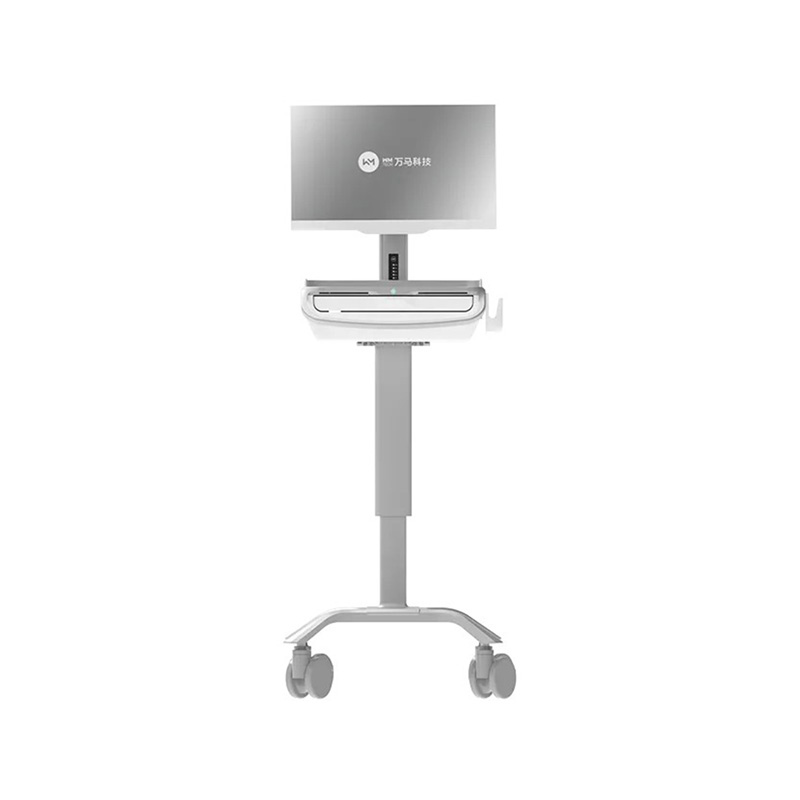
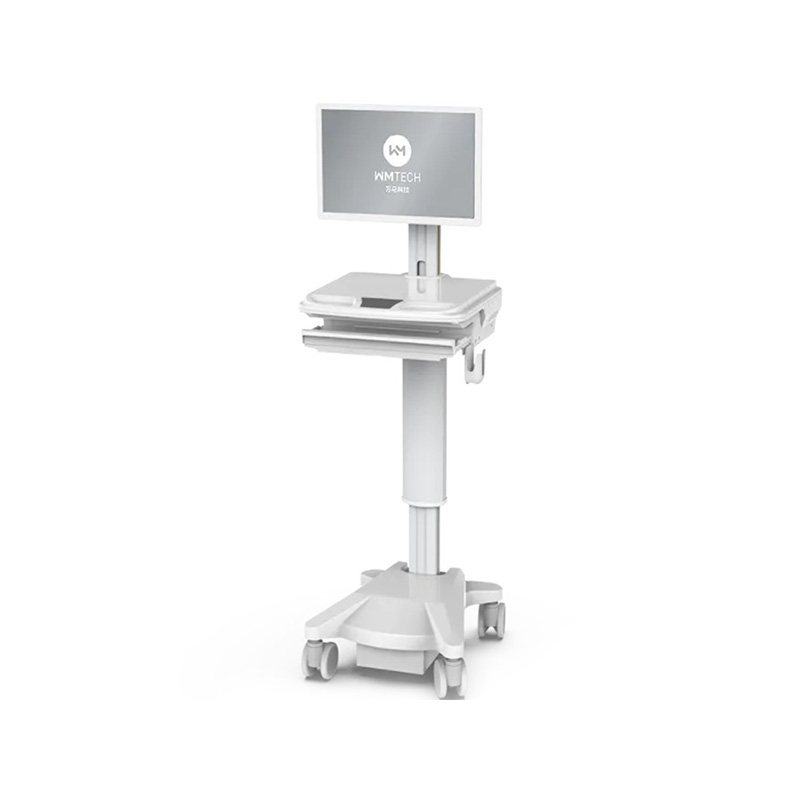
Product Definition:The WMYC-J2-24 Medical Cart is an intelligent mobile workstation integrating information display, order entry, clinical management, and device storage, designed to enhance hospital ...
See Details -
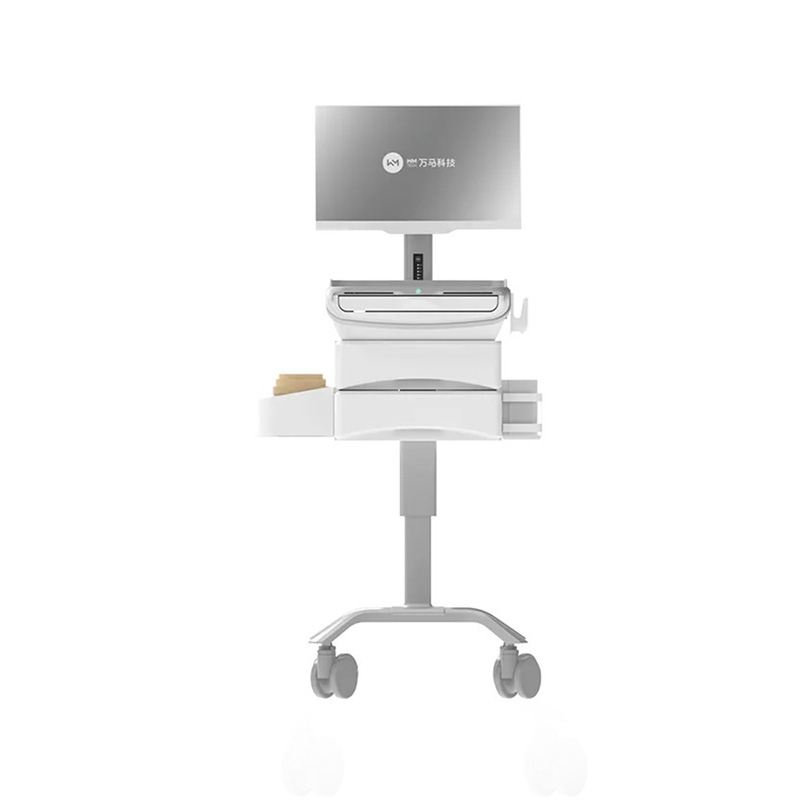
Product DefinitionThe WMYC-J2-24 Medical Cart (with Drawer) is an intelligent mobile workstation designed for modern clinical environments. Featuring a lightweight aluminum structure, it integrates a ...
See Details -
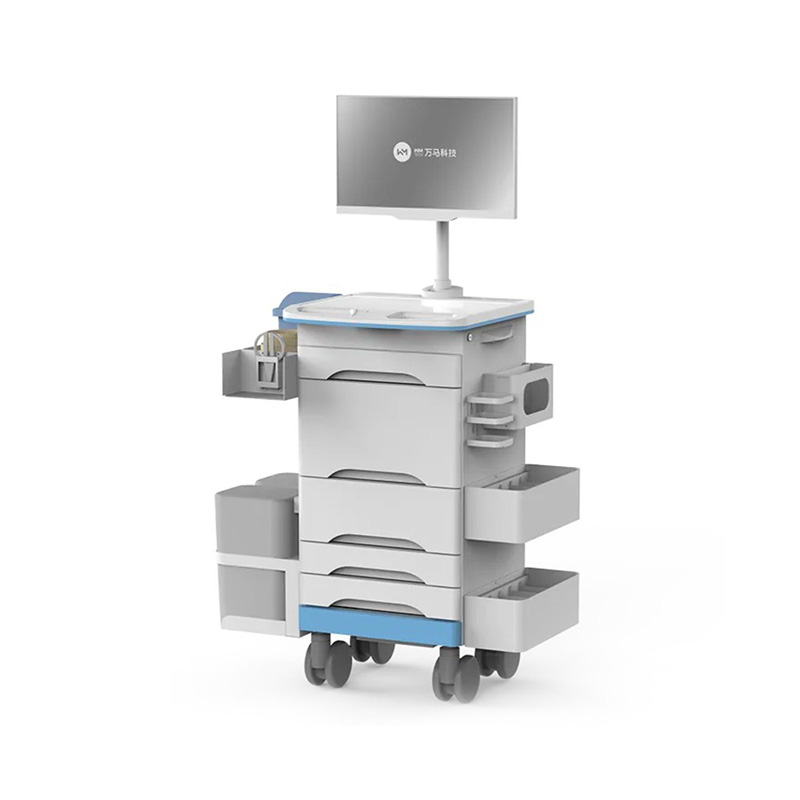
Product Definition:The WMYH-W2-21 Medical Cart is an intelligent mobile nursing workstation integrating information management, clinical care, medication administration, and bedside vital signs collec...
See Details
Ready to Get started ? Contact Us Now !

Product.
Contact Details.
-
 +86 13958188250
-
 +86 13958188250
-
 [email protected]
- Wanma Industrial Park Taihu Yuan Town Lin'an District Hangzhou City China.
QR Code

Copyright © Wanma Technology Co., Ltd. All Rights Reserved.
Privacy
Custom Ethernet Optical Network Railway Transit Equipments Suppliers
