

 English
 Français
 Español
 Português
 عربى
عربى




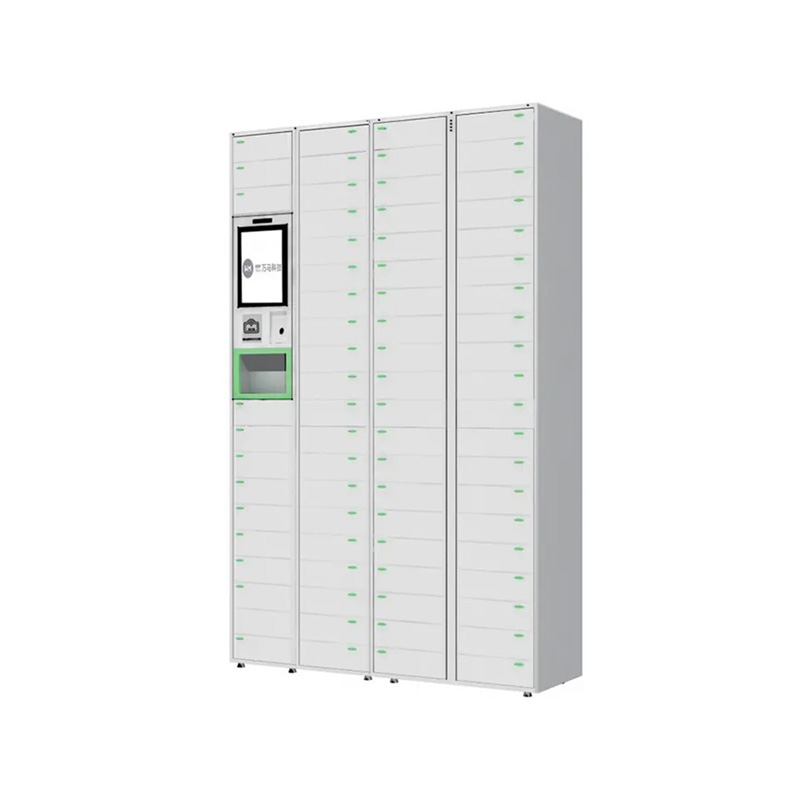
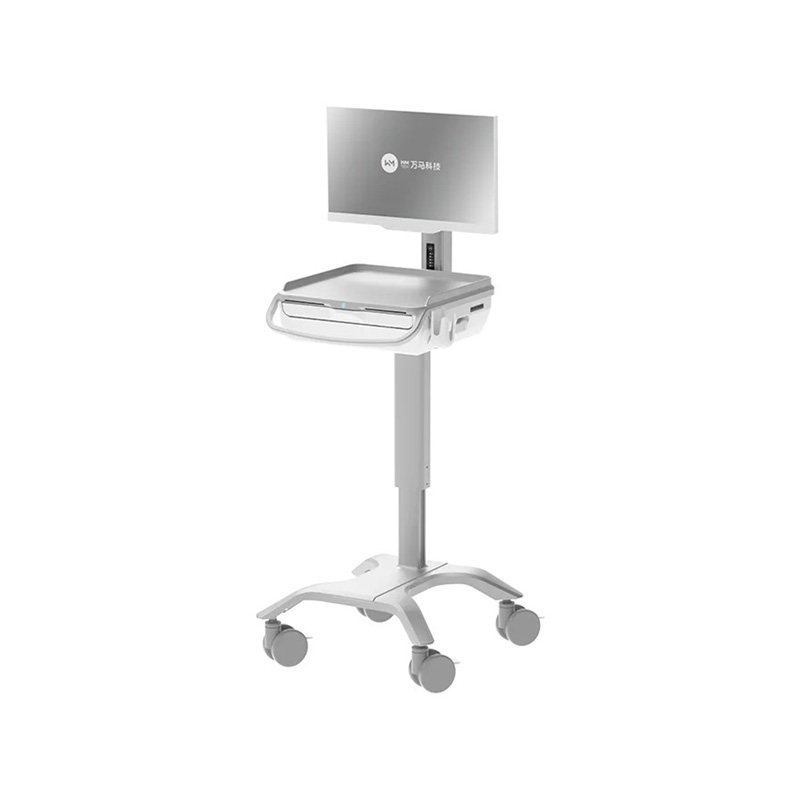
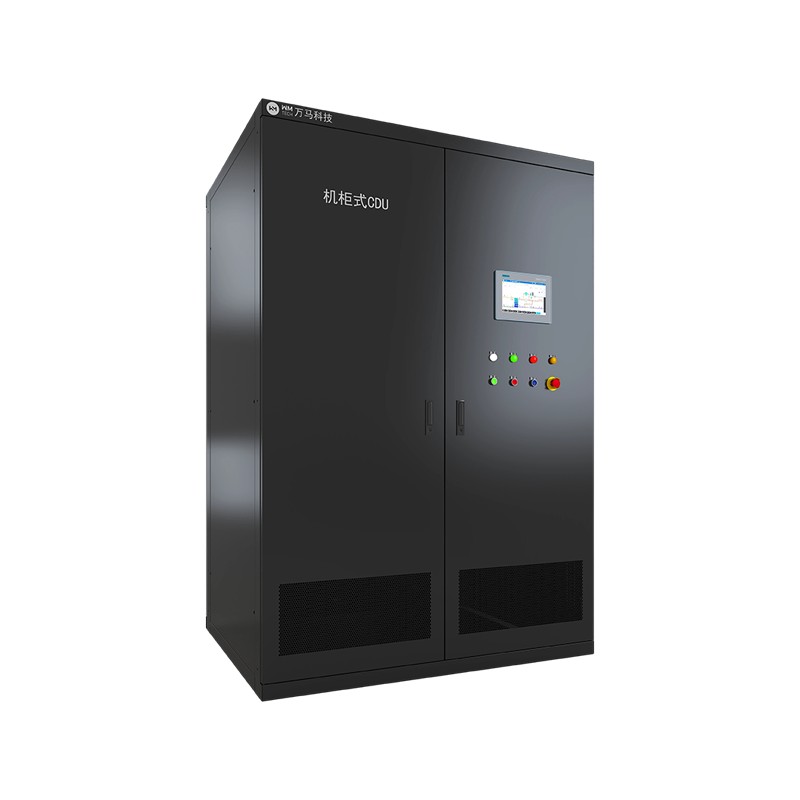
Product Definition:The Intelligent Geng Shoe Box is an advanced storage and management solution for hospitals, operating rooms, and clean zones. It enables automated issuance and collection of shoes a...
See DetailsHow RFID Hospital Uniform Intelligent Management System Revolutionizes Healthcare Laundry Operations
Content
- 1 How RFID Hospital Uniform Management Works
- 2 Key Features of Modern RFID Uniform Management
- 3 Applications Across Healthcare Settings
- 4 Measurable Benefits and Performance Improvements
- 5 Implementation Considerations and Best Practices
- 6 RFID Technology vs. Traditional Uniform Management
- 7 Typical RFID Uniform Management Workflow
- 8 Return on Investment Analysis
- 9 Common Implementation Challenges and Solutions
- 10 Emerging Trends and Future Developments
- 11 Frequently Asked Questions
- 11.0.1 Q1: How does RFID technology improve hospital laundry efficiency?
- 11.0.2 Q2: Can RFID tags survive industrial hospital laundry washing processes?
- 11.0.3 Q3: What is the typical cost for implementing a hospital RFID uniform management system?
- 11.0.4 Q4: Can RFID systems integrate with existing hospital ERP and management platforms?
- 11.0.5 Q5: How do RFID systems handle garment damage and quality control?
- 11.0.6 Q6: What staff training is required for RFID system implementation?
- 11.0.7 Q7: How does RFID linen management system prevent uniform loss?
- 11.0.8 Q8: Are there privacy concerns with tracking individual staff uniforms?
Hospital laundry operations present unique challenges that demand innovative solutions. Managing thousands of uniforms, linens, and garments across multiple departments, shifts, and cleaning cycles requires unprecedented coordination and oversight. Traditional manual tracking methods often result in significant losses, inefficient distribution, and operational bottlenecks that ultimately impact patient care quality and operational costs. The introduction of hospital uniform intelligent management system RFID technology has fundamentally transformed how healthcare facilities approach garment management, offering real-time visibility, automated workflows, and measurable improvements in operational efficiency.
How RFID Hospital Uniform Management Works
RFID technology operates through a sophisticated but straightforward system that combines hardware, software, and intelligent tracking protocols. At its core, the system uses radio frequency identification to track individual garments throughout their lifecycle within a healthcare facility.
The Core Technology Architecture
Each uniform receives a specialized RFID tag—a small microchip embedded or attached to the garment that stores unique identification data. Unlike traditional barcodes that require line-of-sight scanning, RFID readers can identify multiple tagged uniforms simultaneously from several meters away. This capability enables rapid processing at various touchpoints throughout the laundry workflow.
The workflow begins when staff members place used uniforms into collection bins equipped with RFID readers. The system automatically captures identification data without manual intervention. This information flows directly into a centralized management platform that tracks garment location, condition status, and assignment history in real-time.
Integration Points in Hospital Workflow
The system seamlessly integrates at multiple critical junctures:
- Collection stations automatically register uniforms removed from service
- Laundry RFID tags enable batch tracking during cleaning cycles
- Sorting areas utilize readers to organize garments by department and staff member
- Distribution points confirm accurate delivery to intended recipients
- Storage facilities monitor inventory levels continuously
Data Flow and Processing
Information captured at each checkpoint travels through secure servers where sophisticated algorithms process the data. The system cross-references uniform identification with staff assignments, laundry schedules, and inventory thresholds. Alerts automatically trigger when unusual patterns emerge—such as unexplained absences from the expected workflow or uniform condition concerns that require intervention.
Key Features of Modern RFID Uniform Management
Real-Time Tracking and Visibility
Hospital administrators and laundry managers gain instant visibility into uniform locations across the entire facility. Dashboard displays show current inventory levels by department, garment type, and condition status. This transparency eliminates guesswork from operations and enables data-driven decision-making regarding garment procurement and maintenance schedules.
Inventory Management Automation
Automated inventory systems continuously monitor stock levels without manual counting. When uniforms fall below departmental thresholds, the system alerts procurement teams. This prevents stock-outs that could disrupt operations while simultaneously preventing over-purchasing that ties up resources. Facilities report reducing inventory holding costs by optimizing garment circulation patterns.
Laundry Automation Capabilities
RFID readers integrated into laundry equipment can automatically adjust cleaning parameters based on garment type and contamination level. Smart sorting systems direct uniforms to appropriate washing cycles without manual separation. This precision reduces fabric degradation, extends garment lifespan, and ensures consistent quality standards across the entire uniform population.
Staff Management and Assignment
The system maintains detailed records of which uniforms are assigned to individual staff members. When nurses, doctors, or technicians collect clean uniforms, the system automatically registers the transaction. This accountability framework deters misappropriation and simplifies procedures when garments require replacement due to damage or loss.
Loss Prevention and Recovery
By tracking every garment throughout its journey, hospitals can identify loss patterns quickly. If uniforms consistently disappear at certain points, operations teams can implement targeted interventions. Some facilities have recovered significant percentages of previously lost inventory simply by identifying where uniforms departed from expected workflows. This capability has proven particularly valuable in multi-building campuses where garment migration poses challenges.
Applications Across Healthcare Settings
While hospitals represent the primary application environment, RFID uniform management extends benefits across the broader healthcare ecosystem.
Hospital Networks and Large Medical Centers
Large hospital systems managing multiple buildings benefit substantially from centralized RFID laundry management system oversight. Networks can consolidate laundry operations at central facilities while maintaining accurate tracking across dozens of buildings. This consolidation improves economy of scale while the tracking system prevents cross-building uniform displacement.
Specialty Medical Clinics
Outpatient clinics and specialty practices face unique uniform challenges due to smaller staff sizes and limited storage. RFID systems help these facilities optimize garment allocation, ensuring appropriate inventory without excessive purchasing or storage requirements.
Rehabilitation and Long-Term Care Facilities
Rehabilitation centers and extended-care facilities require consistent uniform availability for nursing and therapy staff. RFID systems maintain appropriate supplies while reducing the administrative burden associated with uniform management in these settings.
Surgical Centers and Specialized Departments
Operating rooms, intensive care units, and isolation wards have specialized uniform requirements including different materials and contamination protocols. RFID systems can track these specialized garments with precision, ensuring they receive appropriate cleaning and aren't mixed with standard inventory.
Measurable Benefits and Performance Improvements
Financial Impact
Hospitals implementing RFID uniform management systems typically report cost reductions ranging from 15 to 35 percent in laundry operations. These savings derive from multiple sources: reduced garment loss, eliminated over-purchasing, optimized labor allocation, and extended garment lifespan through precision cleaning. Facilities with particularly high historical loss rates experience more dramatic improvements.
Operational Efficiency Gains
Manual tracking and distribution typically require dedicated staff hours daily. Automation eliminates much of this manual effort, allowing personnel to focus on quality control and exception handling rather than routine data entry. Facilities report reducing laundry processing time by 20 to 40 percent while simultaneously improving accuracy.
Inventory Accuracy
Traditional inventory methods frequently show 5 to 15 percent discrepancies between recorded and actual garment counts. RFID systems achieve accuracy exceeding 99 percent, eliminating the need for physical audits and enabling precise financial reporting.
Loss Prevention Results
Most healthcare facilities lose 10 to 25 percent of uniform inventory annually through unexplained absences. RFID tracking identifies loss patterns, enables recovery initiatives, and provides accountability measures that significantly reduce this attrition rate. Many facilities recover 40 to 60 percent of previously lost uniforms after implementing tracking systems.
Quality Assurance
Automated tracking ensures that damaged or contaminated uniforms don't re-enter circulation unexpectedly. Quality control staff can quickly identify compromised garments and remove them from service, maintaining consistent uniform standards across the facility.
Staff Satisfaction
Employees consistently report higher satisfaction when clean uniforms are reliably available. The reduced stress associated with uniform shortages contributes to improved morale and operational stability.
Implementation Considerations and Best Practices
Assessment and Planning Phase
Successful implementation begins with comprehensive facility assessment. Organizations should evaluate current laundry operations, identify specific pain points, and establish measurable goals. This phase typically involves detailed workflow mapping, loss analysis, and cost accounting for existing processes. Understanding baseline conditions enables accurate evaluation of system performance post-implementation.
Hardware and Infrastructure Requirements
RFID systems require strategic placement of readers at critical workflow points. Collection stations, sorting areas, laundry equipment, distribution centers, and storage facilities all require appropriate reader density. Infrastructure must accommodate data transmission from multiple readers to central processing systems. Most facilities find that modern RFID systems integrate readily with existing IT infrastructure.
Tag Selection and Deployment
Different uniform materials and end-uses may require varying tag specifications. Medical-grade RFID tags must withstand hundreds of industrial washing cycles, high-temperature drying, and chemical sterilization. Selection of appropriate tag technology directly impacts system longevity and performance. Professional implementation partners typically handle tag selection based on specific facility requirements.
Staff Training and Change Management
Technology implementation success depends heavily on staff adoption. Comprehensive training programs should cover system usage, troubleshooting common issues, and workflow modifications. Addressing staff concerns early and demonstrating tangible benefits builds confidence in new systems. Change management specialists often recommend phased rollouts that allow operators to develop competency gradually.
Integration with Existing Systems
RFID management platforms should integrate with hospital information systems, inventory management software, and procurement systems. Seamless data flow between systems eliminates manual data entry and ensures consistent information across departments. Modern systems can typically interface with common ERP and management platforms.
RFID Technology vs. Traditional Uniform Management
| Factor | Manual Tracking | RFID Automated System |
|---|---|---|
| Inventory Accuracy | 75-90 percent | 99+ percent |
| Loss Rate | 10-25 percent annually | 2-5 percent annually |
| Processing Time | Full manual workflow | 20-40 percent reduction |
| Labor Requirements | Dedicated staff daily | Reduced routine tasks |
| Cost per Garment/Year | Baseline reference | 15-35 percent reduction |
| Real-Time Visibility | Limited, delayed | Immediate, continuous |
| Audit Requirements | Monthly/quarterly manual counts | Continuous automated tracking |
Typical RFID Uniform Management Workflow
Return on Investment Analysis
Cost Reduction Mechanisms
Healthcare facilities implementing RFID uniform management systems typically realize multiple, overlapping cost savings:
- Reduced garment loss through prevention and recovery of previously missing uniforms
- Optimized procurement by eliminating over-purchasing based on inaccurate inventory data
- Extended garment lifespan through precision cleaning tailored to specific materials
- Labor efficiency improvements by automating sorting, tracking, and distribution tasks
- Decreased administrative overhead associated with manual inventory audits and reporting
- Preventive maintenance by identifying damaged garments before they cause laundry equipment issues
Typical ROI Timeline
Most healthcare organizations report break-even achievement within 18 to 36 months of implementation, depending on facility size and baseline loss rates. Larger hospitals with historically significant loss problems often achieve positive ROI within 12 to 18 months. Once operational systems mature, facilities consistently realize year-over-year savings that typically exceed initial system investment costs.
Hidden Benefits Beyond Direct Costs
While quantifiable cost reductions form the primary business case, secondary benefits include improved staff satisfaction from reliable uniform availability, enhanced operational predictability that benefits scheduling and workflow planning, and better compliance with infection control protocols through assured garment quality. These factors contribute additional organizational value beyond direct financial metrics.
Common Implementation Challenges and Solutions
Initial Capital Investment
The upfront cost of RFID infrastructure, including readers, tags, software, and installation, represents a significant investment. Healthcare organizations address this through phased implementations that prioritize high-loss departments first, lease arrangements that spread costs over time, and detailed ROI calculations that justify investment to administration and boards.
Staff Resistance to Change
Laundry operations personnel and end users may initially resist automated systems they perceive as threatening job security. Proactive communication emphasizing how systems reduce mundane tasks while creating new roles in quality assurance and system management typically addresses these concerns. Comprehensive training programs build competency and confidence.
Tag Durability and Replacement
Industrial washing environments present harsh conditions for RFID tags. While modern medical-grade tags withstand hundreds of cycles, eventual replacement becomes necessary. Facilities typically budget for tag replacement as a routine maintenance expense, planning replacement cycles based on observed tag degradation patterns.
Data Security and Privacy
Tracking individual staff member uniforms raises privacy considerations. Organizations address this by implementing secure access controls, limiting tracking data visibility to authorized personnel, and communicating clearly regarding data protection measures. Most healthcare IT departments confirm that RFID systems can comply with relevant privacy regulations when properly configured.
Integration with Legacy Systems
Some healthcare facilities operate legacy software systems that don't readily interface with modern RFID platforms. Integration specialists can typically develop middleware solutions that enable communication between systems, though these custom integrations occasionally require additional investment and testing.
Emerging Trends and Future Developments
Advanced Analytics and Predictive Capabilities
Next-generation systems increasingly incorporate machine learning algorithms that predict garment failure before it occurs, optimize washing parameters based on historical performance data, and forecast demand patterns to guide procurement decisions. These predictive capabilities enable proactive management rather than reactive problem-solving.
IoT Integration and Environmental Monitoring
Expanded Internet of Things integration allows RFID systems to correlate garment condition with washing environment parameters, temperature monitoring, and chemical residue detection. This comprehensive data collection enables unprecedented understanding of how specific conditions impact garment durability and quality.
Sustainability Initiatives
Hospitals increasingly prioritize environmental responsibility. RFID systems contribute by optimizing water usage in washing cycles, reducing fabric waste through extended garment lifespan, and enabling precise laundry routing that minimizes energy consumption. Some facilities report 10 to 15 percent reductions in water and energy usage after implementing RFID optimization.
Mobile Access and Distributed Management
Modern systems increasingly provide mobile interfaces allowing managers to monitor operations, respond to alerts, and generate reports from any location. This flexibility enables distributed management across multi-campus healthcare systems without requiring centralized control rooms.
Standardization and Industry Collaboration
As RFID adoption expands, healthcare industry groups continue developing standardized protocols and best practices. Increased standardization will likely enable greater interoperability between systems and facilitate sharing of operational insights across healthcare organizations.
Frequently Asked Questions
Q1: How does RFID technology improve hospital laundry efficiency?
RFID systems automate tracking and sorting tasks that previously required manual effort. Uniforms are identified automatically at collection, processing, and distribution points without requiring line-of-sight scanning. This continuous monitoring eliminates delays associated with manual inventory procedures, enables rapid identification of garment location and status, and allows laundry staff to focus on quality assurance rather than routine administrative tasks. Most facilities report 20 to 40 percent improvements in processing speed.
Modern medical-grade RFID tags are specifically engineered to withstand industrial washing, high-temperature drying, and chemical sterilization. Contemporary tag designs typically survive 300 to 500 washing cycles before requiring replacement. Proper tag placement and appropriate tag selection for specific garment types ensures reliable performance throughout the garment's useful life. Tags should be positioned in locations least subject to mechanical stress.
Q3: What is the typical cost for implementing a hospital RFID uniform management system?
Implementation costs vary significantly based on facility size, existing infrastructure, and specific system requirements. Small facilities might invest 50,000 to 100,000 dollars for basic systems, while large hospital networks could require 500,000 to 2 million dollars or more for comprehensive implementations. These investments typically include hardware, software licenses, installation, training, and initial tag implementation. Most facilities achieve positive return on investment within 18 to 36 months.
Q4: Can RFID systems integrate with existing hospital ERP and management platforms?
Yes, modern RFID management systems are designed to interface with common enterprise resource planning and hospital information systems. Integration allows automatic data flow between the RFID platform and other hospital systems including inventory management, procurement, and accounting modules. Standard integration approaches typically utilize APIs or middleware solutions that enable seamless information sharing without requiring complete system replacement.
Q5: How do RFID systems handle garment damage and quality control?
RFID-equipped garments pass through quality inspection checkpoints where staff members assess condition and mark damaged uniforms for removal from service. This information flows directly into the system, preventing damaged garments from being redistributed. Some advanced systems incorporate visual inspection technology that automatically flags garments showing specific damage patterns, though manual inspection typically remains necessary for comprehensive quality assessment.
Q6: What staff training is required for RFID system implementation?
Training requirements typically include basic system operation for laundry staff, dashboard interpretation and alert response for managers, and data access procedures for administrative personnel. Most training programs require 4 to 8 hours of instruction per employee category. Ongoing support through help desk resources and periodic refresher training helps maintain competency as systems evolve and new features are deployed.
Q7: How does RFID linen management system prevent uniform loss?
Continuous tracking identifies when uniforms deviate from expected workflow patterns. If uniforms consistently exit the system at specific locations or during particular shifts, anomaly detection alerts management to investigate. Some facilities recover 40 to 60 percent of previously lost garments by implementing targeted interventions based on loss pattern data. The accountability inherent in tracked systems also deters intentional misappropriation.
Q8: Are there privacy concerns with tracking individual staff uniforms?
Proper system configuration addresses privacy concerns by limiting tracking data visibility to authorized personnel only, encrypting transmitted data, and maintaining audit trails of information access. Healthcare organizations implementing RFID systems typically consult with compliance and privacy departments to ensure configurations align with relevant regulations. The tracking data itself is generated automatically by the system rather than involving direct surveillance.
PREV:Mobile Clinical Workstation: A Practical Buying Guide
NEXT:40ft Containerized Data Center: How to Choose One
NEXT:40ft Containerized Data Center: How to Choose One
Interested in cooperation or have questions?
Related products
-
-
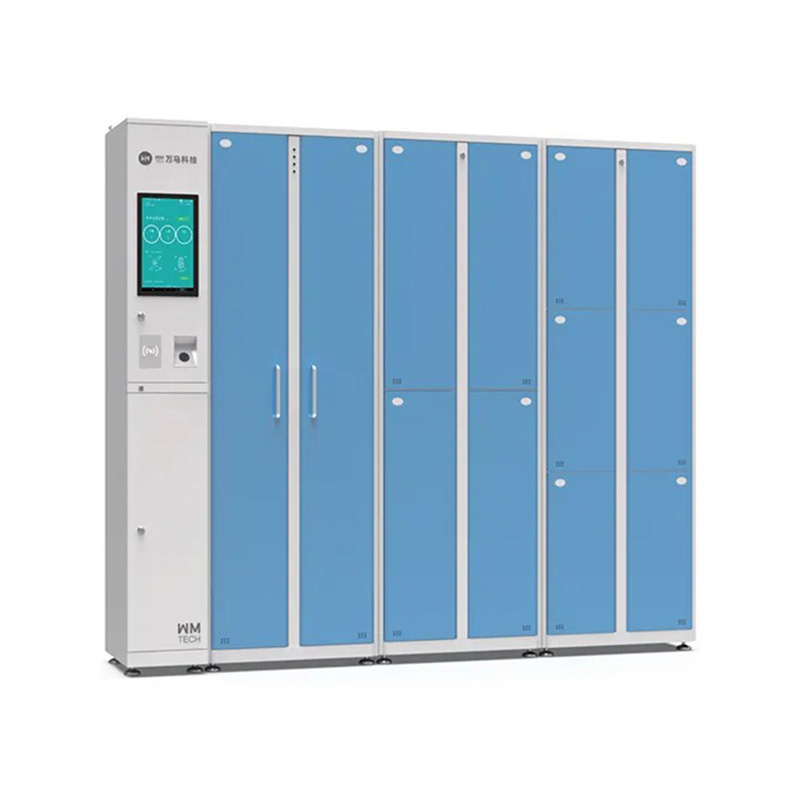
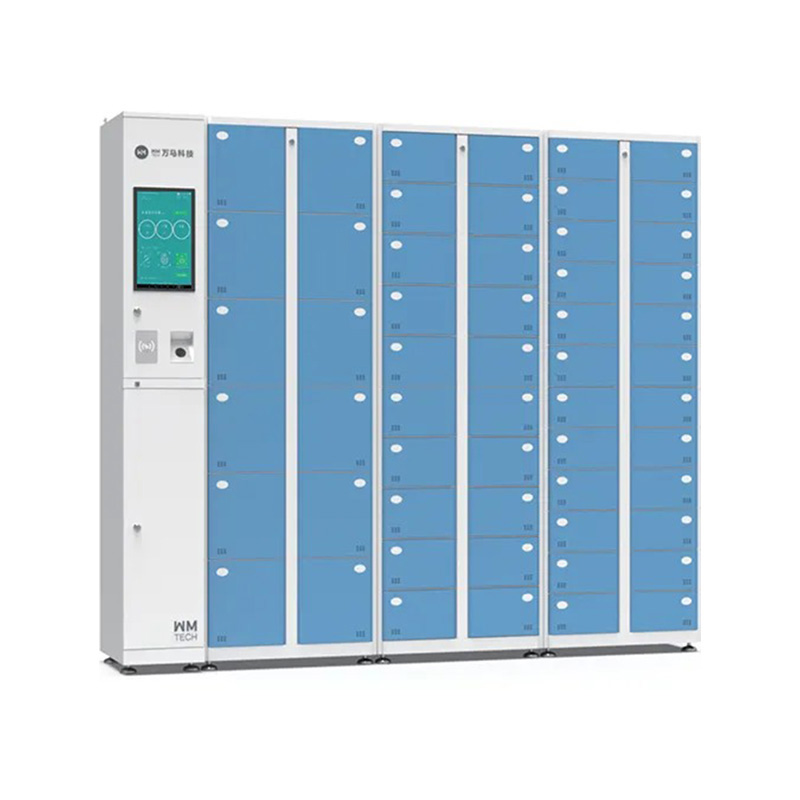
Product DefinitionThe Intelligent Locker is a smart medical supplies and personal items management system developed based on IoT and biometric technologies. Integrating multiple authentication methods...
See Details -

Product Definition:The RFID Handheld Inventory Device is the core mobile terminal of the Intelligent Medical Fabric Management System, designed for high-efficiency inventory and handover of linens in ...
See Details -
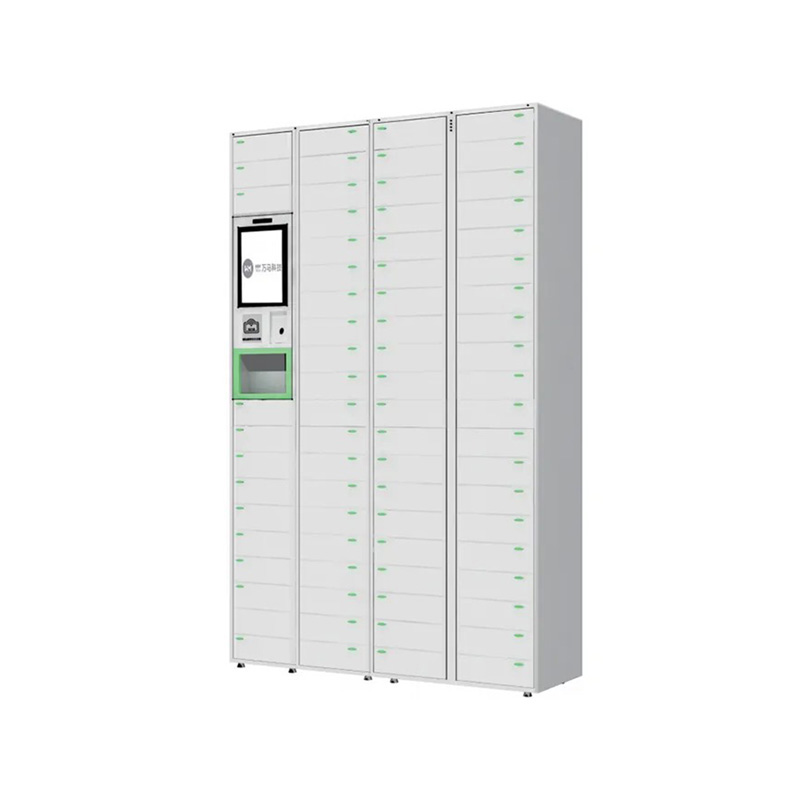
Product Definition:The Uniform Distribution Cabinet is an intelligent management solution for hospitals and medical institutions, designed for automated distribution, inventory management, and trackin...
See Details
Ready to Get started ? Contact Us Now !

Product.
Contact Details.
-
 +86 13958188250
-
 +86 13958188250
-
 [email protected]
- Wanma Industrial Park Taihu Yuan Town Lin'an District Hangzhou City China.
QR Code

Copyright © Wanma Technology Co., Ltd. All Rights Reserved.
Privacy
Custom Ethernet Optical Network Railway Transit Equipments Suppliers
