

 English
 Français
 Español
 Português
 عربى
عربى







 Knowledge
Can an Intelligent Medical Fabric Management System Solve the 15% Linen Loss Rate Problem for Good?
The Anatomy of the 15% Loss Problem
In any large healthcare facility, linen — surgical gowns, bed sheets, patient apparel, towels — represents one of the most mobile and least controlled inventory assets. Traditional manual methods rely on periodic visual estimates and end‑month physical counts. Between these checks, linen disappears into multiple “grey zones”: contaminated bundles sent to external laundries without digital handover, inter‑ward borrowing without documentation, premature disposal due to uncertain wash cycles, and simple misplacement in high‑traffic zones. Cumulatively, these uncontrolled leakages add up to a widely cited industry average of 15% annual loss. The financial impact is substantial, but the operational disruption — staff wasting time searching for basic linens, surgeries delayed by missing gowns — is equally damaging.
The core question is whether any technology can permanently seal all these leakage paths. A superficial solution that only improves counting accuracy will fail, because loss often occurs before counting ever happens. A permanent fix requires end‑to‑end lifecycle visibility — from the moment a linen item is first issued until its certified disposal.
How a Modern Intelligent System Closes the Loops
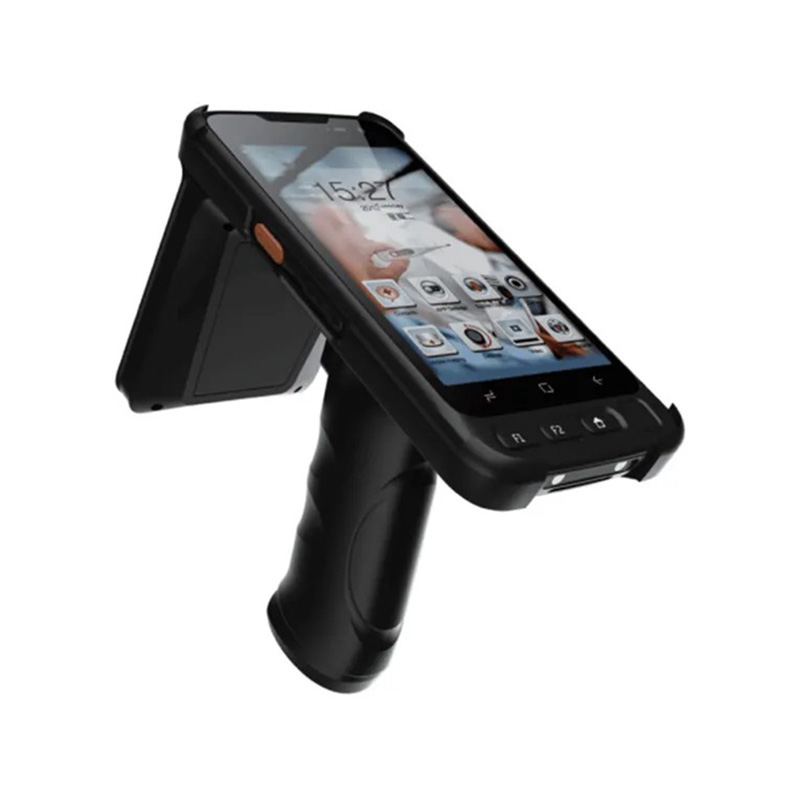
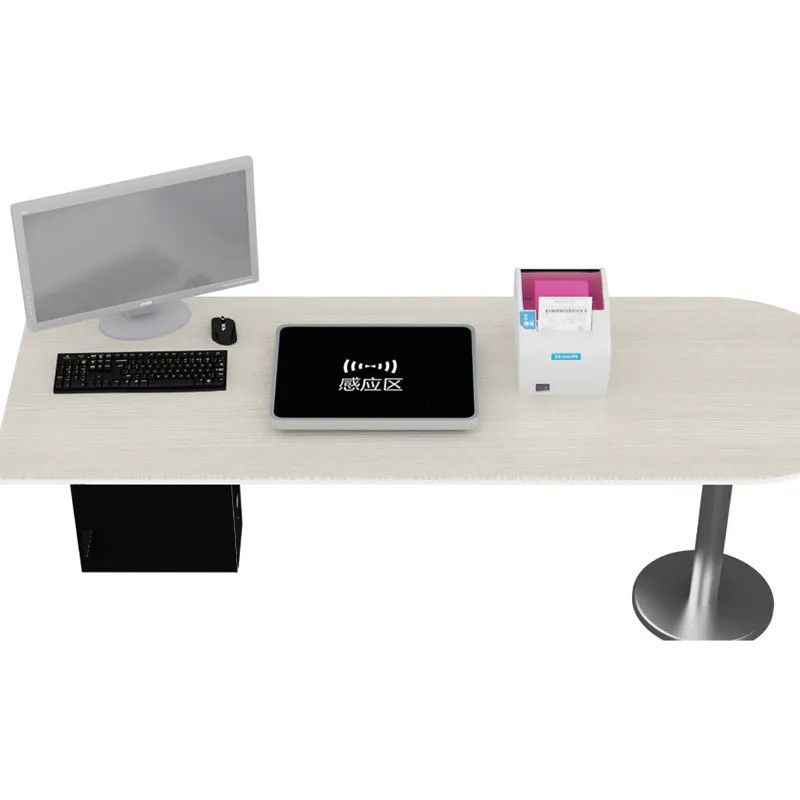
A mature medical fabric linen intelligent management system is not a single device but a layered architecture combining durable RFID tags, fixed and handheld readers, edge gateways, and a cloud‑based analytics engine. Each linen item receives a passive UHF RFID tag (or HF for high‑moisture environments) that withstands industrial laundering — typically >200 wash cycles. Strategic checkpoints are installed:
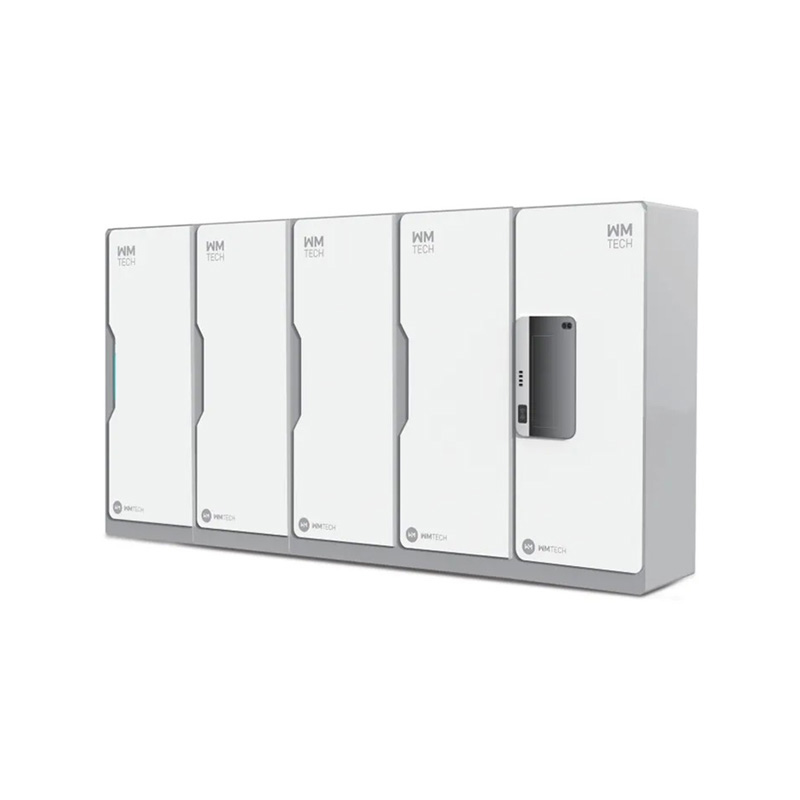
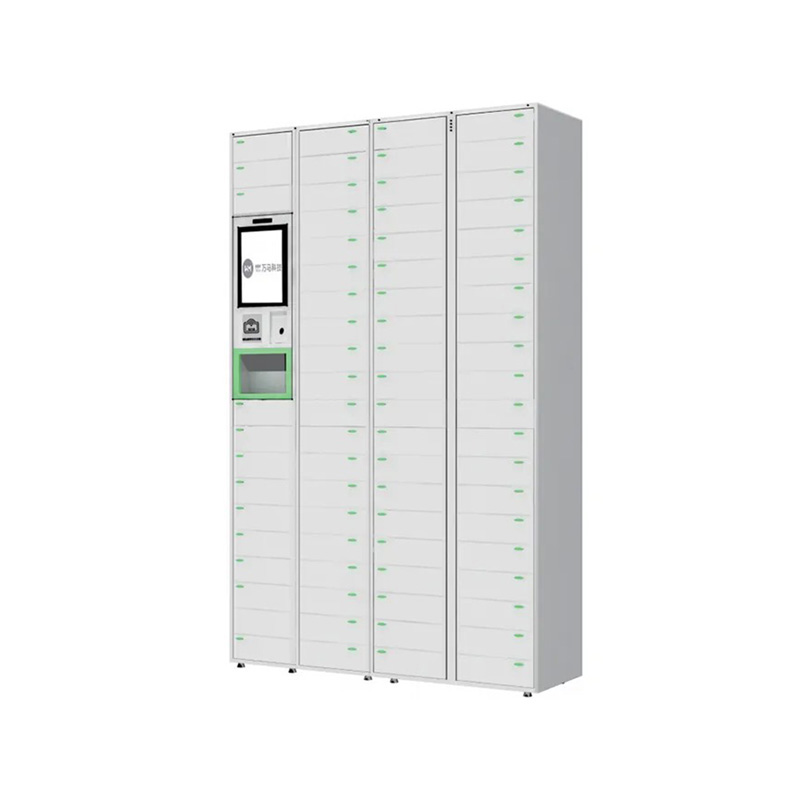
- Smart dispensing cabinets at nursing stations record who took what and when.
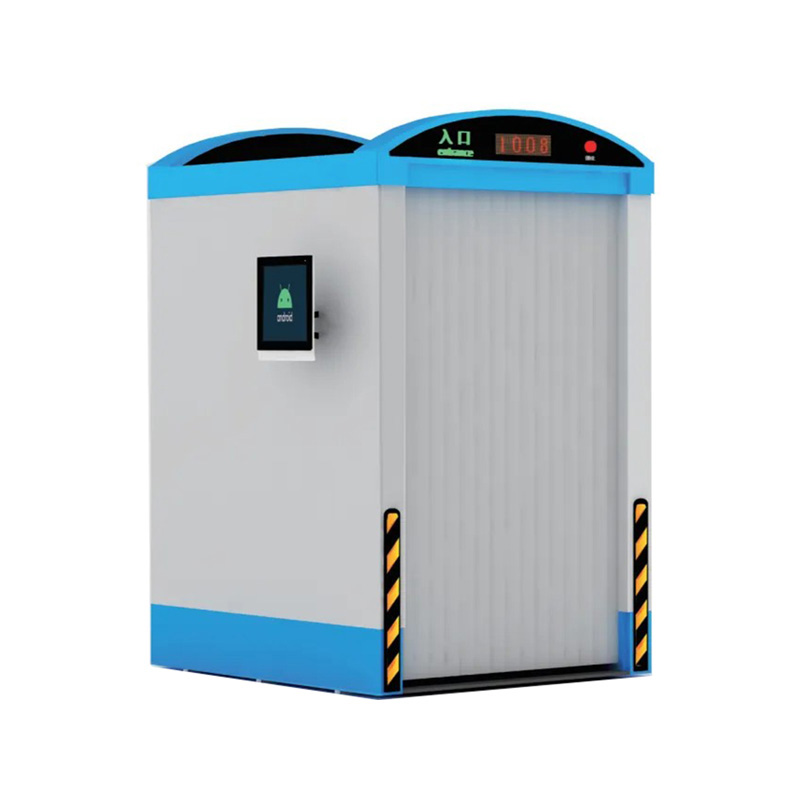
- Tunnel readers at laundry chutes and return rooms automatically log items leaving or re‑entering the facility.
- Wash‑line readers embedded in the laundry machinery confirm that every item actually goes through the intended cleaning cycle.
The system’s intelligence lies in comparing expected vs. actual flows. For example, if 50 surgical gowns are issued to the OR but only 45 return through the soiled linen tunnel, the platform instantly flags a discrepancy and identifies the last known location. No manual recount is required.
To illustrate how such a system differs fundamentally from conventional practices, the following table outlines key operational contrasts:
| Operational Aspect | Conventional Manual Management | Intelligent System (RFID + Cloud) |
|---|---|---|
| Inventory counting | Monthly physical spot checks; error rate often >10% | Real‑time, automated reading; accuracy >99.5% |
| Individual item tracking | Batch‑level only; impossible to locate a single missing sheet | Unique ID per item; full location history (last reader & timestamp) |
| Wash cycle control | Estimated guesswork; linen often discarded too early or too late | Exact wash count per item; automatic retirement alert |
| Theft / misplacement alerts | Weeks later, after linen is already gone | Instant alert when an item fails to return within expected time |
| Data for replenishment | “We need more” — no root cause analysis | Churn rate, loss hotspots, usage patterns — actionable insights |
By closing every gap shown in the right column, an intelligent system attacks all root causes simultaneously rather than piecemeal.
Can It Solve the Problem “For Good”?
“For good” means permanent eradication of the 15% baseline loss, not just a temporary reduction. In theory, if every single linen item is uniquely identified and every movement is automatically recorded, losses become impossible unless an item is physically destroyed without being scanned. However, practical deployment must address three challenges:
- Tag durability: Low‑quality tags fail after 50 washes, recreating blind spots. Reliable tags survive >200 industrial washes.
- Reader coverage: Missing a single checkpoint (e.g., no reader at a temporary storage closet) recreates a loss channel.
- Staff discipline: If users intentionally bypass readers (e.g., throwing linen out a window), even perfect hardware fails — but such behaviour is easily detected by usage pattern anomalies.
Thus, a well‑engineered medical fabric linen intelligent management system does not rely on perfect human behaviour; it designs out the opportunity for loss. Once all laundry exits, returns, and inter‑ward transfers pass through automatic readers, the 15% figure collapses to a residual <0.5% — typically limited to tags physically torn off or linen incinerated without scanning. That residual is not “loss” in the operational sense but a traceable exception.
Therefore, the answer is yes, provided the system is deployed with full checkpoint coverage and industrial‑grade tags. Many buyers try to save costs by reducing the number of readers or using cheaper tags; those deployments reduce loss but do not eliminate it. A complete deployment, however, demonstrably solves the problem permanently.
Why choose WMTECH?
A high‑performance linen intelligence system depends on robust communication infrastructure. Every RFID reader, every cloud uplink, and every inventory database must operate without interruption in a harsh hospital environment (electromagnetic interference, physical vibrations from laundry machinery).
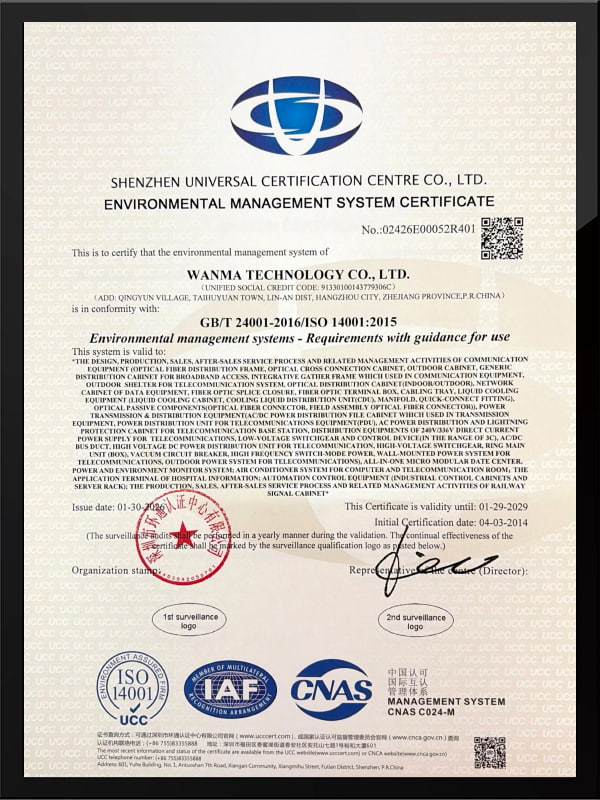
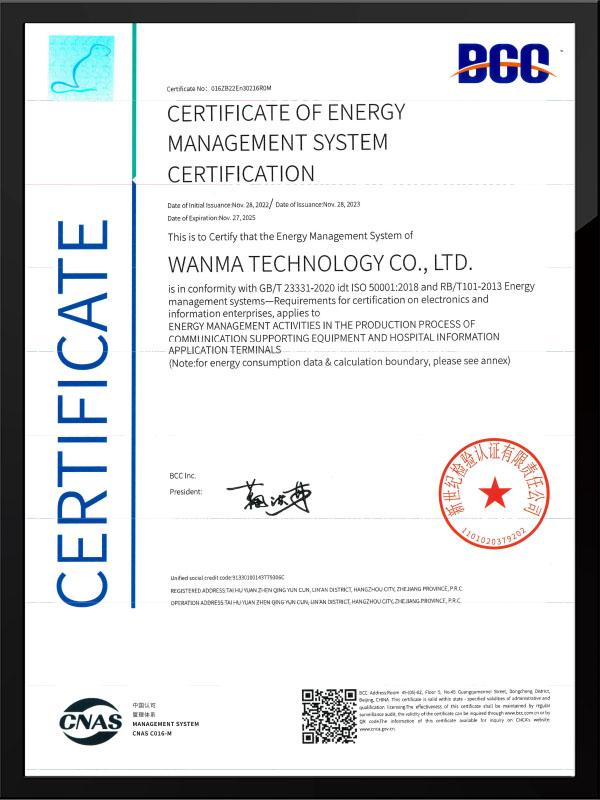
This is where Wanma Technology Co., Ltd. contributes. Specialising in communication cabinets, communication electronic equipment, and passive optical components, Wanma Technology’s products are extensively deployed across Ethernet networks, optical communication networks, central equipment rooms, national high‑speed railways, and urban rail transit systems. The same industrial‑grade reliability that supports railway signalling and backbone telecom networks is now applied to medical linen tracking. Wanma Technology not only develops, manufactures, and markets its proprietary brand products but also delivers integrated solutions for customised products — ensuring that RFID gateways, edge servers, and cabling within a hospital’s laundry facility remain continuously operational.
By integrating such purpose‑built infrastructure, a medical fabric linen intelligent management system gains the network stability required for real‑time anomaly detection. A dropped packet at the moment a linen bundle passes a tunnel reader could mean a lost tracking event; therefore, carrier‑grade communication hardware is not a luxury but a necessity for permanent loss elimination.
Frequently Asked Questions (FAQ)
Q1: What is the typical return on investment period for such an intelligent system?
A: Most hospitals see full ROI within 12–18 months, driven by reduced linen repurchases, lower labour costs for manual counting, and fewer operational delays caused by missing linens.
Q2: Can the RFID tags survive harsh industrial washing with bleach and high temperatures?
A: Yes. Premium tags are encapsulated in heat‑resistant, chemical‑resistant materials (e.g., silicone or reinforced TPU) and are rated for over 200 industrial wash cycles, including thermal disinfection up to 90°C.
Q3: How difficult is it to integrate the system with existing hospital IT and laundry workflows?
A: Modern systems offer API‑first designs, allowing seamless integration with ERP, inventory, and even bed management systems. Installation typically takes 4–8 weeks for an average 500‑bed hospital.
Q4: Does the system require continuous internet access? What happens if the network goes down?
A: Edge gateways cache all reading events locally. Once connectivity is restored, the data synchronises automatically. No tracking events are lost during network interruptions.
Q5: Can the system distinguish between different linen types and materials (e.g., cotton vs. poly‑cotton blends)?
A: Yes. The unique ID in each RFID tag is linked to a digital record that includes material composition, required wash temperature, and expected lifespan. This enables automated sorting and prevents incorrect processing.