

 English
 Français
 Español
 Português
 عربى
عربى




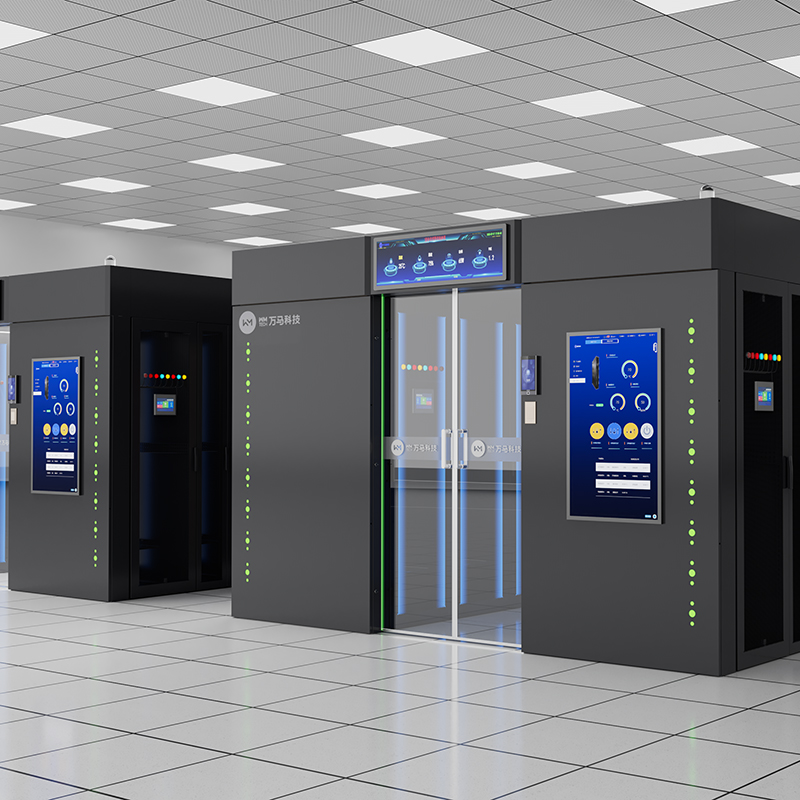
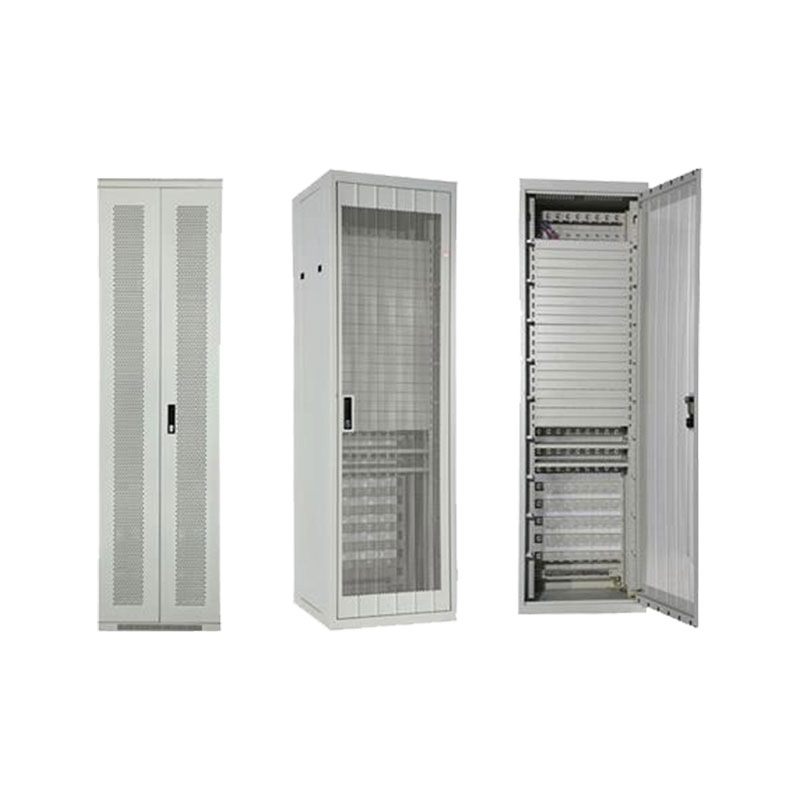
Application:It is used in generic cabling system for computer network and other projects and is mainly used to install the server, display, UPS and other 19-inch equipments and equipments in other siz...
See DetailsWhat Is Ethernet Optical Network Railway Transit Equipment and How Does It Improve Rail Communications?
Content
- 1 The Definitive Role of Ethernet Optical Network Railway Transit Equipment
- 2 Why Rail Systems Are Migrating to Ethernet Optical Networks
- 3 How Ethernet Optical Equipment Improves Rail Communications
- 4 Performance Metrics: Ethernet Optical vs. Legacy Systems
- 5 Core Capabilities of Ethernet Optical Railway Transit Equipment
- 6 Use Cases: Transforming Railway Applications
- 7 Implementation Strategy: A Phased Approach
- 8 Frequently Asked Questions (FAQs)
- 8.1 What is the primary difference between a managed and unmanaged Ethernet switch for railways?
- 8.2 How does the equipment handle electromagnetic interference from train traction systems?
- 8.3 Can the system integrate with existing legacy train control systems?
- 8.4 What is the typical lifespan of these components in a railway environment?
The Definitive Role of Ethernet Optical Network Railway Transit Equipment
Ethernet optical network railway transit equipment fundamentally transforms rail communications by replacing legacy copper-based and SDH networks with a high-bandwidth, low-latency, and highly reliable fiber-optic backbone. This modern infrastructure is essential for supporting critical train control, real-time passenger information systems, video surveillance, and onboard Wi-Fi, ensuring safe, efficient, and future-proof railway operations.
Why Rail Systems Are Migrating to Ethernet Optical Networks
The shift from traditional technologies like SDH (Synchronous Digital Hierarchy) to Ethernet over optical networks is driven by the increasing data demands of modern railway operations. SDH, with its maximum individual container size of 155Mbit/s and a 10Gbit/s per-fiber limit, is no longer sufficient for today's sensor-rich and highly connected environments.
Modern systems require bandwidth for high-definition video surveillance, passenger Wi-Fi, and real-time train control data. These applications demand a network that can scale efficiently and provide deterministic performance—capabilities inherent to optical Ethernet solutions.
How Ethernet Optical Equipment Improves Rail Communications
This advanced equipment enhances rail communications through several critical performance improvements:
Unmatched Reliability and Availability
Railway environments are harsh, subject to extreme temperatures, vibration, and electromagnetic interference. Ethernet optical equipment is purpose-built for these conditions, often adhering to stringent industry standards. Network-level protection, such as Ethernet Ring Protection Switching (ERPS), ensures sub-50ms recovery time in case of fiber cuts, guaranteeing continuous communication for safety-critical systems.
Ultra-Low Latency and Deterministic Performance
For applications like train control and signaling, latency must be predictable and minimal. Ethernet optical networks operate at the speed of light, providing end-to-end latency as low as a few microseconds over a typical railway network. This deterministic performance is vital for the precise coordination of moving trains.
Enhanced Security and Isolation
Optical fiber is inherently secure as it does not radiate electromagnetic signals, making it extremely difficult to tap without physical detection. Furthermore, Virtual Local Area Networks (VLANs) and Quality of Service (QoS) mechanisms allow for logical isolation of different traffic types, ensuring that passenger data does not interfere with critical train control signals.
Performance Metrics: Ethernet Optical vs. Legacy Systems
To illustrate the technical advantages, the following table contrasts key performance indicators between traditional and modern solutions.
| Performance Metric | Legacy Systems (SDH/Copper) | Ethernet Optical Networks |
|---|---|---|
| Maximum Bandwidth | 10 Gbps per fiber | 100 Gbps to 400 Gbps per fiber |
| Network Latency | Milliseconds (variable) | Microseconds (deterministic) |
| Fault Recovery Time | Seconds to minutes | Sub-50 milliseconds |
| Security (Physical Layer) | Susceptible to EMI/RFI tapping | Inherently secure (non-radiating) |
| Scalability | Rigid, requires hardware upgrades | Flexible, software-configurable |
Core Capabilities of Ethernet Optical Railway Transit Equipment
To meet the specific demands of railway communication networks, this equipment must possess a unique set of capabilities that address both operational and environmental challenges.
- EN 50155 and EN 45545-2 Compliance: Ensuring operation under extreme temperatures (-40°C to +75°C), humidity, and vibration, while meeting fire safety standards for rolling stock.
- Seamless Redundancy and Ring Topologies: Support for ERPS and Parallel Redundancy Protocol (PRP) to provide network resilience with zero packet loss during failover.
- Integrated Precision Time Protocol (PTP): Delivering microsecond-level time synchronization, critical for coordinating distributed systems and predictive maintenance sensors.
- Advanced Cybersecurity Features: Built-in security policies, including 802.1X authentication, ACLs, and encrypted management interfaces, to protect against cyber threats.
- PoE (Power over Ethernet) Capabilities: Enabling the direct powering of IP cameras, access points, and sensors via the same Ethernet cable, simplifying cabling infrastructure.
Use Cases: Transforming Railway Applications
These technical features translate into tangible benefits for a wide range of railway applications, directly improving operational efficiency and passenger experience.
Passenger Information Systems (PIS)
Reliable, high-bandwidth networks enable the delivery of real-time infotainment, including high-definition video streaming, live train tracking, and public address systems, enhancing passenger satisfaction and providing up-to-the-minute travel information.
On-Board CCTV and Surveillance
High-resolution video feeds from numerous onboard cameras are transmitted in real-time to control centers. A robust optical network ensures that this security-critical data is delivered without delay, supporting safety and incident investigation.
Train Control and Signaling (CBTC)
Advanced Communication-Based Train Control (CBTC) systems rely on continuous, low-latency communication between trains and wayside equipment. Ethernet optical networks provide the reliable, high-capacity data pipe required for safe and efficient train headway management, allowing for more frequent and faster services.
Implementation Strategy: A Phased Approach
Migrating to a fully optical network is a complex project. A phased, strategic approach minimizes disruption and maximizes ROI.
- Phase 1: Site Assessment and Network Design - Conduct a thorough survey of existing infrastructure and develop a detailed design that meets current and future bandwidth requirements.
- Phase 2: Backbone and Ring Installation - Deploy the primary fiber-optic backbone and redundant ring topologies along the track to establish a resilient core network.
- Phase 3: Wayside and Onboard Equipment Integration - Install ruggedized Ethernet switches, media converters, and access points along the trackside and on rolling stock.
- Phase 4: System Integration and Testing - Integrate all subsystems and perform comprehensive testing to ensure performance, redundancy, and security requirements are fully met.
- Phase 5: Training and Handover - Provide detailed operational and maintenance training for the railway's technical staff to ensure long-term, trouble-free operation.
Frequently Asked Questions (FAQs)
What is the primary difference between a managed and unmanaged Ethernet switch for railways?
Managed switches are essential for railway applications. They offer advanced features like VLANs for traffic isolation, QoS for prioritizing critical data, and network redundancy protocols (e.g., ERPS). Unmanaged switches lack these management capabilities and are unsuitable for critical infrastructure.
How does the equipment handle electromagnetic interference from train traction systems?
The equipment is designed with robust electromagnetic compatibility (EMC) features, including shielded enclosures, filtered power inputs, and optical isolation on all data ports. This ensures reliable operation even in high-EMI environments.
Can the system integrate with existing legacy train control systems?
Yes, most modern Ethernet optical equipment provides interoperability through protocols like MVB (Multifunction Vehicle Bus) to Ethernet gateways, allowing for a smooth and gradual migration from legacy systems.
What is the typical lifespan of these components in a railway environment?
Industrial-grade railway equipment is designed for a long service life, typically 15 to 20 years, with high mean time between failures (MTBF) and full operational support throughout its lifecycle.
PREV:How Does 5G FTTH Network Modernization Infrastructure Improve Broadband Performance?
NEXT:What Is an SMC Fiber Optic Cable Distribution Box and Why Is It Important?
NEXT:What Is an SMC Fiber Optic Cable Distribution Box and Why Is It Important?
Interested in cooperation or have questions?
Related products
-
-
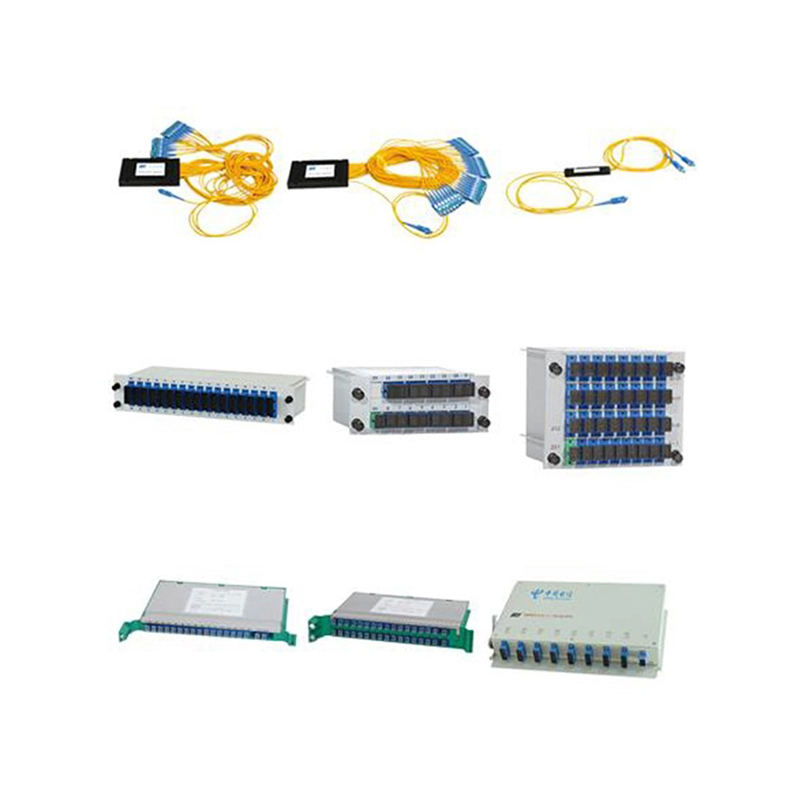
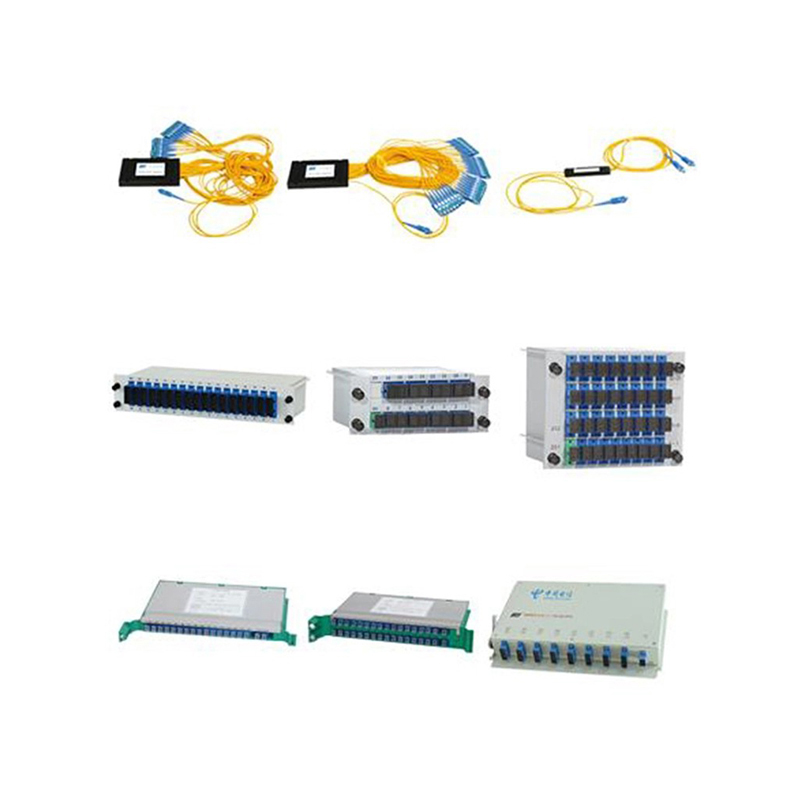
Application:It is used to split one optical signal to multiple output ports. The splitters can be divided into the micro type splitter, the box type splitter, the tray type splitter, and the frame typ...
See Details -
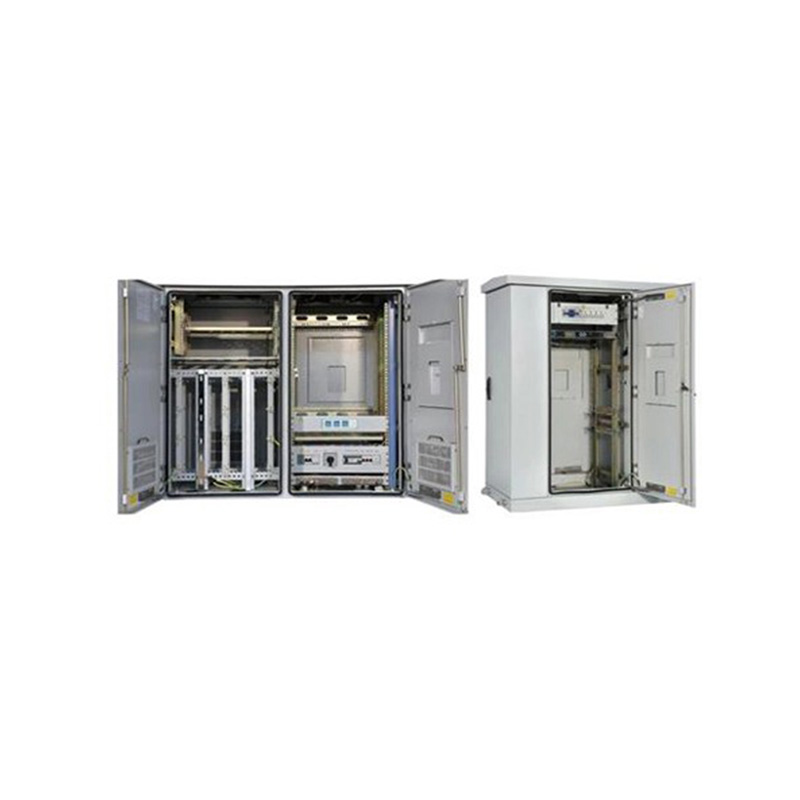
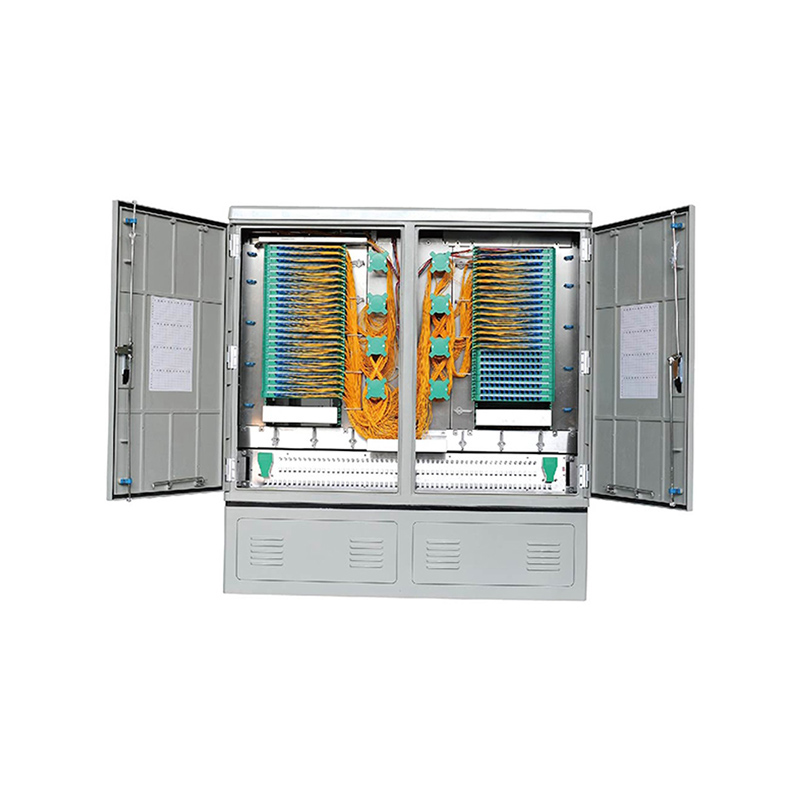
Application:It is used for the fixed network and broadband access, providing physical working environment and security system for the workstation in wired network. Features:•The cabinet is composed of...
See Details -
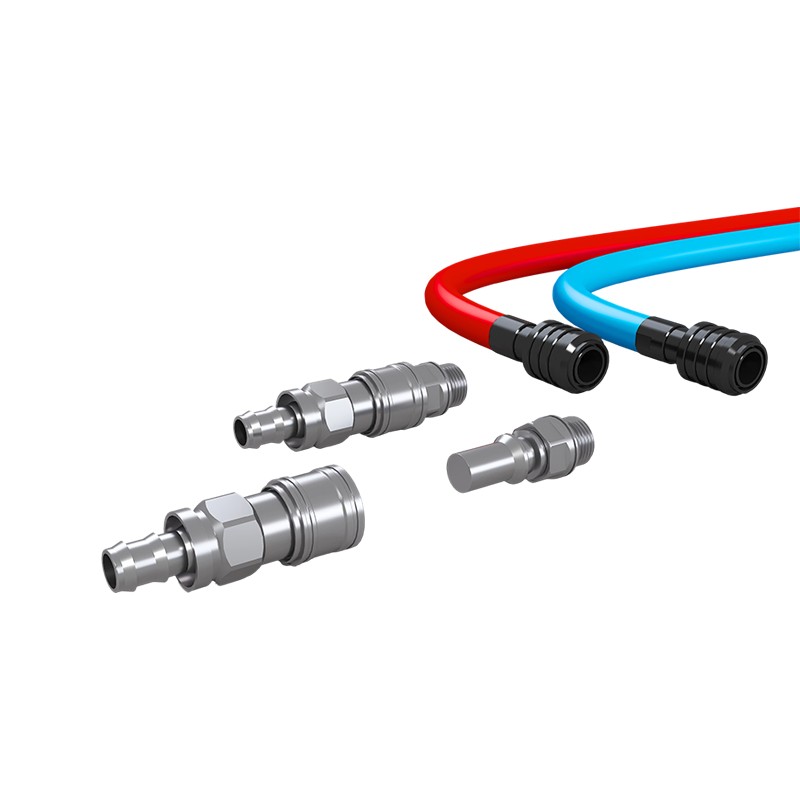
Product OverviewWM-UQD Liquid Cooling Quick Disconnect Coupling is a fluid connection component specifically designed for online maintenance of liquid cooling systems. Both the plug and socket are equ...
See Details
Ready to Get started ? Contact Us Now !

Product.
Contact Details.
-
 +86 13958188250
-
 +86 13958188250
-
 [email protected]
- Wanma Industrial Park Taihu Yuan Town Lin'an District Hangzhou City China.
QR Code

Copyright © Wanma Technology Co., Ltd. All Rights Reserved.
Privacy
Custom Ethernet Optical Network Railway Transit Equipments Suppliers
