

 English
 Français
 Español
 Português
 عربى
عربى




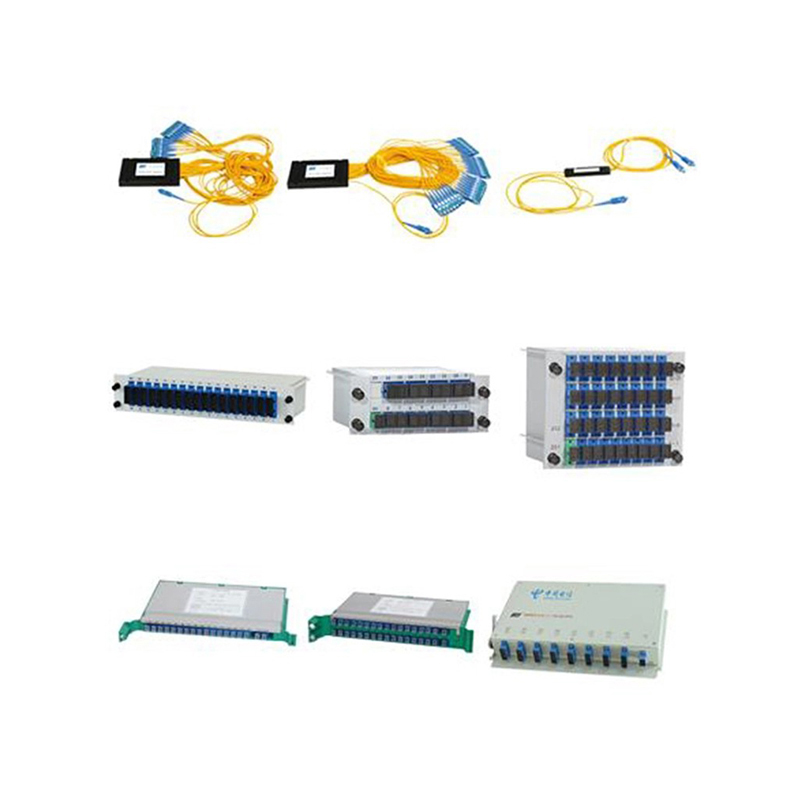
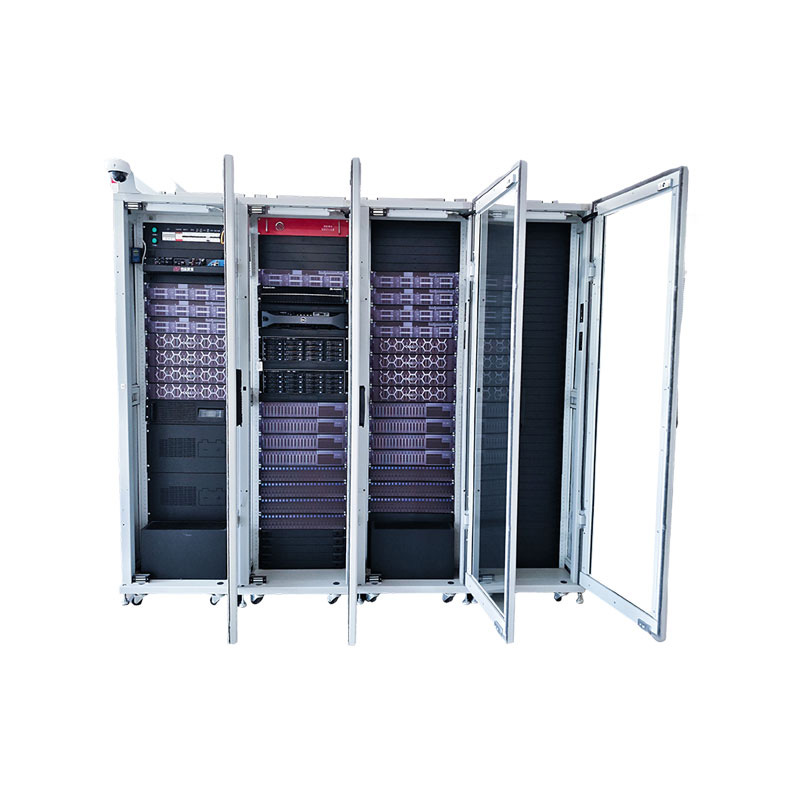
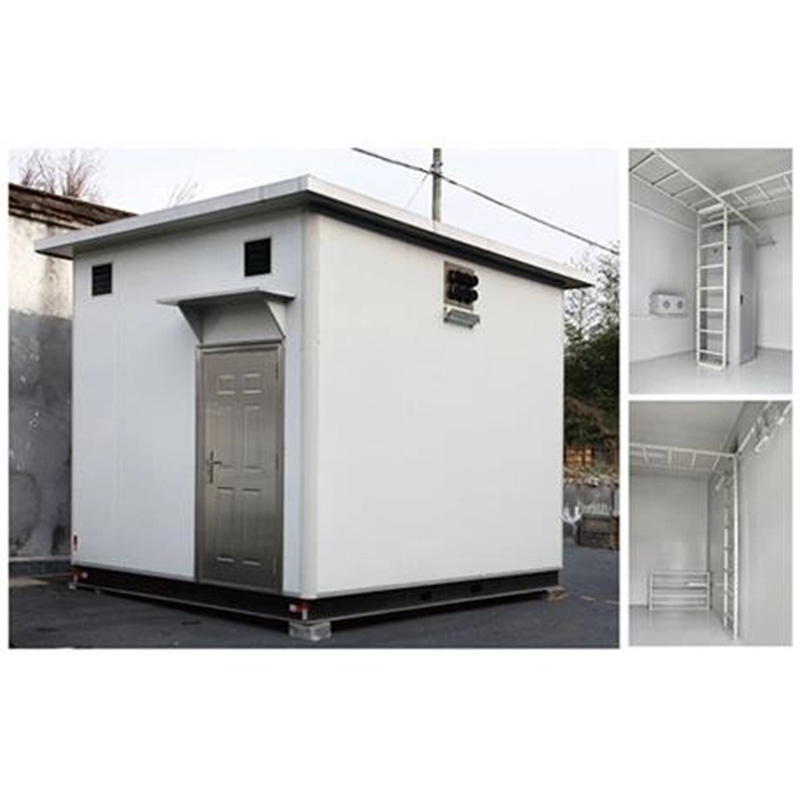
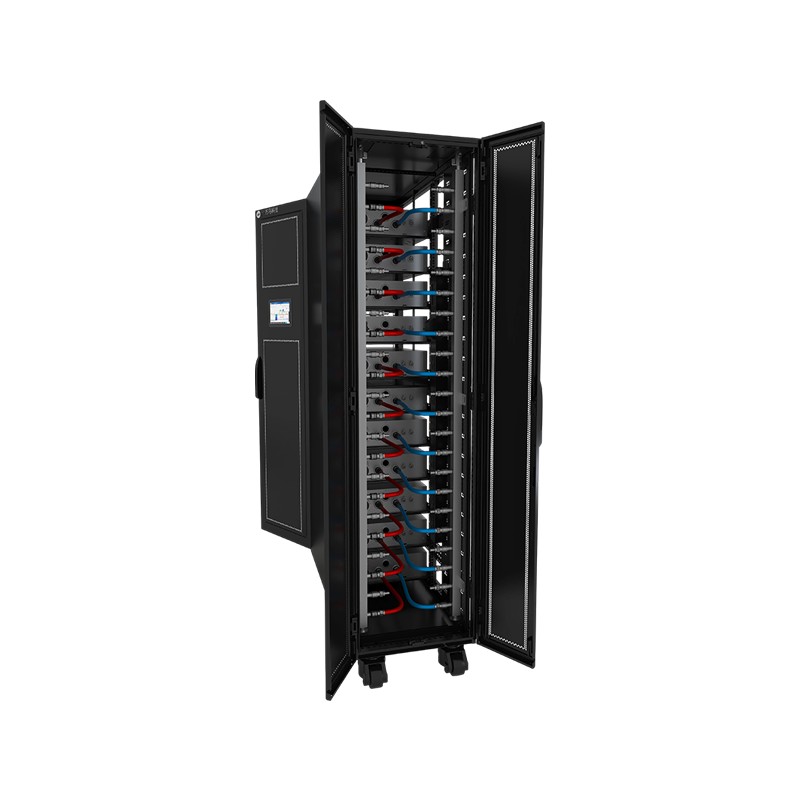
Widely used by China Telecom, China Unicom, China Netcom, China Mobile, Radio and Television, State Grid and Intelligent Residential District, our products is popular in America, Italy, Germany, Egypt...
See DetailsHow Does 5G FTTH Network Modernization Infrastructure Accelerate Digital Transformation?
Content
- 1 The Definitive Verdict: Modernization as the Digital Backbone
- 2 The Market Urgency: Responding to Explosive Data Growth
- 3 Unmatched Economic Value: The 65–96% Cost Advantage
- 4 Technical Enablers: PON, Fiber Density, and Connectorization
- 5 Breaking the Execution Bottleneck: The Industrialization of Deployment
- 6 Strategic Roadmap for a Modernized Network
- 7 Performance Dashboard: Metrics that Matter
- 8 Final Outlook: Building the Network of the Future
The Definitive Verdict: Modernization as the Digital Backbone
5G FTTH network modernization infrastructure is the foundational enabler of sustainable digital transformation. The convergence of fiber-to-the-home (FTTH) with 5G wireless transport is not an optional upgrade—it is a strategic necessity. By modernizing passive optical networks (PON) and aligning them with 5G backhaul requirements, organizations can achieve cost reductions between 65% and 96% compared to building isolated fiber backhaul for 5G. This integrated approach delivers multi-gigabit scalability, sub-millisecond latency, and up to 70% lower energy consumption versus legacy switching architectures. With the global network infrastructure market projected to reach USD 183.9 billion by 2034, the modernization of 5G FTTH infrastructure directly determines an enterprise's capacity to compete in the data-driven economy.
The Market Urgency: Responding to Explosive Data Growth
Digital transformation is fundamentally a capacity and agility challenge. Global fixed broadband subscriptions surpassed 1.6 billion in 2025, with FTTx connections accounting for over 1.17 billion of that total. Simultaneously, 5G connections have scaled to 30 billion globally, placing immense strain on existing backhaul networks. The simultaneous expansion of FTTH densification, 5G small-cell deployment, and AI-driven data center interconnection has shifted the primary constraint from planning to field execution.
Legacy copper and hybrid fiber-coaxial (HFC) networks are incapable of meeting the symmetrical bandwidth demands of modern cloud applications, IoT ecosystems, and real-time analytics. Execution capacity—not capital allocation—has emerged as the critical bottleneck. Organizations that delay 5G FTTH modernization risk creating a digital divide within their own operational footprints, where next-generation services are throttled by outdated last-mile infrastructure.
Unmatched Economic Value: The 65–96% Cost Advantage
The economic rationale for converged 5G FTTH infrastructure is underpinned by rigorous industry analysis. Shared civil works and consolidated fiber assets deliver 40% to 56% upfront capital reduction and up to 50% lower total cost of ownership (TCO) over a 10-year lifecycle. The primary cost drivers of this advantage include:
- Single-trench deployment—Eliminating redundant excavation and permitting costs for separate FTTH and 5G backhaul networks.
- Spare fiber utilization—Incorporating spare capacity during initial FTTH rollouts enables 5G integration with near-zero incremental fiber cost.
- Unified network operations—Consolidated management systems reduce staffing overhead, training complexity, and troubleshooting cycles.
- Accelerated decommissioning—The rapid migration of customers from copper to fiber enables immediate OPEX savings from legacy network maintenance.
With the passive optical components market alone growing from USD 61.5 billion in 2024 to USD 152.6 billion by 2030, the industry is clearly signaling that the economic shift toward converged fiber-wireless infrastructure is both irreversible and urgent.
Technical Enablers: PON, Fiber Density, and Connectorization
Modernizing 5G FTTH infrastructure requires a fundamental upgrade to three core technical domains. These advancements transform static fiber plants into dynamic, scalable assets.
Next-Generation Passive Optical Networks
Modern PON architectures are the linchpin of convergence. WDM-PON and 50G-PON technologies now support symmetric 25 Gb/s to 50 Gb/s fronthaul and backhaul capacities, perfectly matching 5G transport requirements. The inherent point-to-multipoint topology of PON aligns seamlessly with indoor mobile distribution, enabling a unified fixed-mobile access layer that eliminates costly protocol translations and gateway overhead.
High-Density Fiber and Bend-Insensitive Cables
Scalability demands higher fiber counts within the same conduit footprint. Advanced ribbon fiber technology and bend-insensitive single-mode fibers (ITU-T G.657) allow networks to be activated in days rather than months, bypassing the need for new physical infrastructure builds. This density is critical for urban environments where duct space is at a premium and future 5G small-cell densification is anticipated.
Factory-Connectorized, Plug-and-Play Components
The significant operational breakthrough is the industry-wide shift toward pre-terminated, connectorized components. By factory-terminated cables and modular splice cassettes, organizations can reduce field splicing by over 80%. This transformation enables a wider pool of technicians to perform installations with minimal training, effectively sidestepping the skilled-labor shortage that plagues traditional fiber deployments.
Breaking the Execution Bottleneck: The Industrialization of Deployment
Industry workforce analyses indicate that nearly 180,000 additional workers are needed in the US alone to complete current broadband buildout targets. The solution lies not in recruitment alone, but in engineering the process for industrial efficiency.
Standardization is the primary weapon against complexity. Organizations are adopting reusable engineering templates that standardize network architectures across regions. This approach narrows the menu of components, enforces uniform standard operating procedures (SOPs), and guarantees consistent workmanship regardless of the contracting team on site. Every customer migrated from copper to fiber represents a direct reduction in the massive OPEX burden of running parallel legacy infrastructures—a burden that can consume up to 40% of annual network operating budgets in unmodernized regions.
Strategic Roadmap for a Modernized Network
A successful 5G FTTH modernization program follows a phased, execution-focused strategy. The following flow illustrates the critical transition path:
Legacy Copper / HFC ▶ FTTH Overlay with Spare Capacity ▶ Converged PON + 5G Transport ▶ Unified Fixed-Mobile Core ▶ Digital Services Ecosystem
Outcome: 65–96% lower build cost · 70% less energy · 10x faster activation
Outcome: 65–96% lower build cost · 70% less energy · 10x faster activation
The roadmap comprises four distinct execution phases:
- Phase 1: Infrastructure Audit & Spare Planning—Map existing ducts, poles, and fiber assets. Integrate 30–50% spare capacity into all new FTTH builds specifically reserved for future 5G backhaul.
- Phase 2: High-Density Fiber Deployment—Deploy G.657 bend-insensitive ribbon cables and pre-connectorized drop cables to reduce installation time and eliminate splicing defects.
- Phase 3: PON Upgrade & 5G Integration—Implement WDM-PON or 50G-PON line cards in central offices. Activate sliced transport channels dedicated to 5G gNB (base station) fronthaul.
- Phase 4: Operational Standardization—Deploy unified element management systems (EMS) and implement AI-driven predictive maintenance to proactively address fiber degradation and optical power anomalies.
Performance Dashboard: Metrics that Matter
To validate modernization outcomes, organizations must track a specific set of performance indicators. The table below outlines the critical metrics and their strategic significance.
| Performance Metric | Modernization Target | Strategic Impact |
| Deployment Cost Efficiency | 65–96% reduction vs. standalone 5G backhaul | Enables ROI-positive dense urban and rural builds |
| Total Cost of Ownership (TCO) | 40–50% lower over 10-year lifecycle | Frees capital for innovation and edge compute |
| Energy Consumption (per Gb/s) | Up to 70% reduction | Supports ESG compliance and lowers power OPEX |
| Service Activation Cycle | Days instead of months (80% faster) | Accelerates time-to-revenue for new digital services |
| Scalability Ceiling | 1 Gb/s to 100 Gb/s (future-proof PON) | Eliminates infrastructure-led obsolescence |
Final Outlook: Building the Network of the Future
5G FTTH network modernization is the definitive infrastructure response to the digital transformation mandate. The convergence of fixed and wireless networks delivers a multidimensional value proposition: radical cost efficiency, operational simplicity, and technical headroom for emerging applications such as autonomous systems, immersive reality, and distributed AI inference.
With the global telecom infrastructure market on track to nearly double to USD 183.9 billion by 2034, the window for competitive differentiation is narrowing. Organizations that act decisively to modernize their 5G FTTH infrastructure will secure first-mover advantages in customer experience, operational agility, and sustainable growth. The choice is clear: industrialize the converged network today, or struggle with fragmented, costly, and capacity-constrained infrastructure tomorrow.
PREV:What Is an SMC Fiber Optic Cable Distribution Box and Why Is It Important?
NEXT:What Is Ethernet Optical Network Railway Transit Equipment and Why Is It Important for Smart Railways?
NEXT:What Is Ethernet Optical Network Railway Transit Equipment and Why Is It Important for Smart Railways?
Interested in cooperation or have questions?
Related products
-
-
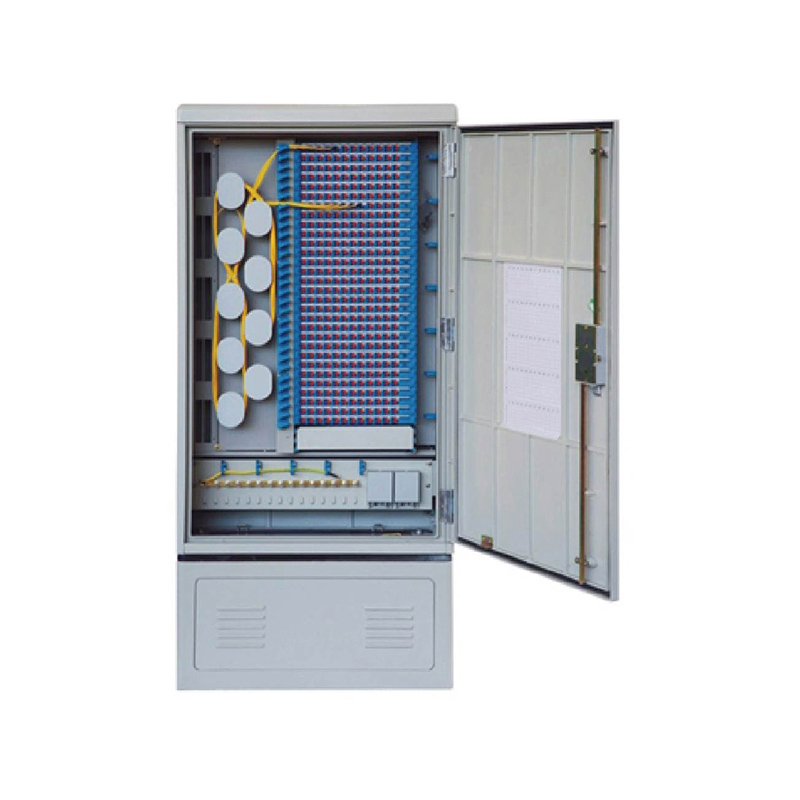
Product Overview The ODC series SMC Optical Fiber Cross Connection Cabinet is used for optical cable connection, distribution and management in outdoor fiber networks. The cabinet adopts an SMC enclos...
See Details -
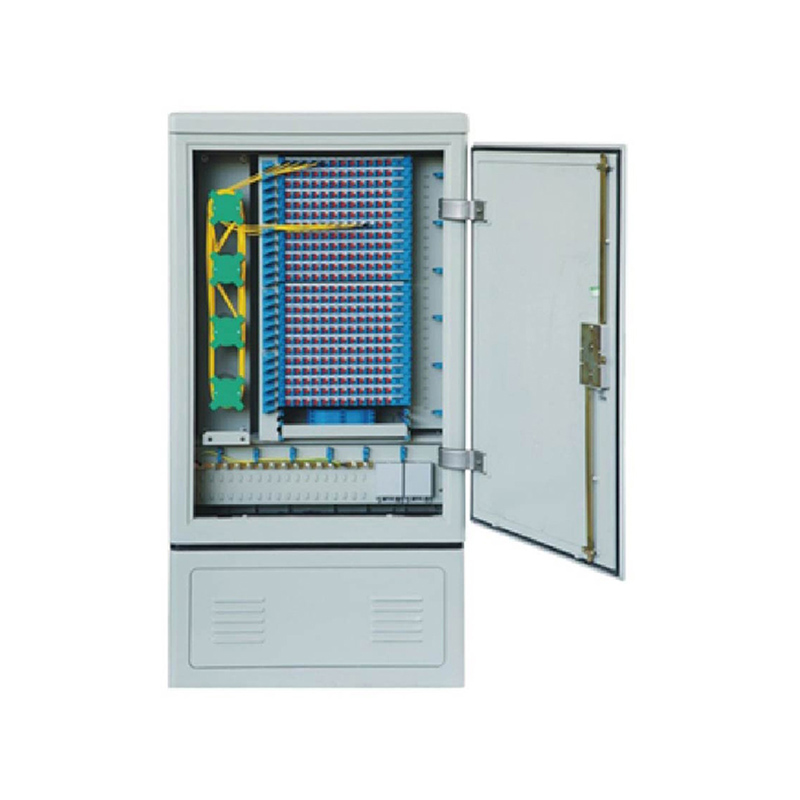
Product Overview The ODC-576B and ODC-576C SMC Optical Fiber Cross Connection Cabinets are used for outdoor optical cable connection, distribution and management. Both models support a capacity of 576...
See Details -
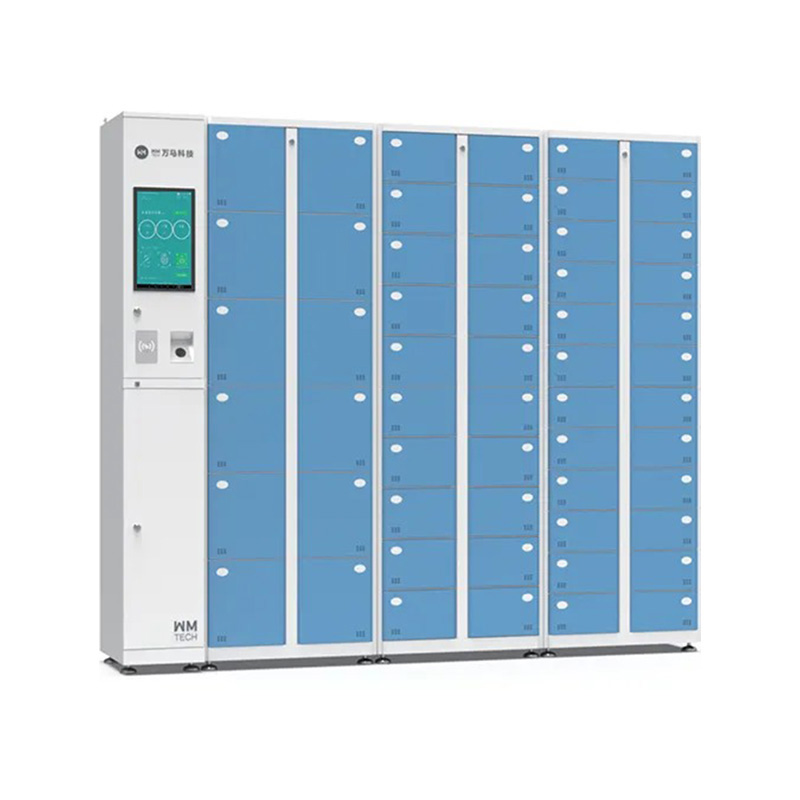
Product Definition:The Intelligent Geng Shoe Box is an advanced storage and management solution for hospitals, operating rooms, and clean zones. It enables automated issuance and collection of shoes a...
See Details
Ready to Get started ? Contact Us Now !

Product.
Contact Details.
-
 +86 13958188250
-
 +86 13958188250
-
 [email protected]
- Wanma Industrial Park Taihu Yuan Town Lin'an District Hangzhou City China.
QR Code

Copyright © Wanma Technology Co., Ltd. All Rights Reserved.
Privacy
Custom Ethernet Optical Network Railway Transit Equipments Suppliers
