

 English
 Français
 Español
 Português
 عربى
عربى





Product Overview The WM-G1152A and WM-G576A SMC Optical Fiber Cross Connection Cabinets are designed for outdoor optical cable connection, distribution and management. The cabinets adopt SMC enclosure...
See DetailsWhat Is an SMC Fiber Optic Cable Distribution Box and Why Is It Important?
Content
- 1 What Is an SMC Fiber Optic Cable Distribution Box and Why Is It Important?
- 2 Defining the SMC Fiber Optic Distribution Box
- 3 The Core Importance: Why Material Matters
- 4 Key Applications and Core Functions
- 5 Performance and Environmental Specifications
- 6 Material Comparison: SMC vs. Other Enclosure Types
- 7 Frequently Asked Questions (FAQ)
What Is an SMC Fiber Optic Cable Distribution Box and Why Is It Important?
An SMC fiber optic cable distribution box is a rugged, weatherproof enclosure engineered to terminate, splice, and distribute optical fibers in outdoor and industrial network environments. Its importance lies in the material itself—Sheet Molding Compound (SMC)—which provides exceptional mechanical strength, UV resistance, and watertight sealing (typically IP65 or IP66). This ensures long-term signal integrity and network reliability where standard plastic boxes would quickly degrade, making it a cornerstone of modern Fiber-to-the-Home (FTTH) and passive optical network (PON) infrastructures.
Defining the SMC Fiber Optic Distribution Box
A fiber distribution box (FDB) serves as a critical junction point within the optical distribution network (ODN). It is the physical interface where feeder cables from the service provider are connected to drop cables that run to individual homes or businesses. The SMC variant is distinct because it is manufactured from a composite material—thermosetting resins reinforced with glass fibers—which gives it a unique combination of lightweight structural rigidity and environmental resilience.
Beyond simple cable management, these boxes are multifunctional. They provide a secure, organized environment for fiber splicing, connector termination, and housing optical splitters (e.g., 1:4, 1:8, 1:32). Internal layouts typically feature a rotatable distribution panel with dedicated cable fixation points and slack storage, all designed to maintain the optical fiber's minimum bend radius and prevent micro-bending losses.
The Core Importance: Why Material Matters
The material of a distribution box is the single most important factor determining its service life and performance. Choosing SMC over other materials directly addresses the physical and environmental challenges of outdoor deployment.
1. Unmatched Durability and Weather Resistance
SMC boxes are engineered to withstand extreme conditions. They are inherently waterproof, dustproof, and offer excellent protection against ultraviolet radiation. These enclosures are rated IP65 or IP66, meaning they are completely dust-tight and can resist powerful water jets or temporary immersion, safeguarding optical components from moisture, temperature swings, and solar exposure.
2. High Mechanical Strength
Compared to thermoplastics like ABS or polycarbonate, SMC offers significantly higher impact resistance and structural rigidity. It can withstand accidental impacts, heavy wind loads, and even vandalism without cracking or deforming. While SMC is heavier than standard plastics, this trade-off is essential for robust outdoor applications where a lighter, weaker enclosure would compromise network uptime.
3. Long-Term Cost Efficiency
Although the upfront cost of an SMC box is higher than that of an indoor-grade plastic alternative, its longevity translates into substantial long-term savings. Network operators experience fewer replacements, lower maintenance expenses, and minimized service disruptions, making it a highly cost-effective choice for critical infrastructure that demands zero downtime.
Key Applications and Core Functions
SMC fiber optic distribution boxes are versatile and integral to various network architectures. Their functions vary depending on the deployment scenario.
- FTTH/FTTX Networks: They act as the primary termination point at the user's premises or as a neighborhood aggregation point, facilitating the final connection from the distribution network to individual homes.
- Outdoor Pole-Mounted and Wall-Mounted Installations: Their robust construction makes them ideal for attachment to telephone poles or exterior walls, where they are fully exposed to rain, dust, and temperature extremes.
- CATV and Enterprise Data Networks: Beyond telecom, they are widely used in cable television and corporate networks to reliably manage and distribute optical signals across campuses or metropolitan areas.
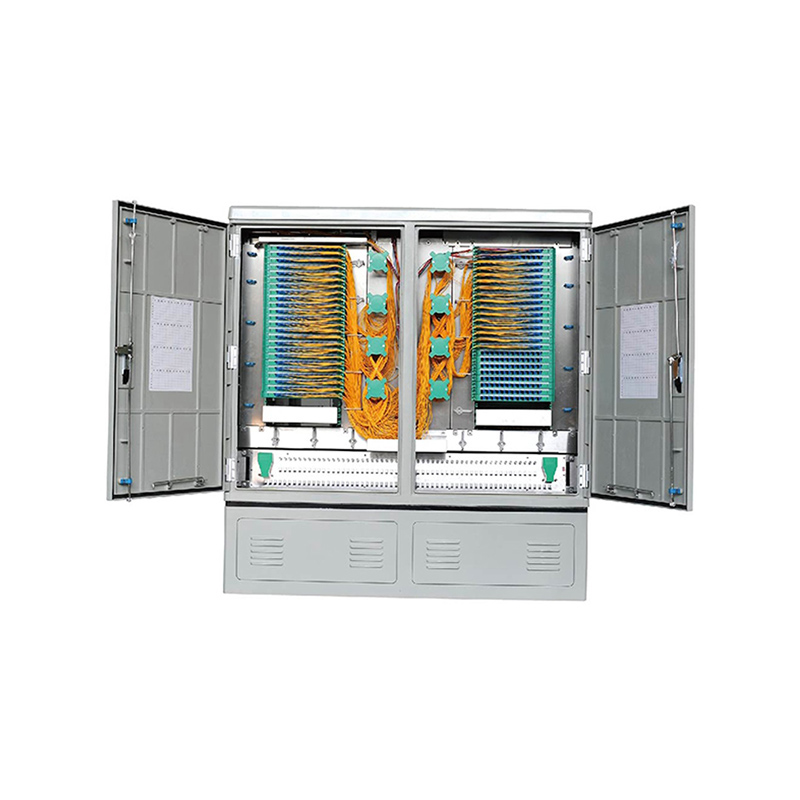
Typical SMC distribution boxes support core capacities ranging from 8 to 48 fibers, with larger cabinet-style versions accommodating up to 576 cores for central office or headend applications.
Performance and Environmental Specifications
To ensure reliable operation, these boxes are designed and tested against stringent technical parameters. The table below outlines the typical operating environment for an outdoor SMC distribution box.
| Parameter | Outdoor Condition Range | Indoor Condition Range |
| Operating Temperature | -40°C to +60°C | -10°C to +40°C |
| Relative Humidity | ≤95% (+40°C) | ≤85% (+30°C) |
| Atmospheric Pressure | 70 kPa ~ 106 kPa | 70 kPa ~ 106 kPa |
| Protection Rating | IP65 / IP66 (Dust-tight, water-jet proof) | IP53 - IP55 (Indoor use) |
Electrically, these boxes ensure low insertion loss (typically ≤0.3 dB) and high return loss for APC connectors (≥60 dB), guaranteeing minimal signal attenuation and high-quality transmission.
Material Comparison: SMC vs. Other Enclosure Types
Selecting the correct material is a strategic decision. SMC is the premium choice for outdoor resilience, while ABS+PC offers a cost-performance balance for indoor or sheltered applications.
| Property | SMC (Sheet Molding Compound) | ABS+PC | ABS |
| Durability | Excellent | Good | Moderate |
| UV Resistance | Excellent | Moderate | Low |
| Weight | Heavy | Moderate | Lightweight |
| Cost | High | Moderate | Low |
| Primary Application | Outdoor, Harsh Environments | Outdoor (Sheltered), Indoor | Indoor |
Frequently Asked Questions (FAQ)
What does SMC stand for in fiber optic distribution boxes?
SMC stands for Sheet Molding Compound. It is a high-strength composite material made from thermosetting resins and glass fibers, valued for its exceptional durability and resistance to environmental stressors.
What is the difference between an SMC and an ABS distribution box?
The core difference is application suitability. An SMC box is heavier, more durable, and highly UV-resistant, making it ideal for outdoor use. An ABS box is lightweight and cost-effective but is best suited for indoor environments where it is protected from direct weather exposure.
What is the typical IP rating for an outdoor SMC fiber distribution box?
Outdoor SMC boxes are typically rated IP65 or IP66. This classification ensures they are dust-tight and protected against low-pressure water jets (IP65) or powerful water jets (IP66), guaranteeing reliable operation in rain, dust, and high-humidity conditions.
Can I install an optical splitter inside an SMC distribution box?
Yes, these boxes are designed to accommodate optical splitters. They support various configurations, including 1:4, 1:8, 1:16, and 1:32, which are essential for distributing a single fiber signal to multiple users in an FTTH network.
PREV:What Is Ethernet Optical Network Railway Transit Equipment and How Does It Improve Rail Communications?
NEXT:How Does 5G FTTH Network Modernization Infrastructure Accelerate Digital Transformation?
NEXT:How Does 5G FTTH Network Modernization Infrastructure Accelerate Digital Transformation?
Interested in cooperation or have questions?
Related products
-
-
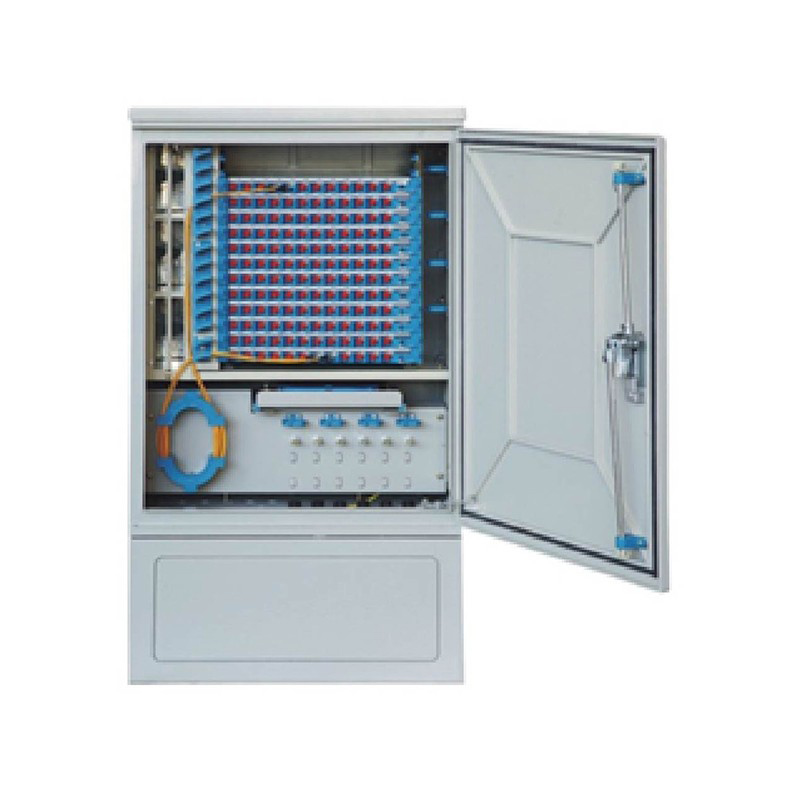
Product Overview The ODC series SMC fiber optic distribution box is an outdoor fiber optic distribution equipment designed for access and aggregation networks. It is primarily used for the interconne...
See Details -
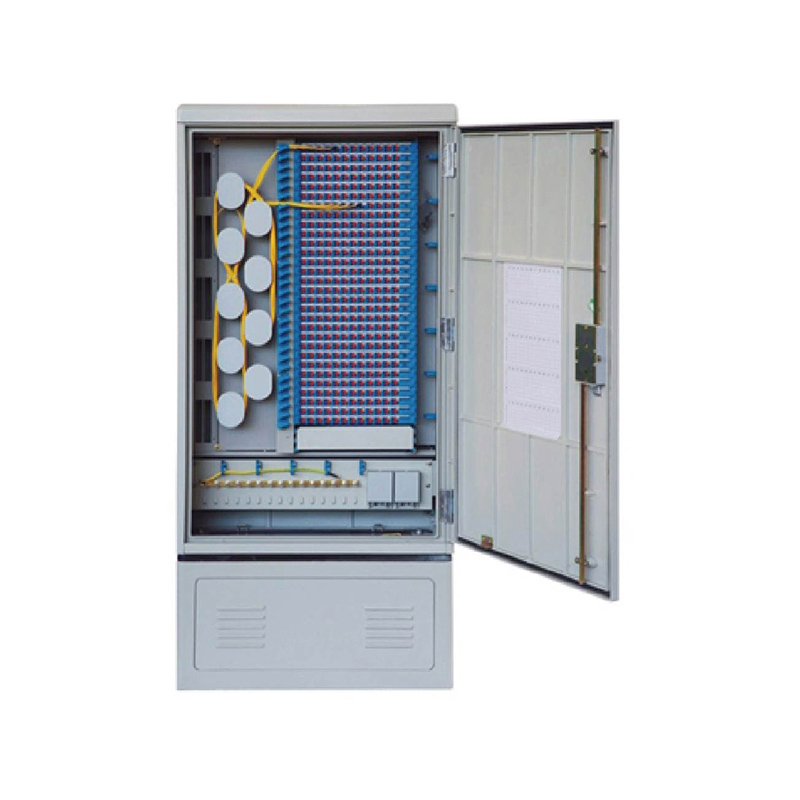
Product Overview The ODC series SMC Optical Fiber Cross Connection Cabinet is used for optical cable connection, distribution and management in outdoor fiber networks. The cabinet adopts an SMC enclos...
See Details -
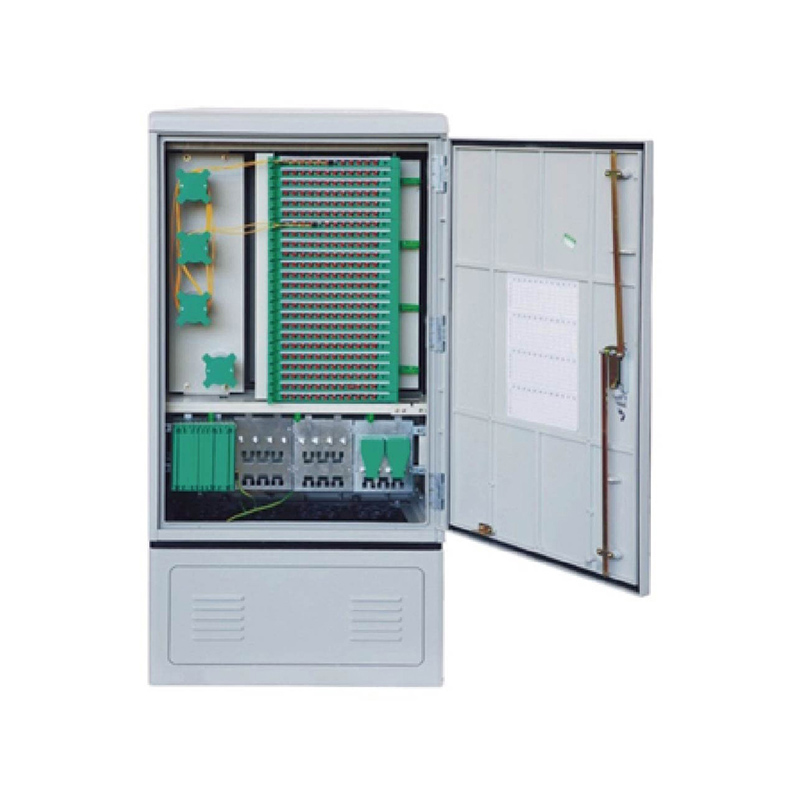
Product Overview The ODC-288B and ODC-288C SMC Optical Fiber Cross Connection Cabinets are used for optical cable connection, distribution and management in outdoor fiber networks. The cabinets adopt ...
See Details
Ready to Get started ? Contact Us Now !

Product.
Contact Details.
-
 +86 13958188250
-
 +86 13958188250
-
 [email protected]
- Wanma Industrial Park Taihu Yuan Town Lin'an District Hangzhou City China.
QR Code

Copyright © Wanma Technology Co., Ltd. All Rights Reserved.
Privacy
Custom Ethernet Optical Network Railway Transit Equipments Suppliers
