

 English
 Français
 Español
 Português
 عربى
عربى



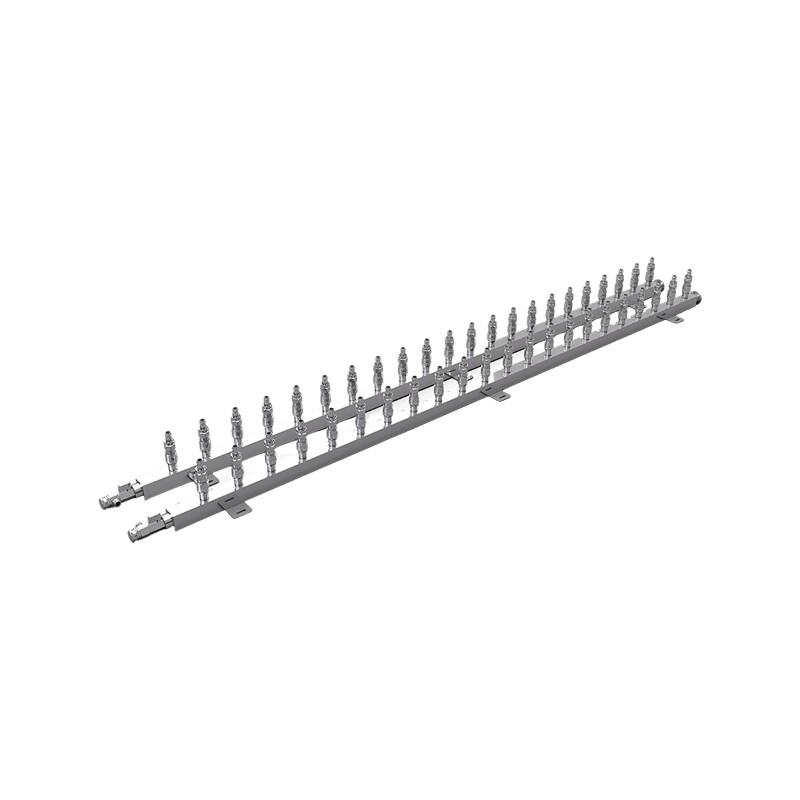
Product Definition:The Smart Recycling system is an advanced management solution for hospital operating rooms and clean zones, designed for the collection of surgical gowns, shoe covers, and work unif...
See DetailsWhy Are Smart Medical Workstation Carts Becoming the Standard in Modern Hospitals?
Content
- 1 Introduction: Why the Smart Medical Workstation Cart is Becoming a Hospital Standard
- 2 What is a Smart Medical Workstation Cart
- 3 Main Functions of the Smart Medical Workstation Cart
- 4 Application of Smart Medical Workstation Cart in Different Medical Scenarios
- 5 How to Choose the Right Smart Medical Workstation Cart
- 6 Future Development Trends of Smart Medical Workstation Carts
- 7 The Value of Smart Medical Workstation Carts to Hospital Management
- 8 Changes in the Global Healthcare Industry Demand for Smart Medical Workstation Carts
- 9 Conclusion
Introduction: Why the Smart Medical Workstation Cart is Becoming a Hospital Standard
With the continuous acceleration of global medical digitalization, hospital informatization construction has gradually moved from the traditional "system launch" stage to the "smart healthcare ecosystem" stage. The widespread application of technologies such as electronic medical record systems, remote consultation platforms, mobile nursing, smart medication management, and AI-assisted diagnosis is reshaping the workflow of modern hospitals. In this context, the Smart Medical Workstation Cart, which supports mobile office, real-time data processing, and multi-scenario collaboration, is becoming an indispensable and important piece of equipment in hospitals.
In traditional healthcare environments, medical staff often need to travel frequently between the nurse station and the ward, which not only wastes time but also easily affects work efficiency. Today, however, more and more hospitals are deploying smart mobile devices such as medical computer carts and mobile healthcare workstations, enabling medical staff to complete medical record entry, medication verification, vital signs checking, and remote collaboration at the patient's bedside.
Especially in large general hospitals, ICUs, emergency centers, and mobile medical scenarios, the value of the hospital workstation cart is becoming increasingly obvious. It not only improves nursing efficiency but also reduces human errors to a certain extent and enhances patient safety.
In addition, as the healthcare industry's requirements for infection control continue to rise, the Smart Medical Workstation Cart—featuring antimicrobial design, easy-to-clean materials, and contactless operation—has gradually become an important direction for hospital procurement. Compared with traditional carts, the new generation of clinical workstations on wheels emphasizes intelligence, ergonomics, and high battery life, meeting the demands for 24/7 use in complex medical environments.
It can be said that the Smart Medical Workstation Cart is no longer just a mobile cart, but one of the important infrastructures of modern smart hospitals.
What is a Smart Medical Workstation Cart
Definition of Smart Medical Workstation Cart
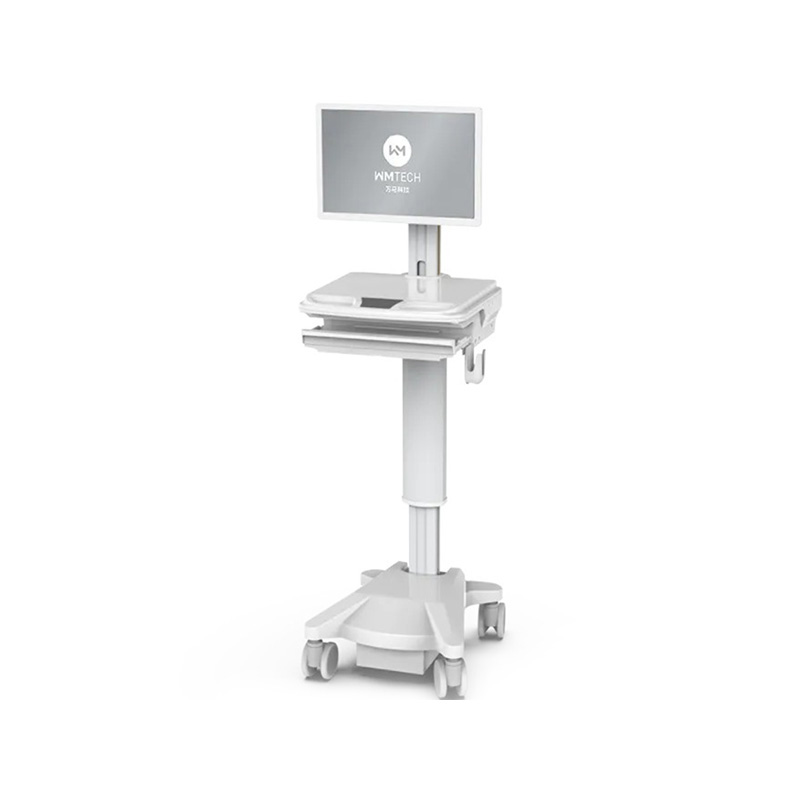
The Smart Medical Workstation Cart is commonly known as a smart medical workstation cart, a mobile medical platform that integrates a computer system, power module, display equipment, data collection equipment, and storage functions. It allows medical staff to move freely within the hospital and access medical information systems at any time.
Compared with traditional medical carts, modern medical computer carts place greater emphasis on intelligence and information interconnection capabilities. It can not only support the Electronic Medical Record (EMR) system but also connect to barcode scanners, printers, vital sign monitoring equipment, and remote communication systems.
In many smart hospitals, the mobile healthcare workstation has become an essential tool for doctors' rounds and nurses' care. Medical staff do not need to return to a fixed workstation; they can directly complete data entry and information queries at the patient's bedside.
This model not only improves work efficiency but also enhances the patient experience. Patients can see medical staff checking and updating their medical records in real time, thereby increasing medical transparency and trust.
Core Components of a Smart Medical Workstation Cart
A complete Smart Medical Workstation Cart usually consists of multiple core modules, each directly affecting the overall user experience.
1. Monitor System
The monitor is the core part of a medical cart with monitor. Modern medical carts usually adopt high-definition LCD screens and support angle adjustment and touch operation.
Different departments have different monitor requirements:
| Medical Scenario | Display Requirements |
| ICU | High resolution, multi-data display |
| Emergency Department | Fast response, shock-resistant |
| General Ward | Easy to move, low power consumption |
| Remote Consultation | High-definition video support |
More and more hospitals are starting to adopt dual-screen or even multi-screen designs to improve multi-tasking capabilities.
2. Battery and Power System
High battery life is one of the key indicators of a Smart Medical Workstation Cart. Since medical work often lasts for a long time, the equipment must support stable operation over extended periods.
Currently, mainstream hospital workstation carts mostly adopt lithium battery solutions, and some high-end devices support hot-swappable batteries.
3. Data Input Devices
These include keyboards, touch screens, scanners, and RFID reading devices. The scanning system is particularly important because medication verification has become a crucial means for modern hospitals to reduce medication errors.
4. Storage and Medication Management Module
Many clinical workstations on wheels integrate drawers, medication management systems, and locking functions to facilitate medication transportation and management.
Differences from Traditional Hospital Workstation Carts
Traditional medical carts are mainly used for transporting medicines or instruments, while the modern Smart Medical Workstation Cart is more like a complete mobile information center.
The following are the main differences between the two:
| Comparison Dimension | Traditional Cart | Smart Medical Workstation Cart |
| Informatization Capability | Basically none | Supports EMR and HIS systems |
| Mobile Office | Limited | Highly supported |
| Data Entry | None | Real-time entry |
| Remote Collaboration | Not supported | Supports video consultation |
| Infection Control Design | Ordinary | Antimicrobial and easy to clean |
| Battery Power | None | Long battery life power supply |
With the digital upgrade of hospitals, traditional carts can no longer meet modern medical needs, making intelligent upgrading an industry trend.
Main Functions of the Smart Medical Workstation Cart
Improving Medical Staff Work Efficiency
In modern hospitals, time is life. Medical staff need to process a large amount of patient information every day. If they frequently travel between the nurse station and the ward, it not only affects efficiency but also easily increases work fatigue.
One of the biggest advantages of the Smart Medical Workstation Cart is helping medical staff achieve true mobile office capabilities.
Through the medical computer cart, nurses can directly enter nursing records, verify medication information, view medical orders, and print labels at the bedside. Doctors can also view imaging data and test results in real time during ward rounds.
This "diagnosing while recording" mode greatly reduces repetitive work.
According to public data from some hospitals, after deploying mobile healthcare workstations, nurses can save an average of more than 1 hour of round-trip time per day.
Supporting Mobile Nursing Scenarios
Mobile nursing has become an important development direction for modern hospitals.
In the past, nursing records usually had to be entered into a computer uniformly after the end of the shift, but now, the Smart Medical Workstation Cart allows nurses to update data in real time.
For example:
- Infusion status recording
- Vital signs monitoring
- Medication distribution confirmation
- Barcode scanning verification
- Patient identity verification
This real-time data synchronization capability not only improves efficiency but also reduces the risk of medical errors.
Especially in emergency and ICU environments, the flexibility of the clinical workstation on wheels is particularly important.
Visualization Advantages of the Medical Cart with Monitor
Modern medicine increasingly relies on data visualization.
The medical cart with a monitor can help medical staff view patient information more intuitively. For example:
- ECG waveforms
- Blood oxygen data
- CT and MRI images
- Real-time vital signs
- Video consultation screens
In telemedicine scenarios, high-definition monitors can also support remote guidance from specialists.
Especially in primary healthcare institutions, mobile healthcare workstations can help doctors in remote areas establish connections with large hospitals, thereby improving the overall utilization rate of medical resources.
Application of Smart Medical Workstation Cart in Different Medical Scenarios
Application in Hospital Wards
General wards are one of the most widely used scenarios for the Smart Medical Workstation Cart.
Nurses need to complete a large amount of repetitive work every day, including:
- Patient information verification
- Medication recording
- Nursing record updates
- Infusion checks
- Execution of medical orders
In the traditional mode, these tasks often require switching back and forth between the nurse station and the ward.
The emergence of the hospital workstation cart allows nurses to complete all operations directly at the bedside.
Especially in large hospitals, the improvement in nursing efficiency is very obvious.
In addition, many hospitals integrate medication drawers and scanning systems into the Smart Medical Workstation Cart to achieve a "mobile pharmacy" function.
Application in Emergency Centers
The emergency department has extremely high requirements for equipment response speed.
In an emergency environment, medical staff must quickly obtain patient information and complete emergency processing.
Therefore, the clinical workstation on wheels has huge advantages in emergency scenarios.
For example:
- Viewing patient medical records in real time
- Quickly entering rescue records
- Connecting to vital sign monitoring equipment
- Remote consultation support
- Medication management
Due to the frequent movement of people in the emergency area, the equipment also needs to have good mobility and stability.
Many Smart Medical Workstation Carts use silent swivel wheels and anti-collision designs to adapt to complex environments.
Application in Operating Rooms and ICUs
Operating rooms and ICUs are scenarios that highly depend on real-time data.
In these environments, medical staff need to monitor multiple device data simultaneously, so the high-resolution display capability of the medical cart with a monitor is particularly important.
Modern mobile healthcare workstations in ICUs can often connect to:
- Ventilators
- ECG monitors
- Infusion pumps
- Anesthesia systems
- Hospital information systems
In this way, doctors can view all key data on the same platform.
In addition, since ICUs have extremely high requirements for infection control, the equipment usually adopts antimicrobial coatings and seamless designs for easy cleaning and disinfection.
Application of Mobile Healthcare Workstation in Telemedicine
Telemedicine is becoming an important development direction in the global healthcare industry.
Especially in areas with insufficient primary medical resources, mobile healthcare workstations can help doctors achieve remote diagnosis and treatment.
Through high-definition cameras and monitors, primary hospitals can establish real-time connections with large medical centers.
For example:
| Application Scenario | Function |
| Remote Consultation | Real-time video communication |
| Mobile Ward Rounds | Multi-department collaboration |
| Remote Area Healthcare | Remote expert support |
| Home Care | Door-to-door medical service |
This model not only improves the utilization rate of medical resources but also improves the medical experience of patients in remote areas.
How to Choose the Right Smart Medical Workstation Cart
Battery Life
Battery life is one of the most important indicators when purchasing a Smart Medical Workstation Cart.
Hospital work usually runs 24 hours a day, so the equipment must have stable power supply capabilities.
Focus on the following when purchasing:
- Battery capacity
- Hot-swappable function
- Charging time
- Battery lifespan
- Power safety certification
For ICU and emergency environments, it is recommended to choose a medical computer cart that supports long-term operation.
Monitor and Equipment Compatibility
There are differences in the information systems of different hospitals, so compatibility is very important.
High-quality hospital workstation carts usually support:
- Windows system
- Linux system
- HIS system
- PACS system
- EMR system
- Barcode scanning equipment
In addition, the monitor size also needs to be selected according to the department's needs.
For example:
| Department | Recommended Monitor Size |
| General Ward | 22-24 inches |
| ICU | 24-27 inches |
| Operating Room | 27 inches and above |
| Remote Consultation | High-definition large screen |
Infection Control and Easy-to-Clean Design
Hospitals are high-infection-risk environments, so equipment must meet strict infection control requirements.
Modern Smart Medical Workstation Carts usually adopt the following designs:
- Antimicrobial surface materials
- Seamless structure
- Waterproof keyboard
- Easy-to-disinfect coating
- Rounded corner design
These designs not only improve safety but also reduce maintenance costs.
Mobility of Clinical Workstation on Wheels
Mobility directly affects the user experience.
High-quality clinical workstations on wheels usually feature:
- Silent swivel wheels
- High-stability chassis
- Adjustable height
- Lightweight structure
For scenarios that require frequent movement, such as emergency departments and ward nursing, mobility is particularly important.
Importance of Ergonomic Design
Long-term use of equipment that does not conform to ergonomics can easily lead to fatigue among medical staff.
Therefore, more and more hospitals are paying attention to ergonomic design.
Excellent Smart Medical Workstation Carts usually support:
- Height adjustment
- Sit-stand alternation
- Rotatable monitor
- Flexible keyboard tray
- Single-handed operation
These designs can effectively reduce the physical burden of long-term work.
Future Development Trends of Smart Medical Workstation Carts
Integration of AI and Smart Healthcare
Artificial intelligence is profoundly changing the healthcare industry.
In the future, the Smart Medical Workstation Cart will likely be not just an information entry device, but an AI-assisted diagnosis and treatment platform.
For example:
- AI-assisted image analysis
- Smart voice entry
- Automatic medical record generation
- Risk warning system
- Smart nursing reminders
These functions will further improve medical efficiency.
IoT Medical Device Interconnection
The development of Internet of Things (IoT) technology makes data interconnection between medical devices possible.
Future mobile healthcare workstations will be able to connect to more devices, achieving unified management.
For example:
| IoT Connected Device | Application Value |
| Vital Signs Monitor | Real-time data synchronization |
| Smart Medicine Cabinet | Automatic medication management |
| RFID System | Patient identification |
| Infusion Equipment | Automatic monitoring |
| AI Diagnosis System | Assisted decision-making |
This highly interconnected model will drive the further development of smart hospitals.
Automated Medication Management
Medication management has always been a key focus in hospital operations.
In the future, the Smart Medical Workstation Cart will likely integrate smarter medication management functions.
For example:
- Automatic medication identification
- Smart inventory management
- RFID tracking
- Permission management system
These functions will further reduce the risks of medication management.
Lighter Hospital Workstation Cart Design
With the advancement of material technology, future equipment will become more lightweight.
Traditional medical carts are often heavy, which is not conducive to long-distance movement. The new generation of Smart Medical Workstation Carts emphasizes:
- Lightweight structure
- Modular design
- Lower energy consumption
- Higher battery life
- Quieter operation
These trends will further improve the user experience of medical staff.
The Value of Smart Medical Workstation Carts to Hospital Management
In addition to improving clinical efficiency, the Smart Medical Workstation Cart is also of great significance to the overall management of the hospital.
First, it can help hospitals achieve more standardized workflows.
Through unified information system access, hospitals can better monitor nursing quality, medication usage, and patient data.
Secondly, the medical computer cart can help hospitals reduce operating costs.
Although the initial procurement investment is high, in the long run, it can reduce paper records, lower the rate of human errors, and improve overall work efficiency.
In addition, the mobile working model can also improve patient satisfaction.
Patients do not need to wait a long time for medical staff to return to the nurse station to enter information; instead, they can receive more timely services at the bedside.
For modern hospitals, the hospital workstation cart is no longer just a piece of equipment, but an important component of the smart healthcare system.
Changes in the Global Healthcare Industry Demand for Smart Medical Workstation Carts
In recent years, the global healthcare industry's demand for Smart Medical Workstation Carts has continued to grow.
The main reasons driving this trend include:
- Medical digital transformation
- Acceleration of an aging society
- Shortage of medical staff
- Increased demand for mobile nursing
- Rapid development of telemedicine
Especially after the pandemic, hospitals place greater emphasis on mobile medical equipment and infection control capabilities.
Many medical institutions have begun upgrading traditional equipment and deploying more intelligent mobile healthcare workstations.
In addition, hospital construction in emerging market countries has also brought massive demand.
With the popularization of the smart hospital concept, the market size of clinical workstations on wheels is expected to continue to expand.
Conclusion
In the modern smart healthcare system, the Smart Medical Workstation Cart has become an important tool for improving medical efficiency and nursing quality.
From general wards to ICUs, from emergency centers to telemedicine, the medical computer cart is continuously expanding its application scenarios.
Compared with traditional carts, the modern mobile healthcare workstation not only possesses stronger informatization capabilities but also helps hospitals achieve more efficient, safe, and intelligent medical services.
PREV:What Is Ethernet Optical Network Railway Transit Equipment and Why Is It Important for Smart Railways?
NEXT:How can we ensure the stable operation of an outdoor Telecom Power Cabinet in extreme environments?
NEXT:How can we ensure the stable operation of an outdoor Telecom Power Cabinet in extreme environments?
Interested in cooperation or have questions?
Related products
-
-
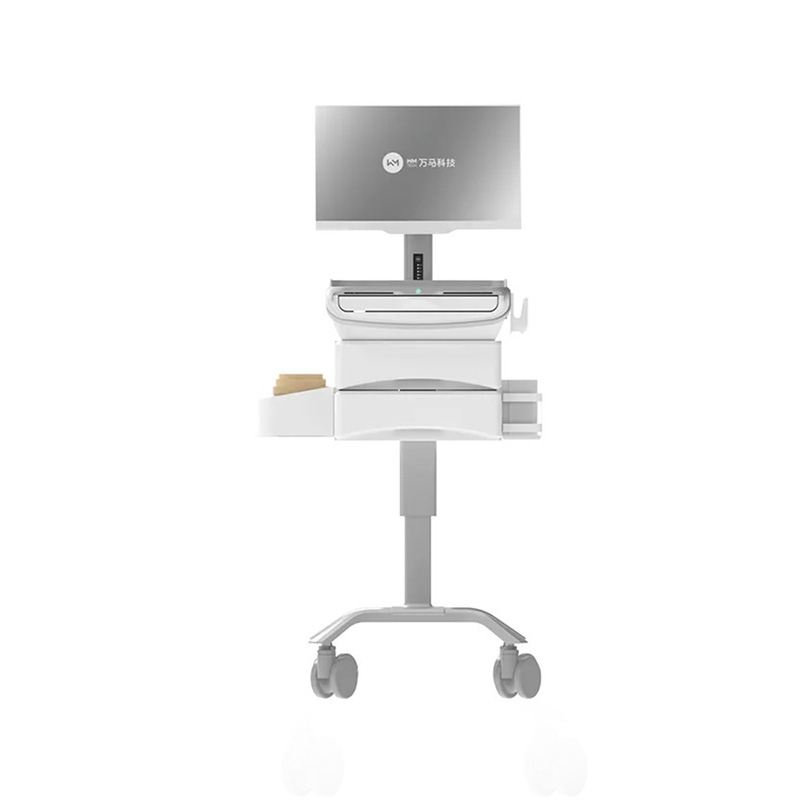
Product DefinitionThe WMYC-J2-24 Medical Cart (with Drawer) is an intelligent mobile workstation designed for modern clinical environments. Featuring a lightweight aluminum structure, it integrates a ...
See Details -
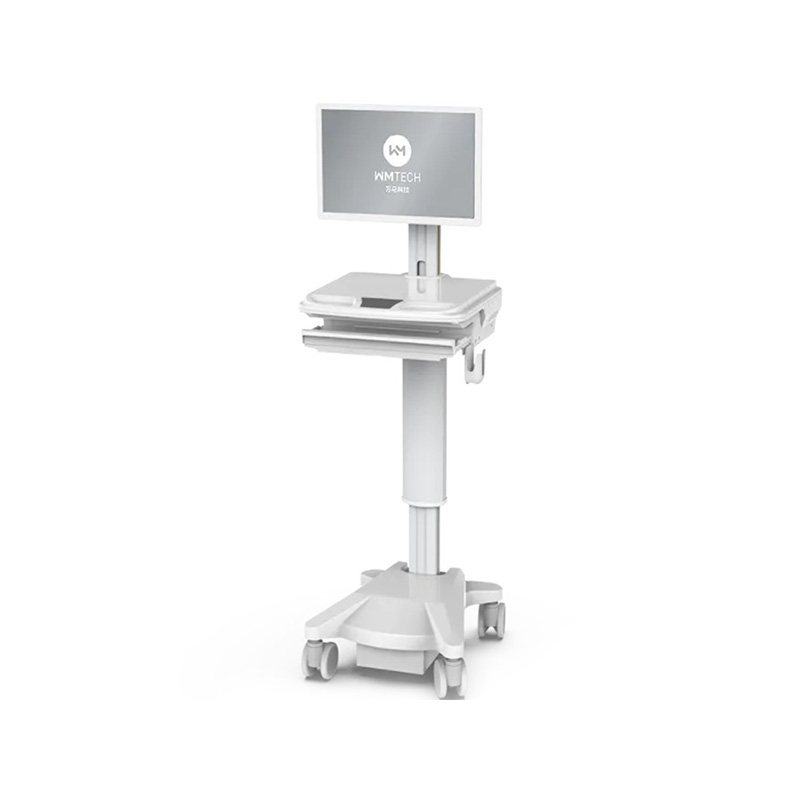
Product DefinitionThe WMYC-D2-30 Medical Cart is an intelligent mobile medical workstation integrating informatization and clinical assistance functions. It supports medical order management, patient ...
See Details -
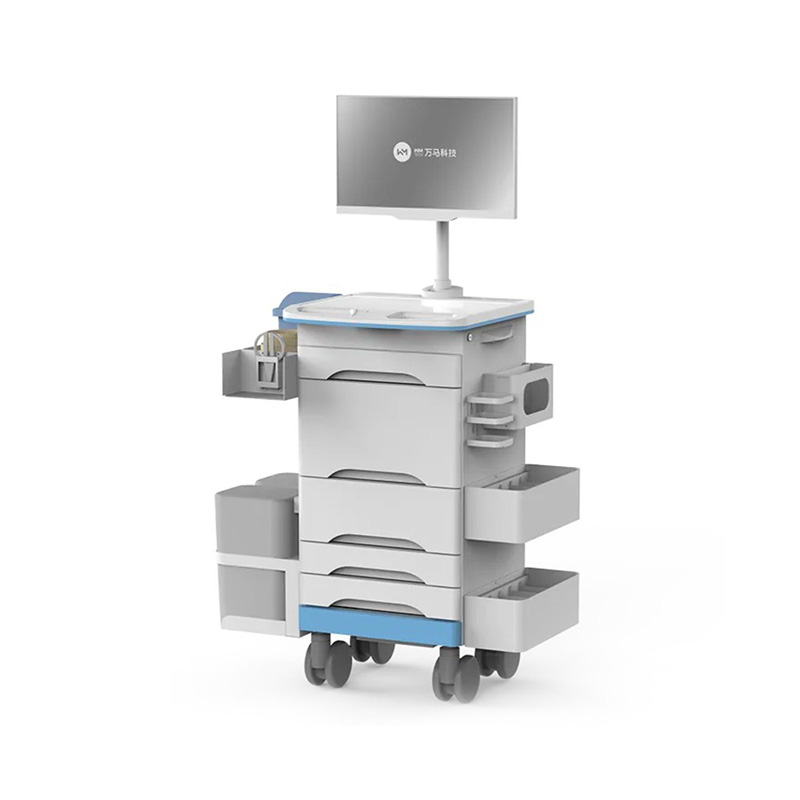
Product Definition:The WMYH-W2-21 Medical Cart is an intelligent mobile nursing workstation integrating information management, clinical care, medication administration, and bedside vital signs collec...
See Details
Ready to Get started ? Contact Us Now !

Product.
Contact Details.
-
 +86 13958188250
-
 +86 13958188250
-
 [email protected]
- Wanma Industrial Park Taihu Yuan Town Lin'an District Hangzhou City China.
QR Code

Copyright © Wanma Technology Co., Ltd. All Rights Reserved.
Privacy
Custom Ethernet Optical Network Railway Transit Equipments Suppliers
