

 English
 Français
 Español
 Português
 عربى
عربى



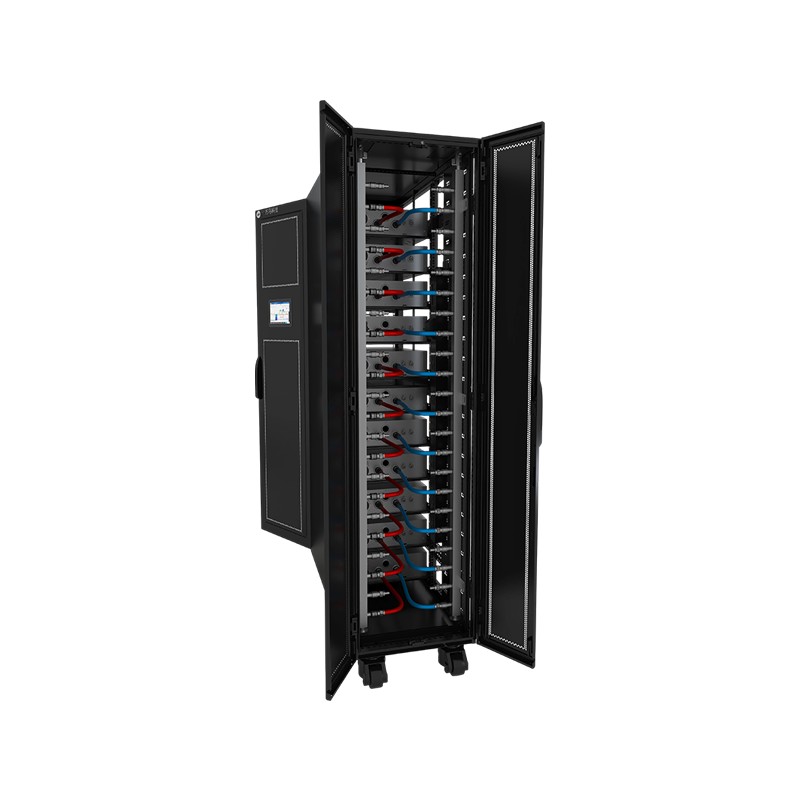
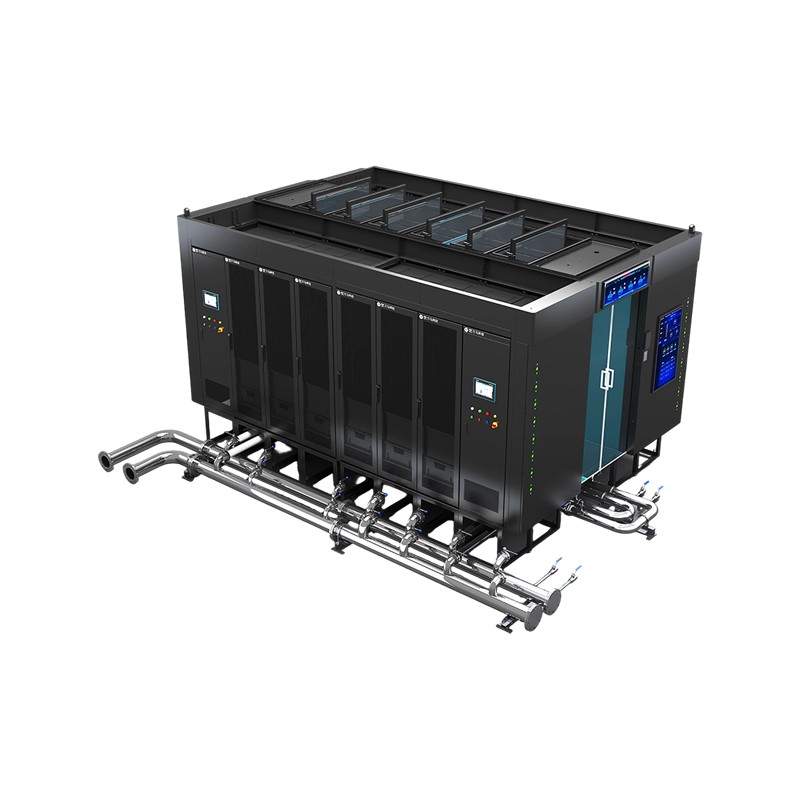
Product OverviewWM-HCM Air-Liquid Hybrid Micro-Module is an integrated data center solution designed for ultra-high-density computing applications. It adopts a dual-row, back-to-back layout and integr...
See DetailsWhy Liquid-Cooling Products Are Essential for Modern AI and Hyperscale Data Centers
Content
- 1 The Rising Demand for Advanced Liquid-Cooling Products in Data Centers
- 2 Why Choose Liquid-Cooling Products for Modern AI Data Centers
- 3 Wanma Full-Range Liquid-Cooling Products Portfolio
- 4 Core Advantages of Wanma Liquid-Cooling Products
- 4.1 Full In-House Research and Development with Factory Pre-Manufacturing
- 4.2 Integrated Leak Detection and Non-Shutdown Maintenance Philosophy
- 4.3 Support for Air-Liquid Hybrid Deployment and Custom Configuration
- 4.4 Complete One-Stop Support Across the Entire Lifecycle
- 4.5 Comprehensive System Certifications and Compliance Standards
- 5 Typical Application Scenarios for Liquid-Cooling Products
- 6 Comparative Analysis: Liquid-Cooling Products versus Traditional Thermal Management
- 7 Implementation Pathways and Best Practices for Liquid-Cooling Products Deployment
- 8 Technical Specifications and Operational Parameters for Liquid-Cooling Products
- 9 Real-World Performance Outcomes with Liquid-Cooling Products
- 10 Frequently Asked Questions About Liquid-Cooling Products
- 10.0.1 Q1: What are the key components of a complete liquid-cooling products deployment?
- 10.0.2 Q2: Can your liquid-cooling products support custom configuration for unique deployment requirements?
- 10.0.3 Q3: Do you provide pre-sales solution design services for liquid-cooling products implementation?
- 10.0.4 Q4: What certifications and compliance standards do your liquid-cooling products maintain?
- 10.0.5 Q5: What are typical lead times for liquid-cooling products orders and customized configurations?
- 10.0.6 Q6: How do I obtain pricing and request customized quotations for liquid-cooling products?
- 10.0.7 Q7: What are the ongoing maintenance requirements for liquid-cooling products systems?
- 10.0.8 Q8: How do liquid-cooling products systems integrate with existing air-cooling infrastructure?
- 11 Get Your Custom Quotation for Liquid-Cooling Products
The Rising Demand for Advanced Liquid-Cooling Products in Data Centers
The artificial intelligence revolution has fundamentally transformed data center infrastructure. Modern GPU-accelerated computing clusters generate extraordinary heat density—far exceeding the capabilities of traditional air-cooling systems. Organizations managing hyperscale AI workloads now face a critical challenge: how to dissipate 20-50+ kW per cabinet while maintaining operational efficiency and system reliability.
This is where comprehensive liquid-cooling products become indispensable. Unlike conventional cooling approaches, liquid-cooling products offer a complete thermal management ecosystem designed specifically for high-density computing environments. From Cabinet-Mount CDUs to pre-fabricated piping systems, these solutions deliver superior heat removal efficiency, reduced power consumption, and the operational flexibility that modern data centers demand.
Whether you're operating an AI computing cluster, high-performance computing facility, or hyperscale data center infrastructure, understanding the full spectrum of available liquid-cooling products is essential for making informed investment decisions. This comprehensive guide explores what these products are, why they matter, and how to select the right combination for your specific operational requirements.
Key Insight: Organizations implementing liquid-cooling products report PUE improvements of 15-25% compared to air-cooling alone, translating directly to substantial operational cost reductions and improved computational density.
Why Choose Liquid-Cooling Products for Modern AI Data Centers
Solve Heat Dissipation Bottlenecks of High-Density GPU Servers
Contemporary GPU servers operating at maximum computational capacity generate thermal loads that exceed 20 kW per unit. Traditional air-cooling systems simply cannot move sufficient volume of conditioned air through densely-packed server configurations to maintain safe operating temperatures. Liquid-cooling products address this fundamental physics limitation by leveraging the superior thermal conductivity of liquids.
With liquid-cooling products properly configured, heat transfers directly from GPU modules to the cooling medium through specialized cold plates. This direct-contact approach achieves thermal transfer rates 50-70% more efficient than air-cooling alternatives, enabling IT equipment to operate at peak performance without thermal throttling or premature component failure.
Lower PUE and Build Sustainable Computing Infrastructure
Power Usage Effectiveness (PUE) represents a critical metric for data center operations. A facility with PUE of 1.2 consumes 20% more power than its computational output alone would require. Facilities operating with traditional air-cooling systems frequently operate at PUE values between 1.4 and 1.8.
Liquid-cooling products dramatically reduce cooling infrastructure power requirements. When implemented systematically across facility infrastructure, liquid-cooling products enable PUE values approaching 1.1-1.15. This efficiency gain directly reduces operational carbon footprint, lowers electricity costs, and supports corporate sustainability commitments. For a 5 MW data center facility, this efficiency improvement translates to annual energy savings exceeding 500 MWh and corresponding carbon emission reductions.
Support Modular Scaling and Non-Shutdown Maintenance
Data center operations cannot afford extended downtime. Traditional thermal management systems often require complete facility shutdown for maintenance activities. Advanced liquid-cooling products are engineered for non-disruptive serviceability. Modular quick-disconnect coupling systems enable technicians to remove or replace components without draining entire cooling loops or interrupting computational workloads.
This operational flexibility extends beyond maintenance. Modular liquid-cooling products support incremental facility expansion. Organizations can add new cooling capacity, reconfigure existing infrastructure, or implement equipment upgrades while maintaining continuous operation of existing computational resources. This capability directly supports business continuity and eliminates the operational risks associated with facility-wide maintenance windows.
Reduce On-Site Construction Time with Pre-Manufactured Components
Traditional data center cooling infrastructure requires extensive on-site assembly, pressure testing, and commissioning. Liquid-cooling products manufactured as complete, pre-assembled units eliminate these time-consuming field operations. Factory-assembled and pressure-tested manifold systems, pre-fabricated piping segments, and integrated CDU units arrive ready for deployment.
This manufacturing approach reduces on-site construction time by 40-60% compared to field-assembled cooling systems, accelerates facility deployment timelines, and reduces installation error risk. For organizations operating on aggressive project schedules, pre-manufactured liquid-cooling products represent a significant operational advantage.
Wanma Full-Range Liquid-Cooling Products Portfolio
A complete thermal management strategy requires multiple specialized components working in coordinated integration. Our comprehensive liquid-cooling products portfolio encompasses every major category of infrastructure components required to implement enterprise-grade liquid-cooling systems.
Cabinet-Mount and Rack-Mount CDU Systems
Cooling Distribution Units (CDU) represent the intelligent hub of any liquid-cooling products deployment. These specialized systems perform multiple critical functions: distributing coolant to distributed heat exchangers, monitoring system pressure and flow rates, detecting anomalous conditions, and managing temperature setpoints across facility infrastructure.
Cabinet-mount CDU systems integrate directly into standard 19-inch rack enclosures, offering flexibility for mid-scale deployments and modular facility expansions. Rack-mount variants optimize space utilization in extremely dense environments. Both configurations within our liquid-cooling products line incorporate advanced sensing capabilities and automated leak detection systems that alert facility management to any system anomalies before they develop into operational incidents.
- Real-time flow rate and pressure monitoring
- Integrated leak detection with audible alarm
- Precision temperature control within plus-or-minus 2 degrees Celsius
- Supports system scaling up to 500+ kW thermal load per unit
Liquid-Cooled Server Cabinets
Liquid-cooled server cabinets represent the integration point where computational hardware meets cooling infrastructure. These specialized cabinet systems incorporate integrated cold plate mounting frameworks, pre-routed coolant distribution manifolds, and optimized airflow designs for remaining non-cooled components.
Unlike retrofit approaches that add cooling components to existing cabinet designs, integrated liquid-cooled cabinets are engineered from conception to support liquid-cooling products. This manufacturing approach delivers superior thermal performance, simplified deployment procedures, and enhanced operational reliability. Server cabinets within our liquid-cooling products portfolio support 40-60 kW thermal load capacity per cabinet unit.
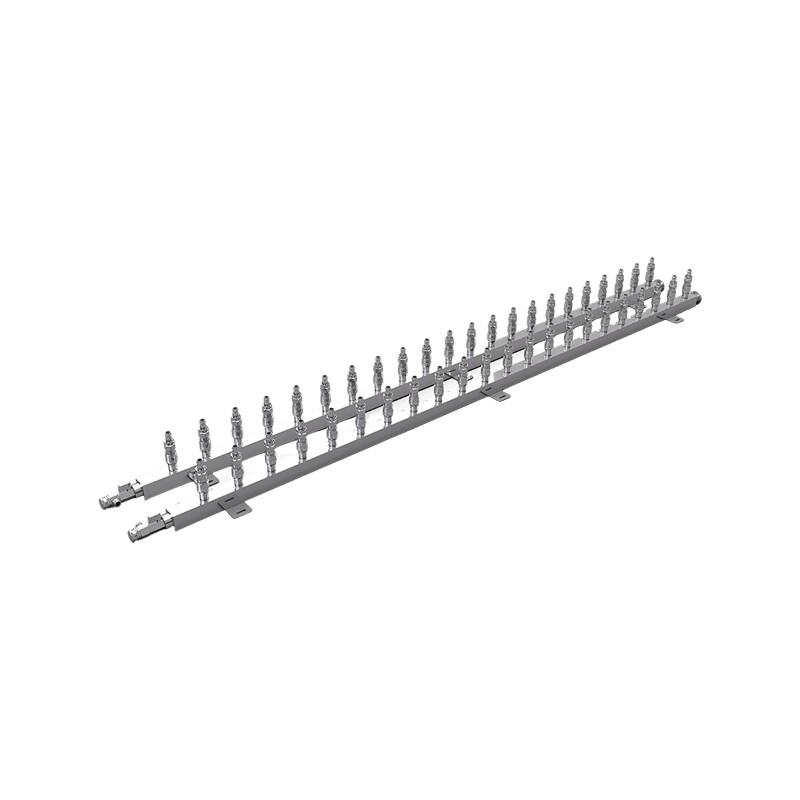
Liquid Cooling Manifolds
Manifold systems represent critical interface components within any liquid-cooling products infrastructure. These precision-engineered devices manage coolant distribution across multiple end-use connections, integrate flow control mechanisms, incorporate filtration elements, and provide pressure relief functionality.
Industrial-grade manifolds within our liquid-cooling products collection accommodate multiple connection sizes, support redundant flow paths for fault-tolerance, and incorporate integrated pressure monitoring. Manifolds are available in customized configurations to support specific deployment requirements, facility layouts, and cooling distribution patterns.
Quick-Disconnect Couplings and Hoses
Quick-disconnect coupling systems enable the non-disruptive maintenance philosophy that distinguishes modern liquid-cooling products implementations. These precision mechanical systems allow technicians to separate coolant-carrying connections without spillage, coolant loss, or system depressurization.
High-performance couplings within our liquid-cooling products portfolio feature dual-valve designs that prevent coolant leakage, support high-pressure ratings up to 10 bar or higher, and accommodate rapid connection-disconnection cycles without degrading seal integrity. Silicon-reinforced hose assemblies provide chemical resistance and durability across extended operational timescales.
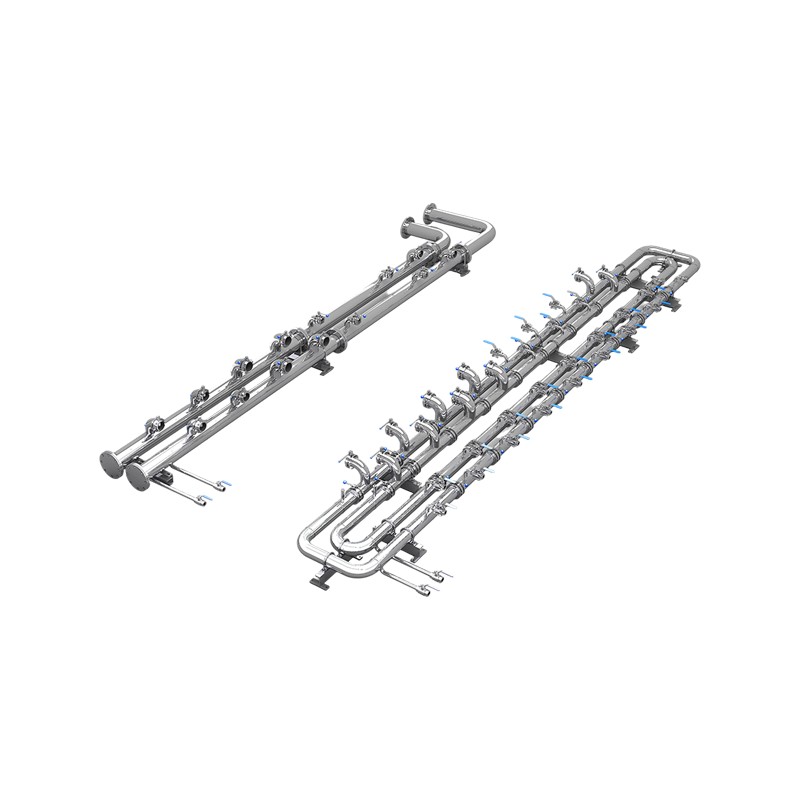
Pre-Fabricated Piping for Liquid-Cooling Secondary Circuits
Rather than requiring field assembly from individual pipe segments and fittings, pre-fabricated liquid-cooling products piping systems arrive as complete, pressure-tested assemblies. These factory-assembled systems eliminate installation error risks, ensure consistent quality, and accelerate deployment timelines by 40-50% compared to on-site assembly approaches.
Pre-fabricated piping systems are available in multiple routing configurations to accommodate diverse data center layouts, equipment arrangements, and facility constraints. Each assembly undergoes rigorous factory pressure testing at 1.5x operational pressure before shipment, ensuring absolute reliability.
Air-Liquid Hybrid Micro-Modules
Many operational deployments cannot transition completely to liquid-cooling products due to equipment constraints, partial facility upgrades, or transitional deployment strategies. Air-liquid hybrid micro-modules within our product portfolio enable organizations to realize the benefits of liquid-cooling products while maintaining compatibility with existing air-cooled infrastructure.
These specialized modules integrate liquid-cooling products for high-heat-density components while maintaining air-cooling pathways for remaining infrastructure, enabling flexible deployment strategies and supporting incremental facility evolution toward comprehensive liquid-cooling implementations.
Core Advantages of Wanma Liquid-Cooling Products
Full In-House Research and Development with Factory Pre-Manufacturing
Every component within our liquid-cooling products portfolio is engineered, manufactured, and validated through our own research and production facilities. This vertical integration ensures consistent quality, rapid customization capabilities, and direct responsibility for product performance. Unlike third-party sourced components, factory-manufactured liquid-cooling products undergo rigorous internal pressure testing at 1.5x operational specifications, ensuring zero field failures and guaranteed reliability.
Our engineering team continuously refines thermal performance characteristics, fluid compatibility, and operational efficiency across all liquid-cooling products categories. This commitment to continuous improvement ensures that our product line remains at the technological frontier of thermal management innovation.
Integrated Leak Detection and Non-Shutdown Maintenance Philosophy
System reliability depends fundamentally on early anomaly detection. Every liquid-cooling products unit incorporates advanced leak detection sensors that trigger audible and electronic alerts at the first indication of system compromises. This detection occurs before meaningful coolant loss or equipment damage can develop.
Equally important, our liquid-cooling products are engineered specifically to enable maintenance without facility shutdown. Modular quick-disconnect coupling systems allow technicians to service components during peak operational hours, eliminating the operational impact traditionally associated with cooling system maintenance.
Support for Air-Liquid Hybrid Deployment and Custom Configuration
Real-world data center environments rarely support wholesale system replacement. Our liquid-cooling products portfolio embraces this operational reality by supporting hybrid deployment scenarios where liquid-cooling products manage high-heat-density computational clusters while air-cooling infrastructure serves remaining facility requirements.
Furthermore, every liquid-cooling products component is available in custom configurations designed around your specific deployment requirements, facility constraints, and operational preferences. Whether you require specialized connection sizes, custom manifold configurations, or unique piping routings, our manufacturing capabilities support your requirements without extended lead times or prohibitive costs.
Complete One-Stop Support Across the Entire Lifecycle
Deploying liquid-cooling products effectively requires expertise spanning thermal engineering, facility planning, equipment selection, deployment procedures, and operational support. Our organization provides comprehensive support across this entire spectrum:
- Initial consultation and thermal load assessment for your specific equipment and operational requirements
- Detailed engineering design for liquid-cooling products configuration optimized for your facility layout
- Factory assembly and pressure testing of all components before shipment
- On-site deployment support and commissioning procedures
- Ongoing technical support and preventive maintenance recommendations
- Upgrade pathways as your operational requirements evolve
Comprehensive System Certifications and Compliance Standards
Enterprise-grade operations demand rigorous compliance with international standards and certification requirements. Our complete liquid-cooling products portfolio holds current certifications across multiple compliance frameworks:
- ISO 9001:2015 - Quality Management Systems
- ISO 14001:2015 - Environmental Management Systems
- ISO 45001:2018 - Occupational Health and Safety
- CE Marking - European Union regulatory compliance
- UL certification for electrical safety and performance
- RoHS 2.0 compliance for hazardous substance restrictions
These certifications ensure that every component within our liquid-cooling products offering meets rigorous international standards for quality, safety, and environmental responsibility.
Typical Application Scenarios for Liquid-Cooling Products
Liquid-cooling products address the thermal management requirements across multiple computational environments. Understanding how these solutions apply to your specific operational context supports optimal deployment planning and maximum return on infrastructure investment.
AI Computing Clusters and Large Language Model Infrastructure
Organizations operating large-scale AI model training environments manage thousands of GPU units operating continuously at peak computational capacity. These environments generate thermal loads exceeding 100+ kW per rack. Traditional air-cooling systems cannot remove heat fast enough to prevent thermal throttling and performance degradation.
Liquid-cooling products designed specifically for GPU-intensive workloads enable sustained operation at maximum computational performance without thermal limitations. Our customers report that comprehensive liquid-cooling products implementations eliminate thermal throttling completely, enabling GPU utilization rates exceeding 98% for extended training cycles.
High-Performance Computing Facilities
Scientific computing environments operating molecular dynamics simulations, climate modeling, and physics calculations demand sustained computational performance across hundreds or thousands of processing nodes. Many high-performance computing architectures couple CPU-intensive and GPU-intensive workloads, creating highly variable thermal demands across facility infrastructure.
Modular liquid-cooling products configurations support this operational variability by enabling selective cooling application precisely where thermal density is highest. This targeted approach maintains optimal thermal conditions across heterogeneous HPC architectures while avoiding unnecessary cooling investment in lower-density regions of facility infrastructure.
Hyperscale and Large-Scale Data Center Infrastructure
Massive data center facilities supporting cloud computing services, machine learning platforms, and distributed database systems generate enormous aggregate thermal loads. For hyperscale deployments, even small percentage improvements in cooling efficiency translate to millions of dollars in annual operational savings.
Liquid-cooling products deployed systematically across hyperscale facilities enable PUE improvements reaching 1.1-1.15 range, corresponding to 25-30% reductions in cooling-related energy consumption compared to conventional air-cooling infrastructure. This efficiency gain drives substantial operational cost reductions and environmental benefits across millions of servers operating continuously.
Comparative Analysis: Liquid-Cooling Products versus Traditional Thermal Management
Understanding the performance distinctions between liquid-cooling products and conventional air-cooling approaches supports informed decision-making regarding thermal infrastructure investment.
| Performance Metric | Liquid-Cooling Products | Traditional Air-Cooling |
|---|---|---|
| Heat Transfer Efficiency | 150-200 W/cm2 | 30-60 W/cm2 |
| PUE Range | 1.10-1.15 | 1.40-1.80 |
| Max Cabinet Density | 40-60 kW | 10-15 kW |
| Maintenance Downtime | Zero (non-disruptive) | 24-72 hours |
| Installation Timeline | 3-5 weeks | 8-12 weeks |
Implementation Pathways and Best Practices for Liquid-Cooling Products Deployment
Thermal Assessment and Requirements Planning
Effective liquid-cooling products implementation begins with rigorous assessment of your specific thermal requirements. This process involves measuring actual power consumption across computational equipment, identifying thermal hotspots, and projecting future thermal loads as computational capacity expands. Our engineering team collaborates with your operations staff to develop detailed thermal profiles that form the foundation for optimized liquid-cooling products design.
Phased Deployment Strategies
Organizations often adopt phased deployment approaches rather than wholesale facility conversion. An effective phased strategy might involve:
- Initial deployment of liquid-cooling products across highest-density GPU clusters where thermal constraints are most acute
- Integration of additional computing workloads as experience with liquid-cooling products operation expands
- Gradual conversion of remaining air-cooled infrastructure as equipment refresh cycles occur
- Transition toward hybrid configurations optimizing cost-benefit across entire facility infrastructure
This approach enables organizations to realize benefits of liquid-cooling products immediately while spreading infrastructure investment across multiple budget cycles and operational timescales.
Monitoring and Optimization
After liquid-cooling products deployment, continuous monitoring of system performance ensures sustained efficiency and early detection of any anomalies. Key performance indicators typically tracked include coolant flow rates, supply and return temperatures, system pressure, and incident frequency. This data informs optimization decisions and validates performance against design projections.
Technical Specifications and Operational Parameters for Liquid-Cooling Products
Coolant Specifications and Fluid Management
Liquid-cooling products systems employ specialized coolant formulations engineered for optimal thermal transfer, chemical stability, corrosion resistance, and long-term reliability. Standard coolant specifications include:
- Thermal conductivity: 0.42-0.52 W/m-K (superior to water alone)
- Viscosity range: 2.0-3.5 cSt at operating temperature
- Operating temperature range: 5 degrees to 65 degrees Celsius
- Particle contamination limits: less than 16 micrometers, ISO 4406 code 17/15/12 or better
- pH stability: 7.0-8.5 range throughout service life
Pressure and Flow Rate Specifications
Optimal liquid-cooling products performance requires precise management of system pressure and coolant flow rates. Typical operating parameters include:
- System pressure: 3-7 bar (45-100 psi) at normal operating conditions
- Maximum working pressure: 10 bar (150 psi) with automatic pressure relief
- Flow rate: 15-40 liters per minute per cabinet (varies by thermal load)
- Temperature differential: 5-12 degrees Celsius across cold plates
Connection and Integration Standards
Liquid-cooling products employ standardized connection interfaces supporting rapid deployment and component interchangeability. Common connection standards include 3/8-inch and 1/2-inch SAE quick-disconnect couplings for hose connections, NPT threaded ports for permanent installations, and integrated manifold blocks supporting multiple simultaneous connections.
Real-World Performance Outcomes with Liquid-Cooling Products
AI Model Training Facility Transformation
A major research organization operating a 500+ GPU training cluster faced severe thermal constraints limiting computational capacity. Traditional air-cooling systems could not maintain safe operating temperatures during peak utilization periods, causing automatic thermal throttling that reduced effective computational throughput by 18%.
After implementing comprehensive liquid-cooling products across the entire GPU cluster, the facility achieved sustained operation at maximum GPU performance without thermal limitations. Computational throughput increased by 18%, directly equivalent to adding 90 additional GPU units through conventional air-cooling infrastructure. The organization accomplished this performance improvement with existing hardware through thermal management optimization alone.
Data Center Energy Efficiency Initiative
A hyperscale data center facility managing 10,000+ servers recognized that cooling energy represented the single largest operational expense. Implementation of liquid-cooling products across three server halls reduced cooling-related energy consumption by 28%, translating to annual operational cost reductions exceeding 3 million dollars. These efficiency gains also enabled the facility to add 2,000 additional servers within existing facility space and electrical capacity.
High-Performance Computing Facility Modernization
An academic research institution requiring sustained operation of heterogeneous computing resources implemented modular liquid-cooling products across GPU-intensive nodes while maintaining air-cooling for remaining CPU-focused computational resources. This hybrid approach achieved PUE improvement from 1.58 to 1.22, reducing overall facility energy consumption by 23% while maintaining compatibility with diverse equipment types.
Frequently Asked Questions About Liquid-Cooling Products
Q1: What are the key components of a complete liquid-cooling products deployment?
A comprehensive liquid-cooling products system includes multiple integrated components: Cooling Distribution Units (CDU) managing thermal circulation, liquid-cooled server cabinets providing direct heat extraction from computing hardware, manifold systems distributing coolant to multiple end-use connections, quick-disconnect couplings enabling non-disruptive maintenance, pre-fabricated piping systems connecting components, and monitoring systems detecting anomalies. Each component must be engineered for coordinated operation to achieve optimal thermal performance and system reliability.
Q2: Can your liquid-cooling products support custom configuration for unique deployment requirements?
Yes, our engineering team specializes in customized liquid-cooling products configurations designed around specific facility requirements, equipment layouts, and operational preferences. Whether you require non-standard connection sizes, specialized manifold configurations, unique piping routings, or integrated monitoring capabilities, our manufacturing facilities support custom design and production without extended lead times. Custom liquid-cooling products configurations are available through our complete design and engineering services.
Q3: Do you provide pre-sales solution design services for liquid-cooling products implementation?
Absolutely. Our comprehensive pre-sales support includes thermal load assessment of your existing equipment, detailed facility layout review, engineering design of customized liquid-cooling products configurations, deployment timeline development, and financial analysis of thermal management investment options. These design services are provided at no charge to prospective customers to ensure that recommended liquid-cooling products solutions precisely match your operational requirements and facility constraints.
Q4: What certifications and compliance standards do your liquid-cooling products maintain?
Our complete liquid-cooling products portfolio holds current certifications including ISO 9001:2015 (Quality Management), ISO 14001:2015 (Environmental Management), ISO 45001:2018 (Occupational Safety), CE Marking for European Union compliance, UL certification for electrical and safety performance, and RoHS 2.0 compliance for hazardous substance restrictions. These comprehensive certifications ensure that every component within our liquid-cooling products line meets rigorous international standards for quality, safety, environmental responsibility, and regulatory compliance.
Q5: What are typical lead times for liquid-cooling products orders and customized configurations?
Standard liquid-cooling products configurations are available from inventory with lead times of 2-4 weeks from order placement. Custom-designed liquid-cooling products systems typically require 6-8 weeks from initial design approval through final delivery. Lead times vary based on order complexity, facility-specific customization requirements, and current manufacturing capacity. We prioritize rapid delivery timelines and can often accommodate expedited orders with minimal additional cost.
Q6: How do I obtain pricing and request customized quotations for liquid-cooling products?
Detailed pricing for liquid-cooling products requires understanding your specific requirements including computational equipment specifications, thermal load projections, facility layout constraints, deployment timeline, and performance objectives. Our sales team will request information about these parameters and provide comprehensive quotations including all components, installation support, and technical services. Contact our team to initiate the quotation process and discuss your specific liquid-cooling products requirements.
Q7: What are the ongoing maintenance requirements for liquid-cooling products systems?
Well-maintained liquid-cooling products systems require minimal ongoing intervention. Standard maintenance includes periodic inspection of connection integrity, monitoring of coolant fluid quality and contamination levels, verification of system pressure and flow rates, and testing of leak detection alarm systems. Most maintenance activities are non-disruptive and can occur during normal operational hours. We recommend comprehensive facility audits annually to ensure sustained performance and identify optimization opportunities as your operational requirements evolve.
Q8: How do liquid-cooling products systems integrate with existing air-cooling infrastructure?
Modern data centers often operate with hybrid thermal management approaches where liquid-cooling products manage high-heat-density equipment while air-cooling infrastructure serves remaining facility requirements. Our liquid-cooling products portfolio specifically supports these hybrid deployment scenarios through modular designs and flexible integration points. We can design hybrid configurations maximizing the efficiency benefits of both technologies while maintaining compatibility with existing facility infrastructure.
Get Your Custom Quotation for Liquid-Cooling Products
Request Customized Solutions and Pricing
Evaluating liquid-cooling products for your specific operational environment requires detailed technical assessment and customized engineering support. Our team is ready to collaborate on comprehensive thermal management solutions optimized for your facility requirements.
To begin the quotation process, please provide the following information:
- Description of your computational hardware (GPU types, server configurations, equipment density)
- Current thermal load measurements and projections for future capacity expansion
- Facility layout constraints and available space for cooling infrastructure
- Deployment timeline and performance targets
- Custom requirements or specialized configuration needs
Our engineering team will respond with a customized technical proposal, detailed specifications, projected performance outcomes, and comprehensive pricing for all liquid-cooling products components and deployment services.
PREV:No previous
article
NEXT:How Liquid-Cooled Server Cabinets Are Reshaping Data Center Infrastructure for AI Workloads
NEXT:How Liquid-Cooled Server Cabinets Are Reshaping Data Center Infrastructure for AI Workloads
Interested in cooperation or have questions?
Related products
-
-
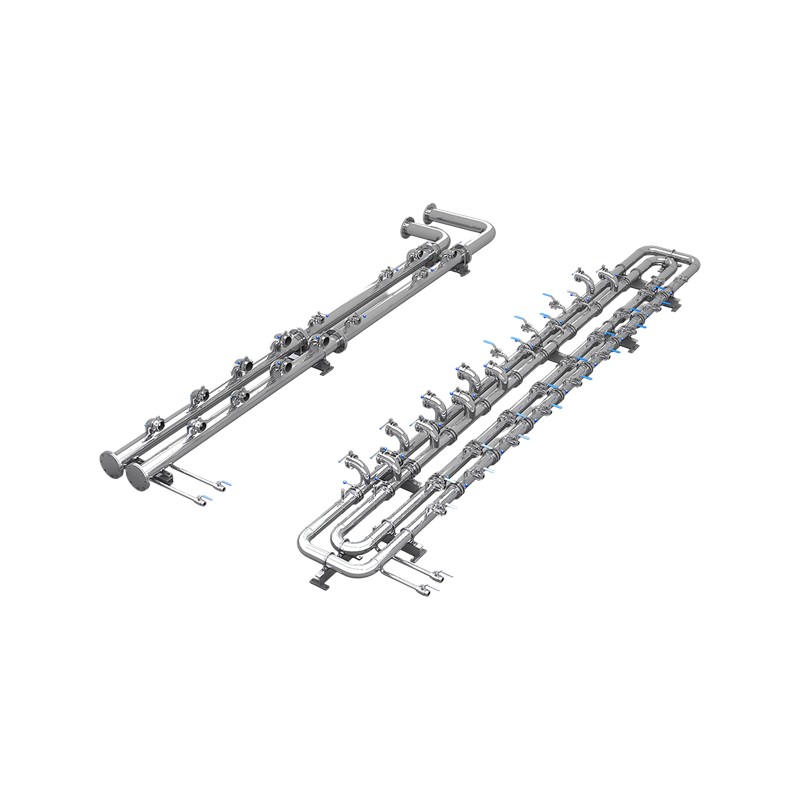
Product OverviewWM-SCL Secondary-Side Prefabricated Piping is a standardized coolant distribution system that connects the CDU to liquid-cooled server cabinets. The piping is prefabricated and quality...
See Details -
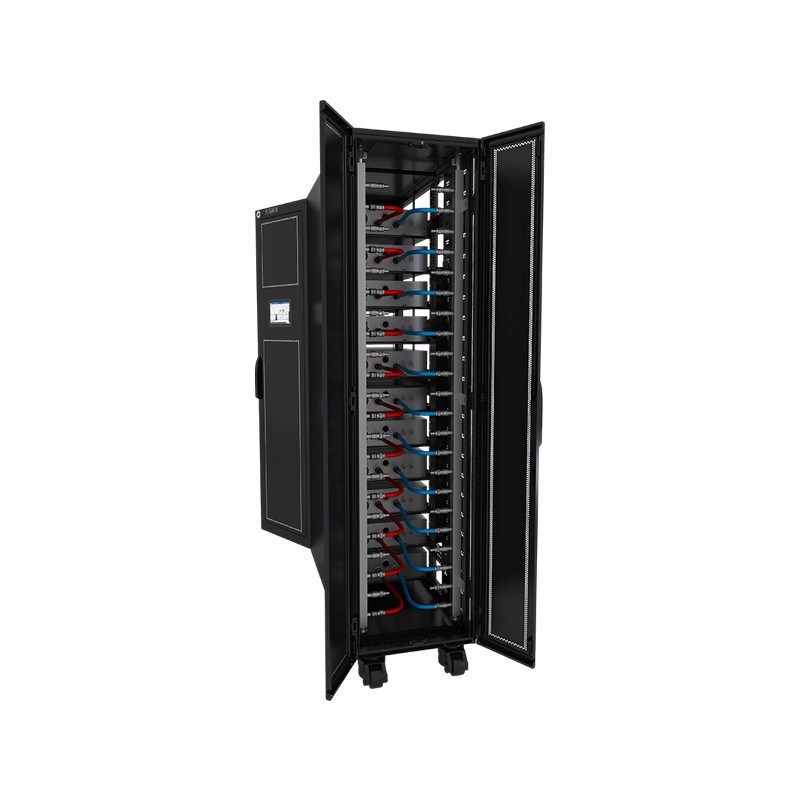
Product OverviewWM-LCR Liquid-Cooled Server Cabinet is a dedicated data center cabinet system that uses liquid as the cooling medium. Through circulating coolant, it efficiently transfers heat generat...
See Details -
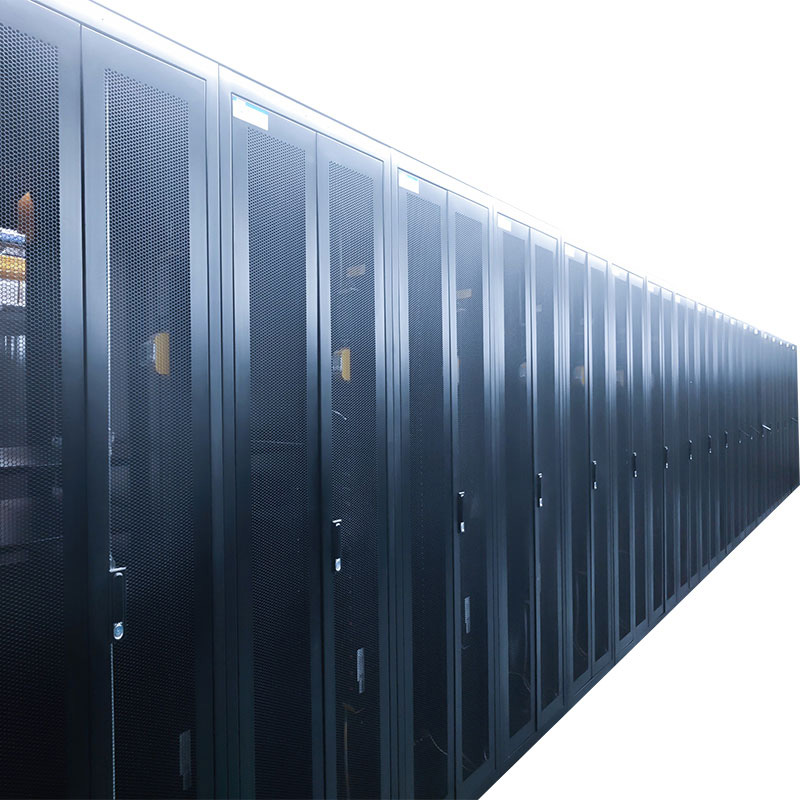
Application:It is used in internet data center equipment room to house server cabinets and provides them with required working environment. Features:•Modularization: Two cabinets combined sharing one ...
See Details
Ready to Get started ? Contact Us Now !

Product.
Contact Details.
-
 +86 13958188250
-
 +86 13958188250
-
 [email protected]
- Wanma Industrial Park Taihu Yuan Town Lin'an District Hangzhou City China.
QR Code

Copyright © Wanma Technology Co., Ltd. All Rights Reserved.
Privacy
Custom Ethernet Optical Network Railway Transit Equipments Suppliers
