

 English
 Français
 Español
 Português
 عربى
عربى



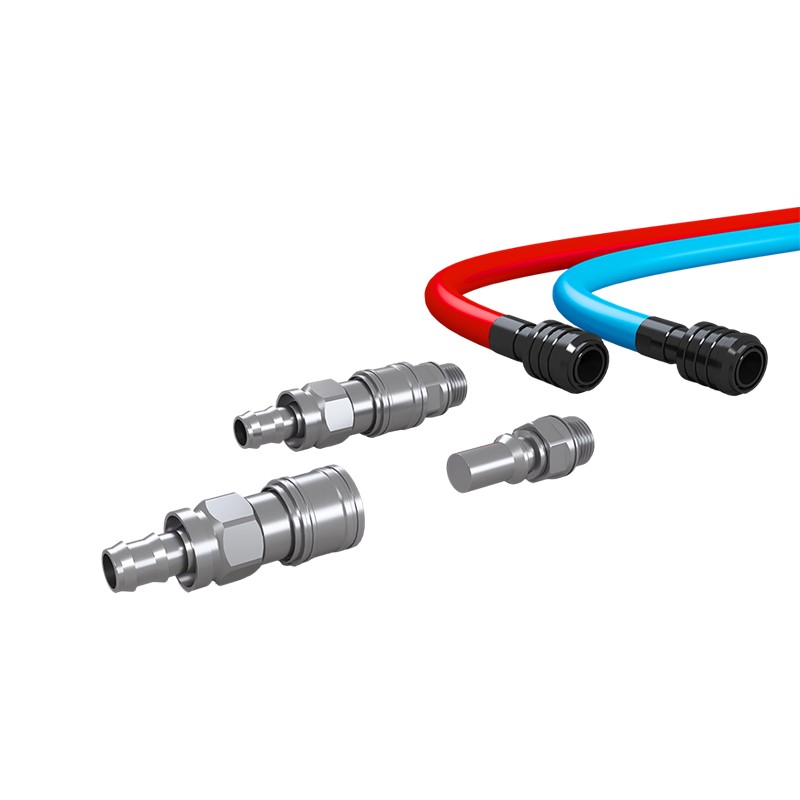
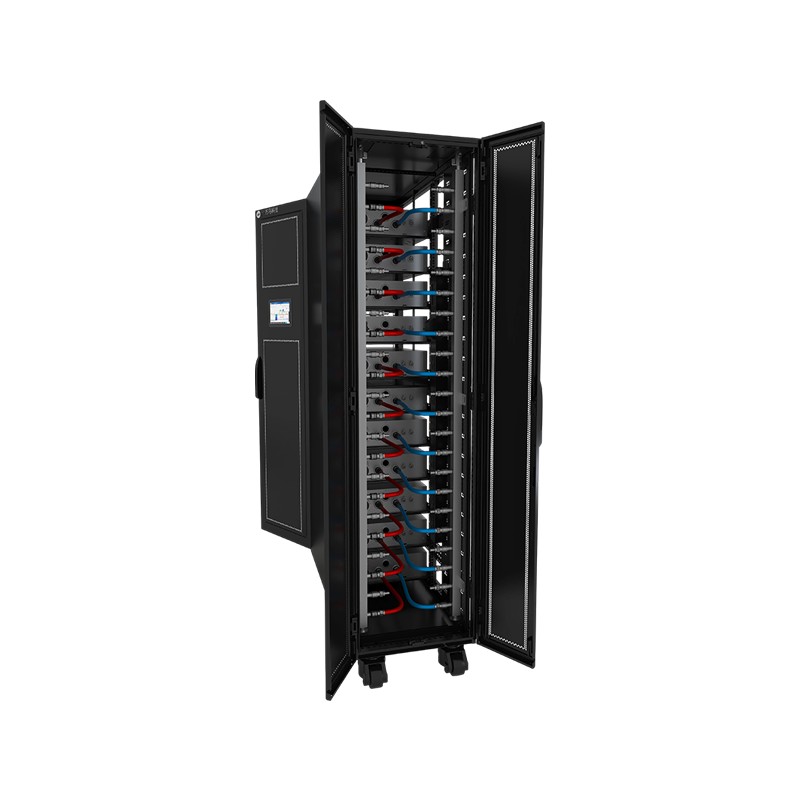
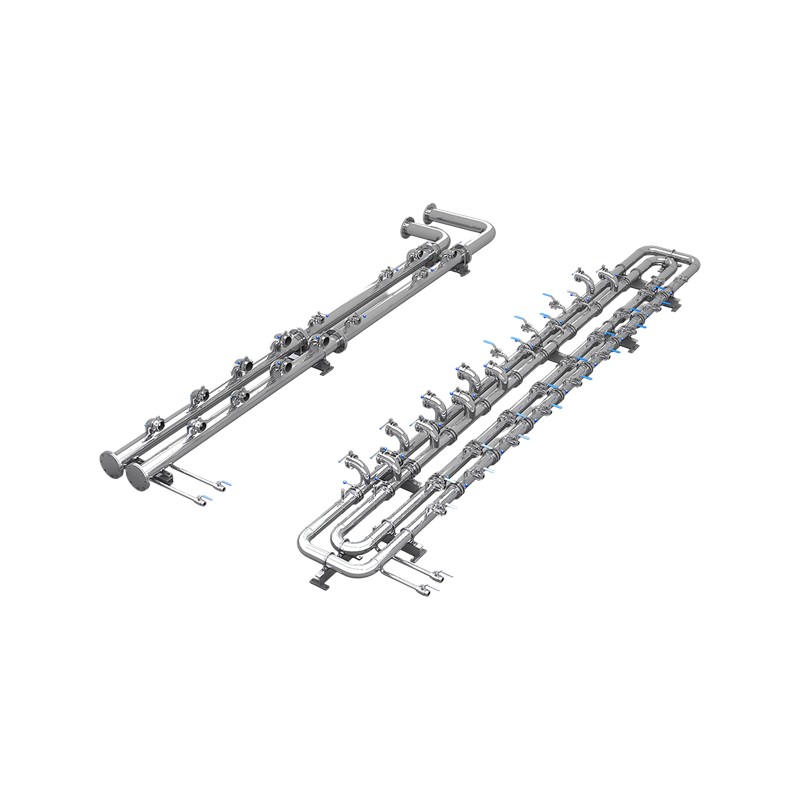
Product OverviewWM-SCL Secondary-Side Prefabricated Piping is a standardized coolant distribution system that connects the CDU to liquid-cooled server cabinets. The piping is prefabricated and quality...
See DetailsWhat Makes Prefabricated Piping for Liquid Cooling Secondary Side the Backbone of Reliable AI Data Centers?
Content
- 1 The Shift From Optional Cooling to Critical Infrastructure
- 2 Defining the Secondary Side: The Clean, Critical Loop
- 3 Why Traditional Stick-Build Field Welding Fails
- 4 How Prefabricated Piping Moves Reliability Into the Factory
- 5 Beyond Leak Prevention: The Hidden Value of Prefabricated Piping
- 6 Selection Criteria for Secondary Side Prefabricated Piping
- 7 Frequently Asked Questions
- 7.0.1 Q1: What is the secondary side in a liquid cooling system?
- 7.0.2 Q2: Why is prefabricated piping better than field welding for the secondary side?
- 7.0.3 Q3: What materials are used for prefabricated secondary side piping?
- 7.0.4 Q4: How are header sizes selected for secondary side piping?
- 7.0.5 Q5: Can prefabricated piping be used in existing data center retrofits?
- 7.0.6 Q6: What is the typical deployment time saving with prefabrication?
- 8 Prefabrication as a Prerequisite for AI-Era Liquid Cooling
The Shift From Optional Cooling to Critical Infrastructure
AI workloads have pushed rack power densities far beyond the practical limits of air cooling. A single high-density rack can now demand more heat removal capacity than an entire row of traditional servers, and the industry has responded by treating liquid cooling as a baseline requirement rather than a premium upgrade.
Within this shift, the conversation has moved quickly. The question is no longer whether liquid cooling will be deployed at scale. The real question is how to deploy it reliably, quickly, and without introducing new operational risks. That is where prefabricated piping for liquid cooling secondary side becomes a decisive factor.
Market data supports the urgency. The data center piping segment is expanding at a compound annual growth rate of 33.2 percent, with projections reaching 13.17 billion USD by 2035. AI clusters and hyperscale facilities are the primary engines behind this growth. Piping is no longer a peripheral construction detail. It is strategic infrastructure.
Market CAGR 33.2% Data center piping growth
Projected Market 13.17B USD by 2035
Deployment Time Reduction Up to 85% With prefabrication
Defining the Secondary Side: The Clean, Critical Loop
The liquid cooling architecture in a modern data center is typically divided into two distinct loops. The primary side, also called the facility water system, rejects heat to the outdoors through chillers or dry coolers. The secondary side, often referred to as the technology cooling system, moves heat from the server cold plates to the coolant distribution unit.
This secondary loop is the clean side of the system. It must maintain strict control over fluid quality, particle contamination, and leakage. Coolants such as deionized water or propylene glycol mixtures circulate through cold plates and manifolds with narrow internal channels. Any particulate or biological growth can obstruct flow and degrade heat transfer.
Key Characteristics of the Secondary Side
- Connects coolant distribution units to server-level cold plates and manifolds
- Operation in a closed, clean environment imposes strict requirements on filtration and materials.
- Uses corrosion-resistant materials such as 304 or 316L stainless steel
- Requires leak-free joints because even minor drips can damage IT equipment
- Demands high cleanliness to prevent clogging of microchannel cold plates
The secondary side is therefore not simply a plumbing network. It is a precision fluid delivery system whose reliability directly affects compute availability. A leak or blockage in this loop can force partial or full rack shutdowns, making design and construction quality non-negotiable.
Why Traditional Stick-Build Field Welding Fails
For years, secondary side piping was assembled on site using conventional stick-build methods. Contractors cut pipe sections, positioned them in the data hall, and welded joints manually. This approach worked for smaller facilities with generous timelines. It struggles badly in modern AI data centers.
Three Critical Weaknesses of Field Fabrication
- Uncontrolled weld quality. Manual welding depends heavily on operator skill, weather conditions, and workspace access. Inconsistent penetration, porosity, and heat-affected zones create hidden defects that may only appear after thermal cycling.
- High leakage risk. Every field weld is a potential leak point. A single microscopic defect can release coolant onto live electronics. The cost of downtime and hardware replacement dwarfs the savings from on-site fabrication.
- Schedule and cleanliness problems. Field welding generates sparks, slag, and airborne particles. It also requires hot work permits, fire watches, and coordination with other trades. These constraints extend timelines and introduce contamination into a loop that must remain extremely clean.
Operational Reality
A minor leak in the secondary loop does not stay minor. Coolant migrates along cable trays and drip into servers, causing corrosion, short circuits, and unplanned outages. The secondary side must be treated as a zero-leak system, not a low-leak system.
How Prefabricated Piping Moves Reliability Into the Factory
Prefabrication transfers the most quality-sensitive steps from the construction site to a controlled manufacturing environment. Pipe spools, manifolds, and subassemblies are cut, welded, cleaned, and tested in a dedicated facility before shipment. The data hall then becomes an assembly zone rather than a fabrication shop.
Factory Cleanroom Welding and Automated Processes
In a prefabrication facility, welding can be performed with automated orbital equipment under consistent conditions. Parameters such as current, travel speed, and shielding gas flow are recorded and repeated. This consistency produces uniform weld quality that manual field welding cannot match.
Modular and Standardized Design
Prefabricated secondary side piping is organized into modules that correspond to specific rows, racks, or coolant distribution units. Each module can be tested independently before shipment and isolated during operation. Maintenance on one branch does not require draining the entire loop.
Material and Cleanliness Control
Stainless steel grades such as 304 and 316L are standard for secondary side piping because they resist corrosion and release minimal particles. Internal surfaces may be electropolished to achieve roughness values as low as Ra 0.4 micrometers. This level of finish reduces biofilm attachment and particle generation.
| Factor | Field Stick-Build | Prefabricated Piping |
|---|---|---|
| Weld consistency | Variable, operator dependent | Controlled, repeatable |
| Leak risk | Higher, many field joints | Lower, tested in factory |
| Cleanliness | Difficult to maintain | Controlled cleanroom conditions |
| Site schedule | Long, trade-dependent | Compressed, parallel work |
| Maintenance access | Limited, system-wide drain | Modular, branch isolation |
Beyond Leak Prevention: The Hidden Value of Prefabricated Piping
Leak reduction is the most visible benefit, but it is not the only reason prefabrication has become standard practice in high-density deployments. The operational and financial advantages extend across the entire project lifecycle.
Deployment Speed
Prefabricated modules arrive ready for installation. Site teams bolt, connect, and commission rather than cut and weld. In suitable projects, this approach can reduce on-site installation time by up to 85 percent compared with traditional stick-build methods. Faster deployment directly translates into earlier revenue generation for AI compute capacity.
Total Cost of Ownership
Field labor, hot work permits, weld inspection, flushing, and rework all carry costs that are often underestimated. Prefabrication shifts much of this work to a factory where labor is more efficient and quality is easier to verify. Maintenance is also simpler because modular branches can be isolated without draining the full loop.
Design Flexibility for New Builds and Retrofits
Prefabricated piping systems can be configured for different rack densities, row layouts, and coolant distribution unit placements. The same modular approach supports greenfield construction and phased retrofits of existing data halls. As AI rack power continues to rise, this flexibility protects capital investment.
Prefabrication is not simply a construction method. It is a risk management strategy for facilities where coolant reliability equals compute availability.
Selection Criteria for Secondary Side Prefabricated Piping
Not all prefabricated piping is equal. Engineers should evaluate suppliers and designs against several technical criteria.
Material and Surface Finish
- 304 or 316L stainless steel for corrosion resistance and cleanliness
- Internal electropolishing to Ra 0.4 micrometers or better for particle control
- Compatible elastomer and seal materials for the chosen coolant chemistry
Dimensioning and Flow Performance
Header sizes such as 4 inch, 6 inch, and 8 inch are selected based on flow rate and target velocity. Higher velocity increases pressure drop and pump energy consumption. Lower velocity requires larger pipe and higher material cost. The design must balance hydraulic performance, pump power, and future expansion capacity.
Testing and Documentation
- Factory pressure and leak testing with recorded results
- Weld inspection records and material traceability
- Cleanliness verification and preservation during shipping
- Installation drawings and commissioning support
| Criteria | Recommended Target | Impact |
|---|---|---|
| Material grade | 304 or 316L stainless steel | Corrosion resistance, cleanliness |
| Internal roughness | Ra 0.4 micrometers or lower | Reduced particle generation |
| Header sizing | Based on flow and velocity limits | Pump power, expandability |
| Leak testing | Factory verified per module | Zero-leak confidence |
Frequently Asked Questions
Q1: What is the secondary side in a liquid cooling system?
The secondary side is the technology cooling loop that connects coolant distribution units to server cold plates and manifolds. It operates with controlled fluid quality and strict leak prevention requirements because it is in direct proximity to IT equipment.
Q2: Why is prefabricated piping better than field welding for the secondary side?
Prefabrication moves welding and cleaning into a controlled factory environment. This produces more consistent weld quality, reduces leak risk, improves cleanliness, and shortens on-site installation time compared with manual field fabrication.
Q3: What materials are used for prefabricated secondary side piping?
304 and 316L stainless steel are common choices because they resist corrosion and support high cleanliness. Internal surfaces may be electropolished to reduce roughness and limit particle generation.
Q4: How are header sizes selected for secondary side piping?
Header sizes such as 4 inch, 6 inch, and 8 inch are selected based on coolant flow rate and target velocity. The goal is to balance pressure drop, pump energy consumption, material cost, and future capacity expansion.
Q5: Can prefabricated piping be used in existing data center retrofits?
Yes. Modular prefabricated piping can be designed for phased installation in existing facilities. Branch isolation allows maintenance or expansion without draining the entire secondary loop.
Q6: What is the typical deployment time saving with prefabrication?
In suitable projects, prefabricated secondary side piping can reduce on-site installation time by up to 85 percent compared with traditional stick-build methods, depending on project scope and site conditions.
Prefabrication as a Prerequisite for AI-Era Liquid Cooling
High-density AI racks have turned liquid cooling into core infrastructure. Within that infrastructure, the secondary side is the most sensitive loop because it operates closest to the servers and must remain clean, sealed, and serviceable.
Traditional field fabrication cannot reliably deliver the weld quality, cleanliness, and speed that modern deployments demand. Prefabricated piping for liquid cooling secondary side addresses these gaps by moving critical work into a controlled factory environment and delivering tested modules to the site.
For organizations planning AI data centers, prefabrication is not a luxury or a shortcut. It is a practical prerequisite for protecting compute availability, controlling deployment schedules, and managing long-term operating costs. As rack densities continue to rise, the secondary side piping strategy will increasingly determine whether a facility meets its performance and reliability targets.
PREV:How Liquid-Cooled Server Cabinets Are Reshaping Data Center Infrastructure for AI Workloads
NEXT:What Makes Quick Couplers and Hoses the Critical Link in AI Data Center Liquid Cooling?
NEXT:What Makes Quick Couplers and Hoses the Critical Link in AI Data Center Liquid Cooling?
Interested in cooperation or have questions?
Related products
-
-
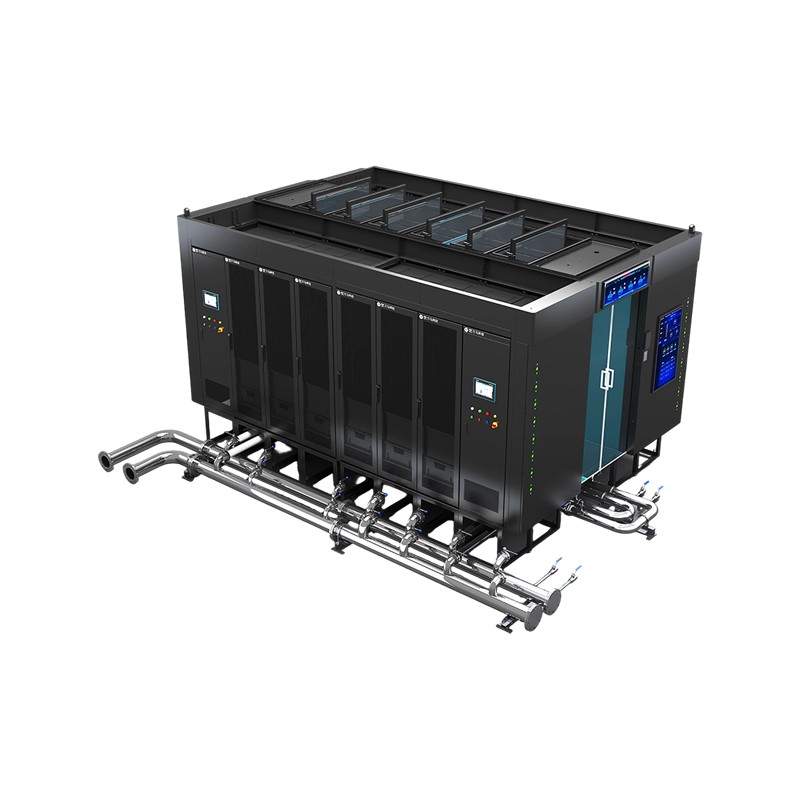
Product OverviewWM-HCM Air-Liquid Hybrid Micro-Module is an integrated data center solution designed for ultra-high-density computing applications. It adopts a dual-row, back-to-back layout and integr...
See Details -
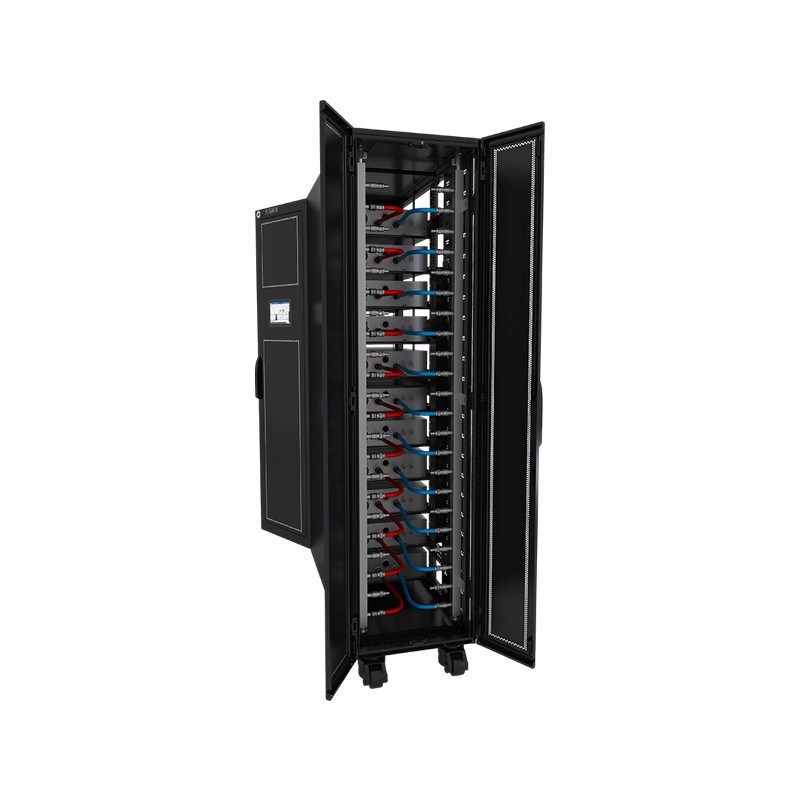
Product OverviewWM-LCR Liquid-Cooled Server Cabinet is a dedicated data center cabinet system that uses liquid as the cooling medium. Through circulating coolant, it efficiently transfers heat generat...
See Details -
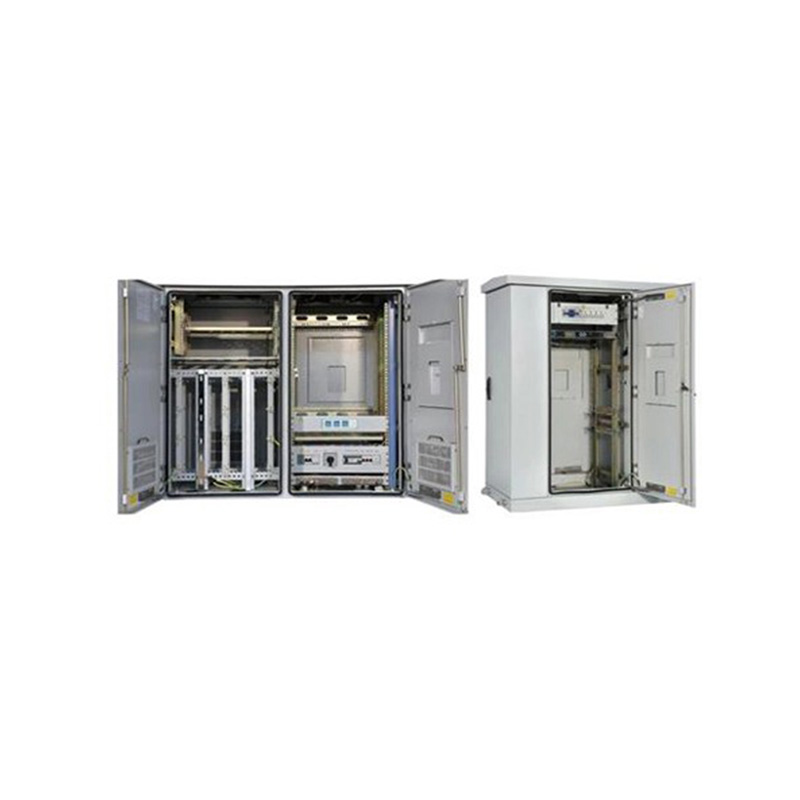
Application:It is used for the fixed network and broadband access, providing physical working environment and security system for the workstation in wired network. Features:•The cabinet is composed of...
See Details
Ready to Get started ? Contact Us Now !

Product.
Contact Details.
-
 +86 13958188250
-
 +86 13958188250
-
 [email protected]
- Wanma Industrial Park Taihu Yuan Town Lin'an District Hangzhou City China.
QR Code

Copyright © Wanma Technology Co., Ltd. All Rights Reserved.
Privacy
Custom Ethernet Optical Network Railway Transit Equipments Suppliers
