

 English
 Français
 Español
 Português
 عربى
عربى




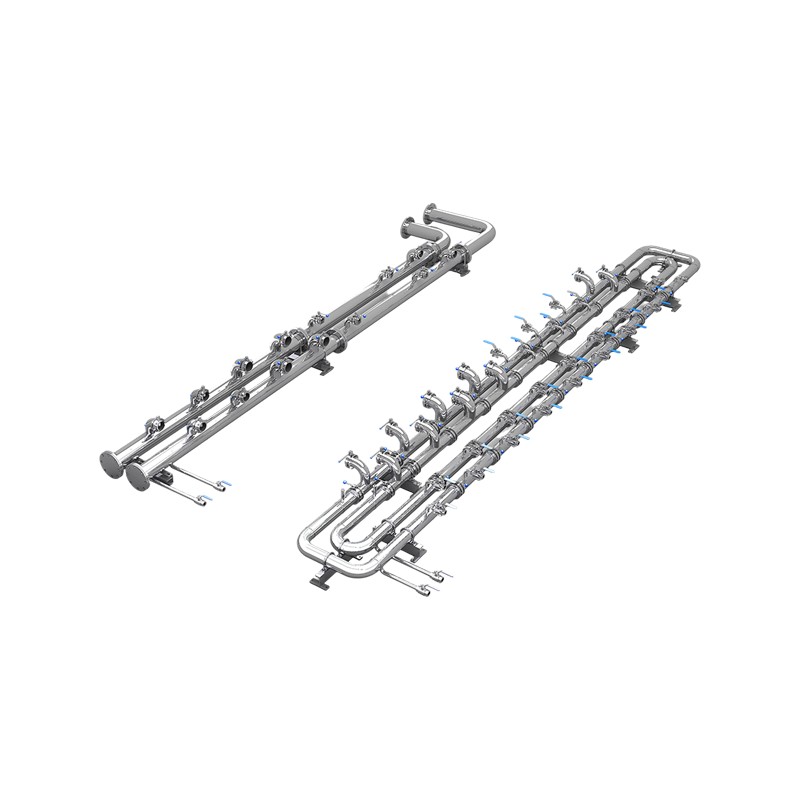
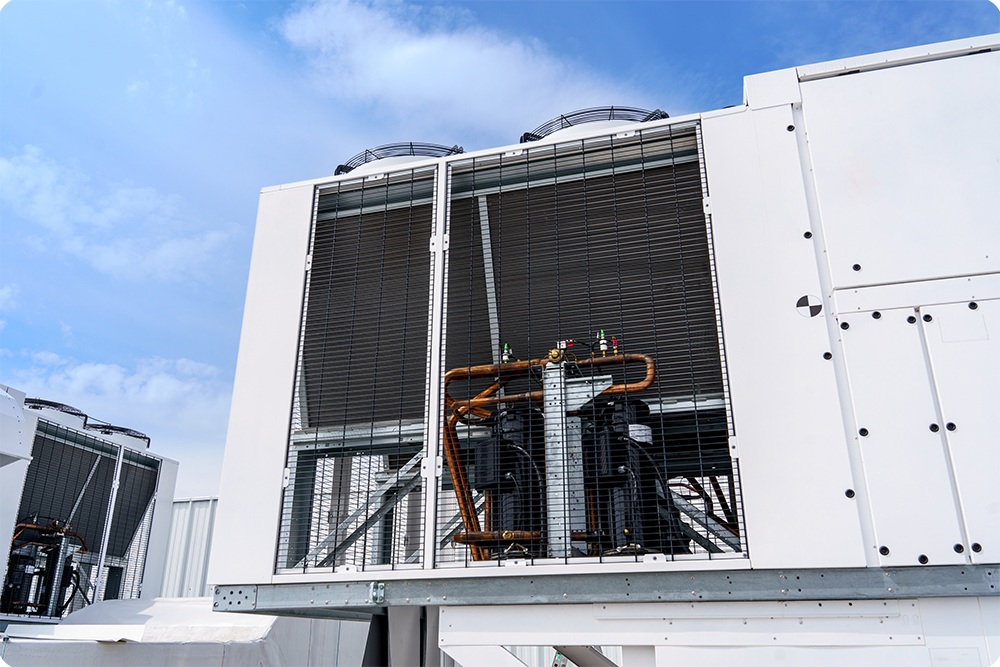
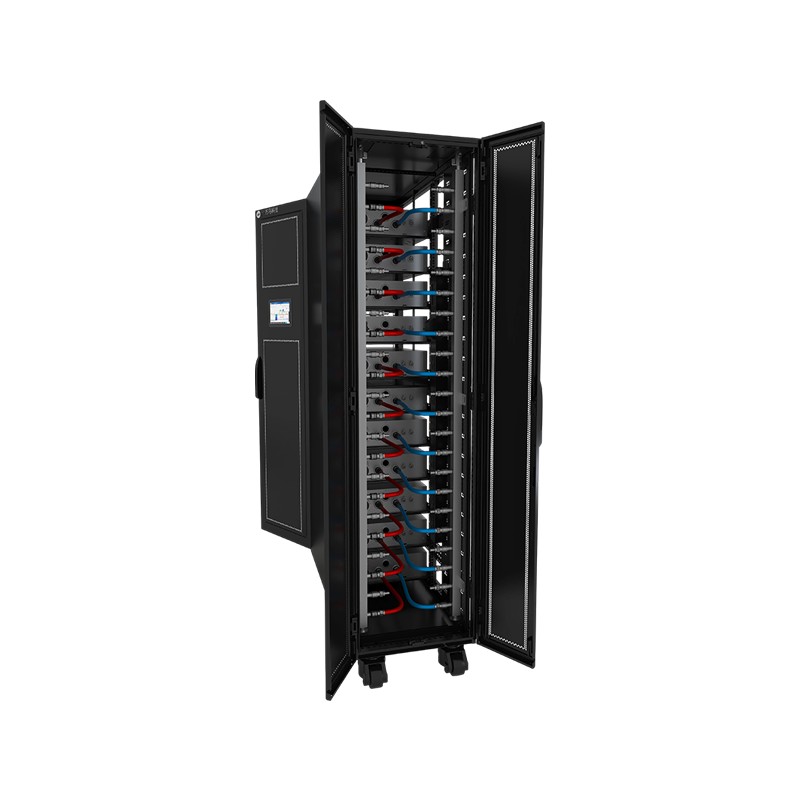
Product OverviewWM-UQD Liquid Cooling Quick Disconnect Coupling is a fluid connection component specifically designed for online maintenance of liquid cooling systems. Both the plug and socket are equ...
See DetailsWhat Makes Quick Couplers and Hoses the Critical Link in AI Data Center Liquid Cooling?
Content
- 1 What Makes quick couplers and hoses the Critical Link in AI Data Center Liquid Cooling?
- 2 Why General-Purpose Quick Couplers Fail in AI Liquid Cooling Loops
- 3 OCP UQD and the Standardization of Blind-Mate Liquid Cooling Connectors
- 4 Inside a Blind-Mate Dry-Break Coupler: A Visual Breakdown
- 5 Material Selection for Quick Couplers and Hoses in Liquid Cooling
- 6 Market Data: The Scale of Liquid Cooling Deployment
- 7 How to Select Quick Couplers and Hoses for AI Liquid Cooling
- 8 Comparing Coupler Types for Different Liquid Cooling Architectures
- 9 Frequently Asked Questions About Quick Couplers and Hoses
- 9.0.1 Q1: What is the difference between UQD and LQC quick couplers?
- 9.0.2 Q2: Why is EPDM preferred over NBR for liquid cooling seals?
- 9.0.3 Q3: How many mating cycles should a UQD coupler withstand?
- 9.0.4 Q4: Can I use a standard industrial quick coupler in a liquid cooling loop?
- 9.0.5 Q5: What is the acceptable leak rate for a dry-break coupler?
- 9.0.6 Q6: How do I verify that a hose is compatible with my coolant?
- 9.0.7 Q7: What insertion force should I expect for a blind-mate coupler?
- 9.0.8 Q8: How does hose bend radius affect cooling performance?
- 10 Conclusion: The Connector Is Not a Commodity
What Makes quick couplers and hoses the Critical Link in AI Data Center Liquid Cooling?
When GPU thermal design power crossed 500 watts and then 700 watts per package, air cooling stopped being an engineering choice and became a physical impossibility. The thermal density of modern AI accelerators exceeds what any reasonable airflow can dissipate. Liquid cooling, once reserved for supercomputing exotica, is now the default thermal architecture for every serious AI training cluster.
But here is the uncomfortable truth that operations teams discover after the first few thousand deployments: the cooling loop is only as reliable as its weakest connection point. Pumps are redundant. Cold plates are welded. Manifolds are machined from solid stock. Yet the quick couplers and hoses that bridge the rack manifold to the server cold plate remain the single most common source of fluid loss, air ingress, and unplanned maintenance in liquid-cooled AI facilities.
This is not a minor plumbing concern. A single drip at a blind-mate interface can destroy a GPU module worth more than a luxury vehicle. A microscopic air leak can introduce dissolved oxygen into a closed loop, accelerating corrosion and biological growth. A connector that requires excessive insertion force can prevent a field technician from completing a hot-swap during peak training hours. The quick couplers and hoses you specify determine whether your liquid cooling infrastructure is an asset or a liability.
The industry has responded with tighter standards, new material specifications, and a fundamental rethinking of what a "quick" connector must actually do in an AI data center. This article examines the technical requirements, material science, and supply chain realities behind the quick couplers and hoses that make modern AI liquid cooling possible.
Why General-Purpose Quick Couplers Fail in AI Liquid Cooling Loops
The quick coupler was not invented for data centers. Hydraulic quick couplers have served agriculture, construction, and industrial machinery for decades. They are robust, inexpensive, and designed for environments where a few drops of hydraulic fluid on the ground is an inconvenience, not a catastrophe.
AI data centers impose a different set of constraints. The fluid is not hydraulic oil but deionized water, often mixed with propylene glycol or ethylene glycol. The materials must be compatible with stainless steel cold plates, copper microchannels, and EPDM or PTFE seals. The operating temperature swings from chilled supply temperatures near 15 degrees Celsius to return temperatures exceeding 60 degrees Celsius in high-density racks. And the connector must survive thousands of mating cycles without losing its sealing integrity.
Three failure modes dominate when general-purpose couplers are deployed in liquid cooling:
- Micro-leakage at the valve seat. Industrial couplers tolerate weepage. AI servers do not. A leak rate measured in milliliters per hour is unacceptable when the fluid is in direct proximity to high-voltage electronics.
- Air ingestion during disconnection. Standard couplers allow a small volume of air to enter the loop when disconnected. In a closed liquid cooling system, repeated air ingress leads to pump cavitation, reduced heat transfer, and accelerated fluid degradation.
- Excessive insertion force. General-purpose couplers may require 80 to 100 newtons of force to mate. In a blind-mate server tray, the technician cannot see the connection. Forces above 40 newtons make blind mating unreliable and increase the risk of incomplete engagement.
The solution is not simply a better O-ring. It is a fundamentally different design philosophy: the dry-break, blind-mate quick coupler engineered specifically for electronic cooling.
OCP UQD and the Standardization of Blind-Mate Liquid Cooling Connectors
The Open Compute Project, known as OCP, recognized that proprietary connector designs would fragment the liquid cooling market and slow adoption. Their Universal Quick Disconnect specification, commonly called UQD, defines the mechanical, dimensional, and performance requirements for blind-mate quick couplers used in server-side liquid cooling.
The UQD specification addresses several critical parameters:
| Parameter | UQD Requirement | Legacy Industrial Coupler |
|---|---|---|
| Insertion force | 40 N or less | 80 to 100 N |
| Leak rate on disconnect | 0.1 mL or less per disconnect | 0.5 to 2 mL per disconnect |
| Mating cycles | 500 minimum | 50 to 200 |
| Seal material | EPDM or equivalent | NBR or polyurethane |
| Body material | 304 or 316L stainless steel | Brass or carbon steel |
| Operating temperature | -40 to 85 degrees Celsius | -20 to 100 degrees Celsius |
The distinction between UQD and LQC is also important. UQD connectors are designed for the server side, where space is constrained, flow rates are moderate, and blind mating is required. LQC, or Liquid Quick Connect, refers to larger rack-level connectors that handle higher flow rates and may use threaded locking mechanisms. Both are necessary in a complete liquid cooling loop, but they serve different roles and follow different dimensional standards.
A compliant UQD coupler must achieve dry-break performance. This means that when the coupling is disconnected, the fluid remaining on the server side is limited to the small volume trapped between the valve and the mating face. The valve must close before the seal separates, preventing any continuous stream or spray.
Inside a Blind-Mate Dry-Break Coupler: A Visual Breakdown
The following diagram illustrates the internal architecture of a typical blind-mate quick coupler designed for AI server liquid cooling. Key features include the self-aligning guide sleeve, the spring-loaded valve poppet, and the EPDM face seal.
Material Selection for Quick Couplers and Hoses in Liquid Cooling
The materials used in quick couplers and hoses determine their chemical compatibility, thermal stability, and service life. In AI data center liquid cooling, three material categories require careful attention.
Valve Body and Internal Wetted Parts
Brass is common in industrial couplers but is unacceptable in deionized water systems. Brass contains zinc, which leaches into the fluid over time, increasing conductivity and promoting galvanic corrosion when paired with copper or stainless steel components. The standard for AI liquid cooling is 304 or 316L stainless steel.
316L offers superior resistance to chloride-induced pitting corrosion, which is relevant when glycol-based fluids degrade and release trace chlorides. For facilities using treated water or mixed-metal loops, 316L is the safer choice. The incremental cost is negligible compared to the cost of a coolant loop replacement.
Seal Materials
The seal is the most critical component in any quick coupler. It must remain flexible across the operating temperature range, resist compression set, and maintain a leak-tight interface after hundreds of mating cycles. EPDM, or ethylene propylene diene monomer, is the preferred seal material for liquid cooling because it offers excellent compatibility with deionized water and glycol mixtures, a wide operating temperature range from -40 to 85 degrees Celsius, and good resistance to aging and ozone.
Nitrile, or NBR, is common in hydraulic applications but degrades faster in hot water and glycol. Silicone seals offer a wider temperature range but have higher permeability to water vapor and are more susceptible to swelling in glycol. For AI data center liquid cooling, EPDM is the baseline specification for UQD-compliant couplers.
Hose Construction
The hose connecting the rack manifold to the server cold plate is not a passive component. It affects flow rate, pressure drop, and the overall reliability of the connection. Three hose parameters matter most:
- Inner diameter and flow capacity. A hose that is too narrow creates excessive pressure drop, forcing the pump to work harder and reducing cooling efficiency. A hose that is too wide is difficult to route in tight server chassis.
- Bend radius. AI servers are dense. A hose with a tight minimum bend radius allows cleaner cable and tube management, reducing the risk of kinking and flow restriction.
- Permeability. The hose wall must resist permeation of water vapor and glycol. Low-permeability EPDM compounds or multilayer constructions with a barrier layer reduce fluid loss over time and help maintain coolant chemistry.
Market Data: The Scale of Liquid Cooling Deployment
The shift to liquid cooling is not incremental. Industry analysts tracking data center thermal management report that liquid cooling deployments are growing at a compound annual rate exceeding 30 percent, driven almost entirely by AI training and inference workloads. Server-side quick couplers, the UQD type that mates directly to the cold plate, account for approximately 46 percent of the liquid cooling connector market by volume.
This growth has supply chain implications. A single AI rack may contain 8 to 16 servers, each with 2 to 4 cold plates and 4 to 8 quick coupler pairs. A large training cluster with 10,000 servers therefore requires between 80,000 and 320,000 individual quick couplers. At that scale, a defect rate of 0.1 percent translates to hundreds of field failures.
Deployment Scale Example
10,000 servers x 4 cold plates x 2 couplers per plate = 80,000 quick couplers
At 500 mating cycles each, the facility will perform 40 million mating operations over its service life
A 0.1 percent defect rate means 80 field failures requiring server downtime
This arithmetic explains why OCP UQD compliance has become a procurement requirement for major cloud operators. It is not about preferring one vendor over another. It is about ensuring that every connector in a massive deployment meets a known, testable performance standard.
How to Select Quick Couplers and Hoses for AI Liquid Cooling
Selecting the right components requires matching the coupler and hose specifications to the thermal and mechanical requirements of the specific deployment. The following checklist covers the essential criteria.
Step 1: Confirm UQD Compliance
Verify that the coupler meets the OCP UQD dimensional and performance specification. This includes insertion force, leak rate, mating cycle life, and material composition. A supplier claiming UQD compatibility should provide test data demonstrating compliance.
Step 2: Match Flow Rate to Thermal Load
The coupler and hose must handle the required flow rate without excessive pressure drop. For a server drawing 500 watts of heat, a flow rate of 0.5 to 1.0 liters per minute is typical. The coupler's internal valve design and the hose inner diameter must be sized accordingly.
Step 3: Verify Fluid Compatibility
Confirm that all wetted materials, including the valve body, seals, and hose liner, are compatible with the specific coolant chemistry. Deionized water with propylene glycol at 25 percent concentration is the most common fluid, but some facilities use ethylene glycol or specialized dielectric fluids.
Step 4: Evaluate Blind-Mate Alignment Features
Blind-mate couplers require self-alignment features to guide the server tray into engagement. Look for chamfered guide sleeves, floating mount designs, or tolerance-compensating mechanisms that allow the coupler to align even when the server tray is not perfectly positioned.
Step 5: Confirm Hose Flexibility and Routing
Measure the minimum bend radius of the hose and compare it to the routing path inside the server chassis. A hose that kinks will restrict flow and may damage the inner liner over time. EPDM hoses with a braided reinforcement layer offer a good balance of flexibility and pressure resistance.
Comparing Coupler Types for Different Liquid Cooling Architectures
Not all liquid cooling loops are the same. The choice of quick coupler depends on whether the loop is server-level, rack-level, or facility-level.
| Architecture | Coupler Type | Typical Flow Rate | Key Requirement |
|---|---|---|---|
| Server-level cold plate | UQD blind-mate | 0.5 to 1.5 L/min | Low insertion force, dry-break |
| Rack manifold | LQC threaded | 5 to 20 L/min | High flow, secure locking |
| Facility loop | Industrial quick coupler | 20 to 100 L/min | Durability, serviceability |
The server-level UQD coupler is the most critical because it is the most frequently mated and the closest to sensitive electronics. Rack-level LQC connectors are typically mated once during installation and remain connected for the life of the rack. Facility-level couplers are maintained by facilities staff and are not subject to the same space and force constraints.
Frequently Asked Questions About Quick Couplers and Hoses
Q1: What is the difference between UQD and LQC quick couplers?
UQD, or Universal Quick Disconnect, refers to the OCP specification for server-side blind-mate couplers. LQC, or Liquid Quick Connect, refers to larger rack-level couplers that handle higher flow rates and typically use threaded locking mechanisms. UQD couplers prioritize low insertion force and dry-break performance, while LQC couplers prioritize flow capacity and secure locking.
Q2: Why is EPDM preferred over NBR for liquid cooling seals?
EPDM offers better resistance to hot water and glycol mixtures than NBR. It also has a wider operating temperature range and lower compression set, meaning it maintains its sealing force after many mating cycles. NBR is more suitable for hydraulic oils and fuels but degrades faster in aqueous cooling fluids.
Q3: How many mating cycles should a UQD coupler withstand?
The OCP UQD specification requires a minimum of 500 mating cycles. Some premium couplers are tested to 1,000 cycles or more. The actual service life depends on fluid cleanliness, seal material, and operating temperature.
Q4: Can I use a standard industrial quick coupler in a liquid cooling loop?
Standard industrial couplers are not recommended for AI data center liquid cooling. They typically have higher leak rates, require higher insertion force, and may use materials that are not compatible with deionized water or glycol. The risk of fluid damage to electronics is too high to justify the lower cost.
Q5: What is the acceptable leak rate for a dry-break coupler?
The OCP UQD specification sets the maximum leak rate at 0.1 milliliters per disconnect. This is the volume of fluid that may remain on the server side after the coupler is disconnected. Any continuous drip or spray is unacceptable.
Q6: How do I verify that a hose is compatible with my coolant?
Check the hose manufacturer's chemical compatibility chart for the specific coolant chemistry and concentration. EPDM hoses are generally compatible with deionized water and propylene glycol mixtures. If the coolant contains additives or corrosion inhibitors, verify compatibility with those specific compounds as well.
Q7: What insertion force should I expect for a blind-mate coupler?
UQD-compliant blind-mate couplers should require 40 newtons or less of insertion force. This allows a technician to mate the coupler by hand without tools and reduces the risk of incomplete engagement in blind-mate applications.
Q8: How does hose bend radius affect cooling performance?
A hose that is bent tighter than its minimum bend radius will kink, restricting flow and increasing pressure drop. This reduces coolant flow to the cold plate and can lead to overheating. Always route hoses with gentle curves and respect the manufacturer's minimum bend radius specification.
Conclusion: The Connector Is Not a Commodity
In AI data center liquid cooling, the quick coupler and hose assembly is not a commodity plumbing part. It is a precision-engineered component that must perform reliably for years, across thousands of mating cycles, in close proximity to electronics worth millions of dollars. The difference between a compliant UQD coupler and a general-purpose industrial coupler is the difference between a maintenance-free cooling loop and a chronic source of downtime.
As AI server power densities continue to rise, the demands on quick couplers and hoses will only increase. Higher flow rates, tighter space constraints, and more aggressive coolant chemistries will push the limits of current designs. Specifying components that meet or exceed OCP UQD standards is the minimum requirement for any serious liquid cooling deployment.
For engineers designing next-generation AI servers or upgrading existing data center liquid cooling systems, the selection of quick couplers and hoses deserves the same level of attention as the cold plate or the pump. The fluid loop is only as reliable as its most unreliable connection.
PREV:What Makes Prefabricated Piping for Liquid Cooling Secondary Side the Backbone of Reliable AI Data Centers?
NEXT:Why Liquid Cooling Manifolds Have Become the Hidden Bottleneck in Modern AI Infrastructure
NEXT:Why Liquid Cooling Manifolds Have Become the Hidden Bottleneck in Modern AI Infrastructure
Interested in cooperation or have questions?
Related products
-
-
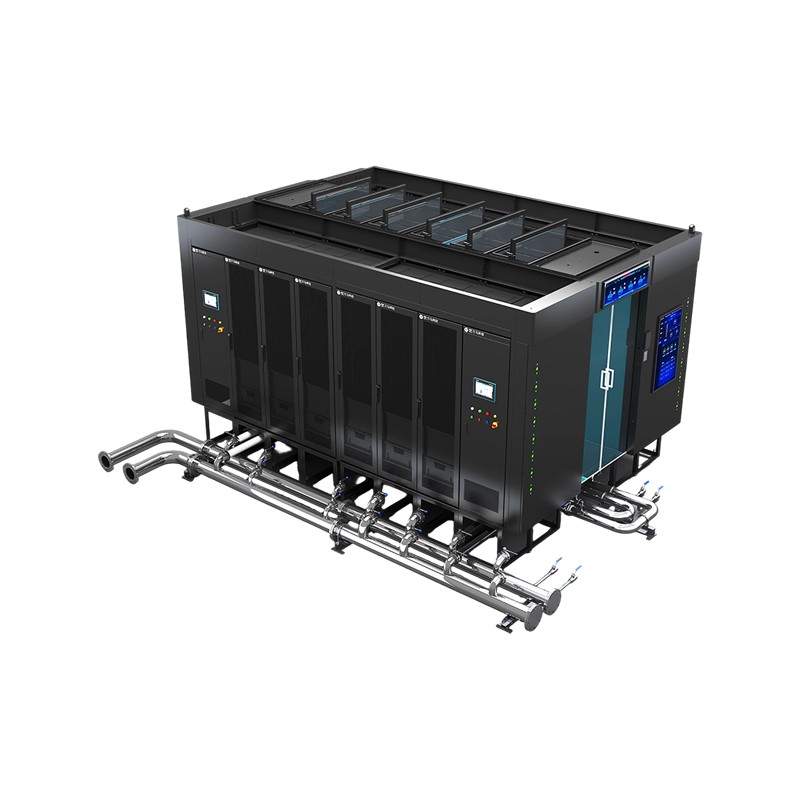
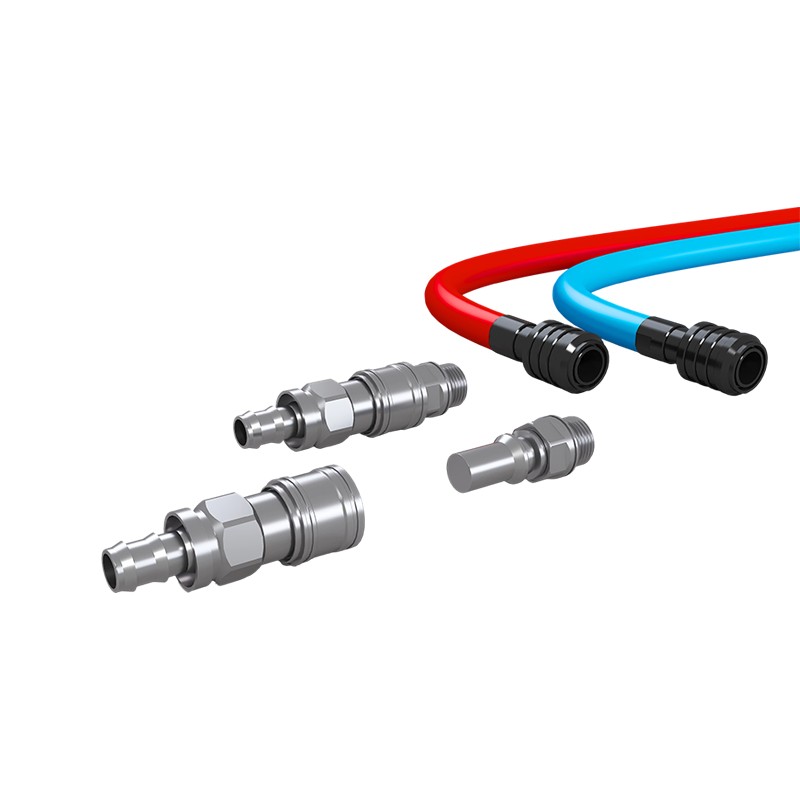
Product OverviewWM-HCM Air-Liquid Hybrid Micro-Module is an integrated data center solution designed for ultra-high-density computing applications. It adopts a dual-row, back-to-back layout and integr...
See Details -
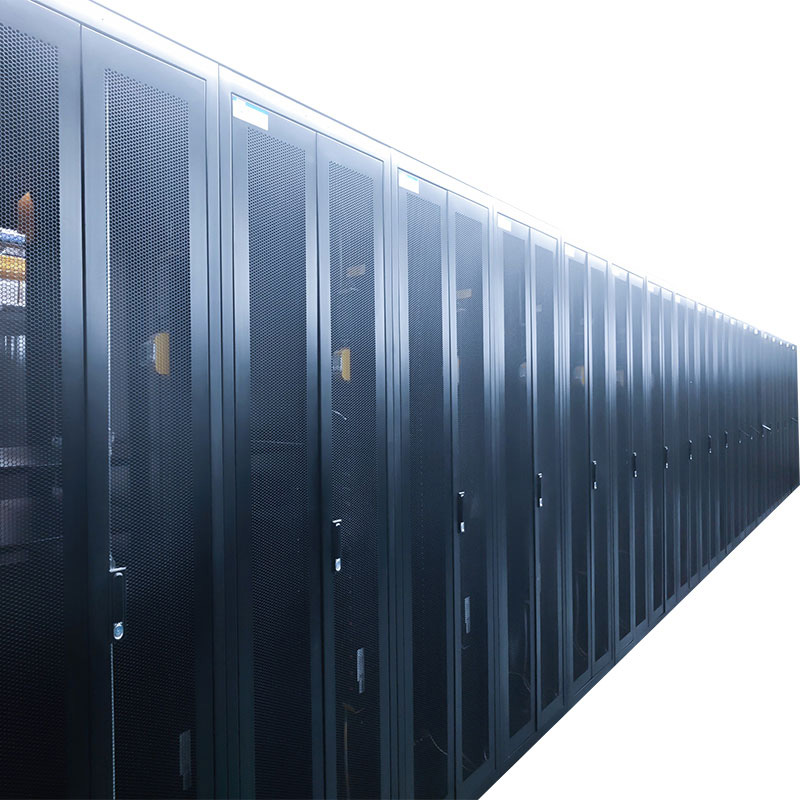
Application:It is used in internet data center equipment room to house server cabinets and provides them with required working environment. Features:•Modularization: Two cabinets combined sharing one ...
See Details -
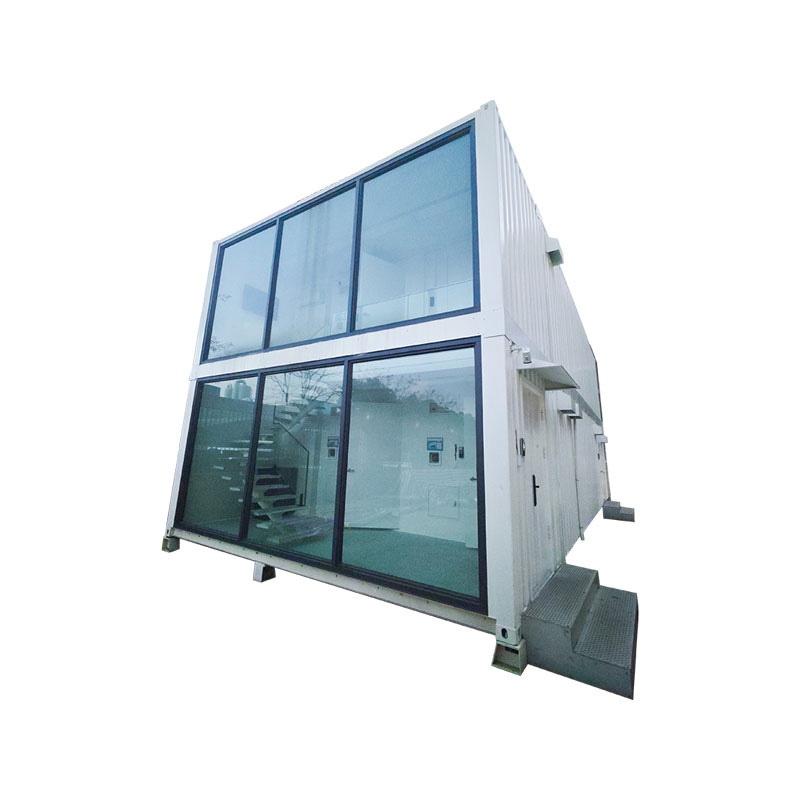
40-inch Containerized Data Center (CDC-40) is a high-capacity, high-density modular data center solution based on a standard 40-inch Containerized Data Center (CDC-40) ISO shipping container. It provi...
See Details
Ready to Get started ? Contact Us Now !

Product.
Contact Details.
-
 +86 13958188250
-
 +86 13958188250
-
 [email protected]
- Wanma Industrial Park Taihu Yuan Town Lin'an District Hangzhou City China.
QR Code

Copyright © Wanma Technology Co., Ltd. All Rights Reserved.
Privacy
Custom Ethernet Optical Network Railway Transit Equipments Suppliers
