

 English
 Français
 Español
 Português
 عربى





Product Definition:The Chain Intelligent Clothes and Shoes Sending Machine is an advanced management system for hospital operating rooms and clean zones, integrating automatic storage, identity verifi...
See DetailsWhat Makes a Sorting and Packaging Station the Critical Control Point in Medical Fabric Management?
Content
- 1 Why the Sorting and Packaging Station Determines Laundry Success
- 2 What Makes a Sorting and Packaging Station Intelligent?
- 3 Why Your Laundry Facility Needs a Dedicated Sorting Station
- 4 Key Features to Look for in a Sorting and Packaging Station
- 5 How an Intelligent Station Fits into Your Workflow
- 6 Evaluating Suppliers for Sorting and Packaging Stations
- 7 Frequently Asked Questions About Sorting and Packaging Stations
- 7.0.1 Q1: Can the station read RFID chips from different suppliers?
- 7.0.2 Q2: How does the station handle mixed loads of different fabric types?
- 7.0.3 Q3: What is the typical lead time for a customized station?
- 7.0.4 Q4: Does the station support integration with our existing laundry management software?
- 7.0.5 Q5: What maintenance does the station require?
- 8 Ready to Upgrade Your Sorting and Packaging Workflow?
Why the Sorting and Packaging Station Determines Laundry Success
In a hospital laundry or commercial washing facility, the sorting and packaging station is far more than a worktable. It is the exact point where clean, disinfected medical fabrics are verified, categorized, and prepared for delivery to clinical departments. Errors here do not stay here. A mis-sorted load can send the wrong linen to an operating room, trigger a compliance violation, or force an expensive reprocessing cycle.
Industry data shows that manual sorting and packaging in high-volume operations can produce error rates between 2 and 5 percent. For a facility processing 12,000 pieces per day, that translates to hundreds of incorrect items daily. The consequences range from staff frustration to patient safety risks. An intelligent sorting and packaging station addresses these problems at the source by combining RFID bulk reading, visual quality inspection, data reconciliation, and weighing into a single workflow.
This article explains what an intelligent station does, why your facility needs a dedicated unit, which features matter most, and how to evaluate integration with your existing laundry management system. It also answers common questions about RFID compatibility, mixed loads, lead times, and software integration.
What Makes a Sorting and Packaging Station Intelligent?
A conventional sorting table holds folded linen and a clipboard. An intelligent station holds data. It reads RFID chips in bulk, checks each item against a delivery manifest, identifies defects, and records every action for traceability. The difference is not incremental. It is the difference between hoping your laundry is correct and knowing it is correct.
Beyond a Table: Key Functions of a Modern Station
- RFID bulk reading: The station must read 100 items in under 15 seconds with accuracy above 99.8 percent. This speed is essential when a single cart carries linens for multiple departments.
- Visual quality inspection: Integrated industrial cameras and lighting modules automatically detect stains, tears, missing buttons, and other defects. Items that fail inspection are diverted for repair or disposal.
- Data reconciliation and correction: The system supports wrong-delivery corrections and summarizes shortfalls by department. This prevents delivery disputes and ensures each department receives exactly what it needs.
- Weighing and packaging: Integrated scales confirm that package quantities match the manifest. This step satisfies transport and storage requirements and catches discrepancies before dispatch.
How It Connects to the Wider Intelligent Management System
The sorting and packaging station acts as a data acquisition point. Every RFID read, inspection result, and weight measurement is transmitted to a central scheduling center or intelligent management platform. This creates a complete traceability chain from washing through folding, sorting, packaging, and delivery. If a department reports a missing item, the system can identify the exact station, time, and operator associated with that item.
Why Your Laundry Facility Needs a Dedicated Sorting Station
Not every laundry needs an automated station. But facilities serving hospitals, surgical centers, or long-term care homes face regulatory and operational pressures that make a dedicated station essential. The following three drivers appear consistently in facility audits and efficiency reviews.
Compliance with Medical Fabric Hygiene Standards
Regulations such as WS/T 508 specify requirements for clean and contaminated fabric separation, packaging areas, and documentation. A dedicated sorting and packaging station provides a physical and digital control point that satisfies these requirements. The station separates clean linen from any residual contamination risk, records inspection results, and generates compliance reports. Without a dedicated station, facilities often rely on manual logs that are incomplete or inconsistent.
Eliminating Human Error in High-Volume Operations
Manual sorting at high volume inevitably produces mistakes. Case data from intelligent sorting systems shows that facilities can process 12,000 pieces per day with error rates approaching zero when RFID verification is used at the packaging station. The station reads each item, compares it to the delivery order, and alerts the operator to any mismatch. The operator does not need to remember department quotas or count items manually.
Reducing Labor Costs and Improving Ergonomics
An intelligent station reduces the number of staff required for sorting and packaging. It also improves ergonomics by optimizing worktable height, reducing repetitive lifting, and presenting items at a comfortable angle. Facilities report lower fatigue and fewer repetitive strain injuries after installing adjustable-height stations with integrated conveyors or bins. The labor savings alone often justify the investment within 18 to 24 months.
12,000 pieces per day
99.8% RFID read accuracy
15 sec for 100 items
200+ wash cycles per chip
Key Features to Look for in a Sorting and Packaging Station
When evaluating suppliers, focus on four technical areas. These determine whether the station will function as a standalone tool or as a fully integrated component of your laundry management system.
| Feature Area | What to Verify | Minimum Requirement |
|---|---|---|
| RFID Compatibility | Chip durability, read range, bulk reading speed | Withstands 200+ wash cycles; reads 100 items in 15 seconds |
| Integration Capability | Compatibility with existing washers, folders, tunnel finishers | Open API or standard industrial protocol support |
| Customization Options | Dimensions, number of work positions, software interface | Configurable by department or fabric category |
| Data Output | Automatic report generation, remote monitoring | Stain rate, discard rate, shortage summaries |
RFID Compatibility
The RFID chips embedded in medical fabrics must survive repeated exposure to heat, chemicals, and mechanical stress. A sorting and packaging station must read these chips reliably even after 200 wash cycles. Verify that the station supports the chip frequency and protocol used in your facility. Also confirm that the reader can handle mixed chip types if you source linens from multiple suppliers.
Integration Capability
The station should connect seamlessly with your existing washing systems, folding machines, and tunnel finishers. If your facility uses a laundry management software platform, the station must export data in a compatible format. Look for suppliers that provide an open API or support standard industrial communication protocols. Integration avoids duplicate data entry and ensures that traceability records remain complete.
Customization Options
Every laundry has different space constraints and workflow patterns. A station that fits one facility may not fit another. Customization options include adjustable dimensions, variable numbers of work positions, and software interfaces that can be configured by department or fabric category. Facilities with multiple buildings often need stations that can be replicated with identical configurations.
Data Output
The station should automatically generate reports on stain rates, discard rates, and shortage summaries. Remote monitoring capabilities allow supervisors to check station performance from a central office. This data supports continuous improvement and provides evidence during compliance audits.
How an Intelligent Station Fits into Your Workflow
Integrating a sorting and packaging station into an existing laundry workflow requires planning. The station does not replace your washers, folders, or delivery vehicles. It connects them. The following steps describe a typical integration path.
- Map your current flow: Identify where clean linen exits folding and where it is currently sorted and packaged. Note the distance to delivery staging areas.
- Define data requirements: Determine which data points you need to capture for compliance and operations. Common requirements include item ID, department, inspection result, weight, and timestamp.
- Select station configuration: Choose the number of work positions, table dimensions, and software interface based on your daily volume and department count.
- Integrate with existing systems: Connect the station to your laundry management software and, if applicable, to automated folding or transport systems.
- Train operators: Train staff on RFID reading, inspection procedures, and data correction workflows. Most operators become proficient within one shift.
- Monitor and refine: Use station reports to identify recurring errors, adjust department quotas, and optimize workflow.
Facilities that follow this path typically see a reduction in delivery errors within the first month and a measurable labor savings within the first quarter. The station becomes the single point of truth for clean linen verification.
Evaluating Suppliers for Sorting and Packaging Stations
When you contact a sorting and packaging station supplier, ask about manufacturing experience, OEM and ODM capabilities, and integration support. A supplier with decades of experience in medical fabric management will understand the regulatory environment and the operational pressures your facility faces.
The station should be presented as part of a larger intelligent management system that includes RFID chips, smart receiving cabinets, and central software. This systems approach ensures that data flows seamlessly from washing through delivery. It also means you have a single point of contact for training, maintenance, and software updates.
Request a customized quotation that reflects your specific volume, department count, and integration requirements. A supplier that asks detailed questions about your workflow is more likely to deliver a station that fits your needs. Look for a commitment to respond to quotation requests within 24 hours.
Frequently Asked Questions About Sorting and Packaging Stations
Q1: Can the station read RFID chips from different suppliers?
Yes, provided the station supports the frequency and protocol used by each chip type. Most modern stations are multi-protocol capable. However, you should verify compatibility with your specific chip suppliers before purchase. If you use chips from multiple sources, ask the station supplier to test samples from each source.
Q2: How does the station handle mixed loads of different fabric types?
The station reads each RFID chip individually and identifies the fabric type, department, and required handling. The software interface displays the item category and any special instructions. Operators can sort items into separate bins or conveyor lanes based on the displayed information. The station records the mix for traceability and can alert supervisors if a load contains unexpected fabric types.
Q3: What is the typical lead time for a customized station?
Lead times vary based on configuration complexity and current production schedules. Standard configurations typically ship within four to six weeks. Custom configurations may require eight to ten weeks. Suppliers that offer a 24-hour quotation response can usually provide a more precise lead time estimate after reviewing your requirements.
Q4: Does the station support integration with our existing laundry management software?
Integration depends on the software platform and the station supplier's API capabilities. Most suppliers provide an open API or support standard data exchange formats. You should provide your software vendor's documentation to the station supplier for compatibility testing. In many cases, integration requires only configuration rather than custom development.
Q5: What maintenance does the station require?
Routine maintenance includes cleaning the RFID reader antennas, checking camera lenses for dust, and verifying scale calibration. The station software should be updated periodically to maintain compatibility with chip protocols and management platforms. Most suppliers offer remote diagnostics and annual maintenance contracts.
Ready to Upgrade Your Sorting and Packaging Workflow?
An intelligent sorting and packaging station transforms a manual bottleneck into a data-driven control point. It reduces errors, ensures compliance, and provides the traceability that modern medical laundry operations require. Whether you process 2,000 or 20,000 pieces per day, a dedicated station pays for itself through labor savings and error reduction.
Contact us for a customized quotation. We respond to all quotation requests within 24 hours. Our team will review your workflow, recommend a station configuration, and provide a detailed proposal that includes integration options and lead time estimates.
Request your customized sorting and packaging station quotation today.
PREV:How Prefabricated Piping for Liquid Cooling Secondary Side Eliminates Leaks and Cuts Deployment Time
NEXT:What Causes Self-Sealing Quick Couplers and Hoses to Fail and How to Maintain Them
NEXT:What Causes Self-Sealing Quick Couplers and Hoses to Fail and How to Maintain Them
Interested in cooperation or have questions?
Related products
-
-
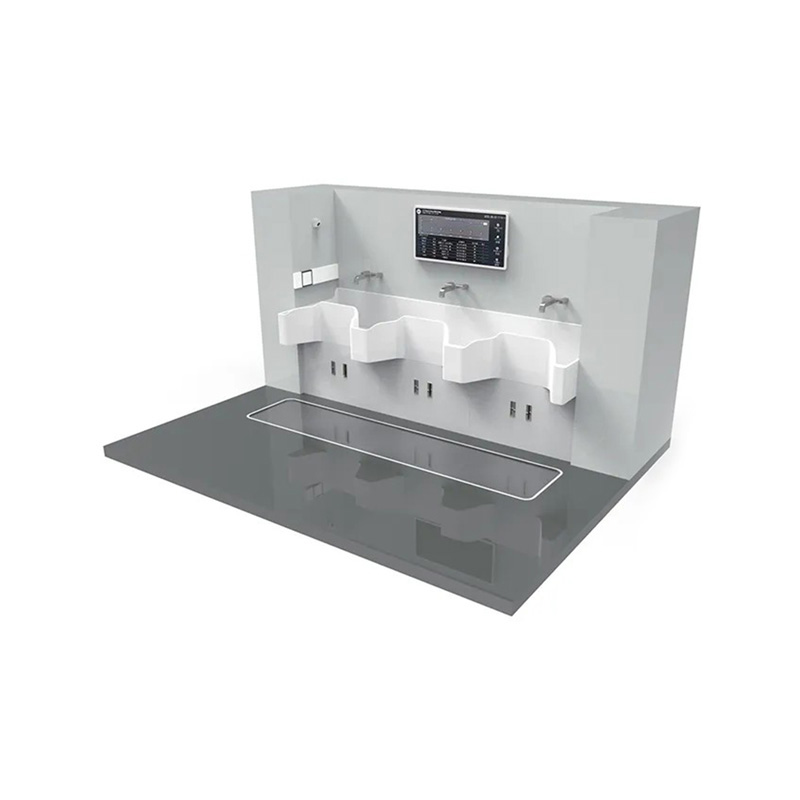
Product DefinitionThe Wanma Hand Washing Compliance Management System is an intelligent hand hygiene supervision solution based on RFID technology. By automatically identifying medical staff and monit...
See Details -

Application:It is extensively used as optical cable splicing and distribution unit in the OMDF, ODF, OCC and outdoor cabinet. Features:1. Splice Module can be used for fiber splicing, fiber distributi...
See Details -
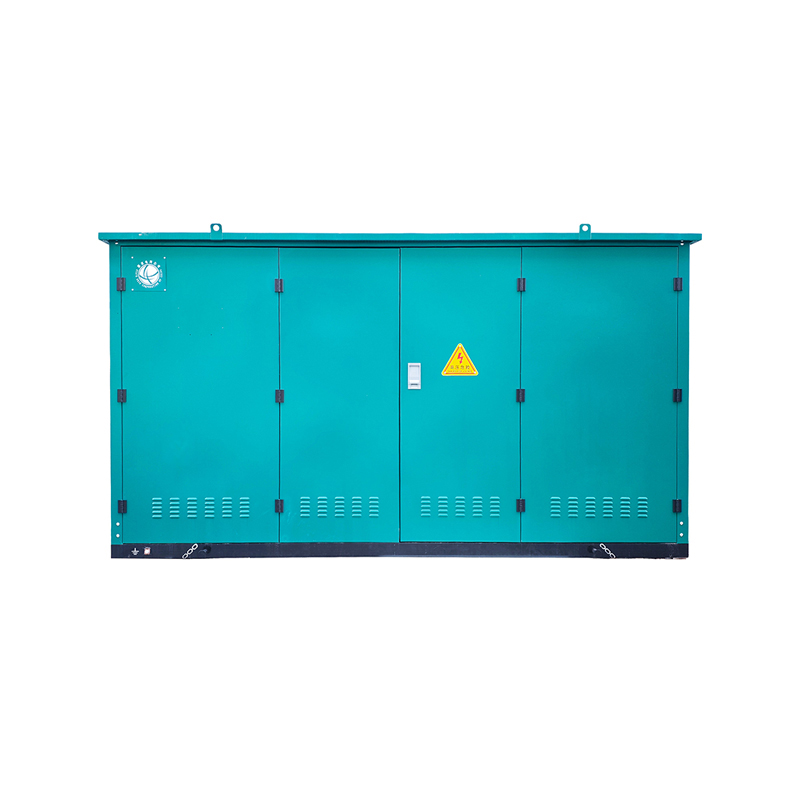
Product Overview:The WMXGW-12 outdoor pre-fabricated enclosed ring main unit is an intelligent integrated equipment launched by Wanma Technology Co., Ltd. in response to the latest standards of the St...
See Details
Ready to Get started ? Contact Us Now !

Product.
Contact Details.
-
 +86 13958188250
-
 +86 13958188250
-
 [email protected]
-
 AUDIT Email:[email protected]
- Wanma Industrial Park Taihu Yuan Town Lin'an District Hangzhou City China.
QR Code

Copyright © Wanma Technology Co., Ltd. All Rights Reserved.
Privacy
Custom Ethernet Optical Network Railway Transit Equipments Suppliers
