
 English
 Français
 Español
 Português
 عربى
عربى



Omni-Scenario Interconnected Architecture
Highly adaptable communication devices and distributed architecture solutions establish a comprehensive medical data transmission system.
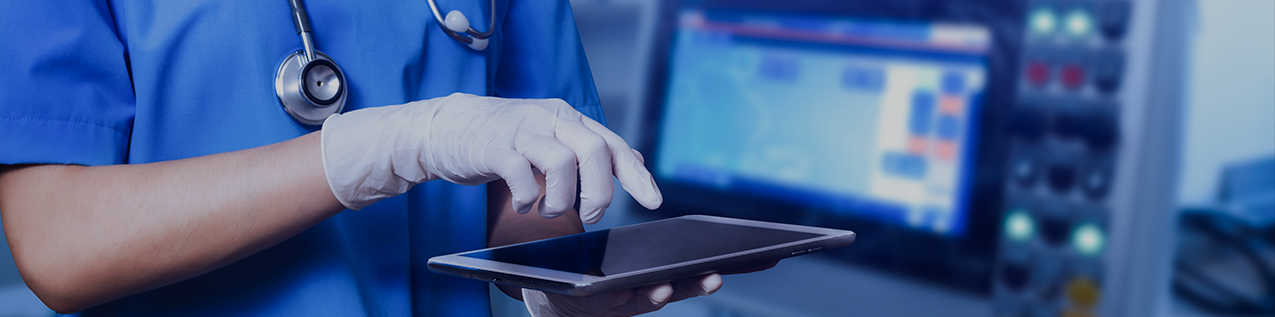


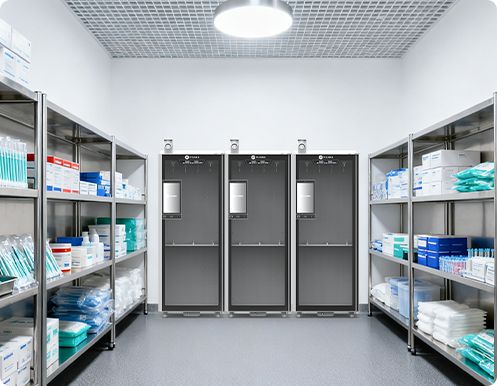
— High Efficiency: The system automates procurement, warehousing, distribution, usage, accounting, and stocktaking processes, enabling planned replenishment.
—Data Accuracy: Real-time monitoring and updating of inventory, procurement, and requisition data ensures precision and consistency.
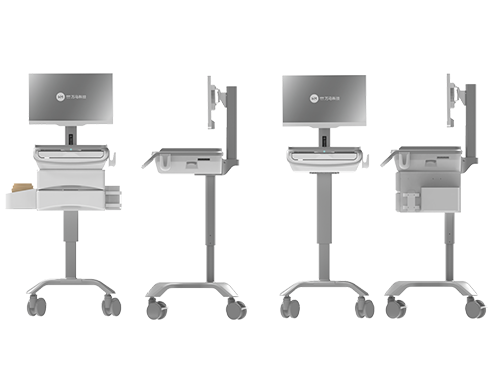
—Scalability Principle: Given the varying operational contexts and specific requirements across different hospitals, equipment must be scalable.
—Maintainability Principle: Equipment should exhibit good maintainability, with software designed for ease of operation and straightforward maintenance.
—Advanced Technology Principle: Given the rapid advancement of global technology, equipment must incorporate high-specification configurations to remain contemporary.
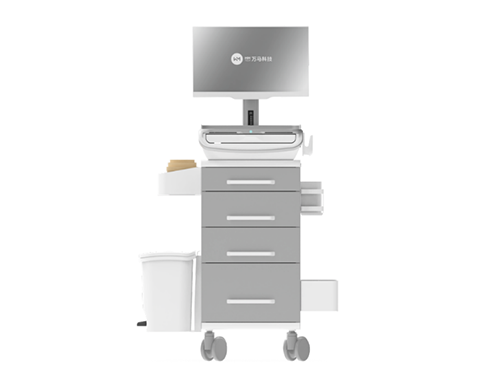
— Emergency medication and infusion management, enabling nursing monitoring
—Optimising information collection processes to facilitate bedside vital signs monitoring.
— Accessing patient core information to deliver bedside health education.
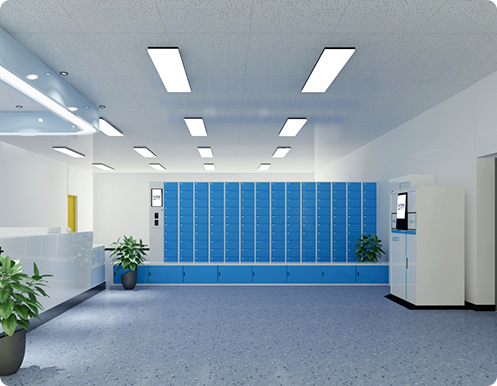
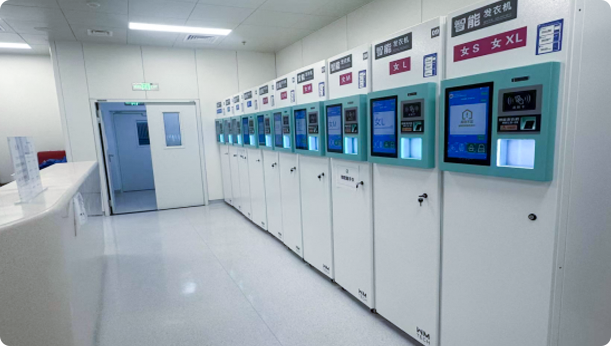
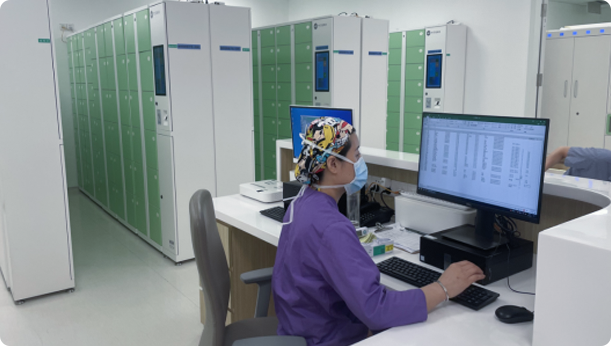
— Control operating theatre personnel to enhance cleanliness management.
—Standardise the conduct of surgical staff.
— Manage and trace surgical gowns and footwear.

Factory Area
Employees
Export Regions
Engineers
In today’s rapidly evolving healthcare digitalization landscape, the smart hospital clinical workflow IT terminal solution is no longer just an IT concept. It has become a core infrastructure that fundamentally reshapes how hospitals operate—from outpatient services to inpatient care, from medication management to nursing execution. Every step of the clinical workflow is being redefined through data integration, intelligent terminals, and real-time system connectivity.
So how exactly does this type of IT terminal solution improve hospital efficiency and safety? And why are more healthcare institutions adopting it as a critical path for digital transformation?
Traditional hospital information systems often suffer from a hidden but critical issue: systems are advanced, but terminals are inconsistent and workflows are disconnected.
Physicians may place orders in the HIS system, nurses execute care tasks on mobile devices, pharmacy systems operate independently, and laboratory results are delivered through separate platforms. Although multiple systems exist, the experience is fragmented, causing interruptions in the clinical workflow.
Delayed information flow results in slower clinical decision-making.
Repeated manual data entry increases the risk of human error.
Frequent system switching reduces medical staff efficiency.
Therefore, the key breakthrough is not a single software system, but a unified clinical IT terminal architecture that supports the entire workflow.
The essence of a clinical workflow IT terminal solution is to make medical processes terminal-driven, node-based, and intelligently interconnected.
Standardized IT terminals allow doctors, nurses, and pharmacists to operate under the same data logic, forming a closed-loop system for orders, care execution, and medication management.
Whether in bedside care or mobile rounds, data is synchronized in real time, improving responsiveness and clinical accuracy.
Through identity authentication, process validation, and medication verification mechanisms embedded in terminals, experience-based decisions are transformed into system-enforced procedures, significantly reducing clinical risks.
An often-overlooked fact is that the reliability of hospital IT terminals depends heavily on communication infrastructure.
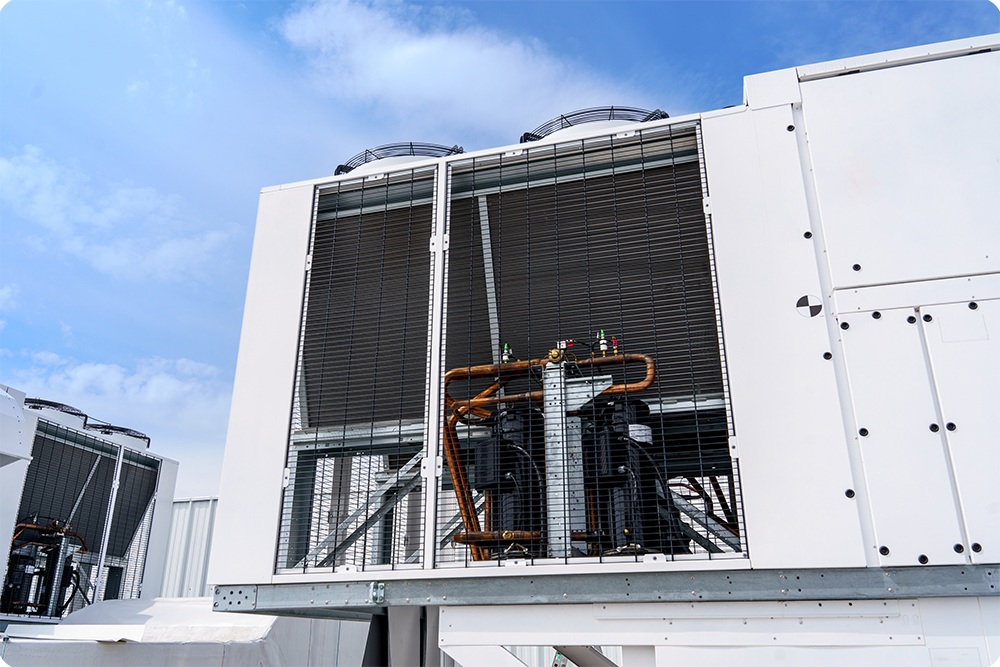
High-concurrency data transmission, low-latency interaction, and device stability all rely on robust underlying communication networks and hardware systems.
In this field, Wanma Technology Co., Ltd. holds a unique advantage.
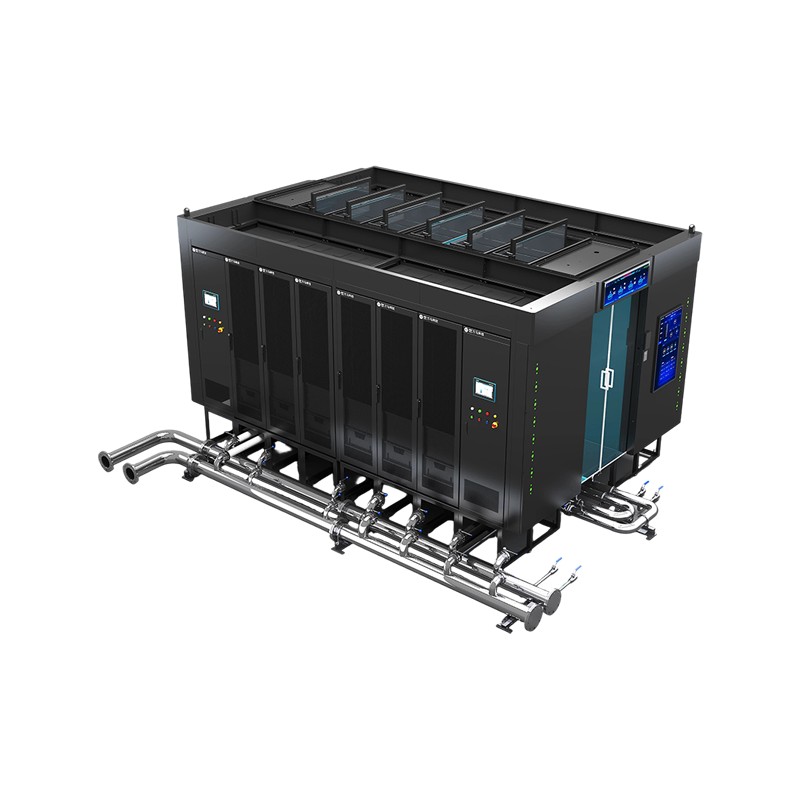
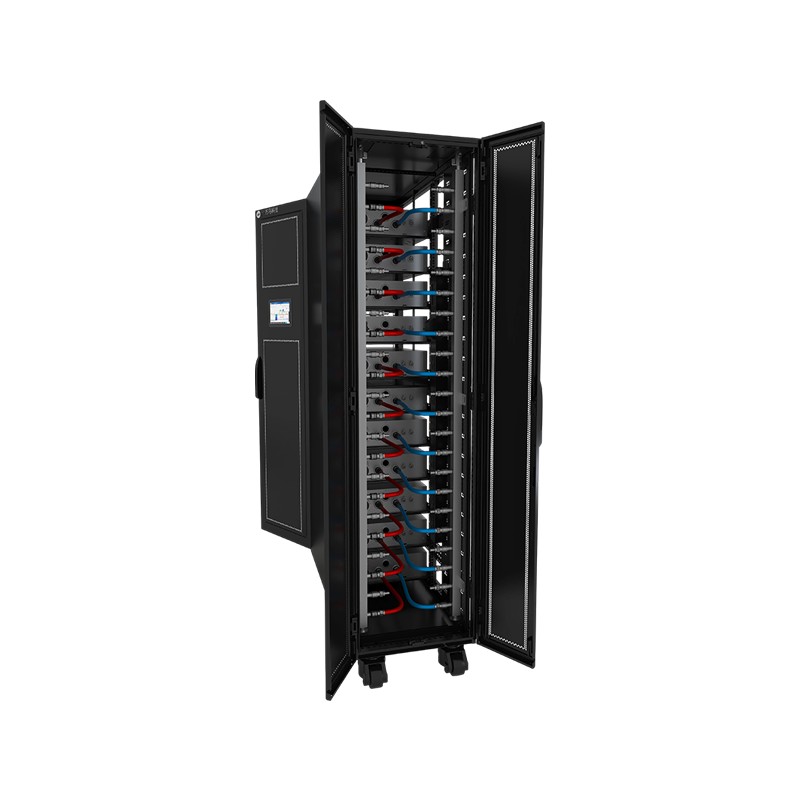
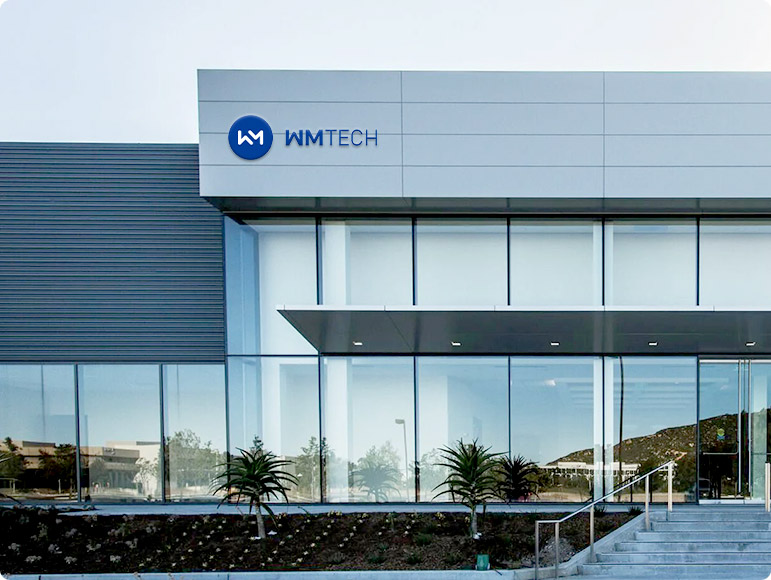
Established in 1997, Wanma Technology Co., Ltd. specializes in communication cabinets, communication electronic equipment, and passive optical components. Its products are widely deployed in Ethernet networks, optical communication networks, data center machine rooms, and railway transportation systems requiring high reliability.
This long-term expertise in high-standard communication environments enables the company to naturally extend its capabilities into healthcare scenarios. In the smart hospital clinical workflow IT terminal solution, Wanma provides not only terminal equipment but also integrated solutions based on communication infrastructure and system integration capabilities, ensuring higher stability and scalability for healthcare IT systems.
Modern hospitals no longer require standalone functional devices; instead, they need intelligent nodes embedded into clinical workflows.
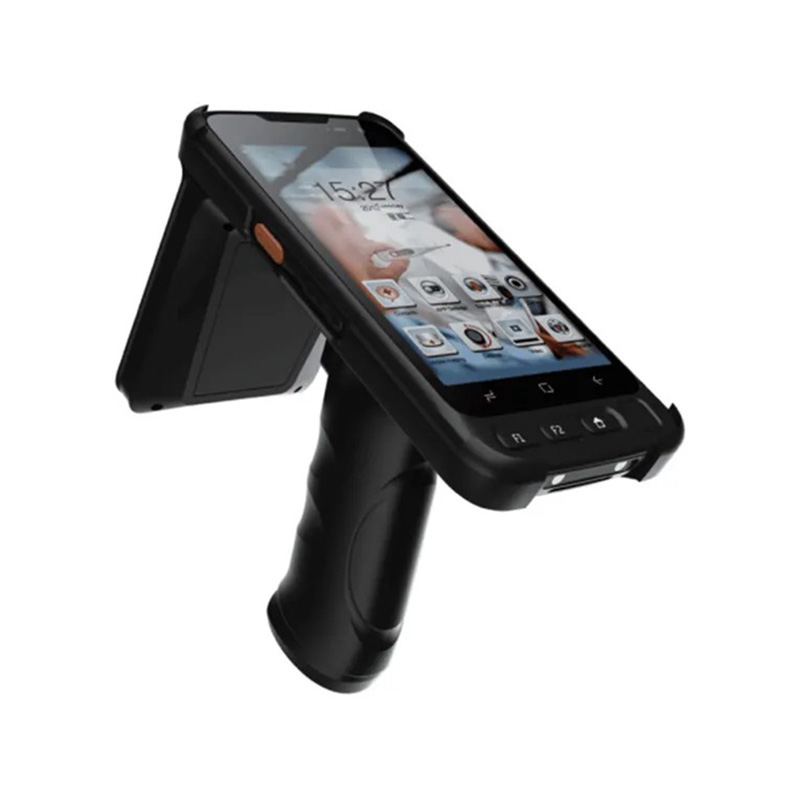
Bedside nursing terminals that integrate interaction and identity recognition.
Doctor workstation terminals that support multi-system data fusion.
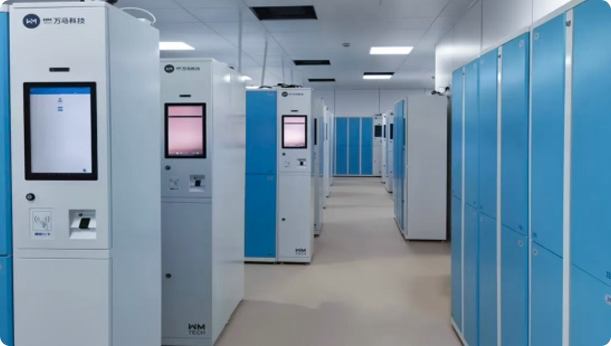
Pharmacy management terminals that enable traceability and verification.
These terminals are no longer isolated devices but execution nodes within the entire clinical workflow system.
With strong customization capabilities, Wanma Technology Co., Ltd. supports hospitals with tailored terminal designs and communication module integration based on different IT architectures, enabling true scenario-based customization.
Many hospitals prioritize software upgrades when implementing digital transformation but overlook a critical fact: terminals are the entry and exit points of clinical workflows.
If terminals cannot support complex clinical scenarios, even the most advanced software systems cannot be effectively implemented.
Shifting complex workflows to the operational front line.
Embedding rules directly into execution processes.
Automating clinical data acquisition.
This transforms hospital information systems from backend management tools into front-line execution systems.
In the future, hospital IT terminals will evolve from simple devices into essential infrastructure components.
Deep integration with medical IoT systems.
Collaboration with AI-assisted clinical decision systems.
Multi-terminal coordinated execution capabilities.
Higher security and audit compliance standards.
Within this evolution, companies with strong communication technology foundations and system integration capabilities will play a critical role in healthcare digital transformation. Wanma Technology Co., Ltd. continues to invest in this direction, advancing the development of the smart hospital clinical workflow IT terminal solution toward higher reliability and deeper integration.
It is a hospital-oriented terminal system that integrates devices and data interfaces to enable workflow collaboration and closed-loop execution among doctors, nurses, and pharmacy departments.
Traditional systems are software-centered, while this solution is terminal- and workflow-centered, emphasizing real-time execution and operational integration.
It addresses issues such as information silos, fragmented workflows, high error rates, and delayed clinical responses.
Wanma Technology Co., Ltd. provides high-reliability terminal equipment and customized integration solutions based on its communication and optical component expertise, enhancing system stability and adaptability.
It is suitable for outpatient departments, inpatient wards, nursing stations, pharmacy management, and hospital data centers.

 +86 13958188250
 +86 13958188250
 [email protected]
QR Code

Copyright © Wanma Technology Co., Ltd. All Rights Reserved.
Privacy
Custom Ethernet Optical Network Railway Transit Equipments Suppliers


 Knowledge