

 English
 Français
 Español
 Português
 عربى
عربى



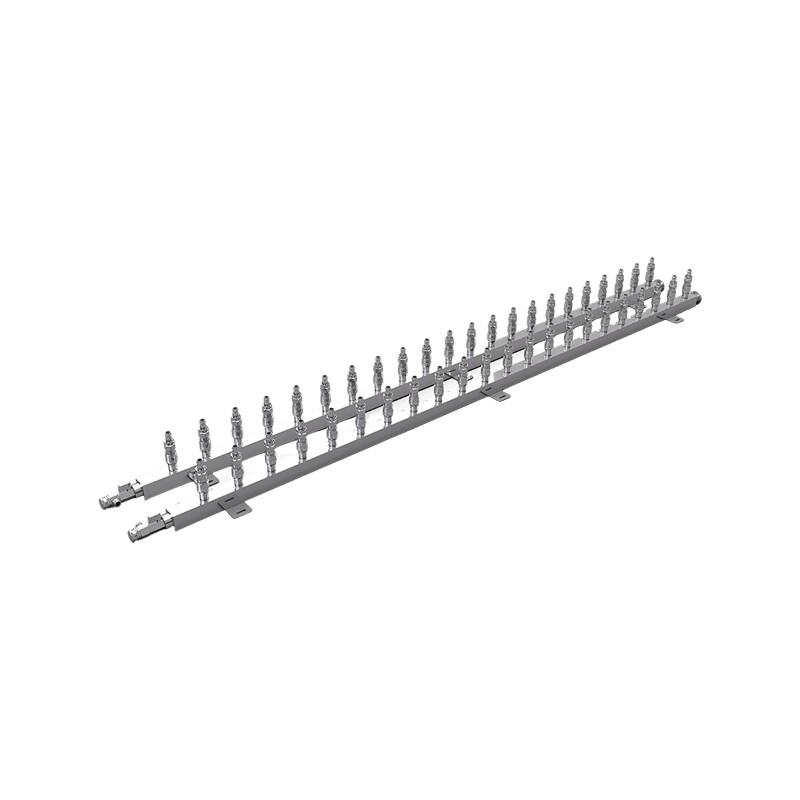
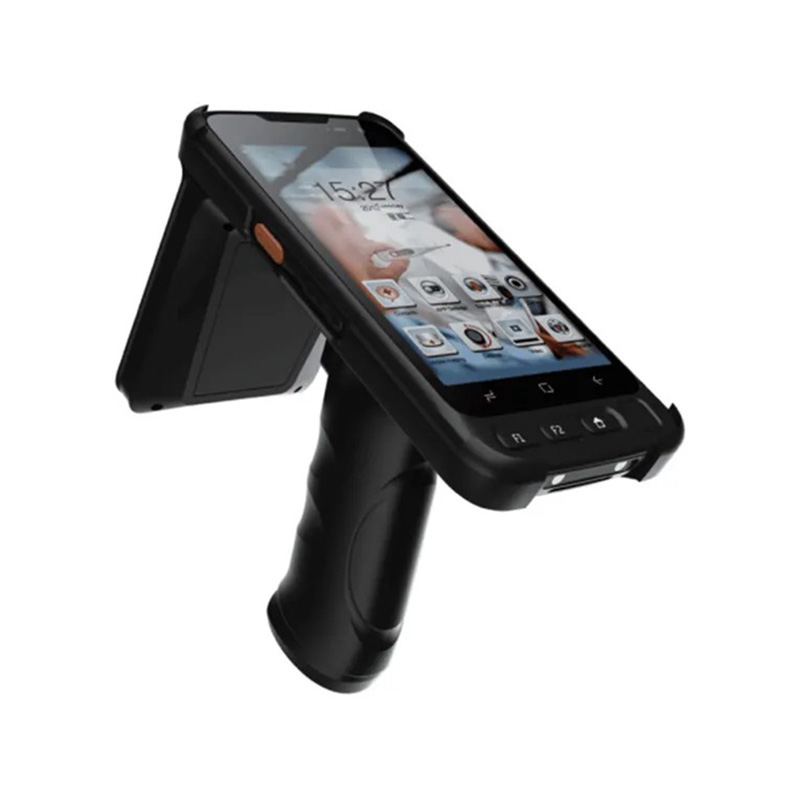
Product Definition:The RFID Handheld Inventory Device is the core mobile terminal of the Intelligent Medical Fabric Management System, designed for high-efficiency inventory and handover of linens in ...
See DetailsWhy Manual Linen Counts Fail Hospitals and How an RFID Handheld Inventory Device Changes the Process
Content
- 1 Why Manual Linen Inventory Breaks Down in Modern Hospitals
- 2 How a Handheld Reader Fits Into the Linen Workflow
- 3 Technical Factors That Matter When Choosing a Reader
- 4 Step-by-Step Rollout of a Linen Inventory Program
- 5 Measuring Return on Investment for Textile Tracking
- 6 Choosing a Supplier for Custom Deployments
- 7 Frequently Asked Questions
- 7.0.1 Q1: How fast can a team count a full linen cart with a handheld reader?
- 7.0.2 Q2: Can a handheld reader read tags through sealed packaging?
- 7.0.3 Q3: Does the device need to be replaced when tag standards change?
- 7.0.4 Q4: How long should a pilot project run before a full rollout?
- 7.0.5 Q5: Who should own the inventory program internally?
Why Manual Linen Inventory Breaks Down in Modern Hospitals
Hospital linen rooms run on tight margins of time and accuracy. Every shift, staff must confirm how many gowns, drapes, scrubs and sheets are clean, in circulation, or waiting in soiled collection. When this is done by hand, errors accumulate quickly. Counts drift, items go missing, and clean and soiled stock get mixed in ways that create infection control concerns.
The problem is not only effort. It is the lack of a reliable, repeatable record. A RFID handheld inventory device addresses this gap by reading tagged textiles in bulk and turning a physical count into a digital record within seconds.
The Hidden Costs of Shrinkage and Manual Counting
Industry operators commonly report that a meaningful share of linen inventory is lost each year through misplacement, theft, and untracked transfers. Manual counts add their own cost, because a team may spend several hours per week reconciling records that still do not agree.
| Cost Area | Manual Process | RFID-Assisted Process |
|---|---|---|
| Counting time per cart | 20 to 40 minutes | Under 2 minutes |
| Count accuracy | Often below 90 percent | Typically above 99 percent |
| Loss visibility | Discovered at periodic audits | Flagged during routine scans |
| Staff hours per week | High and recurring | Substantially reduced |
The Compliance Pressure: Traceability and Audit-Ready Records
Accreditation reviewers increasingly ask facilities to show how many times each batch has been laundered and where it has travelled. Paper logs rarely satisfy this request cleanly. Electronic records tied to each tag create a traceable chain from issue to return, which simplifies both internal quality reviews and external audits.
How a Handheld Reader Fits Into the Linen Workflow
A handheld reader is most useful where fixed portals cannot reach: inside carts, on shelving units, and at the edges of a laundry processing line. Staff can walk the room, sweep the device across stacked textiles, and let the reader capture every tag in range without unpacking bundles.
Bulk Reading Capability for Dense Stacks
Modern UHF readers can capture hundreds of tags in a single pass when the textiles are stacked. Staff no longer need to open each bag or count item by item. Inventory checks that once occupied a full shift can be completed during a short break.
- Batch capture: sweep an entire cart and receive a consolidated tag list.
- No unpacking: sealed or folded textiles are read through their packaging.
- Immediate reconciliation: results can be compared with expected stock in real time.
Rugged Design for Laundry and Clinical Environments
Linen areas are demanding. Humidity, dust, frequent cleaning and accidental drops are routine. A device intended for this setting should have an industrial enclosure, a suitable ingress protection rating, and a battery that lasts through a full shift. General-purpose handheld computers often fail under these conditions, which is why purpose-built readers are preferred.
Linking Handheld Data With Management Software
The value of a handheld reader depends on what happens to its data. When scan results flow into a central management platform, the system can update stock levels, trigger alerts for overdue returns, and generate reports for department heads. The reader becomes one node in a connected workflow instead of an isolated gadget.
Technical Factors That Matter When Choosing a Reader
Specifications only become useful when they are linked to the job. The table below summarizes the parameters that most directly affect textile inventory performance.
| Parameter | Why It Matters for Linen |
|---|---|
| UHF frequency band | Supports longer read range and multi-tag capture |
| Read range | Determines how far a sweep can reach without repositioning |
| Battery endurance | Must cover a full shift of continuous scanning |
| Ingress protection | Resists dust, moisture and routine sanitizing |
| Operating system | Affects software compatibility and long-term support |
Reading Speed Versus Accuracy
Faster reading is not always better. A reader tuned for maximum speed may capture tags from neighbouring carts, while an overly cautious setting may miss tags at the back of a dense stack. Good deployments test several power and sweep-speed settings on a sample cart and select the configuration that gives the most consistent result.
Practical tip: Run a controlled count on a known quantity of tagged items before rollout. Compare the reader output against manual verification to establish a baseline accuracy figure for your specific textile mix.
Step-by-Step Rollout of a Linen Inventory Program
Successful programs follow a clear sequence rather than attempting full coverage on day one.
- Audit the current state: record stock levels, loss rates and count times for two weeks.
- Select a pilot area: choose one ward or one laundry line with representative volume.
- Tag and baseline: apply tags, verify read performance and document the results.
- Train staff: focus on sweep technique and how to handle exceptions.
- Expand in phases: add departments once the pilot meets accuracy targets.
Measuring Return on Investment for Textile Tracking
Justifying equipment spending requires a simple, honest model. The main variables are labour hours saved, textile loss avoided and the cost of replacing stock that would otherwise be lost.
Labour
Hours recovered from manual counting each week, multiplied by staff cost.
Loss Reduction
Items recovered through faster detection of misplacement and untracked transfers.
Replacement Avoidance
Purchases deferred because existing stock is located and reused.
Facilities that track these three lines over six months usually have a clear view of whether the program is paying back.
Choosing a Supplier for Custom Deployments
Many hospitals and integrators will not use an off-the-shelf reader unchanged. They need firmware adjustments, branded housings, or compatibility with existing tag standards. When evaluating a manufacturer, look for evidence of engineering depth, quality certification and a willingness to support pilot testing before a large order.
- Documented quality management: ask for certification records and test reports.
- Pilot support: a supplier should be willing to supply sample units for field validation.
- Tag compatibility confirmation: verify the tag frequency and encoding before committing.
- Software integration path: confirm how data is exported and whether an interface can be customized.
Buyers who ask for a written compatibility check and a demonstration with their own textiles usually reach a decision faster and with fewer surprises.
Frequently Asked Questions
Q1: How fast can a team count a full linen cart with a handheld reader?
Most teams complete a single cart in a few minutes once they are trained. The exact time depends on stack density, tag placement and the number of items, but the gain over manual counting is usually large enough to change daily routines.
In many cases yes. UHF signals can pass through common textile packaging, although thick metal or liquid-rich containers can reduce read performance. A short site test is the best way to confirm.
Q3: Does the device need to be replaced when tag standards change?
Not necessarily. Readers that support configurable frequency and protocol settings can often adapt through firmware updates. Confirm this with the supplier before purchase.
Q4: How long should a pilot project run before a full rollout?
Four to eight weeks is typical. This window is long enough to capture variation in workload, shift patterns and textile turnover, and short enough to keep momentum.
Q5: Who should own the inventory program internally?
Successful programs usually assign one operational lead from the laundry or central supply team and one data owner from the infection control or quality department. Shared ownership prevents records from drifting out of sync.
PREV:No previous
article
NEXT:Air-liquid Integrated Micro-Module & Secondary Pipeline Integration: Turnkey Liquid Cooling for High-Density Computing
NEXT:Air-liquid Integrated Micro-Module & Secondary Pipeline Integration: Turnkey Liquid Cooling for High-Density Computing
Interested in cooperation or have questions?
Related products
-
-
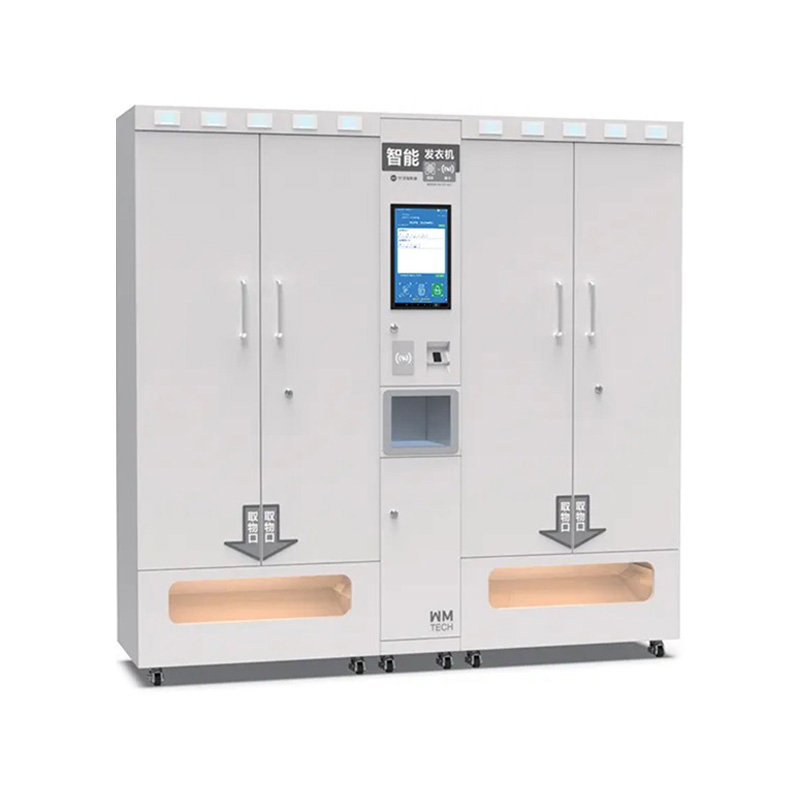
Product Definition:The Turn-over Intelligent Clothes and Shoes Machine is an integrated solution combining automated dispensing, smart collection, and data management, specifically designed for the ci...
See Details -
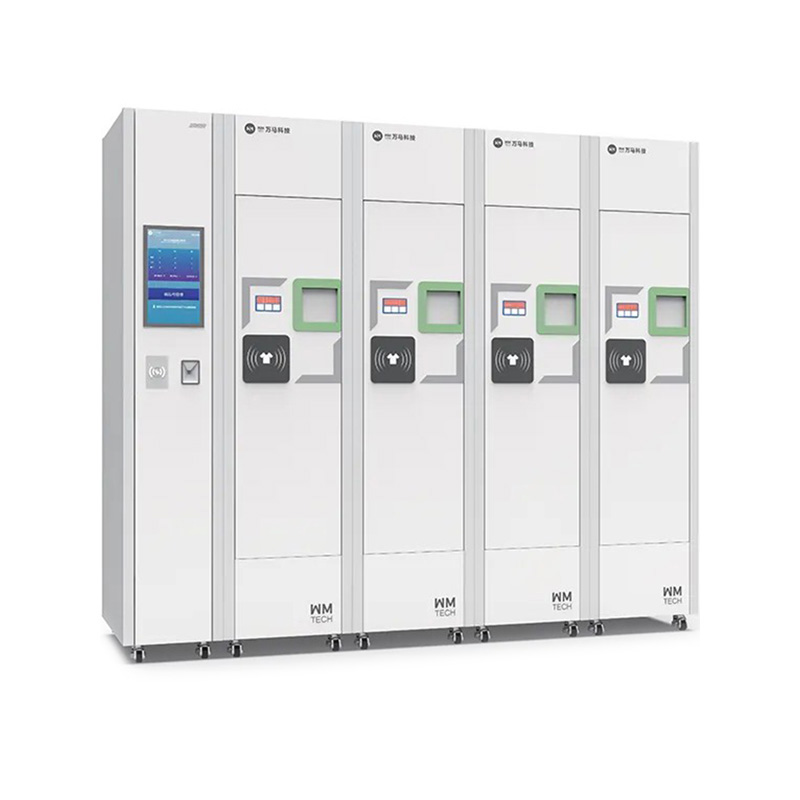
Product Definition:The Chain Intelligent Clothes and Shoes Sending Machine is an advanced management system for hospital operating rooms and clean zones, integrating automatic storage, identity verifi...
See Details -
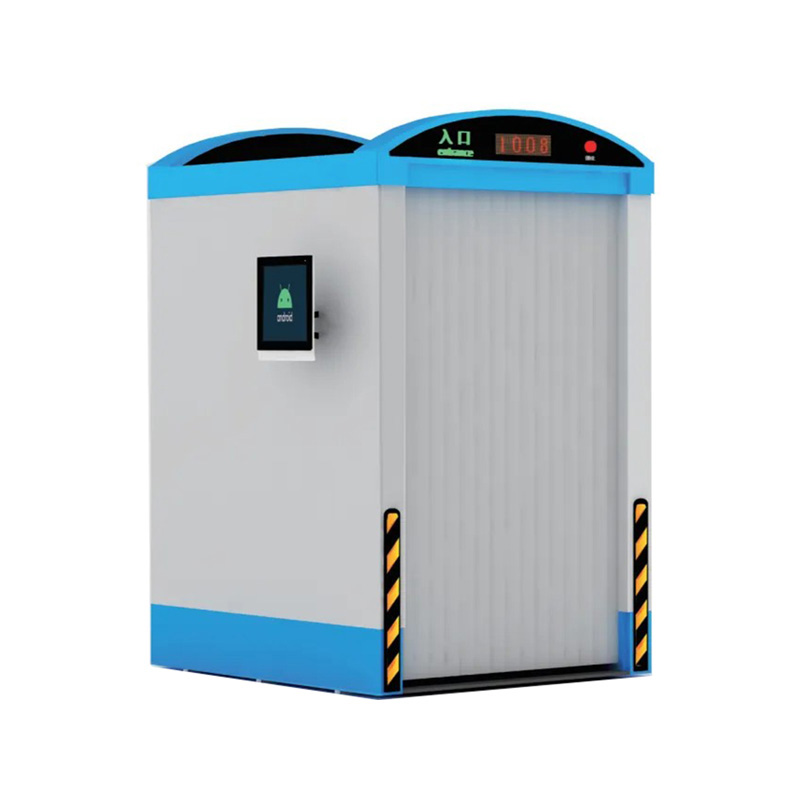
Product Definition:The Inventory Channel Machine is an intelligent management system designed for hospitals, laundries, and fabric storage facilities, supporting bulk fabric storage, retrieval, counti...
See Details
Ready to Get started ? Contact Us Now !

Product.
Contact Details.
-
 +86 13958188250
-
 +86 13958188250
-
 [email protected]
- Wanma Industrial Park Taihu Yuan Town Lin'an District Hangzhou City China.
QR Code

Copyright © Wanma Technology Co., Ltd. All Rights Reserved.
Privacy
Custom Ethernet Optical Network Railway Transit Equipments Suppliers
