

 English
 Français
 Español
 Português
 عربى
عربى






 Knowledge
What Is a 48V Power Cabinet for Telecom Operators and How Does It Work?
Overview of 48V Power Cabinet in Telecom Systems
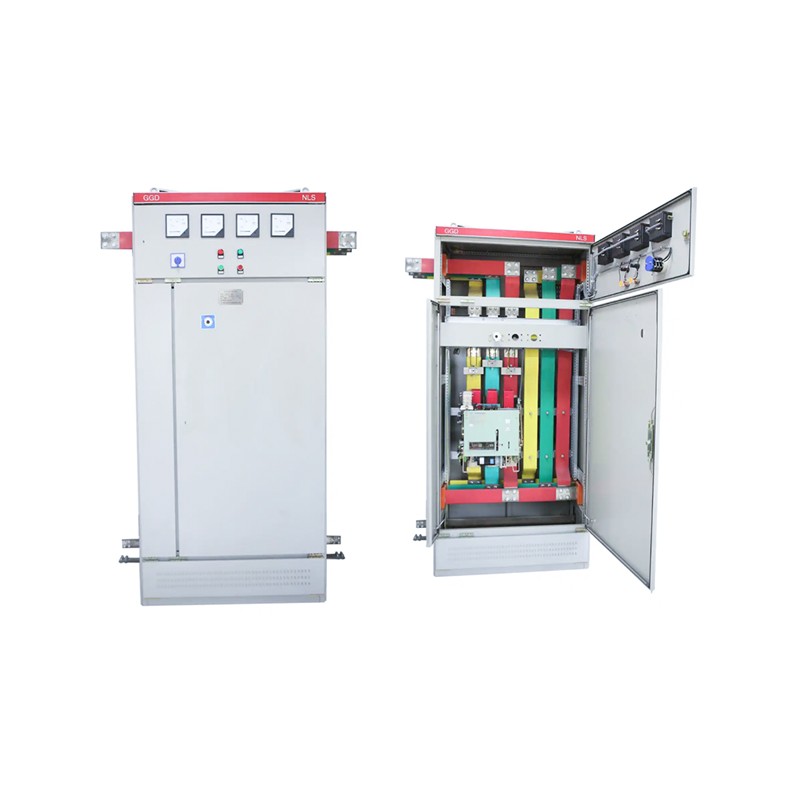
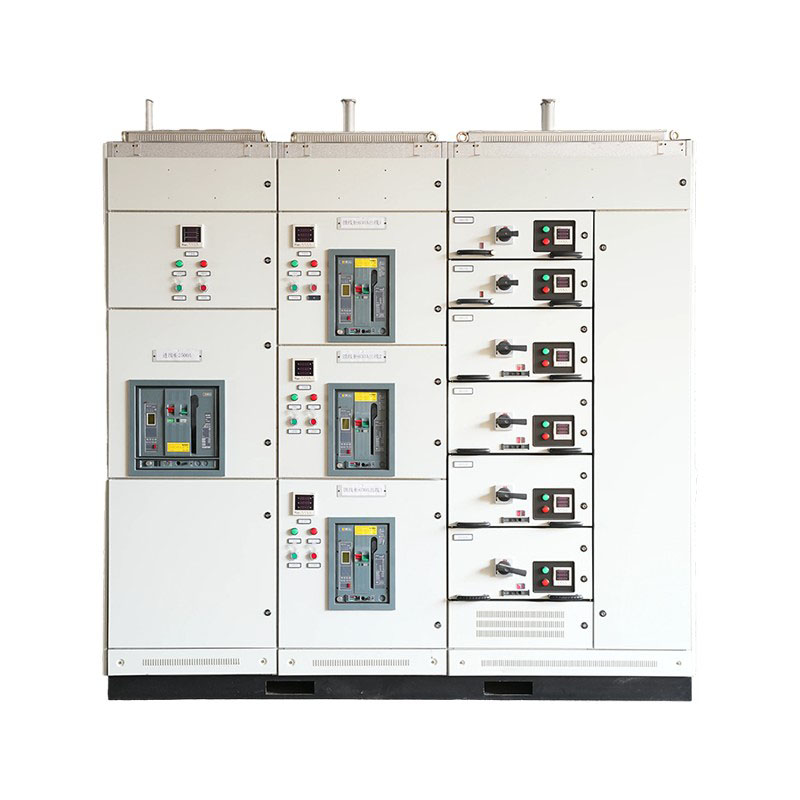
A 48V power cabinet for telecom operator is a specialized power supply and distribution system designed to provide stable -48V DC power to telecom equipment such as base stations, transmission devices, and network access nodes. It is widely used in both indoor and outdoor power distribution cabinet telecom site scenarios where reliability, redundancy, and environmental resistance are critical.
The 48V DC standard is widely adopted in the telecom industry due to its balance between safety, efficiency, and compatibility with communication equipment. The power cabinet integrates rectification, distribution, monitoring, and protection functions into a unified enclosure, ensuring continuous operation of telecom infrastructure even under unstable grid conditions.
System Architecture and Working Principle
The working principle of a telecom 48V power cabinet is based on AC-to-DC conversion and intelligent power management.
- AC input is supplied from the utility grid or backup generator
- Rectifier modules convert AC power into stable -48V DC output
- Power distribution units allocate electricity to different telecom loads
- Battery backup systems store energy for emergency operation
- Monitoring modules ensure real-time status control and fault detection
This integrated architecture ensures uninterrupted power supply (UPS-level reliability) for telecom networks.
Core Components of a 48V Power Cabinet
A standard telecom power cabinet typically includes:
- Rectifier modules
- DC distribution unit (DDU)
- Battery bank interface
- Monitoring and alarm system
- Surge protection devices
- Thermal management system
- Cabinet enclosure with IP-rated protection
Each component plays a critical role in maintaining voltage stability, safety, and operational continuity.
Functional Comparison of Key Cabinet Elements
| Component | Main Function | Application Role | Typical Material |
|---|---|---|---|
| Rectifier Module | AC to DC conversion | Core power conversion unit | Aluminum alloy + electronic board |
| Battery System | Energy storage | Backup during outages | Lead-acid / Lithium battery enclosure |
| Distribution Unit | Load management | Power allocation to devices | Copper busbar + insulation materials |
| Monitoring System | Remote control & alerts | System diagnostics & optimization | Embedded PCB + sensor modules |
| Cabinet Housing | Protection & structure | Outdoor environmental shielding | Galvanized steel / stainless steel |
Key Functions and Industry Applications
The outdoor power distribution cabinet telecom site solution is engineered for harsh environments such as remote base stations, urban rooftops, and transportation corridors.
Main functions include:
- Stable DC power supply for telecom base stations
- Redundant backup power management
- Remote monitoring and smart diagnostics
- Lightning and surge protection
- Thermal control for extreme environments
- Load balancing across multiple devices
Application areas include:
- Mobile communication base stations
- Fiber optic access nodes
- Edge computing telecom nodes
- Railway and transportation communication systems
- Smart city infrastructure networks
Technical Advantages
The 48V telecom power cabinet provides several engineering advantages:
- High energy efficiency due to low-voltage DC architecture
- Strong adaptability to hybrid power inputs (grid + generator + solar integration)
- Modular design for flexible expansion
- High reliability with redundant power modules
- Intelligent monitoring for predictive maintenance
- Strong environmental resistance for outdoor deployment
These features make it a critical infrastructure element in modern telecom networks.
About WMTECH
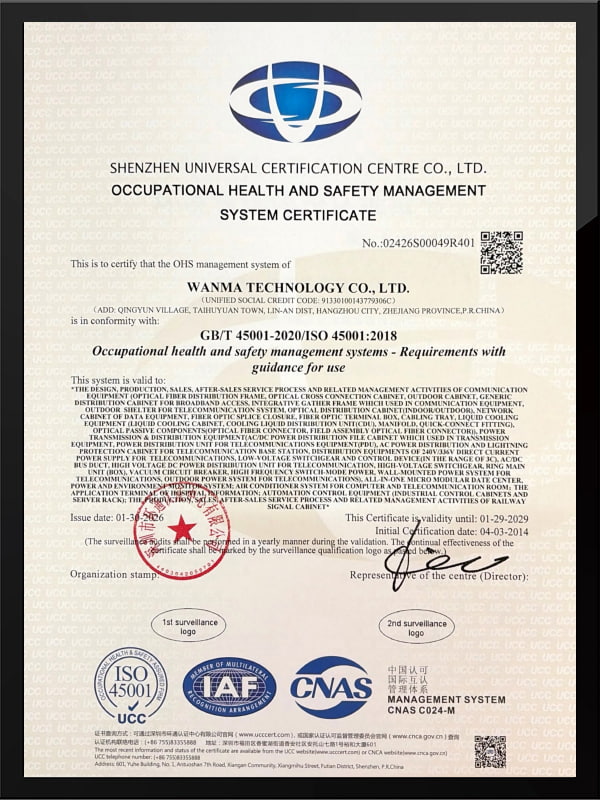
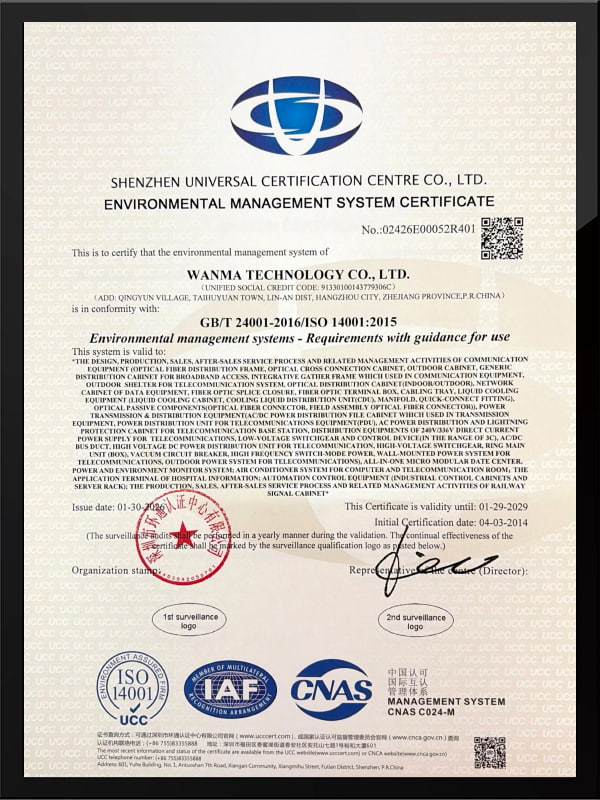
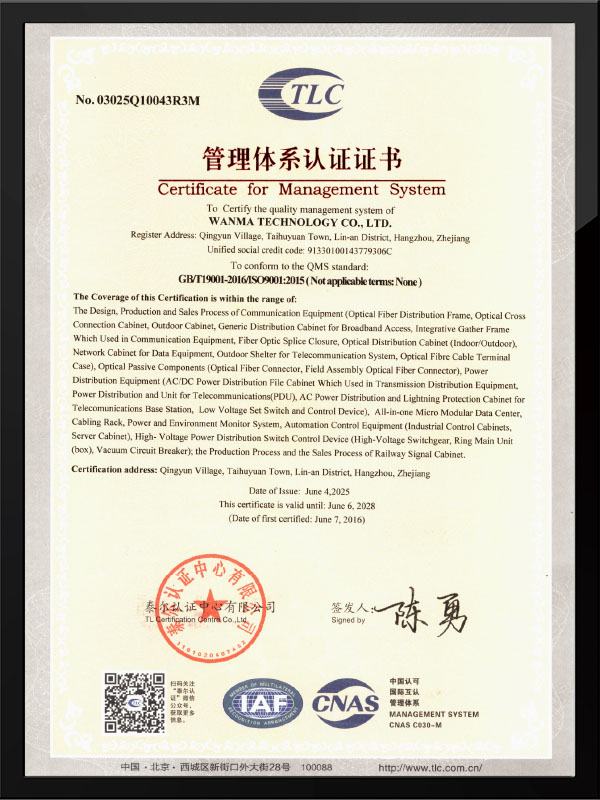
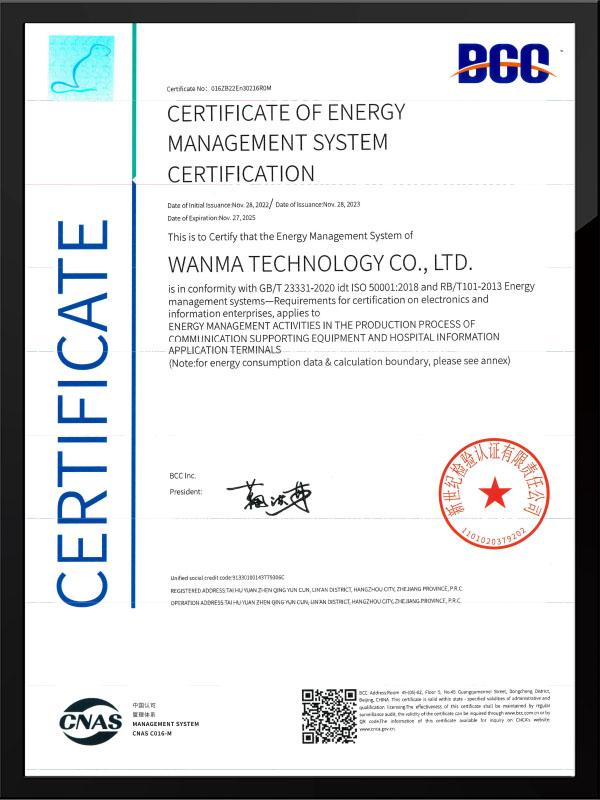
In the field of telecom power infrastructure, Wanma Technology Co., Ltd. specializes in various communication cabinets, communication electronic equipment, and passive optical components. Its products are extensively deployed across Ethernet networks, optical communication networks, central equipment rooms, national high-speed railways, and urban rail transit systems.
The company not only develops, manufactures, and markets its proprietary brand products but also delivers integrated solutions for customized requirements. Within this ecosystem, telecom power cabinets are designed with a focus on structural reliability, system integration efficiency, and compatibility with modern communication architectures.
By aligning cabinet design with evolving telecom power demands, Wanma Technology Co., Ltd. supports stable operation of distributed network systems and contributes to standardized power infrastructure deployment across multiple industries.
Conclusion
A 48V power cabinet for telecom operator is more than a power supply unit—it is a core infrastructure component ensuring uninterrupted communication services. Through rectification, distribution, backup storage, and intelligent monitoring, it enables telecom networks to operate reliably under diverse environmental and load conditions.
FAQ
Q1: Why is 48V DC commonly used in telecom systems?
A: It provides a safe, efficient, and standardized voltage level suitable for most telecom equipment and minimizes energy loss during transmission.
Q2: What happens when the main power supply fails?
A: The system automatically switches to battery backup, ensuring uninterrupted operation of telecom equipment.
Q3: Can the cabinet operate in outdoor environments?
A: Yes, it is designed as an outdoor power distribution cabinet telecom site solution with weatherproof and protective enclosures.
Q4: Is remote monitoring possible?
A: Yes, modern cabinets include intelligent monitoring systems for real-time diagnostics and remote management.
Q5: What industries rely on 48V power cabinets besides telecom?
A: They are also used in transportation communication systems, data networks, and smart city infrastructure.