

 English
 Français
 Español
 Português
 عربى
عربى




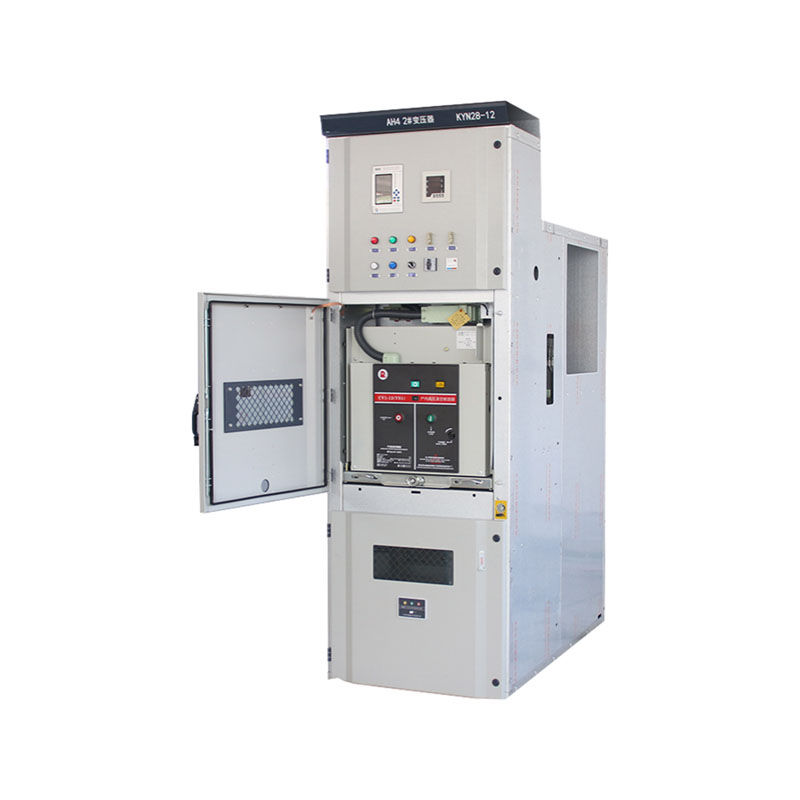
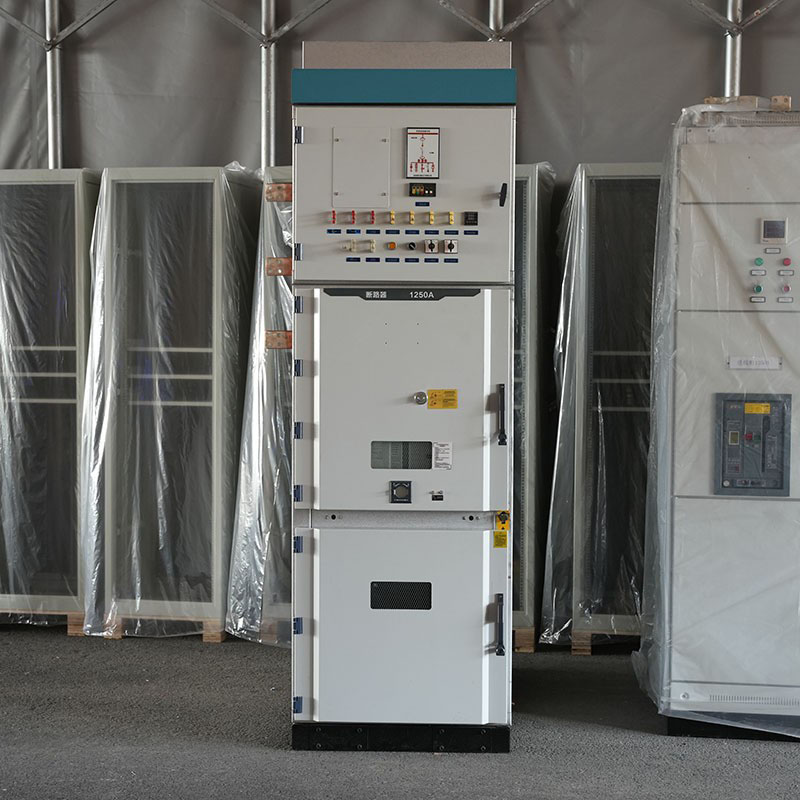
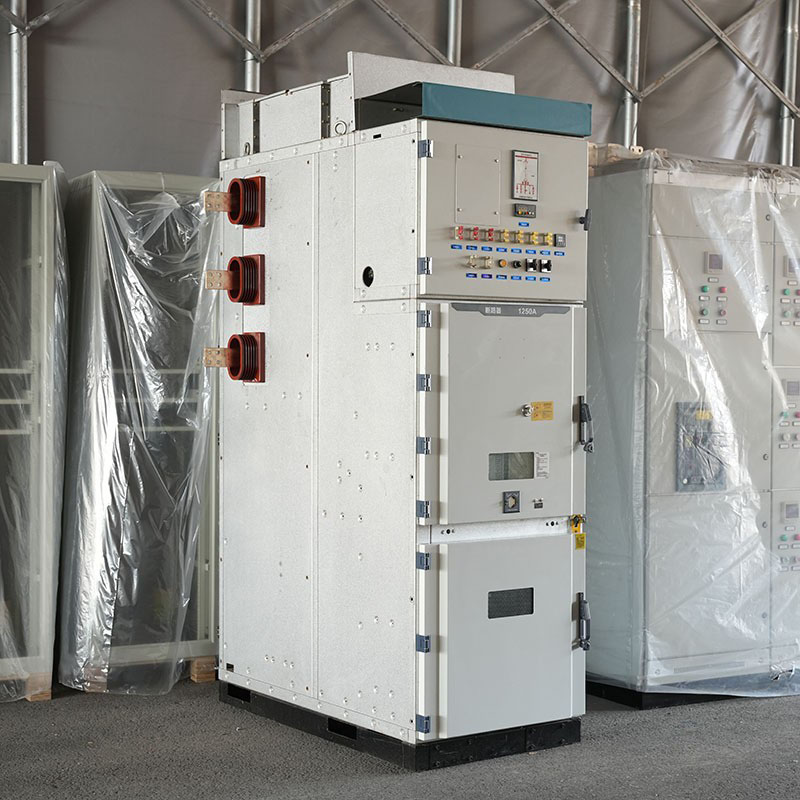

Product Overview
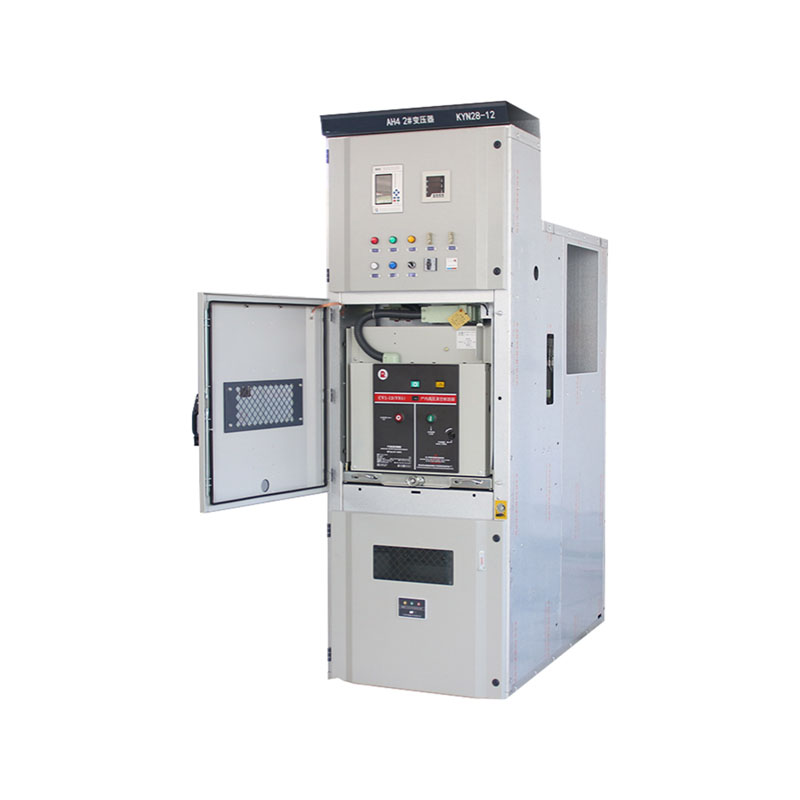
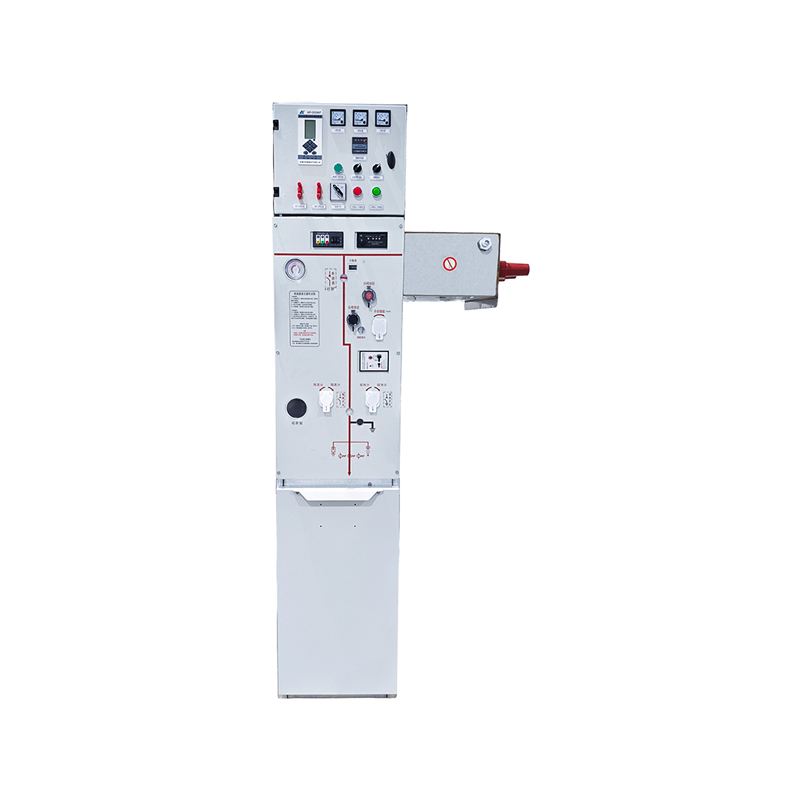
The indoor AC metal-clad withdrawable switchgear is a core component in medium-voltage power distribution systems. It boasts numerous features such as safety, reliability, and convenient maintenance, enabling the safe reception, precise distribution, flexible control, and reliable protection of high-voltage electrical energy. It is widely used in medium-voltage power distribution systems in power plants, substations, manufacturing enterprises, civil buildings, municipal facilities, hotels, offshore oil drilling platforms, and nuclear power plants.
Operating Environment:
(1) Ambient air temperature: not higher than +40℃, not lower than -25℃, daily temperature difference 25K
(2) Indoor use, altitude ≤ 1000m
(3) Average daily relative humidity ≤ 95%, average monthly relative humidity ≤ 90%
(4) Ground horizontal acceleration ≤ 2m/s²
For special operating environments different from the above conditions, such as high altitude, low temperature, or severe pollution, the user needs to consult with the manufacturer during ordering.
Technical Features:
1. The main frame is mostly made of aluminum-zinc-coated thin steel plates, processed by CNC machine tools and formed using multiple bending processes, then assembled with rivets or high-strength bolts. The side panels use an inner double-bending process, resulting in a smooth surface without splicing gaps. There are no protruding screws or clearance holes on the sides of the cabinet, which enhances the mechanical strength and corrosion resistance of the cabinet, and allows for unobstructed removal and quick replacement of a single unit after a fault, shortening power restoration time.
2. The cabinet is divided into four independent compartments: circuit breaker trolley compartment, busbar compartment, cable compartment, and relay instrument compartment. The cable compartment has ample space, allowing multiple single-core cables to be connected in parallel for each phase, accommodating multi-cable connection requirements; the instrument compartment is equipped with a component beam that can rotate 180 degrees, eliminating the need for disassembly during wiring and maintenance, greatly improving operational convenience. Each compartment also has an independent pressure relief channel, allowing the high-pressure gas generated by arc faults to be discharged directionally, preventing cabinet explosion.
3. A complete "five-prevention" interlocking system comprehensively avoids the risk of misoperation. For example, after the circuit breaker is closed, the trolley cannot be moved, preventing the trolley from being pushed or pulled under load; the grounding switch can only be closed when the trolley is in the test or disconnected position, avoiding closing the grounding switch while energized; when the grounding switch is open, the rear lower door and rear door of the cabinet cannot be opened, preventing accidental entry into energized compartments. Some models can also be equipped with electromagnetic locks to further enhance interlocking reliability.
4. Multiple protective detail designs: The shutters adopt sliding groove aluminum alloy guide rails or patented shutter mechanisms. The shutters automatically open and close in conjunction with the movement of the trolley. After the trolley is withdrawn, the shutters close to cover the static contact box, preventing personnel from touching live parts; the cabinet shell protection level reaches IP4X, and the protection level between compartments is IP2X, which can effectively prevent dust and foreign objects from entering; heaters can also be installed in the circuit breaker compartment and cable compartment to prevent condensation and corrosion of equipment in high-humidity environments.
5. The trolley adopts a modular design and can be divided into various types according to its purpose, such as circuit breaker trolleys, metering trolleys, and isolation trolleys. Trolleys of the same specification are freely interchangeable. The trolley is advanced or withdrawn by rotating a nut and screw rod, and can be easily moved out of the cabinet for maintenance with a dedicated transfer cart. The trolley has three positioning positions inside the cabinet: working, testing, and disconnected, ensuring precise and controllable operation.
6. The design reserves sufficient interfaces for intelligent upgrades. The instrument compartment can install intelligent measurement and control terminals, fault recorders, and other secondary equipment. The secondary grounding busbar running through the instrument compartment is suspended from the top, providing space for terminals and secondary wiring; some models support connection to the power distribution automation system to achieve remote measurement and remote signaling functions. At the same time, the secondary plug is interlocked with the trolley position. When in the working position, the secondary plug is locked and cannot be removed, ensuring the reliability of the intelligent components' linkage with the main circuit, meeting the operation and maintenance requirements of unattended power distribution rooms of the State Grid.
Implementation Standards:
GB/T 3906 - 2020 3.6kV~40.5kV AC Metal-Enclosed Switchgear and Controlgear
GB/T 11022 - 2020 Common Technical Requirements for High Voltage AC Switchgear and Controlgear
GB/T 7354 - 2018 High Voltage Testing Techniques - Partial Discharge Measurement
DL/T 404 - 2018 3.6kV~40.5kV AC Metal-Enclosed Switchgear and Controlgear
DL/T 593 - 2016 Common Technical Requirements for High Voltage Switchgear and Controlgear
DL/T 402 - 2016 High Voltage AC Circuit Breakers
GB/T 3804 - 2017 3.6kV~40.5kV High Voltage AC Load Switches
GB/T 191 - 2008 Packaging and Storage Pictorial Marking
IEC 298 Rated Voltage Above 1kV 50kV and the following AC metal-enclosed switchgear and control equipment





 Knowledge