
 English
 Français
 Español
 Português
 عربى
عربى



High-Density Computing Capacity
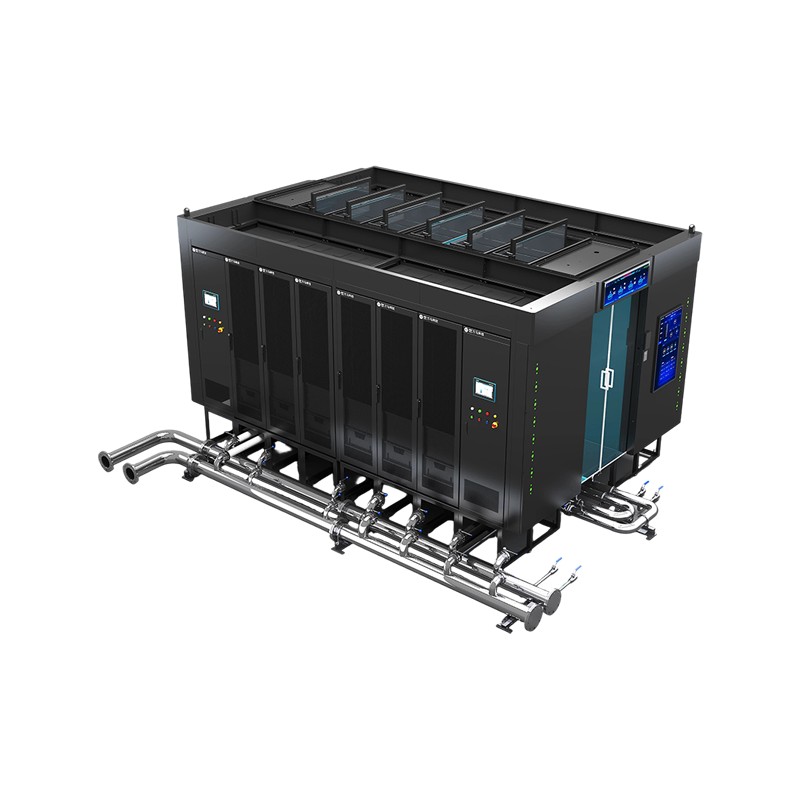
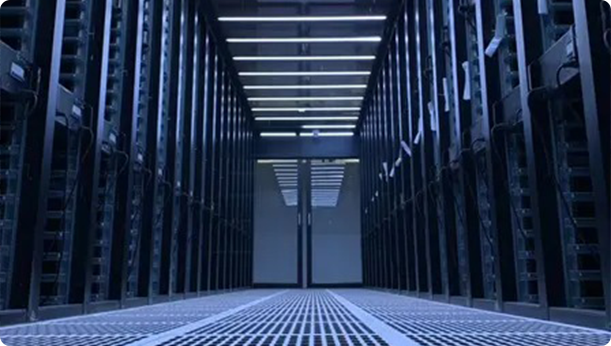
Building high-density computing power support capabilities through a core product portfolio.
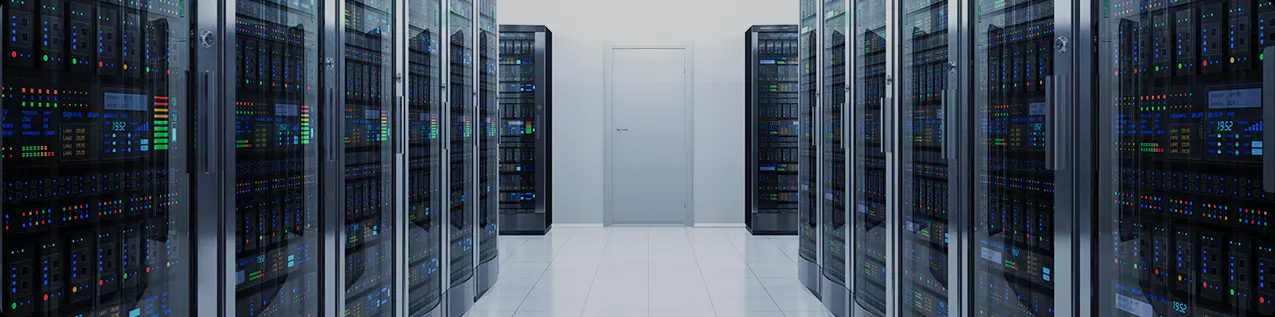


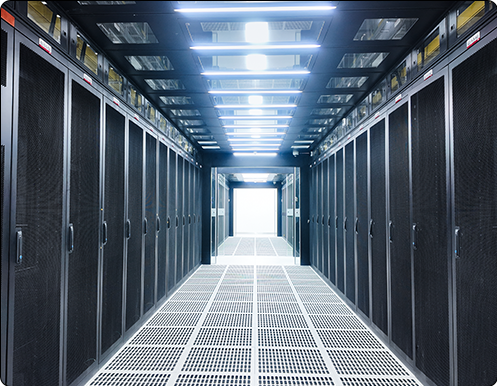
—Innovative Technologies: Pioneering the use of dual hot/cold aisle containment thermal isolation and low-power fluoropropane pump refrigeration.
—Application Domains: Serving as the critical engine underpinning cutting-edge technologies including AI, edge computing, and the metaverse.
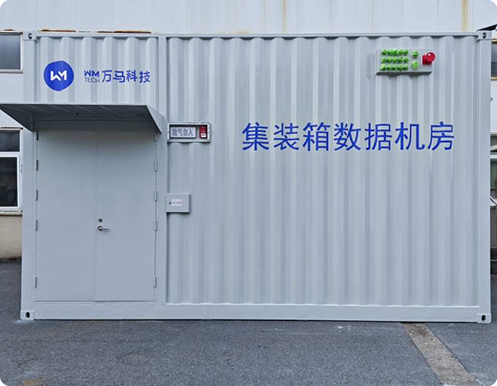
—High integration: Modular products integrating full-stack infrastructure including IT cabinets, power supply and distribution, cooling, fire protection, and monitoring.
—Significantly reduced lead times: Eliminates the need for civil engineering and data centre refurbishment, supporting parallel delivery of multiple units.

Factory Area
Employees
Export Regions
Engineers
With the rapid advancement of artificial intelligence, cloud computing, and large-scale AI models, data centers are undergoing a profound transformation. Increasing computing density, fluctuating workloads, and multi-tenant hybrid deployments are continuously raising the requirements for infrastructure. In this context, the cloud AI era scalable data center rack power solution has become a critical topic in the industry. It is not only about power delivery capacity, but also about system flexibility, energy efficiency optimization, and future scalability.
Traditional data center design is centered around stable workloads, emphasizing redundancy and safety. However, in the AI era, this static power model is being fundamentally challenged.
Taking large model training as an example, power consumption per rack has rapidly increased from 5–10kW in the past to 30kW, 60kW, or even higher today. More importantly, these loads are highly dynamic, with significant peak fluctuations. The instantaneous power variation of GPU clusters requires the power system to have strong real-time responsiveness.
Under this trend, traditional PDUs and power distribution architectures are showing three major limitations: insufficient scalability, low energy efficiency utilization, and increased operational complexity. Therefore, building a flexible and scalable rack-level power system has become a key foundation for AI data center planning.
From a fundamental perspective, this solution is not merely an “upgrade of power equipment,” but a comprehensive reconstruction of the rack-level energy management system.
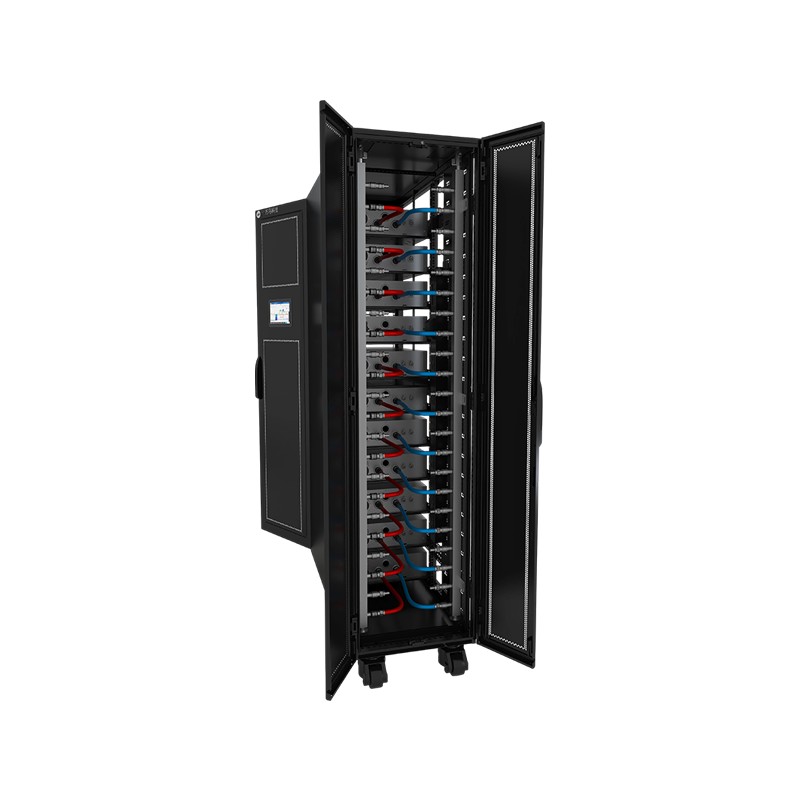
It typically includes high-density power distribution units, intelligent monitoring modules, dynamic load scheduling capabilities, and modular expansion architecture. Its core objective is to achieve three types of scalability:
Power scalability: the ability to gradually increase power capacity per rack without large-scale infrastructure modifications.
Architecture scalability: flexible configuration from a single rack to multiple rack rows, supporting different sizes of AI clusters.
Management scalability: real-time monitoring of current, voltage, energy consumption, and thermal load, enabling data-driven optimization.
In cloud AI architecture, racks are no longer just physical space units—they are fundamental carriers of computing power and energy. If power systems remain at the room or floor level, they cannot effectively handle the complexity brought by high-density computing.
The advantage of rack-level power lies in its proximity to the load. When the power unit is closer to GPU servers, energy loss is significantly reduced while response speed is improved. In addition, modular design allows each rack to be configured with different power levels based on workload requirements, achieving true on-demand energy supply.
This approach also opens a new pathway for optimizing PUE (Power Usage Effectiveness), enabling more refined energy management instead of coarse-grained system-wide adjustments.
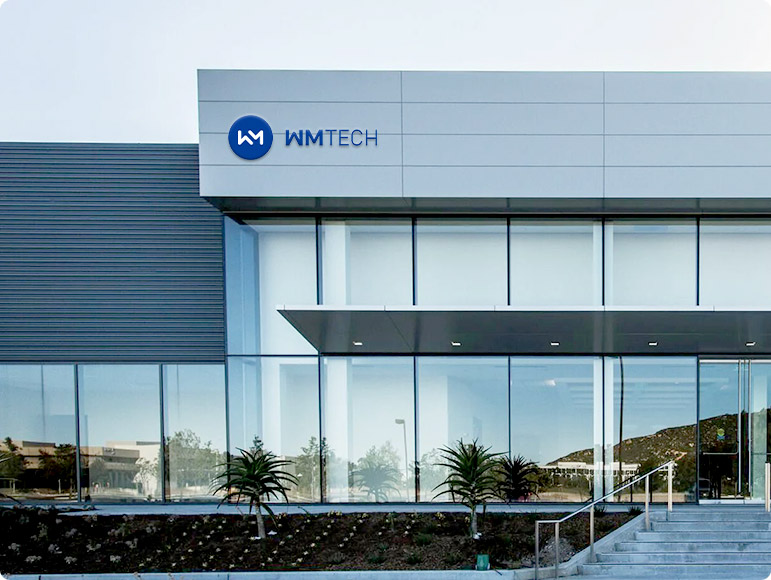
Wanma Technology Co., Ltd. has long been deeply engaged in communication and data infrastructure. Since its establishment in 1997, the company has specialized in communication cabinets, communication electronic equipment, and passive optical components.
With extensive experience in Ethernet networks, optical communication systems, and high-reliability applications such as national high-speed railways and urban rail transit systems, Wanma has developed strong capabilities in both hardware manufacturing and complex system integration.
In the cloud AI era, the company has further expanded into high-density data center infrastructure solutions, particularly in the cloud AI era scalable data center rack power solution. Through modular rack design and customized power architecture, Wanma helps customers transition smoothly from traditional data centers to AI computing centers.
A key feature of its solution is the ability to gradually upgrade rack-level power capacity without changing the overall data center architecture. This “incremental scalability” is especially valuable for rapidly growing cloud service providers and AI enterprises.
In AI data centers, electricity is not only a cost factor but also a core efficiency metric. As rack power density continues to increase, the coupling between power systems and cooling systems becomes more complex.
Through rack-level intelligent power systems, real-time feedback of workload changes can be achieved, enabling optimized cooling strategies. For example, when a rack operates under low load, the system can automatically adjust energy distribution and cooling intensity, thereby reducing overall energy consumption.
This fine-grained management model shifts PUE optimization from the data center level to the rack level, significantly improving energy efficiency and supporting the development of green data centers.
In the future, data center power systems will evolve from simple distribution tools into intelligent energy networks with sensing, analysis, and scheduling capabilities.
Driven by AI, power systems will deeply integrate with computing resource scheduling systems to achieve “power-computing co-optimization.” For example, energy allocation strategies may dynamically adjust based on task priority, or computing workloads may shift according to energy price fluctuations.
Wanma Technology Co., Ltd. continues to explore this direction by integrating its communication infrastructure expertise with data center power systems, providing forward-looking rack-level energy architecture support for the cloud AI era.
A: Because AI workloads feature high power density and strong fluctuations, traditional fixed power models cannot meet rapidly changing computing demands.
A: Rack-level power is closer to the load, reducing energy loss, improving response speed, and enabling flexible scaling based on demand.
A: Through real-time monitoring and dynamic power adjustment, energy distribution becomes more precise, reducing unnecessary consumption.
A: The company combines communication infrastructure manufacturing experience with high-density data center solution expertise, offering customized rack-level power architectures and integrated system services.

 +86 13958188250
 +86 13958188250
 [email protected]
QR Code

Copyright © Wanma Technology Co., Ltd. All Rights Reserved.
Privacy
Custom Ethernet Optical Network Railway Transit Equipments Suppliers


 Knowledge