

 English
 Français
 Español
 Português
 عربى





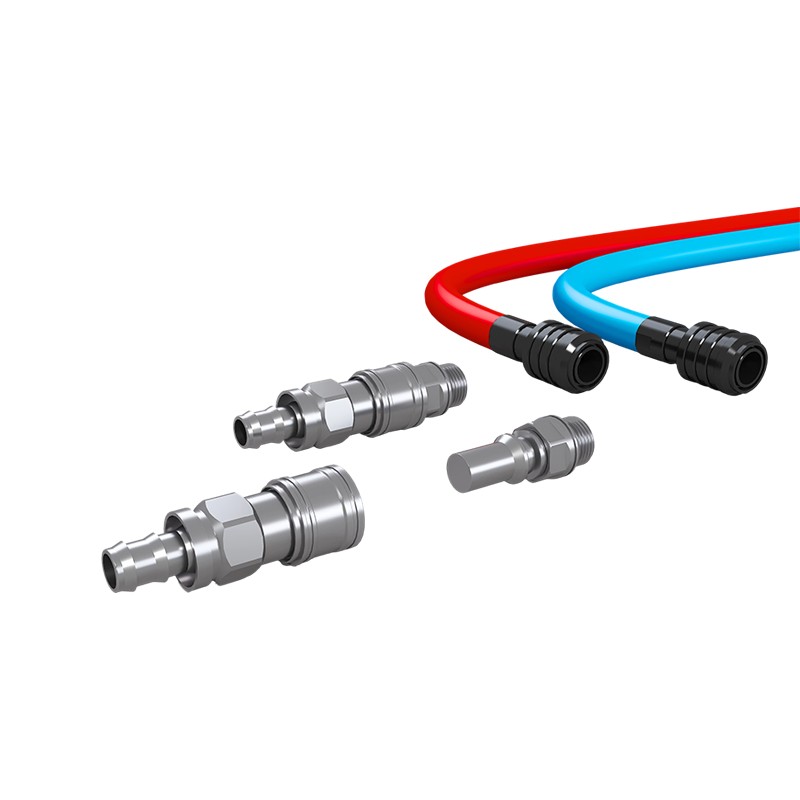
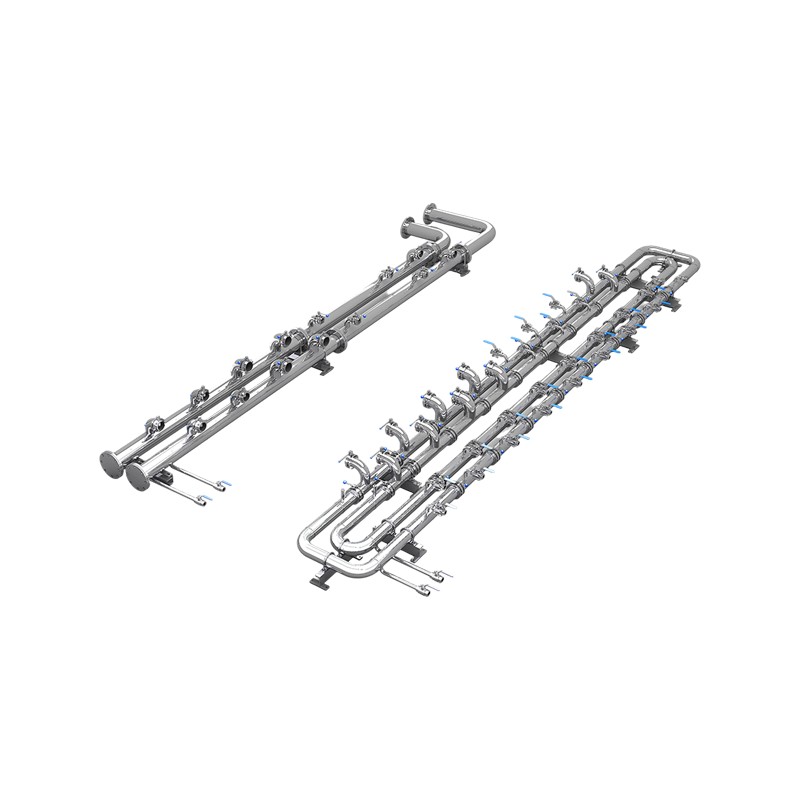
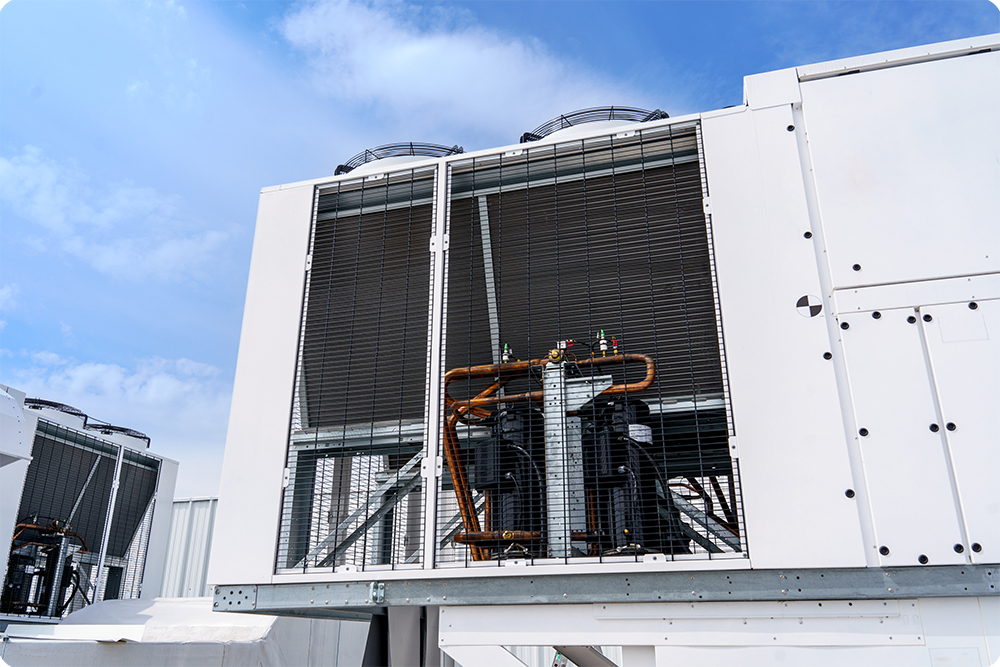
Product OverviewWM-UQD Liquid Cooling Quick Disconnect Coupling is a fluid connection component specifically designed for online maintenance of liquid cooling systems. Both the plug and socket are equ...
See DetailsHow to Select Quick Couplers and Hoses for Data Center Liquid Cooling Systems
Content
- 1 Why Liquid Cooling Demands a Different Class of Connector
- 2 What Is Inside a Liquid Cooling Quick Coupler and Hose Assembly
- 3 Operational Benefits That Matter in Production Environments
- 4 Critical Specifications for Selecting Quick Couplers and Hoses
- 5 Where These Assemblies Are Deployed
- 6 Custom and Bulk Supply Considerations
- 7 Frequently Asked Questions
- 7.0.1 Q1: How do self-sealing quick couplers prevent coolant leakage during disconnection?
- 7.0.2 Q2: What cooling media are compatible with stainless steel couplings and EPDM seals?
- 7.0.3 Q3: Can I get a quotation for quick couplers and hoses for a specific rack configuration?
- 7.0.4 Q4: Are OEM and custom hose-coupler assemblies supported?
- 7.0.5 Q5: How many mate and unmate cycles can a liquid cooling coupling withstand?
- 8 Moving from Specification to Order
Why Liquid Cooling Demands a Different Class of Connector
Thermal design power for high-density compute racks has climbed past 100 kW per cabinet in many new deployments. Air cooling struggles to remove that heat with acceptable energy overhead. Direct-to-chip liquid cooling has moved from an experiment to a default specification for AI training clusters and high-performance computing installations.
The shift changes the maintenance model. Coolant loops now sit inches from expensive accelerators and processors. Every connection point becomes a potential leak path. Traditional dry-break couplings borrowed from hydraulic and pneumatic systems often leak during disconnection, trap air, and require draining the entire loop before service. That is not acceptable when a single server tray may need replacement while the rest of the rack stays online.
This is where quick couplers and hoses designed specifically for liquid cooling change the economics of operation. A properly specified coupling and hose assembly allows a technician to disconnect a cold plate or server tray without draining the loop, without introducing air, and without exposing electronics to coolant. The following sections explain how these components work, what to measure before ordering, and how to specify a matched assembly for your project.
What Is Inside a Liquid Cooling Quick Coupler and Hose Assembly
A liquid cooling coupling is not a single part. It is a small fluid system with several precision components that must work together. Understanding the internal construction helps engineers evaluate vendor claims and avoid mismatched assemblies.
Core Components
- Plug and socket pair: the two halves that mate to complete the flow path. Each half contains a valve.
- Bi-directional shut-off valves: spring-loaded poppet or sleeve valves that close automatically when the halves separate.
- Seal package: typically EPDM or FKM O-rings selected for compatibility with deionized water, glycol mixtures, or dielectric fluids.
- Body material: stainless steel 304 or 316L for corrosion resistance and structural rigidity.
- Hose: flexible tubing with a barb or threaded fitting that connects the coupler to the cold plate or manifold.
How the Self-Sealing Mechanism Works
When the plug enters the socket, mechanical contact pushes both valves open. Coolant flows through the coupled assembly. A secondary seal engages before the valves open, containing any residual film of liquid at the interface. On disconnection, the sequence reverses: valves close first, then the seal separates. The result is a dry break with minimal spillage, typically measured in fractions of a milliliter.
Operational Benefits That Matter in Production Environments
The value of a self-sealing coupling is not the coupling itself. It is the maintenance workflow it enables. The following benefits are the ones most frequently cited by data center operators after switching to liquid cooling with quick disconnect fittings.
Online Hot-Swap
Replace a server tray or cold plate without draining the loop or powering down the rack. Maintenance windows shrink from hours to minutes.
Bi-Directional Sealing
Both the plug and socket seal independently. Whichever half remains in the rack stays closed, protecting the facility loop from contamination.
Matched Assembly
Coupler and hose supplied as one qualified unit. No field assembly errors, no mismatch between hose ID and coupler barb size.
Reduced Coolant Loss
Dry-break design limits spillage to trace amounts. Less coolant top-up, lower fluid cost, and cleaner rack floors.
Modular Scaling
Add racks or manifolds without reworking existing piping. Couplings act as the standardized interface between building loop and IT equipment.
Hardware Protection
Automatic shut-off on disconnection prevents pressurized coolant from spraying onto live electronics during service.
Critical Specifications for Selecting Quick Couplers and Hoses
Selection errors in liquid cooling are expensive. An undersized coupling creates pressure drop and pump inefficiency. An incompatible seal swells and leaks. The table below lists the parameters that must be confirmed before ordering. Values shown are representative of commonly available stainless steel UQD-style couplings and EPDM hose assemblies.
| Parameter | Typical Range | Selection Note |
|---|---|---|
| Equivalent diameter | 02, 04, 06, 08 | Match to hose ID and flow requirement |
| Thread type | G1/8 to G1/2 | Confirm port standard on cold plate or manifold |
| Body material | 304 or 316L stainless steel | 316L for higher corrosion resistance |
| Seal material | EPDM (standard), FKM (optional) | Verify compatibility with coolant chemistry |
| Working pressure | Up to 1.6 MPa | Confirm system static and surge pressure |
| Coolant medium | Deionized water, glycol mixtures | Check seal swell and extraction data |
| Hose inner diameter | 6 mm to 16 mm | Balance flow rate against bend radius |
Selection Tips by Application
- For server cold plates with 02 or 04 couplers, use a hose ID that matches the coupler equivalent diameter to avoid unnecessary pressure drop.
- If the coolant is a glycol mixture above 30 percent concentration, confirm seal compatibility with the specific glycol type.
- For manifolds feeding multiple racks, size the main loop coupling one step larger than the branch couplings to keep velocity within recommended limits.
- Always order coupler and hose as a matched assembly when possible. Field assembly of barb fittings can introduce debris or incorrect insertion depth.
Where These Assemblies Are Deployed
Liquid cooling couplings and hoses appear in several distinct environments, each with its own constraints. The following scenarios cover the majority of current deployments.
AI GPU Server Liquid Cooling
Eight-way or higher GPU servers concentrate heat in a small volume. Cold plates sit directly on each accelerator. Quick disconnects at the server tray boundary allow the entire tray to slide out for service while the rack manifold remains filled and pressurized. The coupling must handle repeated mate and unmate cycles without seal degradation.
Data Center Server Cold Plate Liquid Cooling
Hyperscale and colocation facilities use row-level or rack-level coolant distribution units. Quick couplers and hoses form the interface between the CDU and each rack. Standardized coupling sizes let operators mix server vendors within the same rack without custom plumbing.
High-Performance Computing Equipment
HPC clusters often run continuous workloads with tight maintenance schedules. The ability to swap a compute node without draining the loop reduces unplanned downtime and protects job completion times.
High-Power Electronic Liquid Cooling Projects
Power electronics, laser systems, and medical imaging equipment also use liquid cooling. In these applications, the coupling may be smaller but the requirement for leak-free disconnection is equally strict.
Custom and Bulk Supply Considerations
Off-the-shelf couplings cover many standard deployments. However, liquid cooling projects often require specific thread types, hose lengths, or seal materials that are not stocked. Working with a manufacturer that supports customization reduces lead time and avoids field modifications.
Standard vs Custom
| Category | Typical Lead Time | Best For |
|---|---|---|
| Standard stock models | Days to two weeks | Prototyping, urgent replacement |
| Custom hose lengths | Two to four weeks | Rack-specific routing |
| OEM assembly | Four to eight weeks | Volume production, private labeling |
| Custom seal or material | Six to ten weeks | Specialty coolants, extreme environments |
When requesting a quotation, provide the following information to receive an accurate price and lead time: coupling size, thread type, hose length and inner diameter, coolant chemistry, expected mate and unmate cycles per year, and whether OEM marking or packaging is required.
Procurement note
Bulk orders for data center liquid cooling projects typically include spare couplings and pre-assembled hoses. Specify a spare ratio of at least five percent to cover accidental damage during rack installation.
Frequently Asked Questions
Q1: How do self-sealing quick couplers prevent coolant leakage during disconnection?
Each half of the coupling contains a spring-loaded valve. During disconnection, the valves close before the seal faces separate. The seal continues to contain the small volume of coolant trapped between the valve and the seal face. This sequence limits spillage to trace amounts and prevents pressurized spray.
Q2: What cooling media are compatible with stainless steel couplings and EPDM seals?
Deionized water, propylene glycol mixtures, and ethylene glycol mixtures are commonly used. EPDM offers good compatibility with these fluids across typical operating temperatures. For specialty dielectric fluids or highly concentrated glycol, confirm seal compatibility with the supplier before ordering.
Q3: Can I get a quotation for quick couplers and hoses for a specific rack configuration?
Yes. Provide the coupling size, thread type, hose length, coolant type, and annual quantity. A quotation can then include unit price, lead time, and minimum order quantity. For custom lengths or OEM marking, include drawings or samples if available.
Q4: Are OEM and custom hose-coupler assemblies supported?
OEM assembly is supported for volume projects. Custom hose lengths, private labeling, and custom packaging can be arranged. The manufacturer should provide samples for fit and leak testing before full production.
Q5: How many mate and unmate cycles can a liquid cooling coupling withstand?
Cycle life depends on seal material, coolant cleanliness, and mating alignment. Standard EPDM-sealed couplings are typically rated for thousands of cycles. For high-maintenance environments, specify a coupling with a replaceable seal kit to extend service life.
Moving from Specification to Order
Liquid cooling is no longer a niche approach. It is the practical answer to rising rack power density. The coupling and hose assembly is the component that determines whether maintenance is a controlled procedure or a risky event. Bi-directional self-sealing, matched assembly, and correct material selection are the three factors that separate a reliable deployment from a problematic one.
Use the specification table in this guide to confirm your requirements. If your project involves custom lengths, OEM marking, or bulk quantities, request a quotation with the details listed in the supply section. A properly specified assembly reduces downtime, protects hardware, and simplifies every future service call.
Next step
Download the technical datasheet or contact the supplier with your rack configuration. Include coupling size, thread type, hose length, and coolant chemistry to receive a quotation within one business day.
PREV:Why Prefabricated Piping for Liquid Cooling Secondary Side Is Reshaping Data Center Deployment
NEXT:Why Manual Linen Counts Fail Hospitals and How an RFID Handheld Inventory Device Changes the Process
NEXT:Why Manual Linen Counts Fail Hospitals and How an RFID Handheld Inventory Device Changes the Process
Interested in cooperation or have questions?
Related products
-
-
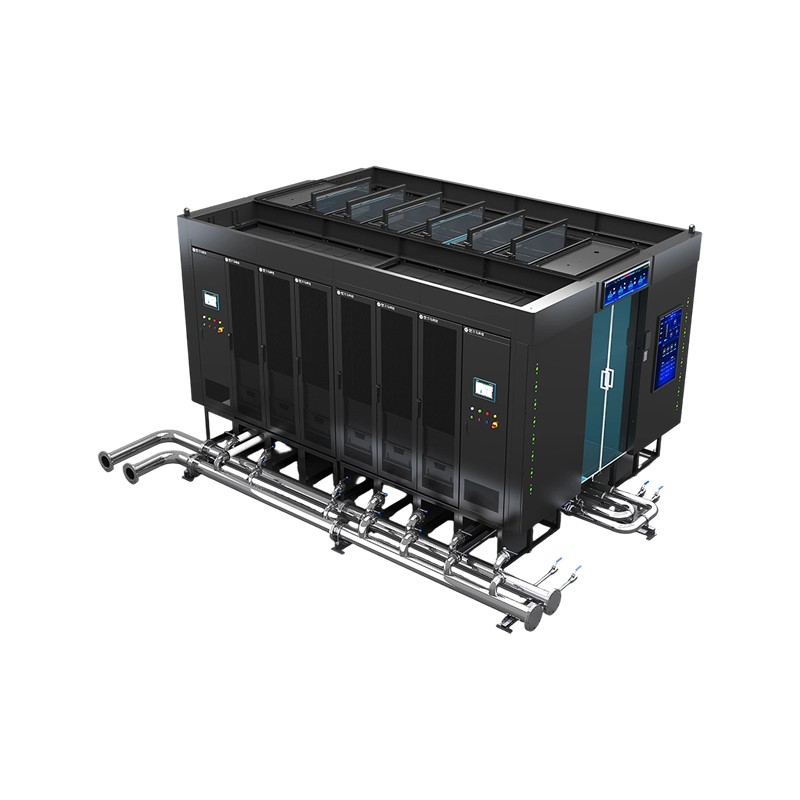
Product OverviewWM-HCM Air-Liquid Hybrid Micro-Module is an integrated data center solution designed for ultra-high-density computing applications. It adopts a dual-row, back-to-back layout and integr...
See Details -
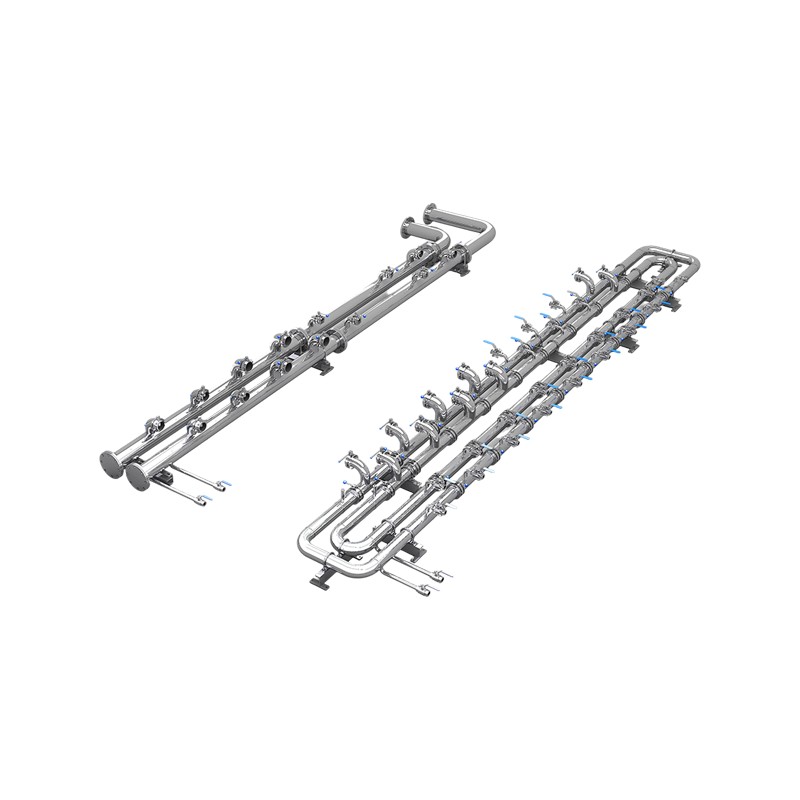
Product OverviewWM-SCL Secondary-Side Prefabricated Piping is a standardized coolant distribution system that connects the CDU to liquid-cooled server cabinets. The piping is prefabricated and quality...
See Details -
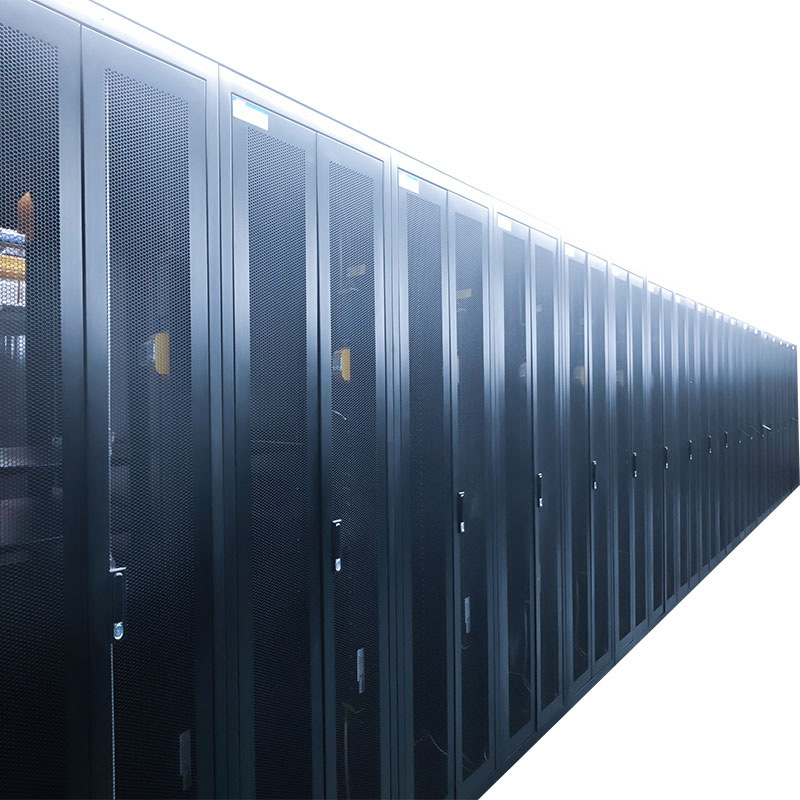
Application:It is used in internet data center equipment room to house server cabinets and provides them with required working environment. Features:•Modularization: Two cabinets combined sharing one ...
See Details
Ready to Get started ? Contact Us Now !

Product.
Contact Details.
-
 +86 13958188250
-
 +86 13958188250
-
 [email protected]
-
 AUDIT Email:[email protected]
- Wanma Industrial Park Taihu Yuan Town Lin'an District Hangzhou City China.
QR Code

Copyright © Wanma Technology Co., Ltd. All Rights Reserved.
Privacy
Custom Ethernet Optical Network Railway Transit Equipments Suppliers
