

 English
 Français
 Español
 Português
 عربى
عربى




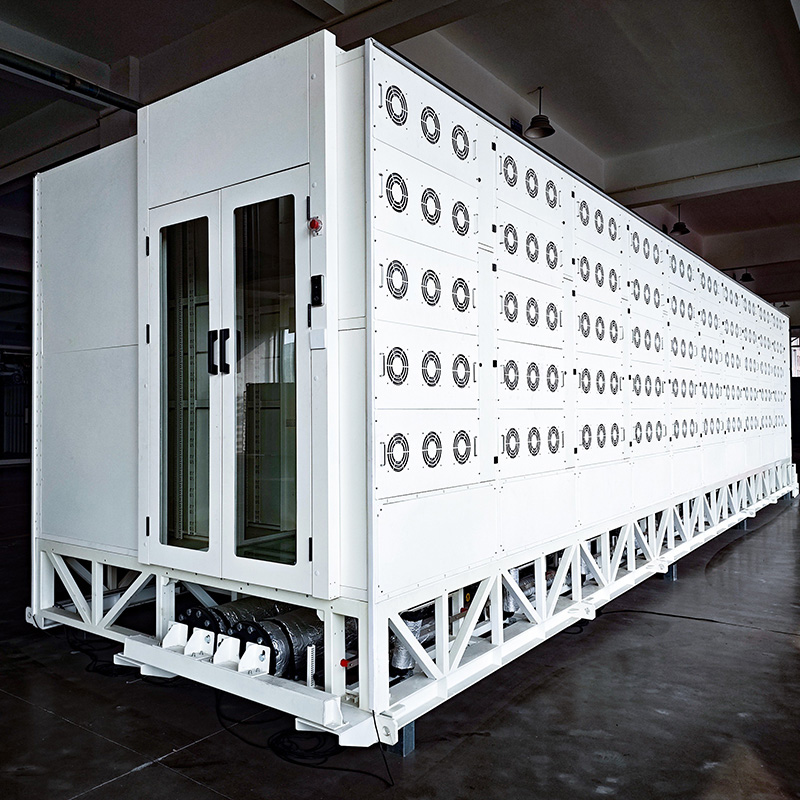
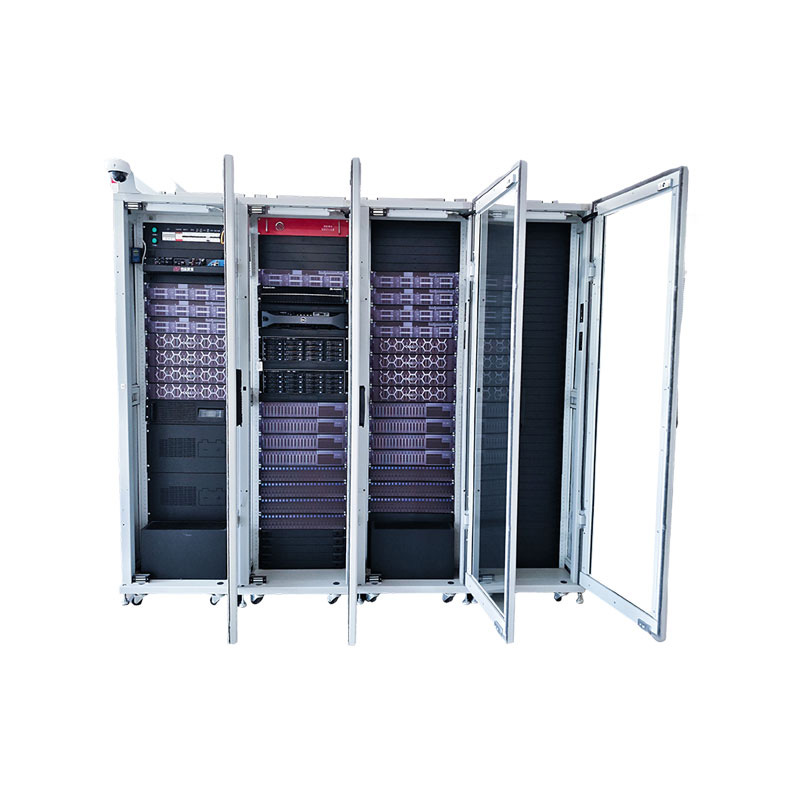
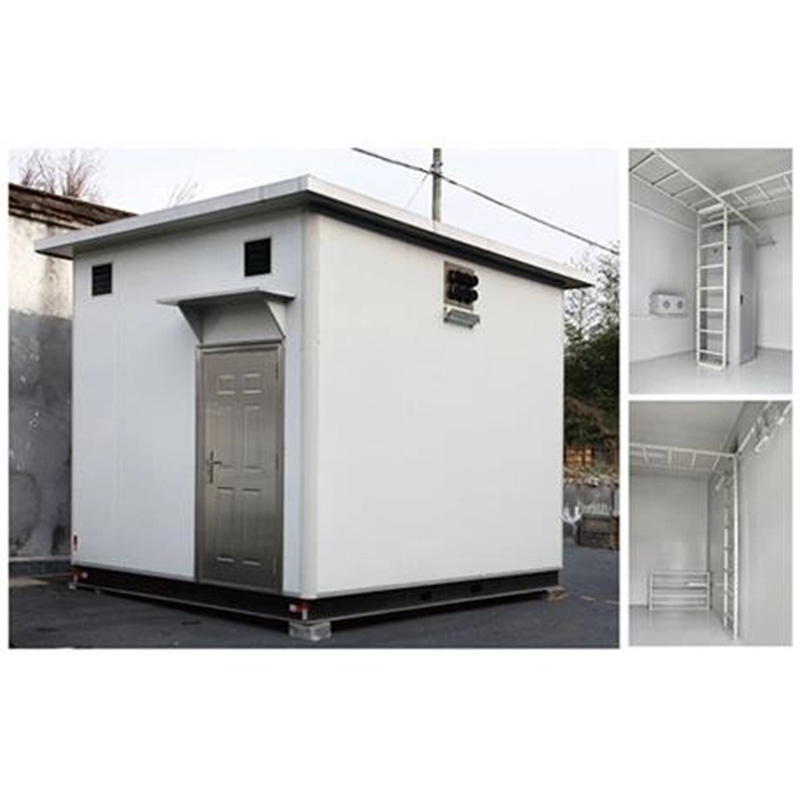
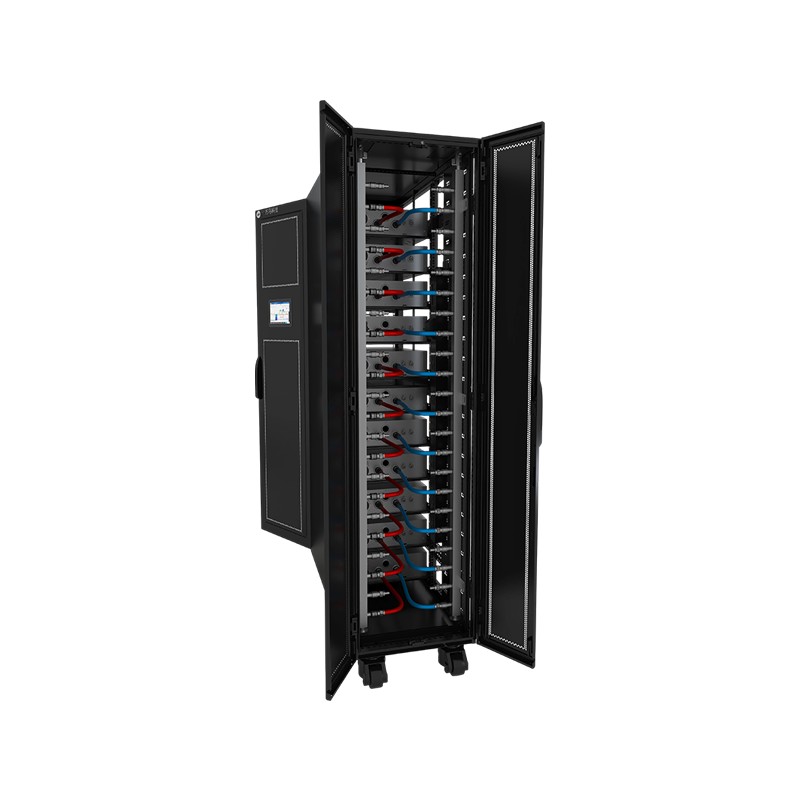
Widely used by China Telecom, China Unicom, China Netcom, China Mobile, Radio and Television, State Grid and Intelligent Residential District, our products is popular in America, Italy, Germany, Egypt...
See DetailsHow Does 5G FTTH Network Modernization Infrastructure Improve Broadband Performance?
Content
- 1 Why Broadband Networks Need Structural Modernization
- 2 What Is FTTH Network Infrastructure?
- 3 How Does FTTH Support 5G Networks?
- 4 Fiber Network Architecture Overview
- 5 Why Is Fiber Important for 5G?
- 6 How Does Fiber Optic Infrastructure Improve Broadband?
- 7 How Can Telecom Operators Modernize Their Networks?
- 8 Practical Considerations in Fiber Network Deployment
- 9 Next Generation Network Infrastructure Trends
- 10 Frequently Asked Questions
Why Broadband Networks Need Structural Modernization
Broadband demand has shifted from simple connectivity to consistent, high-capacity, low-latency service across homes, enterprises, and mobile networks. Legacy copper-based systems and first-generation passive optical networks were not designed to handle simultaneous 4K streaming, cloud gaming, remote work traffic, and dense 5G small-cell backhaul. As a result, operators are re-engineering their access networks from the ground up, treating fiber not as an upgrade but as foundational infrastructure.
This shift is why 5G FTTH network modernization infrastructure supplier partnerships have become central to national broadband strategies. Fiber to the Home is no longer just a residential internet product; it is the physical backbone that makes dense 5G deployment technically and economically feasible. For a closer look at available fiber-based solutions, see 5G FTTH network modernization infrastructure supplier offerings built for this transition.
What Is FTTH Network Infrastructure?
FTTH Network infrastructure refers to a fiber optic connection that runs directly from a service provider's distribution point to an individual home or business, replacing copper's final stretch entirely. Unlike hybrid fiber-coaxial systems that mix fiber with copper for the last mile, FTTH delivers optical signal transmission all the way to the customer premises.
| Attribute | Copper-Based Access | FTTH Access |
|---|---|---|
| Maximum Practical Bandwidth | Limited, distance-dependent | Very high, minimal distance loss |
| Latency | Higher, variable | Low and consistent |
| Signal Degradation | Significant over distance | Minimal over long spans |
| Symmetrical Speeds | Rarely supported | Standard capability |
| Long-Term Maintenance | Higher due to corrosion, interference | Lower, more durable medium |
Because fiber carries light rather than electrical signals, it is immune to electromagnetic interference and supports far greater distances without repeaters, making it the preferred medium for both fixed broadband and mobile network densification.
How Does FTTH Support 5G Networks?
5G's promised speed and low latency depend heavily on dense small-cell deployment, and every small cell requires a high-capacity backhaul connection to the core network. This is where 5G Fiber Backhaul becomes essential.
Without sufficient fiber density feeding radio access points, 5G performance is constrained regardless of spectrum allocation or antenna technology.
- Fiber backhaul provides the bandwidth headroom needed for millimeter-wave and mid-band 5G traffic aggregation.
- Low, predictable latency in fiber links supports real-time applications such as industrial automation and remote sensing.
- FTTH infrastructure already deployed in a neighborhood can be extended to serve nearby small-cell sites, reducing new construction costs.
- Shared fiber infrastructure allows operators to serve residential broadband and mobile backhaul from the same physical network.
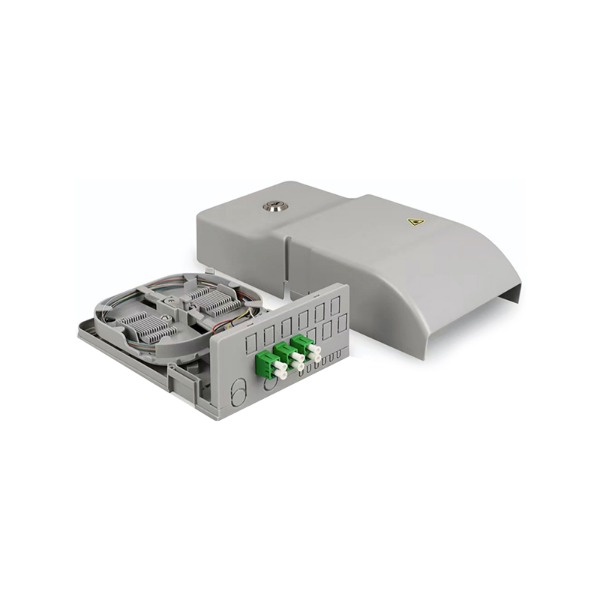
Fiber Network Architecture Overview
The diagram below illustrates a simplified path from the core network to the end user, showing where Optical Fiber Network elements and 5G small cells intersect.
Why Is Fiber Important for 5G?
Spectrum alone cannot deliver on 5G's throughput promises. Radio access points need a wired connection capable of matching or exceeding the wireless capacity they broadcast, which is why fiber has become the default backhaul medium.
Key Technical Advantages
- High bandwidth capacity that scales with future spectrum expansion.
- Minimal signal loss over kilometers, reducing the need for signal regeneration equipment.
- Support for network slicing and traffic prioritization at the transport layer.
- Physical durability against weather and electromagnetic interference compared to wireless-only backhaul.
Industry deployment data from national broadband initiatives consistently shows that regions with higher fiber density achieve faster 5G rollout timelines and more consistent coverage quality, since existing fiber routes reduce the civil works required for new radio sites.
How Does Fiber Optic Infrastructure Improve Broadband?
Capacity
Optical fiber supports substantially higher data throughput than copper, accommodating multiple simultaneous high-bandwidth users per household.
Reliability
Fiber is less susceptible to weather-related degradation and electrical interference, resulting in fewer service interruptions.
Scalability
Passive optical network architecture allows capacity upgrades at the equipment level without replacing the fiber itself.
Latency
Shorter signal processing delays support real-time applications including video conferencing and cloud-based services.
The role of GPON technology is central here. Gigabit Passive Optical Network systems allow a single fiber strand to serve multiple end users through passive splitters, reducing the amount of active equipment and cabling required in the field, which lowers both deployment and maintenance costs over time.
How Can Telecom Operators Modernize Their Networks?
Network modernization is rarely a single project; it is a phased transition that balances cost, service continuity, and future scalability. A structured approach typically includes the following stages.
| Phase | Focus Area | Outcome |
|---|---|---|
| Assessment | Audit existing copper and fiber assets | Clear gap analysis for upgrade priorities |
| Planning | Route design and small-cell site mapping | Optimized fiber path for dual-use backhaul and FTTH |
| Deployment | Fiber optic cable installation and splicing | Physical network extension to target areas |
| Activation | OLT and ONT configuration, GPON provisioning | Live service delivery to end users |
| Optimization | Monitoring, load balancing, capacity review | Sustained performance under growing demand |
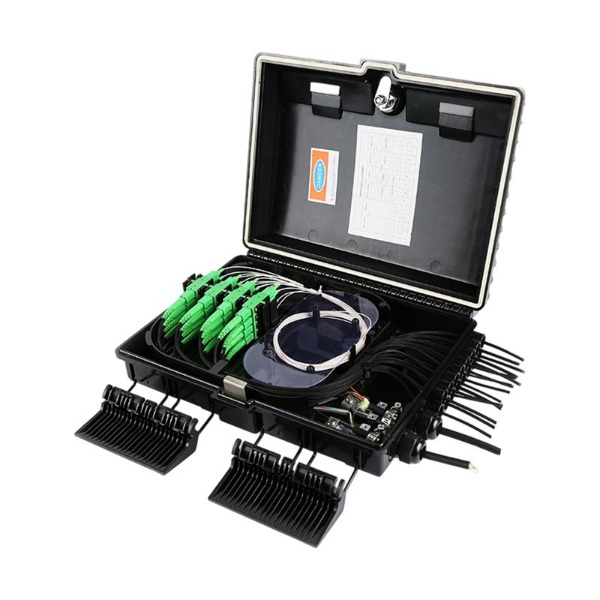
Selecting reliable Fiber Optic Infrastructure components at each phase, from cabling to distribution hardware, directly affects long-term network stability and reduces the frequency of costly field repairs.
Practical Considerations in Fiber Network Deployment
Fiber Network Deployment projects face recurring challenges that planning teams should account for early.
- Right-of-way permissions and municipal coordination can extend project timelines if not addressed early.
- Existing underground utility conflicts require careful route surveying before trenching begins.
- Weather-resistant cable jacketing is necessary in regions with significant temperature or moisture variation.
- Workforce training on splicing and testing procedures affects both installation speed and long-term network reliability.
Operators that integrate fiber planning with 5G site planning from the outset typically report lower combined capital expenditure than those treating the two as separate initiatives, since trenching and permitting costs can be shared across both use cases.
Next Generation Network Infrastructure Trends
As demand continues to grow, Next Generation Network Infrastructure planning is increasingly shaped by convergence: the same physical fiber assets serving residential broadband, enterprise connectivity, and mobile backhaul simultaneously. This convergence reduces redundant infrastructure and improves return on capital investment for operators managing multiple service lines.
Emerging priorities include automated network monitoring for proactive fault detection, modular hardware that supports incremental capacity upgrades, and standardized interfaces that simplify multi-vendor equipment integration across expanding fiber footprints.
Frequently Asked Questions
Q1: What Is FTTH Network Infrastructure?
FTTH network infrastructure is a fiber optic connection extending directly from a provider's access point to a home or business, delivering high-capacity, low-latency broadband without relying on copper for the final connection.
Q2: How Does FTTH Support 5G Networks?
FTTH infrastructure provides the fiber backhaul capacity needed to connect dense 5G small-cell deployments to the core network, supporting the bandwidth and latency requirements of mobile data traffic.
Q3: Why Is Fiber Important for 5G?
Fiber offers the bandwidth, low latency, and interference resistance that wireless-only backhaul cannot consistently match, making it essential for reliable 5G radio access performance.
Q4: How Does Fiber Optic Infrastructure Improve Broadband?
It increases available bandwidth, reduces signal loss and interference, and supports scalable equipment upgrades, resulting in more consistent and higher-capacity broadband service.
Q5: How Can Telecom Operators Modernize Their Networks?
Operators typically follow a phased approach involving asset assessment, route planning, fiber deployment, service activation, and ongoing network optimization to manage cost and service continuity.
PREV:Smart Medical Cart Mobile Clinical Workstation Guide
NEXT:What Is Ethernet Optical Network Railway Transit Equipment and How Does It Improve Rail Communications?
NEXT:What Is Ethernet Optical Network Railway Transit Equipment and How Does It Improve Rail Communications?
Interested in cooperation or have questions?
Related products
-
-
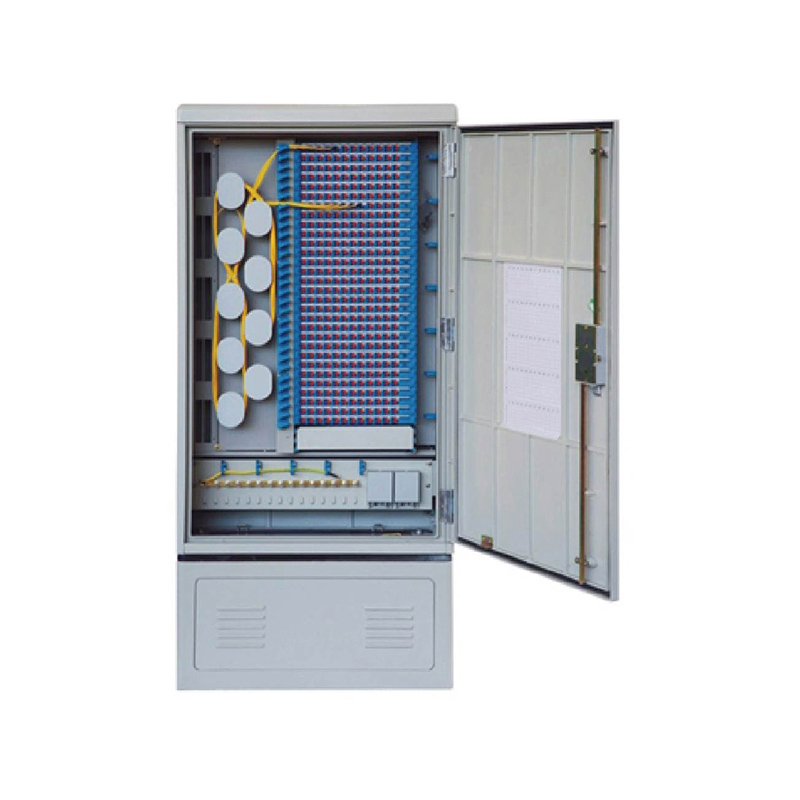
Product Overview The ODC series SMC Optical Fiber Cross Connection Cabinet is used for optical cable connection, distribution and management in outdoor fiber networks. The cabinet adopts an SMC enclos...
See Details -
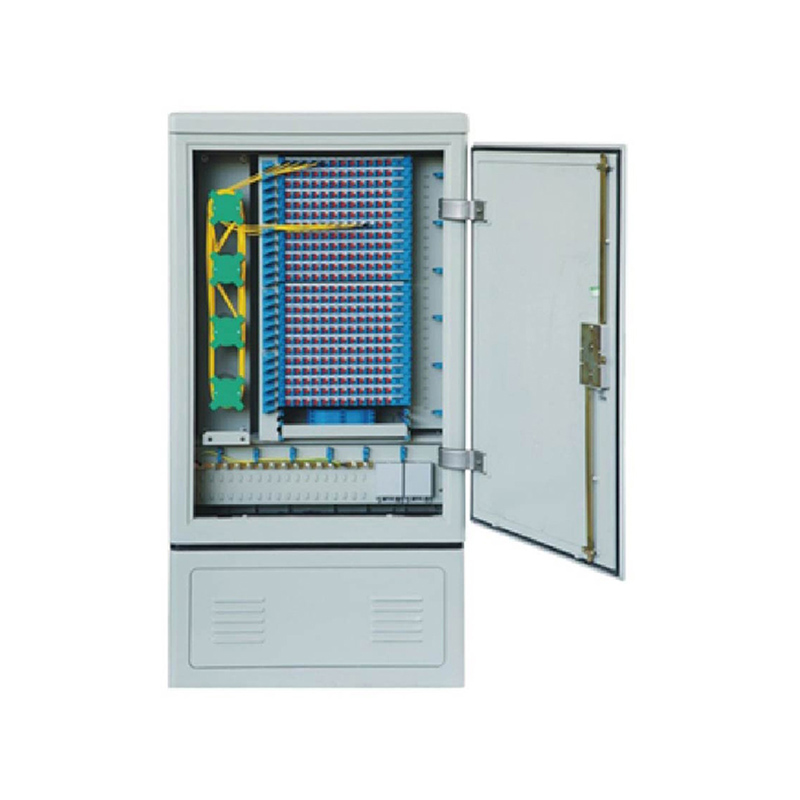
Product Overview The ODC-576B and ODC-576C SMC Optical Fiber Cross Connection Cabinets are used for outdoor optical cable connection, distribution and management. Both models support a capacity of 576...
See Details -
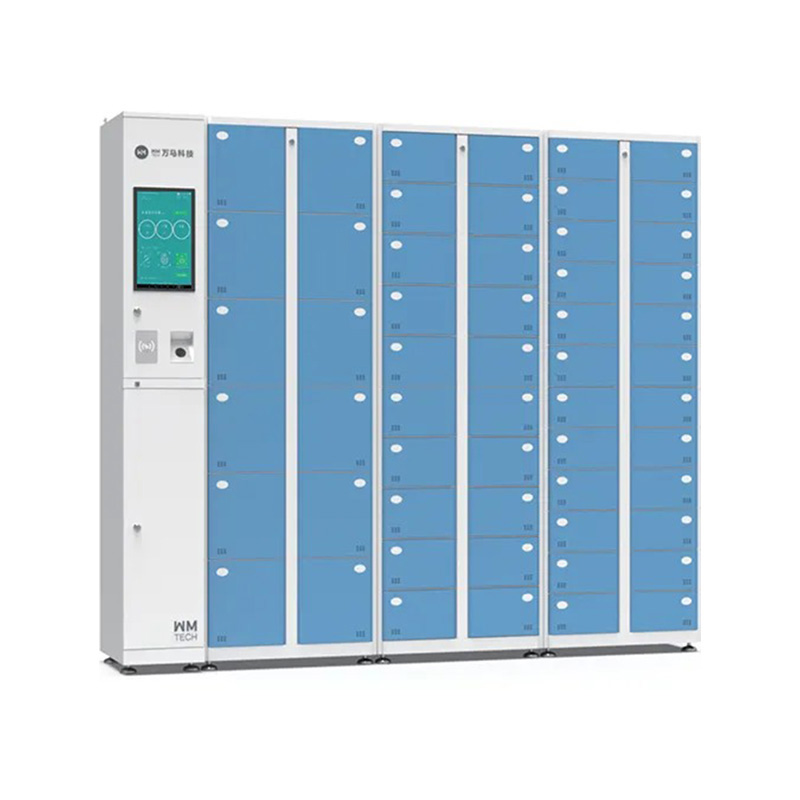
Product Definition:The Intelligent Geng Shoe Box is an advanced storage and management solution for hospitals, operating rooms, and clean zones. It enables automated issuance and collection of shoes a...
See Details
Ready to Get started ? Contact Us Now !

Product.
Contact Details.
-
 +86 13958188250
-
 +86 13958188250
-
 [email protected]
- Wanma Industrial Park Taihu Yuan Town Lin'an District Hangzhou City China.
QR Code

Copyright © Wanma Technology Co., Ltd. All Rights Reserved.
Privacy
Custom Ethernet Optical Network Railway Transit Equipments Suppliers
