

 English
 Français
 Español
 Português
 عربى
عربى












 Knowledge
How to organize fiber patch cords inside a high-density communication cabinet?
As fiber optic networks continue to expand across telecommunications infrastructures, data centers, transportation systems, and industrial digital platforms, the challenge of managing large volumes of fiber patch cords inside a high-density cabinet environment has become increasingly important. Proper cable organization is not only essential for maintaining network reliability but also for improving maintenance efficiency, minimizing signal disruption risks, and supporting future network expansion. In modern optical communication systems, equipment such as optical distribution frames, cable distribution boxes, and passive optical accessories must work together to create a structured and manageable cabling environment.
The deployment of communication cabinets passive optical components plays a critical role in ensuring orderly cable routing and long-term operational stability. When fiber patch cords are poorly managed, network operators may face difficulties during troubleshooting, equipment upgrades, and service provisioning. Therefore, understanding how different optical communication products contribute to cable organization is fundamental for building efficient network infrastructure.
Modern optical communication products include fibers, modules, and accessories that are widely applied in telecom networks, data centers, and smart industry projects. Their stable performance, compatibility, customization flexibility, and professional support services enable reliable optical signal transmission while simplifying maintenance operations within a communication cabinet environment.
Understanding the Challenges of High-Density Fiber Management
High-density network deployments often require hundreds or even thousands of fiber connections to be concentrated within limited cabinet space. As network capacity increases, fiber patch cords must coexist with power systems, monitoring equipment, switching devices, and passive optical infrastructure. Without a structured management strategy, cable congestion can quickly develop.
Several common issues arise when fiber patch cords are improperly organized:
- Excessive cable bending causing signal degradation.
- Difficult identification of individual fiber links.
- Longer maintenance and troubleshooting times.
- Reduced airflow around active equipment.
- Limited space for future network expansion.
- Higher risk of accidental cable disconnection.
A properly designed cabinet system incorporates cable pathways, labeling methods, distribution panels, and passive optical accessories that collectively maintain cable order. The selection of appropriate products is therefore essential for achieving sustainable network management.
Category 1: Optical Distribution Systems and Fiber Management Panels
Definition and Positioning
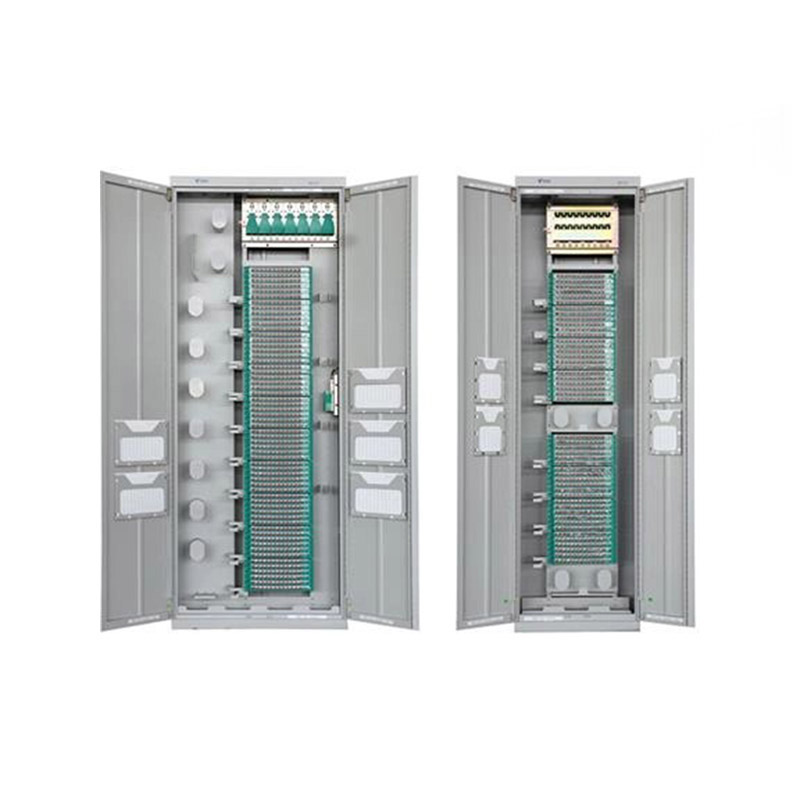
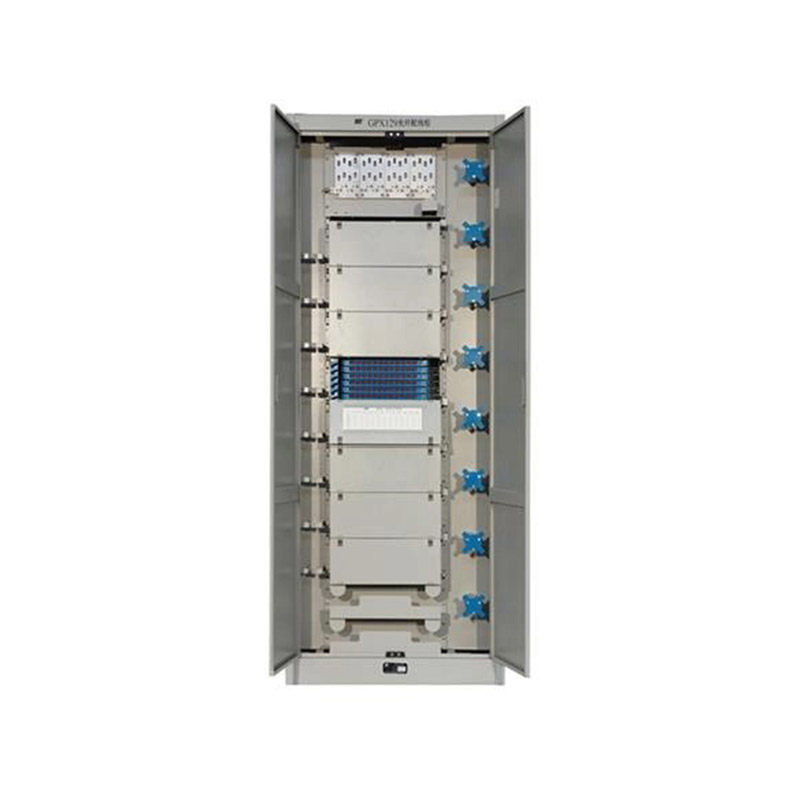
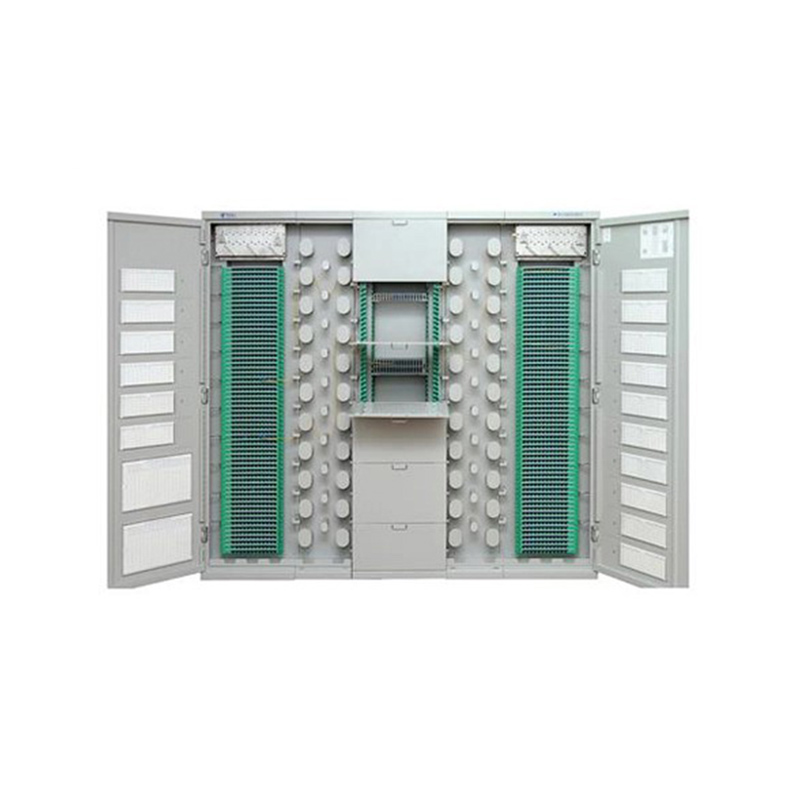
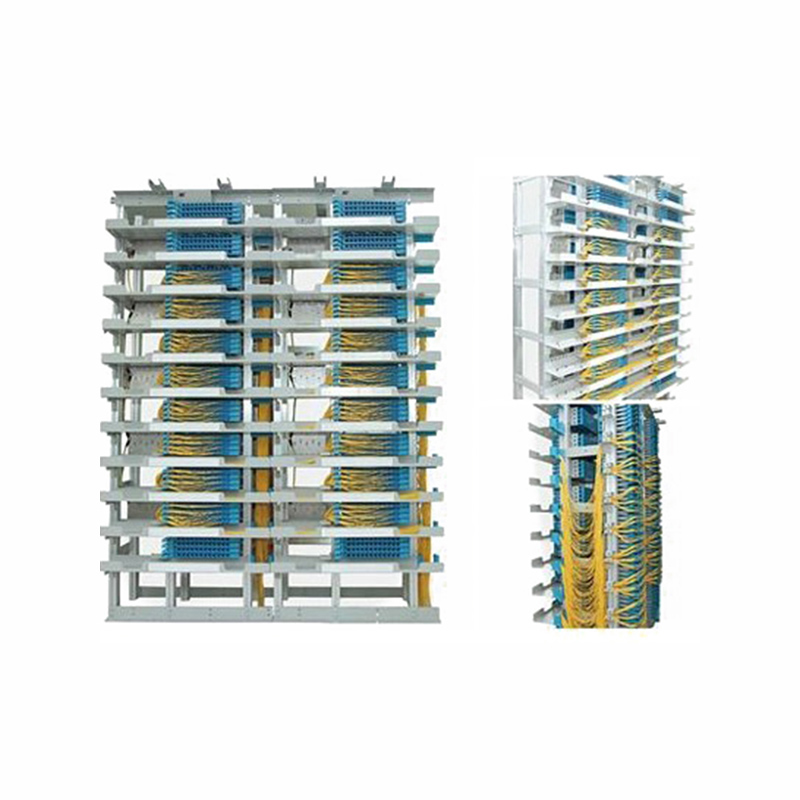
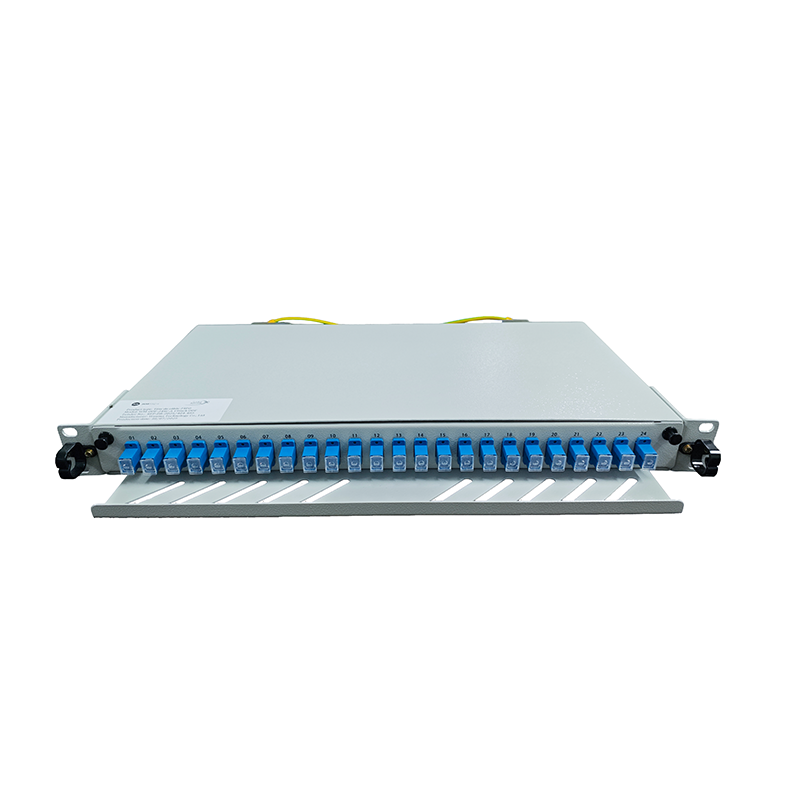
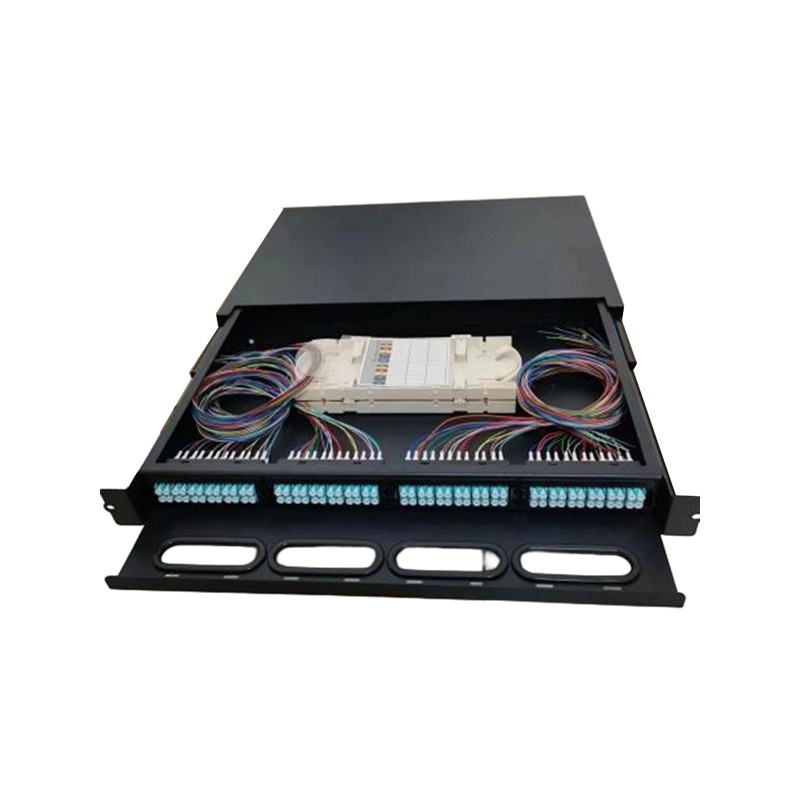
Optical distribution systems serve as the primary management platform for incoming and outgoing fiber connections. These systems typically include patch panels, optical distribution frames, splice trays, cable organizers, and fiber management accessories. Their primary purpose is to create a structured environment where fiber patch cords can be routed, terminated, identified, and maintained efficiently.
Within high-density installations, communication cabinets passive optical components are frequently integrated with distribution systems to support cable routing, connection protection, and expansion capabilities. Properly designed distribution systems reduce congestion while ensuring convenient access to individual fiber connections.
A key advantage of optical distribution systems is their ability to separate horizontal and vertical cable pathways. This separation prevents patch cord entanglement and improves cable visibility. Network technicians can identify and service connections without disturbing adjacent circuits.
Core Technical Features
- Integrated cable routing channels.
- Front-access maintenance design.
- High-density adapter mounting capacity.
- Splice management compartments.
- Structured labeling systems.
- Modular expansion support.
These systems are widely deployed in telecommunications facilities, enterprise networks, central offices, and transportation communication hubs. They provide an organized platform that supports network growth while maintaining operational efficiency.
Wanma Technology Co., Ltd. has extensive experience in developing optical communication infrastructure products designed for large-scale network deployments. Through integrated solution capabilities, the company supports customized cabinet configurations that accommodate varying fiber capacities and site-specific requirements.
Differentiation Advantages
Compared with simple cable storage solutions, optical distribution systems provide structured management, scalability, and easier maintenance access. Their modular architecture makes them particularly suitable for environments where network growth is expected over the long term.
Category 2: SMC Fiber Optic Cable Distribution Box Solutions
Definition and Positioning
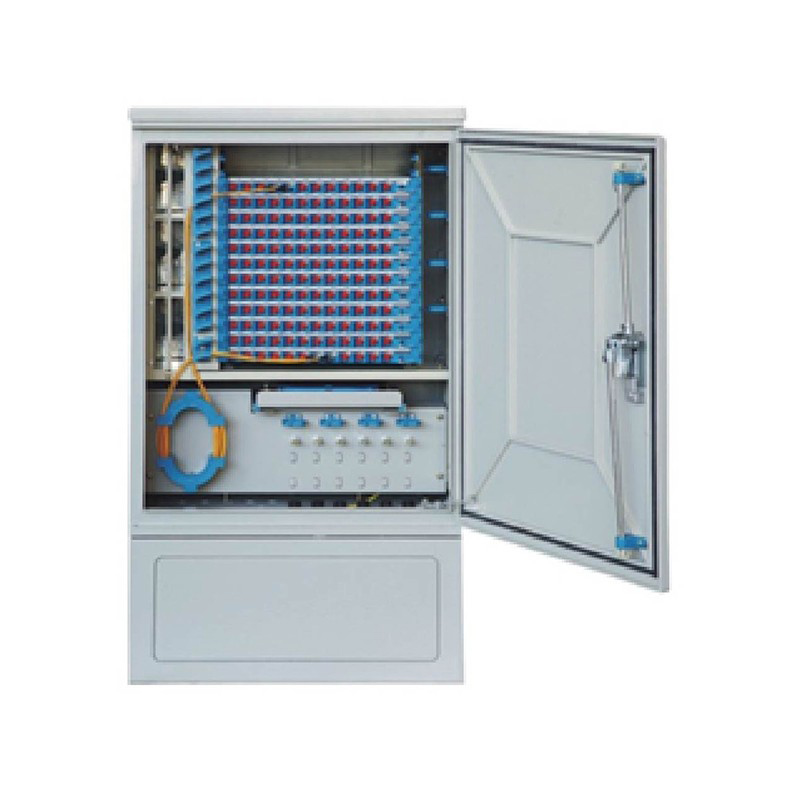
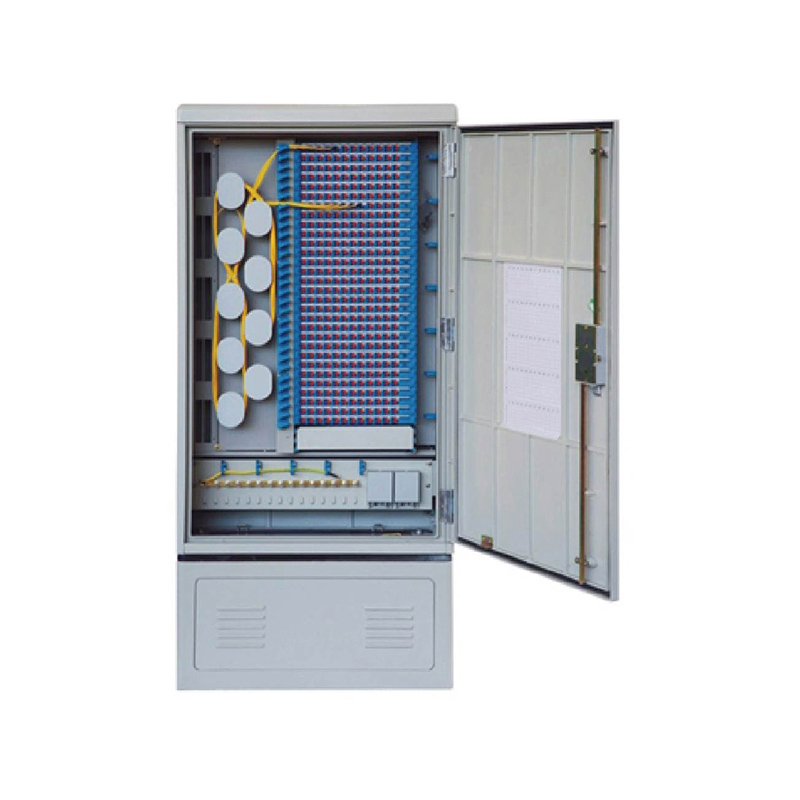
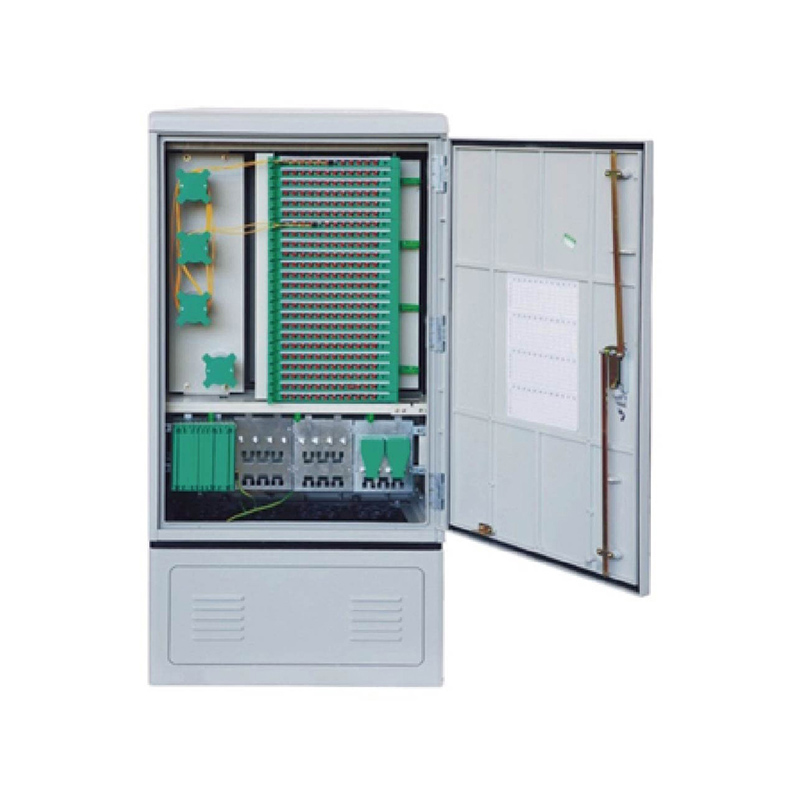
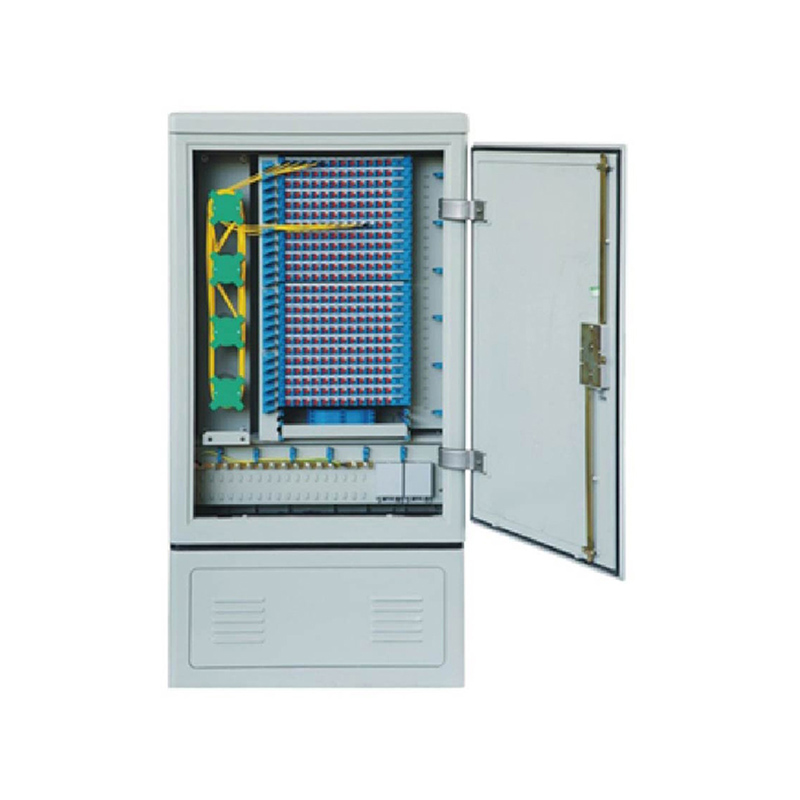
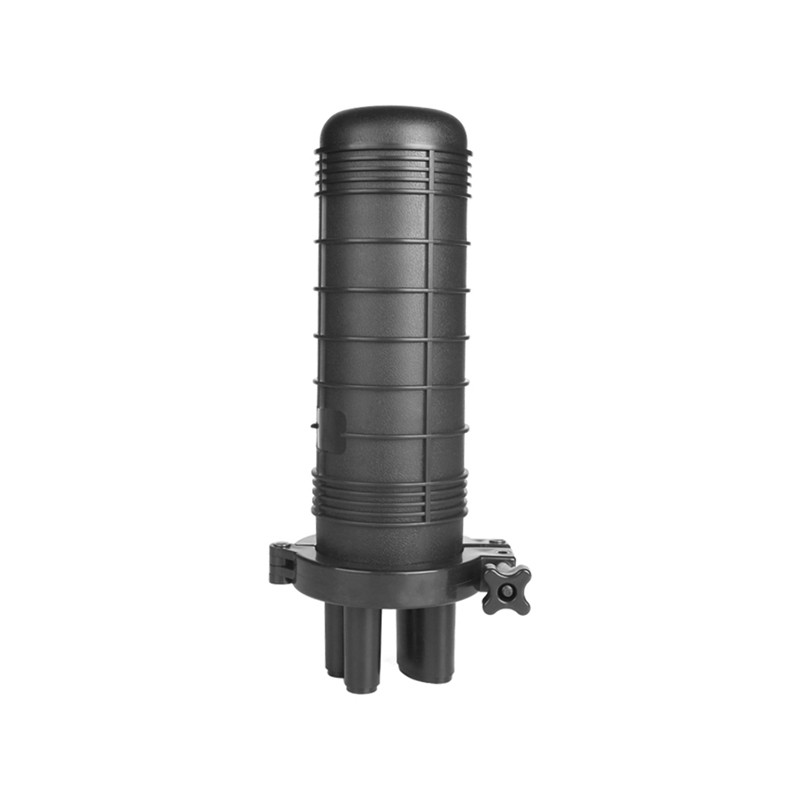
The SMC fiber optic cable distribution box is a critical component for managing fiber distribution between backbone networks and end-user connections. Manufactured using durable composite materials, these distribution boxes provide environmental protection, cable organization, and connection management functions.
In high-density network environments, the SMC fiber optic cable distribution box serves as a transition point where fiber cables can be terminated, split, patched, and protected. The enclosure design helps maintain organized fiber routing while safeguarding sensitive optical connections.
The increasing adoption of fiber-to-the-home, smart city infrastructure, industrial communication systems, and broadband expansion projects has significantly increased demand for advanced distribution box solutions. Proper cable organization within these enclosures contributes directly to network reliability and maintenance efficiency.
Core Functional Characteristics
- Fiber termination and patching management.
- Environmental protection for optical connections.
- Cable storage and routing functionality.
- Support for network expansion.
- Protection against mechanical stress.
- Convenient maintenance access.
A properly configured distribution box enables technicians to maintain minimum bending requirements for fiber patch cords while preserving connection quality. This is particularly important when multiple optical services are concentrated within a limited installation area.
Wanma Technology Co., Ltd. provides customized optical communication solutions covering product selection, structural customization, and system integration. These capabilities allow customers to deploy distribution boxes that align with local environmental conditions, network architecture requirements, and future capacity expansion plans.
Application Scenarios
- Telecommunications access networks.
- Broadband distribution projects.
- Industrial communication systems.
- Rail transit communication infrastructure.
- Smart city optical networks.
- Enterprise campus networks.
Compared with traditional termination methods, distribution boxes provide greater protection and significantly improve cable organization, making them ideal for high-density network environments.
Category 3: Communication Cabinets and Integrated Passive Optical Infrastructure
Definition and Positioning
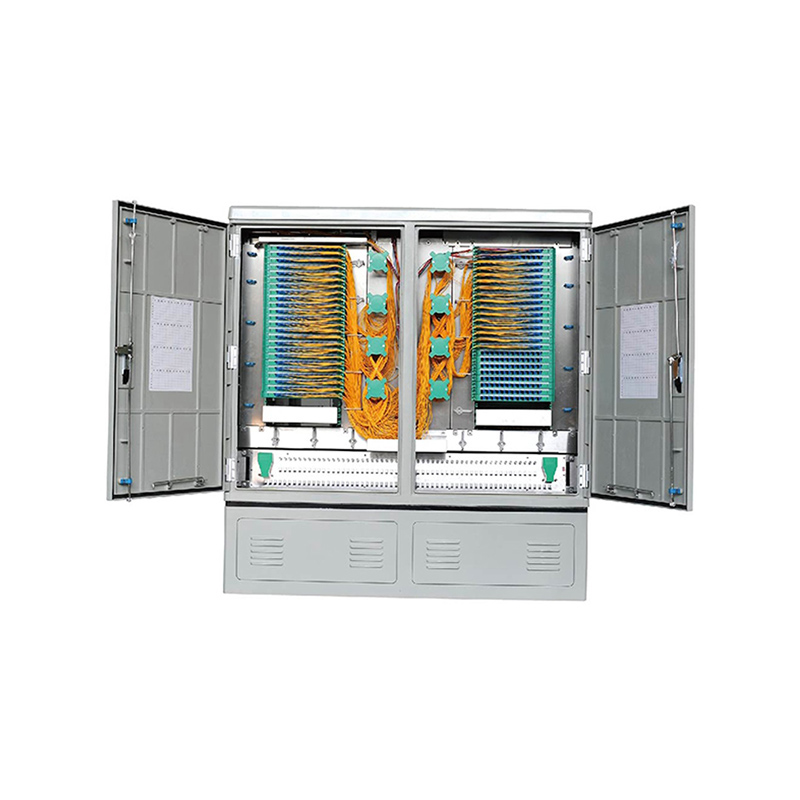
A communication cabinet serves as the physical foundation that houses optical communication equipment, passive optical accessories, cable management systems, and supporting infrastructure. In high-density installations, the cabinet itself becomes a critical factor influencing cable organization efficiency.
Modern cabinet designs incorporate dedicated cable channels, vertical managers, patching zones, mounting rails, and airflow management features. These design elements allow network operators to maintain orderly fiber routing while maximizing equipment density.
The effectiveness of a communication cabinet depends largely on how well it integrates passive optical infrastructure with cable management systems. Well-organized cabinets reduce maintenance complexity, improve equipment accessibility, and support long-term scalability.
Technical Features and Advantages
- Structured vertical and horizontal cable management.
- Flexible equipment mounting architecture.
- Support for high-density fiber connectivity.
- Integrated expansion capabilities.
- Improved maintenance accessibility.
- Enhanced operational reliability.
The combination of communication cabinets passive optical components creates a comprehensive management framework capable of supporting large-scale telecommunications infrastructure projects. By combining organized cable routing with dedicated passive optical devices, network operators can significantly reduce operational risks.
Wanma Technology Co., Ltd. specializes in communication cabinets, communication electronic equipment, and passive optical components. Since its establishment in 1997, the company has supported deployments across Ethernet networks, optical communication systems, transportation infrastructure, and equipment rooms. Its integrated engineering services further enhance the effectiveness of cabinet-based network solutions.
Differentiation Advantages
Compared with standalone cable management accessories, integrated cabinet solutions provide a complete organizational framework. They enable consistent cable routing standards while simplifying future maintenance and expansion activities.
Comparison of Key Product Categories
| Category | Primary Function | Typical Application | Main Advantage |
| Optical Distribution Systems | Fiber termination and management | Central offices and data centers | Structured cable organization |
| SMC Fiber Optic Cable Distribution Box | Fiber distribution and protection | Access networks and outdoor deployments | Connection protection and scalability |
| Communication Cabinet Systems | Integrated equipment housing | Telecom and enterprise facilities | Comprehensive infrastructure management |
Best Practices for Organizing Fiber Patch Cords
Successful fiber management requires more than selecting the right products. A systematic implementation approach is equally important. Organizations managing high-density networks should establish clear installation standards and maintenance procedures.
- Plan cable routes before installation.
- Separate fiber pathways from power cabling.
- Use dedicated cable management accessories.
- Maintain consistent labeling standards.
- Reserve expansion capacity for future growth.
- Perform periodic inspections and cable audits.
- Document all fiber connections and modifications.
These practices help maximize the effectiveness of communication cabinet, communication cabinets passive optical components, and SMC fiber optic cable distribution box deployments while reducing operational complexity.
Engineering and Integration Capabilities Supporting Fiber Organization
Beyond product selection, engineering expertise significantly influences network organization quality. Effective fiber management begins during network planning and continues throughout deployment, commissioning, and maintenance phases. Comprehensive engineering services help ensure that fiber pathways, cabinet layouts, and distribution systems operate as a unified infrastructure.
Wanma Technology Co., Ltd. offers network planning, end-to-end deployment, turnkey project implementation, energy system integration, commissioning support, and ongoing maintenance services. These capabilities enable customers to build highly organized optical communication infrastructures that remain scalable and maintainable throughout their operational lifecycle.
Whether serving telecommunications operators, internet service providers, transportation networks, or enterprise customers, structured engineering methodologies contribute directly to improved cable management outcomes and enhanced network reliability.
Frequently Asked Questions
Q1: Why is fiber patch cord organization important inside high-density cabinets?
Proper organization improves maintenance efficiency, reduces accidental disconnections, protects signal quality, and supports future network expansion. Structured cable management also helps technicians quickly identify and service fiber connections.
Q2: What role does an SMC fiber optic cable distribution box play in network management?
The SMC fiber optic cable distribution box provides fiber termination, distribution, protection, and storage functions. It helps maintain organized cable routing while protecting optical connections from environmental and mechanical influences.
Q3: How do communication cabinets passive optical components improve cable management?
Communication cabinets passive optical components create structured pathways for fiber routing, support connection management, reduce cable congestion, and improve accessibility for maintenance personnel. Together they establish an organized optical communication environment.
Q4: What factors should be considered when selecting a communication cabinet?
Important considerations include cable capacity, expansion requirements, maintenance accessibility, environmental conditions, equipment density, airflow management, and compatibility with passive optical infrastructure.
Q5: How can engineering services improve fiber organization outcomes?
Professional engineering services ensure proper network planning, cable routing design, equipment selection, installation quality, and long-term maintenance strategies. These factors collectively improve network reliability and operational efficiency.