

 English
 Français
 Español
 Português
 عربى
عربى






 Knowledge
Trade-off Between IP68 Rating and Mechanical Strength in FTTH Dome Fiber Optic Splice Closures: Impact on Long-Term Field Sealing Reliability
Understanding the Design Conflict
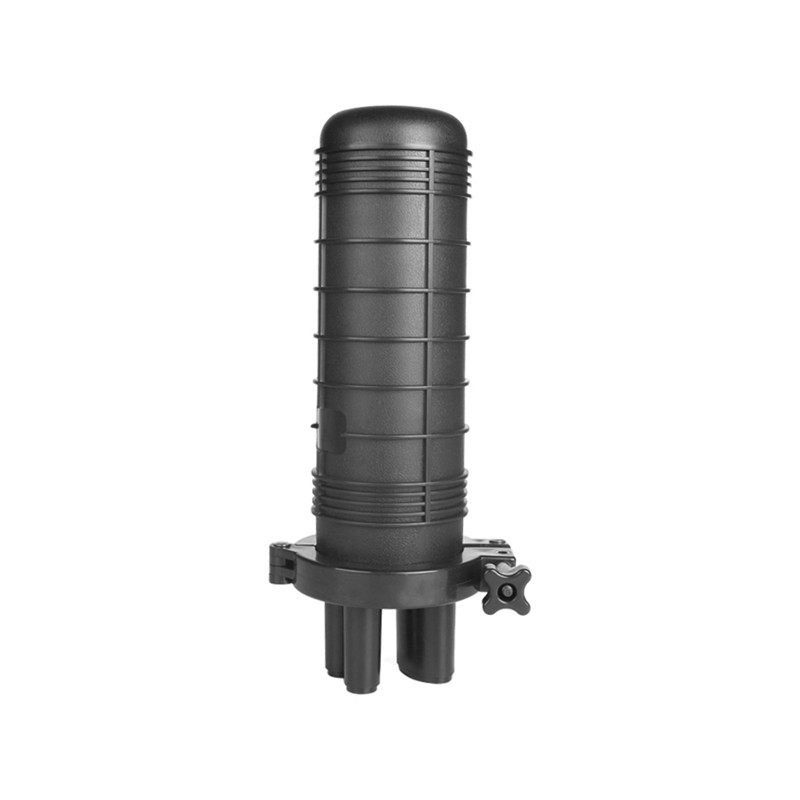
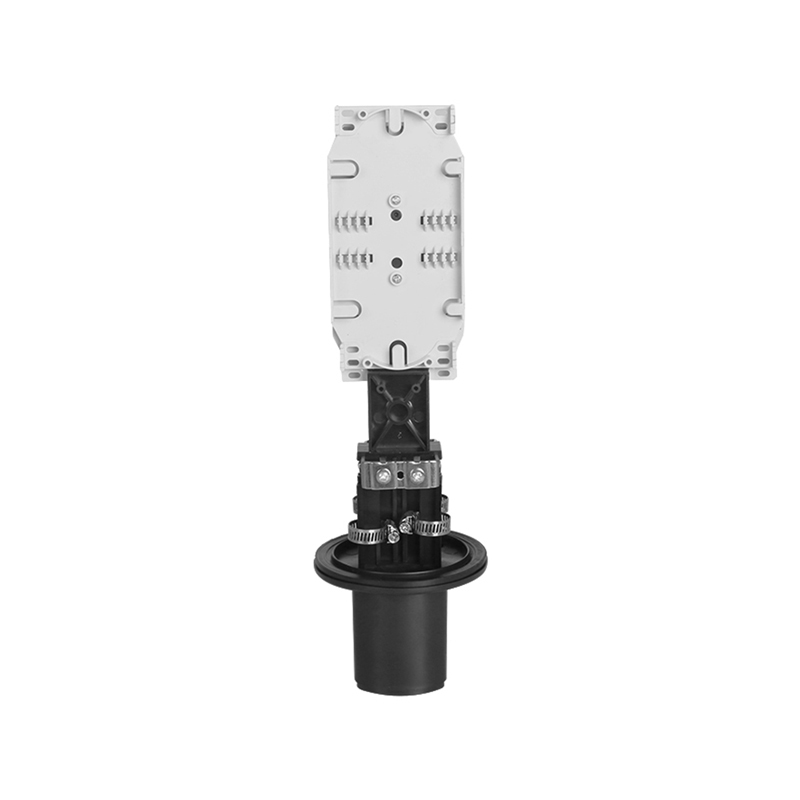
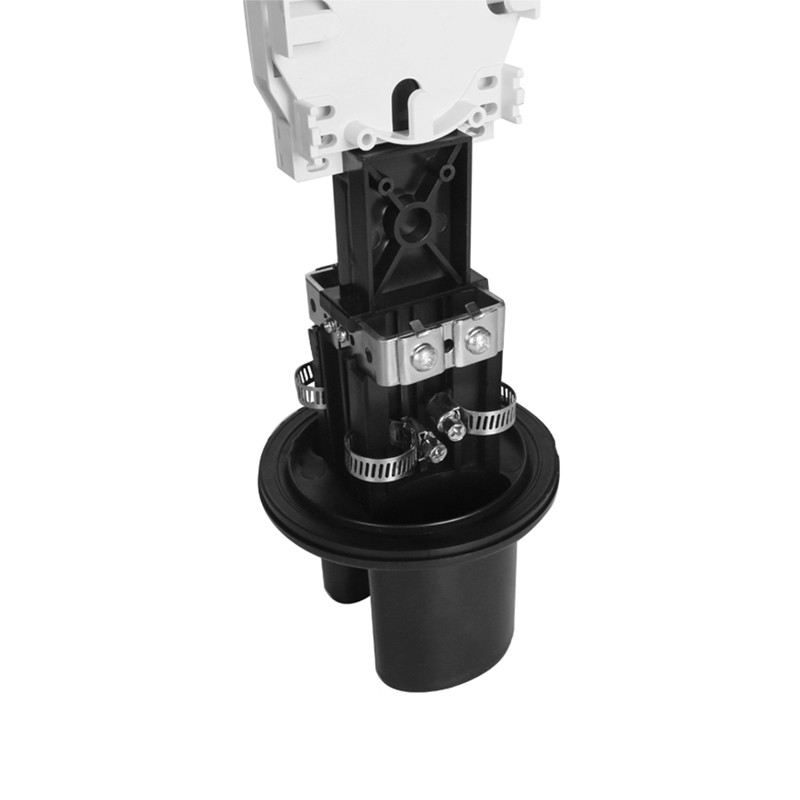
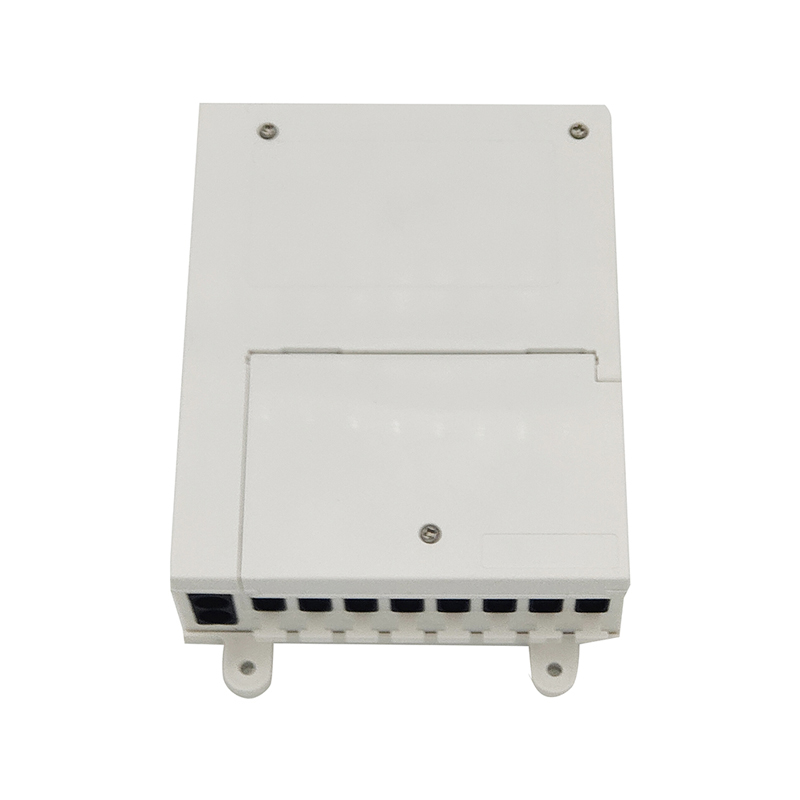
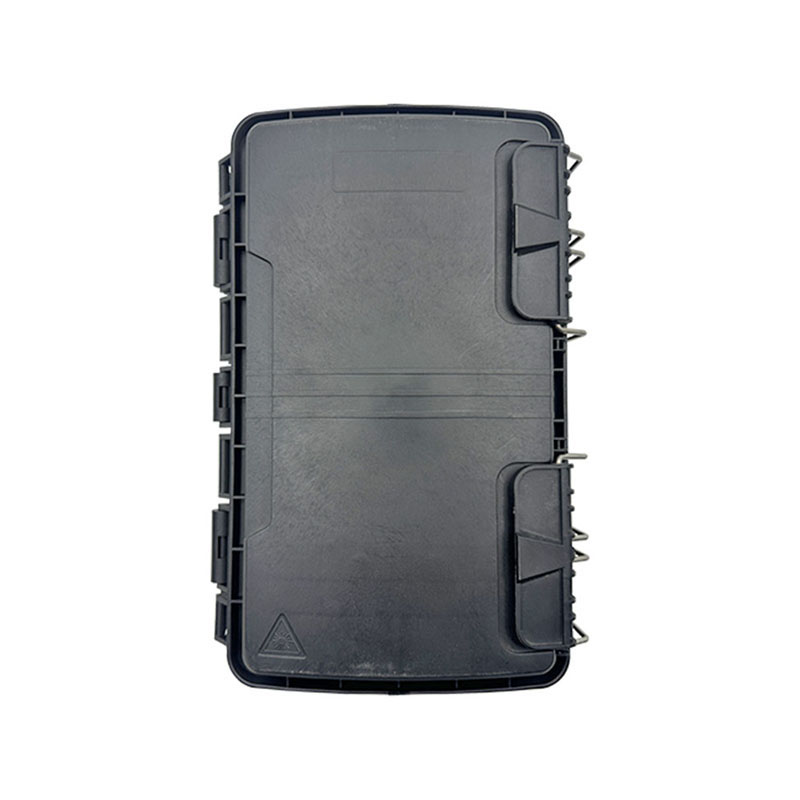
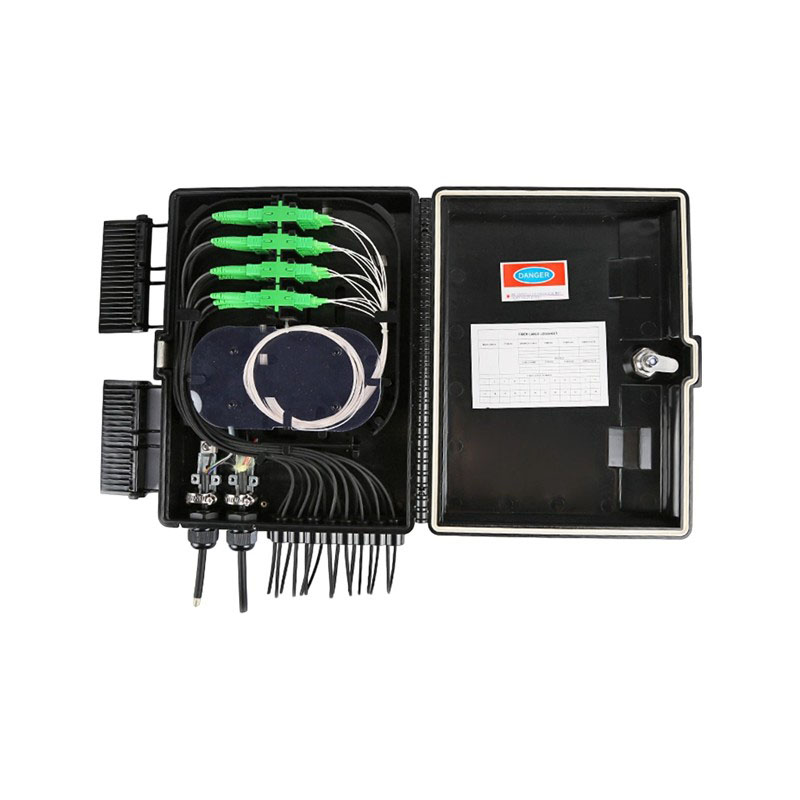
When selecting an FTTH dome fiber optic splice closure, engineers face a fundamental trade-off: achieving IP68 (complete dust-tightness and continuous immersion protection) often requires softer sealing gaskets and thinner wall sections to allow compression, while high mechanical strength demands rigid, thick-walled materials that may compromise sealing conformity. This balance directly determines long-term reliability in buried, aerial, or manhole environments where the closure must withstand soil pressure, freeze-thaw cycles, and rodent attacks.
How IP68 Design Affects Sealing Reliability
- Sealing mechanism: IP68 typically uses elastomeric gaskets (silicone, EPDM, or thermoplastic rubber) compressed between dome and base. Softer gaskets (20-40 Shore A) seal better against surface irregularities but are less resistant to extrusion under high mechanical load.
- Durability under pressure: At 2m water depth (IP68 typical requirement), internal air volume decreases by 20% due to hydrostatic pressure. A compliant closure maintains sealing up to 10m, but over-compression can permanently deform gaskets.
- Thermal cycling risk: Soft seals accommodate differential expansion between dome and base. Hard seals or over-tightened bolts can cause stress cracking in polycarbonate or ABS domes after 100+ cycles from -40°C to +65°C.
How Mechanical Strength Affects Long-Term Reliability
- Material options: Reinforced polycarbonate (PC) offers impact resistance (IK09 rating: 2J) but lower UV stability. Glass-filled polypropylene (PP) provides higher stiffness but becomes brittle below -20°C. Die-cast aluminum adds strength (IK10: 20J) but risks galvanic corrosion and higher cost.
- Wall thickness trade-off: Thicker walls (3-5mm) resist crushing from backfill soil (up to 500kg/m²) but reduce gasket compression range, requiring higher bolt torque that may strip threads.
- Closure retention: Stainless steel bolts (M6 or M8) with torque limiters provide consistent compression. Plastic latches or cam-lock systems wear after 10-15 open/close cycles, leading to micro-gaps.
Parameter Comparison: IP68 vs. Mechanical Strength Configurations
The table below compares four typical FTTH dome fiber optic splice closure designs for a buried application with 1.5m soil cover and seasonal water table rise.
| Design Type | Material & Wall Thickness | IP Rating & Test Depth | Mechanical Impact Rating | Estimated 10-Year Sealing Failure Rate |
|---|---|---|---|---|
| High IP / Low strength | Soft polycarbonate, 2.0mm wall | IP68 (3m, 72h) | IK07 (1J) | 25-35% (crushing or puncture) |
| Balanced IP / medium strength | Glass-filled PP, 3.0mm wall + EPDM gasket | IP68 (2m, 24h) | IK09 (2J) | 8-12% |
| High strength / moderate IP | Aluminum alloy, 2.5mm + silicone seal | IP67 (1m, 30min) | IK10 (20J) | 5-8% (but higher corrosion risk) |
| Over-strength / poor IP | Thick ABS, 4.5mm wall + hard rubber gasket | IP65 (jet water only) | IK09 (2J) but stiff bolts | >40% (gasket takes set, micro-leaks) |
Practical Guidelines for Optimal Balance
- For direct burial in rocky soil: Prioritize mechanical strength (IK09 or higher) even if IP rating drops to IP67. Use a dome closure with external metal armor or a concrete vault.
- For manhole or flooded duct: Prioritize IP68 (2m, 72h) with reinforced sealing. Mechanical strength IK08 is usually sufficient as manholes limit crushing forces.
- For aerial installations: Both IP68 and high strength are less critical; IP65 with UV-stabilized plastic and IK08 is cost-effective. Primary risk is UV degradation, not water ingress or crushing.
- Seal replacement interval: Even with perfect design, elastomeric gaskets degrade. Plan to replace gaskets every 7-10 years. The closure body itself may last 20+ years.
Frequently Asked Questions (FAQ)
FAQ 1: Can an IP68 dome closure lose its sealing rating after repeated openings?
Answer: Yes, significantly. Each opening compresses the gasket further. After 10-15 open/close cycles, many EPDM or silicone gaskets take permanent compression set, reducing sealing pressure by 40-60%. The closure may then fail at 0.5m water depth despite originally passing IP68 at 3m. Use a FTTH dome fiber optic splice closure with replaceable gaskets and torque-limited bolts to maintain long-term sealing after maintenance.
FAQ 2: How does freeze-thaw cycling affect the IP68 vs. strength trade-off?
Answer: In cold climates (-30°C or lower), water inside a closure expands upon freezing by 9%. A high-strength but rigid closure cannot absorb this expansion; internal pressure can reach 50-100 bar, cracking the dome. A balanced design allows slight deformation (0.5-1mm) via a softer gasket or flexible dome material. For freeze-thaw regions, choose glass-filled PP over aluminum or ABS and ensure IP68 is verified after thermal cycling, not just at room temperature.
FAQ 3: What field test confirms that the chosen balance works for my site?
Answer: Perform a vacuum decay test after installation. Draw a vacuum of 0.5 bar (50 kPa) and monitor pressure drop over 5 minutes. A drop <2 kPa indicates good sealing. For mechanical strength, use a point load test: place a 10kg weight on a 2cm² steel rod on the dome surface. No cracking or permanent deformation >1mm passes. These tests should be repeated after any maintenance re-entry.