

 English
 Français
 Español
 Português
 عربى
عربى



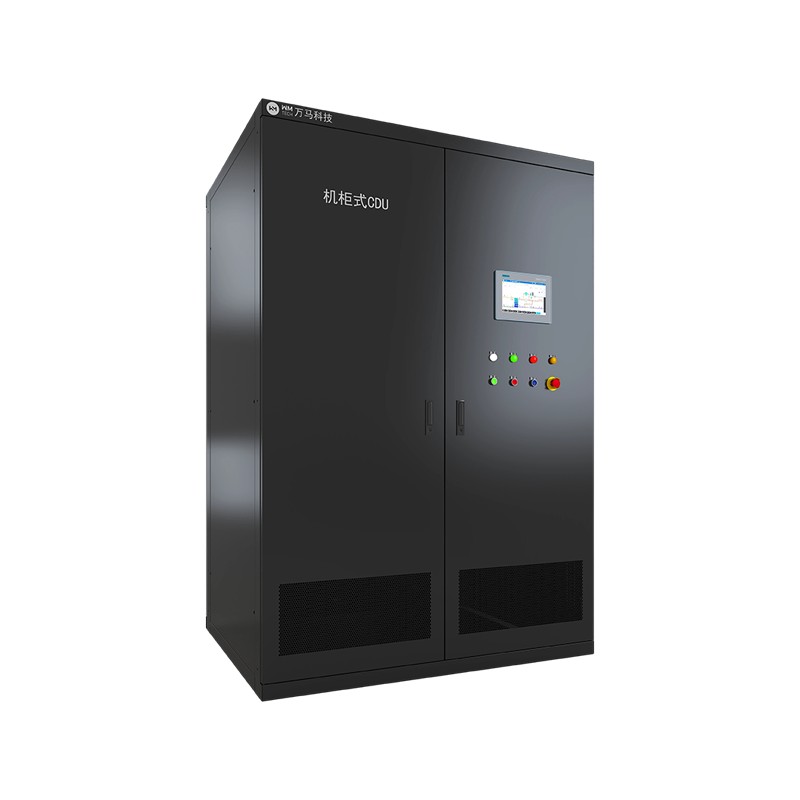
Application ScopeThis product is used in wireless network coverage systems, providing a safe and stable physical working environment and comprehensive security protection for workstations at wireless ...
See DetailsHow Telecom Power Cabinets Ensure Stable and Reliable Outdoor Network Operation?
Content
- 1 Why Telecom Power Cabinets Matter in Modern Communication Infrastructure
- 2 What Is a Telecom Power Cabinet and How Does It Work?
- 3 Why Outdoor Telecom Power Cabinets Require Advanced Weatherproof Protection
- 4 How 48V Telecom Power Cabinets Ensure Stable Communication Systems
- 5 How Integrated Telecom Power Cabinets Improve Network Efficiency
- 6 The Rise of Smart Monitoring in Telecom Power Cabinets
- 7 Common Challenges in Telecom Power Cabinet Deployment
- 8 How to Choose the Right Telecom Power Cabinet for Outdoor Networks
- 9 Future Trends: AI-Driven Telecom Power Cabinets
- 10 Why Telecom Power Cabinets Will Define Next-Generation Network Stability
- 11 FAQ: Telecom Power Cabinet
The rapid expansion of global digital infrastructure has placed unprecedented demands on communication networks. As 5G deployment accelerates, edge computing expands, and remote connectivity becomes essential for businesses and communities, stable and uninterrupted power delivery has become a critical requirement. At the center of this transformation is the telecom power cabinet, a foundational system that ensures communication equipment remains operational under varying environmental and electrical conditions.
A telecom power cabinet is no longer just a metal enclosure designed to house electrical components. It has evolved into an intelligent power management platform capable of monitoring, protecting, and optimizing network energy distribution. Modern outdoor telecom power cabinets now combine advanced power conversion, environmental protection, battery backup, and smart remote diagnostics to improve reliability and operational efficiency.
Why Telecom Power Cabinets Matter in Modern Communication Infrastructure
Telecommunications infrastructure depends on uninterrupted electrical stability. Base stations, switching centers, transmission nodes, and network access equipment all require continuous power to maintain connectivity. Even minor voltage fluctuations can interrupt service, damage equipment, or degrade network quality.
The telecom power cabinet serves as the control center for managing and distributing electrical energy to these critical devices.
| Feature | Function | Network Benefit |
|---|---|---|
| Power Distribution | Supplies regulated power | Prevents voltage instability |
| Battery Backup | Emergency reserve supply | Ensures uptime during outages |
| Monitoring System | Tracks system health in real time | Enables preventive maintenance |
| Thermal Management | Regulates internal temperature | Extends equipment lifespan |
| Surge Protection | Blocks electrical surges | Prevents component damage |
Without properly engineered telecom power distribution cabinets, communication networks would be vulnerable to outages caused by unstable utility input, weather events, overload conditions, and equipment aging.
In modern telecom deployments, resilience is not optional. It is essential.
What Is a Telecom Power Cabinet and How Does It Work?
A telecom power cabinet is an integrated electrical enclosure that converts, distributes, regulates, and monitors power for telecommunications systems.
Its operation typically begins with utility AC input. This incoming power is converted into DC energy by a rectifier module, then distributed to connected telecom equipment and backup battery systems.
The cabinet continuously regulates voltage and current output to maintain operational consistency.
| Component | Role |
|---|---|
| Rectifier Module | Converts AC power to DC output |
| DC Distribution Unit | Allocates energy across devices |
| Battery Compartment | Stores emergency backup energy |
| Monitoring Controller | Tracks system performance |
| Cooling System | Prevents thermal overload |
| Alarm Interface | Issues fault notifications |
The telecom rectifier cabinet functions as the heart of this process, ensuring clean and stable DC output while minimizing conversion losses.
Advanced DC power cabinet for telecom systems often include digital interfaces that allow operators to monitor performance remotely, identify abnormalities, and adjust operating parameters in real time.
This intelligent functionality significantly improves uptime while reducing maintenance costs.
Why Outdoor Telecom Power Cabinets Require Advanced Weatherproof Protection
Outdoor deployment introduces unique environmental challenges that can threaten system stability.
Rain, dust, UV exposure, humidity, extreme heat, freezing temperatures, and airborne corrosion all increase the risk of equipment degradation.
A weatherproof telecom cabinet is specifically engineered to resist these hazards through specialized enclosure construction and sealing technologies.
| Protection Standard | Capability | Recommended Use |
|---|---|---|
| IP55 | Dust-resistant, splash protection | Moderate outdoor conditions |
| IP65 | Fully sealed against rain and dust | Severe weather zones |
| IP66 | High-pressure water resistance | Industrial and coastal areas |
Outdoor telecom power cabinets often include:
- Corrosion-resistant coatings
- Double-layer insulation
- Reinforced gasket sealing
- Ventilation filtration systems
- Solar-reflective finishes
These features allow cabinets to maintain operational integrity even in challenging climates.
As telecom infrastructure extends into deserts, coastal environments, and high-altitude regions, environmental resilience becomes a defining factor in system performance.
How 48V Telecom Power Cabinets Ensure Stable Communication Systems
The 48V telecom power cabinet has become the industry standard for communication infrastructure due to its efficiency, reliability, and compatibility with telecom equipment.
The use of 48V DC offers several advantages over lower-voltage or AC-based alternatives.
| Voltage System | Efficiency | Stability | Typical Application |
|---|---|---|---|
| 24V DC | Moderate | Medium | Small nodes |
| 48V DC | High | Excellent | Telecom base stations |
| 220V AC | Lower conversion efficiency | Variable | Industrial facilities |
A 48V system reduces transmission losses and allows safer handling compared to higher-voltage configurations.
It also aligns with the operating requirements of telecom switches, routers, transmission systems, and radio units.
By delivering stable DC output with minimal ripple, a 48V telecom power cabinet protects sensitive communication electronics from electrical stress and performance degradation.
This reliability is especially important for high-density 5G infrastructure where precision power regulation directly impacts service quality.
How Integrated Telecom Power Cabinets Improve Network Efficiency
Traditional telecom power deployment often required multiple independent systems for rectification, distribution, battery storage, cooling, and monitoring.
Integrated telecom power cabinets consolidate these functions into a single compact solution.
| Solution Type | Installation Time | Maintenance Complexity | Space Utilization |
|---|---|---|---|
| Traditional Distributed Setup | High | High | Moderate |
| Integrated Cabinet | Low | Low | High |
Benefits include:
- Faster deployment
- Reduced wiring complexity
- Lower maintenance requirements
- Improved energy efficiency
- Simplified expansion capability
Integrated architectures are especially valuable in urban edge deployments where space limitations demand compact solutions.
For network operators seeking operational scalability, integrated telecom power cabinet systems provide measurable efficiency gains.
The Rise of Smart Monitoring in Telecom Power Cabinets
One of the most significant developments in recent years is the rise of smart telecom power cabinet technology.
Intelligent monitoring systems now transform telecom cabinets into proactive management platforms.
| Smart Feature | Function |
|---|---|
| Remote Diagnostics | Detects faults instantly |
| Temperature Alerts | Prevents overheating |
| Battery Analysis | Predicts replacement cycles |
| Load Monitoring | Prevents overload conditions |
| Energy Optimization | Reduces waste |
Remote visibility allows operators to monitor cabinet health across thousands of distributed sites from centralized control centers.
Smart analytics can identify patterns indicating battery decline, cooling inefficiencies, or abnormal voltage behavior long before failures occur.
This predictive maintenance capability reduces downtime while lowering service costs.
As telecom networks become increasingly distributed, smart telecom power cabinet intelligence is becoming indispensable.
Common Challenges in Telecom Power Cabinet Deployment
Despite technological improvements, several deployment challenges remain.
| Problem | Cause | Solution |
|---|---|---|
| Overheating | Restricted airflow | Advanced thermal design |
| Voltage Fluctuation | Weak rectifier regulation | Intelligent power correction |
| Moisture Intrusion | Inadequate sealing | Higher IP-rated enclosure |
| Battery Aging | Excess thermal cycling | Smart battery management |
| Corrosion | Harsh environmental exposure | Protective coatings |
Proper site planning, cabinet selection, and preventive maintenance are essential to avoiding these issues.
Choosing the wrong enclosure can lead to accelerated component failure and costly service interruptions.
A high-quality telecom power cabinet minimizes these risks through intelligent design and robust engineering standards.
How to Choose the Right Telecom Power Cabinet for Outdoor Networks
Selecting the right telecom power cabinet requires evaluating several technical and operational factors.
| Selection Factor | Importance |
|---|---|
| Load Capacity | Critical |
| Environmental Protection Rating | Critical |
| Monitoring Capability | Very High |
| Cooling Efficiency | High |
| Expansion Flexibility | High |
| Maintenance Accessibility | Medium |
Key questions include:
- What is the expected power demand?
- Will future expansion require modular scalability?
- What environmental conditions will the cabinet face?
- Does the cabinet support remote diagnostics?
- How easy is maintenance access?
An outdoor telecom power cabinet should always match both immediate operational needs and long-term infrastructure growth.
Choosing based solely on initial cost often results in greater lifecycle expense.
Performance, resilience, and intelligence should guide decision-making.
Future Trends: AI-Driven Telecom Power Cabinets
The future of telecom power cabinet technology is increasingly intelligent and autonomous.
Artificial intelligence is being integrated to enable:
- Predictive failure analysis
- Automated load balancing
- Dynamic thermal regulation
- Battery lifecycle optimization
- Self-adjusting energy allocation
AI-powered telecom power distribution cabinets will allow networks to respond to changing demand conditions without human intervention.
This capability will be especially valuable in large-scale edge computing and next-generation mobile infrastructure.
At the same time, sustainability goals are driving the integration of renewable power sources and hybrid battery technologies.
Telecom power cabinets are expected to become active energy orchestration systems rather than passive enclosures.
Why Telecom Power Cabinets Will Define Next-Generation Network Stability
The digital world depends on continuous connectivity, and continuous connectivity depends on reliable power infrastructure.
The telecom power cabinet has become one of the most important systems supporting this reality.
Its role extends far beyond housing electrical equipment. It now performs intelligent regulation, environmental protection, remote monitoring, predictive diagnostics, and energy optimization.
As 5G, IoT, and edge computing continue expanding, the demand for advanced telecom power cabinets will accelerate.
Outdoor telecom power cabinets, integrated telecom power cabinet systems, smart telecom power cabinet intelligence, and resilient weatherproof telecom cabinet designs are shaping the future of communications infrastructure.
Telecom power cabinets are no longer passive support structures.
They are becoming intelligent power ecosystems that define network reliability, efficiency, and resilience for the connected world ahead.
FAQ: Telecom Power Cabinet
1. What is a telecom power cabinet used for?
A telecom power cabinet is used to provide stable, regulated electrical power to communication equipment such as base stations, routers, and transmission systems. It integrates power conversion, distribution, backup batteries, and monitoring functions to ensure uninterrupted network operation.
2. How does a telecom power cabinet work?
A telecom power cabinet works by converting AC power into stable DC power through a rectifier system. The power is then distributed to telecom equipment and supported by battery backup systems in case of outages. Advanced models also include monitoring modules for real-time performance tracking.
3. What is the advantage of a 48V telecom power cabinet?
A 48V telecom power cabinet is widely used because it offers high efficiency, stable output, and compatibility with most telecom equipment. It reduces energy loss during transmission and provides a safer operating voltage for communication systems.
4. Why is a weatherproof telecom cabinet important for outdoor networks?
A weatherproof telecom cabinet protects internal components from rain, dust, humidity, extreme temperatures, and corrosion. This ensures stable operation of outdoor telecom infrastructure and significantly extends equipment lifespan.
5. What is the difference between a telecom power cabinet and a battery cabinet?
A telecom power cabinet manages power conversion and distribution while also integrating battery backup systems. A battery cabinet, on the other hand, is mainly designed for energy storage. In many modern systems, both functions are integrated into one unit.
Interested in cooperation or have questions?
Related products
-
-
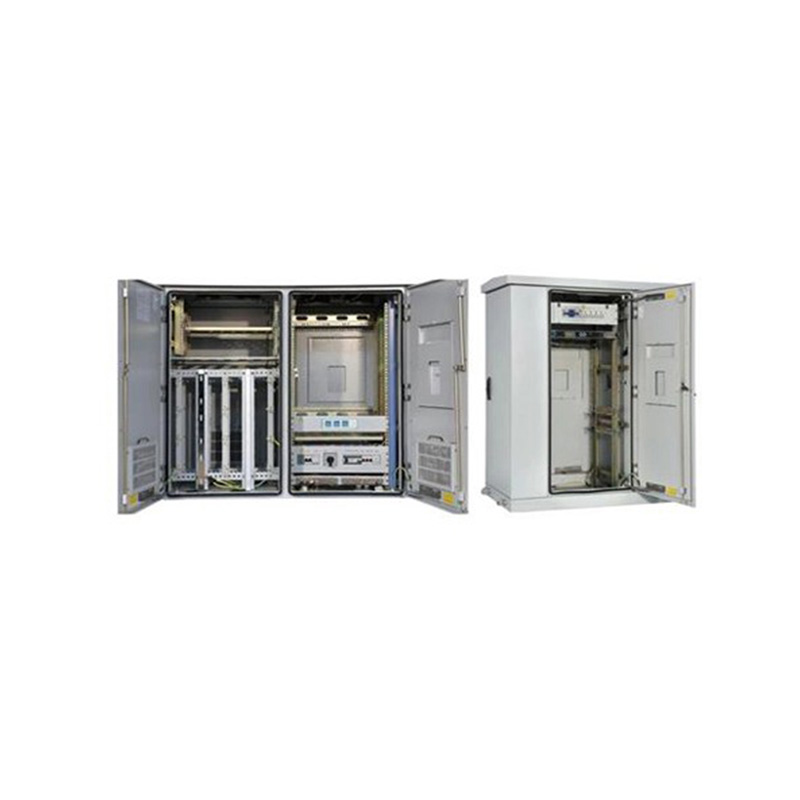
Application:It is used for the fixed network and broadband access, providing physical working environment and security system for the workstation in wired network. Features:•The cabinet is composed of...
See Details -
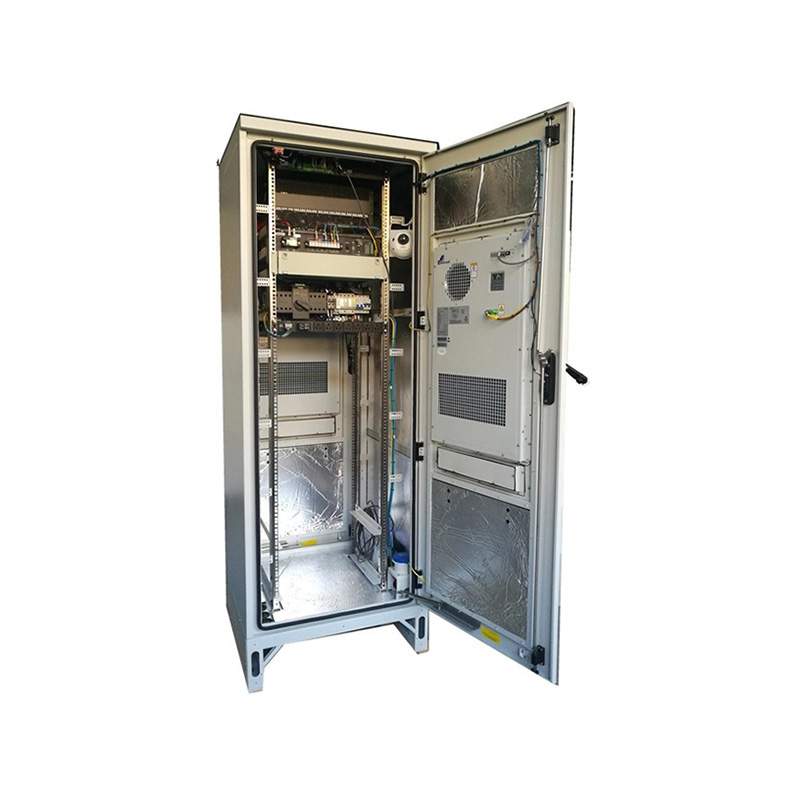
Application:Fiber adapter packs are installed on fiber optic panel, and served as standard 1U 19'' rack, ODF and cabinets, to create a complete system for connectivity. It can be applied in LAN's hous...
See Details -
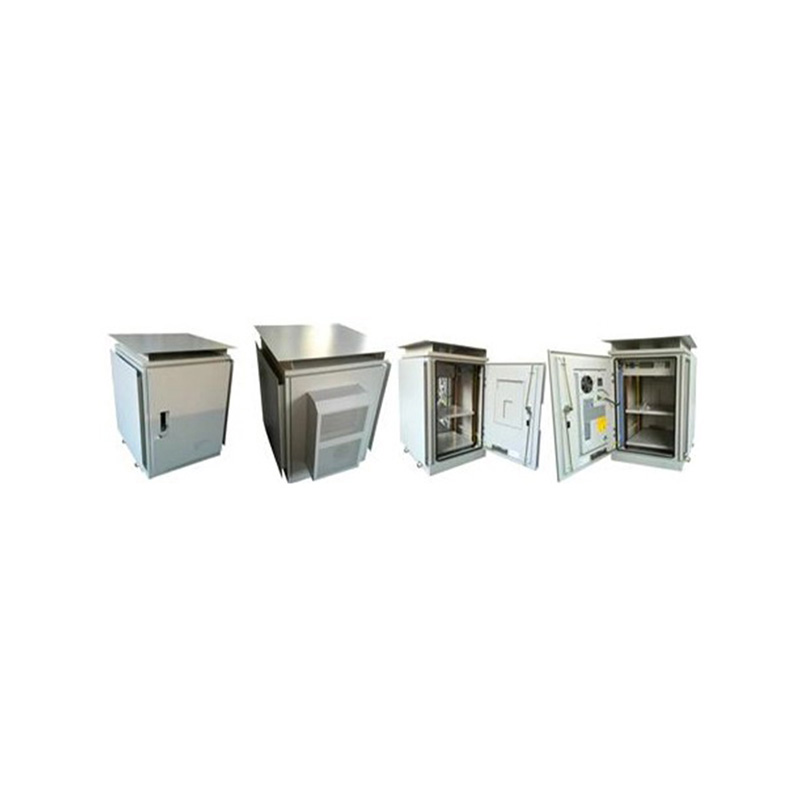
Application: The enclosure for outdoor wiring is designed for locating of telecommunication equipment, distributing frame, power supply system with accumulator battery, equipment for maintaining tempe...
See Details
Ready to Get started ? Contact Us Now !

Product.
Contact Details.
-
 +86 13958188250
-
 +86 13958188250
-
 [email protected]
- Wanma Industrial Park Taihu Yuan Town Lin'an District Hangzhou City China.
QR Code

Copyright © Wanma Technology Co., Ltd. All Rights Reserved.
Privacy
Custom Ethernet Optical Network Railway Transit Equipments Suppliers
