

 English
 Français
 Español
 Português
 عربى
عربى



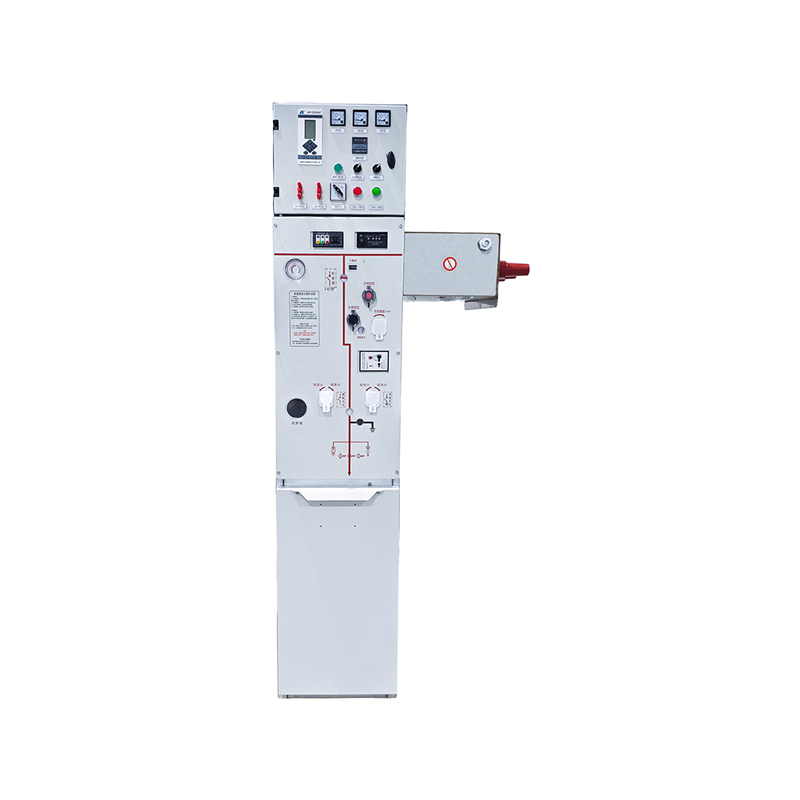
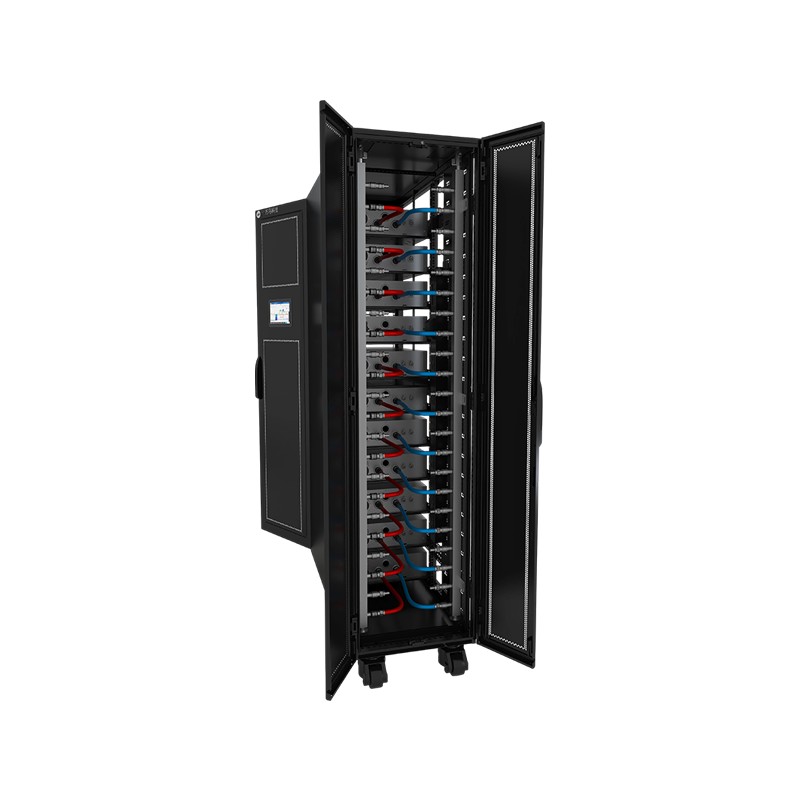
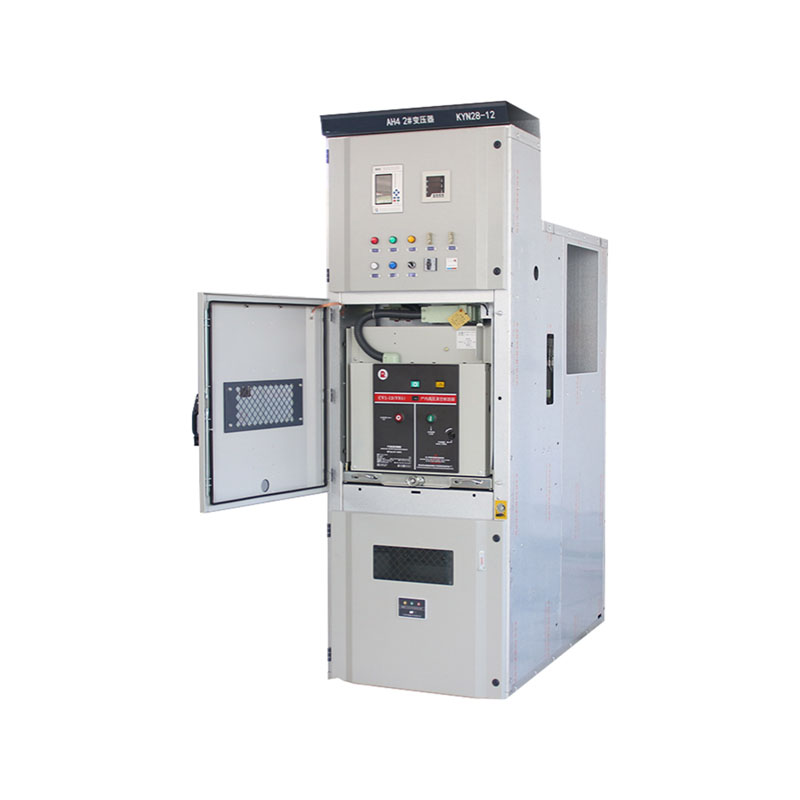
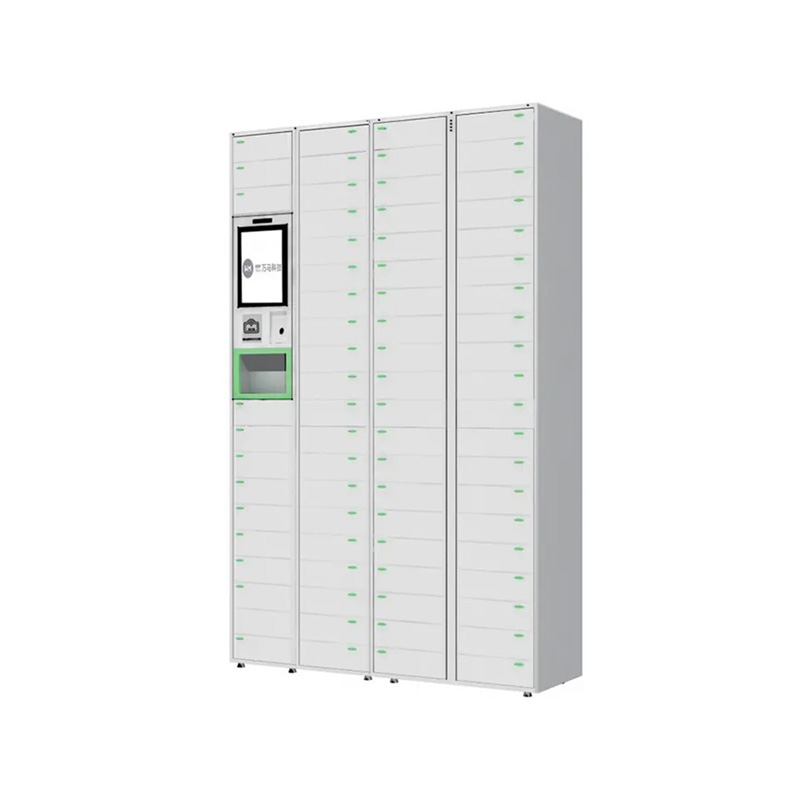
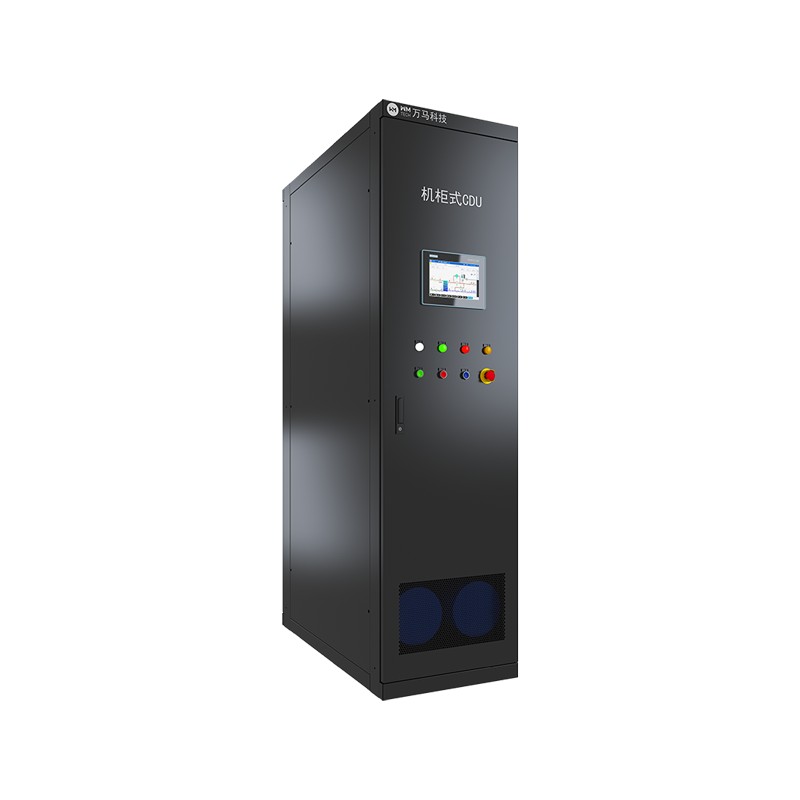
Product OverviewWM-Cabinet CDU is designed for high-density computing thermal management applications, providing an efficient, stable, and reliable circulation interface between liquid-cooled servers ...
See DetailsHow Cabinet CDU Transforms Thermal Management in AI and High-Density Computing Environments
Content
- 1 The Thermal Challenge of Modern Data Centers
- 2 What is a Cabinet-Level Liquid Cooling Distribution Unit?
- 3 Technical Excellence: Core Advantages of WM-Cabinet CDU
- 4 Technical Specifications Comparison Framework
- 5 Real-World Applications and Impact
- 6 Strategic Partnership Benefits
- 7 Implementation Considerations
- 8 Broader Impact on Data Center Evolution
- 9 Frequently Asked Questions
- 9.0.1 Q1: What is the primary function of a liquid cooling distribution unit?
- 9.0.2 Q2: How does WM-cabinet CDU maintain such precise temperature control?
- 9.0.3 Q3: Can a single CDU be added to an existing data center without major infrastructure changes?
- 9.0.4 Q4: What happens if a CDU component fails?
- 9.0.5 Q5: How does liquid cooling reduce data center operating costs?
- 9.0.6 Q6: What maintenance does a CDU require?
- 9.0.7 Q7: Is liquid cooling suitable for all data center applications?
- 9.0.8 Q8: How long does a typical CDU installation and commissioning process take?
- 9.0.9 Q9: What safety features does the WM-cabinet CDU include?
- 9.0.10 Q10: How does a CDU contribute to sustainability goals?
- 10 Embracing Advanced Thermal Management
The Thermal Challenge of Modern Data Centers
The rapid expansion of artificial intelligence, high-performance computing, and dense server deployments has fundamentally transformed data center operations. Traditional air-cooling systems, once the industry standard, now struggle to dissipate the intense heat generated by modern computing infrastructure. Power densities in advanced facilities have escalated from 5-10 kW per cabinet to 30+ kW, creating scenarios where conventional cooling approaches become inadequate.
This evolution has made WM-cabinet CDU suppliers increasingly essential to enterprise operations. Liquid cooling has transitioned from experimental to operational necessity, representing the future of thermal management across mission-critical environments.
Understanding the role of precision cooling distribution units in modern infrastructure is no longer optional—it is fundamental to achieving performance, reliability, and operational efficiency.
What is a Cabinet-Level Liquid Cooling Distribution Unit?
A Coolant Distribution Unit, commonly abbreviated as CDU, serves as the thermal nerve center of a liquid-cooled infrastructure. It functions as the critical interface between facility-level cooling systems and individual server-level liquid cooling loops, managing the complex dynamics of heat transfer, flow control, and pressure regulation.
Core Functional Components
The WM-cabinet CDU operates as an integrated thermal management solution housed within a compact cabinet form factor. Its primary responsibilities include:
- Receiving heated coolant from server cooling loops and transferring thermal energy to facility chillers
- Maintaining precise flow rate distribution across multiple thermal zones
- Regulating coolant pressure to prevent equipment damage while ensuring adequate circulation
- Providing isolation and emergency shutdown capabilities for safety compliance
- Supporting seamless integration with existing data center infrastructure
Capacity and Scalability
The WM-cabinet CDU accommodates thermal loads ranging from 40 kW to 1.5 MW, positioning it as a versatile solution for diverse deployment scenarios. This range enables deployment across multiple infrastructure models: from single high-density racks requiring localized cooling to facility-wide micromodule architectures supporting enterprise-scale operations.
Technical Excellence: Core Advantages of WM-Cabinet CDU
Precision Temperature Control
In mission-critical computing environments, thermal stability directly impacts performance, reliability, and longevity. The WM-cabinet CDU delivers exceptional temperature control characteristics:
- Secondary-side supply temperature variance not exceeding 0.5°C under steady-state operation
- Temperature stability during CDU switchover processes limited to 1°C maximum deviation
- Real-time thermal monitoring and adaptive control systems
- Protection for temperature-sensitive components including GPUs, processors, and memory systems
This precision proves essential for GPU-intensive applications where thermal throttling or performance degradation can compromise computational efficiency and system utilization rates.
Redundancy and Continuous Availability
Enterprise data centers cannot tolerate cooling system failures. The WM-cabinet CDU incorporates redundancy architecture at multiple levels:
- N+1 redundant pump configurations ensuring service continuation during component maintenance
- Dual cooling loop support with automatic failover mechanisms
- Hot-swap capable components enabling maintenance without operational interruption
- Comprehensive monitoring and alert systems for proactive issue detection
- Emergency isolation valves preventing coolant loss during failures
This multi-layer redundancy strategy transforms cooling infrastructure from a potential single point of failure into a resilient, self-protecting system aligned with enterprise service level agreements.
Deployment Flexibility
Data center environments vary dramatically in physical layout, thermal requirements, and integration constraints. The WM-cabinet CDU accommodates this diversity through flexible configuration options:
- Top or bottom manifold connections enabling optimal placement within existing spatial constraints
- Compatibility with multiple cooling-loop configurations and connection standards
- Integration capability with complementary liquid cooling products ecosystem
- Micromodule-ready architecture supporting distributed, scalable deployments
- Precision air-conditioning system integration for hybrid thermal management
Key Insight: This architectural flexibility transforms the CDU from a single-purpose component into an integrated platform adaptable to diverse operational scenarios without requiring complete system redesign.
Technical Specifications Comparison Framework
Understanding how precision cooling distribution units compare across key performance dimensions helps inform infrastructure decisions:
| Performance Metric | WM-Cabinet CDU Standard | Industry Baseline |
|---|---|---|
| Secondary Supply Temp Stability | ±0.5°C steady-state | ±2-3°C typical |
| Switchover Temperature Variance | ±1°C maximum | ±3-5°C typical |
| Thermal Capacity Range | 40 kW - 1.5 MW | 100 kW - 500 kW typical |
| Redundancy Architecture | N+1 multi-level | Single or basic dual |
| Hot-Swap Capability | Full support | Limited or unavailable |
| Configuration Flexibility | Top/bottom manifolds | Fixed orientation |
Real-World Applications and Impact
Large-Scale AI Training and Inference Infrastructure
The emergence of artificial intelligence as a critical computational workload has created unprecedented thermal challenges. Modern AI clusters deploy hundreds or thousands of high-performance GPUs operating continuously, generating thermal loads that exceed traditional data center infrastructure capacity. In these environments, the WM-cabinet CDU provides:
- Consistent thermal support for sustained GPU cluster operation without thermal throttling
- Scalable cooling capacity accommodating cluster expansion from initial deployment through production scale
- Precise temperature maintenance protecting long-training computational jobs from interruption
- Integration with existing facility infrastructure minimizing deployment complexity
Enterprise Cloud and Colocation Services
Cloud service providers and colocation operators face continuous pressure to increase infrastructure density while managing operational costs. The WM-cabinet CDU enables this balance by:
- Supporting 5-10x higher power density compared to air-cooled alternatives
- Reducing overall facility cooling energy consumption and lowering PUE metrics
- Enabling higher-margin service offerings with increased compute density per facility
- Providing reliability assurance for enterprise customers with strict uptime requirements
High-Performance Computing Centers
Research institutions and scientific computing organizations deploying supercomputing infrastructure depend on advanced thermal management to achieve computational objectives while maintaining facility sustainability. The WM-cabinet CDU contributes by:
- Enabling deployment of next-generation processors and accelerators without facility upgrades
- Reducing facility power consumption enabling larger computational systems within existing budgets
- Providing monitoring and diagnostics supporting system optimization and performance tuning
Strategic Partnership Benefits
End-to-End Liquid Cooling Solutions
Successful liquid cooling deployment extends far beyond equipment procurement. It requires integrated planning, installation expertise, ongoing support, and system optimization. Comprehensive service partnerships provide:
- Complete thermal management solutions including CDUs, cooling infrastructure, monitoring systems, and facility integration
- Technical consultation for infrastructure design and capacity planning
- Installation support ensuring proper configuration and commissioning
- Ongoing monitoring and optimization maintaining peak performance
- Maintenance services and component replacement ensuring continuous availability
Manufacturing Excellence and Quality Assurance
Equipment reliability depends on manufacturing quality, rigorous testing protocols, and adherence to international standards. Professional suppliers provide:
- ISO-certified manufacturing processes ensuring consistent quality
- Comprehensive factory testing validating performance specifications
- Material certifications confirming component quality and reliability
- Documentation supporting regulatory compliance and audit requirements
- Continuous improvement processes incorporating operational feedback
Global Support Infrastructure
International operations require support extending beyond geographic boundaries. Established suppliers maintain:
- Multi-regional technical support capabilities with rapid response times
- Spare parts availability ensuring quick component replacement
- Installation and commissioning teams familiar with local conditions and requirements
- Ongoing training for customer technical staff maximizing system value
- Performance monitoring and advisory services supporting continuous optimization
Why Supplier Selection Matters
Choosing a thermal management partner impacts operational reliability, total cost of ownership, and infrastructure longevity. Established suppliers with proven deployment experience, robust support infrastructure, and commitment to continuous improvement provide assurance that your cooling infrastructure will deliver performance and reliability throughout its operational lifespan.
Implementation Considerations
System Design and Capacity Planning
Effective liquid cooling deployment begins with thorough planning. Infrastructure teams must evaluate:
- Current and projected thermal loads across facility timelines
- Physical space constraints and manifold connection requirements
- Integration with existing facility cooling and power infrastructure
- Redundancy and availability requirements aligning with business criticality
- Monitoring and management system integration for operational visibility
Installation and Commissioning
Professional installation ensures optimal system performance and operational reliability:
- Qualified technicians verify equipment condition and proper configuration before deployment
- System testing confirms correct operation and performance characteristics
- Documentation provides comprehensive operational and maintenance guidance
- Staff training ensures operators understand system behavior and management procedures
- Performance validation confirms alignment with design specifications
Ongoing Operations and Maintenance
Long-term system reliability requires proactive management strategies:
- Continuous monitoring identifies emerging issues before they impact operations
- Scheduled maintenance programs prevent component degradation and premature failure
- Performance trending analysis reveals optimization opportunities and efficiency improvements
- Firmware and software updates incorporate reliability improvements and new capabilities
- Technical support access ensures rapid resolution of operational issues
Broader Impact on Data Center Evolution
Liquid cooling technology represents a fundamental shift in how enterprise infrastructure manages thermal challenges. This transformation extends beyond individual systems to reshape facility architecture, operational economics, and environmental sustainability.
Density and Efficiency Improvements
Liquid cooling enables power density increases that traditional air cooling cannot achieve. This capability unlocks several operational benefits:
- Higher computational capacity within existing facility footprints
- Reduced energy consumption through improved thermal transfer efficiency
- Lower per-unit infrastructure costs through increased resource utilization
- Extended facility lifespan through reduced thermal stress on infrastructure components
Sustainability and Environmental Considerations
The environmental impact of computing infrastructure has become increasingly important. Liquid cooling systems contribute to sustainability objectives by:
- Reducing facility power consumption and associated grid demands
- Enabling higher utilization of renewable energy sources through improved efficiency
- Lowering heat rejection to ambient environments reducing thermal pollution
- Supporting corporate carbon reduction and environmental responsibility goals
Frequently Asked Questions
Q1: What is the primary function of a liquid cooling distribution unit?
A CDU serves as the interface between facility-level cooling systems and server-level liquid cooling loops. It manages heat transfer from servers to facility chillers while maintaining precise pressure and flow control. This enables efficient thermal management of high-density computing infrastructure without requiring facility-wide upgrades.
Q2: How does WM-cabinet CDU maintain such precise temperature control?
The system employs advanced thermal monitoring sensors, closed-loop control algorithms, and redundant regulation mechanisms. These components work together to maintain secondary-side supply temperature within 0.5°C variance under steady operation, with maximum 1°C deviation during switchover events. This precision protects sensitive components from thermal stress.
Q3: Can a single CDU be added to an existing data center without major infrastructure changes?
Yes. The WM-cabinet CDU is designed as a modular component that integrates with existing infrastructure. Its flexible manifold configurations (top or bottom connections) and broad capacity range enable deployment in diverse physical environments. However, facility-level cooling capacity must be verified to ensure adequate support for the added thermal load.
Q4: What happens if a CDU component fails?
The N+1 redundancy architecture ensures service continuation. Critical components including pumps operate in redundant pairs with automatic failover. The failed component can be removed and replaced without interrupting cooling service, typically while the system continues normal operation or with minimal service disruption.
Q5: How does liquid cooling reduce data center operating costs?
Liquid cooling achieves superior thermal efficiency compared to air cooling, resulting in lower facility cooling energy consumption. This typically reduces overall facility power requirements by 20-40 percent. Additionally, higher equipment density within the same physical space enables increased revenue generation from fixed infrastructure investments.
Q6: What maintenance does a CDU require?
Regular maintenance includes monitoring coolant quality and pressure levels, inspecting connections for leaks, verifying pump operation, and confirming temperature control performance. Manufacturer documentation provides specific maintenance schedules and procedures. Most modern systems feature extensive self-diagnostics that alert operators to emerging issues before they impact performance.
Q7: Is liquid cooling suitable for all data center applications?
While liquid cooling offers significant advantages for high-density computing environments, its optimal applications include AI clusters, HPC centers, and dense colocation facilities. Facilities with lower density requirements or specific operational constraints may continue using traditional cooling methods. The choice depends on thermal requirements, spatial constraints, and business economics.
Q8: How long does a typical CDU installation and commissioning process take?
Timeline varies based on facility complexity and existing infrastructure. A typical cabinet-level installation requires several days for physical installation, testing, and integration. Facility-scale deployments may require weeks of planning, infrastructure modification, and commissioning. Professional installation services ensure proper configuration and performance validation.
Q9: What safety features does the WM-cabinet CDU include?
Safety systems include pressure relief valves preventing overpressurization, emergency isolation mechanisms enabling rapid shutdown, coolant containment systems, temperature monitoring with automatic alarms, redundant control circuits, and compliance with applicable industry standards. Comprehensive safety documentation accompanies every installation.
Q10: How does a CDU contribute to sustainability goals?
By reducing facility cooling energy consumption by 20-40 percent compared to air cooling, liquid cooling systems significantly lower operational carbon emissions. This improvement enables organizations to reduce their environmental footprint while maintaining or increasing computational capacity within existing facility constraints.
Embracing Advanced Thermal Management
The data center landscape continues its rapid evolution toward higher computational density, more demanding workloads, and increasing sustainability requirements. Traditional cooling approaches cannot adequately address these challenges. Liquid cooling represents not merely an alternative technology but a fundamental shift in how modern infrastructure manages thermal complexity.
The WM-cabinet CDU suppliers continue to advance cooling technology, enabling organizations to deploy more powerful computing infrastructure within existing facility constraints while reducing environmental impact and operational costs. This capability has transformed from competitive advantage to operational necessity for organizations deploying AI, HPC, and high-density cloud infrastructure.
Investing in advanced thermal management technology today positions your organization for success in tomorrow's computing landscape. Professional assessment of your specific thermal requirements, facility constraints, and business objectives provides the foundation for effective liquid cooling deployment decisions.
Ready to Explore Advanced Thermal Management Solutions?
Contact thermal management specialists to discuss your facility requirements and discover how precision cooling distribution technology can enhance your infrastructure performance, efficiency, and reliability.
PREV:Liquid-Cooling Products: The Complete Guide for AI Data Center Infrastructure
NEXT:How Hospital Linen Management Systems Optimize Medical Textile Operations
NEXT:How Hospital Linen Management Systems Optimize Medical Textile Operations
Interested in cooperation or have questions?
Related products
-
-
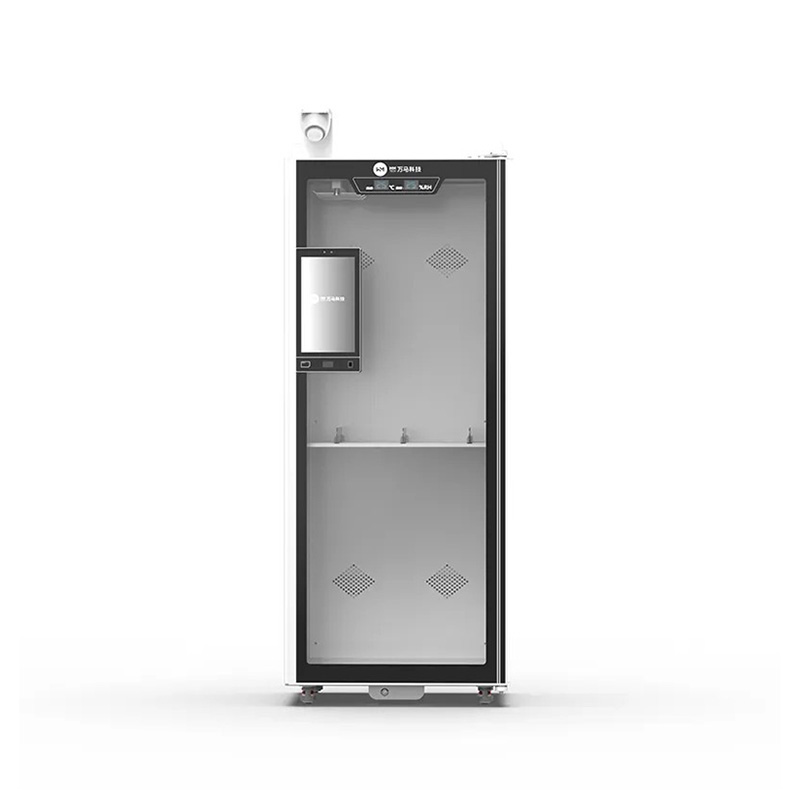
Product Definition This product is a high-capacity intelligent consumables management cabinet designed for hospitals, laboratories, and medical institutions, integrating RFID technology, smart access ...
See Details -
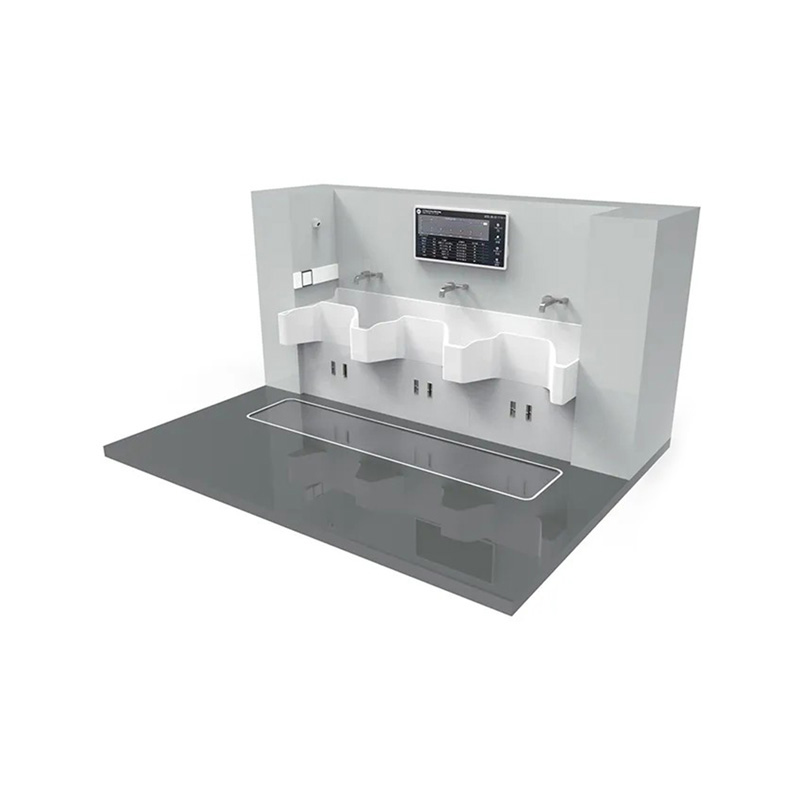
Product DefinitionThe Wanma Hand Washing Compliance Management System is an intelligent hand hygiene supervision solution based on RFID technology. By automatically identifying medical staff and monit...
See Details -
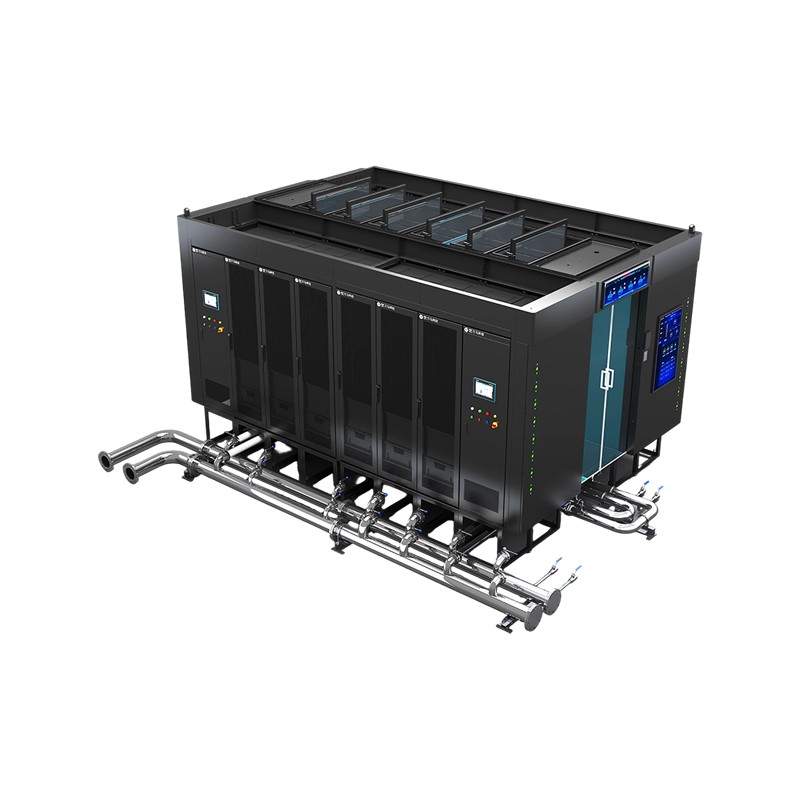
Product OverviewWM-HCM Air-Liquid Hybrid Micro-Module is an integrated data center solution designed for ultra-high-density computing applications. It adopts a dual-row, back-to-back layout and integr...
See Details
Ready to Get started ? Contact Us Now !

Product.
Contact Details.
-
 +86 13958188250
-
 +86 13958188250
-
 [email protected]
- Wanma Industrial Park Taihu Yuan Town Lin'an District Hangzhou City China.
QR Code

Copyright © Wanma Technology Co., Ltd. All Rights Reserved.
Privacy
Custom Ethernet Optical Network Railway Transit Equipments Suppliers
