

 English
 Français
 Español
 Português
 عربى
عربى




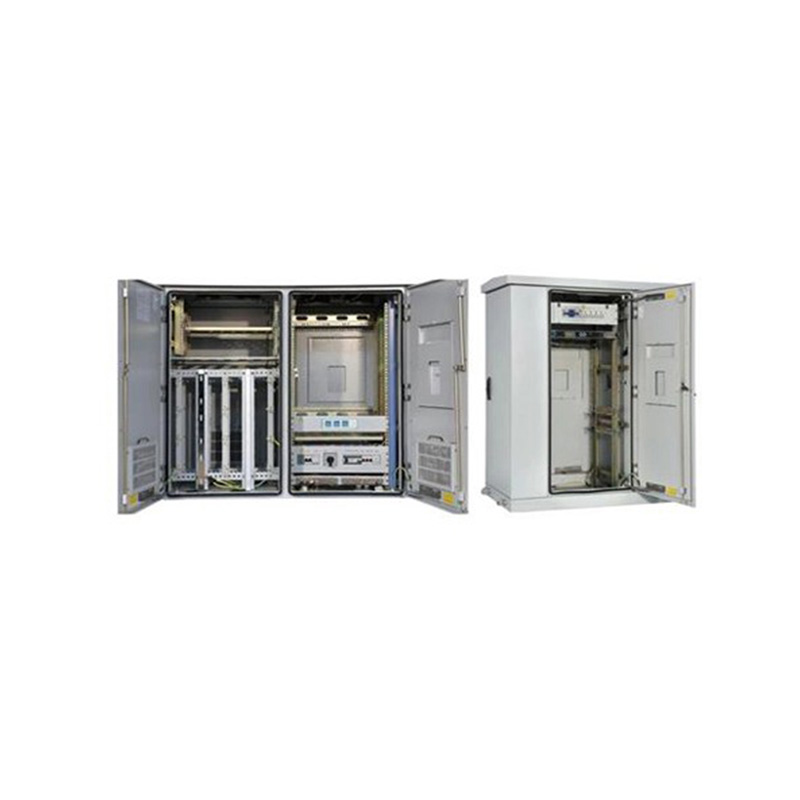
Application:It is used for the fixed network and broadband access, providing physical working environment and security system for the workstation in wired network. Features:•The cabinet is composed of...
See DetailsHow can we ensure the stable operation of an outdoor Telecom Power Cabinet in extreme environments?
Content
- 1 The Rigid Demand for Outdoor Deployment: Challenges and Evolution of Outdoor Telecom Enclosure
- 2 Guarding the Network Lifeline: Evolution and Core Logic of Telecom Battery Backup
- 3 Overcoming Heat Dissipation Bottlenecks: The Engineering Art of Cabinet Thermal Management
- 4 The Hub of Energy Dispatch: Safety Logic of Power Distribution Unit Telecom
- 5 The Way Forward: Reshaping the Future of Telecom Site Power Efficiency
- 6 Conclusion
In today's highly interconnected world, supporting 5G base stations and massive data transmission relies not only on intangible data flows but also on a solid physical foundation—the Telecom Power Cabinet. It is not merely a physical enclosure housing equipment, but a life-support system integrating power distribution, temperature control, and backup energy. As networks evolve towards higher frequency bands and greater density, the Telecom Power Cabinet faces multiple challenges, ranging from outdoor environments and power guarantee to heat dissipation bottlenecks and energy efficiency optimization. This article will delve into its key technologies and development logic from five core dimensions.
The Rigid Demand for Outdoor Deployment: Challenges and Evolution of Outdoor Telecom Enclosure
The surge in base station numbers during the 5G era has shifted deployment scenarios from indoor rooms to harsh outdoor environments like streets and rooftops. The primary prerequisite for a reliable Telecom Power Cabinet is to serve as a robust Outdoor Telecom Enclosure.
Confronting Harsh Environmental Factors
Outdoor deployment faces extreme temperature differences, heavy rain, condensation, and erosion from salt spray and dust. Traditional indoor designs cannot handle these challenges, prompting a deep evolution in materials and structures for modern outdoor cabinets. Cold-rolled steel is gradually being replaced by corrosion-resistant galvanized steel, aluminum alloys, or high-strength composite materials, with surfaces treated with polyester powder coatings to resist UV rays and salt spray.
Structural Sealing and Heat Dissipation Balance
In terms of structure, the Ingress Protection (IP) rating is the core metric. Mainstream Telecom Power Cabinets generally require IP55 or even IP65, meaning they are completely dustproof and can withstand low-pressure water jets. To achieve this, cabinet doors employ multi-point clamping with double-layer waterproof rubber strips, and cable entry points use specialized sealing glands.
However, high sealing creates a conflict between heat dissipation and dust prevention. Fully enclosed Outdoor Telecom Enclosures cannot use direct ventilation for cooling. They must rely on air insulation layers formed by double-wall panels or construct internal closed-loop air ducts to solve heat accumulation without introducing dirty outside air. An excellent outdoor cabinet design is an art of balancing airtight protection and thermodynamics.
Guarding the Network Lifeline: Evolution and Core Logic of Telecom Battery Backup
Grid outages are a normal occurrence at communication sites. When the mains power disconnects, the Telecom Battery Backup becomes the last line of defense to keep the network running. Without a reliable backup power source, even the most advanced base station will instantly crash.
The Shift from Lead-Acid to Lithium
Traditional Telecom Power Cabinets mostly used VRLA (Valve-Regulated Lead-Acid) batteries. However, their low energy density and bulky volume take up precious space in outdoor cabinets. More critically, lead-acid batteries have short cycle lives, and their lifespan decays exponentially in outdoor high-temperature environments, leading to high maintenance costs.
Lithium-ion transformation is an inevitable trend. Lithium Iron Phosphate (LFP) batteries have high energy density, with volume and weight being only one-third of lead-acid batteries of the same capacity, greatly promoting cabinet miniaturization. Meanwhile, their cycle life can exceed 2000 times, resulting in a lower total cost of ownership.
Safety Configuration and Capacity Planning
However, lithium batteries demand higher safety. They must be equipped with a Battery Management System (BMS) that monitors cell voltage and temperature in real-time to prevent thermal runaway. Additionally, battery capacity configuration requires precise calculation of load power consumption and backup time, while reserving margins for temperature and aging, ensuring the Telecom Battery Backup truly holds up in critical moments.
Overcoming Heat Dissipation Bottlenecks: The Engineering Art of Cabinet Thermal Management
In a sealed cabinet, heat is an invisible killer. Rectifiers and communication equipment continuously generate heat. If not discharged in time, the failure rate of semiconductors doubles with rising temperatures. Therefore, Cabinet Thermal Management directly determines the lifespan and reliability of the equipment.
Passive vs. Active Cooling Paths
Thermal management is divided into passive and active paths. Passive cooling relies on the "chimney effect" to form natural convection. It consumes zero energy and is maintenance-free, but its heat dissipation capacity is limited, making it suitable only for low-power sites. When the heat load is high, active cooling must be adopted. Heat exchangers are the preferred solution; they exchange heat through internally and externally isolated air ducts, achieving cooling while maintaining the cabinet's high IP rating, making them ideal for high-dust environments. In extremely high-temperature or ultra-high power consumption scenarios, the Telecom Power Cabinet must rely on compressor air conditioners for forced cooling.
Comparison of Thermal Management Solutions
| Cooling Method | IP Rating | Cooling Capacity | Operating Energy Consumption | Applicable Scenarios |
| Natural Ventilation | Low | Low | Zero | Low-power micro sites, temperate climates |
| Heat Exchanger | High | Medium | Low | Medium power, high dust harsh environments |
| Cabinet Air Conditioner | High | High | High | High-power macro sites, extremely hot climates |
Intelligent and Precise Temperature Control
Modern Cabinet Thermal Management emphasizes intelligent coordination. The monitoring unit dynamically adjusts fan speeds or air conditioner startups based on the temperature difference inside and outside the cabinet, and automatically turns on PTC heaters in extreme cold, achieving precise full-climate temperature control.
The Hub of Energy Dispatch: Safety Logic of Power Distribution Unit Telecom
After the current enters the Telecom Power Cabinet, how it is safely distributed to various devices depends entirely on the Power Distribution Unit Telecom. It is not just a physical terminal block, but a safety hub ensuring the site is not destroyed by localized faults.
Fault Isolation and Lightning Protection
The core logic of PDU is "fault isolation." Each load branch must be equipped with an independent DC circuit breaker or fuse. When a device short-circuits, only that branch trips, never affecting the main circuit or other critical equipment. Because DC current has no zero-crossing point, making arc extinction difficult, dedicated DC breakers must be used in PDUs; AC devices must never be substituted.
Surge and lightning protection is another core mission. Outdoor sites are prone to lightning strikes. PDUs must be equipped with Surge Protective Devices (SPDs) at both AC and DC inputs, adopting two-stage protection to step-by-step discharge lightning energy.
From Passive Protection to Active Management
Meanwhile, smart PDUs have become mainstream. Built-in sensors and microprocessors can collect real-time voltage and current data from each branch and upload it. Operations personnel can remotely locate abnormal power consumption or even remotely reboot frozen devices, transforming power distribution from passive protection to active management.
The Way Forward: Reshaping the Future of Telecom Site Power Efficiency
The power consumption of 5G is several times that of 4G, making electricity bills and carbon emissions a heavy burden. Optimizing Telecom Site Power Efficiency is now a mandatory topic concerning sustainable development, and the Telecom Power Cabinet is the core battlefield for energy conservation.
Optimizing Conversion and Standby Efficiency
The first step in improving energy efficiency is optimizing conversion efficiency. High-efficiency rectifier modules using new materials like silicon carbide can reach peak efficiencies of over 96%. But even more critical is optimizing light-load efficiency. Communication sites have low business volume at night, leaving rectifiers in a very low load state where efficiency drops sharply. Using software control to put rectifier modules into "sleep" mode, keeping only a few modules operating in the optimal efficiency range, can significantly reduce wasted energy.
Green Energy Integration and Architectural Innovation
Furthermore, the temperature control system within the Telecom Power Cabinet is itself a major power consumer. Dynamically adjusting the cabinet's target temperature within the equipment's allowable range via intelligent algorithms, rather than maintaining a constant temperature, can drastically cut air conditioner power consumption. A more forward-looking approach is integrating green energy, such as mounting solar panels on top of the cabinet or adopting a "solar-storage integrated" architecture, allowing sites to transition from pure energy consumers to self-sufficient microgrids. From hardware upgrades to architectural innovation, enhancing Telecom Site Power Efficiency is reshaping the future form of telecom power.
Conclusion
From the weather-resistant Outdoor Telecom Enclosure to the ever-ready Telecom Battery Backup, from the precise Cabinet Thermal Management to the safe dispatching of Power Distribution Unit Telecom, and finally to the pursuit of ultimate Telecom Site Power Efficiency—these five elements jointly build the solid foundation of modern communication networks. An outstanding Telecom Power Cabinet is never a simple assembly, but a deep integration of thermodynamics, electrochemistry, and electronic engineering. Facing more dense and complex network deployments in the future, the continuously evolving power cabinet will remain the invisible heart, silently supporting this interconnected world.
PREV:Why Are Smart Medical Workstation Carts Becoming the Standard in Modern Hospitals?
NEXT:Passive Optical Components: Material Properties Influencing Performance
NEXT:Passive Optical Components: Material Properties Influencing Performance
Interested in cooperation or have questions?
Related products
-
-
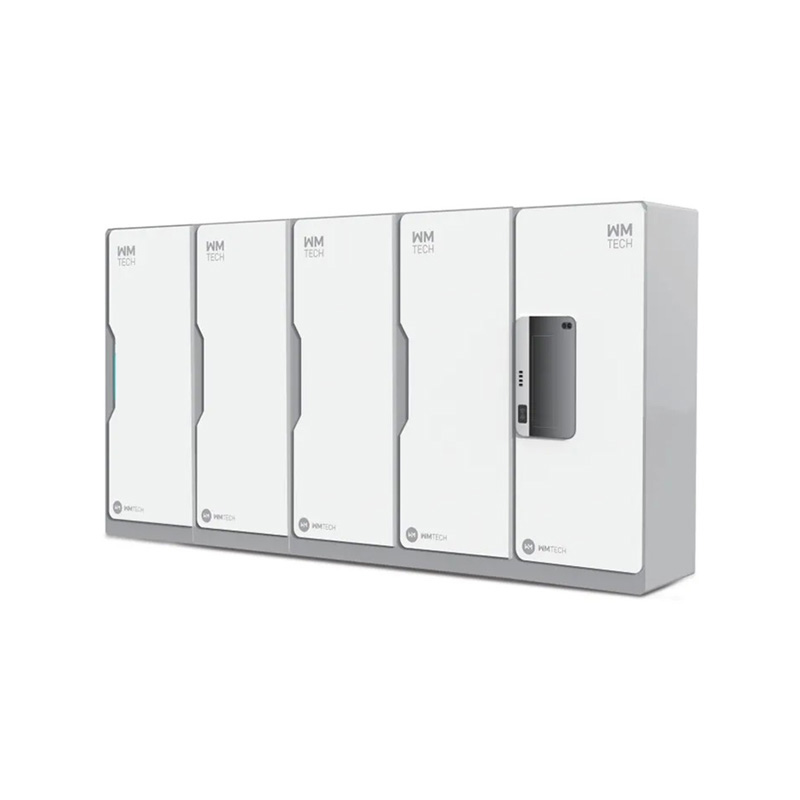
Product DefinitionThe Wanma Clean Fabric Temporary Storage Cabinet is an intelligent terminal device integrated with RFID, IoT, and facial recognition technologies, designed for managing medical fabri...
See Details -
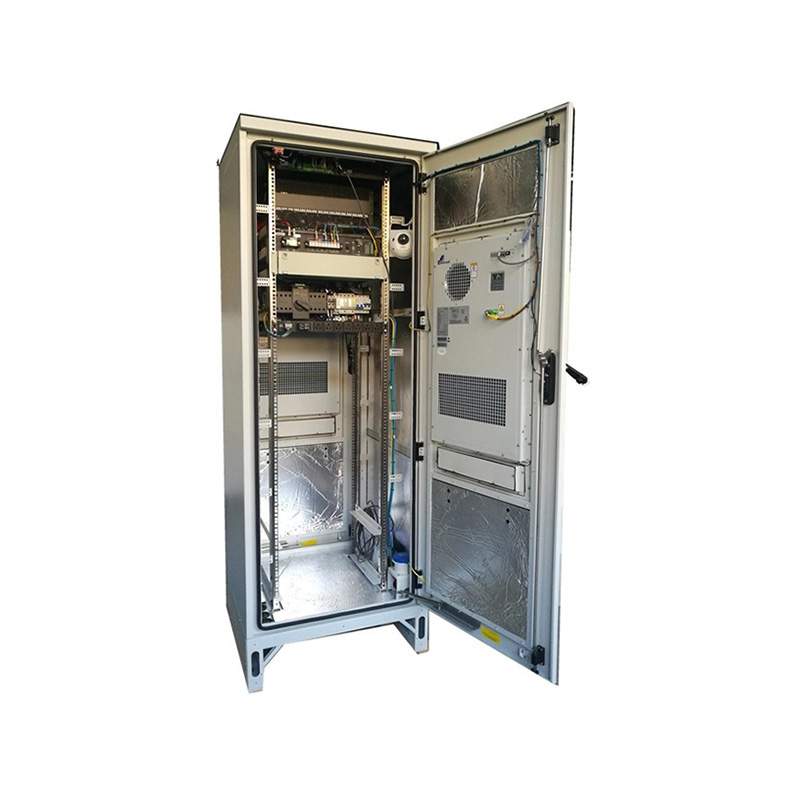
Application:Fiber adapter packs are installed on fiber optic panel, and served as standard 1U 19'' rack, ODF and cabinets, to create a complete system for connectivity. It can be applied in LAN's hous...
See Details -
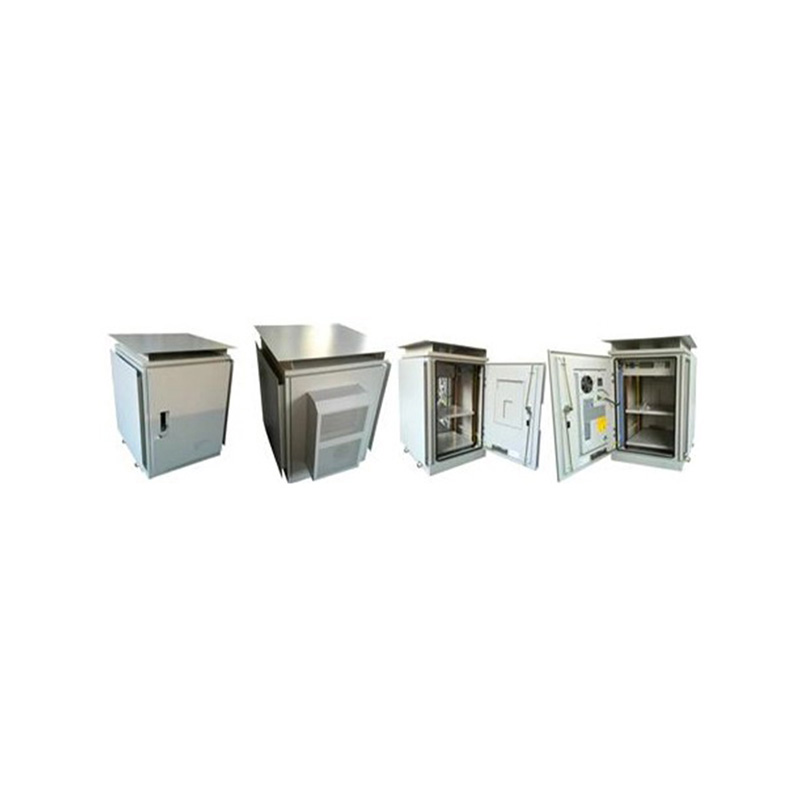
Application: The enclosure for outdoor wiring is designed for locating of telecommunication equipment, distributing frame, power supply system with accumulator battery, equipment for maintaining tempe...
See Details
Ready to Get started ? Contact Us Now !

Product.
Contact Details.
-
 +86 13958188250
-
 +86 13958188250
-
 [email protected]
- Wanma Industrial Park Taihu Yuan Town Lin'an District Hangzhou City China.
QR Code

Copyright © Wanma Technology Co., Ltd. All Rights Reserved.
Privacy
Custom Ethernet Optical Network Railway Transit Equipments Suppliers
