

 English
 Français
 Español
 Português
 عربى
عربى





 Knowledge
From Single Unit to Multi-Container Campus: Scaling Architecture Without Rebuilding
One of the more consequential engineering decisions in any data centre capacity planning process is choosing an infrastructure model that can grow without requiring a fundamental redesign. Conventional stick-built facilities scale by adding floor space, which typically involves construction permitting, structural modifications, and extended lead times that make incremental expansion slow and expensive. A container-based model handles capacity growth differently — additional units are delivered, positioned, and interconnected, with each new container already factory-integrated and pre-tested before it arrives on site.
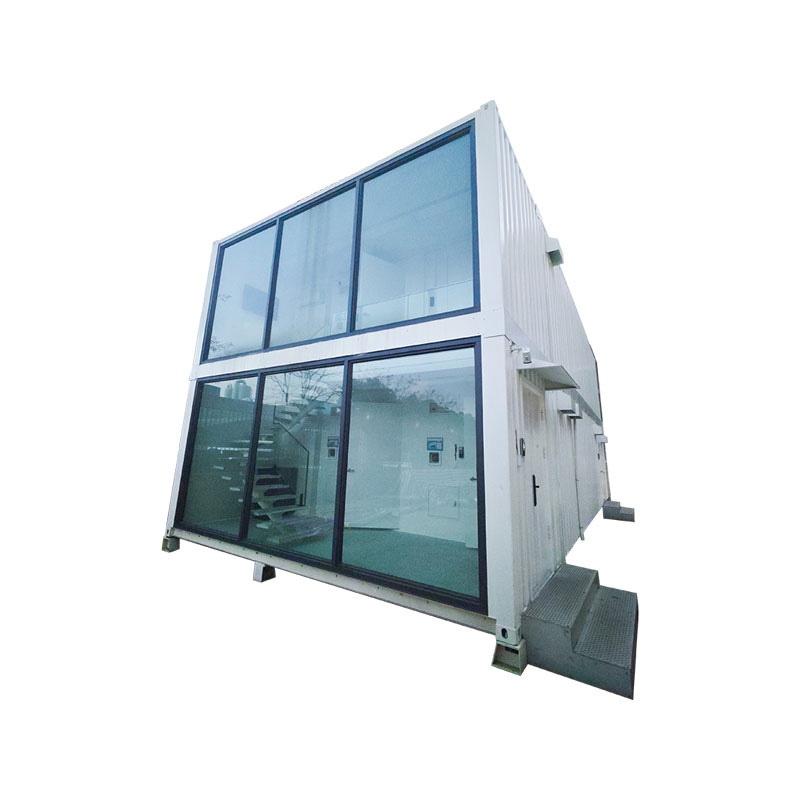
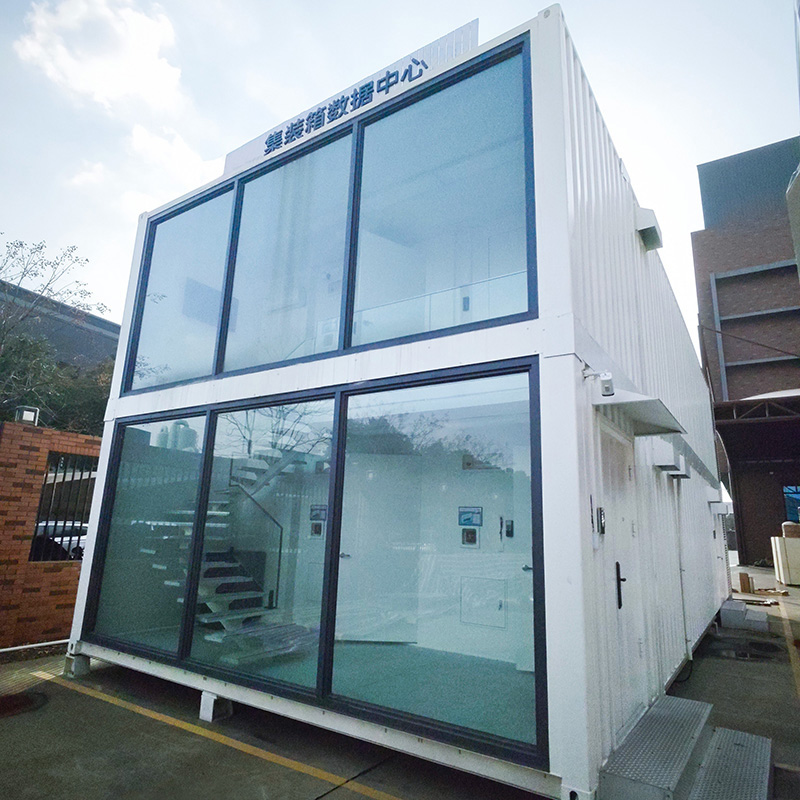
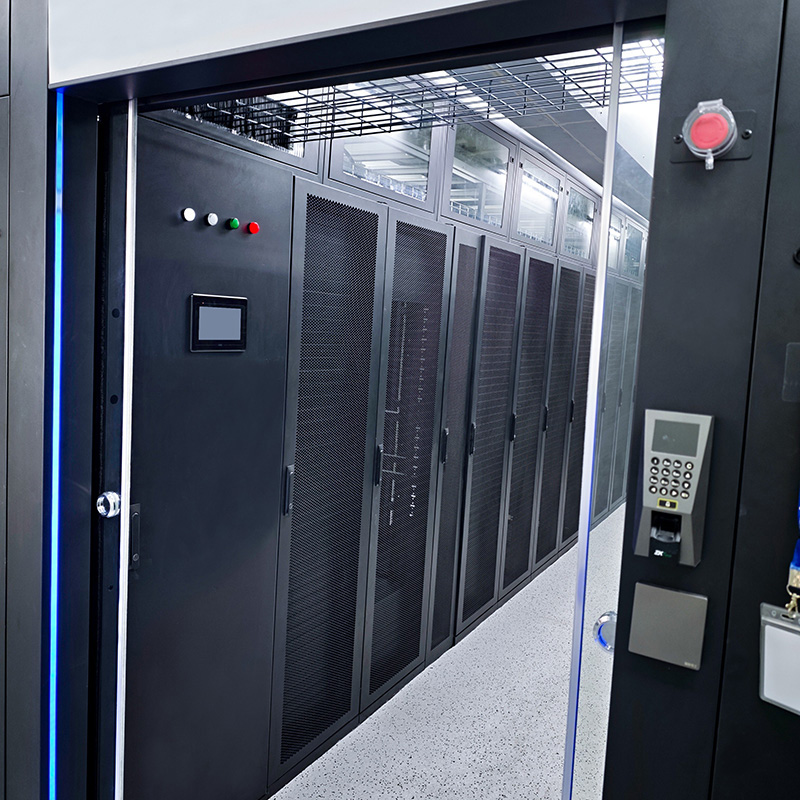
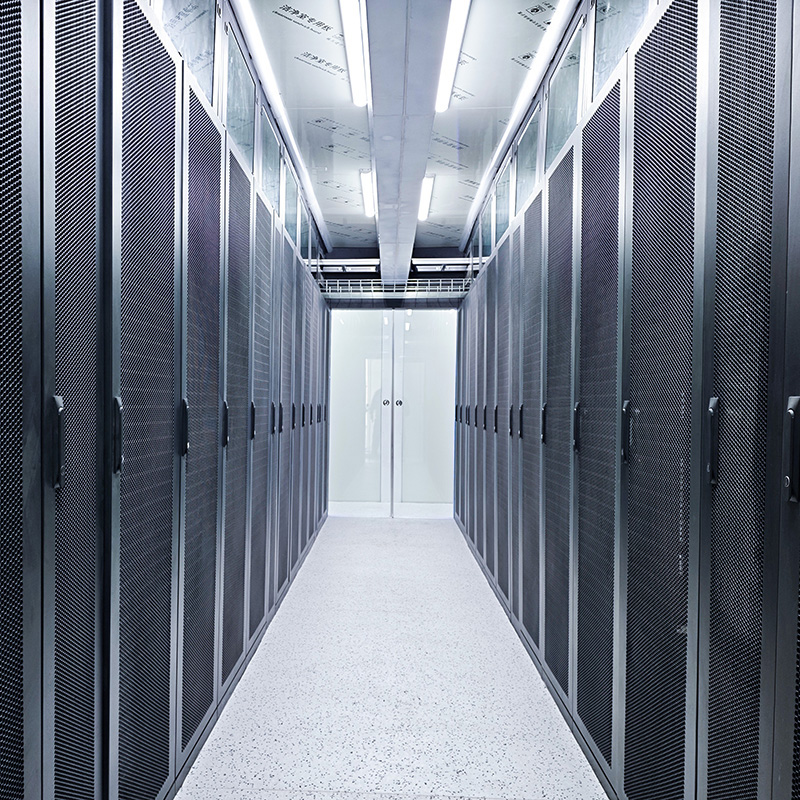
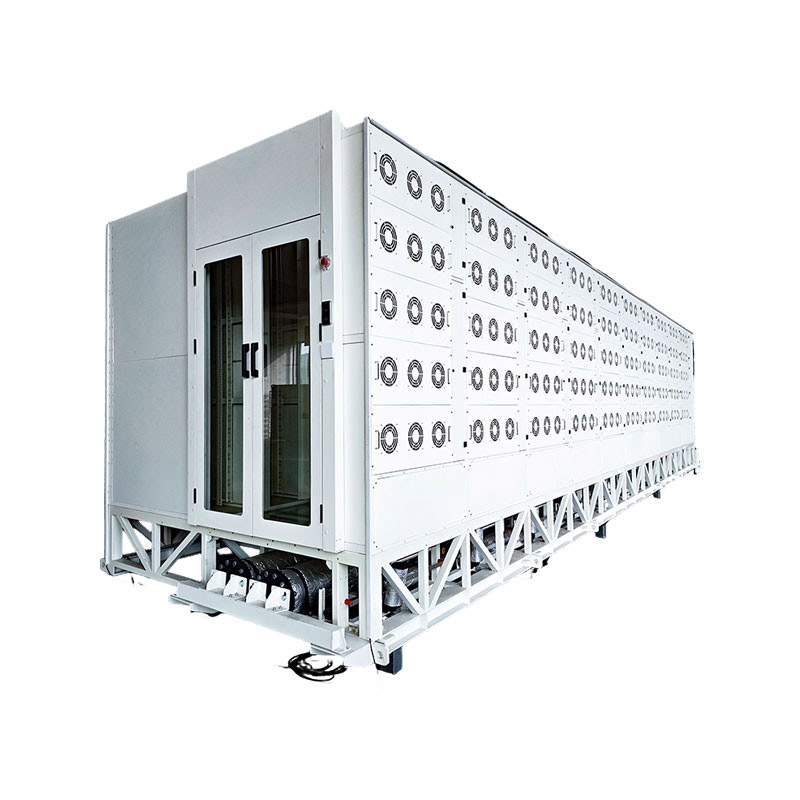
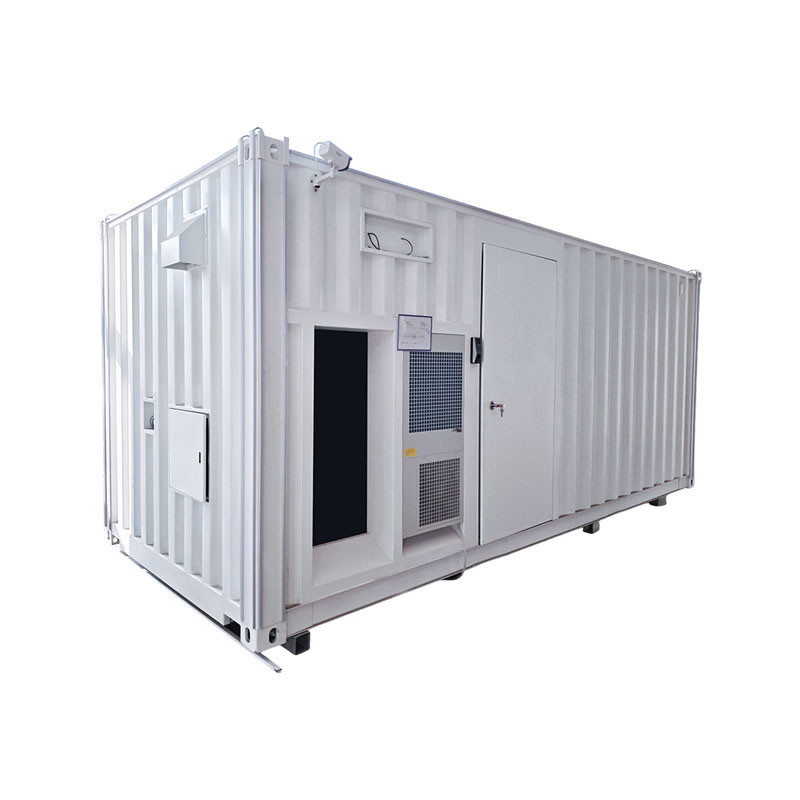
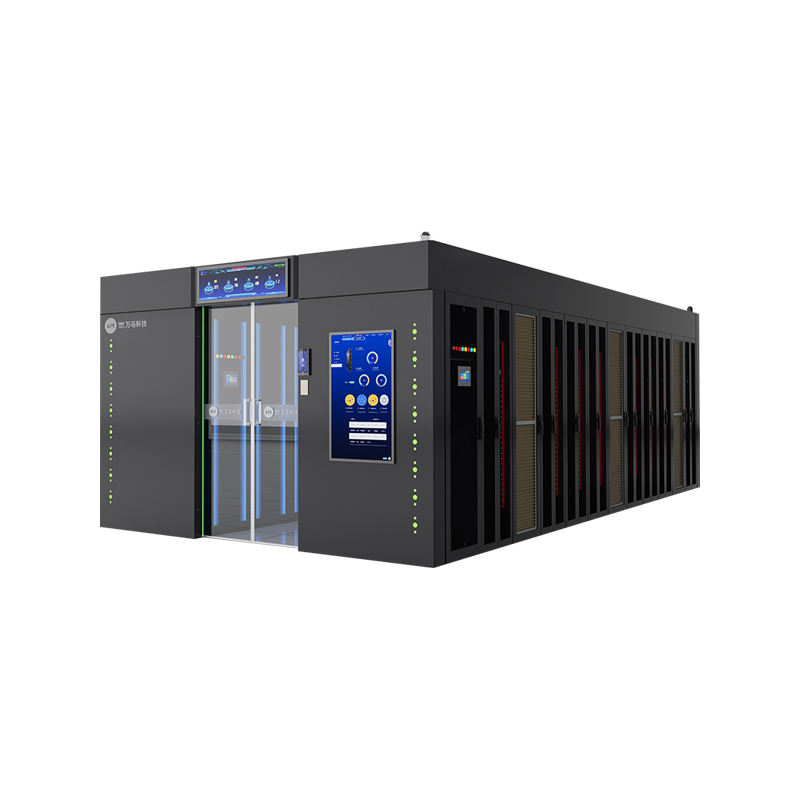
The 40ft containerized data center CDC-40 is engineered to support both standalone operation and multi-container configurations, which means the network, power, and cooling interconnections between units are defined at the design stage rather than improvised during expansion. This matters operationally because the failure modes and maintenance procedures for a two-container or four-container installation are predictable in advance, rather than emerging as unknown variables when the second unit is commissioned alongside a live production environment.
Multi-container deployments also enable N+1 or 2N redundancy architectures without duplicating infrastructure within a single enclosure, since redundant power feeds, cooling capacity, and network paths can be distributed across adjacent containers rather than consuming rack space and floor area inside a single unit. This distribution approach keeps per-container density high while maintaining the reliability standards that production workloads require.
Power Density Ceilings and the Engineering Trade-offs Behind Them
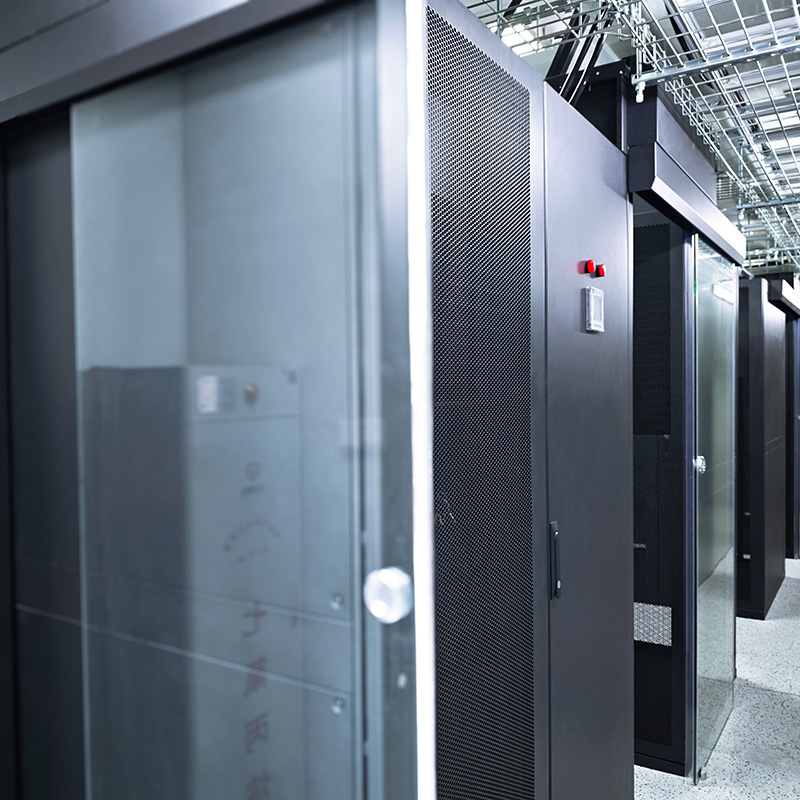
A 40-foot ISO container provides approximately 29–33 m² of usable internal floor area depending on wall thickness and internal lining configuration. This expanded footprint compared to a 20-foot unit allows a meaningfully larger IT rack count, but the relationship between floor area and supportable power density is not linear — it is governed by the cooling architecture's ability to extract heat at the rate it is generated, not simply by the number of racks that physically fit in the space.
| Cooling Architecture | Supportable Rack Density | Typical Total Container Capacity |
|---|---|---|
| Precision air cooling (PAC), standard airflow | 5–10 kW per rack | Up to ~150 kW IT load |
| PAC with hot-aisle containment | 10–20 kW per rack | Up to ~300 kW IT load |
| Rear-door heat exchangers + PAC | 20–35 kW per rack | Up to ~500 kW IT load |
| Liquid cooling assist (in-row or direct chip) | 35 kW+ per rack | 500 kW+ IT load |
Wanma Technology's background in designing enclosures for high-availability environments — including central equipment rooms and transit infrastructure where thermal performance cannot be compromised — directly informs how cooling capacity specifications are validated against real-world load profiles rather than nominal ratings. Specifying cooling capacity against peak load plus a 20–25% headroom margin is the standard approach for deployments where workload profiles are expected to grow over the asset's operational life.
High-Performance Computing and the Specific Infrastructure Demands It Places on Containerized Platforms
HPC and GPU-dense workloads impose a different set of infrastructure requirements than general enterprise compute. The power draw profile is less variable — HPC clusters routinely operate at or near maximum rated load for sustained periods rather than cycling through the partial-load conditions typical of virtualised enterprise environments. This sustained high-load operation stresses UPS systems, cooling plant, and power distribution components in ways that infrastructure sized for average enterprise loads is not designed to handle reliably over multi-year operating cycles.
For containerized HPC deployments specifically, several infrastructure elements require more careful specification than in general-purpose configurations:
- UPS battery systems must be rated for continuous discharge at high current rather than brief bridging at average load — the two specifications diverge significantly at HPC power levels
- Power distribution busbars and breakers must be derated for continuous duty rather than rated at the standard 80% of nominal that applies to intermittent loads
- Cooling systems must be sized for sustained heat rejection, not peak transient capacity, which requires a different compressor and condenser selection methodology
- GPU server airflow requirements often differ substantially from standard server airflow curves, and the cooling design must account for the specific inlet and exhaust characteristics of the actual hardware being deployed
These requirements are best addressed during the factory integration phase, before the container is sealed and shipped. Attempting to modify power or cooling architecture after delivery substantially increases cost and extends downtime.
Site Preparation Requirements That Determine How Quickly a Container Can Go Live
Factory integration eliminates most of the on-site work, but the deployment timeline for any containerized data centre is ultimately bounded by site readiness — specifically, the availability of utility power, network entry points, and a prepared surface capable of supporting the unit's operational weight. A fully loaded 40-foot containerized data center can weigh 20,000–30,000 kg depending on IT equipment population and UPS configuration, which exceeds the load-bearing capacity of unprepared ground at most sites without reinforcement or the use of load-spreading base frames.
Utility power connection is typically the longest-lead site preparation item. Medium-voltage transformer installation, earthing system commissioning, and utility provider inspection and approval processes vary considerably by geography and grid operator, but rarely complete in under four to six weeks even when actively expedited. Planning this work in parallel with factory integration — rather than sequentially — is the most reliable way to ensure the container arrives at a site that is genuinely ready to receive it.
Network fibre entry, conditioned by proper gland sealing and fire-stopping at all container penetrations, and generator connection provisions for backup power are the remaining items that most commonly cause commissioning delays when not addressed in advance. Deploying a 40ft containerized data center CDC-40 with a pre-agreed site preparation checklist — one that maps each utility connection point to a responsible party and a completion date — consistently reduces the gap between container delivery and live operation to days rather than weeks.