

 English
 Français
 Español
 Português
 عربى
عربى






 Knowledge
How Air Cooling Architecture Is Evolving Inside Modern Cabinet Enclosures
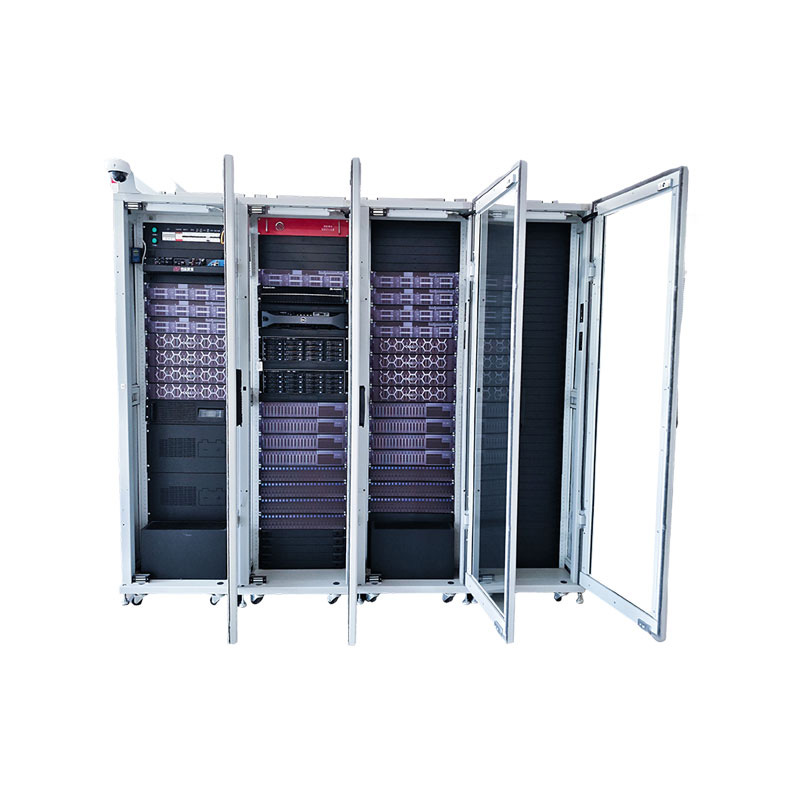
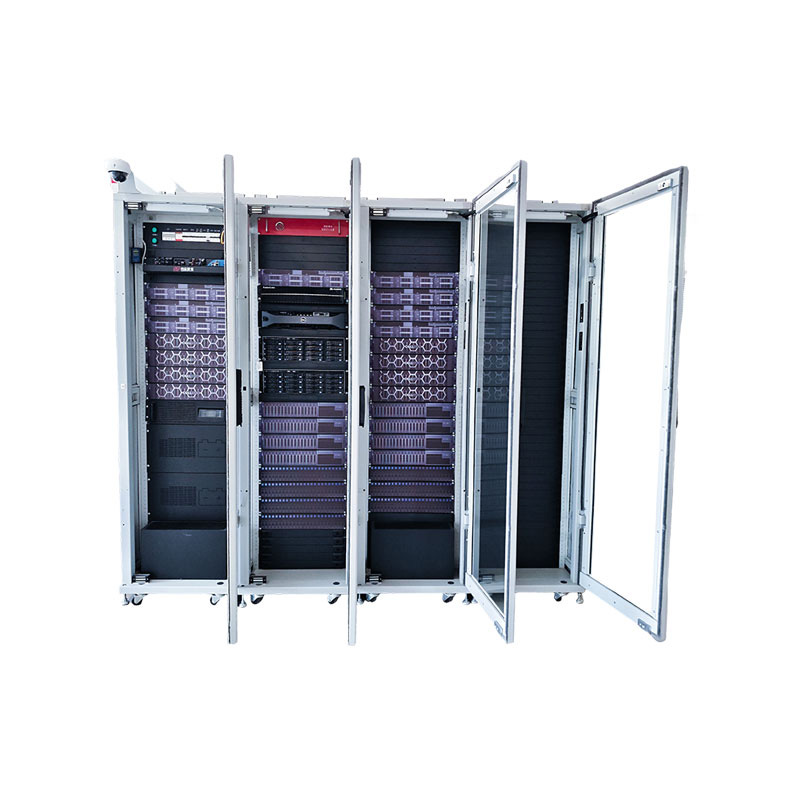
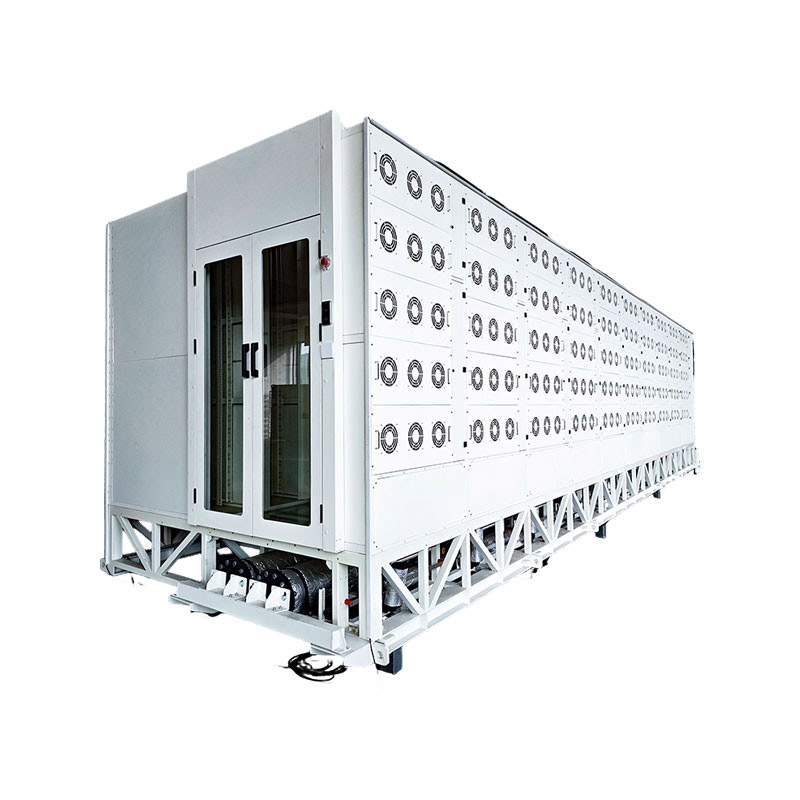
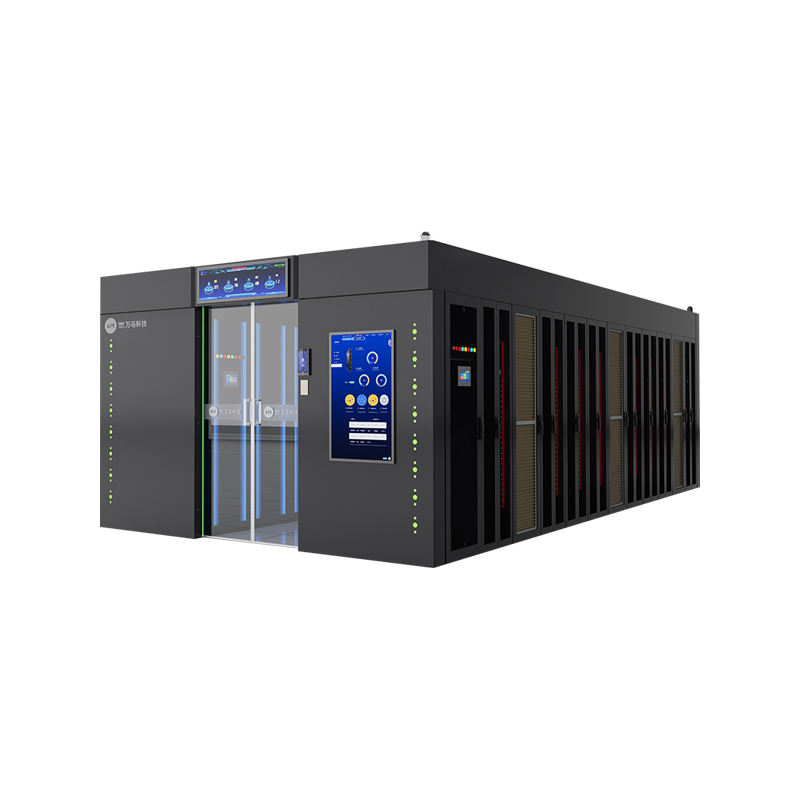
The thermal management approach built into today's integrated air cooled cabinet rack type data center solutions differs substantially from the room-level cooling strategies that dominated infrastructure design a decade ago. Rather than relying on raised-floor plenum airflow or precision air handlers positioned at the room perimeter, current designs bring the cooling mechanism directly into the cabinet assembly itself. This shift reduces the distance that conditioned air must travel before reaching heat-generating components, cutting thermal resistance at the source.
Within these enclosures, airflow is typically managed through a front-to-rear or bottom-to-top pathway, enforced by blanking panels, internal baffles, and pressure-optimised fan arrays. Hot-aisle and cold-aisle containment principles are applied at the cabinet level rather than the room level, which allows precise control even when multiple cabinets are deployed in mixed-load environments. Cabinet-level containment can reduce recirculation losses by 30–45% compared to open-floor cooling layouts, according to data centre thermal benchmarking studies.
Variable-speed fan controllers respond dynamically to real-time load signals, allowing the cabinet to modulate airflow in proportion to actual heat output rather than maintaining a fixed maximum velocity. This approach lowers fan energy draw during partial-load periods, which represent the operating state for most production cabinets across a typical 24-hour cycle.
Cooling Capacity Ratings and What They Actually Mean for Rack Density Planning
Rack power density is the primary variable that determines whether a given cabinet cooling specification will remain adequate over a deployment's operational lifespan. Many operators plan initial builds around 5–8 kW per rack, but workload migration toward GPU-accelerated inference, high-frequency storage arrays, and converged compute nodes is pushing average densities toward 15–25 kW in newly commissioned facilities.
| Rack Power Density | Recommended Cooling Method | Typical PUE Range |
|---|---|---|
| ≤8 kW | Passive or low-velocity air cooling | 1.5–1.8 |
| 8–20 kW | Integrated active air cooling | 1.3–1.5 |
| 20–40 kW | Rear-door heat exchangers or liquid assist | 1.2–1.35 |
| >40 kW | Direct liquid or immersion cooling | 1.03–1.2 |
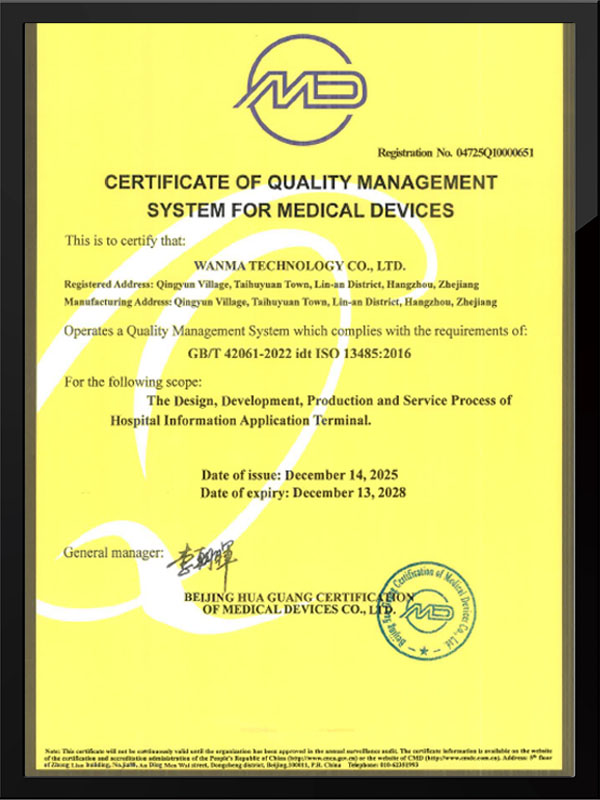
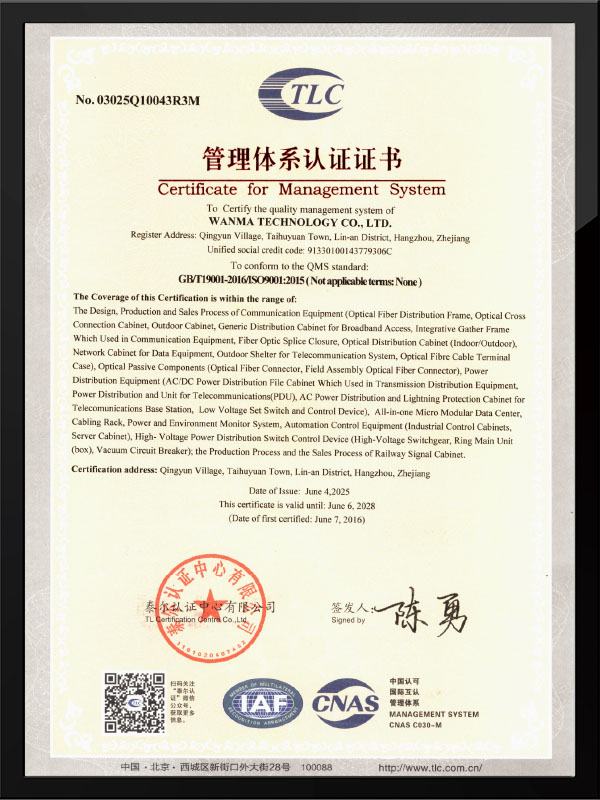
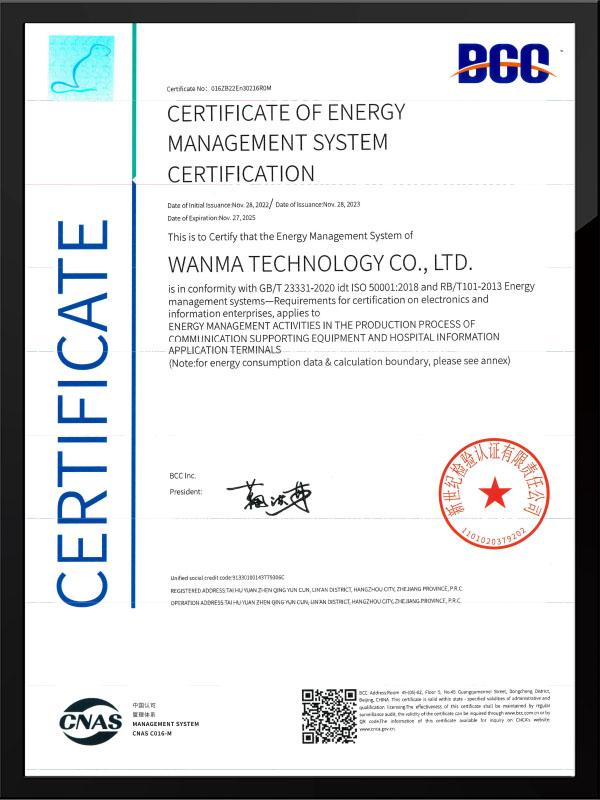
Wanma Technology, with over two decades of experience engineering communication cabinet infrastructure for demanding environments including national high-speed railway and urban rail transit networks, applies the same structural rigour to thermal management specifications: the cooling rating must be validated against projected peak load, not average load, to preserve headroom for transient spikes and future workload growth.
Structural and Electrical Integration Factors That Affect Cooling Performance
Cabinet construction quality directly influences the effectiveness of the internal airflow circuit. Gasket integrity at door seals, cable entry points, and side-panel joints determines how reliably the designed airflow path is maintained under operating conditions. Even small gaps in the enclosure structure can allow warm exhaust air to re-enter the cold intake zone, raising inlet temperatures above the component manufacturer's recommended limits.
Power distribution architecture within the cabinet also has thermal implications. High-density PDUs with poor cable routing create local hot spots that the cabinet's primary airflow does not fully address. Designing the power distribution layout in parallel with the cooling path — rather than as a separate afterthought — prevents these secondary heat concentrations from undermining overall thermal performance.
- Blanking panels should fill all unused rack units to prevent bypass airflow that bypasses active equipment
- Cable management arms and vertical trays must be positioned to avoid constricting rear exhaust outlets
- Earthing continuity across cabinet sections affects both safety compliance and electromagnetic shielding, which indirectly protects temperature-sensitive monitoring electronics
- Structural load ratings for floor-mounted cabinets must account for the combined weight of cooling components, UPS modules, and fully populated server shelves
Monitoring Integration and Predictive Maintenance in Cabinet-Level Cooling Systems
Effective integrated air cooled cabinet data center cooling is increasingly inseparable from real-time environmental monitoring. Temperature and humidity sensors embedded at intake, mid-cabinet, and exhaust positions generate a continuous thermal profile that facility management systems can analyse for deviation patterns. When inlet temperatures trend upward over successive days without a corresponding increase in IT load, the data typically indicates fan degradation, filter blockage, or an enclosure seal failure — all of which can be addressed proactively before they escalate into thermal shutdown events.
Modern deployments increasingly pair cabinet-level sensor data with DCIM platforms that correlate thermal readings against power consumption metrics. This pairing reveals the actual thermal efficiency of each cabinet, which often diverges meaningfully from the nameplate specification when real-world installation variables — room ambient temperature, adjacent cabinet exhaust interaction, and partial equipment population — are factored in. Facilities that implement per-cabinet thermal monitoring have reported a 15–20% reduction in cooling-related downtime incidents compared to room-average monitoring approaches.
Fan life cycles in active air-cooled enclosures typically range from 50,000 to 70,000 hours under rated conditions, but operating at elevated inlet temperatures or above 80% maximum airflow significantly shortens service intervals. Scheduled bearing inspection and airflow performance testing, rather than purely reactive replacement, extends overall system reliability and reduces the risk of simultaneous multi-fan failure events during high-load periods. Building long-term maintenance schedules around manufacturer data and site-specific thermal logs — the approach Wanma Technology recommends based on its integrated cabinet engineering experience — consistently outperforms generic interval-based replacement programmes.