

 English
 Français
 Español
 Português
 عربى





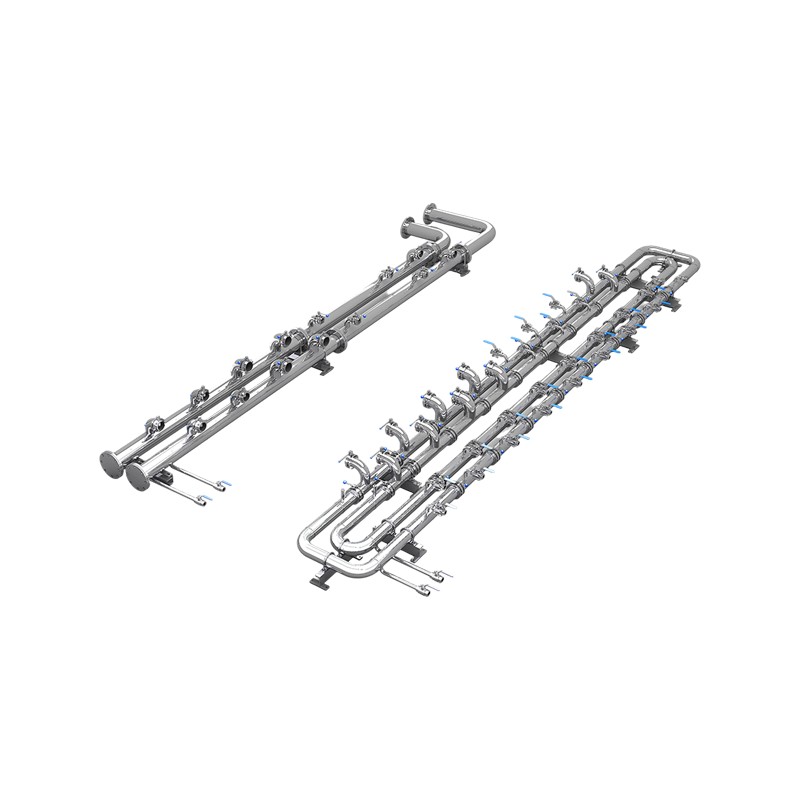
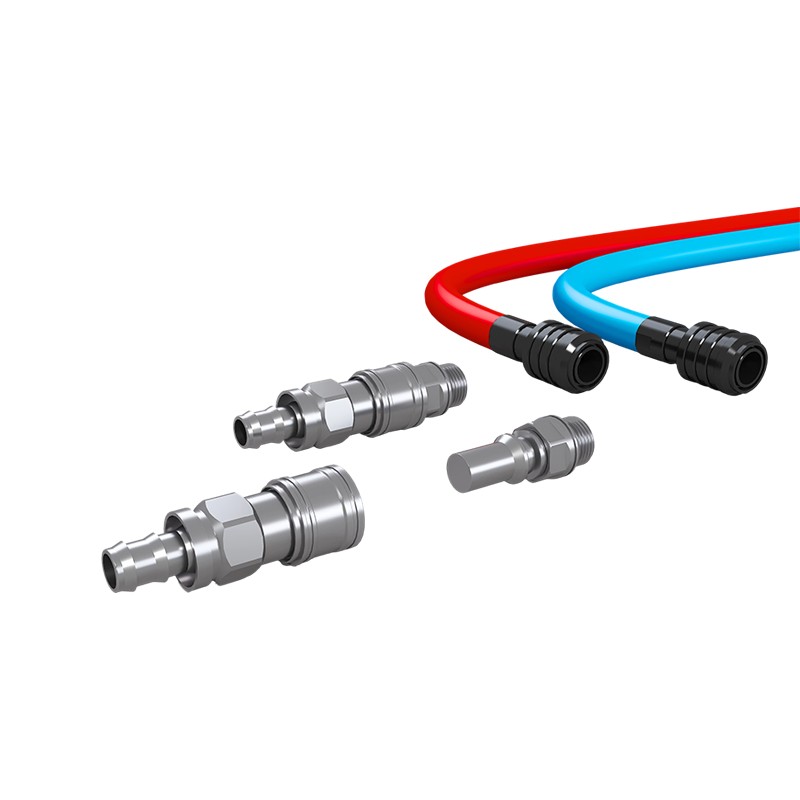
Product Overview: The ZW□-12/T630-25 outdoor high-voltage AC vacuum circuit breaker is a key device designed for 12 kV overhead distribution lines. By deeply integrating the primary switching unit wi...
See DetailsHow to Specify Prefabricated Piping for Liquid Cooling Secondary Side Before You Request a Quotation
Content
- 1 What Makes the Secondary Side Different From Other Piping Packages
- 2 Custom Secondary Side Piping Specifications
- 3 How to Read a Secondary Side Layout Before Sending It Out
- 4 OEM/ODM Prefabricated Piping Manufacturer: What to Verify
- 5 What to Prepare for a Secondary Side Piping Quotation
- 6 Prefabrication Compared With Field Fabrication: Three Practical Differences
- 7 Test Documentation: What a Useful Record Contains
- 8 Lead Time Planning After Drawing Approval
- 9 Cost Drivers That Are Worth Discussing Early
- 10 Secondary Side Prefabricated Piping FAQ
- 10.0.1 Q1: Can a prefabricated package match connection points on an existing coolant distribution unit and rack manifold?
- 10.0.2 Q2: What test documentation should ship with each module?
- 10.0.3 Q3: What is a realistic lead time after drawing approval?
- 10.0.4 Q4: How should cleanliness be specified for secondary side piping?
- 10.0.5 Q5: Is it better to source the secondary side piping and the rack manifolds from one partner?
The secondary side of a liquid cooling loop is where design intent meets site reality. On paper, it is a set of supply and return paths running from a coolant distribution unit to rack-level manifolds. In practice, it is a sequence of bends, isolation valves, sensor ports, reducers, and connection points that must align with structural steel, cable trays, and cabinet positions that are often finalized later than the cooling design itself.
This guide is written for the engineer or procurement specialist who has already decided that field fabrication is not the right path, and who now needs to turn a layout into a workable specification and a comparable quotation. It focuses on prefabricated piping for liquid cooling secondary side projects: what can be specified, what should be documented, what to send with an inquiry, and how to evaluate what comes back.
Scope note: This article addresses the secondary side only, meaning the loop between the coolant distribution unit and the rack manifolds. Primary side design, chiller selection, and facility water strategy are outside the scope of this discussion.
What Makes the Secondary Side Different From Other Piping Packages
Secondary side piping carries a fluid that is typically treated, filtered, and monitored. It runs inside or immediately adjacent to occupied white space. It connects to expensive compute hardware through quick couplings that are designed to be connected and disconnected under pressure. These three conditions shape nearly every specification decision.
First, cleanliness matters more than pressure rating in many cases. A loop that holds a consistent pressure but carries particulate matter will clog cold plates and microchannel heat exchangers long before any joint fails. Second, connection repeatability matters. A rack manifold that is replaced or expanded requires the piping interface to remain dimensionally stable. Third, access matters. Valves and sensor ports that are installed in a factory with no regard for service clearance become a maintenance problem for the life of the facility.
Three conditions that shape secondary side specifications
- Fluid quality: filtration targets, material compatibility, and residual contamination from fabrication.
- Interface stability: dimensional tolerances at CDU and rack manifold connection points.
- Service access: valve orientation, sensor port reach, and isolation points that support maintenance without draining the loop.
Custom Secondary Side Piping Specifications
A prefabricated package is only as useful as the specification behind it. The table below lists the parameters that most often determine whether a factory-built module will fit on the first attempt. Not every project needs every parameter defined in advance, but each one that is left open becomes a question during quotation or a change order after approval.
| Parameter | Typical options | Why it affects the quotation |
|---|---|---|
| Material | 304 or 316L stainless steel | Affects weld procedure, passivation step, and cost |
| Connection type | Quick coupling, flange, welded spool | Determines end preparation and test fixture design |
| Branch spacing | Per rack layout, fixed or adjustable | Drives whether a standard jig can be used |
| Valve and sensor ports | Isolation, balancing, temperature, pressure | Adds assembly steps and test points |
| Surface treatment | Pickling and passivation, cap protection | Adds process time and handling requirements |
| Pressure test | Hydrostatic or pneumatic, with record | Defines test duration and documentation scope |
| Packaging | Export crate, end caps, desiccant | Affects shipping cost and arrival condition |
One parameter deserves separate attention: the interface between the prefabricated spool and the rack manifold. If the manifold is supplied by a different vendor, the connection point dimensions, thread standard, and coupling series must be confirmed in writing before fabrication begins. A mismatch of a few millimeters at this interface is the most common reason a factory-built module cannot be installed on schedule.
How to Read a Secondary Side Layout Before Sending It Out
Most layout drawings sent to a fabrication partner are architectural or mechanical plans that show intent but not fabrication detail. Before sending a drawing for quotation, it helps to mark up four things. This step takes under an hour and usually reduces quotation turnaround by a full cycle.
- Mark the CDU connection points with elevation, orientation, and pipe diameter. Note whether the connection is flanged, threaded, or coupling-based.
- Mark each rack manifold connection with the same three attributes, plus the horizontal offset from the nearest structural column or cabinet edge.
- Mark service access zones around valves and sensor ports. A valve that faces a wall is a valve that will be operated from an awkward angle for years.
- Mark the isolation strategy for each branch. If a branch can be isolated without draining the main run, the valve arrangement is part of the fabrication scope, not a field addition.
OEM/ODM Prefabricated Piping Manufacturer: What to Verify
When a secondary side package is outsourced, the fabrication partner becomes an extension of the design team. That relationship works when three capabilities are present: the ability to work from a marked layout rather than a complete fabrication drawing, the ability to document tests in a form the project can accept, and the ability to sequence delivery with the construction schedule.
Capabilities worth confirming before awarding a package
- Drawing interpretation: can the partner produce a fabrication-level drawing from a marked layout, and return it for review before cutting material?
- Test documentation: does each module ship with a dimensional check record, a pressure test record showing hold time, and a leak inspection record?
- Cleanliness control: are spools capped after passivation and before packing, and is the packing method specified for the destination climate?
- Delivery sequencing: can modules be released in the order the site needs them, rather than as a single shipment that arrives before the room is ready?
For projects that combine a primary side, secondary side, and rack-level manifolds, there is a practical advantage in sourcing the secondary side from a partner that also understands the manifold interface. It reduces the number of parties responsible for a single dimensional fit. This is the main reason a custom secondary side manifold supplier is often evaluated alongside the piping package rather than separately.
A spool that fits on the first attempt is not a matter of luck. It is the result of a marked layout, a reviewed fabrication drawing, and a dimensional check before shipment.
What to Prepare for a Secondary Side Piping Quotation
Quotation quality depends heavily on inquiry quality. A request that includes the items below typically returns a usable price and a realistic lead time in one round. A request that omits them tends to return a range, followed by a series of clarifying questions.
Inquiry preparation list
- Rack layout or branch count: a drawing is preferred, but a marked-up plan or a branch schedule is workable.
- CDU connection details: position, elevation, diameter, and connection type.
- Coolant type: deionized water, glycol mix, or another fluid, since this affects material and seal selection.
- Filtration target: for example, a nominal rating in the 100 to 200 micron range, stated at the loop level.
- Pre-installed valves and sensors: which items are in the fabrication scope and which are supplied by others.
- Project location: this drives packing method, shipping mode, and any documentation language requirements.
- Required test records: state whether a standard test record is sufficient or a project-specific format is required.
A complete inquiry of this kind supports a quotation within one to two working days for most packages. It also gives the fabrication partner enough information to propose a module breakdown, which is often more useful than a single lump-sum price because it shows where the cost sits.
Prefabrication Compared With Field Fabrication: Three Practical Differences
The comparison between factory fabrication and field fabrication is often framed as a cost question. In practice, the differences that matter most during commissioning are not cost lines at all. They are differences in where risk sits and when it is retired.
| Dimension | Factory prefabrication | Field fabrication |
|---|---|---|
| Joint quality | Controlled procedure and repeatable conditions | Depends on site conditions and individual welder |
| Cleanliness | Passivation and capping before shipment | Cutting debris can enter the loop during assembly |
| Schedule | Runs in parallel with civil and electrical work | Waits for access and trade sequencing |
| Inspection | Test record available before delivery | Inspection follows installation, not precedes it |
The schedule point is the one that most often changes a project decision. Secondary side work that is fabricated in the field competes for access with cable pulling, cabinet placement, and commissioning of other systems. When the same work is completed in a factory, it moves off the critical path and the site phase becomes an installation sequence rather than a fabrication sequence.
Test Documentation: What a Useful Record Contains
A pressure test record that states only pass or fail is of limited value during commissioning. A record that supports later troubleshooting includes four elements. These are worth requesting explicitly in the inquiry, because documentation formats vary widely between fabrication partners.
- Module identification: a tag that matches the fabrication drawing and the packing list.
- Test parameters: test medium, pressure value, and hold time.
- Result and inspector: a recorded result and the person who performed the test.
- Dimensional check: key interface dimensions confirmed against the approved drawing before packing.
For projects with a formal turnover package, it also helps to confirm in advance whether records can be delivered in a project-specific template. This is a small request at the quotation stage and a much larger one after shipment.
Lead Time Planning After Drawing Approval
Lead time for a secondary side package is best understood as a sequence rather than a single number. The sequence usually runs from drawing approval to material release, then fabrication and assembly, then testing, then packing and shipping. Each stage has a different sensitivity to customization.
The practical implication is that drawing approval is the milestone worth protecting. Once a fabrication drawing is approved, the remaining stages are predictable within a range. When approval slips, the shipment date moves by the same amount. For projects with a fixed energization date, the fabrication drawing review is the schedule item to track most closely.
Cost Drivers That Are Worth Discussing Early
Secondary side piping quotations vary between suppliers for reasons that are not always visible in the line items. Four drivers account for most of the difference, and each can be discussed at the inquiry stage rather than after pricing.
- Branch complexity: the number of branches and the density of valves and sensor ports per branch.
- Tolerance requirements: tighter interface tolerances require additional dimensional checks and, in some cases, different fixtures.
- Documentation scope: standard test records compared with a project-specific turnover format.
- Packaging and logistics: export crating, desiccant, and the shipping mode for the destination.
Discussing these four items early does two things. It makes quotations from different partners comparable, and it prevents a later change order that adds cost after the schedule is already fixed.
Secondary Side Prefabricated Piping FAQ
Q1: Can a prefabricated package match connection points on an existing coolant distribution unit and rack manifold?
Yes, provided the connection details are confirmed in writing before fabrication begins. The critical items are the coupling series or flange standard, the pipe diameter, and the dimensional offset between the connection point and the nearest fixed reference. When a manifold is supplied by a different vendor, it is worth exchanging a dimensional confirmation sheet between both parties so that the interface is verified from both sides rather than assumed.
Q2: What test documentation should ship with each module?
A useful package includes a dimensional check record against the approved drawing, a pressure test record showing the test medium, pressure value, and hold time, and a leak inspection record. For projects with a formal turnover requirement, confirm at the quotation stage whether these records can be delivered in the project template. Records that reference a module tag matching the packing list are easier to reconcile during receiving inspection.
Q3: What is a realistic lead time after drawing approval?
Lead time depends on module count and the degree of customization. A package built from established configurations with limited branch variation tends to move through fabrication and testing on a predictable schedule. A fully custom package with dense valve and sensor integration requires more assembly and test time. The most reliable approach is to request a lead time estimate with the quotation, stated as a sequence from drawing approval rather than as a single figure.
Q4: How should cleanliness be specified for secondary side piping?
State the filtration target at the loop level and require that spools are capped after surface treatment and before packing. Confirm whether the fabrication partner performs pickling and passivation as a standard step, and whether end caps remain in place until the module is unpacked at site. For glycol-mixed loops, confirm material and seal compatibility at the same time.
Q5: Is it better to source the secondary side piping and the rack manifolds from one partner?
It reduces the number of parties responsible for a single dimensional interface. When the piping and the manifold come from different sources, the connection point becomes a shared responsibility, and a mismatch is resolved by discussion rather than by a drawing. Sourcing both from one partner does not remove the need for a dimensional confirmation, but it simplifies who confirms it.
PREV:What Is an ODF Fiber Optic Distribution Frame and How Do You Choose the Right One?
NEXT:How to Select UQD Quick Coupler for AI Server Liquid Cooling
Interested in cooperation or have questions?
Related products
-
-
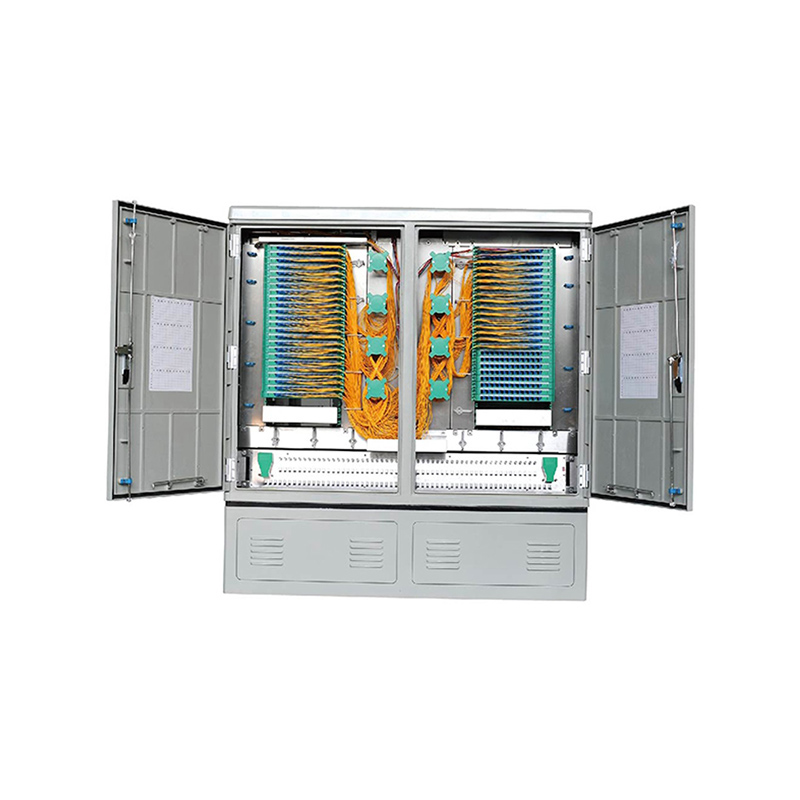
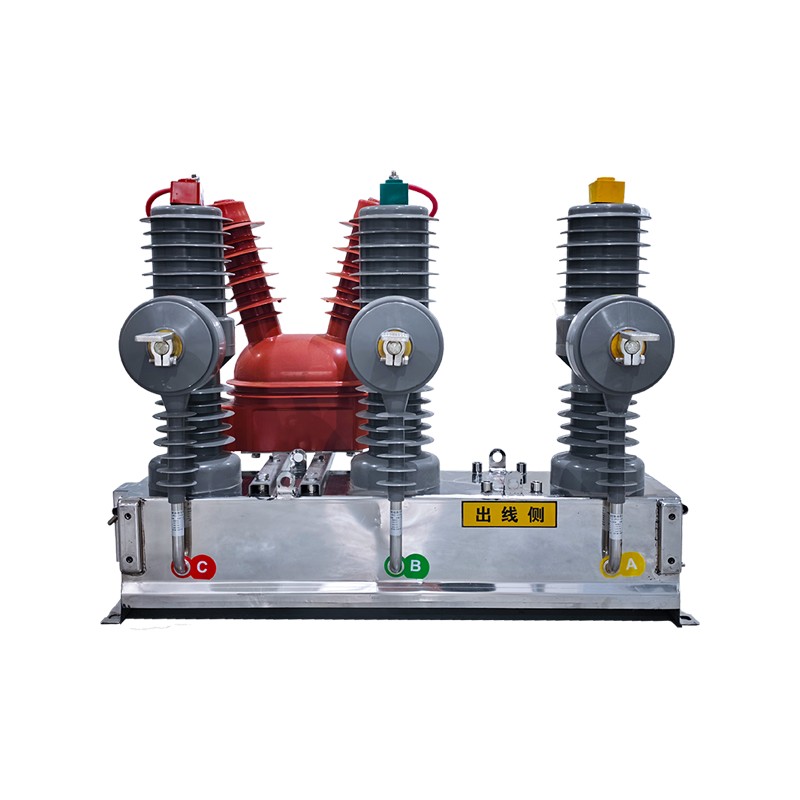
Product Overview The WM-G1152A and WM-G576A SMC Optical Fiber Cross Connection Cabinets are designed for outdoor optical cable connection, distribution and management. The cabinets adopt SMC enclosure...
See Details -
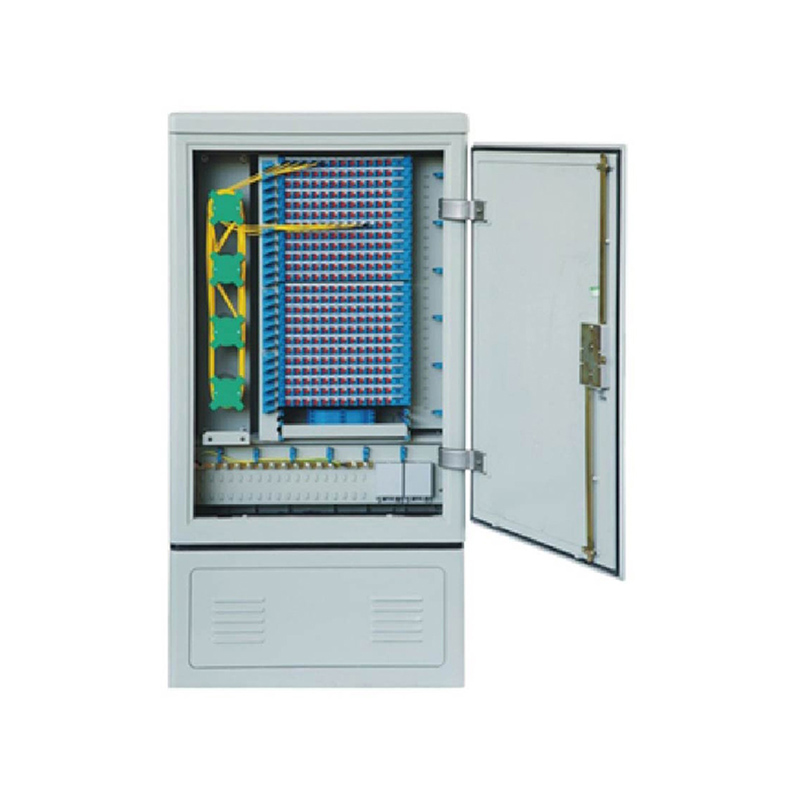
Product Overview The ODC-576B and ODC-576C SMC Optical Fiber Cross Connection Cabinets are used for outdoor optical cable connection, distribution and management. Both models support a capacity of 576...
See Details -
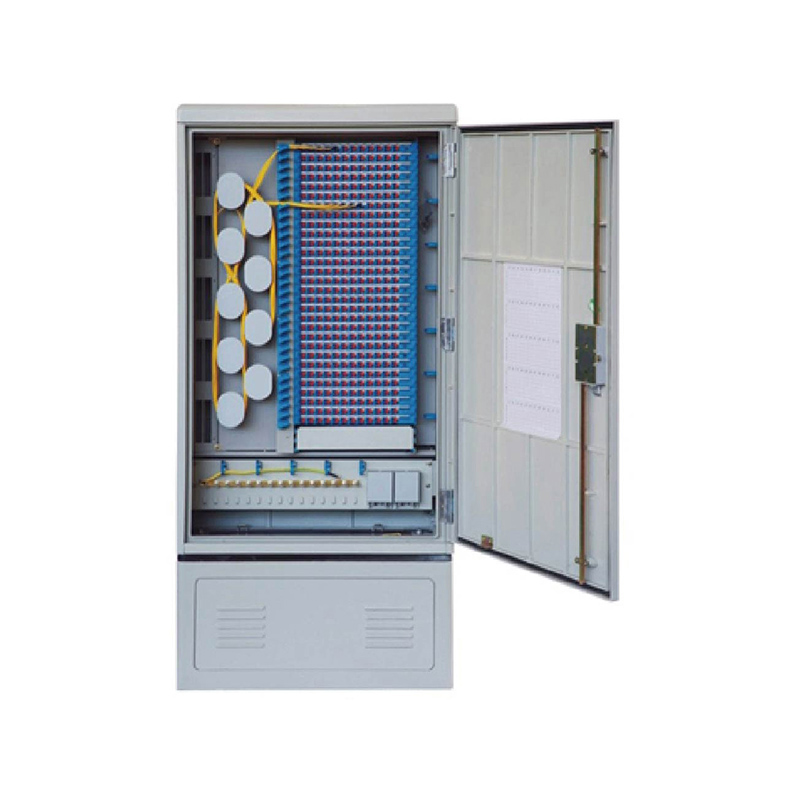
Product Overview The ODC series SMC Optical Fiber Cross Connection Cabinet is used for optical cable connection, distribution and management in outdoor fiber networks. The cabinet adopts an SMC enclos...
See Details
Ready to Get started ? Contact Us Now !

Product.
Contact Details.
-
 +86 13958188250
-
 [email protected]
-
 AUDIT Email:[email protected]
- Wanma Industrial Park Taihu Yuan Town Lin'an District Hangzhou City China.
QR Code

Copyright © Wanma Technology Co., Ltd. All Rights Reserved.
Privacy
Custom Ethernet Optical Network Railway Transit Equipments Suppliers
