

 English
 Français
 Español
 Português
 عربى





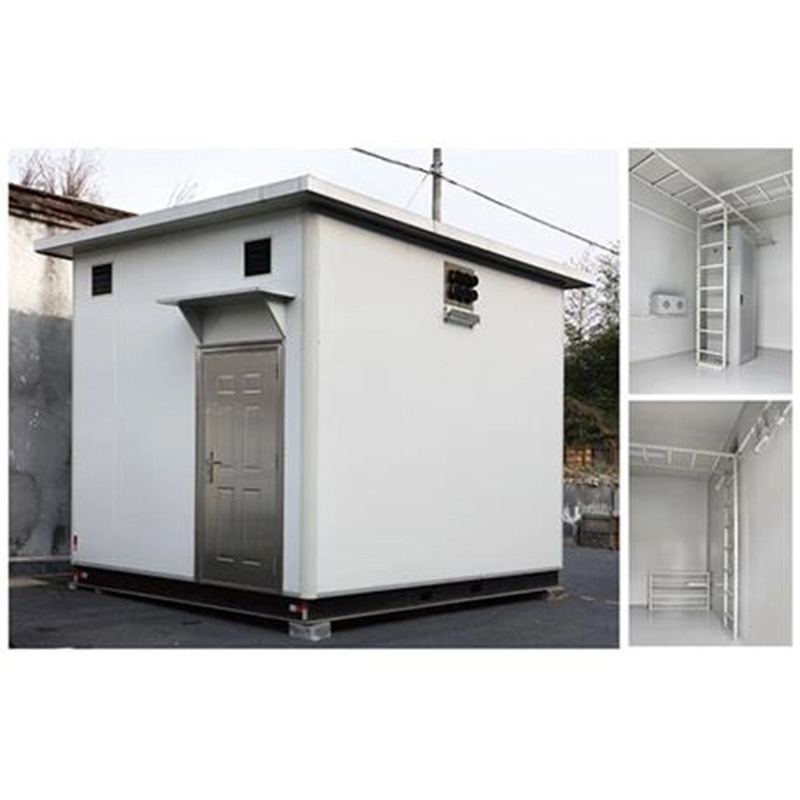
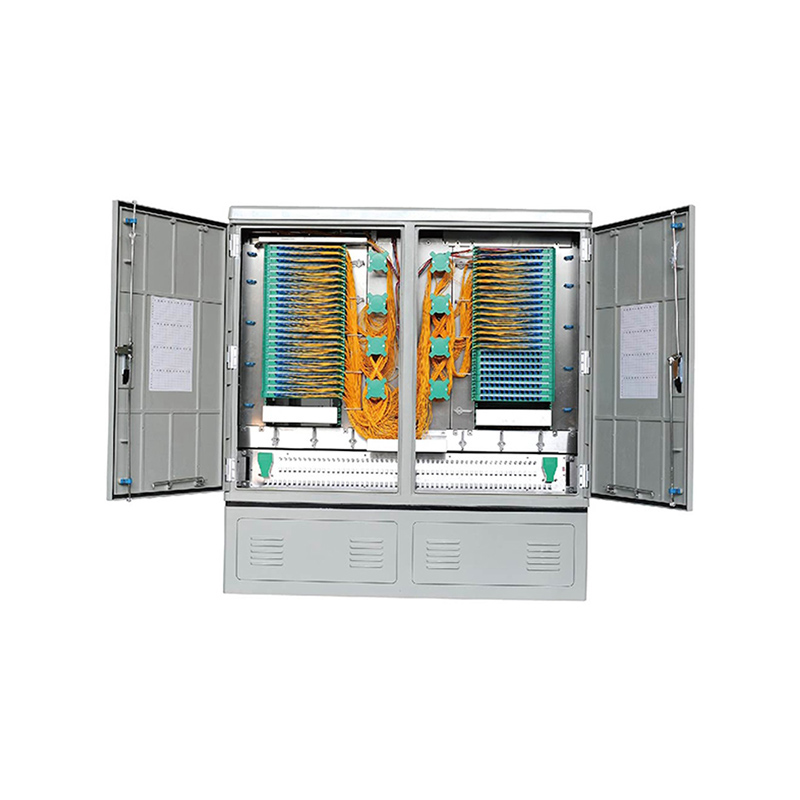

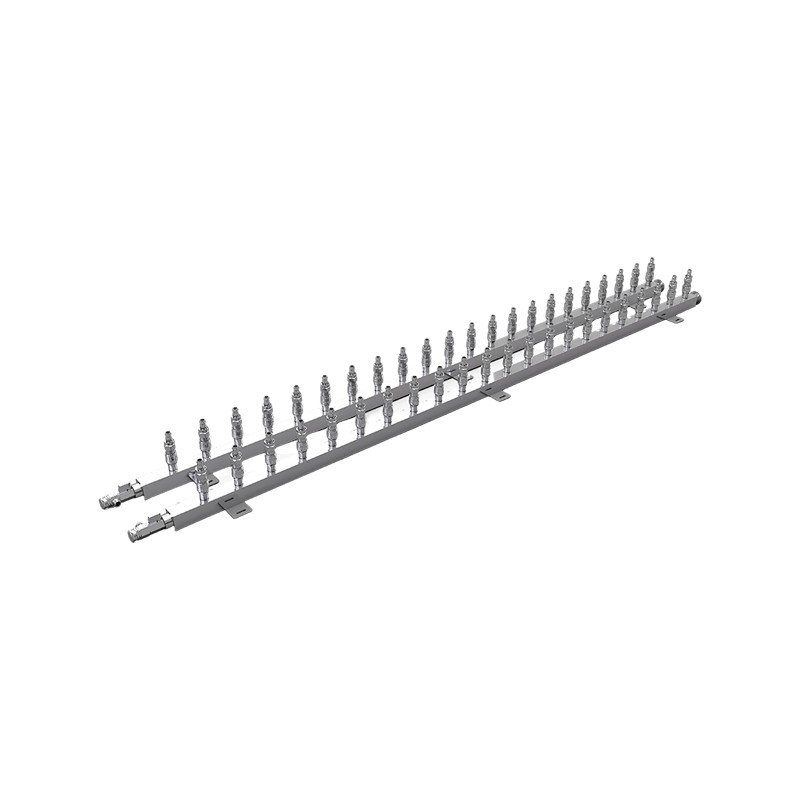
Application ScopeThe GPX129-09T fiber optic distribution frame is used to connect, distribute, and manage fiber optic cables and optical communication equipment. It is suitable for large-capacity fibe...
See DetailsWhat Is an ODF Fiber Optic Distribution Frame and How Do You Choose the Right One?
An ODF fiber optic distribution frame is a rack-mounted enclosure that terminates, splices, and organizes fiber cables inside telecom rooms, data centers, and campus networks. Choosing the right frame depends on port density, adapter type, rack space, and how the network will grow over time.
Understanding the Role of an ODF in Modern Fiber Networks
As fiber penetrates deeper into access networks, the demand for organized, protected, and scalable termination points has grown sharply. An optical distribution frame sits at the boundary between outside plant cabling and active equipment, giving technicians a single, labeled location to manage every fiber路径. Without this layer, cable runs quickly become tangled, troubleshooting slows down, and expansion becomes risky.
Core Functions
- Fiber termination: anchoring incoming cables and securing their strength members.
- Splicing management: housing fusion splice trays that protect bare fiber joints.
- Connector interface: presenting adapter ports where patch cords link equipment.
- Cross-connect routing: enabling moves, adds, and changes without disturbing trunk cables.
- Cable protection: controlling bend radius and shielding fibers from physical stress.
Where It Sits in the Network
Installers typically deploy these frames in central equipment rooms, base station hubs, FTTH access points, and data center distribution zones. In each location the frame acts as a demarcation point, separating permanent outside plant from flexible inside connections.
Key Specifications at a Glance
Buyers comparing options usually start with a short list of measurable parameters. The table below summarizes the values that most projects care about.
| Parameter | Typical Range |
|---|---|
| Port capacity | 24, 48, 72, 96 cores |
| Rack height | 1U, 2U, 4U, 5U (19-inch standard) |
| Adapter types | LC, SC, FC, ST |
| Insertion loss | Up to 0.5 dB |
| Return loss | PC at least 40 dB, UPC at least 50 dB, APC at least 60 dB |
| Operating wavelengths | 850, 1310, 1550 nm |
| Enclosure material | Cold-rolled steel with electrostatic powder coating |
Choosing Between Full-Load and Empty Frames
Procurement teams generally face two paths. A pre-loaded frame arrives with adapters, pigtails, and splice trays already installed, which shortens commissioning time on site. An empty frame costs less upfront and lets engineers select connector types later, although it requires more labor during installation.
Pre-Loaded Advantages
- Faster deployment with factory-tested connections.
- Consistent insertion loss across all ports.
- Reduced on-site skill requirements.
Empty Frame Advantages
- Lower initial capital outlay.
- Flexibility to mix LC and SC adapters later.
- Easier to adapt when cable plant designs change.
Typical Application Scenarios
The following deployments illustrate how the same basic frame design adapts to different network roles.
- Telecom access networks and FTTH roll-outs, where fiber is terminated and distributed to households.
- Data center cross-connect zones, linking backbone trunks to server row patch panels.
- Rail transit communication systems, where vibration-resistant enclosures protect signal fibers.
- Enterprise campus backbones, consolidating building riser cables into one managed location.
ODF Versus SMC Distribution Box: Which Do You Need?
Both products organize fiber, but they target different environments. An indoor rack-mounted frame favors density and scalability, while a weatherproof outdoor box focuses on environmental protection at the network edge.
Choose an ODF When
The installation sits in a climate-controlled room, rack space is available, and port count may grow.
Choose an SMC Box When
The enclosure must sit outdoors or on a pole, facing moisture, dust, and temperature swings.
Frequently Asked Questions
Q1: What is the difference between an ODF and a fiber patch panel?
A patch panel usually offers simple adapter ports for short patch cords, while an ODF adds splice protection, cable termination, and bend management. Many facilities use both within the same rack.
Q2: How many cores can a 1U ODF hold?
A 1U frame typically supports 24 to 48 cores depending on adapter size and tray design. Higher counts generally require taller units.
Q3: Can one frame mix LC and SC adapters?
Yes, many designs allow mixed adapter panels. Mixing is useful when legacy and modern equipment coexist in the same room.
Q4: What affects lead time for a 96-port order?
Lead time depends on configuration complexity, adapter quantity, and whether pigtails are pre-terminated. Custom finishes may add time.
Q5: Is pre-terminated pigtail installation available?
Many manufacturers offer factory pigtail installation, which reduces on-site labor and helps maintain consistent loss performance.
Planning Your Next ODF Purchase
Before requesting a quotation, document the port count, adapter types, rack height, cable entry points, and expansion plans. Clear specifications make supplier responses faster and more accurate, and they help avoid rework during installation.
PREV:What Makes WM-Manifold the Flow-Distribution Backbone of Modern Liquid-Cooling Racks
NEXT:How to Specify Prefabricated Piping for Liquid Cooling Secondary Side Before You Request a Quotation
Interested in cooperation or have questions?
Related products
-
-
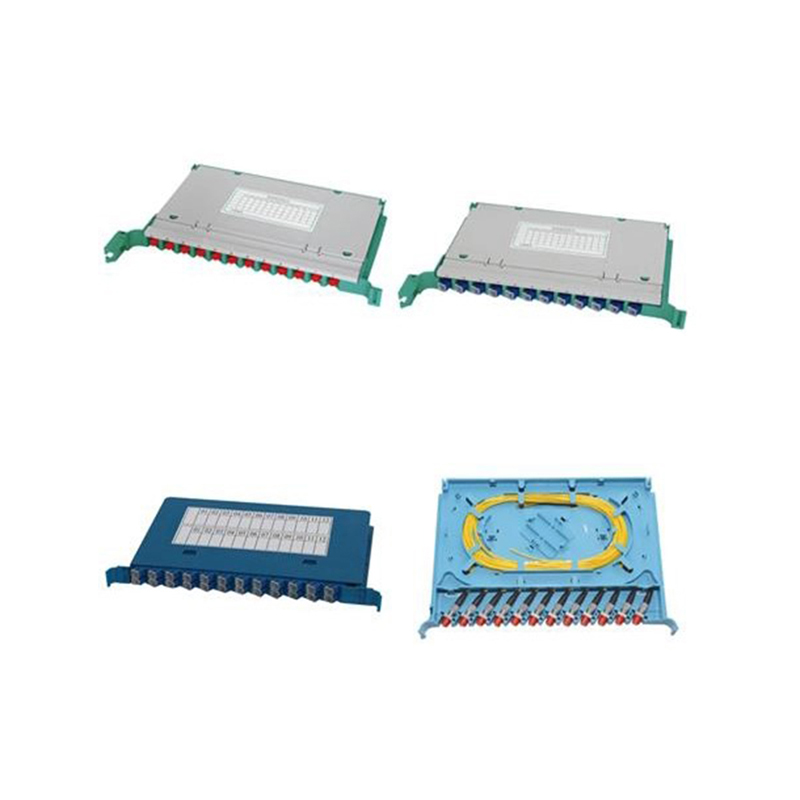
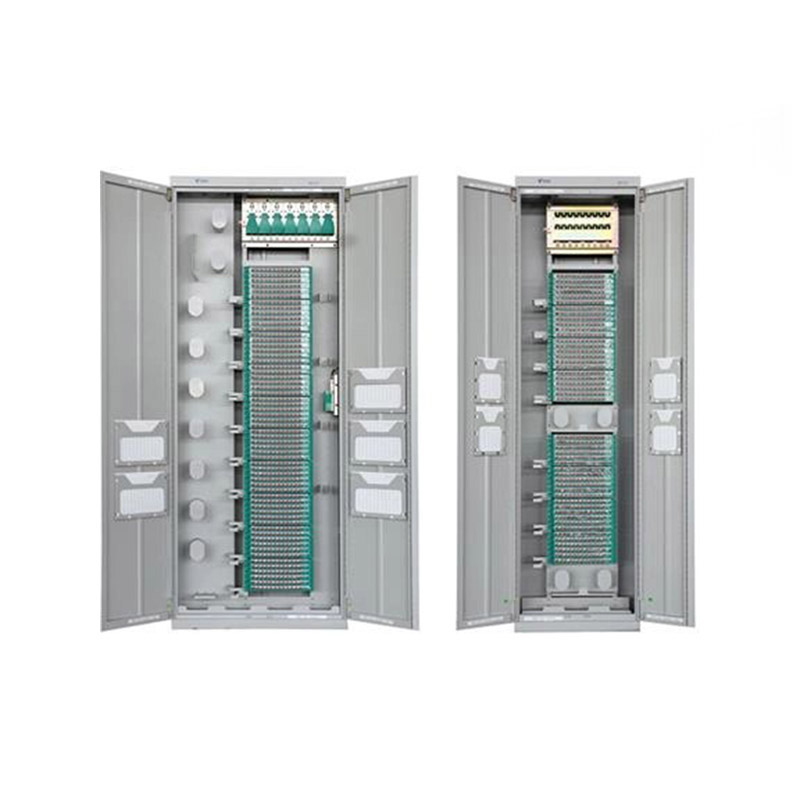
Application:It is extensively used as optical cable splicing and distribution unit in the OMDF, ODF, OCC and outdoor cabinet. Features:1. Splice Module can be used for fiber splicing, fiber distributi...
See Details -
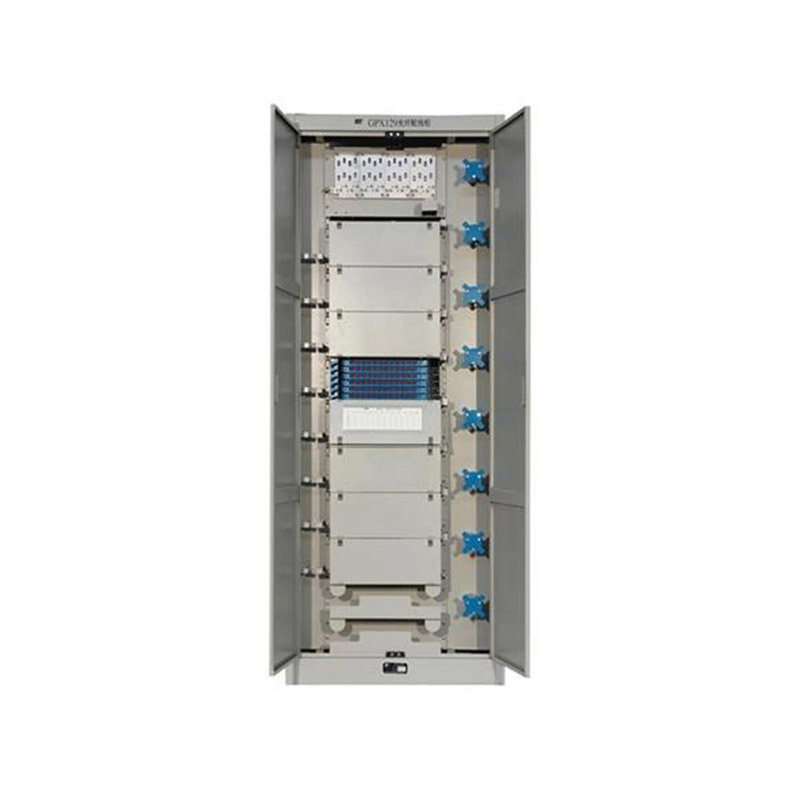
Application ScopeThe GPX129BKC fiber optic distribution frame is used to connect and distribute optical cables to optical communication equipment, and is suitable for large-capacity fiber optic commun...
See Details -
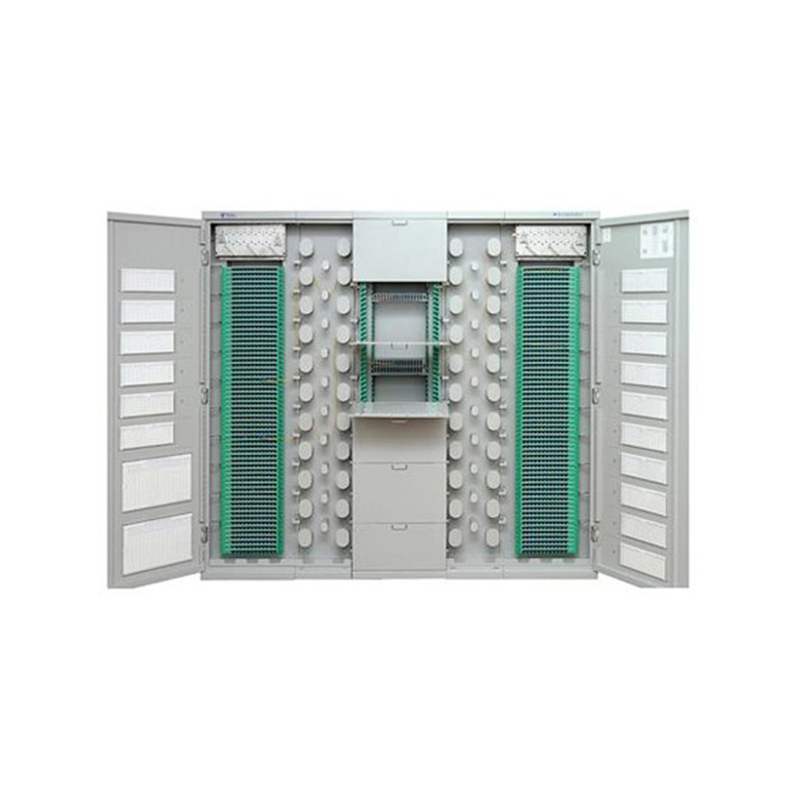
Application Used in FTTH network access-layer equipment rooms where splitting, splicing, distribution and other operations need to be carried out within a frame. Used in FTTH networks where optical sp...
See Details
Ready to Get started ? Contact Us Now !

Product.
Contact Details.
-
 +86 13958188250
-
 [email protected]
-
 AUDIT Email:[email protected]
- Wanma Industrial Park Taihu Yuan Town Lin'an District Hangzhou City China.
QR Code

Copyright © Wanma Technology Co., Ltd. All Rights Reserved.
Privacy
Custom Ethernet Optical Network Railway Transit Equipments Suppliers
