

 English
 Français
 Español
 Português
 عربى
عربى




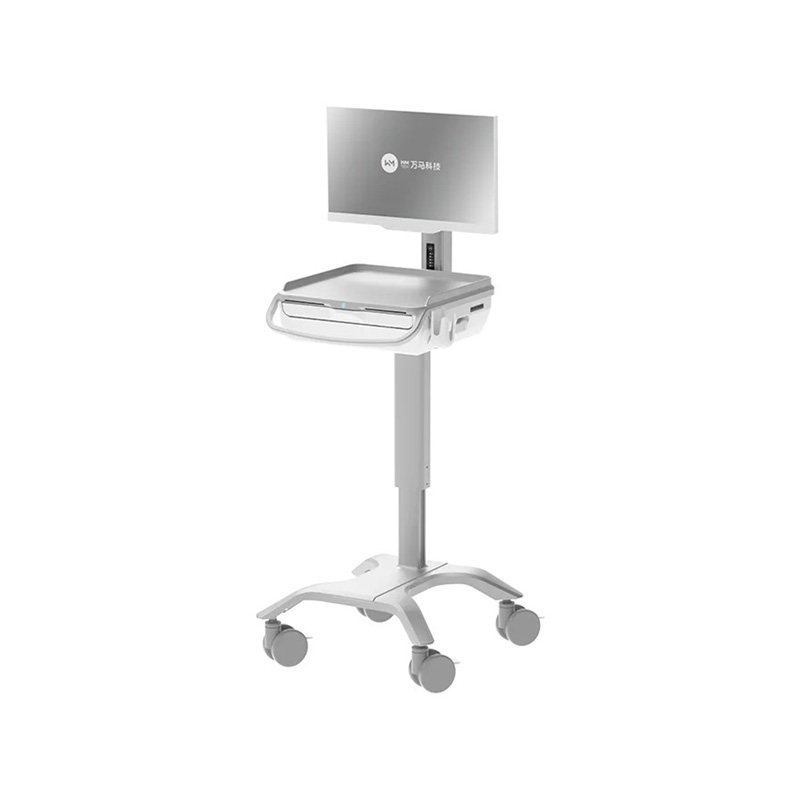
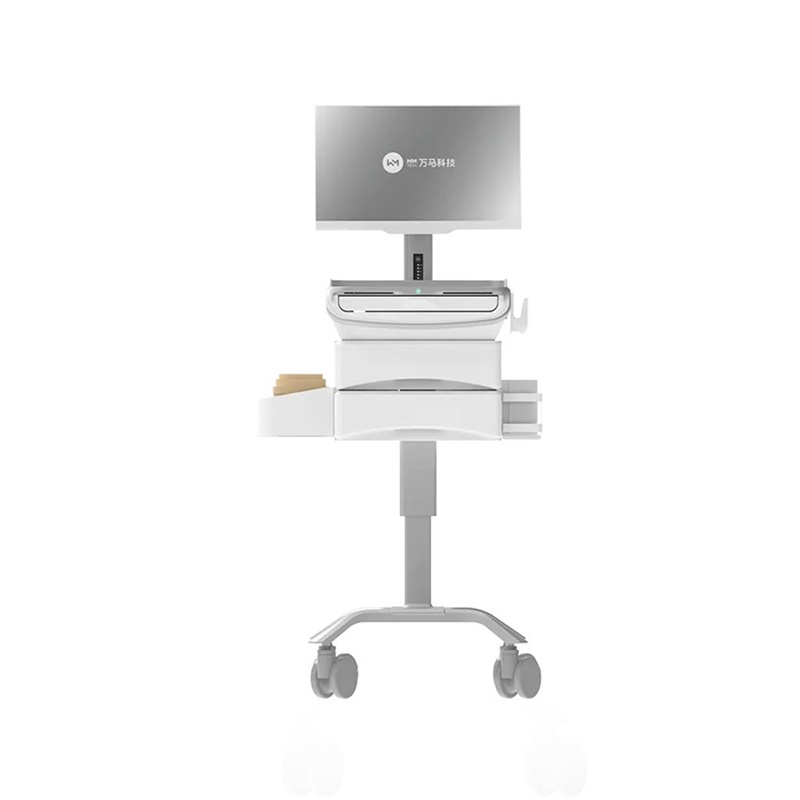
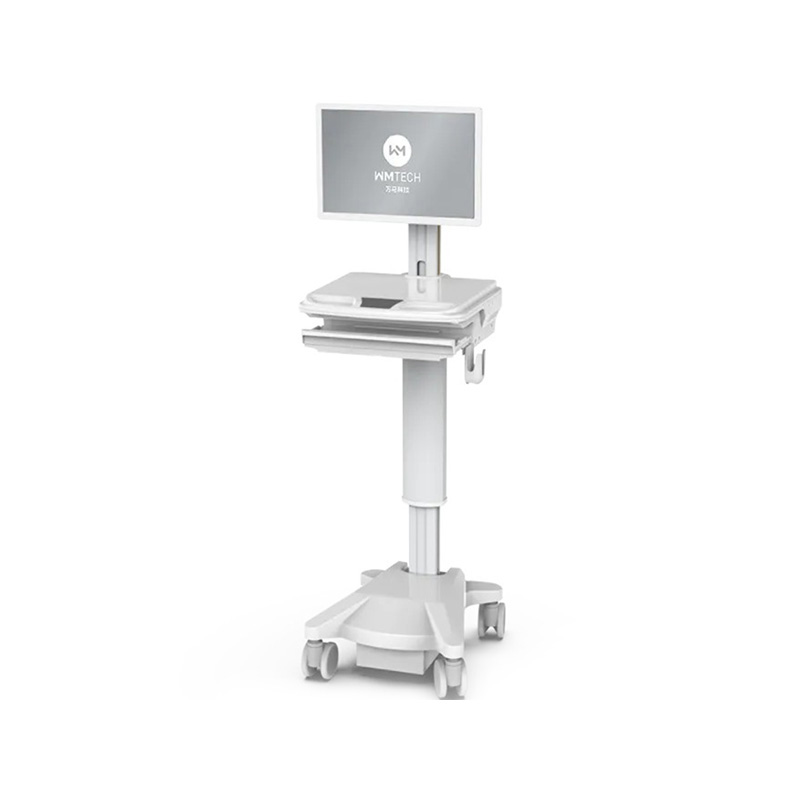
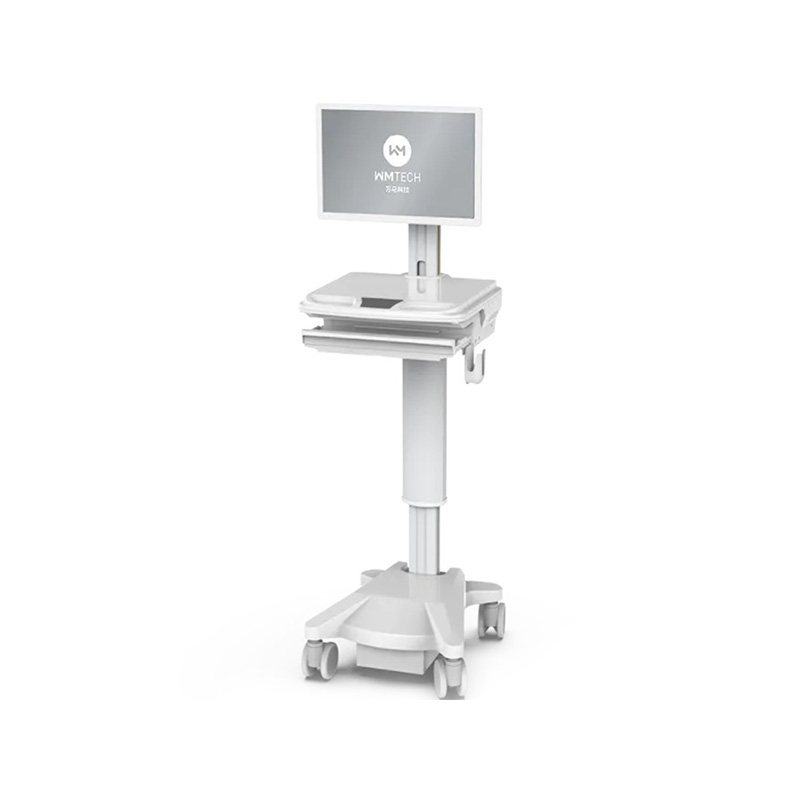
Product DefinitionThe WMYC-D2-30 Medical Cart is an intelligent mobile medical workstation integrating informatization and clinical assistance functions. It supports medical order management, patient ...
See DetailsSmart Medical Cart Mobile Clinical Workstation Guide
Nursing staff on a typical med-surg floor can lose more than an hour per shift walking back to a fixed charting station, which is the operational gap a smart medical cart mobile clinical workstation is built to close by bringing the computer, power, and supplies to the bedside instead.
What Is a Smart Medical Cart Mobile Clinical Workstation?
A smart medical cart mobile clinical workstation is a battery-powered mobile platform that combines a computer mount, integrated power management, and secure storage into a single unit healthcare staff can wheel directly to the point of care. Unlike a fixed nursing station, it brings electronic medical record access, medication storage, and clinical tools to the patient rather than requiring staff to return to a central desk between tasks.
A mobile clinical workstation is only as useful as its battery: a cart that dies mid-shift is worse than no cart at all.
Smart Medical Cart vs Traditional Fixed Workstation
The choice between mobile and fixed workstations comes down to how much of a shift staff spend away from the bedside.
Smart Medical Cart Mobile Clinical Workstation
- Brings EMR access directly to the bedside
- Integrated battery supports a full shift of use
- Lockable storage travels with the workstation
- Reduces staff walking time between tasks
Traditional Fixed Workstation
- Requires staff to return to a central location
- No mobility, limited to one work area
- Storage and equipment stay in one place
- Simpler to maintain, no battery system
Where Smart Medical Carts Improve Clinical Workflow
Six care settings see the most measurable workflow improvement from mobile clinical workstations.
Hospital Wards
Supports nursing rounds and bedside documentation across patient rooms.
Emergency Departments
Gives rapid-response staff immediate access to patient records.
Nursing Stations
Reduces trips between patient rooms and central charting areas.
Telemedicine
Provides a mobile platform for remote consultation equipment.
Laboratories
Moves sample tracking and testing tools to where work happens.
Long-Term Care
Supports mobile documentation across larger care facilities.
How Smart Medical Carts Are Manufactured
Build quality at each stage determines how the cart performs under years of daily hospital use.
- 01Structure design and ergonomic layout planning
- 02Metal frame processing and surface treatment
- 03Mechanical assembly and wheel fitting
- 04Electrical system and battery integration
- 05Computer mounting and storage installation
- 06Final safety and load capacity testing
How to Choose a Smart Medical Cart Supplier
A qualified smart medical cart mobile clinical workstation supplier should provide battery working-time data, load capacity ratings, and electrical safety certification for every model, not just dimensions and price. Confirm these figures against your department's actual shift length before ordering.
Also assess the supplier's customization ability for storage configuration, battery capacity, and device mounting, since emergency, nursing, and laboratory departments rarely need the same cart configuration.
Frequently Asked Questions
How long does a smart medical cart battery last?
Most hospital-grade mobile workstations are rated for a full 8 to 12 hour shift on a single charge, though actual runtime depends on connected device power draw.
Can a smart medical cart integrate with existing hospital EMR systems?
Yes, mobile clinical workstations are typically designed to connect wirelessly with existing hospital information systems, allowing staff to access and update patient records at the bedside.
How much weight can a smart medical cart carry?
Load capacity varies by model, but most clinical workstations are rated to carry a computer, monitor, medical devices, and supply storage without compromising mobility or stability.
Are smart medical carts customizable for different departments?
Yes, manufacturers commonly offer configurable storage, battery capacity, and equipment mounting so the same base platform can serve nursing, emergency, laboratory, or telemedicine needs.
PREV:40ft Containerized Data Center: How to Choose One
NEXT:How Does 5G FTTH Network Modernization Infrastructure Improve Broadband Performance?
NEXT:How Does 5G FTTH Network Modernization Infrastructure Improve Broadband Performance?
Interested in cooperation or have questions?
Related products
-
-
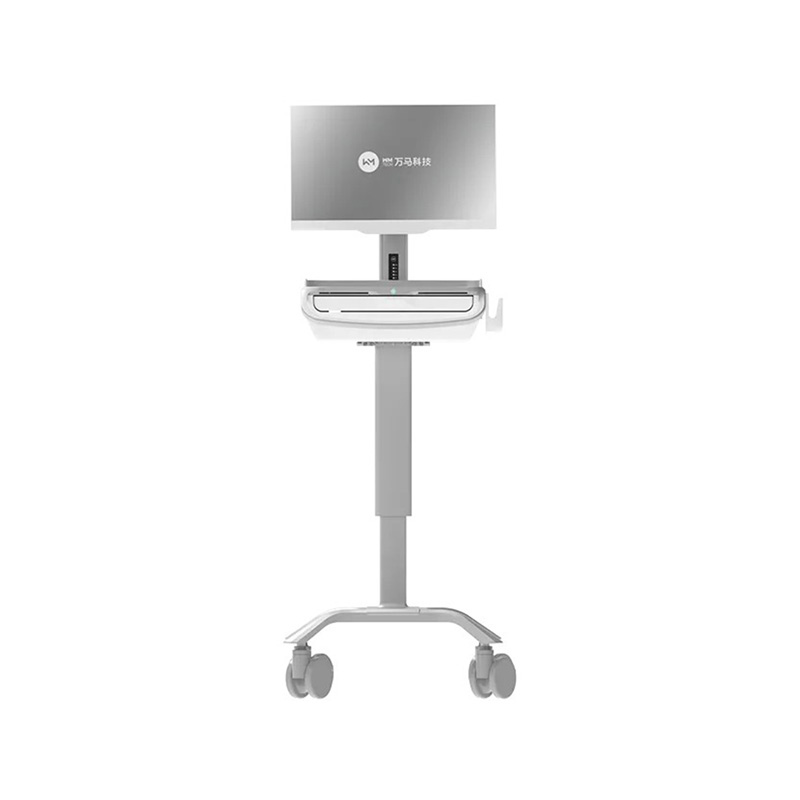
Product Definition:The WMYC-J2-24 Medical Cart is an intelligent mobile workstation integrating information display, order entry, clinical management, and device storage, designed to enhance hospital ...
See Details -
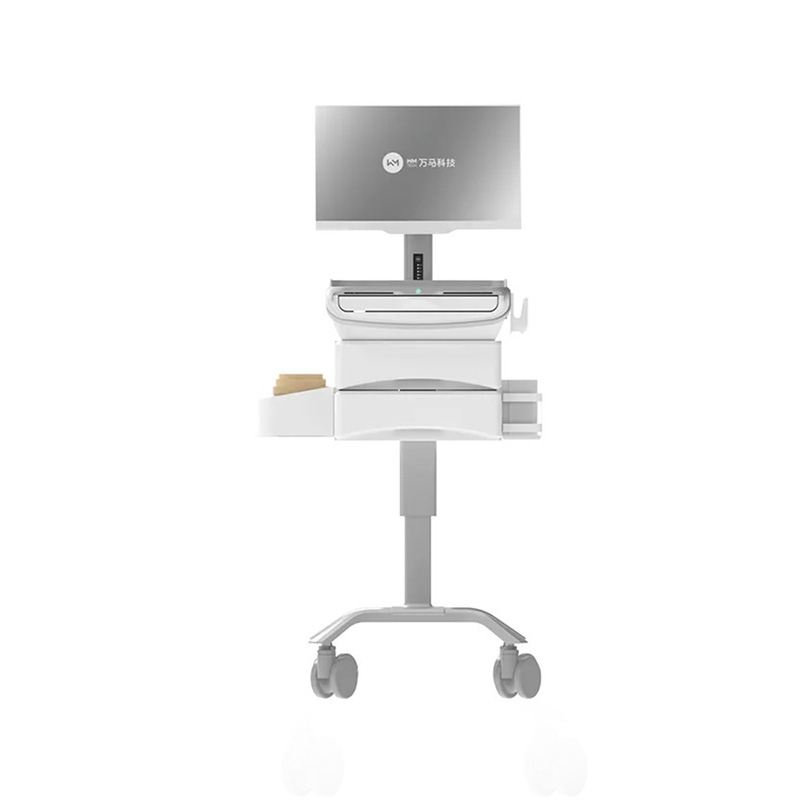
Product DefinitionThe WMYC-J2-24 Medical Cart (with Drawer) is an intelligent mobile workstation designed for modern clinical environments. Featuring a lightweight aluminum structure, it integrates a ...
See Details -
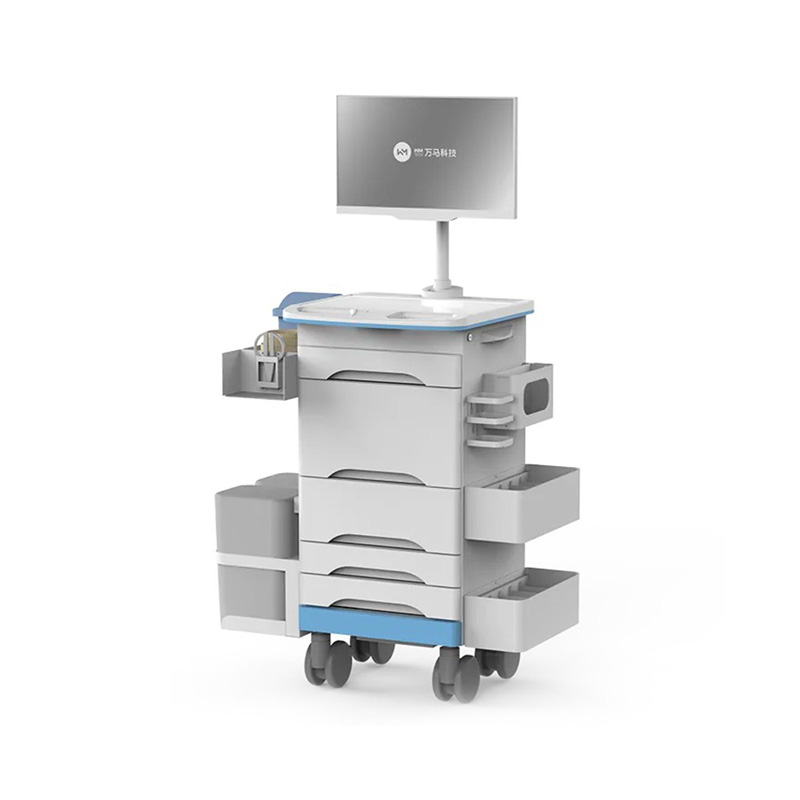
Product Definition:The WMYH-W2-21 Medical Cart is an intelligent mobile nursing workstation integrating information management, clinical care, medication administration, and bedside vital signs collec...
See Details
Ready to Get started ? Contact Us Now !

Product.
Contact Details.
-
 +86 13958188250
-
 +86 13958188250
-
 [email protected]
- Wanma Industrial Park Taihu Yuan Town Lin'an District Hangzhou City China.
QR Code

Copyright © Wanma Technology Co., Ltd. All Rights Reserved.
Privacy
Custom Ethernet Optical Network Railway Transit Equipments Suppliers
