

 English
 Français
 Español
 Português
 عربى
عربى










 Knowledge
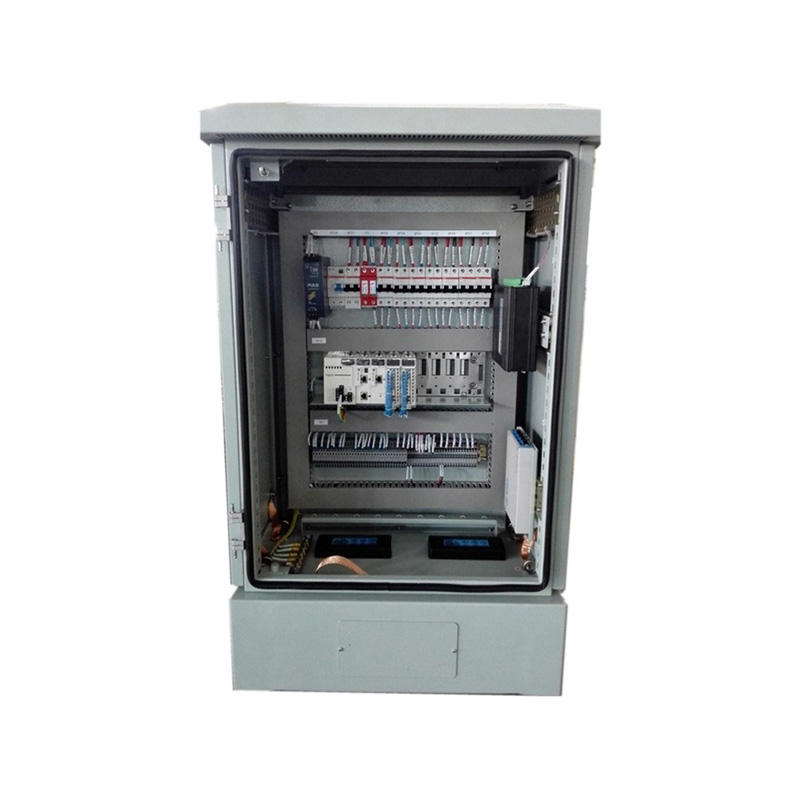
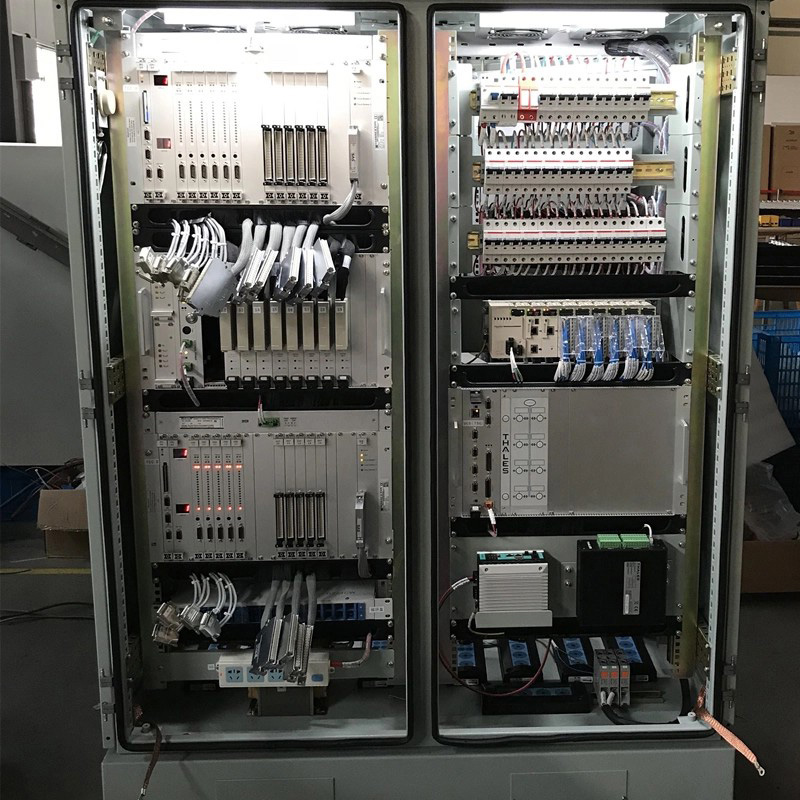
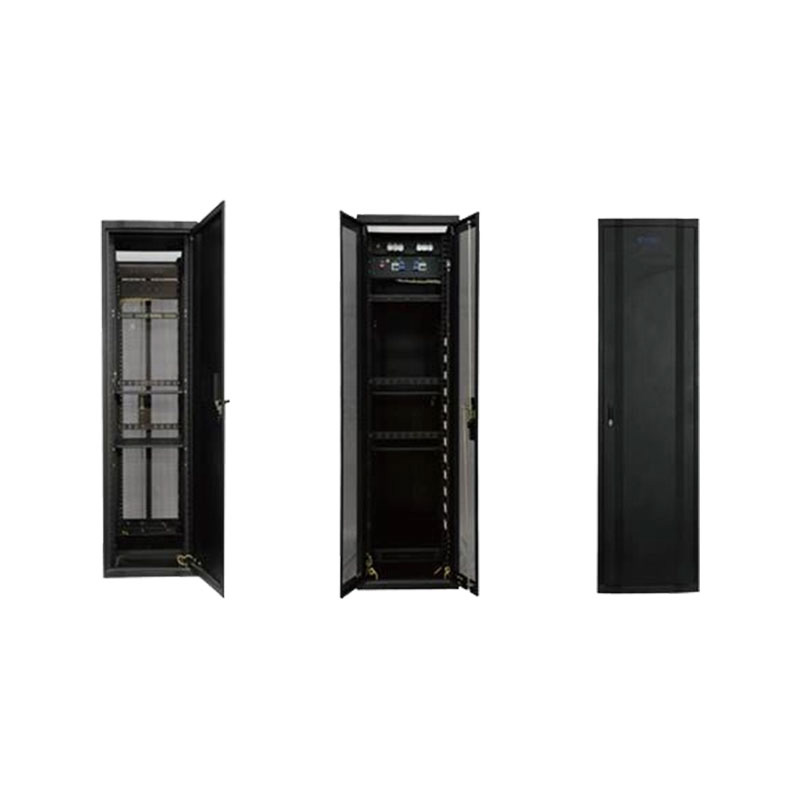
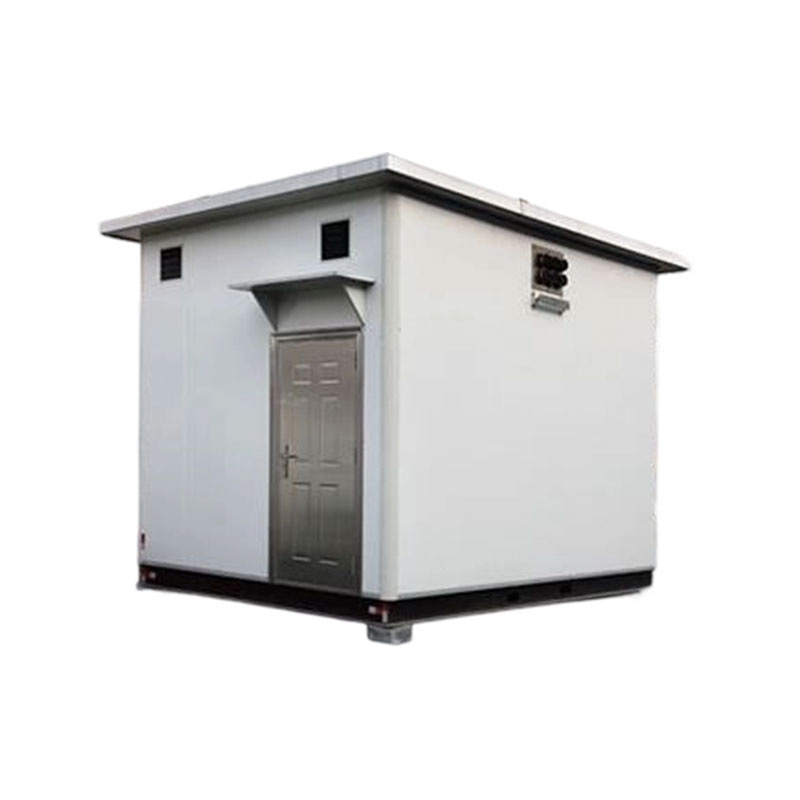
EMC Design of Railway Transit Outdoor Signal Control Cabinets: Preventing False Operations Caused by Traction Current or Lightning Strikes
Understanding the Threat: Traction Current and Lightning Interference
Railway transit outdoor signal control cabinets are exposed to severe electromagnetic disturbances. Nearby traction return currents (up to 2000A during train acceleration) create strong magnetic fields, while direct or nearby lightning strikes induce surge voltages exceeding 10kV. Without proper EMC protection, these disturbances can cause unintended relay switching, PLC memory corruption, or false signal aspect changes - leading to dangerous operational failures.
Key EMC Protection Mechanisms within the Signal Control Cabinet
- Continuous metallic shielding: Cabinet walls made of 1.5-2.0mm galvanized steel with <5% aperture area provide >40dB shielding effectiveness from 30MHz to 1GHz. All doors have beryllium-copper finger strips ensuring 360° contact.
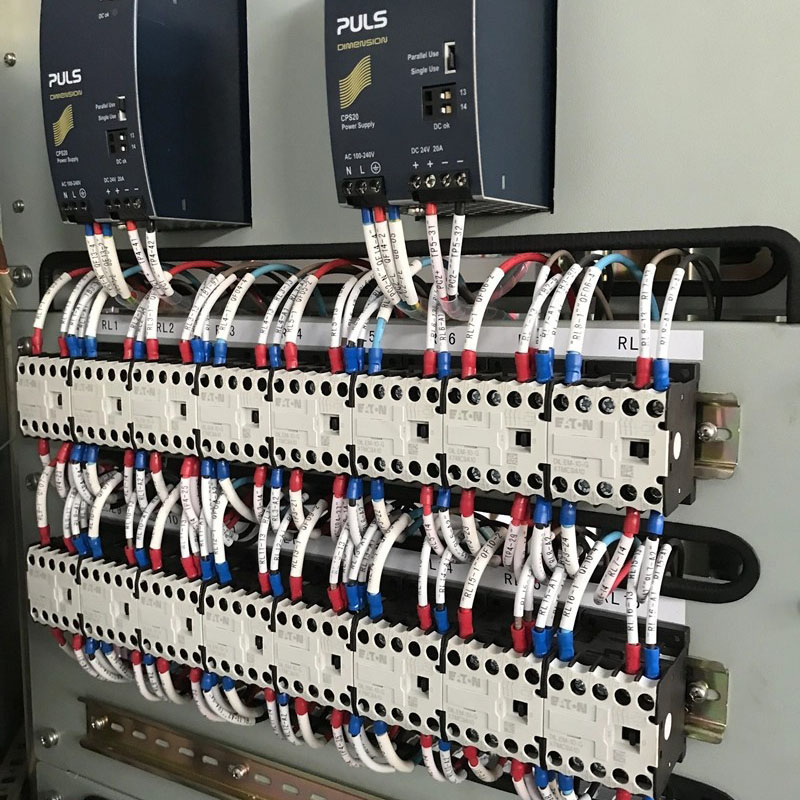
- Filtered power entry modules: Multi-stage EMI filters (common-mode and differential-mode) attenuate conducted disturbances by 60-80dB from 10kHz to 30MHz. These filters block traction harmonics while passing 50/60Hz power.
- Surge protection devices (SPD): Type 1 + Type 2 coordinated SPDs on AC mains (20kA/10kA nominal, 100kA/50kA max) and signal lines. Response time <25ns clamps surges to <1.5kV for 230VAC circuits.
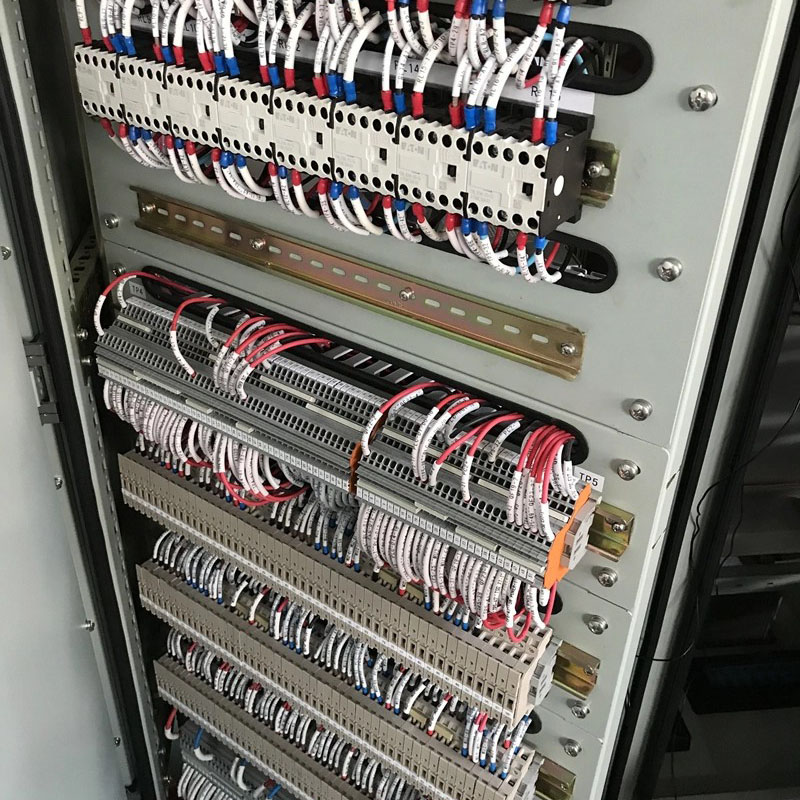
- Segmented grounding system: Separate low-impedance paths for protection earth (PE), signal reference grid, and lightning down-conductors. Cabinet uses a single-point ground busbar to avoid ground loops.
- Isolated I/O interfaces: Optocouplers (isolation voltage 3.75kVrms) or galvanically isolated relays for all external signal lines. This breaks parasitic paths for common-mode noise.
Parameter Comparison: Protected vs. Unprotected Signal Control Cabinet
The following table compares key EMC parameters and failure probabilities for a railway transit outdoor signal control cabinet with and without proper EMC design, tested per EN 50121-4 (railway EMC standard).
| Parameter | EMC-Protected Cabinet | Unprotected / Poor EMC Design |
|---|---|---|
| Radiated field immunity (80MHz-1GHz) | 20V/m (EN 50121-4 compliant) | 3-5V/m (typical consumer grade) |
| Conducted RF immunity (0.15-80MHz) | 10Vrms (with filter) | 1-2Vrms (no filter) |
| Fast transient burst (5/50ns, 5kHz) | ±4kV on I/O lines | ±1kV - high risk of interruption |
| Surge withstand (1.2/50μs - 8/20μs) | ±4kV line-to-earth, ±2kV line-to-line | ±0.5kV - frequent SPD failure |
| Lightning-induced false operation rate | < 0.01 per cabinet per year | 0.5 - 2 per cabinet per year (unsafe) |
| Traction current magnetic field immunity (DC-50Hz, 200A/m) | No malfunction up to 300A/m | False relay ops at 50-80A/m |
| System MTBF (EMC-related failures only) | >200,000 hours | 5,000-15,000 hours |
How Shielding, Filtering, and Grounding Work Together to Prevent False Commands
- Shielding attenuates radiated fields: Traction currents generate magnetic fields that induce voltages in internal wiring loops. Steel cabinet construction provides magnetic shielding (µr ~200-400) reducing internal H-field by 10-15x at 50Hz.
- Filtering suppresses conducted noise: Traction harmonics (1kHz-10MHz) couple onto AC power lines. The internal EMI filter shunts these to ground before they reach power supplies. Typical insertion loss: 40dB at 150kHz, rising to 70dB above 1MHz.
- Surge arrestors handle lightning: A nearby strike injects a 5/325μs wave (10kA) onto overhead signal cables. Three-stage protection (GDT + varistor + TVS diode) reduces the let-through voltage to <30V for sensitive electronics.
- Segmented grounding prevents loops: The cabinet's single-point ground busbar isolates the signal reference from high-energy PE currents. This eliminates ground potential rise differences that would otherwise drive current through internal circuits.
Frequently Asked Questions (FAQ)
FAQ 1: Can a standard industrial control cabinet be used for railway trackside signaling?
Answer: No. Standard industrial cabinets (railway transit outdoor signal control cabinet products differ fundamentally) lack the required EMC hardening. Railway EN 50121-4 demands 20V/m radiated immunity and ±4kV surge withstand – levels 3-4x higher than typical industrial environments (EN 61000-6-2). Using a non-railway cabinet increases risk of false signal clearing or point machine misoperation by over 100x during lightning storms.
FAQ 2: How often should SPDs in a trackside signal cabinet be replaced?
Answer: Type 1 and Type 2 SPDs have a limited life. In areas with moderate lightning (15 thunderstorm days/year), replace every 3-5 years. In high lightning regions (60+ days/year) or after any direct strike, replace immediately. Most railway standards require annual testing of SPD status indicators; red flags or end-of-life LEDs demand replacement before the next lightning season.
FAQ 3: Does grounding the cabinet to the rail provide sufficient EMC protection?
Answer: No – grounding to the rail is necessary but insufficient alone. The rail carries traction return currents (hundreds of amps) and can rise to hundreds of volts above true earth. A single connection to rail creates a low-impedance path for traction harmonics directly into the cabinet. Proper EMC design requires isolation from rail via separate earth electrode(s) plus shielded signal interfaces. The cabinet's protective earth must tie to a dedicated ground mat or structural rebar, never directly to the running rail.