

 English
 Français
 Español
 Português
 عربى
عربى





 Knowledge
How to Select the Right Size and Load Capacity for a WMDBG Double Section Wall Mount Cabinet?
Introduction
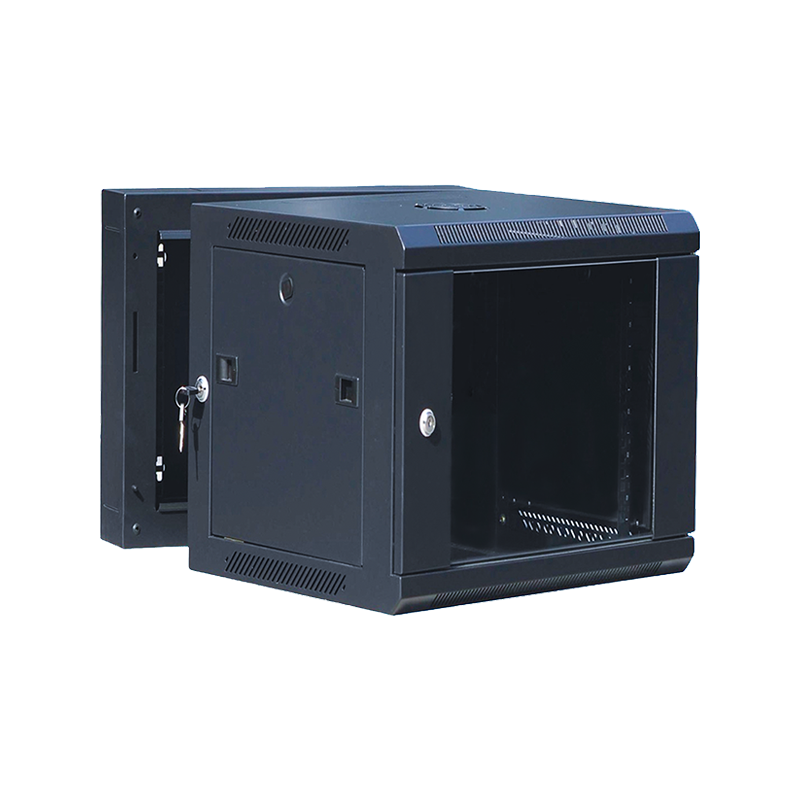
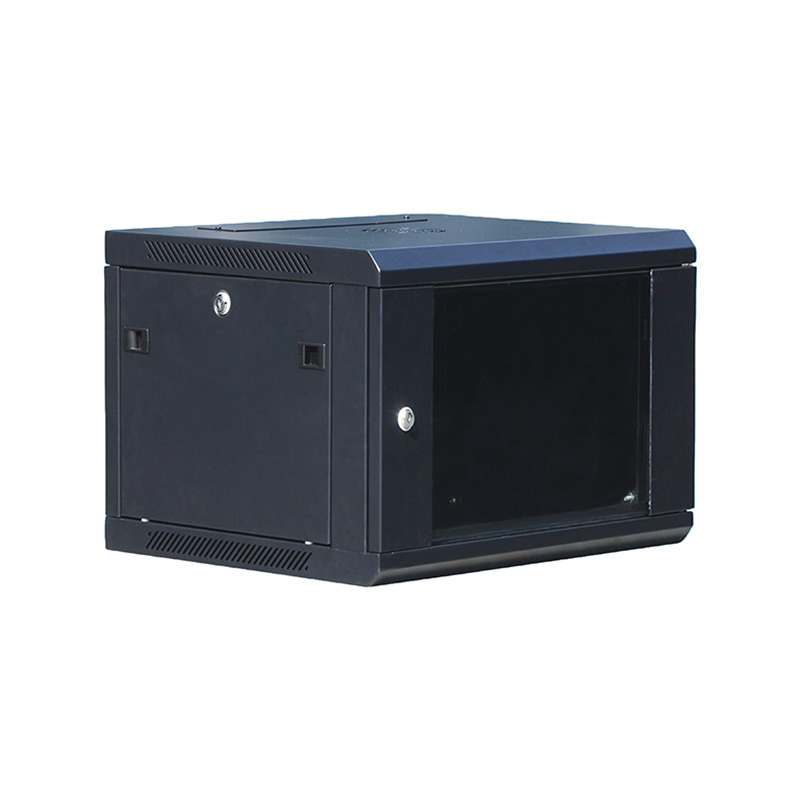
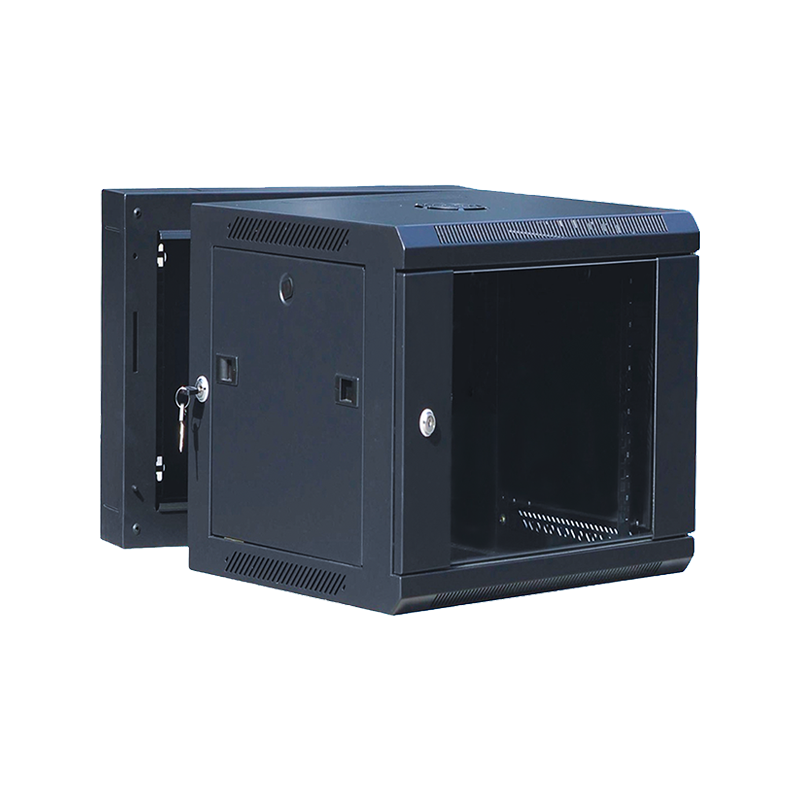
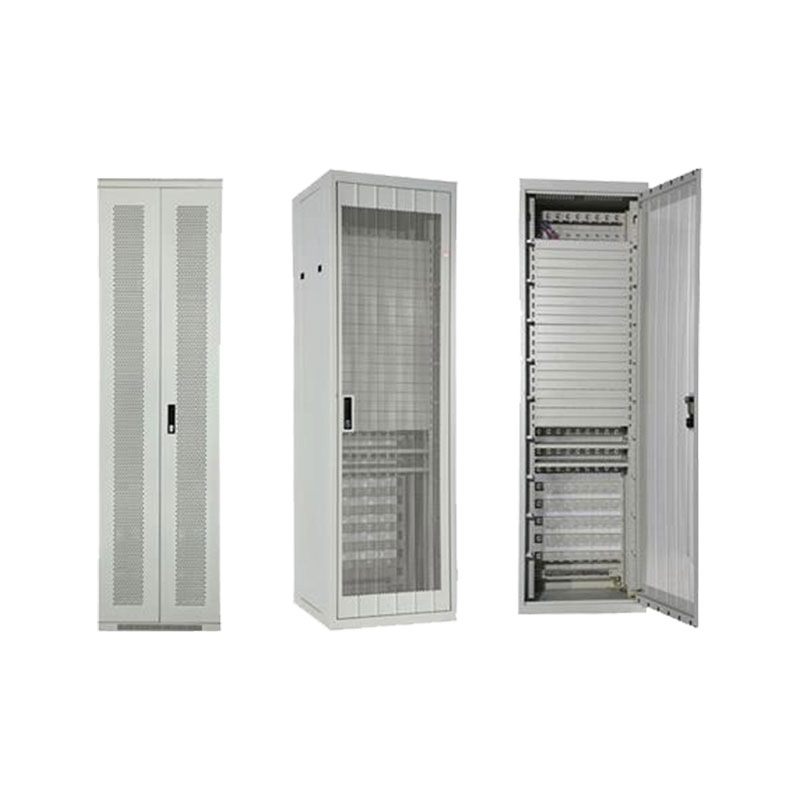
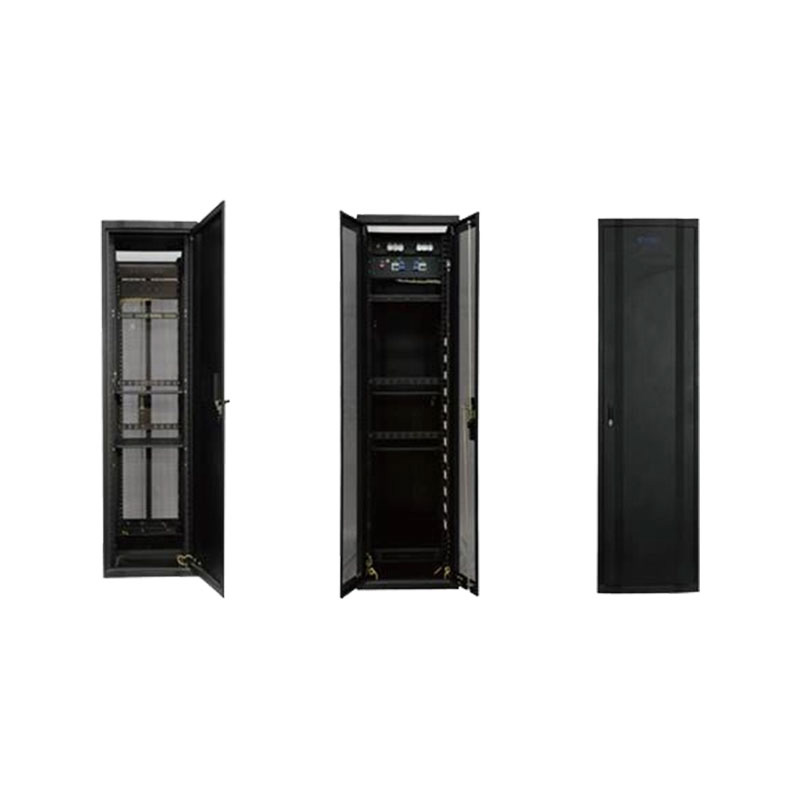
The WMDBG double section wall mount cabinet is widely used in communication networks, optical fiber distribution systems, and enterprise IT environments. It features a dual-compartment structure that separates active equipment from cable management or power distribution areas. Selecting the correct size and load capacity is essential to ensure stability, safety, and efficient system operation.
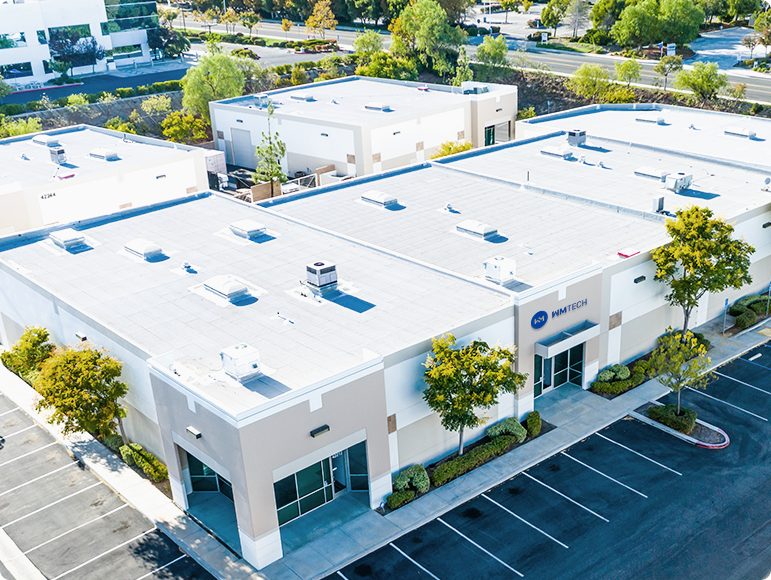
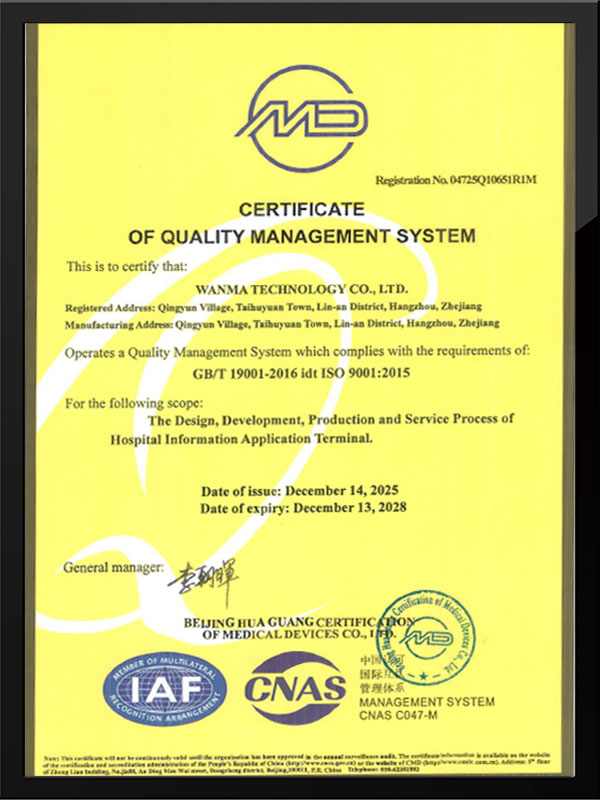
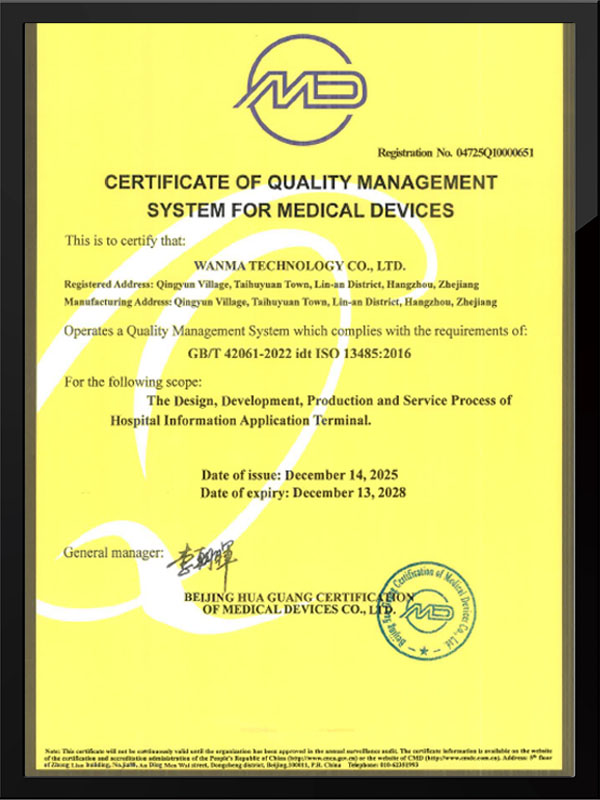
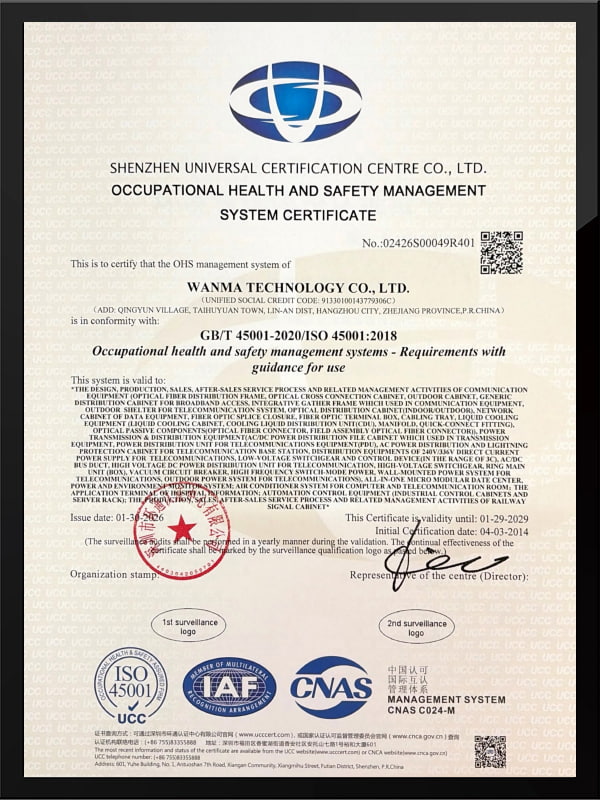
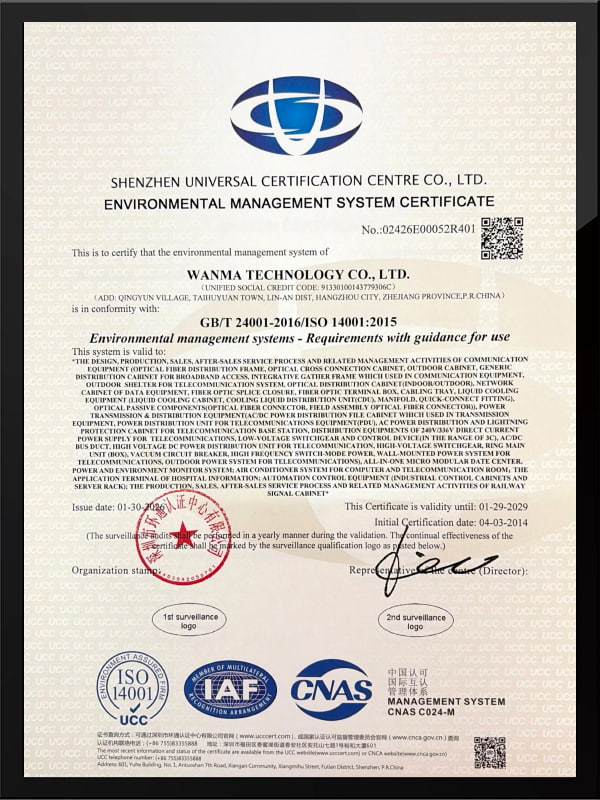
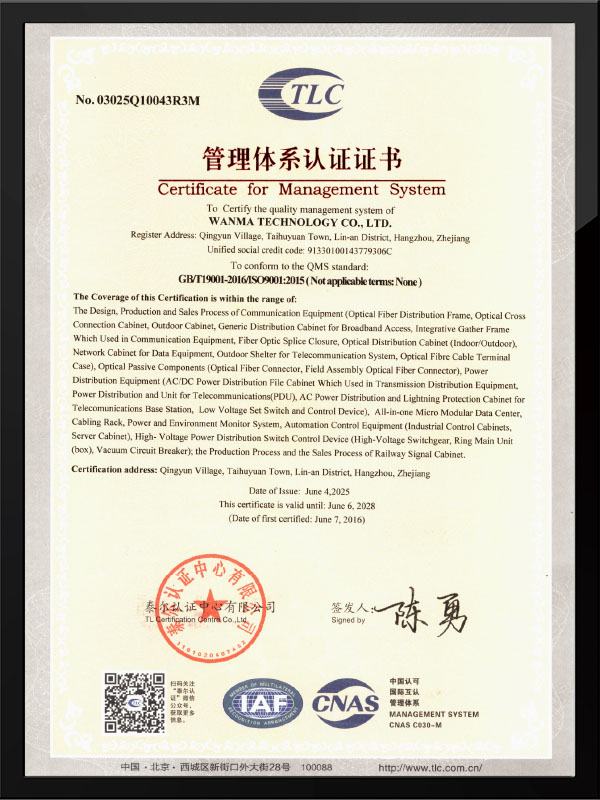
Wanma Technology Co., Ltd. was established in 1997, specialising in various communication cabinets, communication electronic equipment, and passive optical components. As ethernet optical network railway transit equipment suppliers and 5G FTTH network modernization infrastructure manufacturers in China, its products are widely deployed across Ethernet networks, optical communication networks, central equipment rooms, national high-speed railways, and urban rail transit systems. The company also provides integrated solutions for customized communication infrastructure, including wall-mounted cabinet systems used in telecom and data environments.
1. How to Determine the Right Cabinet Size
Selecting the correct size depends on equipment depth, cable routing space, and ventilation requirements.
- Measure the total depth of installed equipment such as switches, routers, and patch panels
- Ensure sufficient space for cable bending radius (at least 20–40 mm clearance)
- Reserve 20–30% extra space for future expansion
| Cabinet Depth | Typical Application | Equipment Type |
|---|---|---|
| 450 mm | Small network distribution | Patch panels, light switches |
| 600 mm | Enterprise network rooms | Switches, routers, fiber modules |
| 800 mm+ | High-density communication systems | Multiple active and passive devices |
2. How to Evaluate Load Capacity Requirements
Load capacity is a key factor in ensuring structural safety and long-term reliability.
- Calculate the total weight of all installed equipment
- Add a 25–50% safety margin for future expansion
- Verify that the wall structure can support the total load
| Load Level | Recommended Capacity | Application Scenario |
|---|---|---|
| Light Load | ≤ 30 kg | Small office networks |
| Medium Load | 30–60 kg | Enterprise communication rooms |
| Heavy Load | 60–100 kg+ | Telecom and optical network nodes |
3. Thermal and Ventilation Considerations
Proper airflow design is important even for wall-mounted cabinets, especially in high-density deployments.
- Perforated doors for passive ventilation
- Optional fan units for active cooling
- Separation of hot and cold airflow in double-section structure
4. Cable Management and Dual-Section Design Advantages
The double section design improves organization and system efficiency.
- Separates power and data cables to reduce interference
- Improves maintenance access and efficiency
- Supports structured Ethernet and fiber cabling systems
5. Installation Environment and Structural Requirements
Proper installation ensures long-term safety and performance.
- Install on solid walls such as concrete or brick structures
- Avoid vibration-heavy environments
- Ensure enough space for door opening and maintenance access
Related Product Solution
For professional telecom and network applications, the following product is widely used:
/product/server-racks/wmdbg-double-section-wall-cabinet.html
This solution supports Ethernet networks, optical communication systems, and structured cabling environments, aligning with the engineering capabilities of Wanma Technology Co., Ltd..
FAQ
Q1: What makes WMDBG double section wall mount cabinets different from standard wall cabinets?
WMDBG double section wall mount cabinets feature separated compartments for equipment and cable management, improving airflow, organization, and maintenance efficiency. Wanma Technology Co., Ltd. was established in 1997 and specializes in communication cabinets and optical network infrastructure, providing integrated solutions for telecom and Ethernet systems.
Q2: How does Wanma Technology Co., Ltd. support telecom cabinet infrastructure?
Wanma Technology Co., Ltd. develops communication cabinets, passive optical components, and customized infrastructure solutions widely used in Ethernet networks, railway systems, and optical communication systems. The company provides reliable cabinet systems designed for structured cabling and network stability.
Q3: What factors should be prioritized when selecting wall mount cabinet load capacity?
The key factors include equipment weight, future expansion needs, and wall structural strength. A safety margin of 25–50% is recommended. These engineering principles are widely applied in solutions provided by Wanma Technology Co., Ltd. for telecom and data communication environments.