

 English
 Français
 Español
 Português
 عربى






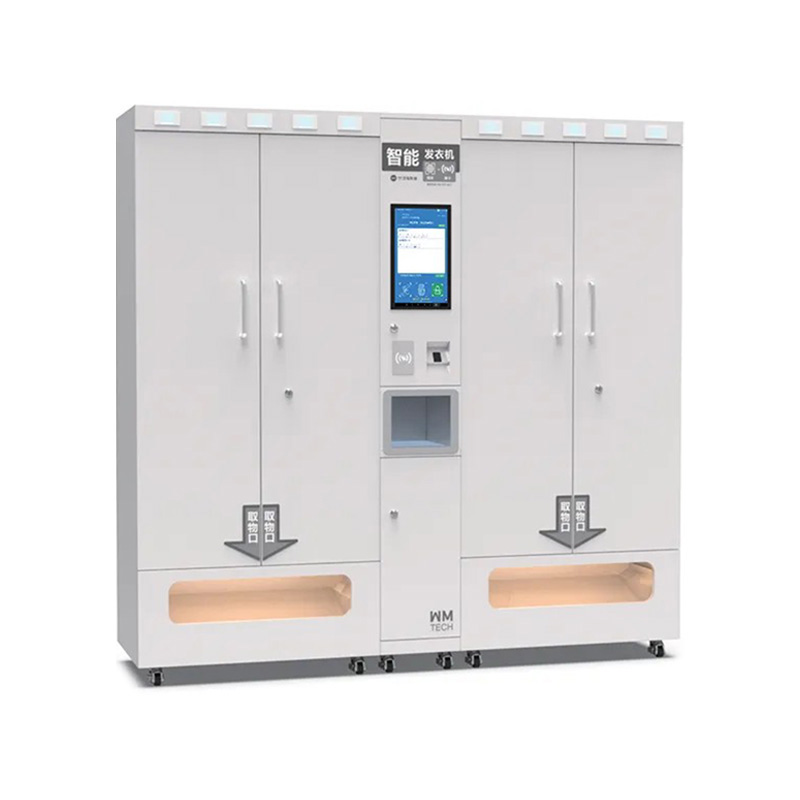
Product Definition:The Turn-over Intelligent Clothes and Shoes Machine is an integrated solution combining automated dispensing, smart collection, and data management, specifically designed for the ci...
See DetailsHow an Intelligent Medical Cart Improves ICU Nursing Efficiency, Safety, and Mobility
Content
- 1 1. The Changing Role of the Medical Cart in Modern Healthcare
- 2 2. Main Product Configuration and Functional Advantages
- 3 3. Advantages Over Basic and Conventional Medical Carts
- 4 4. ICU Nursing Applications
- 5 5. Infection Control and Easy-Clean Design Considerations
- 6 6. Manufacturing Strength and Engineering Foundation
- 7 7. Quality, Maintenance, and Lifecycle Management
- 8 8. Implementation in Different Hospital Departments
- 9 9. Practical Selection Criteria for Hospitals and Distributors
- 10 10. Future Development of Intelligent Medical Carts
- 11 11. Frequently Asked Questions
- 11.1 What is the primary purpose of the WMYC-J2-24 Medical Cart?
- 11.2 How does the product differ from a basic medical trolley?
- 11.3 How long can the battery operate?
- 11.4 Is the height of the work surface adjustable?
- 11.5 What accessories can be added?
- 11.6 Can the cart be used in an ICU?
- 11.7 Can the product be customized?
- 11.8 How should the cart be cleaned?
- 11.9 Does the cart replace a dedicated emergency crash cart?
- 11.10 What manufacturing experience supports this product?
- 11.11 What should hospitals evaluate before purchasing?
- 12 12. Conclusion
- 13 References
- 14 Product: WMYC-J2-24 Medical Carts
Modern hospitals are under constant pressure to improve clinical efficiency while maintaining high standards of safety, cleanliness, data accuracy, and patient-centered care. Intensive care units, emergency departments, operating rooms, and general wards all require medical staff to move quickly, access information accurately, and coordinate equipment at the point of care. In these environments, the medical cart is no longer simply a trolley for transporting supplies. It has evolved into a mobile clinical workstation that supports information access, documentation, equipment organization, and bedside workflow management.
The WMYC-J2-24 Medical Cart is designed for this changing healthcare environment. It combines a 24-inch LED display, intelligent order-entry support, an ergonomic height-adjustable work surface, a long-runtime lithium iron phosphate battery, organized equipment storage, and smooth mobility. This combination allows medical professionals to complete more tasks close to the patient instead of repeatedly returning to a fixed nursing station.
Unlike basic transport carts, the WMYC-J2-24 is designed around the concept of mobile clinical work. It provides a practical platform for displaying patient information, reviewing orders, entering records, supporting ward rounds, organizing medical accessories, and transporting essential equipment. Its modular configuration also allows hospitals to select optional components such as laptop supports, drawers, medical record frames, and sanitizer holders according to specific clinical requirements.
The value of this approach is particularly apparent in intensive care nursing. ICU staff must operate in a high-pressure environment where patient conditions may change rapidly and accurate information exchange is critical. A well-designed medical cart can help reduce unnecessary movement, improve access to clinical data, keep frequently used tools organized, and support more consistent bedside processes.
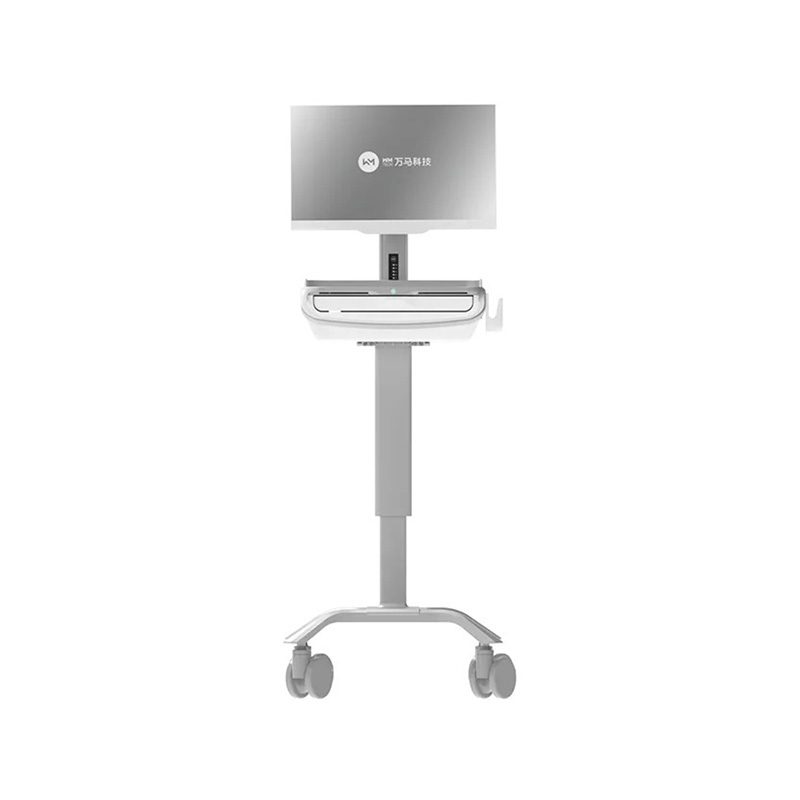
WMYC-J2-24 Medical Carts
1. The Changing Role of the Medical Cart in Modern Healthcare
Traditional medical carts were primarily intended to carry medicines, instruments, files, or other supplies from one location to another. Their usefulness depended mainly on load capacity, wheel quality, and storage volume. Although these functions remain important, they do not fully address the requirements of modern clinical work.
Healthcare delivery is becoming increasingly digital. Patient information, medical orders, medication records, nursing plans, vital-sign data, and treatment documentation are commonly managed through electronic systems. As a result, clinical staff need access to digital information at or near the patient’s bedside. When information is available only at a fixed workstation, staff may need to walk back and forth between the patient area and the nursing station. This can create delays, interrupt observation, and increase the possibility of transcription or communication errors.
A mobile workstation brings information and work tools closer to the patient. The cart can serve as a central platform for clinical interaction by supporting an integrated screen, keyboard, computing equipment, documentation tools, and selected medical accessories. This creates a more continuous workflow in which observation, information review, order entry, and record updates can occur within the same working area.
The WMYC-J2-24 reflects this transition from transportation equipment to a mobile nursing workstation. Its design is based on the idea that mobility, information access, ergonomic operation, and equipment organization should work together rather than exist as separate functions.
From Transportation to Point-of-Care Support
In a conventional cart, supplies may be available but information is not. In a fixed computer workstation, information may be available but supplies and equipment are not. A mobile workstation seeks to combine these functions in one coordinated unit. This can be especially useful during ward rounds, bedside documentation, medication-related activities, nursing assessments, and clinical handovers.
The 24-inch LED display gives users a larger working area than many compact mobile terminals. A larger screen can make graphical information, patient records, and order-related content easier to review. The display also provides a practical interface for guided operation and electronic documentation, subject to the hospital’s selected software and information-system configuration.
The cart’s intelligent order-entry concept is intended to support more accurate clinical workflows. Instead of relying only on handwritten notes or verbal communication, staff can use an electronic interface to review and enter relevant information. This does not replace professional judgment or hospital procedures, but it can provide an additional layer of consistency and traceability.
2. Main Product Configuration and Functional Advantages
The WMYC-J2-24 combines several features that directly address the challenges of mobile clinical work. These features are most valuable when considered as an integrated system rather than as isolated specifications.
| Product Element | Primary Function | Clinical Workflow Value |
|---|---|---|
| 24-inch LED screen | Displays patient information, orders, and digital work interfaces | Supports clearer bedside information access and electronic documentation |
| Intelligent order-entry support | Provides a structured method for entering and reviewing orders | Helps reduce avoidable communication and transcription problems |
| Sliding keyboard tray | Provides a practical typing surface when required | Improves convenience and keeps the work area organized |
| Linear actuator lift table | Allows adjustment of the work surface height | Supports more ergonomic use by different staff members |
| Lithium iron phosphate battery | Provides mobile power with an approximately eight-hour runtime | Reduces dependence on fixed power outlets during routine operations |
| Aluminum alloy handle | Provides a lightweight and durable steering point | Supports controlled movement through wards and corridors |
| Four casters with two locking casters | Enables mobility and stable positioning | Allows the cart to move easily and remain steady when parked |
| Optional accessories | Adds storage, mounting, sanitation, or document-management functions | Allows configuration for different departments and workflows |
Large, Practical Information Display
The 24-inch LED screen is one of the most visible advantages of the product. A larger screen can accommodate more information than a small mobile display and may reduce the need to switch repeatedly between screens. During ward rounds, users can review relevant information while remaining near the patient. When the cart is configured with a compatible hospital information system, the display can support access to electronic medical records, nursing plans, order information, and other authorized data.
Screen size also affects collaboration. A physician and nurse may be able to review the same information together without crowding around a small device. This can help support more direct communication during rounds and handovers. The screen should always be positioned and operated in accordance with hospital privacy rules, because larger visibility also requires responsible control of patient information.
Structured Order Entry and Documentation
Clinical accuracy depends not only on medical knowledge but also on the reliability of communication and documentation. Structured electronic order entry can help standardize how information is reviewed and entered. It may also provide a clearer record of actions, depending on the software environment and system integration used by the hospital.
The product’s guide-style interface concept is intended to make operation more intuitive. A guided interface can reduce the learning burden for users who must perform routine tasks under time pressure. It can also support a more consistent operating process across different shifts, although hospitals should still provide appropriate training, permissions, and cybersecurity controls.
Mobile documentation is especially useful when clinical observations need to be recorded soon after they occur. By entering information at the bedside, staff may reduce dependence on memory, handwritten notes, and later data transcription. The cart therefore supports a more immediate connection between observation and record creation.
Ergonomic Height Adjustment
Medical teams include professionals of different heights and working preferences. A fixed-height surface may be acceptable for one user but uncomfortable for another. Repeated use of a poorly positioned work surface can cause unnecessary bending, reaching, or awkward wrist positions.
The WMYC-J2-24 uses a linear actuator lift table to support height adjustment. This feature allows the working surface to be positioned more appropriately for standing operation and different user requirements. Ergonomic adjustability is not merely a comfort feature. It can contribute to more sustainable working habits, particularly in departments where staff use the cart for extended periods or move between multiple patient areas.
The sliding keyboard tray adds another practical element. It can keep the keyboard available when required and out of the way when the surface is being used for other tasks. This helps preserve working space and supports a cleaner, more organized workstation.
Long-Lasting Mobile Power
Power availability is a major consideration for any electronic medical cart. If the battery is insufficient, users may need to park the cart near a wall outlet, interrupting mobility and reducing the value of the workstation. The WMYC-J2-24 uses a lithium iron phosphate battery system designed to provide approximately eight hours of runtime under applicable operating conditions.
Lithium iron phosphate technology is widely valued for its stability, service life, and suitability for repeated charging applications. The integrated smart battery management system helps monitor battery status and supports more controlled power use. Actual runtime can vary according to screen brightness, connected devices, software workload, network equipment, actuator use, battery age, and environmental conditions. Hospitals should establish charging, inspection, and replacement procedures as part of normal equipment management.
A mobile power system can improve workflow continuity during ward rounds and bedside activities. It also provides greater flexibility when room layouts or patient locations make immediate access to a fixed power outlet inconvenient. The battery system should be used within the manufacturer’s operating and charging instructions, with routine maintenance performed by qualified personnel.
Mobility and Stable Positioning
The cart is equipped with four casters, including two locking casters. This arrangement supports both movement and stationary operation. During transportation, the aluminum alloy handle provides a defined steering point. Once the cart reaches the desired position, the locking casters can help prevent unwanted movement.
Mobility is particularly important in ICUs and wards where corridors may be narrow and equipment may need to pass around beds, monitors, infusion pumps, and other carts. A medical cart should be easy to guide without becoming unstable. The balance between frame strength, wheel arrangement, handle position, and load distribution affects the overall user experience.
Hospitals should also consider floor conditions, thresholds, elevators, corridor width, turning radius, and the weight of installed accessories when assessing mobility. Proper loading and regular caster maintenance are essential to preserve smooth movement and safe stopping performance.
3. Advantages Over Basic and Conventional Medical Carts
Hospitals can choose from many categories of medical carts, including simple supply trolleys, medication carts, computer carts, emergency carts, and specialized procedure carts. The WMYC-J2-24 is differentiated by combining information access, ergonomic adjustment, mobile power, and customizable storage in one platform.
Integrated Workstation Design
A basic cart may provide shelves or drawers but no electronic display. A conventional computer cart may hold a monitor but offer limited space for clinical accessories. The WMYC-J2-24 is designed to bridge these two categories. It provides a workstation structure capable of supporting digital information and selected physical equipment at the same time.
This integrated design can reduce the number of separate items that staff need to move. When a screen, keyboard, documentation area, and accessories are distributed across different platforms, staff may spend additional time organizing their work environment. A coordinated cart can make the point-of-care area more orderly and easier to manage.
Better Adaptability Than Fixed-Configuration Products
Different departments have different needs. An ICU may require equipment mounting and easy-clean surfaces. A general ward may prioritize medical records, a sanitizer holder, and a compact laptop configuration. An outpatient clinic may require a different balance between display area and storage.
The optional accessories available for the WMYC-J2-24 allow the product to be adapted rather than forcing every department to use exactly the same configuration. Laptop supports, drawers, medical record frames, sanitizer holders, and other attachments can be selected according to the intended application. This modular approach can help hospitals standardize the core platform while still addressing departmental differences.
More Ergonomic Than Fixed-Height Carts
Fixed-height carts can be less comfortable for users who alternate between standing, sitting, and moving. The linear actuator lift table on the WMYC-J2-24 supports a more flexible working position. Ergonomic adjustment may help users maintain a better posture and can make the cart suitable for a wider range of staff members.
In competitive comparisons, hospitals should evaluate not only whether a cart includes height adjustment but also how the adjustment mechanism performs under regular use. Important considerations include control accessibility, movement smoothness, load capacity, noise, maintenance access, and compatibility with the selected equipment.
Greater Operational Independence
A cart that depends continuously on a wall outlet has limited operational freedom. The WMYC-J2-24’s battery-powered design supports movement between patient rooms and clinical areas. This is particularly useful for ward rounds, mobile nursing documentation, and situations where a cart must remain near a patient for a period of time.
Its approximately eight-hour battery capability is intended to support a substantial working shift under suitable conditions. The smart battery management system also provides a more structured approach to power monitoring than a basic rechargeable arrangement. Hospitals can further improve availability by establishing charging stations, assigning battery inspection responsibilities, and monitoring usage patterns.
Designed for Workflow, Not Only Appearance
Some products are visually modern but do not adequately address the practical realities of hospital operation. A medical cart must be evaluated according to how it performs in corridors, around beds, during cleaning, during shift changes, and under repeated daily use.
The WMYC-J2-24 is based on practical workflow requirements: information access, order entry, equipment storage, controlled mobility, power independence, and ergonomic operation. These functions are directly connected to daily clinical tasks. This workflow-oriented design can provide more useful value than a product that focuses only on appearance or basic transport capacity.
4. ICU Nursing Applications
Intensive care units require careful coordination between observation, documentation, treatment planning, equipment management, and communication. The WMYC-J2-24 can support several common ICU workflows when configured with compatible hardware and software.
Bedside Rounds
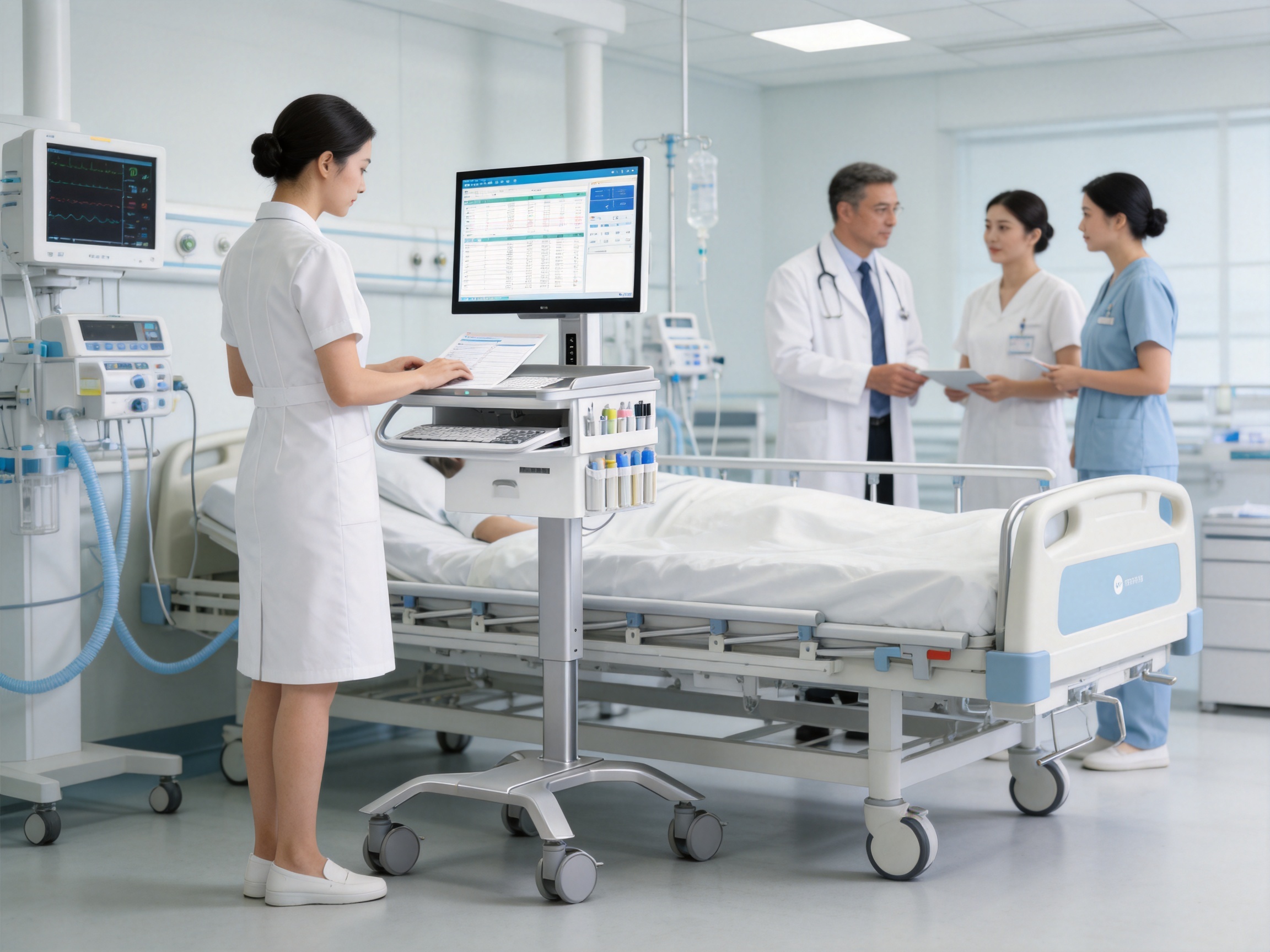
During bedside rounds, physicians and nurses may need to review patient information, discuss care plans, confirm orders, and document decisions. A mobile workstation can remain close to the patient while allowing authorized users to access relevant digital information.
This arrangement helps reduce the distance between clinical discussion and documentation. Information can be reviewed at the location where it is most relevant, while the medical team can maintain better awareness of the patient environment. The cart does not replace clinical communication, but it provides a practical shared platform for that communication.
Mobile Nursing Documentation
Nurses frequently make observations and perform interventions across multiple patient rooms. A mobile cart can follow the nursing workflow rather than forcing staff to return to a central station after every task. Immediate documentation may reduce the risk that details are forgotten or recorded later in an incomplete form.
The large display and keyboard tray support more convenient data entry than a small handheld device for tasks requiring extended text input. The height-adjustable surface allows the cart to be positioned according to the user and the working environment.
Support for Clinical Equipment Organization
ICU areas often contain many devices, cables, documents, and consumables. Disorganized equipment can interfere with movement and increase the time required to locate frequently used items. Optional drawers, mounting modules, and record frames can help create a more deliberate arrangement.
Accessory selection should be based on actual workflow analysis. Hospitals should avoid adding unnecessary components that increase weight, reduce maneuverability, or create cleaning challenges. A modular platform is most effective when each attachment has a defined clinical purpose.
Emergency and High-Frequency Environments
Emergency departments and other high-frequency clinical areas require rapid movement and immediate access to information. The cart’s mobility and battery operation can support flexible positioning. Its stable casters allow it to be parked near the work area when information or equipment is needed for a longer period.
For emergency applications, the cart should be evaluated alongside the department’s specific emergency equipment requirements. It is not automatically a replacement for a dedicated emergency crash cart, medication cart, or resuscitation trolley unless the complete configuration and applicable standards support that use.
5. Infection Control and Easy-Clean Design Considerations
Infection control is a central concern in hospitals. Medical carts move between rooms and may be touched by multiple users. Their surfaces can be exposed to disinfectants, dust, moisture, and routine handling. A cart that is difficult to clean may create unnecessary maintenance work and increase the possibility of residue accumulation.
The WMYC-J2-24 is intended to support an easy-to-clean operating concept. Smooth surfaces, organized components, and reduced unnecessary gaps can make routine wipe-down procedures more manageable. Modular construction may also allow selected components to be removed or accessed for deeper cleaning, subject to the product’s maintenance instructions.
Cleaning performance depends on more than surface appearance. Hospitals should develop a documented cleaning protocol that identifies approved disinfectants, contact times, compatible materials, frequency of cleaning, and responsibilities. Disinfectants should not be used outside the manufacturer’s recommended compatibility range, because unsuitable chemicals may damage coatings, plastics, electrical components, or seals.
Accessory configuration also affects infection control. A cart with excessive exposed attachments, difficult cable arrangements, or unnecessary storage containers may be harder to disinfect. The modular nature of the product allows hospitals to avoid installing components that are not needed in a particular department.
Cleaning should be combined with inspection. Staff should check casters, handles, keyboard trays, battery compartments, cables, fasteners, and mounting interfaces for damage or contamination. Any damaged component should be addressed according to hospital equipment-management procedures.
6. Manufacturing Strength and Engineering Foundation
The reliability of a medical cart depends heavily on the capabilities of its manufacturer. Product design, material selection, fabrication, assembly, electrical integration, inspection, and after-sales support must work together. A supplier with experience in high-precision structural products and system integration may be better positioned to manage these requirements than a company focused only on basic furniture or simple trolleys.
Wanma Technology Co., Ltd. was established in 1997 and has long specialized in communication cabinets, communication electronic equipment, and passive optical components. These product categories require attention to structural accuracy, equipment protection, cable organization, dimensional consistency, and long-term operational reliability. Such experience provides a relevant engineering foundation for the development of mobile medical workstations.
Experience in Structural Engineering
Communication cabinets and equipment enclosures must support installed components while maintaining stability, access, protection, and organized internal layouts. Similar engineering principles apply to medical carts. The frame must provide reliable support for the display, lift mechanism, battery, accessories, and working surface. It must also remain maneuverable in a clinical environment.
Manufacturing experience with structural products can support better control of material thickness, joining methods, mounting points, surface treatment, and dimensional tolerances. These factors influence the cart’s strength, serviceability, and compatibility with optional accessories.
System Integration Capability
The WMYC-J2-24 is not simply a frame with wheels. It integrates a display, battery, power management, actuator, keyboard tray, casters, handle, and optional accessories. System integration requires these components to work together without creating excessive weight, cable clutter, instability, or maintenance difficulty.
A manufacturer with experience in communication electronics and equipment integration can apply a systems approach to these challenges. The result should be a product in which mechanical, electrical, and functional elements are planned together. This is particularly important when the cart is customized for a hospital’s preferred terminal, computer, network device, or accessory configuration.
Manufacturing Process Considerations
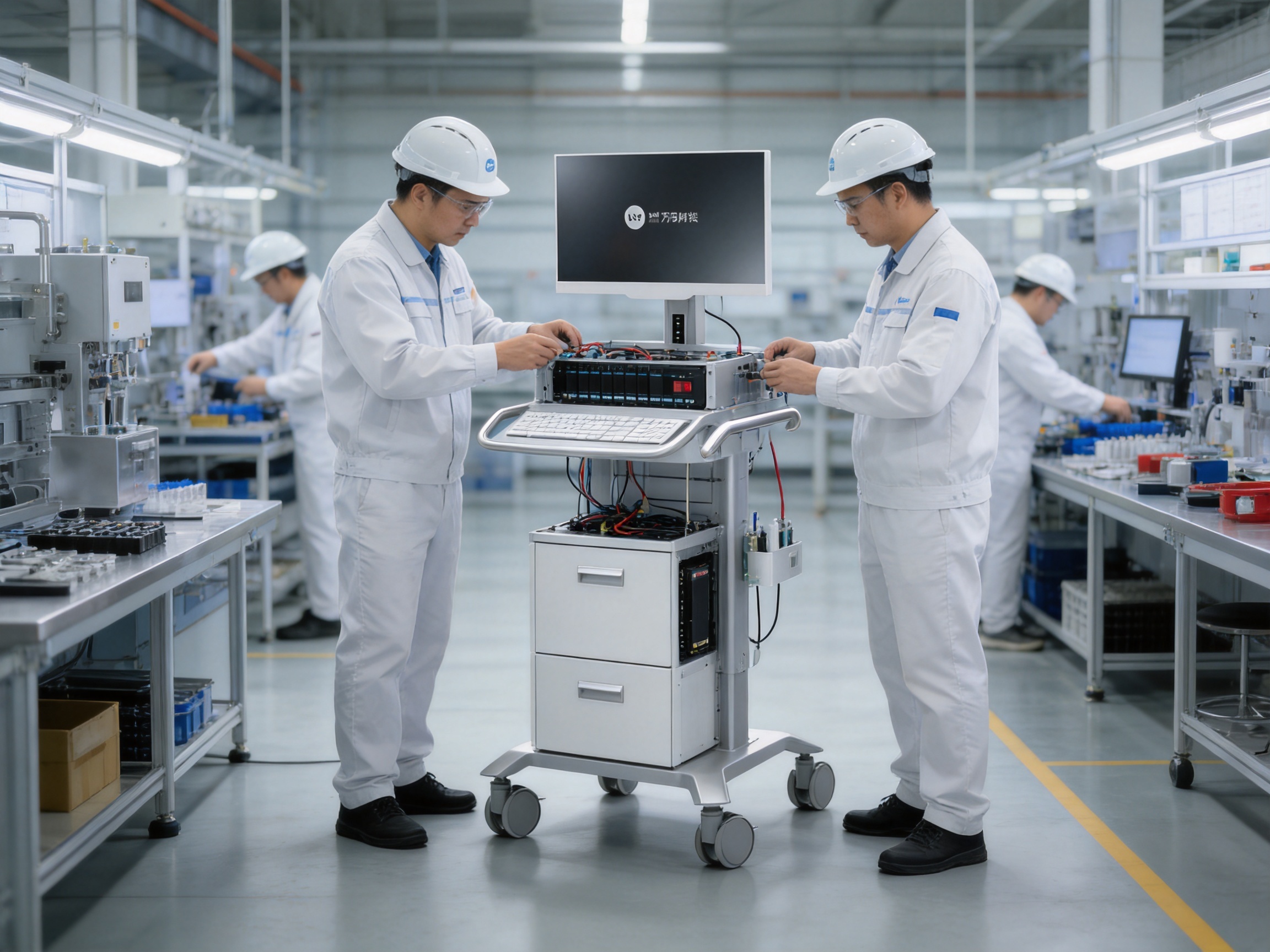
Although exact production parameters may vary by configuration, advanced medical cart manufacturing generally involves several controlled stages. These include design review, material preparation, precision fabrication, surface treatment, mechanical assembly, electrical installation, functional testing, and final inspection.
During design review, the manufacturer evaluates the intended load, center of gravity, component interfaces, mobility, maintenance access, and accessory compatibility. This stage is important because design decisions made early can influence safety and serviceability throughout the product’s life.
Precision fabrication helps ensure that panels, brackets, mounting interfaces, and structural members fit consistently. Controlled surface treatment can improve appearance, corrosion resistance, and cleanability. Assembly procedures should provide repeatable installation of the battery, actuator, display support, casters, and other parts.
Electrical installation requires careful routing and protection of cables. Power connections, battery management, charging functions, screen operation, actuator controls, and optional equipment should be checked as a complete system. Functional testing should verify that the cart operates as intended before shipment.
Final inspection may include checks of appearance, mechanical stability, caster operation, locking performance, height adjustment, battery status, display function, accessory installation, and packaging. Traceable inspection records can support quality management and after-sales service.
Cross-Industry Reliability Experience
Wanma Technology’s products are used in Ethernet networks, optical communication systems, central equipment rooms, high-speed railway applications, and urban rail transit systems. These fields place strong demands on equipment organization, structural reliability, environmental adaptability, and delivery consistency.
Experience in high-reliability communication and transportation applications can contribute to a disciplined approach to medical product development. While each industry has its own standards and operating conditions, the underlying manufacturing principles of stable design, controlled production, system integration, and dependable service are widely transferable.
Customization and OEM/ODM Support
Hospitals and distributors may require different screen layouts, mounting systems, battery arrangements, accessory combinations, or software terminal configurations. A manufacturer that provides OEM and ODM services can adapt the platform to these requirements rather than offering only a fixed catalog model.
Customization may involve structural layout, power modules, equipment mounting points, storage arrangements, surface finishes, branding, packaging, or user-interface integration. Each modification should be assessed for its effect on stability, cleanability, weight, power consumption, maintenance, and usability.
Customization is most effective when it begins with a clear understanding of the clinical process. The manufacturer and customer should define who will use the cart, where it will operate, what equipment it will carry, how it will be cleaned, how it will be charged, and how it will be maintained. This prevents unnecessary modifications and helps ensure that the final product supports actual clinical needs.
7. Quality, Maintenance, and Lifecycle Management
A medical cart is a long-term operational asset. Its value depends not only on initial purchase price but also on durability, maintenance requirements, battery replacement, accessory availability, cleaning compatibility, and technical support.
Routine Inspection
Routine inspection should include the casters, locks, handle, table surface, keyboard tray, display mount, battery condition, charging connection, actuator movement, and installed accessories. Staff should report unusual noise, unstable movement, loose fittings, visible damage, or reduced battery runtime.
Casters are particularly important because they affect both mobility and stability. Hair, dust, packaging materials, and other debris can interfere with wheel movement. Cleaning and inspection schedules should be adapted to the department’s operating conditions.
Battery Management
The battery should be charged according to the manufacturer’s instructions. Users should avoid unauthorized chargers, damaged cables, or unapproved modifications. Battery performance should be monitored over time because runtime can gradually decline with use and age.
Hospitals may benefit from a battery-management policy that identifies charging locations, responsible personnel, inspection intervals, replacement criteria, and procedures for handling abnormal battery behavior. A smart battery management system can support monitoring, but it does not eliminate the need for human oversight.
Accessory Management
Optional accessories should be securely installed and inspected regularly. Changes to the accessory configuration may alter the cart’s center of gravity, total weight, power requirement, or cleaning process. Any modification should be reviewed for compatibility before being introduced into clinical service.
Training and User Adoption
Even a well-designed medical cart may not improve workflow if users are not familiar with its functions. Training should cover movement, caster locking, height adjustment, battery charging, screen privacy, accessory use, cleaning, and reporting of faults.
Hospitals should also define how the cart is assigned and shared. Clear procedures can help prevent missing accessories, incomplete charging, or inconsistent cleaning between shifts. User feedback should be collected after deployment so that configuration and training can be improved.
8. Implementation in Different Hospital Departments
The WMYC-J2-24 can be configured for multiple clinical environments, but each department should establish its own implementation plan.
Intensive Care Units
In an ICU, the cart can support bedside rounds, nursing documentation, clinical information review, and organized storage of selected accessories. The configuration should prioritize maneuverability, clear access around the patient bed, easy cleaning, and compatibility with other life-support equipment.
General Wards
In general wards, the cart can support routine rounds, nursing records, patient education, and mobile work between rooms. A medical record frame, sanitizer holder, and compact storage configuration may be useful depending on the hospital’s workflow.
Operating Rooms
Operating rooms require careful control of equipment placement, cleaning, access, and movement. The cart may support information display and documentation outside or near the operating area, subject to local infection-control procedures and room-specific requirements.
Outpatient Clinics
In outpatient clinics, the cart can provide a mobile information and documentation platform. Its display and adjustable work surface may be useful when staff move between consultation rooms or treatment areas. The configuration may place greater emphasis on compact storage and efficient movement.
Emergency Departments
Emergency departments may use the cart for mobile registration support, clinical information access, documentation, and equipment organization. Because emergency environments are highly variable, the selected accessories and battery-management practices should be carefully matched to the department’s operational priorities.
9. Practical Selection Criteria for Hospitals and Distributors
Organizations evaluating medical carts should assess the complete product rather than focusing on a single specification. The following questions can support a more objective comparison.
First, does the cart support the actual information workflow used by the hospital? A large display is valuable only when it can work effectively with the selected computer, terminal, network, and software environment.
Second, is the cart comfortable for the intended users? The height-adjustment range, keyboard position, handle location, display angle, and available working space should be tested by different staff members.
Third, can the cart move safely in the intended environment? Hospitals should test it in corridors, elevators, patient rooms, and around existing medical devices. Caster quality, locking performance, turning behavior, and stability should be evaluated.
Fourth, is the battery capacity suitable for the planned work pattern? Runtime should be assessed under realistic conditions, including screen use, actuator operation, connected equipment, and network activity.
Fifth, can the cart be cleaned and maintained efficiently? The selected configuration should not create unnecessary gaps, exposed cable areas, or difficult-to-access surfaces.
Sixth, can the supplier support customization and future service? Hospitals should consider spare parts, accessory availability, technical documentation, warranty arrangements, delivery capability, and response time.
Finally, does the total lifecycle value justify the purchase? A product with a higher initial cost may provide better value if it reduces workflow interruptions, supports more departments, lasts longer, or can be reconfigured as requirements change.
10. Future Development of Intelligent Medical Carts
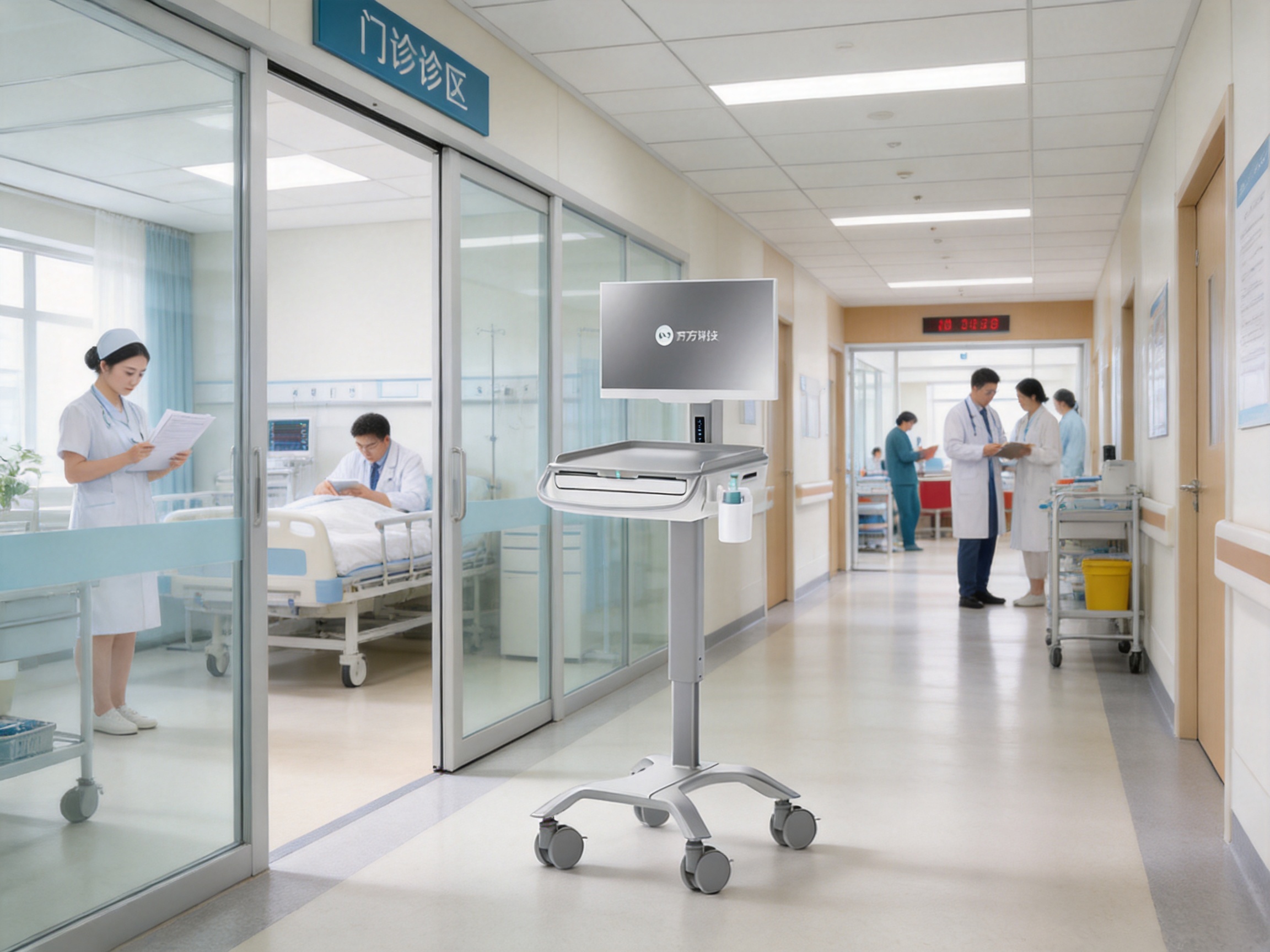
Smart hospitals are increasingly connecting clinical devices, information systems, mobile terminals, and analytics platforms. In this environment, the medical cart can become more than a workstation. It can function as a mobile clinical node that connects staff, patients, equipment, and authorized hospital data.
Future development may include deeper integration with Hospital Information Systems, nursing management platforms, electronic medical records, medication systems, vital-sign monitors, and telemedicine applications. The extent of integration will depend on software compatibility, cybersecurity policy, hospital infrastructure, and applicable regulatory requirements.
Artificial intelligence and decision-support tools may also influence future cart applications. However, any such function must be carefully governed. A medical cart should support clinical professionals rather than obscure responsibility or replace professional judgment. Data accuracy, user permissions, privacy, auditability, and system availability will remain essential.
Hardware development may focus on lighter structures, improved battery technology, quieter actuators, better cable management, more adaptable mounting systems, and easier maintenance. Manufacturers will also need to consider sustainability, including energy consumption, component replacement, recyclable materials, and product refurbishment.
The WMYC-J2-24 provides a foundation for this direction because it already combines mobility, display capability, electronic workflow support, power management, and modular accessories. Its future usefulness can be expanded through responsible software integration and configuration development.
11. Frequently Asked Questions
What is the primary purpose of the WMYC-J2-24 Medical Cart?
The WMYC-J2-24 is a mobile medical workstation designed to support information display, order entry, clinical documentation, equipment organization, and bedside workflow. It is intended for environments such as ICUs, hospital wards, emergency departments, operating rooms, outpatient clinics, and other mobile care settings.
How does the product differ from a basic medical trolley?
A basic trolley generally focuses on transporting supplies. The WMYC-J2-24 adds a 24-inch LED display, electronic workflow support, a sliding keyboard tray, a height-adjustable work surface, mobile battery power, and configurable accessories. This allows it to function as an integrated workstation rather than only a transport platform.
How long can the battery operate?
The lithium iron phosphate battery is designed to provide approximately eight hours of runtime under applicable operating conditions. Actual performance depends on screen use, connected equipment, actuator operation, software workload, battery age, and environmental factors.
Is the height of the work surface adjustable?
Yes. The cart uses a linear actuator lift table to support height adjustment. This allows users to position the work surface more comfortably for different operating situations and staff heights.
What accessories can be added?
Optional accessories may include a laptop support, drawers, a medical record frame, a sanitizer holder, equipment mounting components, and other attachments. The final configuration should be selected according to the department’s workflow, cleaning requirements, equipment weight, and mobility needs.
Can the cart be used in an ICU?
Yes. It is suitable for ICU ward rounds, mobile nursing documentation, clinical information review, and organized bedside work. Hospitals should configure the cart according to ICU space, infection-control procedures, equipment requirements, and information-system policies.
Can the product be customized?
Yes. Customization may include structural layout, power-system configuration, equipment mounting modules, accessory selection, terminal arrangement, and information-interaction requirements. Each modification should be reviewed for stability, cleanability, power consumption, and maintenance.
How should the cart be cleaned?
The cart should be cleaned according to the hospital’s infection-control protocol and the manufacturer’s material-compatibility instructions. Approved disinfectants, suitable contact times, and attention to casters, handles, work surfaces, keyboard areas, and accessories are important. Unauthorized chemicals or excessive moisture should be avoided.
Does the cart replace a dedicated emergency crash cart?
Not automatically. The WMYC-J2-24 is a mobile workstation and can support emergency-department workflows, but a dedicated crash cart has specific equipment, layout, and regulatory requirements. Hospitals should determine whether a particular configuration meets their emergency equipment standards before assigning it that role.
What manufacturing experience supports this product?
The manufacturer has experience in communication cabinets, communication electronic equipment, passive optical components, Ethernet networks, optical communication systems, high-speed railway applications, and urban rail transit systems. This background contributes to structural engineering, system integration, customized manufacturing, and reliability-focused production.
What should hospitals evaluate before purchasing?
Hospitals should evaluate display and software compatibility, battery runtime, height-adjustment performance, caster mobility, stability, cleaning convenience, accessory requirements, maintenance support, customization capability, delivery reliability, and total lifecycle value.
12. Conclusion
The WMYC-J2-24 Medical Cart addresses a fundamental challenge in modern healthcare: how to bring information, equipment, power, and organized work closer to the patient. Its 24-inch display supports a larger digital workspace, while intelligent order-entry functions and mobile documentation can help connect clinical observation with information management.
The cart’s ergonomic lift table, sliding keyboard tray, aluminum alloy handle, four-caster mobility system, and two locking casters contribute to practical daily operation. Its lithium iron phosphate battery and smart battery management system support mobile use without constant dependence on wall outlets. Optional accessories allow the same platform to be adapted for ICU nursing, general wards, emergency departments, outpatient clinics, and other care environments.
Its competitive advantage comes from integration. Rather than functioning only as a trolley, computer stand, or storage unit, it combines these roles in a configurable mobile workstation. This integrated approach can help reduce unnecessary movement, support bedside information access, improve organization, and create a more consistent clinical workflow.
The manufacturer’s long-term experience in communication equipment, structural products, passive optical components, and high-reliability infrastructure provides an important engineering foundation. Expertise in precision structures, equipment integration, customized production, and reliability-oriented manufacturing can support the development of medical carts that are practical, adaptable, and suitable for demanding institutional environments.
As hospitals continue to develop digital and mobile care systems, medical carts will increasingly serve as connected clinical platforms. The WMYC-J2-24 is positioned for this transition by combining mobile hardware with information-support functions and modular configuration. When implemented with proper training, maintenance, cleaning procedures, software compatibility, and hospital governance, it can become a valuable part of a safer, more efficient, and more flexible healthcare workflow.
References
1. World Health Organization. Global Strategy on Digital Health and the Development of Digital Healthcare Systems.
2. International Organization for Standardization. Quality Management Principles for Medical Device and Healthcare-Related Manufacturing.
3. International Electrotechnical Commission. General Principles for the Basic Safety and Essential Performance of Medical Electrical Equipment.
4. U.S. Food and Drug Administration. Guidance on Medical Device Cleaning, Disinfection, and Reprocessing Considerations.
5. Association for the Advancement of Medical Instrumentation. Guidance on Healthcare Technology Management and Medical Equipment Safety.
6. International Organization for Standardization. Ergonomics Principles for Human-System Interaction and Workstation Design.
7. International Organization for Standardization. Battery Safety and Performance Considerations for Rechargeable Lithium Battery Systems.
8. Wanma Technology Co., Ltd. Product Information for the WMYC-J2-24 Medical Cart.
9. Wanma Technology Co., Ltd. Corporate Information on Communication Cabinets, Communication Electronics, Passive Optical Components, and Customized Manufacturing.
Product: WMYC-J2-24 Medical Carts
PREV:Prefabricated Piping for Reliable Liquid-Cooling Infrastructure
NEXT:Precision Fiber Interconnection Solutions for Modern Optical Networks
NEXT:Precision Fiber Interconnection Solutions for Modern Optical Networks
Interested in cooperation or have questions?
Related products
-
-
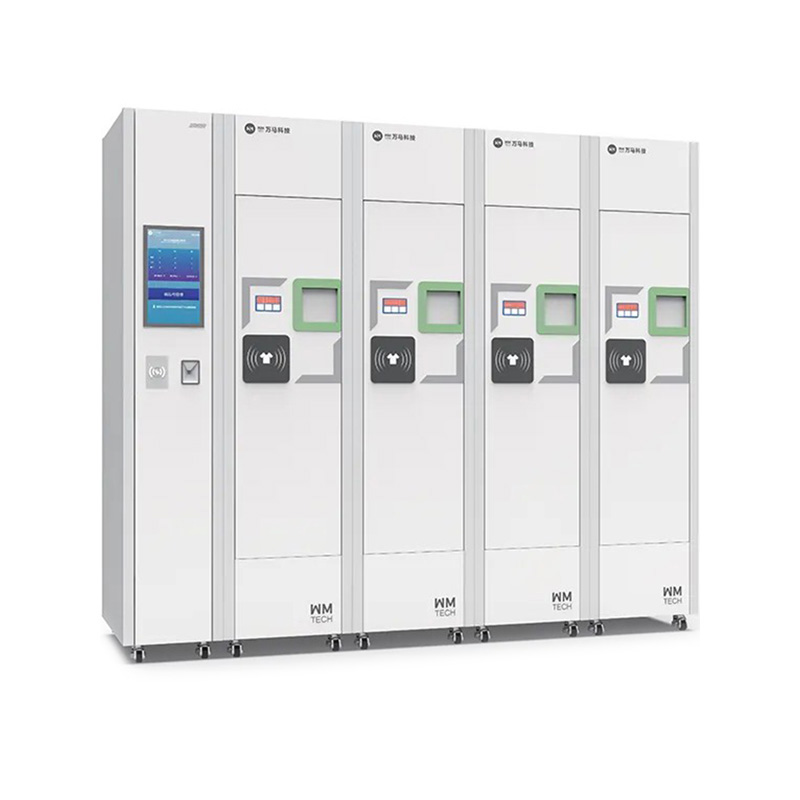
Product Definition:The Chain Intelligent Clothes and Shoes Sending Machine is an advanced management system for hospital operating rooms and clean zones, integrating automatic storage, identity verifi...
See Details -
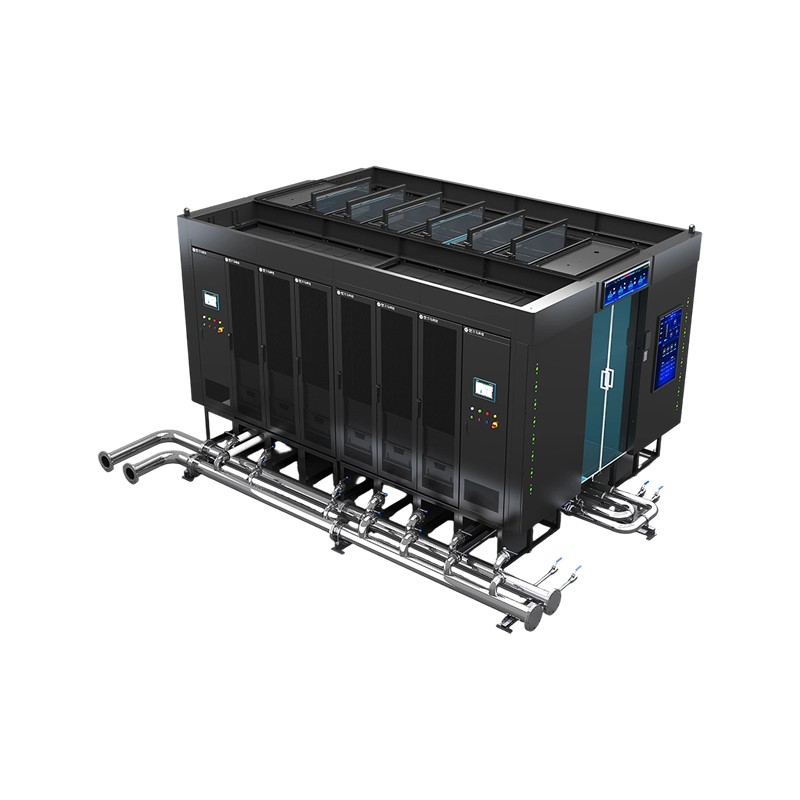
Product OverviewWM-HCM Air-Liquid Hybrid Micro-Module is an integrated data center solution designed for ultra-high-density computing applications. It adopts a dual-row, back-to-back layout and integr...
See Details -
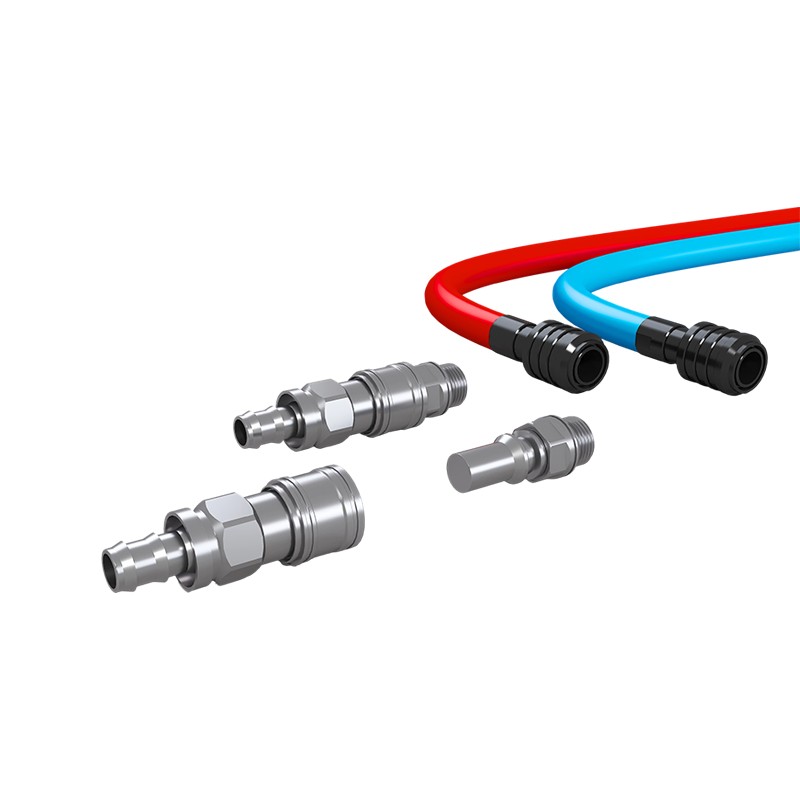
Product OverviewWM-UQD Liquid Cooling Quick Disconnect Coupling is a fluid connection component specifically designed for online maintenance of liquid cooling systems. Both the plug and socket are equ...
See Details
Ready to Get started ? Contact Us Now !

Product.
Contact Details.
-
 +86 13958188250
-
 +86 13958188250
-
 [email protected]
-
 AUDIT Email:[email protected]
- Wanma Industrial Park Taihu Yuan Town Lin'an District Hangzhou City China.
QR Code

Copyright © Wanma Technology Co., Ltd. All Rights Reserved.
Privacy
Custom Ethernet Optical Network Railway Transit Equipments Suppliers
