

 English
 Français
 Español
 Português
 عربى





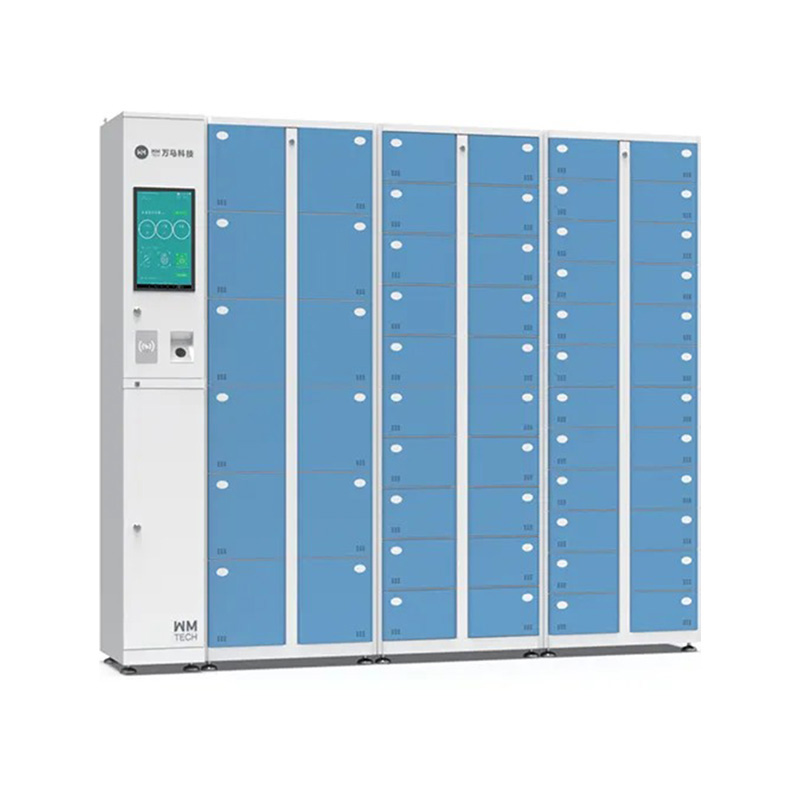

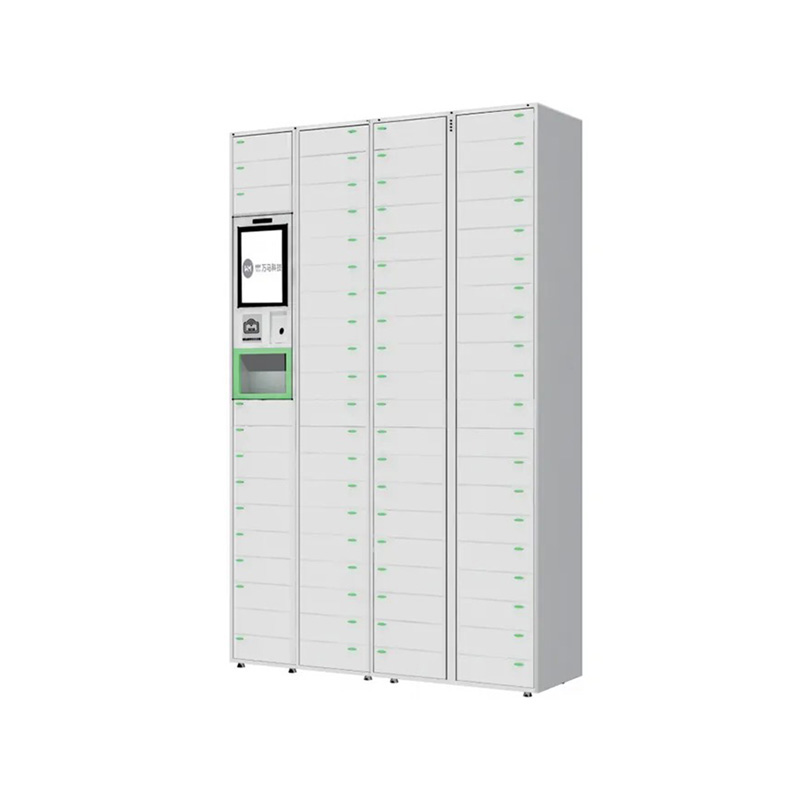
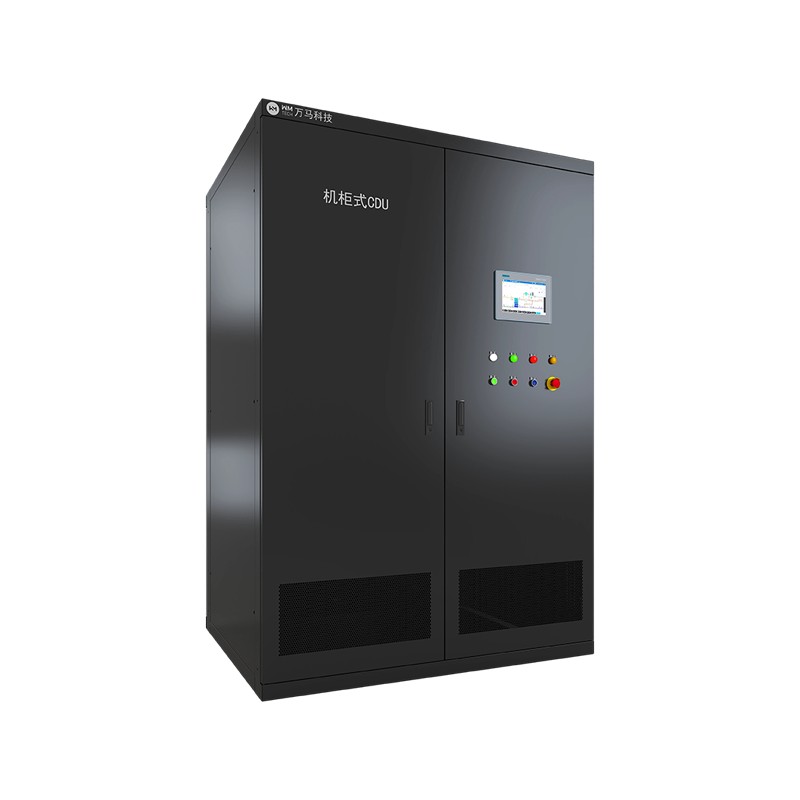

Product DefinitionThe Wanma Intelligent Access Control System is an integrated security management terminal combining high-definition display, biometric recognition, and smart monitoring functions. Fe...
See DetailsIntelligent Access Control Systems for Secure Medical Consumable Management
Content
- 1 1. The Role of Intelligent Access Control in Medical Environments
- 2 2. Product Architecture and Core Functions
- 3 3. Environmental and Inventory Visibility
- 4 4. Alarm Functions and Abnormal-Event Response
- 5 5. Energy-Saving Automation and Remote Management
- 6 6. Advantages Compared with Conventional and Fragmented Solutions
- 7 7. Manufacturing and Engineering Strengths
- 8 8. Integration with Hospital and Enterprise Platforms
- 9 9. Application Scenarios
- 10 10. Deployment Considerations
- 11 11. Operational Benefits for Different Stakeholders
- 12 12. Why Manufacturer Capability Matters
- 13 13. Future Development Potential
- 14 14. Frequently Asked Questions
- 14.1 Q1: What is the primary purpose of the Intelligent Access Control System?
- 14.2 Q2: Which authentication methods does the system support?
- 14.3 Q3: Can different employees receive different access permissions?
- 14.4 Q4: Does the system monitor temperature and humidity?
- 14.5 Q5: Can the system display inventory information?
- 14.6 Q6: What is the purpose of the 55-inch display?
- 14.7 Q7: Can the screen save energy?
- 14.8 Q8: Can administrators manage the system remotely?
- 14.9 Q9: Can additional security devices be added later?
- 14.10 Q10: Is the system suitable for data centers and research institutions?
- 14.11 Q11: What should be considered before installation?
- 14.12 Q12: Why is the manufacturer’s communication-equipment experience relevant?
- 15 15. Conclusion
- 16 References
- 17 Product: Access Control System
Hospitals, laboratories, pharmacies, and medical supply warehouses require more than a conventional door lock. These environments must control who can enter, verify whether each person is authorized, protect sensitive supplies, and maintain a clear record of every access event. At the same time, managers need to understand what is happening inside the controlled area. Inventory conditions, temperature, humidity, equipment operation, and abnormal events may all influence the safety and availability of medical consumables.
The Intelligent Access Control System is designed to address these requirements through an integrated security and management terminal. It combines a high-definition visual interface, facial recognition, fingerprint authentication, card access, environmental monitoring, alarm functions, and network-based management within one coordinated solution. Instead of treating access control as an isolated door-management task, the system connects personnel authentication with the operational conditions of the protected space.
This integrated approach is particularly valuable in hospitals and laboratories, where access decisions can affect patient safety, regulatory compliance, stock integrity, and the continuity of clinical services. A system that simply opens or closes a door may not provide enough information for modern medical operations. By contrast, an intelligent access control platform can help organizations manage people, materials, records, and environmental conditions through a unified interface.
Wanma Technology Co., Ltd. develops the system for high-security areas that require visual management, controlled access, and adaptable integration. With experience in communication cabinets, communication electronic equipment, passive optical components, Ethernet networks, optical communication networks, central equipment rooms, high-speed railway systems, and urban rail transit applications, the company brings an infrastructure-oriented engineering perspective to intelligent management products.
1. The Role of Intelligent Access Control in Medical Environments
Medical consumables are not ordinary inventory. Some products must be stored under controlled temperature and humidity conditions. Others must be protected from unauthorized handling, contamination, loss, or inaccurate stock movement. In operating rooms, pharmacies, laboratories, and medical warehouses, a delayed or incorrect access decision can disrupt work and create unnecessary operational risk.
Traditional access control systems generally focus on identity verification. A user presents a card, enters a password, or uses a key, and the door responds according to a predefined rule. Although this approach can be useful, it often leaves several management questions unanswered. Was the user authorized for that specific room? Was the access attempt made during an approved period? Did the door remain open too long? Were inventory conditions normal at the time? Did an abnormal event occur immediately after access?
An intelligent access control system extends the role of the access terminal. It can associate a person with a permission level, connect access activity with monitoring data, and provide visual information to managers. The result is a more complete operational picture. Access control becomes part of a broader management system rather than an independent security device.
For medical organizations, this transformation supports several objectives. It can reduce unauthorized entry, improve accountability, strengthen auditability, support environmental awareness, and help managers respond more quickly to abnormal conditions. It can also reduce the number of separate devices and interfaces that staff must operate.
1.1 Controlled Access to Sensitive Areas
Different hospital departments have different security requirements. An operating room may require strict control over personnel movement. A pharmacy storeroom may restrict access to trained employees. A laboratory may need separate permissions for researchers, technicians, visitors, and maintenance personnel. A medical supply warehouse may require access rules based on job function, shift, or inventory responsibility.
The system supports tiered permissions through multiple authentication methods. Facial recognition, fingerprint scanning, and card verification can be used individually or in combination according to the security level of the application. This allows an organization to select a convenient authentication mode for routine operations while maintaining stronger verification for sensitive areas.
Permission management can also be adjusted as organizational roles change. New employees may receive limited access during training. Contractors may be assigned temporary permissions. Department managers may receive broader access than general staff. When a person transfers departments or leaves the organization, permissions can be modified or withdrawn without replacing physical locks throughout the facility.
1.2 Traceability and Accountability
Access control is most effective when every event can be reviewed. A digital record can help managers understand when a user entered, which authentication method was used, and whether the event was normal or abnormal. These records support internal audits, incident reviews, inventory investigations, and operational analysis.
Traceability is particularly important where medical consumables are expensive, regulated, temperature-sensitive, or subject to strict usage procedures. A well-managed access record does not replace inventory controls, but it can provide an important layer of supporting evidence. It helps connect physical access with the timing of stock handling and equipment operation.
The system’s networked management capability enables centralized review of permissions and logs. Rather than requiring an administrator to inspect each local terminal separately, authorized managers can configure and review information through a connected management structure. This is beneficial for hospitals with multiple departments, buildings, or storage locations.
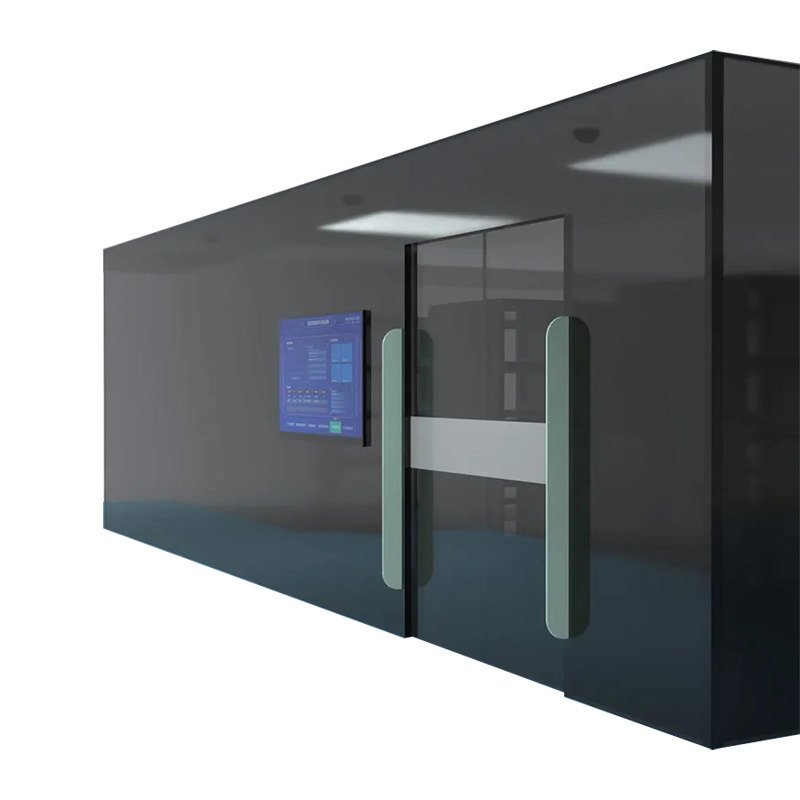
Access Control System
2. Product Architecture and Core Functions
The Intelligent Access Control System is built as an integrated terminal. Its architecture combines a 55-inch high-definition display with biometric authentication, card access, monitoring functions, alarm notifications, and communication capabilities. The integrated format helps reduce fragmentation between the entrance, the control interface, and the information display.
The large display is more than a decorative screen. It provides a visual management point for access status, inventory information, temperature and humidity readings, equipment conditions, and alert messages. A clear interface can help staff understand the current state of the protected area before and after an access event.
2.1 High-Definition Visual Interface
A 55-inch high-definition display provides a broad information area for administrators and authorized users. It can show multiple categories of operational data in a clear and centralized manner. In environments where staff must make quick decisions, visual access to relevant information can reduce the need to move between different panels or software tools.
The display may present the current inventory status, environmental readings, equipment operation, access results, and warning notifications. When a monitored condition becomes abnormal, a pop-up alert can draw attention to the issue. This approach is more immediate than relying solely on a periodic report or a manager’s manual inspection.
Large-format visualization is also valuable in shared working environments. Hospital supervisors, warehouse personnel, laboratory managers, and security staff may need to observe the same information. A clear display can facilitate coordination while providing a visible confirmation of system status.
2.2 Facial Recognition
Facial recognition offers a contactless authentication option. It can be convenient for personnel who must wear gloves, carry materials, or operate in environments where touching a shared reader is undesirable. When properly configured and used in accordance with applicable privacy and data-protection requirements, it can support rapid identity verification.
Facial recognition can be assigned to specific permission groups. For example, authorized clinical staff may have access to one area, while laboratory personnel may have access to another. The system can compare the presented identity with configured permissions before allowing entry.
In practical deployments, organizations should establish suitable enrollment, data retention, consent, and access policies. Biometric technology must be implemented responsibly, with attention to privacy, system security, lighting conditions, and operational procedures. The value of the function depends not only on recognition performance but also on disciplined administration.
2.3 Fingerprint Authentication
Fingerprint authentication provides another biometric option. It can be useful when users need a consistent physical verification method or when an organization wants to add a second factor to a card-based process. Fingerprint access can support departments that require a stronger connection between a specific employee and a recorded access event.
Different authentication methods also provide flexibility during deployment. Some users may be registered for facial recognition and fingerprint access, while others may use a card according to their role. A facility can select the most suitable method for each area without installing unrelated access systems.
2.4 Card Access
Card verification remains practical in many healthcare and industrial environments. Organizations often already use employee identification cards, access badges, or department-specific credentials. Card access can simplify daily routines and provide a familiar method for users who may not be enrolled in a biometric database.
Card-based permissions can be configured by individual, department, time period, or location. A card can also be disabled quickly if it is lost, stolen, or assigned to an employee whose role has changed. Combining card access with biometric verification can create a higher security level for particularly sensitive rooms.
2.5 Dynamic Permission Management
Static access rules are often insufficient for modern hospitals. Work schedules change, temporary projects require special access, and emergency situations may demand rapid adjustments. Dynamic permission management helps administrators respond to these changes without rebuilding the entire access infrastructure.
The system supports tiered permissions for different personnel. A hospital may define separate access levels for doctors, nurses, pharmacists, warehouse personnel, laboratory researchers, cleaning staff, maintenance technicians, security officers, and external service providers. Each category can receive permissions appropriate to its responsibilities.
Dynamic management also improves the principle of least privilege. Users can receive only the access needed to perform their duties. Limiting unnecessary access reduces exposure and simplifies later investigations. When the system is connected to broader management platforms, permission information may be coordinated more efficiently across multiple locations.
3. Environmental and Inventory Visibility
Access control is only one part of safe medical consumable management. The condition of the storage area is equally important. Temperature and humidity can influence product quality, packaging integrity, and compliance with internal storage requirements. Inventory status can affect procurement planning, clinical continuity, and emergency preparedness.
The Intelligent Access Control System integrates the visual presentation of environmental and inventory information. Managers can view monitored conditions alongside access events and equipment status. This creates a stronger relationship between physical security and operational oversight.
3.1 Temperature and Humidity Monitoring
Temperature and humidity readings can be displayed in real time on the high-definition terminal. When a value moves outside a configured range, an abnormal-condition alert can appear. This allows staff to investigate possible causes such as refrigeration failure, ventilation problems, open doors, power interruption, sensor faults, or unusual environmental changes.
Immediate visibility is important because environmental problems may develop while a room is unattended. A manager who receives an alert can arrange a prompt inspection or activate a response procedure. Early action may help protect stored materials and prevent a small equipment problem from becoming a major operational disruption.
Environmental monitoring should be planned as part of a complete facility process. Sensors must be installed in suitable locations, calibrated according to organizational procedures, and checked periodically. The access control terminal provides the interface and alert mechanism, while the facility remains responsible for defining acceptable ranges and response actions.
3.2 Inventory Status Display
Medical consumable management depends on timely knowledge of stock conditions. By displaying inventory status through the management terminal, the system can help authorized personnel understand whether supplies are available, approaching a threshold, or affected by an abnormal storage condition.
Inventory visibility can support coordination between medical departments, warehouse managers, procurement teams, and administrators. If the system is integrated with an inventory management platform, information can be presented in a way that supports more informed decisions. Managers may be able to identify shortages earlier, plan replenishment, and investigate discrepancies associated with controlled access events.
The access terminal does not eliminate the need for barcode systems, stock counts, batch management, or formal inventory procedures. Its advantage is that it creates a centralized information point where inventory-related information can be considered together with personnel access and environmental status.
3.3 Equipment Operation Monitoring
In protected medical areas, equipment operation may affect access safety and material preservation. Refrigeration units, storage equipment, monitoring devices, and supporting systems may need to remain active and within normal operating conditions. Displaying equipment status helps managers recognize whether the area is operating normally.
When abnormal equipment conditions trigger an alert, staff can investigate before stored products or clinical activities are affected. The system can therefore contribute to preventive management rather than merely recording an incident after it occurs.
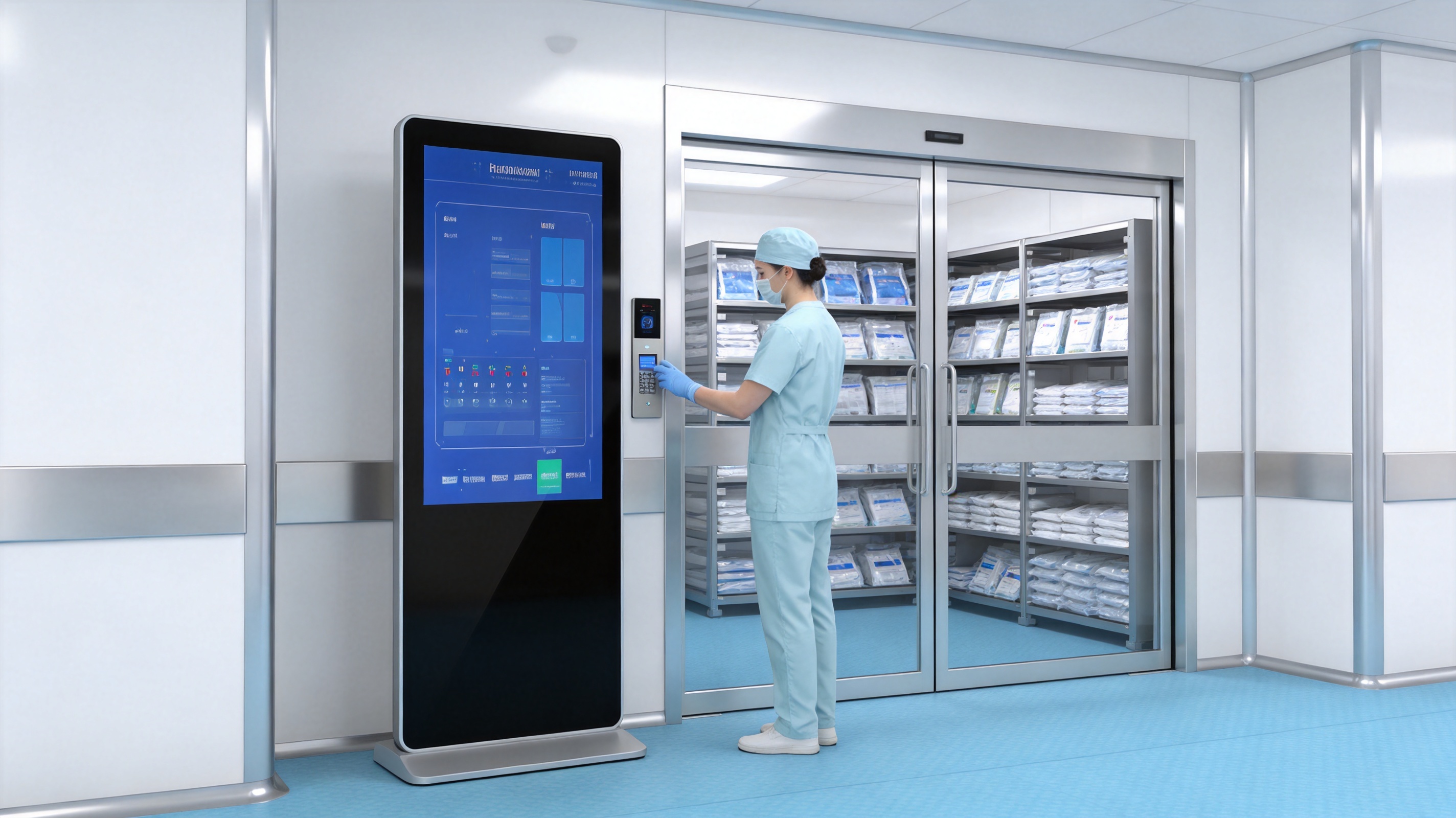
4. Alarm Functions and Abnormal-Event Response
A controlled area is only as secure as its response to abnormal events. An unauthorized access attempt, unusual operation, environmental deviation, equipment fault, or extended door-open condition may require immediate attention. The Intelligent Access Control System is designed to provide real-time alarm notifications so that abnormal conditions are not hidden within a large volume of routine data.
When an unrecognized person attempts to enter or when a user presents credentials that do not match the required permission level, the system can generate an alarm. This helps security personnel or department managers distinguish ordinary access from a potential security event.
Unauthorized access alarms can be especially valuable outside normal working hours. A storage room may be quiet for much of the day, and a manual security patrol may not detect an attempted entry immediately. A digital alert can shorten the time between an event and the beginning of a response.
4.2 Abnormal Operation Alerts
Not every risk comes from an unauthorized person. An authorized employee may leave a door open, operate equipment incorrectly, or access an area at an unusual time. Abnormal operation alerts can help identify events that require attention even when the user has valid credentials.
By connecting access information with monitoring data, managers can examine the context surrounding an abnormal event. For example, they may determine whether an environmental deviation occurred after a door was opened, whether a storage unit stopped operating during a maintenance visit, or whether a repeated access attempt indicates a configuration issue.
4.3 Expandable Security Subsystems
The modular design allows additional security functions to be integrated according to application requirements. Potential subsystems include smoke detection and door contact alarms. This flexibility is important because facilities differ in layout, risk profile, construction, and regulatory expectations.
A laboratory may prioritize smoke detection, while a warehouse may place greater emphasis on door status and environmental monitoring. A hospital archive may require a different combination of controls. Modular expansion allows the system to grow with the facility instead of requiring a complete replacement when new security requirements arise.
5. Energy-Saving Automation and Remote Management
Large displays and continuously operating terminals can consume energy if they remain active when no one is using them. The system addresses this issue through motion-sensor-based automation. When no person is detected in the operating area, the screen can turn off automatically. This reduces unnecessary energy consumption while allowing the terminal to reactivate when staff return.
Energy-saving automation also supports a more practical user experience. Staff do not need to remember to switch off the display after completing a task. Automated operation reduces dependence on manual habits and helps maintain consistent energy management across multiple installation points.
5.1 Remote Permission Configuration
Networked centralized management allows authorized administrators to configure permissions remotely. This can be useful when a hospital has several controlled spaces or when access rules must be updated outside the immediate location. Remote configuration can reduce travel between departments and improve the speed of administrative changes.
For example, a temporary maintenance team may require access to a medical supply warehouse for a limited period. An administrator can assign the necessary authorization, define its duration, and later withdraw it. Similarly, a new department employee can receive appropriate access without waiting for a local administrator to complete a manual configuration process.
5.2 Remote Log Review
Remote log review supports supervision, auditing, and incident analysis. Managers can examine access records and related system information through a centralized structure. This is valuable for organizations that need to compare events across several rooms, departments, or facilities.
Centralized records also support more consistent management practices. Instead of allowing each department to maintain separate informal records, the organization can establish common procedures for reviewing access, responding to alarms, and retaining operational information.
5.3 Lower Maintenance Requirements
Integration can reduce the number of independent systems that require separate maintenance. A unified terminal may simplify user training, routine inspection, software administration, and troubleshooting. Modular components can also make it easier to expand or replace selected functions without redesigning the entire solution.
Low-maintenance operation does not mean maintenance is unnecessary. Biometric readers, cards, displays, sensors, network connections, and power supplies should all be checked according to a planned schedule. However, centralized management and automated functions can reduce repetitive manual work and improve consistency.
6. Advantages Compared with Conventional and Fragmented Solutions
Many competing access control products focus primarily on authentication. They may provide a card reader, a fingerprint scanner, or a facial recognition camera, but leave environmental information and inventory data to separate systems. This fragmented model can force managers to use multiple displays, applications, and procedures.
The Intelligent Access Control System offers a broader value proposition by combining access security with visual operational monitoring. Its main competitive advantages are integration, multi-mode authentication, large-format visualization, scalability, and suitability for specialized medical environments.
| Evaluation Area | Conventional Standalone Access Control | Integrated Intelligent Access Control System |
|---|---|---|
| Identity verification | Often based on one primary method, such as a card or password | Supports facial recognition, fingerprint authentication, and card access |
| Permission management | May require local administration or separate software | Supports tiered permissions and centralized remote configuration |
| Environmental information | Usually handled by an independent monitoring system | Temperature and humidity data can be displayed with access information |
| Inventory visibility | Often disconnected from the door-control interface | Inventory status can be presented through the integrated terminal |
| Alert handling | May provide only access-denial notifications | Can support unauthorized access, environmental, equipment, and expandable security alerts |
| User interface | Small reader or separate monitoring screen | 55-inch high-definition visual management display |
| Scalability | Expansion may require several independent systems | Modular architecture supports additional subsystems and platform integration |
| Energy management | Screen or terminal may remain active continuously | Motion sensing can automatically turn off the display when unattended |
| Operational overview | Managers review separate sources of information | Personnel, materials, environmental conditions, and equipment can be viewed together |
One important advantage is reduced information fragmentation. When access data, inventory status, and environmental readings appear within the same management context, personnel can make decisions more efficiently. This is particularly helpful during abnormal events, when time and clarity are important.
Another advantage is authentication flexibility. A single-method system may become inconvenient if cards are forgotten, fingerprints cannot be read, or a user needs contactless operation. Multiple authentication modes allow facilities to match the method to the user, area, and security policy.
The large display is also a differentiating feature. A small reader can confirm whether access is accepted, but it is not designed to present a broad operational overview. The 55-inch interface allows the product to function as a visible management terminal rather than only a door-side credential reader.
Scalability provides a further competitive benefit. Medical organizations rarely remain static. New rooms, departments, sensors, systems, and security requirements may be added over time. A modular platform can accommodate these changes more effectively than a fixed, single-purpose device.
7. Manufacturing and Engineering Strengths
The reliability of an intelligent access control product depends on more than its listed functions. It also depends on engineering discipline, component coordination, assembly quality, software integration, testing, documentation, and the manufacturer’s ability to support customers over the product lifecycle.
Wanma Technology Co., Ltd. was established in 1997 and specializes in communication cabinets, communication electronic equipment, and passive optical components. Its products are used in Ethernet networks, optical communication networks, central equipment rooms, national high-speed railway systems, and urban rail transit systems. These application areas require dependable equipment, disciplined manufacturing, stable supply, and careful attention to infrastructure conditions.
7.1 Experience in Infrastructure-Oriented Manufacturing
Communication and transportation infrastructure products are commonly expected to operate reliably within demanding organizational environments. They may be installed in equipment rooms, network facilities, railway systems, or other locations where service interruption can create significant consequences. Experience in these fields can support a manufacturing culture focused on reliability, structured design, and long-term usability.
For an intelligent access control product, this experience is relevant because the system is not merely a consumer display or isolated biometric reader. It is an infrastructure terminal that may be connected to a hospital network, inventory platform, environmental monitoring system, and security subsystem. Stable communication, organized wiring, equipment integration, and maintainable construction are all important.
7.2 Integrated Product Development
The company develops, manufactures, and markets its own branded products while also providing integrated solutions for customized products. This combination can support closer coordination between product design, production, application engineering, and customer requirements.
In the case of the Intelligent Access Control System, integrated development is reflected in the combination of display, authentication, monitoring, alarms, energy-saving automation, and network management. The product is designed as a coordinated solution rather than a collection of unrelated devices assembled only at the installation site.
Integrated product development can also simplify communication during customization. Hospitals and laboratories may have specific requirements concerning door types, access levels, sensor arrangements, data interfaces, room layouts, or management platforms. A manufacturer with experience in customized integrated solutions can evaluate these requirements as part of a broader system design.
7.3 Modular Design and Production Flexibility
Modular design is valuable in both manufacturing and field deployment. It allows product functions to be organized into identifiable modules, making configuration, testing, replacement, and expansion more manageable. A facility can begin with core access and monitoring functions, then add compatible security subsystems according to future needs.
From a production perspective, modularization can support standardized assemblies while preserving configuration flexibility. Standardized modules can help improve repeatability, while application-specific combinations can address different customer scenarios. This balance is important for manufacturers serving hospitals, laboratories, research institutions, data centers, and transportation-related facilities.
7.4 Quality-Oriented Manufacturing Process
The materials provided describe the company as emphasizing reliable product quality, timely delivery, and long-term strategic partnerships. These priorities are essential for access control systems used in sensitive areas. A product may be technically capable, but it must also arrive on schedule, be installed correctly, and continue to receive appropriate support.
A quality-oriented manufacturing process for this type of system generally includes design verification, component inspection, assembly control, software and hardware integration testing, authentication-function testing, display testing, network communication checks, alarm verification, and final inspection. The exact internal procedures may vary by project, but the purpose is consistent: to confirm that the complete terminal operates as an integrated product rather than as disconnected components.
Testing should also consider practical installation conditions. The system may be placed near a pharmacy entrance, inside a warehouse, in a laboratory corridor, or at the access point of a central equipment room. The manufacturer must consider mounting, cabling, power, network connectivity, visibility, user flow, and service access as part of the engineering process.
7.5 Supply and Delivery Capability
Timely delivery is particularly important for healthcare projects. A delayed access control installation can postpone the opening of a storage area, laboratory, pharmacy, or renovated department. It can also create additional coordination costs for contractors, network teams, facility managers, and hospital administrators.
Wanma Technology’s experience in manufacturing communication-related products and serving customers in more than 20 countries and regions demonstrates an established international market orientation. Its sales network includes the United States, Australia, the United Kingdom, Italy, South Africa, Ghana, and other markets. International experience can help a manufacturer understand the importance of documentation, communication, packaging, project coordination, and after-sales cooperation.
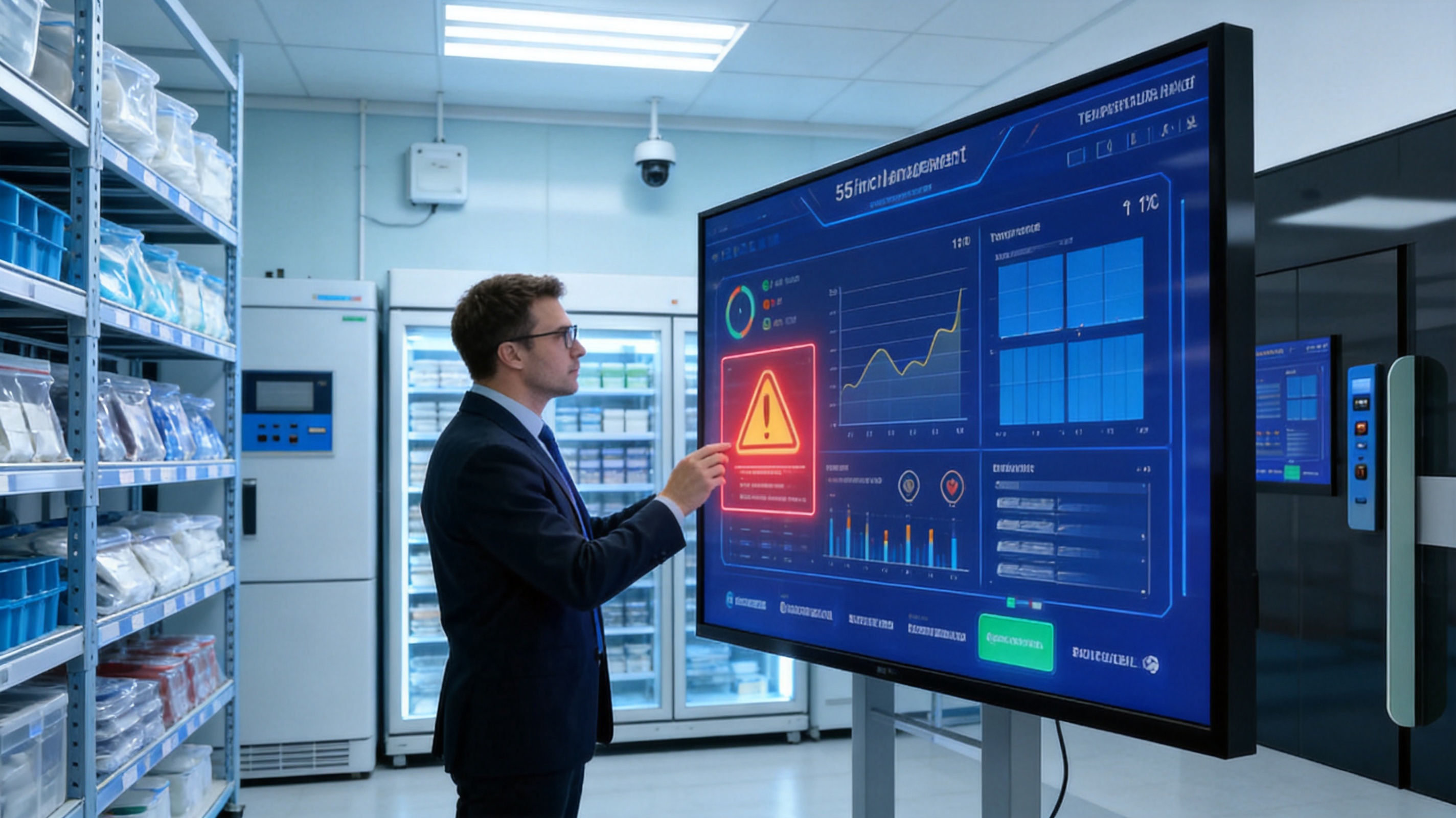
8. Integration with Hospital and Enterprise Platforms
The system is designed to support integration with hospital information systems, inventory management systems, and environmental monitoring platforms. This capability is important because access control should not create another isolated information island within the organization.
8.1 Hospital Information System Integration
Integration with a hospital information system may help coordinate personnel information, departmental structures, user roles, and operational records. The exact interface depends on the hospital’s existing architecture and security policies, but the general objective is to reduce duplicated administration.
When employee status or department information changes in an authorized system, related access permissions may be updated through an appropriate integration process. This can reduce the risk of outdated permissions remaining active after a user changes role or leaves the organization.
8.2 Inventory Management Integration
Inventory integration can connect access activity with medical consumable information. Managers may use the combined view to examine who accessed a storage area, when the access occurred, and whether the inventory platform recorded related operations.
This connection can support more orderly stock management, but it should be implemented with clear responsibility boundaries. The inventory system remains responsible for inventory transactions, while the access control system provides identity and access context. Proper integration helps each platform perform its role while allowing authorized users to view relevant information together.
8.3 Environmental Monitoring Integration
Environmental monitoring platforms can provide the temperature and humidity values displayed by the terminal. Integration may also support alarm forwarding, record comparison, and centralized reporting. This can help facilities establish a consistent response procedure for conditions that exceed configured limits.
For critical storage spaces, organizations should define who receives alerts, how quickly the area must be inspected, which backup measures are available, and how the incident is documented. Technology provides visibility, but effective risk control also depends on trained personnel and documented procedures.
9. Application Scenarios
9.1 Operating Rooms
Operating rooms require controlled personnel movement to support infection-control procedures, protect privacy, and maintain orderly clinical operations. The system can help distinguish authorized clinical personnel, service staff, and maintenance workers. Visual information about access status and environmental conditions can support operating-room managers.
Different access levels may be assigned to surgeons, nurses, anesthesiology teams, cleaning staff, equipment engineers, and visitors. Temporary permissions can be provided for approved maintenance or inspection activities and removed after completion.
9.2 Pharmacy Storerooms
Pharmacy storerooms often contain products that require controlled handling and careful stock management. Multi-mode authentication can restrict access to pharmacists and authorized personnel. Inventory information and environmental readings can be shown through the management terminal, helping staff maintain awareness of storage conditions.
Access records can also support internal reviews. If an inventory discrepancy is identified, managers may examine access activity during the relevant period and compare it with inventory records and environmental data.
9.3 Medical Supply Warehouses
Medical supply warehouses may contain large volumes of consumables serving multiple departments. They benefit from controlled access, clear user permissions, and centralized management. The system can help warehouse managers distinguish routine stock handling from unusual access events.
Because warehouses may have multiple doors or zones, the modular and networked architecture can support expansion. Additional terminals, environmental sensors, door contacts, or smoke-detection functions may be incorporated according to the facility’s design.
9.4 Laboratories
Laboratories may handle sensitive samples, specialized instruments, chemicals, and research materials. Access requirements can vary by project, training status, working hours, and authorization level. Facial recognition, fingerprints, and cards provide flexible authentication choices for different user groups.
Environmental monitoring can also be important in laboratories where temperature and humidity affect samples or equipment. A visual terminal can make abnormal conditions more noticeable and support faster investigation.
9.5 Archives and Records Rooms
Medical archives and records rooms require protection against unauthorized access, improper handling, and environmental damage. The system can create a controlled entry point and present environmental readings through a centralized display. Access logs may support compliance reviews and internal accountability.
9.6 Research Institutions and Data Centers
The product is also suitable for research institutions, precision instrument rooms, data centers, and other areas requiring integrated management of people, materials, and environmental conditions. These environments may not be medical in nature, but they share several requirements: restricted entry, traceable operations, equipment awareness, and scalable security.
10. Deployment Considerations
A successful installation begins with an assessment of the facility. Managers should identify the areas requiring protection, the personnel groups that need access, the environmental variables that must be monitored, and the existing platforms that may require integration.
The physical location of the terminal should support clear visibility without obstructing staff movement. The 55-inch display should be positioned where authorized users can interact with it comfortably and where managers can observe the status information. Cabling, network access, power supply, lighting, and service clearance should be considered before installation.
Authentication enrollment should follow a controlled procedure. User identities, departments, permission levels, valid periods, and emergency procedures should be documented. The organization should also define how lost cards, failed biometric readings, temporary access, and emergency entry will be handled.
Environmental sensors should be installed according to the characteristics of the storage area. Sensor location can influence the accuracy and usefulness of readings. Facilities should establish calibration, inspection, and replacement procedures, particularly for areas that store sensitive medical products.
Alarm response procedures should be tested after installation. Staff should know what different alerts mean, who is responsible for responding, how incidents are recorded, and which escalation procedures apply. Testing should include unauthorized access attempts, environmental deviations, equipment alerts, network interruptions, and power-related events where applicable.
11. Operational Benefits for Different Stakeholders
11.1 Benefits for Hospital Administrators
Administrators gain a broader view of controlled areas. Instead of relying on isolated access reports, they can review personnel access, environmental status, inventory information, and equipment conditions through an integrated management structure. This supports more informed policy decisions and resource planning.
11.2 Benefits for Security Teams
Security personnel can receive clearer information about unauthorized access and abnormal operations. Centralized logs and real-time alarms can help them prioritize events and coordinate with department managers. Multiple authentication modes provide more options for enforcing security policies.
11.3 Benefits for Pharmacy and Warehouse Managers
Pharmacy and warehouse managers can connect access events with inventory and environmental information. This can improve accountability and help identify problems earlier. Remote permission configuration can also reduce administrative effort when staff assignments or working hours change.
11.4 Benefits for Clinical and Laboratory Personnel
Authorized users can access protected areas through a suitable authentication method. The visual terminal can provide relevant information without requiring them to consult multiple systems. Motion-based screen control can also reduce unnecessary interaction with the terminal during busy work periods.
11.5 Benefits for Facility and IT Teams
Facility and IT teams benefit from a modular platform that can be integrated with existing systems and expanded as needs develop. Centralized administration can simplify user management, log review, and coordination across several locations. The manufacturer’s background in communication infrastructure is relevant to projects that require stable networked equipment and organized installation.
12. Why Manufacturer Capability Matters
Buyers of intelligent access control systems should evaluate more than the authentication reader or display size. The supplier’s manufacturing background, engineering resources, delivery capability, integration experience, and after-sales cooperation can influence the success of the entire project.
A manufacturer with experience in communication equipment understands that products must operate as part of a larger infrastructure. Network compatibility, equipment-room organization, connection stability, modular expansion, and serviceability are essential considerations. These factors are especially important when the access control system is connected to hospital information systems, inventory platforms, environmental sensors, and other security subsystems.
Wanma Technology has developed products for communication networks, optical networks, central equipment rooms, railway systems, and urban rail transit systems. Its products are used across international markets, and the company emphasizes reliable quality, timely delivery, and long-term customer relationships. These strengths provide a foundation for delivering integrated equipment to organizations that require dependable operation and sustained cooperation.
The company’s ability to develop and manufacture its own products can also support greater control over product evolution. Feedback from hospitals, laboratories, research institutions, and infrastructure customers may be considered in future design improvements. For customized applications, closer control of design and production can make it easier to coordinate product specifications with project requirements.
13. Future Development Potential
Intelligent access control is becoming increasingly connected with broader facility-management systems. Future deployments may place greater emphasis on centralized identity management, automated event analysis, energy optimization, digital inventory coordination, and cross-site security supervision.
The modular design of the system creates a suitable foundation for such development. Additional sensors, security devices, and software connections can be introduced as the organization’s needs mature. A hospital may begin with access authentication and temperature monitoring, then later add smoke detection, door contact alarms, advanced inventory connections, or more comprehensive facility dashboards.
Future improvements may also focus on user experience. Faster authentication, clearer alert prioritization, more adaptable permission workflows, and easier remote administration can help staff use the system effectively without adding unnecessary complexity. The most successful systems will combine strong security with simple daily operation.
Data security and privacy will remain important considerations. Biometric information, access logs, personnel identities, and medical-area activity records should be protected through appropriate technical and administrative measures. System owners should define roles, retention periods, audit rules, and cybersecurity practices before deployment.
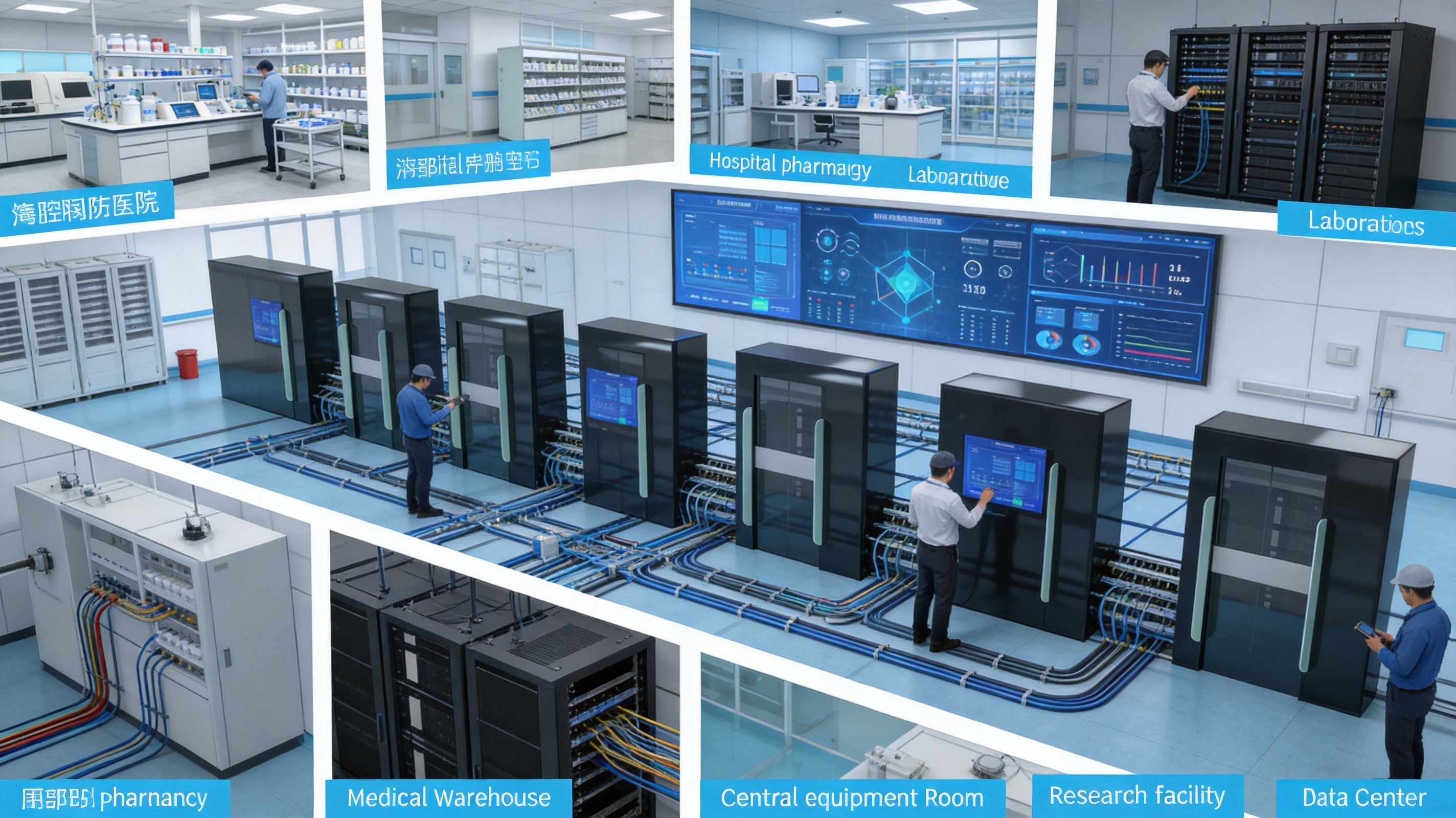
14. Frequently Asked Questions
Q1: What is the primary purpose of the Intelligent Access Control System?
The primary purpose is to control personnel access to high-security areas while combining identity verification with visual monitoring of inventory, temperature, humidity, equipment operation, and abnormal events. It is designed for hospitals, laboratories, medical warehouses, pharmacies, operating rooms, archives, and similar environments.
Q2: Which authentication methods does the system support?
The system supports facial recognition, fingerprint scanning, and card verification. Facilities can select one method or combine methods according to their security policy, personnel structure, and operational requirements.
Q3: Can different employees receive different access permissions?
Yes. The system supports tiered access permissions. Administrators can assign different rights to clinical staff, pharmacists, warehouse personnel, laboratory researchers, maintenance workers, security teams, contractors, and other user groups.
Q4: Does the system monitor temperature and humidity?
It can display real-time temperature and humidity information when connected with suitable environmental monitoring devices or platforms. Abnormal conditions can trigger visible alerts so that responsible personnel can investigate promptly.
Q5: Can the system display inventory information?
Yes. The product is designed to present inventory status through its high-definition visual interface and can be integrated with inventory management systems. The exact information displayed depends on the connected platform and the customer’s configuration.
Q6: What is the purpose of the 55-inch display?
The 55-inch high-definition display provides a centralized visual management interface. It can show access results, inventory status, environmental readings, equipment operation, and alert notifications in a clear format.
Q7: Can the screen save energy?
Yes. Motion sensors can detect whether the terminal is unattended and automatically turn off the screen when appropriate. This reduces unnecessary energy consumption while supporting automatic reactivation when users return.
Q8: Can administrators manage the system remotely?
The system supports networked centralized management, including remote permission configuration and log review. This is useful for organizations managing several controlled areas or multiple facilities.
Q9: Can additional security devices be added later?
Yes. Its modular design supports expansion according to application requirements. Potential additions include smoke detection and door contact alarms, as well as connections to environmental monitoring and other management platforms.
Q10: Is the system suitable for data centers and research institutions?
Yes. In addition to hospitals and laboratories, it can be used in research institutions, precision instrument rooms, data centers, archives, and other locations requiring coordinated control of personnel, materials, and environmental conditions.
Q11: What should be considered before installation?
Organizations should evaluate access zones, user groups, authentication policies, sensor locations, network connectivity, power supply, display placement, integration requirements, alarm procedures, data protection, and maintenance responsibilities.
Q12: Why is the manufacturer’s communication-equipment experience relevant?
The system is a networked infrastructure product rather than a standalone lock. Experience with communication cabinets, electronic equipment, optical networks, central equipment rooms, and transportation infrastructure can support dependable design, structured integration, modular expansion, and project coordination.
15. Conclusion
The Intelligent Access Control System provides a comprehensive approach to security management in medical and high-security environments. By combining facial recognition, fingerprint authentication, card access, dynamic permissions, a 55-inch high-definition display, environmental visibility, inventory information, alarm functions, energy-saving automation, and remote management, it extends access control into a broader operational platform.
Its advantages over conventional standalone products arise from integration and scalability. Managers can view people, materials, environmental conditions, and equipment status within one coordinated system. Organizations can select multiple authentication methods, adjust permissions as roles change, respond to abnormal conditions, and expand the platform with additional security subsystems.
The manufacturer’s long experience in communication equipment, optical networks, central equipment rooms, high-speed railway systems, and urban rail transit provides an infrastructure-oriented foundation for product development and delivery. Its focus on reliable quality, timely delivery, customized solutions, and long-term partnerships supports customers seeking more than a basic access reader.
For hospitals, pharmacies, medical warehouses, laboratories, research institutions, archives, and data centers, intelligent access control can improve security while strengthening daily management. When combined with appropriate installation planning, privacy protection, maintenance procedures, and staff training, the system can become an important part of a safer, more visible, and more responsive facility-management strategy.
References
1. Product specification and application materials for the Intelligent Access Control System.
2. Company profile and manufacturing information supplied for Wanma Technology Co., Ltd.
3. General principles of physical access control management for healthcare and high-security facilities.
4. General guidance on environmental monitoring for medical storage areas.
5. General practices for biometric authentication, permission management, and access-event auditing.
6. General principles of modular system integration for networked security and facility-management platforms.
Product: Access Control System
PREV:Armored Soft Fiber Patch Cords for Reliable Network Connections in Demanding Environments
NEXT:Liquid-Cooled Containerized Data Centers for High-Density Computing and Network Modernization
NEXT:Liquid-Cooled Containerized Data Centers for High-Density Computing and Network Modernization
Interested in cooperation or have questions?
Related products
-
-
Product Definition:The Intelligent Geng Shoe Box is an advanced storage and management solution for hospitals, operating rooms, and clean zones. It enables automated issuance and collection of shoes a...
See Details -
Product Definition:Intelligent Shelves are a smart warehouse management unit that integrates dynamic sensing, real-time display, and precise positioning. By leveraging advanced sensor technology, they...
See Details -
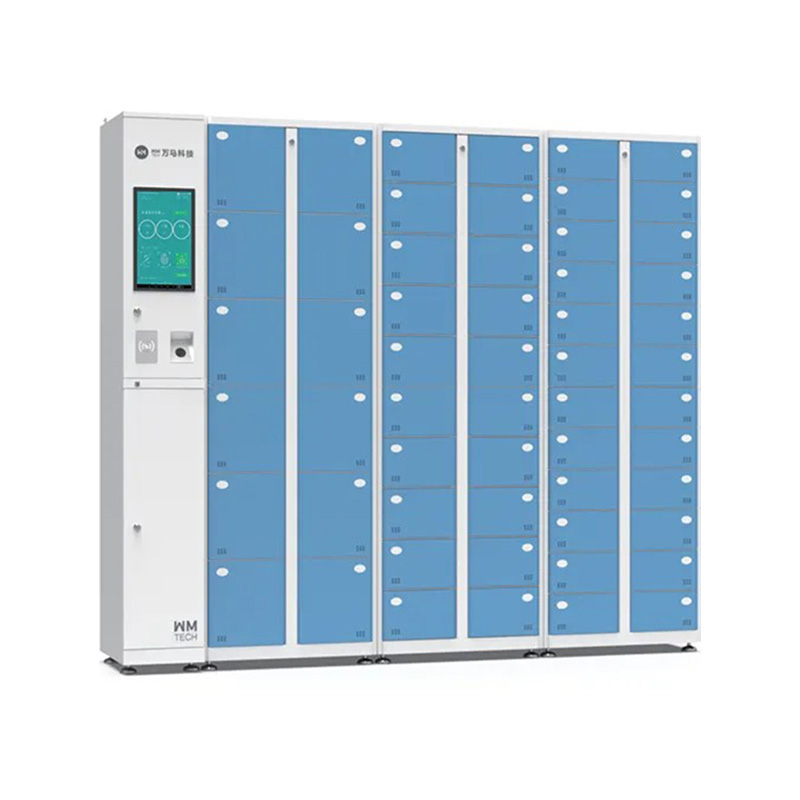
Product DefinitionThe Intelligent Locker is a smart medical supplies and personal items management system developed based on IoT and biometric technologies. Integrating multiple authentication methods...
See Details
Ready to Get started ? Contact Us Now !

Product.
Contact Details.
-
 +86 13958188250
-
 +86 13958188250
-
 [email protected]
-
 AUDIT Email:[email protected]
- Wanma Industrial Park Taihu Yuan Town Lin'an District Hangzhou City China.
QR Code

Copyright © Wanma Technology Co., Ltd. All Rights Reserved.
Privacy
Custom Ethernet Optical Network Railway Transit Equipments Suppliers
