

 English
 Français
 Español
 Português
 عربى
عربى





 Knowledge
Digital infrastructure for healthcare vs. finance: What are the key differences?
As digital transformation accelerates across industries, the demand for digital infrastructure solutions for telecom and healthcare continues to grow. Healthcare organizations and financial institutions both rely on highly available digital environments, yet their operational priorities differ significantly. Healthcare environments focus on patient safety, clinical data accessibility, and uninterrupted service delivery, while finance organizations prioritize transaction speed, risk management, and data protection. Understanding these differences is essential when designing modern infrastructure architectures.
Modern infrastructure encompasses communication networks, data transmission systems, energy management platforms, monitoring systems, and equipment housing solutions. The effectiveness of these components directly influences service reliability, cybersecurity posture, scalability, and long-term operational efficiency. While healthcare and finance often utilize similar technologies, the implementation methods, performance expectations, and compliance requirements can vary considerably.
Communication Cabinets and Equipment Room Infrastructure
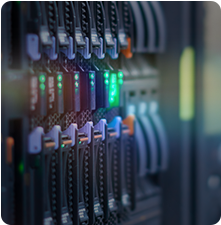
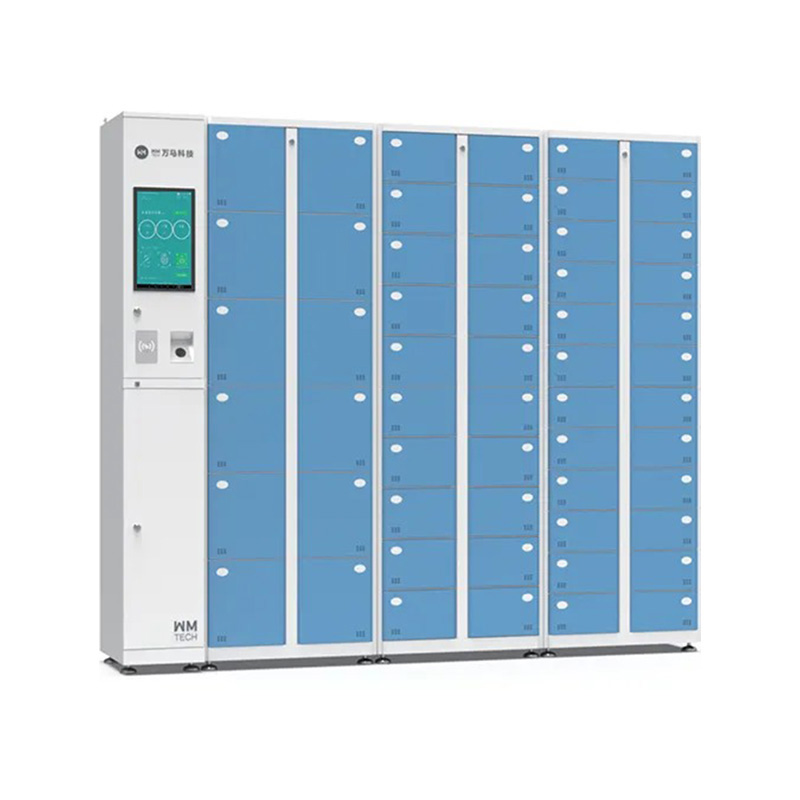
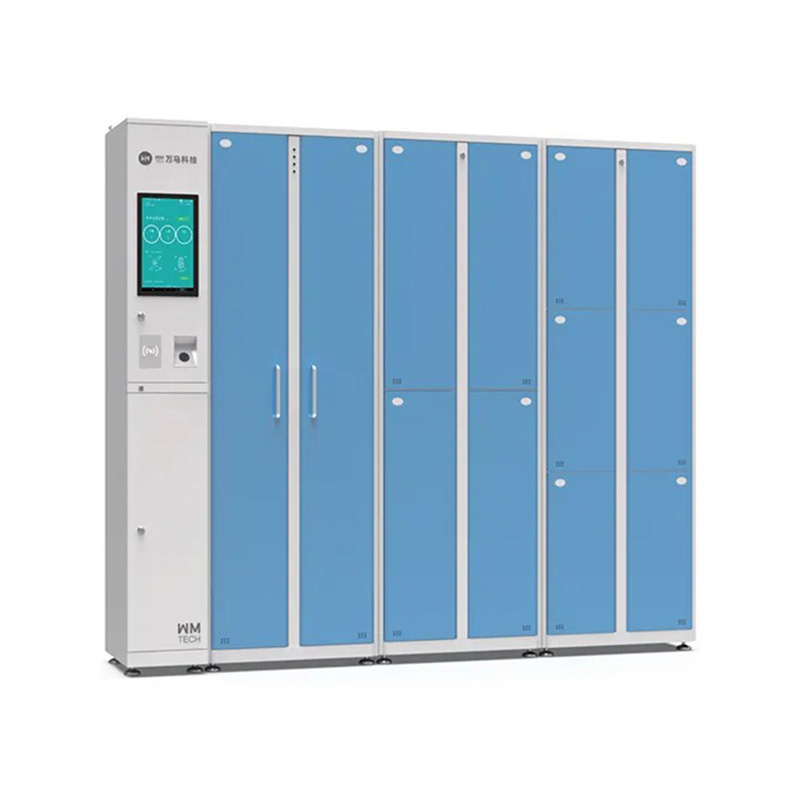
Communication cabinets represent one of the most fundamental categories within modern digital infrastructure. They provide secure physical environments for networking equipment, fiber distribution systems, power management devices, and monitoring hardware. In healthcare facilities, communication cabinets support hospital information systems, imaging platforms, telemedicine services, and electronic medical record applications. Financial institutions utilize similar infrastructure to support payment systems, trading environments, customer databases, and digital banking platforms.
The requirements differ substantially between sectors. Healthcare facilities often operate across multiple buildings and departments, requiring distributed network architectures with high redundancy. Finance organizations typically emphasize centralized processing environments designed for maximum transaction performance and continuous data integrity.
As a specialist in communication infrastructure, Wanma Technology Co., Ltd. has been providing communication cabinets, communication electronic equipment, and passive optical components since 1997. Its solutions are widely deployed across Ethernet networks, optical communication networks, central equipment rooms, railway communication systems, and urban infrastructure projects. These capabilities support organizations seeking reliable digital infrastructure solutions for telecom and healthcare while maintaining flexibility for future expansion.
Core Features of Communication Cabinet Solutions
- Structured cable management systems
- Integrated cooling and ventilation designs
- Flexible equipment installation layouts
- Enhanced physical security protection
- Scalable capacity for network growth
- Remote monitoring compatibility
Healthcare organizations benefit from cabinet systems that support distributed clinical environments and emergency response operations. Financial institutions benefit from dense equipment configurations designed to maximize performance while maintaining strict operational security. These distinctions demonstrate how infrastructure must be aligned with organizational objectives rather than relying on a single standardized approach.
Fiber Optic Network Infrastructure
Fiber optic infrastructure forms the foundation of modern digital communication. High-capacity fiber networks enable rapid transmission of critical information between facilities, data centers, cloud environments, and end users. In healthcare settings, fiber networks support imaging systems, telemedicine consultations, patient monitoring applications, laboratory information systems, and medical research platforms. Financial organizations rely on fiber networks to facilitate payment processing, risk analysis, customer transactions, and real-time market operations.
The priorities of healthcare networks generally emphasize reliability and accessibility. Medical professionals require immediate access to patient information regardless of location or time of day. Financial institutions, by contrast, frequently prioritize transmission efficiency, response speed, and continuous transaction processing.
To address these requirements, Wanma Technology Co., Ltd. offers comprehensive fiber optic network services including network planning, architecture design, deployment, cable installation, fiber splicing, termination, and turnkey project delivery. These capabilities help organizations implement scalable and efficient digital infrastructure solutions for telecom and healthcare across diverse operational environments.
Typical Fiber Network Applications
- Hospital campus connectivity
- Telemedicine platform support
- Medical imaging transmission
- Banking transaction networks
- Financial data center interconnection
- Disaster recovery network architecture
| Category | Healthcare | Finance |
| Primary Objective | Patient care continuity | Transaction efficiency |
| Network Priority | Availability | Low latency |
| Data Type | Medical records and imaging | Financial transactions |
| Redundancy Level | Very high | High |
Site Energy System Integration and Power Infrastructure
Reliable power infrastructure is a critical requirement for both healthcare and finance sectors. Hospitals depend on uninterrupted electricity to operate life-support equipment, diagnostic devices, monitoring systems, and emergency communication platforms. Financial institutions require stable power to maintain transaction processing systems, cybersecurity platforms, customer services, and data center operations.
Power disruptions can have severe consequences in either environment. In healthcare, outages may impact patient safety and clinical workflows. In finance, interruptions can lead to service unavailability, operational delays, and significant business risks. Consequently, infrastructure planners increasingly integrate hybrid energy systems that combine utility power, solar generation, energy storage, backup generators, and intelligent monitoring technologies.
As part of its integrated service portfolio, Wanma Technology Co., Ltd. provides customized energy solution design, photovoltaic integration, battery storage deployment, inverter installation, commissioning services, and performance optimization. These solutions support organizations seeking long-term operational resilience through advanced digital infrastructure solutions for telecom and healthcare.
Advantages of Integrated Energy Systems
- Improved operational continuity
- Enhanced energy efficiency
- Reduced downtime risks
- Scalable infrastructure expansion
- Centralized monitoring capabilities
- Long-term cost optimization
Healthcare environments often require multiple layers of backup power because patient care operations cannot tolerate interruptions. Financial institutions similarly require redundancy, although their focus is frequently centered on maintaining data integrity and uninterrupted customer services. These differing priorities influence infrastructure architecture, equipment selection, and maintenance strategies.
Testing, Operations, and Maintenance Support
Infrastructure deployment alone does not guarantee long-term success. Effective testing, operation, and maintenance programs are essential for sustaining performance throughout the infrastructure lifecycle. Organizations increasingly require proactive monitoring, predictive maintenance, remote diagnostics, and rapid response capabilities.
Healthcare systems must maintain continuous availability for clinical applications, while finance organizations require constant monitoring to minimize operational and cybersecurity risks. The implementation of digital infrastructure solutions for telecom and healthcare therefore extends beyond hardware deployment and includes comprehensive operational support services.
With dedicated overseas pre-sales and after-sales teams, Wanma Technology Co., Ltd. provides remote technical guidance, on-site training, rapid response support, and system optimization services. This approach helps ensure smooth project implementation and sustainable infrastructure performance for customers worldwide.
Frequently Asked Questions
Q1: Why are healthcare infrastructure requirements different from finance infrastructure requirements?
Healthcare organizations prioritize patient safety, medical data accessibility, and service continuity, while finance institutions focus more heavily on transaction performance, operational efficiency, and financial data protection.
Q2: What role do communication cabinets play in digital infrastructure?
Communication cabinets provide secure housing for networking equipment, fiber distribution systems, power devices, and monitoring components, supporting stable and scalable infrastructure operations.
Q3: How do digital infrastructure solutions for telecom and healthcare improve operational reliability?
They integrate communication networks, fiber infrastructure, energy systems, monitoring platforms, and maintenance services into a unified framework that enhances availability, scalability, and long-term performance.
Q4: What services does Wanma Technology provide for infrastructure projects?
The company offers communication cabinets, optical communication products, fiber network planning and deployment, turnkey construction services, energy system integration, commissioning, testing, operation support, and customized infrastructure solutions.
Q5: Why is fiber optic infrastructure important for healthcare and finance?
Fiber networks provide high-capacity, reliable data transmission that supports critical healthcare applications, financial transactions, cloud connectivity, disaster recovery operations, and future digital transformation initiatives.
Conclusion: Although healthcare and finance share a dependence on advanced digital infrastructure, their operational objectives create distinct technical requirements. By combining communication cabinets, fiber optic networks, integrated energy systems, and professional maintenance services, organizations can establish resilient environments capable of supporting long-term growth. Comprehensive digital infrastructure solutions for telecom and healthcare provide the flexibility and reliability needed to address the evolving demands of both sectors while ensuring operational excellence and sustainable development.